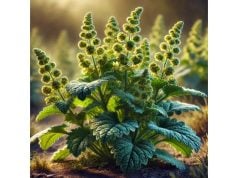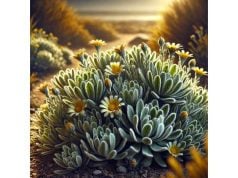
Dichondra is best known as a creeping groundcover, but in several traditional systems it has also been used as a medicinal plant. That split identity is exactly why it deserves a careful, evidence-based look. The medicinal literature around Dichondra is not broad, and much of it centers on a few species used in East Asian practice, especially forms historically labeled as Dichondra repens (with some modern taxonomic updates). Traditional uses include support for liver and bile complaints, urinary discomfort, inflammatory conditions, and some external applications such as rinses or topical preparations.
What makes this herb interesting is not just the folklore. Researchers have identified coumarins, flavonoids, and other compounds with antioxidant and anti-inflammatory activity in laboratory studies. At the same time, the strongest human data are still limited, and much of the more detailed work is preclinical or focused on a drug candidate derived from a plant compound rather than the raw herb itself. In other words: useful, promising, and still unfinished.
Key Insights
- Dichondra has traditional uses for inflammatory and liver-related complaints, but modern clinical evidence for the raw herb is still limited.
- Laboratory and animal studies suggest antioxidant and anti-inflammatory effects, which may explain some of its historical uses.
- Traditional preparations vary widely, with reported fresh-herb amounts ranging roughly from 25 g to 150 g depending on the formula and use.
- Pregnancy and breastfeeding are not good times to self-use Dichondra because safety data for the herb are not well established.
- People with liver disease, those using hepatitis medicines, or anyone taking multiple medications should avoid self-treatment and ask a clinician first.
Table of Contents
- What is dichondra and which species are used
- Key compounds in dichondra
- Potential benefits and realistic uses
- How to use dichondra safely
- How much dichondra per day
- Side effects interactions and who should avoid
- What the evidence actually shows
What is dichondra and which species are used
Dichondra is a small genus in the morning glory family (Convolvulaceae). Most people know it from landscaping: low, round leaves, creeping stems, and a dense mat-like growth habit. In medicinal discussions, though, the name can become confusing fast because different regions, languages, and older publications may use different scientific names for similar or related plants.
That naming issue matters. Many modern medicinal papers focus on plant material referred to as Dichondra repens in older East Asian sources. At the same time, modern taxonomy databases may distinguish or update some names, and closely related species such as Dichondra micrantha also appear in botanical databases with recorded medicinal uses. If you are reading labels, product listings, or traditional formulas, this is one of the first things to check: the seller should identify the species clearly, not just say “dichondra.”
Historically, the medicinal plant has been used mostly as an herb in decoctions and fresh preparations. Traditional records describe internal uses for conditions linked to “heat,” dampness, jaundice-like symptoms, urinary problems, and digestive infections, plus external uses for wounds or inflamed tissues. These uses do not mean the herb is proven for modern diagnosis-based treatment, but they help explain why research has focused on liver, inflammation, and anti-infective pathways.
Another practical point: “Dichondra spp.” in a gardening context does not automatically equal a medicinal herb product. Groundcover cultivars may be selected for appearance or turf performance rather than medicinal chemistry. Plant age, growing conditions, and genotype can all affect chemistry. That is important because the medical literature on dichondra is already species-specific and limited. Using a random ornamental plant from a lawn or nursery as an “herbal remedy” is not a safe or evidence-based shortcut.
For readers trying to orient themselves, it helps to think of Dichondra in three layers:
- Genus level: multiple species with overlapping names and broad global distribution.
- Traditional medicine level: a narrower set of species used as herbal material in regional practice.
- Research level: most pharmacology data come from specific extracts or isolated compounds, not from all Dichondra species.
This layered view prevents a common mistake: assuming every dichondra plant has the same benefits, potency, and safety profile. It also sets the right expectation for the rest of this article: useful clues exist, but careful species identification and cautious interpretation are essential.
Key compounds in dichondra
The medicinal interest in dichondra comes from its chemistry. Researchers studying traditionally used dichondra material have reported a mix of compound groups that could plausibly support some of the herb’s historical uses, especially for inflammation and oxidative stress. The most discussed categories include coumarins, flavonoids, triterpenoid-related constituents, and a group of phenylalanine dipeptide derivatives tied to anti-hepatitis B research.
A few names show up repeatedly:
- Scopoletin
- Umbelliferone
- Skimmin
- Flavonoid compounds (reported as a group in several analyses)
- Phenylalanine dipeptide derivatives built from a core compound often studied in anti-HBV programs
Why does this matter? Because “herbal benefit” claims become much more useful when they map to plausible chemistry. For example, coumarin-type compounds and flavonoids are often investigated for antioxidant and anti-inflammatory effects. That does not prove a clinical effect in people, but it gives a mechanistic reason researchers keep testing dichondra extracts in cell and animal models.
There is also an important distinction between raw-herb chemistry and drug-development chemistry. In the dichondra literature, scientists isolated and modified plant-derived compounds into derivatives, then tested those derivatives for anti-HBV activity. One of these, bentysrepinine (also called Y101 or Tifentai in some sources), advanced into human phase I safety and pharmacokinetic testing. That is a big step scientifically, but it does not mean a tea or powder of dichondra works like a prescription antiviral. The derivative is a refined, dose-controlled product, not the same as the raw herb.
Chemistry can also vary by species and extraction method. A recent study on Dichondra argentea showed that extraction conditions strongly affected total phenolic yield and antioxidant activity. Even though D. argentea is not the same species as the East Asian medicinal material most often discussed, it illustrates a broader point that applies to the genus: how you prepare the plant changes what you get. A quick tea, a long decoction, an ethanol extract, and a fresh mashed juice may contain different proportions of active compounds.
For everyday readers, the practical takeaway is simple:
- Dichondra is not a single standardized chemical product.
- Species identity and preparation method matter.
- Stronger claims should come from standardized extracts or studied compounds, not vague “whole herb” marketing.
This is one reason reputable herbal products should provide more than a common name. A useful label should list the species, plant part, preparation type, and ideally some form of quality control. Without that, even well-known compounds like scopoletin or umbelliferone may vary too much to predict a reliable effect.
Potential benefits and realistic uses
Dichondra’s potential benefits are best understood by separating traditional use, preclinical evidence, and human evidence. When those get mixed together, the herb can sound either more proven or less useful than it really is.
Traditional and practical uses
Traditional records describe dichondra preparations for problems that would now be grouped into several categories:
- Liver and bile complaints, including jaundice-like illness
- Urinary discomfort and some urinary tract symptoms
- Inflammatory conditions
- Digestive infections such as dysentery-like illness in older terminology
- External uses for wounds, bleeding, and local inflammation
- Mouth rinses and local applications in a few traditional formulas
These uses suggest a broad “heat-clearing” and anti-inflammatory role in traditional frameworks. They also explain why modern researchers focused on liver injury models, anti-inflammatory assays, and anti-HBV screening.
What lab and animal studies suggest
The strongest non-human evidence for dichondra points to a few areas:
- Anti-inflammatory effects: Extracts have reduced inflammatory mediators in cell and animal experiments.
- Antioxidant effects: Dichondra extracts have shown free-radical scavenging and oxidative stress-related benefits in lab models.
- Liver-support signals: Some animal studies reported improved liver markers or protection in chemically induced liver injury models.
- Anti-HBV activity in derivatives: Several plant-derived compounds and modified derivatives inhibited HBV replication in cell systems.
These findings are meaningful because they fit the traditional pattern of use. They are also limited because most are not human trials, and some use high doses or purified compounds that do not reflect everyday herbal use.
What people should realistically expect
If someone is considering dichondra as a complementary herb, the most realistic expectations are:
- It may have mild supportive value for inflammatory or digestive-liver comfort in traditional practice settings.
- It is not a replacement for medical treatment of hepatitis, gallbladder disease, infections, or severe urinary symptoms.
- It is best viewed as a specialty herb with emerging pharmacology, not a mainstream, clinically established remedy.
A useful comparison is this: dichondra has more scientific interest than many folk herbs, but much less clinical proof than widely studied herbs such as peppermint for IBS symptoms or ginger for nausea. It sits in the middle ground: promising chemistry, active research, and limited high-quality human outcome data.
That middle ground is still valuable. It tells us dichondra is worth studying and may be useful in professional herbal practice, but it also tells consumers to avoid exaggerated claims like “proven liver cure” or “natural antiviral replacement.” The evidence does not support those statements yet.
How to use dichondra safely
Most real-world dichondra use comes from traditional preparations, not modern capsules. If you see a product online that treats dichondra like a standardized global supplement, treat that as a signal to look more closely at the label and the evidence.
Common forms described in traditional use
Traditional records and reviews describe several preparation styles:
- Decoction
- The herb is simmered in water and taken orally.
- This is the most common internal form in older formulas.
- Fresh mashed herb or expressed juice
- Used orally in some formulas
- Also used externally in some records for local applications
- Topical powder or fresh application
- Traditionally described for wounds or local inflammation in specific contexts
- Local rinses or washes
- Some historical records describe mouth rinses or local washing approaches
These forms are very different from one another. A decoction extracts water-soluble compounds. Fresh mash and juice can contain fragile plant components not present in a dried decoction. Topical use changes the safety profile because systemic exposure is lower, but skin sensitivity becomes more relevant.
Why preparation quality matters
A newer extraction study on another species in the genus, Dichondra argentea, highlighted something herbal practitioners already know: extraction conditions change the result. Temperature, time, and plant-to-solvent ratio altered phenolic yield and antioxidant activity. That does not automatically transfer to every medicinal dichondra species, but it reinforces a practical rule:
- Do not assume every preparation is equivalent.
In other words, a short tea steep, a long simmered decoction, and a concentrated alcohol extract may not behave the same way.
Sourcing and species verification
If you use dichondra in any form, these sourcing steps are essential:
- Verify the species name on the product.
- Confirm the plant part used (whole herb, aerial parts, fresh plant, extract).
- Choose a reputable supplier with testing or traceability.
- Avoid harvesting ornamental groundcover for self-treatment.
- Use professional guidance if combining with prescription drugs.
Species and genotype differences are not just botanical details. Recent plant studies on Dichondra repens genotypes show measurable biochemical differences under stress, which supports the idea that plant material can vary substantially depending on genetics and growing conditions. For medicinal use, that means quality control is not optional.
In short, “how to use dichondra safely” starts with proper identification and conservative preparation, not with a high dose. The herb’s research is interesting enough to deserve careful use, and limited enough to demand caution.
How much dichondra per day
This is the section most people look for first, and it is also where the evidence is least standardized.
There is no widely accepted modern clinical dose for raw dichondra herb based on large human trials. Most dosage information comes from traditional formulas, historical records, or studies using extracts and plant-derived compounds that are not equivalent to a home herbal preparation.
Traditional dosage patterns
Traditional sources summarized in modern reviews show a wide range of doses, often depending on whether the material is fresh, dried, internal, or external. Reported traditional formula amounts include roughly:
- About 25 g to 50 g
- About 50 g to 100 g
- Up to about 100 g to 150 g in some fresh-herb or specific formula contexts
Those are broad ranges and should not be read as a universal “daily dose.” They reflect older, condition-specific formulas, often using fresh herb and different preparation methods such as decoction or mashed juice. They also come from traditional practice records, not modern dose-finding trials.
What about capsules or extracts
If a product is sold as a powder, capsule, or extract, the label dose may be much lower because it is concentrated or standardized. The problem is that many products do not explain their extraction ratio, so comparisons become difficult.
A practical approach is:
- Start with the lowest labeled dose.
- Use it for a short, defined period.
- Stop if symptoms worsen or side effects appear.
- Do not combine multiple forms at once (for example, tea plus capsules plus tincture).
Drug-candidate dose is not herb dose
You may see the number 50 mg to 900 mg in the dichondra literature. That refers to bentysrepinine (Y101) in a phase I trial, which is a plant-derived antiviral drug candidate, not raw dichondra herb. It is useful as a safety and pharmacokinetic reference for that compound, but it should not be used to calculate a tea or herb dose.
Timing and duration
Because there is no strong human dosing standard for the herb itself, conservative timing is best:
- Short-term use rather than long-term self-treatment
- Single form at a time
- Clear treatment goal (for example, temporary digestive support, not chronic disease management)
If someone is using dichondra for a medically significant issue such as hepatitis symptoms, jaundice, persistent urinary pain, or suspected infection, dosage advice belongs in a clinical setting. In those cases, the bigger question is not “how much dichondra,” but “what diagnosis are we treating, and is this herb appropriate at all?”
Side effects interactions and who should avoid
Safety is the most important part of a dichondra article because the herb’s traditional use history is much stronger than its modern clinical safety data. For the raw herb, there is no large, well-established safety profile in diverse populations. That means caution should come first, especially for pregnancy, liver disease, and medication use.
Known and likely side effects
For the raw herb, reported side effects are not well documented in modern trials. Based on the herb’s chemistry and traditional use patterns, the most likely issues are:
- Stomach upset
- Nausea
- Loose stools
- Skin irritation with topical use
- Allergic reactions in sensitive individuals
For the dichondra-derived drug candidate bentysrepinine, phase I data provide more concrete safety signals. The most commonly reported adverse effects included elevated liver enzymes (ALT and AST), nausea, and some urine abnormalities. These findings apply to the drug candidate, not directly to home-prepared dichondra tea, but they still matter because they show that “natural source” does not automatically mean “liver-neutral” or side-effect free.
Pregnancy and breastfeeding
This is a key caution area.
Animal data on bentysrepinine reported embryo-development concerns at higher doses, with maternal toxicity signs at some dose levels. Again, this is the derivative, not the raw herb, but it is enough to support a conservative rule:
- Avoid dichondra and dichondra-derived products during pregnancy unless specifically prescribed by a qualified clinician.
- Avoid during breastfeeding as well, because safety data are not well established.
Drug interactions to consider
Direct herb-drug interaction studies for dichondra are limited. That means the safest approach is to assume there may be interactions until proven otherwise.
Use caution or avoid self-use if you take:
- Liver-active medications (including hepatitis treatments)
- Medications with liver toxicity risk
- Diuretics or urinary medicines
- Anti-inflammatory drugs if you are already managing stomach irritation
- Multiple prescription drugs with narrow dosing margins
The reason is not that every interaction is proven. The reason is that dichondra is chemically active, and the research base is not deep enough to map interactions reliably.
Who should avoid dichondra
Avoid self-treatment with dichondra if you are:
- Pregnant or breastfeeding
- Treating hepatitis, jaundice, or known liver disease
- Managing gallbladder disease or severe abdominal pain
- Immunocompromised
- Using prescription antivirals
- Giving herbs to a child without pediatric guidance
- Using it as a substitute for diagnosis or urgent care
A useful safety mindset is this: dichondra may be a valid traditional herb, but it is not a first-line self-care herb for complex conditions. The more serious the condition, the less appropriate unsupervised use becomes.
What the evidence actually shows
The evidence on dichondra is real, but it is uneven. There is enough research to say the plant is pharmacologically interesting. There is not enough to make strong clinical claims for the raw herb in everyday use.
Where the evidence is strongest
The strongest evidence sits in these areas:
- Traditional documentation: There is a clear historical record of use in specific regional systems.
- Phytochemistry: Multiple compound classes have been identified.
- Preclinical pharmacology: Anti-inflammatory, antioxidant, liver-related, and anti-HBV signals appear in cell and animal work.
- Drug development: A dichondra-derived compound, bentysrepinine, reached phase I human testing.
This is a stronger research pathway than many herbs ever get. It shows the plant is more than folklore.
Where the evidence is still weak
The biggest limitations are also clear:
- Few high-quality human trials on the raw herb
- Limited standardized dosing data
- Inconsistent preparation methods across studies
- Species and naming confusion in some records
- Many anti-HBV findings are from cell models or derivatives, not clinical herbal therapy
Even the major review literature points out these gaps directly, especially the need for better mechanism studies, better toxicity work, and more rigorous clinical trials.
What this means for users and practitioners
A balanced conclusion looks like this:
- Dichondra is a credible traditional herb with promising pharmacology.
- It is not yet a clinically established mainstream herbal treatment.
- It may be most appropriate in professional herbal or integrative settings, where species identity, preparation, and monitoring are controlled.
- For serious conditions such as hepatitis, liver injury, or infection, it should be treated as adjunctive at most, not primary therapy.
If you are comparing options, dichondra is best approached the way you would approach an emerging botanical: interesting, potentially useful, and worth respect, but not a substitute for proven care. The smartest use of the current evidence is not to overstate it, but to use it to guide safer questions:
- Which species is this product?
- What preparation is it?
- What dose is actually being used?
- What condition am I trying to treat?
- Is there a safer or better-studied option for my goal?
That is how dichondra can be used responsibly today while the science catches up.
References
- Dichondra repens J.R.Forst. and G.Forst.: A Review of Its Traditional Uses, Chemistry, Pharmacology, Toxicology and Applications 2021 (Review)
- Phase I, First-in-Human, Single and Multiple Ascending Dose and Food-Effect Studies to Assess the Safety, Tolerability and Pharmacokinetics of a Novel Anti-hepatitis B Virus Drug Bentysrepinine (Y101) in Healthy Chinese Subjects 2020 (Phase I)
- Lipid Remodeling and Membrane Stability Contribute to Differential Chilling Tolerance in Two Dichondra (Dichondra repens) Genotypes 2026
- Development and validation of a prediction model for the extraction of total phenolic and its antioxidant activity from Dichondra argentea 2025
- Dichondra micrantha Urb. | Plants of the World Online | Kew Science 2026
Disclaimer
This article is for educational purposes only and is not medical advice. Dichondra has traditional uses and promising laboratory research, but human evidence for the raw herb remains limited. Do not use it to diagnose, treat, or replace care for hepatitis, jaundice, infections, gallbladder disease, or other serious conditions. Pregnant or breastfeeding people, children, and anyone taking prescription medicines should consult a qualified healthcare professional before using dichondra or any herbal product.
If you found this guide helpful, please consider sharing it on Facebook, X (formerly Twitter), or your preferred platform so others can read a balanced, evidence-aware overview.