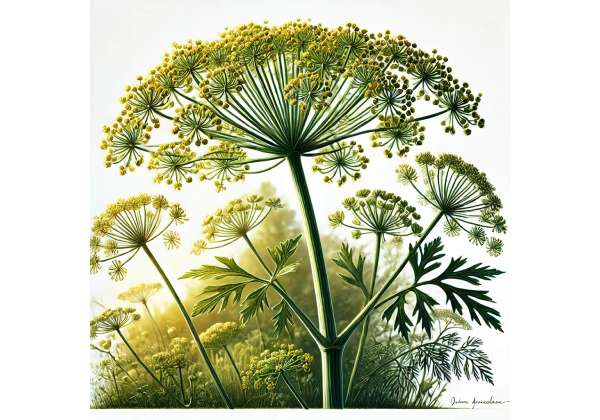
Dill is one of those herbs that feels familiar in the kitchen yet quietly holds a long medicinal history. The feathery green leaves (“dill weed”) and the warm, slightly citrusy seeds are used differently, and that distinction matters for both benefits and dosing. In traditional systems, dill has been valued as a gentle carminative—a plant that supports digestion by easing gas and cramping—and as a calming aromatic that helps the body settle after heavy meals. Modern research adds a more nuanced picture: dill contains essential-oil compounds such as carvone and limonene, along with flavonoids and other polyphenols that may support antioxidant defenses and metabolic markers in some contexts.
Still, dill is not a miracle supplement. Its strongest everyday value often comes from consistent culinary use, smart preparation (especially seed infusions), and realistic expectations. This article explains what dill contains, what it may help with, how to use it as food and as a short-term herbal preparation, and how to stay safe—especially around allergies, pregnancy, and concentrated products like essential oils.
Quick Takeaways
- Dill seeds may help ease occasional gas, bloating, and post-meal stomach discomfort.
- Dill supplementation has shown modest improvements in LDL and insulin resistance markers in some studies.
- Avoid dill essential oil by mouth unless a qualified clinician directs it.
- Typical seed tea range is 1–2 g crushed seeds per cup, up to 2–3 cups daily for short periods.
- Pregnant people and those with strong herb allergies should avoid medicinal-dose use.
Table of Contents
- What is dill?
- Key ingredients and medicinal properties
- What does dill help with?
- How to use dill
- How much dill per day?
- Side effects, interactions, and who should avoid
- What the evidence actually says
What is dill?
Dill (Anethum graveolens) is an aromatic annual plant in the Apiaceae family—the same botanical family as parsley, celery, carrot, and fennel. It grows quickly, produces airy, threadlike leaves, and forms seed heads (technically “fruits,” but commonly called seeds) with a distinct flavor that is warmer and more concentrated than the leaves. Many people think of dill as a single ingredient, but herbal use becomes clearer when you separate the plant into its practical parts:
- Leaves (dill weed): fresh, delicate, and best used near the end of cooking or as a garnish.
- Seeds: stronger, slightly bitter-aromatic, and better suited to infusions, pickling, and digestive blends.
- Essential oil: highly concentrated and not interchangeable with culinary dill.
Culturally, dill has been used across Europe, the Mediterranean, and parts of Asia as both a culinary herb and a household remedy. Traditional applications often focus on digestion—particularly the uncomfortable combination of heaviness, gas, and cramping that can follow rich foods. In some traditions, dill has also been used as a mild calming aromatic, more in the sense of “settling the system” than sedating it.
In modern food use, dill is closely tied to fermented and pickled foods, yogurt-based sauces, fish dishes, soups, and salads. Those culinary pairings are not accidental: dill’s bright aromatics can make heavier meals feel more digestible, and its flavor profile works well with acidity (vinegar, lemon) and creamy fats (yogurt, sour cream). From a wellness perspective, this is a helpful reminder that herbs often do their best work when integrated into meals rather than taken as isolated pills.
One more distinction is worth mentioning: dill “water” is often marketed as a digestive remedy, especially for babies. Products labeled this way vary widely in ingredients and quality, and they may contain sweeteners or other additives. If you are considering dill water for an infant or young child, it should be discussed with a pediatric clinician rather than treated as a harmless tradition.
At its best, dill is a practical herb: easy to grow, easy to cook with, and easy to use in gentle, short-term preparations when you keep the form and dose appropriate.
Key ingredients and medicinal properties
Dill’s medicinal reputation comes from two overlapping layers: its aromatic chemistry (mostly in seeds and essential oil) and its polyphenol profile (found throughout the plant, with differences by part and preparation). The form you choose determines what you actually get.
Aromatic constituents (especially in seeds):
Dill seeds contain essential-oil compounds that contribute to their classic “digestive” feel. Carvone and limonene are often discussed, but dill’s essential-oil profile can vary by origin, harvest stage, and processing. Practically, that means one brand’s seed tea may taste sharper or feel stronger than another’s, even at the same measured dose. This variability is normal for aromatic herbs, and it’s a reason to start low and adjust gradually. For comparison, caraway—another seed spice used for digestion—shares some overlapping aromatic themes; see caraway health benefits and uses for a useful “same family, different personality” reference point.
Polyphenols and flavonoids:
Dill contains a range of flavonoids and phenolic acids that show antioxidant activity in laboratory testing. In real life, antioxidant potential is best understood as supportive rather than dramatic. It may contribute to the broader benefits of herb-rich diets—especially when dill is part of a pattern that includes other colorful plants, fiber, and balanced fats.
Coumarins and related compounds:
Like many Apiaceae plants, dill contains small amounts of compounds that can have physiological effects in concentrated forms. This doesn’t mean dill is dangerous as a food; it means concentrated extracts deserve more caution than culinary use.
Vitamins and minerals (mostly in leaves):
Fresh dill leaves contribute micronutrients such as vitamin C and vitamin A precursors, along with small amounts of minerals. However, leaves are typically consumed in modest portions, so the nutritional contribution is best seen as “helpful addition,” not a primary nutrient source.
From these components, dill is commonly described with several medicinal properties:
- Carminative and antispasmodic support: easing gas and relaxing tension in smooth muscle is the traditional core use.
- Antimicrobial potential (mostly in vitro): dill essential oil and extracts can inhibit microbes in laboratory settings, but this is not the same as treating infections in humans.
- Metabolic marker support (context-dependent): some studies suggest improvements in lipid or glucose-related markers with supplementation, but results vary by dose, duration, and population.
A practical way to remember dill’s chemistry is this: leaves are culinary and gentle; seeds are medicinally “louder”; essential oil is concentrated and should be treated like a potent specialty product.
What does dill help with?
Dill is most realistically helpful for digestive comfort, with growing—though still mixed—evidence for certain metabolic markers when used as a supplement. Many other claims exist, but they should be prioritized by plausibility and by the level of human evidence.
1) Gas, bloating, and post-meal discomfort
This is dill’s most classic use. People often reach for dill when digestion feels slow or “stuck,” especially after beans, rich sauces, or heavy proteins. The goal is not to force digestion, but to reduce the pressure and cramping that can make the gut feel tight. Dill seed tea, lightly crushed seeds, or seed-forward culinary use often fits best here.
Practical signs dill may be a good match:
- Your discomfort feels like gas or pressure rather than burning reflux.
- Cramping comes and goes and feels meal-related.
- You do better with warm, aromatic teas after eating.
If you want a closely related digestive herb as a comparison point, peppermint digestive benefits is often used for a similar “relax and release” effect, though peppermint’s cooling profile feels different from dill’s warm seed spice character.
2) Mild calming support (sensory and digestive)
Some people find dill tea subtly calming, especially when the nervous system and digestion are linked—think “stress stomach.” This isn’t the same as a strong sleep herb, but it can be a gentle part of an evening routine, particularly if it replaces late caffeine or heavy desserts.
3) Lipids and insulin resistance markers (supplement context)
Research syntheses of randomized trials suggest dill supplementation may modestly improve certain markers such as LDL cholesterol and measures related to insulin resistance in some populations. The effect sizes vary, and not every marker improves consistently. The most important practical interpretation is this: if dill helps, it is likely to be a small-to-moderate nudge, not a substitute for diet quality, movement, sleep, or prescribed medications.
4) Antioxidant and “food-preservation” style effects (mostly laboratory data)
Dill extracts and essential oil can show antioxidant and antimicrobial activity in controlled settings. This is meaningful for food science and for understanding why herbs have been used historically in preservation and flavoring. But it does not automatically translate into treating infections or inflammation in the body.
5) Skin comfort in specific contexts (emerging evidence)
Some topical preparations containing dill oil have been studied for symptom relief in specialized situations (such as itch and dryness in certain patient groups). This is not a reason for casual undiluted application, but it supports the idea that dill’s bioactives can act beyond the digestive tract when properly formulated.
Overall, dill’s “best value” benefits are those that match its traditional use and its most consistent real-world feedback: digestive relief, gentle calming through aroma and warmth, and supportive—not standalone—metabolic help when used carefully.
How to use dill
Dill can be used as food, as a tea, or as a standardized supplement. The smartest approach is to choose the form that matches your goal and your tolerance.
1) Culinary use (daily, gentle support)
For most people, the safest and most sustainable way to benefit from dill is simply to use it more often in cooking.
Easy, practical ideas:
- Add fresh dill at the end of cooking in soups, eggs, or roasted vegetables.
- Mix chopped dill into yogurt or kefir with lemon and salt for a digestible sauce.
- Use dill with fish, lentils, potatoes, and cucumber-based salads.
- Add dill seeds to pickling brines or slow-cooked dishes where they can bloom.
A useful kitchen insight: dill pairs well with other Apiaceae spices that support digestion, such as coriander, cumin, and fennel. If you want a broader guide to pairing and preparation, coriander culinary and medicinal guide can help you think in “seed-spice logic” rather than isolated herbs.
2) Dill seed tea (targeted digestive support)
Seed tea is the classic medicinal preparation for gas and cramping. To make it:
- Lightly crush the seeds (crushing matters more than boiling aggressively).
- Pour hot water over the seeds.
- Cover and steep to keep aromatics from escaping.
- Strain and sip slowly.
For some people, dill seed tea works best after meals; for others, between meals feels gentler.
3) Chewing seeds (simple and portable)
A small pinch of seeds chewed after a meal can be surprisingly effective for breath and digestion. Start with a tiny amount; the flavor is strong.
4) Supplements (capsules, tablets, extracts)
Supplements may be useful for people targeting lipid or glucose-related markers, but quality and standardization vary. Look for:
- Clear labeling of plant part (seed vs leaf)
- A stated dose in mg
- A reputable manufacturer and batch testing when possible
Avoid “proprietary blends” that hide actual amounts.
5) Essential oil (specialty use only)
Dill essential oil is concentrated. It may be used in aromatherapy or topical formulations, but it should not be treated as a simple extension of culinary dill. If you use it topically, dilution and patch testing matter (details in the safety and dosage sections).
6) What not to do
- Do not substitute essential oil for seed tea.
- Do not self-treat persistent digestive symptoms with herbs alone if red flags exist (weight loss, blood in stool, persistent vomiting, severe pain, dehydration, fever).
In practice, many people do best with a “two-lane” approach: culinary dill most days, and dill seed tea only when needed for short periods.
How much dill per day?
Dill dosing depends heavily on form. Leaves, seeds, and extracts are not interchangeable. The goal is to choose a dose that fits your intent while staying on the conservative side—especially if you are using dill medicinally rather than as food.
Culinary dill (leaves and seeds)
There is no strict “daily dose” for culinary use. A realistic range is:
- Fresh leaves: 1–2 tablespoons chopped per meal, as desired
- Dried leaves: 1–2 teaspoons per meal (dried is more concentrated by weight)
- Seeds in food: ¼–1 teaspoon in a dish, depending on taste
This level is typically food-like and well tolerated for most people.
Dill seed tea (infusion)
A common traditional range:
- 1–2 g dill seeds (about ½–1 teaspoon) per cup (250 mL / 8 oz)
- Lightly crush, steep 10–15 minutes, covered
- 1–3 cups daily for up to 1–2 weeks, then reassess
If you are sensitive, start with ½ teaspoon seeds per cup and one cup daily.
Because many people compare dill seed tea with other digestive seed teas, it helps to keep expectations similar to those used for fennel seed preparations: gentle, short-term support rather than a long-term daily “fix.”
Chewed seeds
- Start with a small pinch (roughly ¼ teaspoon or less) after meals
- Increase only if well tolerated and actually helpful
Standardized supplements (capsules or tablets)
Follow the label unless the product is clearly excessive. In research contexts, doses vary widely depending on whether the preparation is whole powder, extract, or oil-based formulation. If you are using dill for metabolic markers, it’s reasonable to think in “trial-length cycles”:
- Use consistently for 6–12 weeks, then reassess with your clinician, especially if you track labs.
Essential oil (topical or aromatherapy)
- Topical dilution: 0.5%–1% is a conservative everyday range (about 3–6 drops per 30 mL carrier), with patch testing
- Diffusion: start with 2–4 drops in a diffuser, 15–30 minutes, then pause
Do not ingest dill essential oil unless a qualified clinician specifically directs it.
Timing and duration tips
- Digestive use is often best after meals or when symptoms appear.
- If constipation develops, reduce dose or stop.
- If you find yourself needing medicinal doses daily for weeks, that’s a signal to investigate underlying causes (diet composition, stress, reflux, intolerances, medications).
The best dosing strategy is feedback-driven: start low, use it briefly, and keep only what genuinely helps.
Side effects, interactions, and who should avoid
Dill is widely consumed as food and is generally well tolerated in culinary amounts. Safety questions mainly arise with concentrated forms (strong teas, extracts, essential oils) and in special populations.
Common side effects
- Allergic reactions: itching, rash, or mouth/throat discomfort can occur in sensitive individuals, especially with fresh handling.
- Digestive changes: while dill often eases gas, higher doses can cause stomach upset in some people, and astringent reactions can contribute to constipation if overused.
- Skin irritation (topical): especially with essential oil or strong preparations, irritation or allergic contact dermatitis is possible.
Who should avoid medicinal-dose dill
- Pregnant people: traditional use patterns and limited safety certainty make it sensible to avoid medicinal doses (tea concentrates, extracts, essential oils). Culinary use is typically fine, but “supplement-style” use should be discussed with a prenatal clinician.
- Breastfeeding people: culinary use is generally fine; concentrated products should be approached cautiously and ideally discussed with a clinician, particularly if the goal is increasing milk supply.
- Infants and young children: avoid giving herbal preparations without pediatric guidance; commercial “dill water” products vary widely.
- People with strong herb or pollen allergies: especially those who react to multiple Apiaceae plants.
Medication and condition interactions (practical caution)
Dill is not known for a large, well-defined interaction profile, but caution is still reasonable in these situations:
- Blood sugar medications: if you use dill supplements specifically to influence glucose-related markers, monitor for changes and coordinate with your clinician.
- Lipid-lowering medications: dill is sometimes used alongside statins or fibrates; that should be supervised to avoid false assumptions about what is driving lab changes.
- Anticoagulants: culinary dill contains vitamin K and other plant compounds; normal food use is rarely an issue, but large swings in herb intake can complicate anticoagulant stability in sensitive individuals.
- Photosensitivity and skin reactivity: Apiaceae plants can be associated with skin reactions in some contexts, especially with concentrated preparations and sun exposure. If you notice redness or burning after topical use, stop and avoid sun exposure on that area.
Essential oil safety rules (non-negotiable)
- Do not use undiluted dill essential oil on skin.
- Avoid applying essential oils on broken or inflamed skin.
- Keep oils away from eyes and mucous membranes.
- Store oils safely away from children.
When to get medical care instead of trying more dill
- Severe or persistent abdominal pain, vomiting, fever, dehydration
- Blood in stool, black stools, unexplained weight loss
- New or worsening allergic symptoms (hives, facial swelling, breathing difficulty)
Used thoughtfully, dill is a low-drama herb. If you need to push through reactions or rely on high doses for long periods, it’s a sign to step back and choose a safer plan.
What the evidence actually says
Dill has a strong traditional record and a growing research footprint, but the evidence is uneven across different claims. The most responsible interpretation is to separate what is supported by human trials from what is primarily laboratory-based or tradition-based.
1) Lipids and glycemic markers: the most studied “supplement” lane
Systematic reviews and meta-analyses of randomized trials have evaluated dill supplementation for lipid profile and glycemic indices. Overall, the pattern suggests possible modest improvements in certain markers (notably LDL and some insulin resistance measures), with inconsistency across total cholesterol, triglycerides, HDL, and fasting glucose depending on study design, dose, and duration. These findings are encouraging for people who want a gentle adjunct, but they are not strong enough to replace established treatment plans for dyslipidemia or diabetes.
Important limitations show up repeatedly:
- Many trials are small.
- Preparations differ (powder vs extract, seed vs leaf, different doses).
- Baseline diets, medications, and health status vary.
- Follow-up is often short.
A fair takeaway is: dill supplementation may be worth considering as an adjunct for some adults under clinical supervision, especially when the person is also improving core lifestyle factors.
2) Digestive benefits: strong tradition, limited modern trials
Dill’s reputation for gas and cramping is widespread and plausible given its aromatic profile and traditional use as a carminative. However, high-quality human trials focused specifically on functional digestion outcomes are less common than metabolic studies. This is a typical situation for culinary herbs: people use them because they work well enough in daily life, but the research focus tends to go toward lab markers rather than everyday symptom patterns.
3) Essential oil and antimicrobial claims: mostly laboratory relevance
Dill essential oil and extracts can show antioxidant and antimicrobial activity in controlled settings. This supports uses in food science and preservation and helps explain historical culinary pairing with perishable foods. But it does not mean dill can treat infections in humans. For health decisions, in vitro antimicrobial results should be treated as mechanistic background rather than a clinical recommendation.
4) Topical use: emerging, condition-specific evidence
A notable area of modern evidence is topical dill oil preparations studied for symptom relief in specialized patient populations (for example, itch and dryness in certain clinical contexts). This suggests dill’s bioactives can have measurable effects on skin symptoms when appropriately formulated. Even here, the evidence should be applied carefully: a studied topical preparation is not the same as self-mixing essential oil at home.
Bottom line
Dill is best viewed as:
- Strongest for: culinary wellness and digestive comfort traditions
- Promising for: modest improvements in certain metabolic markers as an adjunct
- Weakest for: broad disease-treatment claims, especially those based only on lab antimicrobial activity
If you keep the form appropriate (food and seed tea first, supplements only when justified, essential oil with strict caution), dill can be both enjoyable and practically useful without inviting unnecessary risk.
References
- The effects of Anethum graveolens (dill) supplementation on lipid profile and glycemic control: a systematic review and meta-analysis of randomized controlled trials – PubMed 2022 (Systematic Review and Meta-Analysis)
- Anethum graveolens L. (Dill) Effect on Human Lipid Profile: An Updated Systematic Review – PubMed 2022 (Systematic Review)
- Dill – Drugs and Lactation Database (LactMed®) – NCBI Bookshelf 2025 (Database)
- Effect of Dill (Anethum graveolens) Oil on Pruritus and Quality of Life of Hemodialysis Patients: A Randomized Double-Blind Three-Arm Controlled Trial – PMC 2024 (RCT)
- Phytochemical Analysis and Evaluation of Antioxidant and Antimicrobial Properties of Essential Oils and Seed Extracts of Anethum graveolens from Southern Morocco: In Vitro and In Silico Approach for a Natural Alternative to Synthetic Preservatives – PMC 2024 (Preclinical)
Disclaimer
This article is for educational purposes only and does not provide medical advice, diagnosis, or treatment. Dill is generally safe as a food, but concentrated preparations (strong teas, extracts, and especially essential oil) can cause allergic reactions, skin irritation, or unwanted effects in sensitive individuals. Do not ingest dill essential oil unless a qualified clinician specifically directs it. If you are pregnant, breastfeeding, giving herbs to a child, managing diabetes or high cholesterol, taking prescription medications, or preparing for surgery, consult a licensed healthcare professional before using medicinal-dose dill. Seek urgent medical care for signs of a severe allergic reaction (hives, facial swelling, wheezing, or trouble breathing) or for persistent, severe, or worsening digestive symptoms.
If you found this guide helpful, please consider sharing it on Facebook, X (formerly Twitter), or any platform you prefer so others can use dill more safely and effectively.