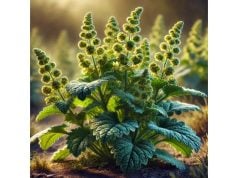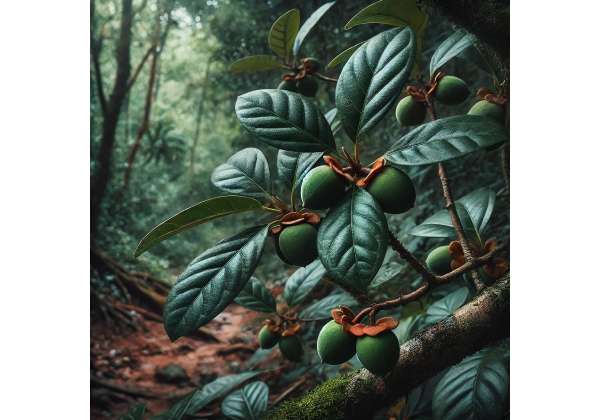
Diospyros is a large plant genus best known for persimmons, but it also includes many other species used in traditional medicine across Asia and Africa. In herbal practice, the most studied forms come from Diospyros kaki (persimmon), especially the fruit and leaves. These parts are valued for tannins, flavonoids, and other plant compounds linked to antioxidant, anti-inflammatory, and lipid-support effects. That said, “Diospyros” is not one single herb with one standard dose. Benefits, safety, and preparation depend on the exact species, plant part, and product quality.
If you are exploring Diospyros for wellness support, the strongest modern evidence is for persimmon leaf extract as an adjunct for blood lipid management, with some early evidence for body composition support. The practical challenge is choosing the right product and avoiding overuse, especially in people with digestive risk factors. This guide focuses on what is actually known, what is still uncertain, and how to use it more safely.
Essential Insights
- Diospyros use is most evidence-based when it refers to Diospyros kaki leaf or fruit, especially for lipid support.
- Persimmon-derived extracts may help cholesterol and triglyceride markers, but they should not replace prescribed treatment.
- A studied regimen in one clinical trial used 400 mg/day standardized persimmon extract for 120 days (200 mg twice daily).
- Excessive persimmon intake can increase bezoar risk in susceptible people, especially older adults and those with poor gastric motility.
- Pregnant or breastfeeding people and anyone using mixed-species herbal extracts should avoid medicinal dosing unless a clinician approves it.
Table of Contents
- What is Diospyros and what is in it?
- Does Diospyros help with anything?
- How Diospyros works in the body
- How to use Diospyros in practice
- How much Diospyros per day?
- Side effects, interactions, and who should avoid it
- What the evidence actually says
What is Diospyros and what is in it?
Diospyros is a genus in the ebony family (Ebenaceae), and it includes hundreds of species spread across tropical and subtropical regions. Many people know the group mainly through persimmon, especially Diospyros kaki, but traditional medicine records also describe leaves, bark, roots, twigs, and fruit from other species. This matters because the health profile of “Diospyros” changes a lot depending on which species and plant part you use.
From a medicinal point of view, the most practical way to think about Diospyros is in layers:
- Food layer: ripe persimmon fruit used as a food with fiber and polyphenols
- Traditional herb layer: leaf teas and decoctions used in local systems
- Extract layer: standardized products (often persimmon leaf or fruit extract) used in studies
The key ingredients are not identical across the genus, but a few compound groups appear repeatedly in Diospyros research:
- Tannins (including condensed tannins and proanthocyanidins), often linked to astringency and digestive effects
- Flavonoids such as quercetin, kaempferol, myricetin, and vitexin, especially in persimmon leaves
- Triterpenoids, a broad class often studied for anti-inflammatory and metabolic effects
- Naphthoquinones, which show up in genus-level phytochemical research and are often discussed for antimicrobial and cytotoxic activity
- Other phenolics and polysaccharides, which may support antioxidant or immune-related pathways
A major practical advantage of Diospyros, especially persimmon-derived products, is that it sits at the border of food and medicine. That gives it a familiar dietary use while still offering concentrated extracts for targeted goals. The drawback is that this also creates confusion: a fresh persimmon, a persimmon leaf tea, and a standardized capsule are not interchangeable.
When reading labels or articles, always check three details before assuming the same benefits apply:
- Species name (for example, Diospyros kaki)
- Plant part (leaf, fruit, bark, root)
- Preparation type (tea, powder, extract, standardized supplement)
Without those details, “Diospyros” is too broad to predict effects, dose, or safety with confidence.
Does Diospyros help with anything?
Yes, but the benefits depend on the form used and the quality of the evidence. The strongest modern clinical interest is in persimmon leaf extract as an add-on for lipid management, while the broader Diospyros genus also has a long history of traditional use for infections, inflammation, and digestive complaints.
Here is a practical breakdown of where Diospyros appears most useful today.
1) Lipid support and cardiometabolic health
This is the most promising area for medicinal use. Recent clinical synthesis on persimmon leaf extract suggests improvements in common lipid markers, especially when used alongside standard care rather than as a replacement. In plain terms, it may help some people improve cholesterol and triglyceride patterns, but it is best viewed as an adjunctive option.
What makes this important is that the benefit is not just theoretical. Human studies exist, and pooled analysis suggests a repeatable trend. Still, the studies are not all equally strong, so it is better to frame this as “promising with limitations” rather than “proven.”
2) Body composition and weight-management support
A newer randomized controlled trial tested a standardized persimmon fruit extract in overweight adults and reported favorable changes in fat mass and body measurements over a multi-month period. This is a meaningful use case because many plant supplements claim weight benefits without proper trials. Here, at least one controlled study suggests a signal.
That said, this does not mean Diospyros is a stand-alone weight-loss treatment. The best way to understand the advantage is that it may support body-composition goals when paired with stable diet and lifestyle habits.
3) Antioxidant and anti-inflammatory support
Both traditional use and modern lab research support this area. Diospyros species contain polyphenols and related compounds that may reduce oxidative stress and influence inflammatory pathways. This is likely one reason the genus appears in traditional formulas for chronic irritation, recovery support, and general wellness.
The challenge is that antioxidant claims can become too broad. A more realistic expectation is modest support for metabolic and inflammatory balance, not a dramatic symptom reversal.
4) Traditional uses beyond modern trials
Ethnomedical records for multiple Diospyros species describe use in infectious conditions, oral issues, and gastrointestinal complaints. These uses are historically important and biologically interesting, but they do not all have the same level of modern clinical testing. This is where many articles overpromise. A better approach is to treat traditional use as a lead, not automatic proof.
Overall, the biggest advantage of Diospyros is its combination of food-based familiarity, rich phytochemistry, and emerging clinical evidence. The main limitation is that evidence is strongest for certain persimmon preparations, not for every species in the genus.
How Diospyros works in the body
The medicinal properties of Diospyros are best understood as a set of overlapping mechanisms rather than one single action. Most of the research points to polyphenol-driven effects, especially from tannins and flavonoids, with additional contributions from triterpenoids and other compounds.
Here are the main ways Diospyros preparations appear to work.
Antioxidant activity
This is the most consistent mechanism across studies. Diospyros compounds can help neutralize reactive molecules and reduce oxidative stress burden. In practical terms, this may help protect tissues involved in metabolism, vascular function, and inflammation. Antioxidant action alone does not guarantee clinical benefit, but it supports why persimmon leaf and fruit extracts are repeatedly studied in cardiometabolic settings.
Lipid metabolism modulation
Persimmon leaf extract research suggests effects on lipid handling, not just “general wellness.” Some preclinical work points to changes in genes and enzymes tied to fat synthesis and lipid accumulation. Researchers also discuss possible effects on intestinal fat handling and liver lipid balance.
This is important because it helps explain why the human lipid data are plausible. The mechanism story and the clinical direction point the same way, even if the evidence quality is still mixed.
Anti-inflammatory signaling support
Diospyros extracts are often described as anti-inflammatory in both traditional and modern literature. In real-world use, this may contribute to supportive effects in metabolic health, vascular function, and general recovery. Some trials have reported changes in inflammatory markers, while many preclinical studies show broader pathway effects.
The practical takeaway is that anti-inflammatory potential is likely real, but outcomes depend on dose, extract quality, and the person’s baseline condition.
Astringent and gastrointestinal effects
Tannins give many persimmon products their astringent quality. This can be helpful in some traditional digestive contexts, but it is also where caution is needed. Tannins interact strongly with proteins and fibers, and at high intake they may contribute to hard masses in the digestive tract in susceptible people. That is the same chemistry behind the rare but well-described “diospyrobezoar” safety issue.
Antimicrobial and traditional infection use
Genus-level Diospyros research also highlights antimicrobial activity for some species and isolated compounds, especially in lab testing. This aligns with long-standing use for infectious complaints. However, most of this is not the same as modern human infection treatment, so it should not be used as a substitute for medical care.
The key insight is that Diospyros has a credible mechanistic profile, but mechanisms are not outcomes. Strong herb guidance comes from matching mechanisms to human evidence and safe use, not from mechanism claims alone.
How to use Diospyros in practice
Using Diospyros well starts with choosing the right form for your goal. A common mistake is treating all Diospyros products as the same. They are not. A ripe persimmon fruit, a leaf tea, and a standardized capsule each have different strengths, concentrations, and use cases.
Common forms and when they fit
1) Fresh or dried persimmon fruit
Best for:
- general nutrition
- fiber intake
- mild antioxidant support
- food-first routines
This is the easiest way to use Diospyros, but it is not a standardized medicinal dose. It is more appropriate for lifestyle support than for targeted therapeutic goals.
2) Persimmon leaf tea
Best for:
- gentle daily use
- people who prefer traditional herbal preparation
- mild metabolic support routines
Leaf tea is popular in several regions and is a practical option if you want a lower-intensity approach. The main limitation is variable potency. Tea strength changes with leaf quality, steeping time, and serving size.
3) Standardized fruit or leaf extract capsules
Best for:
- structured use
- matching clinical study formats
- tracking dose and tolerance
This is usually the best choice if you want a medicinal-style trial for a specific goal, such as lipid support or body composition support. Look for products that clearly state:
- species (Diospyros kaki)
- plant part (leaf or fruit)
- extract amount in mg
- standardization marker (if provided)
Practical preparation tips
For food use:
- Prefer ripe persimmons over very astringent unripe fruit
- Introduce gradually if you are prone to constipation or slow digestion
- Keep intake moderate if you have a history of gastrointestinal surgery or bezoars
For tea use:
- Use a consistent amount of leaf material each time
- Steep for the same duration daily
- Track digestion, bloating, and bowel changes for the first 1–2 weeks
For extracts:
- Start at the low end of the label dose
- Take with food unless the product or study protocol suggests otherwise
- Reassess after 6–8 weeks based on your goal
Best use cases by goal
- Lipid support: standardized persimmon leaf extract, typically as an adjunct
- Weight and body composition support: standardized persimmon fruit extract with a defined dose
- General wellness: food use or tea, especially if you want a gentler approach
The biggest advantage of structured use is consistency. The biggest risk is assuming “natural” means all preparations are safe at any amount. With Diospyros, form and dose matter.
How much Diospyros per day?
There is no single established medicinal dose for the entire Diospyros genus, and that is the most important dosing point to understand. Dosage depends on species, plant part, extract strength, and your goal. Most clinical data are on Diospyros kaki preparations, not on mixed “Diospyros” products.
What human studies actually give us
A recent randomized clinical trial on standardized persimmon fruit extract used:
- 400 mg/day total
- taken as 200 mg twice daily
- for 120 consecutive days
That gives a useful real-world reference for structured supplement use, especially for body composition and tolerability discussions.
In persimmon leaf extract research, doses vary by product and formulation. Some studies involve combination therapies and tablet products rather than single-ingredient supplements, which makes direct dose comparison harder. This is one reason there is still no universal “best dose” for persimmon leaf extract.
Practical dosing approach by form
Food use (fruit)
Use food servings, not medicinal dosing logic. A moderate serving is usually enough to start. The goal here is nutrition and tolerance, not concentrated pharmacologic effect.
Tea use (leaf)
Because tea strength varies, think in terms of consistency:
- same leaf amount
- same steep time
- same frequency
This helps you judge whether it helps and whether you tolerate it.
Standardized extracts
Use the label as your primary guide, but check whether the product resembles the studied form:
- fruit extract vs leaf extract
- extract amount in mg
- standardization details
- capsule count and timing
If your goal is lipid support, it is reasonable to discuss a persimmon leaf extract product with a clinician, especially if you already use statins or other lipid-lowering medications.
Timing and duration
- Timing: Split dosing may improve tolerability and consistency, especially for capsules
- Duration: Many herbal effects are gradual; reassess at 8–12 weeks, and longer if using a trial-like regimen
- Monitoring: If using Diospyros for a metabolic goal, track something objective (lipid panel, weight, waist circumference, symptoms)
Dosing variables that change response
- Body size and diet
- Baseline lipid status
- Fiber intake and bowel regularity
- Product quality and extraction method
- Whether the product is used alone or as an adjunct
The safest summary is this: use identified, standardized products, start conservatively, and do not extrapolate a dose from one Diospyros species to another.
Side effects, interactions, and who should avoid it
Diospyros products are often well tolerated in studies, but “well tolerated” does not mean risk-free. The side-effect profile depends heavily on the form used, and food-based use is not the same as concentrated extract use.
Common and likely side effects
For persimmon fruit, leaf tea, or extracts, the most practical issues are digestive:
- bloating
- constipation or slowed digestion
- abdominal discomfort
- nausea (less common, more likely with concentrated products or sensitive stomachs)
These effects are usually mild, but they matter because Diospyros compounds, especially tannins, can be quite astringent.
Important safety caveat: bezoar risk
One of the most specific safety concerns linked to persimmon (Diospyros kaki) is diospyrobezoar, a hard plant mass that can form in the digestive tract. This is rare, but it is a real and clinically documented risk. It is associated with higher tannin intake and tends to occur in people with risk factors such as:
- advanced age
- diabetes with delayed gastric emptying
- prior gastric surgery
- poor gastrointestinal motility
- heavy or repeated persimmon intake, especially astringent forms
This is why moderation matters. A food can still cause a medical problem when the chemistry and the person’s risk factors line up.
Potential interactions and caution zones
Direct interaction data are limited, but caution is sensible in these groups:
- People on lipid-lowering therapy: persimmon leaf extract may affect lipid markers, so changes should be monitored rather than guessed
- People with diabetes: both digestion and metabolic response may change, and this group overlaps with bezoar risk
- People with chronic GI disease or past GI surgery: higher risk for mechanical digestive complications
- People on complex medication regimens: tannin-rich products may affect tolerance or timing of some oral medicines
A practical step is to separate herbal products and prescription medicines by a few hours when possible, especially if the herb is rich in tannins or fiber.
Who should avoid medicinal Diospyros use
Avoid self-directed medicinal dosing (especially extracts) if you are:
- pregnant
- breastfeeding
- giving it to a child
- using an unidentified wild species
- using bark or root products without expert supervision
- prone to bezoars, severe constipation, or delayed gastric emptying
Signs to stop and seek care
Stop use and get medical advice if you develop:
- persistent vomiting
- severe constipation
- strong abdominal pain
- inability to tolerate food
- signs of obstruction (bloating, pain, vomiting, no stool or gas)
The advantage of Diospyros is that it can be useful and relatively gentle in the right form. The safety rule is simple: do not overdo tannin-rich preparations, and do not ignore digestive risk factors.
What the evidence actually says
Diospyros is a good example of an herb group where the evidence is encouraging but uneven. There is a real bridge between traditional use, phytochemistry, and modern research, but the strongest data are concentrated in a few areas and a few species—especially Diospyros kaki.
Where evidence is strongest
The best current evidence supports persimmon leaf extract as an adjunct for dyslipidemia. A recent systematic review and meta-analysis pooled multiple randomized studies and found improvements in lipid outcomes. That is a meaningful step up from test-tube claims because it reflects human clinical data.
There is also a newer randomized, double-blind clinical trial on standardized persimmon fruit extract in overweight adults showing favorable changes in body composition and anthropometric markers over 120 days, with good tolerability. This adds practical value because it uses a clear dose and study duration.
Where evidence is promising but still limited
- anti-inflammatory effects in humans
- broad cardiometabolic prevention claims
- antimicrobial uses from traditional medicine
- uses for many non-kaki Diospyros species
These areas have supportive mechanisms and preclinical signals, but they are not yet supported by the same level of clinical certainty.
Key limitations you should keep in mind
- Species confusion
“Diospyros” is a broad genus. Many articles blend findings from different species as if they were the same herb. - Preparation differences
Fruit, leaves, teas, and extracts have different chemistry and potency. - Study quality variability
Even when human studies exist, methods and product quality vary, and some reviews note heterogeneity and design flaws. - Adjunctive use vs replacement
Stronger data usually support adding a Diospyros preparation to standard care, not replacing medical treatment.
How to make evidence-based decisions
Use this filter before buying or using a product:
- Is the species clearly listed (Diospyros kaki is the most studied)?
- Is the plant part identified (leaf or fruit)?
- Is there a standardized dose?
- Does the claim match the actual evidence (lipids, body composition, general wellness)?
- Are you in a higher-risk safety group?
The bottom line is balanced: Diospyros has legitimate medicinal potential, especially in persimmon leaf and fruit preparations, but it works best as a specific, targeted herb choice, not as a vague cure-all.
References
- Diospyros L. | Plants of the World Online | Kew Science 2026 (Official Database) ([Plants of the World Online][1])
- The Genus Diospyros: A Review of Novel Insights into the Biological Activity and Species of Mozambican Flora 2023 (Review) ([PMC][2])
- Persimmon leaf extract in dyslipidemia: a systematic review and meta-analysis 2025 (Systematic Review) ([PMC][3])
- Efficacy of a Dietary Supplement Extracted from Persimmon (Diospyros kaki L.f.) in Overweight Healthy Adults: A Randomized, Double-Blind, Controlled Clinical Trial 2024 (RCT) ([PMC][4])
- Diospyrobezoar (Persimmon Bezoar)-Induced Intestinal Obstruction in an Older Patient: A Case Report 2025 (Case Report) ([PMC][5])
Disclaimer
This article is for educational purposes only and does not replace medical advice, diagnosis, or treatment. Diospyros products vary widely by species, plant part, and extract strength, so the same guidance does not apply to every product labeled “Diospyros.” If you are pregnant, breastfeeding, managing a chronic condition, taking prescription medicines, or have a history of digestive obstruction or gastric surgery, speak with a qualified clinician before using medicinal doses or supplements.
If you found this guide helpful, please share it on Facebook, X, or your preferred platform to help others use herbal information more safely and effectively.