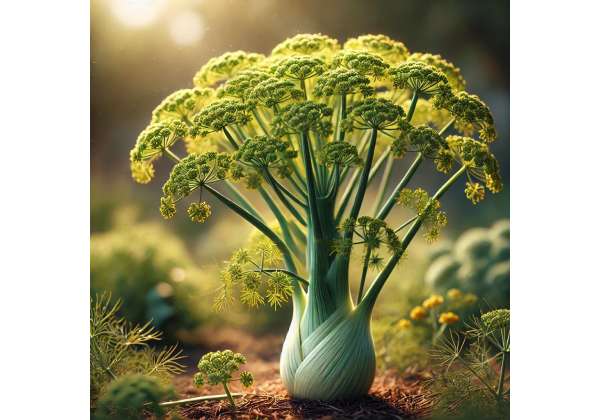
Florence fennel is the vegetable form of fennel most people recognize by its pale, layered, bulb-like base, crisp stalks, and feathery fronds. Botanically, it is Foeniculum vulgare var. azoricum, a cultivated form of sweet fennel grown mainly for food rather than for its medicinal fruit. That distinction matters. The swollen base is a useful culinary herb-vegetable with gentle digestive value, while much of the stronger medicinal research on “fennel” comes from the dried fruit and essential oil of fennel varieties used in teas and traditional herbal products.
Even so, Florence fennel deserves attention. It offers fiber, vitamin C, potassium, aromatic volatile compounds, and a characteristic anise-like profile that can help make meals easier to digest. In broader fennel medicine, compounds such as anethole and fenchone are linked with carminative, antispasmodic, and expectorant effects. The practical takeaway is simple: Florence fennel works best as a food-forward digestive herb, while the more medicinal claims belong mostly to fennel fruit preparations. Used with that in mind, it is both helpful and realistic.
Essential Insights
- Florence fennel is most useful for gentle digestive support, food-based bloating relief, and aromatic culinary use.
- The strongest medicinal evidence belongs to fennel fruit and tea, not to the Florence fennel bulb alone.
- Traditional sweet fennel tea often uses 1.5 g crushed fruit in 250 mL boiling water up to 3 times daily.
- Avoid medicinal use if you are allergic to Apiaceae plants, have mugwort pollen cross-reactivity, or are pregnant or breastfeeding without professional guidance.
Table of Contents
- What is Florence fennel
- Key compounds and medicinal properties
- Does Florence fennel help digestion
- Other benefits and realistic limits
- How to use Florence fennel
- How much should you take
- Safety, side effects, and who should avoid it
- What the evidence actually says
What is Florence fennel
Florence fennel is a cultivated form of fennel grown for its enlarged, tightly layered leaf bases, often called the bulb even though it is not a true bulb in the botanical sense. It belongs to the same species as medicinal fennel, Foeniculum vulgare, but it is selected mainly for fresh culinary use rather than for high-yield medicinal fruit production. The base is crisp and slightly sweet with a mild licorice-like aroma, the stalks can be used like celery in stocks or braises, and the fronds behave more like a fragrant herb.
This difference between Florence fennel and medicinal fennel fruit is the most important starting point for the article. When most official monographs, herbal teas, and clinical reviews discuss fennel for bloating, menstrual cramping, or cough, they are usually talking about fennel fruit, sometimes loosely called fennel seed. They are not usually referring to the swollen Florence fennel base sold in produce markets. That does not mean Florence fennel has no health value. It means its role is gentler and more food-centered.
In everyday practice, Florence fennel sits in three categories at once:
- A vegetable with fiber, vitamin C, potassium, and hydration value.
- A culinary aromatic with mild digestive usefulness.
- A relative of medicinal fennel whose fruit shares the more concentrated phytochemical profile.
The plant itself has a long Mediterranean history. Florence fennel is especially associated with Italian cooking, where it appears raw in salads, braised with olive oil, roasted, or simmered into soups. The fronds are used to finish fish dishes, grain bowls, and broths. This culinary tradition matters because it explains why Florence fennel is often better used as a regular digestive-support food than as a high-dose herbal remedy.
Its aroma connects it to other Apiaceae plants, especially anise, dill, caraway, and coriander. If you already like the sweet-spiced profile of anise in digestive teas and aromatic cooking, Florence fennel will feel familiar, though usually milder and fresher in taste.
Another useful distinction is plant part. The bulb-like base offers fiber and food value. The fronds contribute volatile compounds and flavor. The fruits provide the strongest classic medicinal action because they are richer in essential oil components such as anethole and fenchone. That is why someone using Florence fennel for gentle digestive support might roast the base with dinner, while someone seeking a traditional herbal effect would more likely use crushed fennel fruit in tea.
So what is Florence fennel, in practical terms? It is a food-first fennel variety with real digestive and nutritional value, but it should not be confused with the more concentrated fennel fruit medicines described in official herbal monographs.
Key compounds and medicinal properties
Florence fennel has a broad but uneven phytochemical profile. The bulb-like base is richer in food-style nutrients, while the fruits and essential oil carry the most concentrated medicinal chemistry. This split explains why the plant can be both a kitchen vegetable and a traditional herbal medicine, but not in exactly the same way.
The best-known fennel compounds are volatile aromatic constituents. These include:
- Anethole.
- Fenchone.
- Estragole.
- Limonene.
- Alpha-pinene and related terpenes in smaller amounts.
In fennel fruit, anethole is usually the dominant compound and is closely linked with fennel’s sweet aroma and many of its traditional digestive uses. Fenchone adds a sharper, more camphor-like aspect and may contribute to the classic carminative profile. Estragole is also important because it influences both aroma and safety discussions. Official herbal guidance pays attention to total estragole exposure, especially in children and during pregnancy.
Florence fennel, especially the bulb and fronds, also contains nonvolatile compounds with nutritional and medicinal interest. These include flavonoids, phenolic acids, fiber, vitamin C, folate, and potassium. Those compounds do not make the bulb a strong herbal drug, but they do support its value as a food that can contribute to digestive ease, mild antioxidant support, and a generally anti-inflammatory dietary pattern.
Taken together, these ingredients produce a practical medicinal profile that looks like this:
- Carminative, meaning it may help reduce gas and post-meal heaviness.
- Mild antispasmodic, especially in fruit-based tea preparations.
- Aromatic expectorant in traditional respiratory use.
- Mildly estrogen-like or hormone-active in some laboratory discussions, though this remains a caution area rather than a general-use promise.
- Digestive-supportive as a whole food because of fiber plus aroma.
It helps to compare fennel with another aromatic seed herb such as caraway in digestive and anti-bloating use. Both plants are classic carminatives. Caraway tends to feel warmer and more spice-driven, while fennel is sweeter and often gentler, especially in the Florence fennel vegetable form. That is one reason fennel works well in food for people who want digestive support without a strong medicinal taste.
A key practical point is that Florence fennel’s bulb does not concentrate volatile oils the way the fruit does. So when someone says fennel has strong antispasmodic, menstrual, or expectorant activity, that claim usually belongs more to the fruit or essential oil than to a roasted fennel bulb on a dinner plate. The bulb still has value. It just has a different scale of effect.
In simple terms, Florence fennel’s medicinal properties come from two layers. The first is culinary and gentle: fiber, hydration, minerals, and aromatic support. The second is more traditionally medicinal and belongs largely to the fruit: anethole-rich, carminative, antispasmodic, and mildly expectorant. Knowing which layer you are using is the difference between using the plant well and expecting the wrong thing from it.
Does Florence fennel help digestion
Yes, digestion is the clearest and most practical reason to use Florence fennel. But the type of help depends on the form. The bulb and fronds work mainly as food-based digestive support, while fennel fruit tea has the stronger traditional evidence for mild spasmodic gastrointestinal complaints, bloating, and flatulence.
The culinary form helps in a gentle way. Florence fennel is light, hydrating, and aromatic, which makes it especially useful in meals that need freshness without heaviness. Raw slices can brighten a dense meal, while braised or roasted fennel becomes softer and sweeter, which may make it easier to tolerate for people who find raw alliums or crucifers too harsh. This kind of digestive value is more practical than pharmacologic. It helps make meals easier to handle.
The medicinal fruit form is more specific. Official European herbal guidance recognizes sweet fennel fruit tea as a traditional herbal medicinal product for symptomatic treatment of mild, spasmodic gastrointestinal complaints including bloating and flatulence. That is a strong clue about where fennel’s best-established digestive role lies. It is not a cure for ulcer disease, reflux, gallstones, or severe abdominal pain. It is a classic aromatic tea for gas, fullness, and digestive cramping.
Florence fennel can help digestion in three realistic ways:
- As a meal ingredient that lightens heavy dishes.
- As a source of fiber and fluid when the bulb is eaten regularly.
- As a gateway to fennel fruit tea for post-meal bloating or mild digestive spasm.
The herb is most appropriate for:
- Mild bloating after meals.
- A heavy, gassy feeling after rich food.
- Gentle digestive support during recovery from dietary excess.
- People who prefer food-based support before stronger supplements.
It is less appropriate for:
- Severe persistent abdominal pain.
- Vomiting.
- Bloody stool.
- Significant reflux triggered by aromatic herbs.
- Suspected bowel obstruction or acute inflammatory bowel disease.
Many readers compare fennel with peppermint for faster digestive relief. That comparison is useful. Peppermint tends to feel cooler and more directly antispasmodic, especially in oil preparations. Fennel feels sweeter, more food-compatible, and often better tolerated in people who want a tea or vegetable with a milder effect. Florence fennel, specifically, belongs even more on the food side of that spectrum.
One original but important point here is that Florence fennel’s best digestive use may be preventive rather than corrective. A fennel salad before or alongside a heavy meal may help reduce the feeling of post-meal overload. A cup of fennel fruit tea after dinner may help with gas and fullness. That is different from using fennel as rescue treatment for serious digestive illness.
So does Florence fennel help digestion? Yes, in a believable and practical way. The bulb and fronds support digestion as aromatic food, and the fruit carries the more classic herbal role for mild bloating and spasm. The closer you stay to those uses, the more useful the plant becomes.
Other benefits and realistic limits
Once digestion is covered, people often ask about the rest of fennel’s reputation. This includes menstrual cramps, cough, infant colic, cardiovascular effects, antioxidant support, and women’s health. Some of these uses have real traditional backing and some clinical support, but Florence fennel itself should still be approached carefully here. The strongest evidence usually belongs to fennel fruit, fennel tea, or fennel oil preparations rather than to the bulb variety used as a vegetable.
One of the better-supported traditional areas is mild menstrual spasm. Official herbal monographs for fennel fruit include minor spasm associated with menstrual periods, and systematic review data suggest fennel can reduce primary dysmenorrhea pain compared with placebo and may perform similarly to common pain relievers in some trials. That is meaningful, but it still does not mean a plate of Florence fennel gratin will function like a menstrual remedy. The relevant form is typically fruit extract or tea.
Fennel fruit is also traditionally used as an expectorant in cough associated with colds. The logic here is aromatic and secretory: warming volatile compounds may help loosen mucus and ease the feeling of chest congestion. Again, this belongs mainly to fruit tea, not the bulb.
Cardiovascular and metabolic support are more tentative. Recent reviews discuss antioxidant, vascular, and anti-inflammatory properties of fennel species, but much of that evidence is preclinical. For Florence fennel as a food, the best case is indirect: it supports a vegetable-rich, fiber-friendly eating pattern with potassium and polyphenols. That is helpful, but it is not the same as proving a medicinal cardiovascular effect.
A realistic way to rank fennel-related benefits looks like this:
- Strongest practical fit: digestive bloating and gas.
- Reasonable traditional fit: minor menstrual cramping and mild cough when using fennel fruit tea.
- Plausible but less certain: broader antioxidant and cardiometabolic support.
- Weak or overhyped when generalized: hormone balance, major respiratory treatment, or disease prevention claims.
This is where comparison helps. Someone seeking a gentler tea for crampy digestion or stress-related stomach upset might look at chamomile for soothing digestive and cramp support. Chamomile is often chosen when calm and comfort are the priorities. Fennel is the better fit when gas, fullness, and aromatic digestive support are more central.
The biggest limit is simple: Florence fennel is often discussed under the large umbrella of fennel medicine, but not every fennel claim translates cleanly to the vegetable form. The bulb contributes flavor, fiber, and mild digestive value. The fruits provide the better-studied medicinal actions. Keeping that distinction clear protects readers from both underusing and overtrusting the plant.
So yes, Florence fennel belongs in a broader medicinal tradition. But the realistic way to use that tradition is to separate food effects from fruit-based herbal effects, and to let the evidence stay modest where it is modest.
How to use Florence fennel
Florence fennel is unusually flexible because you can use the base, stalks, fronds, and fruit in different ways. This is one of the plant’s great strengths. It fits both culinary routines and traditional herbal habits without demanding that you treat it like a capsule-only supplement.
The bulb-like base is best used as a vegetable. Common options include:
- Thinly sliced raw in salads with citrus or olive oil.
- Roasted until soft and sweet.
- Braised with broth or white beans.
- Shaved into slaws or grain bowls.
- Added to soups, fish dishes, and vegetable stews.
Raw fennel tends to be brighter and more aromatic. Cooked fennel is sweeter, milder, and easier on sensitive digestion. For many people, roasting is the best balance of taste and tolerance.
The fronds are often overlooked, but they work well as a finishing herb. They are delicate and aromatic, especially on seafood, potatoes, yogurt sauces, or lentils. The stalks can flavor stock or be chopped into long-cooked dishes much like celery.
The fruit, often called fennel seed, is the most herbal form. Traditional use includes tea, usually made from lightly crushed fruit steeped in boiling water. This is the form that fits bloating, flatulence, and mild post-meal digestive spasm most clearly. Some people also chew a small amount of fennel fruit after meals for breath and digestive comfort.
A practical use plan looks like this:
- Use the bulb in meals when you want gentle digestive support.
- Use the fronds as an aromatic herb rather than throwing them away.
- Use fennel fruit tea when the goal is more distinctly medicinal.
- Choose cooked fennel if raw fennel feels too sharp on the stomach.
Florence fennel combines especially well with Mediterranean ingredients. It pairs naturally with olive oil, lemon, white fish, chickpeas, oranges, apples, and soft cheeses. It also sits comfortably beside other aromatic kitchen herbs. Readers who enjoy herb-vegetable crossover plants may also like coriander in both culinary and digestive use, because both plants show how food herbs can be medicinal without becoming intense.
One common mistake is using only the bulb and ignoring the rest of the plant. Another is assuming that essential oil is a stronger household shortcut. Fennel essential oil is not a casual food ingredient and should not be used internally without clear professional guidance. For most people, the best uses are simpler: food, tea, and moderate fruit-based preparations.
Florence fennel works best when its form matches the goal. Bulb for food and gentle support. Fruit for tea and traditional herbal use. Fronds for aroma and daily culinary benefit. That division keeps the plant practical and safe.
How much should you take
The right amount of Florence fennel depends entirely on which part of the plant you are using. Food portions and medicinal tea doses are not the same thing, and most confusion comes from mixing them up.
For the bulb as food, there is no single medicinal dose. A typical serving is often about half to one medium bulb in a meal, depending on preparation and appetite. This is the most natural way to use Florence fennel regularly. It gives you fiber, aroma, and food-based digestive value without pushing the plant into a concentrated medicinal range.
For fennel fruit tea, official traditional dosing is more specific. The 2024 European monograph for sweet fennel fruit lists:
- Adults and adolescents: 1.5 g of crushed fruit in 250 mL boiling water, steeped for 15 minutes, 3 times daily.
- Daily total: 4.5 g.
- Children 4 to 12 years for mild digestive complaints or cough: 1.0 g in 100 mL boiling water, 3 times daily.
- For menstrual spasm: adult and adolescent use only.
- Duration: not more than 2 weeks in adults, and shorter in children.
This is helpful because it gives a realistic upper boundary for short-term medicinal tea use. It also makes clear that fennel tea is intended for mild, self-limited symptoms, not indefinite daily use without purpose.
A practical way to think about dose is:
- Food support: half to one bulb as part of a meal.
- Digestive tea support: 1 cup made from about 1.5 g crushed fennel fruit up to 3 times daily for adults.
- Child medicinal tea use: only within the age ranges and limits stated on products or official guidance.
A few rules make dosing safer:
- Start with food or a mild tea before moving to more regular medicinal use.
- Crush the fruit lightly before steeping so the aromatic compounds release better.
- Do not use the essential oil internally as though it were tea.
- Stop self-treatment if symptoms persist beyond the short traditional use window.
Timing matters too. For digestive complaints, fennel fruit tea often fits best after meals. For cough and cold-related mucus, it may be used through the day in divided cups. For menstrual spasm, it is generally used around symptom timing rather than year-round.
The most useful insight here is that Florence fennel does not need aggressive dosing to be valuable. As a vegetable, it works through regular inclusion in meals. As a tea herb, it works through moderate, repeated use over a short period. That is a much more realistic model than taking large amounts because “natural” feels harmless.
Safety, side effects, and who should avoid it
Florence fennel is generally safe in normal food amounts for most adults. That is the form in which the plant has the widest margin of comfort. Medicinal use is a different question. Once you move from a roasted bulb or fresh salad into repeated fruit tea, essential oil, or concentrated extracts, the safety picture becomes more specific.
The first major issue is allergy. Fennel belongs to the Apiaceae family, so people allergic to related plants may react to it. Official guidance lists hypersensitivity concerns for:
- Aniseed.
- Caraway.
- Celery.
- Coriander.
- Dill.
- Anethole itself.
There is also known cross-reactivity with mugwort pollen. That means someone with mugwort-related pollen-food syndrome may react to fennel even if the plant feels harmless in theory. If you have reacted to raw celery, anise, or similar aromatic plants, fennel deserves extra care.
The second issue is estragole exposure. Fennel fruit contains estragole, and modern regulatory guidance pays attention to total intake, especially in children. This does not make ordinary culinary fennel dangerous. It does mean repeated medicinal dosing, concentrated extracts, and essential oils should be handled more cautiously than casual kitchen use.
The third issue is pregnancy and breastfeeding. For medicinal use, official monographs state that safety has not been established and use is not recommended because of insufficient data and the known excretion of trans-anethole into human breast milk. This is one of the clearest places where food and medicine diverge. Eating fennel as a vegetable in a normal diet is one thing. Taking regular medicinal tea or high-dose preparations is another.
Other safety points include:
- Essential oil should not be used internally without professional guidance.
- Children under 4 should not be given medicinal fennel tea for self-care.
- Persistent abdominal pain, fever, or worsening cough should be medically assessed rather than repeatedly treated with fennel.
Most side effects are mild when they happen:
- Allergic symptoms.
- Oral itching in sensitive people.
- Mild digestive discomfort.
- Rare rash or hypersensitivity.
If you want a gentler first-line aromatic food herb and already know you react to strong Apiaceae plants, you may tolerate celery and related vegetable herbs differently, but cross-reactivity can still exist across this family, so caution remains sensible.
The broad safety message is simple. Food use of Florence fennel is usually comfortable and low risk. Medicinal use of the fruit is short-term, symptom-focused, and more cautious. Essential oil is the least casual form of all. Most problems happen when people forget those three levels and treat them as though they were interchangeable.
What the evidence actually says
The evidence on Florence fennel is strongest when it is read in layers rather than as one single proof claim. The first layer is clear: Florence fennel is a useful vegetable with culinary and mild digestive value. The second layer is also clear: medicinal evidence for fennel is much stronger for fennel fruit and fruit-derived preparations than for the swollen Florence fennel base itself.
That distinction allows a more honest summary of the science.
What is reasonably well supported:
- Fennel fruit is traditionally and officially used for mild bloating, flatulence, and minor digestive spasm.
- Sweet fennel fruit tea has recognized short-term use for mild cough associated with colds.
- Systematic review data suggest fennel can reduce pain in primary dysmenorrhea.
- Florence fennel has documented volatile and phenolic composition that supports its aromatic food value.
What is less firmly established for Florence fennel bulb specifically:
- Strong direct clinical evidence for the bulb as a medicinal digestive treatment.
- Major cardiometabolic benefits from the bulb alone.
- Broad hormone-related or “women’s health” claims.
- Any justification for essential-oil self-treatment based on the vegetable form.
This matters because fennel is often written about too generally. Reviews of Foeniculum vulgare frequently combine seed, fruit, oil, leaves, bulb, and multiple varieties under one umbrella. That can be useful for chemistry, but it can blur real-world decisions. A person eating Florence fennel at lunch is not using the plant in the same way as a person taking repeated sweet fennel fruit tea for cramps or gas.
The evidence also has a scale problem. Some of the more exciting claims around antioxidant, cardiovascular, antimicrobial, and hormone-related effects come from preclinical work, not from robust human trials. Those findings are interesting and worth watching, but they are not the same as everyday proven benefit.
So where does that leave Florence fennel in practice?
It leaves it in a strong but modest place:
- Excellent as a digestive-supportive vegetable.
- Credible as part of the wider fennel tradition.
- Best used medicinally through the fruit when symptoms are mild and short-term.
- Not a substitute for diagnosis or a license to overgeneralize seed evidence to the bulb.
That is actually good news. It means Florence fennel does not need exaggerated claims to earn its place. It is a flavorful vegetable with real digestive usefulness and a well-studied medicinal relative in sweet fennel fruit. The closer your expectations stay to that evidence, the more helpful the plant becomes.
References
- Exploring fennel (Foeniculum vulgare): Composition, functional properties, potential health benefits, and safety 2024 (Review)
- Cardiovascular Effects, Phytochemistry, Drug Interactions, and Safety Profile of Foeniculum vulgare Mill. (Fennel): A Comprehensive Review 2025 (Review)
- European Union herbal monograph on Foeniculum vulgare Miller subsp. vulgare var. dulce (Mill.) Batt. & Trab., fructus 2024 (Monograph)
- Effect of fennel on primary dysmenorrhea: a systematic review and meta-analysis 2021 (Systematic Review and Meta-Analysis)
- A comparative volatilomic characterization of Florence fennel from different locations: antiviral prospects 2021
Disclaimer
This article is for educational purposes only and is not a substitute for medical advice, diagnosis, or treatment. Florence fennel is generally safe as a food, but medicinal use of fennel fruit, extracts, or essential oil can involve allergy risk, estragole-related safety limits, and special cautions in pregnancy, breastfeeding, and children. Seek guidance from a qualified clinician before using fennel medicinally for persistent digestive symptoms, menstrual pain, cough, or while managing allergies or chronic conditions.
If this article helped you, please consider sharing it on Facebook, X, or any other platform where thoughtful herbal guidance may be useful.