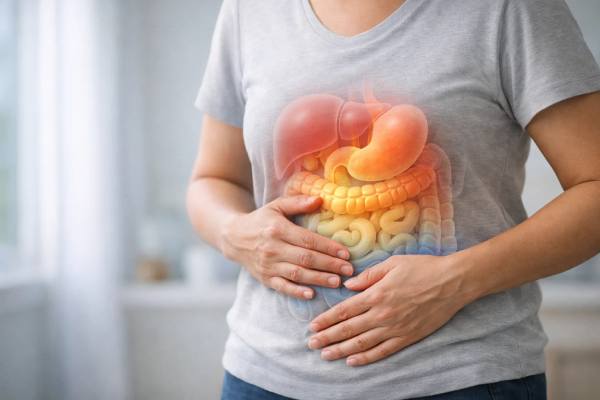
Abdominal pain is one of the most common reasons people seek medical advice—and one of the hardest symptoms to interpret alone. The same sensation can come from the stomach, intestines, gallbladder, urinary tract, reproductive organs, abdominal muscles, or even areas outside the abdomen. Still, location is a useful starting point. Where you feel pain, how it starts, and what comes with it (fever, vomiting, bowel changes, urinary symptoms) can narrow the list of likely causes and help you recognize when to seek urgent care.
This location guide explains what different pain patterns often mean, what details clinicians listen for, and how to separate common, self-limited problems from conditions that need immediate evaluation. It is not a tool for self-diagnosis, but it can help you respond earlier and more confidently when symptoms change.
Top Highlights
- Pain location and timing can guide the next step, but “classic” patterns are not universal.
- Many common causes improve with hydration, rest, and simple food choices, especially when symptoms are mild.
- Sudden severe pain, persistent vomiting, fainting, fever with worsening pain, or blood in vomit or stool should be treated as urgent.
- Pelvic pain in pregnancy and sudden one-sided lower abdominal pain deserve prompt evaluation.
- A practical approach is to track location, severity (0–10), triggers, and stool and urine changes for 24 hours unless red flags are present.
Table of Contents
- How clinicians use pain location
- Upper abdominal pain patterns
- Lower abdominal and pelvic pain patterns
- Side and back pain patterns
- Diffuse pain and bowel clues
- Red flags and urgent symptoms
- Safer self-care and next steps
How clinicians use pain location
Location is not the whole story, but it is one of the fastest ways to narrow the possibilities. Clinicians usually start by asking you to point with one finger to where it hurts most. They then map that location to nearby organs and check whether the pain is “staying put” or moving.
Four details matter as much as location
- Onset: Did pain start suddenly (minutes) or gradually (hours to days)? Sudden, intense pain raises more concern for problems like obstruction, perforation, vascular issues, torsion, or stones.
- Character: Cramping often suggests bowel or uterine contractions; burning can suggest reflux or irritation; sharp pain worsened by movement may suggest inflammation of the lining of the abdomen.
- Radiation: Pain that spreads to the back, shoulder, groin, or chest changes the differential. For example, groin radiation often points toward urinary stones, while back radiation can occur with pancreas-related pain.
- Associated symptoms: Fever, vomiting, diarrhea, constipation, urinary burning, missed periods, or vaginal bleeding can be decisive clues.
Why “where it hurts” can mislead
Not all organs report pain in predictable ways. The intestines can produce diffuse cramping even when a problem is localized. Early appendicitis can begin near the belly button before shifting lower right. Gallbladder pain may be felt in the upper abdomen or right shoulder. Also, abdominal wall pain (muscle strain, nerve irritation) can mimic deeper problems—often worse with tensing the abdominal muscles or certain movements.
A helpful self-description format
If you need to explain your pain quickly, use this structure:
- Location: upper right, upper middle, upper left, lower right, lower left, center low pelvis, or all over
- Severity: 0–10 and whether it is getting worse
- Timing: constant, comes in waves, or linked to meals or bowel movements
- Key companions: fever, vomiting, diarrhea, constipation, urinary symptoms, pregnancy possibility
This information does not replace an exam, but it helps clinicians triage risk and choose the right tests. It also helps you recognize when symptoms are escalating beyond “wait and see.”
Upper abdominal pain patterns
Upper abdominal pain is often linked to the stomach, gallbladder, liver, pancreas, or upper intestines—but it can also be referred from the chest. Pay attention to how pain relates to meals, whether it radiates to the back or shoulder, and whether nausea or fever is present.
Upper right pain
Common possibilities include:
- Gallstones and gallbladder irritation: Often triggered by fatty meals, may come in waves, and can radiate to the right shoulder blade.
- Gallbladder inflammation: Similar pain but typically more persistent and may come with fever, nausea, and tenderness when pressing under the right ribs.
- Liver-related inflammation: Can cause a heavy ache, sometimes with fatigue, dark urine, or yellowing of the skin or eyes.
- Right lower lung irritation: Pneumonia or pleurisy can feel like upper abdominal pain, especially when breathing deeply.
When upper right pain is steady, worsening, and paired with fever or jaundice, it deserves prompt medical evaluation.
Upper middle pain
This area (often called epigastric) commonly involves the stomach and upper small intestine:
- Reflux or gastritis: Burning or gnawing discomfort, often worse after meals, alcohol, or anti-inflammatory medications.
- Peptic ulcer disease: Can mimic reflux but may be more intense or wake you at night; black stools or vomiting blood are emergency signs.
- Pancreas-related pain: Often severe, may radiate straight through to the back, and is frequently paired with nausea and vomiting.
Upper middle pain can also overlap with heart-related discomfort in some people. If pain is accompanied by chest pressure, shortness of breath, sweating, or pain spreading to the jaw or left arm, treat it as urgent.
Upper left pain
Upper left pain can come from the stomach, spleen area, or colon:
- Gas and trapped stool near the upper colon bend can create sharp, intermittent discomfort.
- Stomach irritation can feel left-sided in some people.
- Spleen-related pain is less common but more concerning, especially after trauma or with infections; severe tenderness or pain with lightheadedness is not a “watch it at home” situation.
Upper abdominal pain that is mild and short-lived is often related to food, gas, or reflux. Pain that is severe, progressive, or paired with systemic symptoms calls for medical assessment.
Lower abdominal and pelvic pain patterns
Lower abdominal pain is more likely to involve the intestines, appendix area, urinary tract, and reproductive organs. Because several urgent conditions live in this region, the safest approach is to take new, intense lower abdominal pain seriously—especially when it is one-sided or paired with fever, vomiting, or pregnancy possibility.
Lower right pain
Common causes include:
- Appendicitis: Often begins as vague pain near the belly button and shifts lower right, then becomes sharper and more constant. Loss of appetite, nausea, and low-grade fever are common.
- Ileitis or infectious bowel inflammation: Can mimic appendicitis, often with diarrhea.
- Kidney stone near the right ureter: Can cause severe pain that comes in waves and may radiate toward the groin, sometimes with urinary urgency or blood in urine.
- Gynecologic causes: Ovarian cyst rupture, ovarian torsion, and ectopic pregnancy can cause lower right pain in people who can become pregnant.
If lower right pain is worsening over hours, especially with tenderness and fever, do not rely on home care alone.
Lower left pain
- Diverticulitis: Classically causes steady lower left pain, often with fever and changes in bowel habits.
- Constipation and stool trapping: Can cause cramping and a sense of incomplete emptying.
- Gynecologic causes: Similar to the right side, ovarian cysts and torsion can be left-sided.
Center low pelvic pain
- Bladder infection: Burning with urination, frequency, and pelvic pressure are common. Fever or flank pain can suggest kidney involvement.
- Pelvic inflammatory disease: Pelvic pain with abnormal discharge, fever, or pain during intercourse is a reason to seek care.
- Menstrual cramps and endometriosis: Can cause recurring pelvic pain, often with a cycle pattern.
A key rule: pelvic pain plus pregnancy possibility—especially with dizziness or vaginal bleeding—needs urgent evaluation. It is one of the most important safety thresholds in abdominal pain triage.
Side and back pain patterns
Pain on the sides of the abdomen (flanks) or in the back can still originate from abdominal organs. The most common explanations involve the urinary system, but back-radiating pain can also come from the pancreas, intestines, or blood vessels.
Flank pain that comes in waves
This pattern often points toward kidney or ureteral stones. Typical features include:
- Sudden onset, severe intensity, and a waxing and waning pattern
- Pain that may move from the side toward the groin
- Nausea and restlessness (many people cannot find a comfortable position)
- Possible blood in urine, urinary urgency, or burning
Stones can sometimes be managed with pain control and hydration, but fever, chills, or persistent vomiting alongside flank pain can signal infection or blockage and should be treated urgently.
Dull flank ache with urinary symptoms
This can fit kidney infection, especially when paired with fever, chills, fatigue, and painful urination. Unlike stones, the pain may be steadier, and the person often feels generally unwell.
Back-radiating upper abdominal pain
Several conditions can cause pain that feels like it “bores through” to the back:
- Pancreas-related inflammation: Often severe, persistent, and paired with nausea and vomiting.
- Aortic and vascular problems: Less common but high risk, especially in older adults or those with vascular disease; sudden tearing pain, fainting, or shock symptoms are emergency signs.
- Ulcer complications: Severe pain with rigid abdomen or black stools is not a wait-and-see scenario.
Musculoskeletal and nerve pain
Not all flank or back pain is internal. Clues that point toward the abdominal wall or nerves include:
- Pain that is clearly linked to movement, lifting, coughing, or twisting
- Tenderness in a small, precise spot
- Pain that worsens when you tense the abdominal muscles
Even then, new severe pain should be assessed if you cannot keep fluids down, have fever, or have urinary changes. Location guides are useful, but safety thresholds matter more than perfect pattern matching.
Diffuse pain and bowel clues
Diffuse abdominal pain—pain that feels “all over” or hard to localize—is common. It often involves intestinal motility, gas, infection, or constipation. The challenge is that serious problems can also start with diffuse discomfort before becoming localized.
Cramping with diarrhea
Common explanations include viral gastroenteritis, foodborne illness, and sensitivity to certain foods or sweeteners. Helpful clues:
- Symptoms often start within hours to a day of exposure
- Cramping may improve temporarily after a bowel movement
- Mild fever can occur, but high fever or blood in stool is more concerning
- Dehydration risk rises when vomiting and diarrhea happen together
If diarrhea is persistent, bloody, or accompanied by severe weakness or dizziness, seek medical advice promptly.
Cramping with constipation and bloating
Constipation pain is often described as pressure, fullness, and intermittent cramps. Signs that constipation is likely include:
- Infrequent stools or hard stools with straining
- Pain that improves after passing stool or gas
- Symptoms that worsen after heavy meals or low-fluid days
- A sense of incomplete emptying
Constipation can still require urgent evaluation if you have severe distension, cannot pass gas, are vomiting repeatedly, or pain is escalating—especially if you have a history of abdominal surgery (which can increase obstruction risk).
Gas pain and trapped air
Gas can cause sharp pains that come and go, sometimes shifting locations. It often improves with walking, changes in position, or passing gas. Gas pain is more likely when:
- You eat quickly, use straws, chew gum, or drink carbonated beverages
- Your diet includes large amounts of fermentable fibers or sugar alcohols
- Stress or anxiety increases gut sensitivity
IBS patterns
Irritable bowel patterns often involve recurrent pain linked to bowel movements, with alternating diarrhea and constipation in some people. The key feature is consistency over time, not a single sudden episode. New or severe pain that is different from your usual pattern should not be dismissed as IBS without evaluation.
Diffuse pain is common and often manageable, but it should be monitored closely for escalation, localization, fever, or persistent vomiting—especially in older adults and people with significant medical conditions.
Red flags and urgent symptoms
When abdominal pain is the first sign of a serious condition, the danger is not the pain itself—it is the delay in recognizing a high-risk pattern. Red flags are best treated as action triggers, not as items to debate.
Seek emergency care now for these patterns
- Sudden, severe pain that reaches peak intensity quickly, especially if it is unlike anything you have felt before
- Fainting, confusion, or signs of shock (very weak, clammy, pale, rapid heartbeat)
- Rigid abdomen or severe pain with movement, guarding, or inability to stand upright
- Persistent vomiting or inability to keep fluids down for more than several hours
- Blood in vomit or black, tar-like stools
- Severe abdominal swelling with inability to pass stool or gas
- High fever with worsening pain or fever with flank pain and urinary symptoms
- New severe pelvic pain in pregnancy or pregnancy possibility, especially with bleeding or dizziness
- Severe testicular pain (can be referred from abdominal pathology or represent torsion)
Seek urgent evaluation within 24 hours
- Pain that is steadily worsening over 6–12 hours
- New localized tenderness, especially in the lower right abdomen
- Pain with jaundice, very dark urine, or pale stools
- Pain in older adults that is out of proportion to exam findings
- Persistent pain lasting more than 24–48 hours without improvement
- Pain accompanied by unintended weight loss, persistent night symptoms, or ongoing appetite loss
High-risk groups need a lower threshold
Some people should seek care earlier because complications can develop faster or symptoms can be less typical:
- Older adults
- People with immune suppression (including certain medications)
- People with significant heart, kidney, or liver disease
- Those with prior abdominal surgery
- Pregnant people
- Infants and young children
A final safety note: the absence of a single red flag does not guarantee safety. Red flags are most powerful when combined—worsening pain plus fever plus vomiting is more meaningful than any one symptom alone. If your instinct says “this is not normal for me,” it is reasonable to seek medical advice.
Safer self-care and next steps
For mild abdominal pain without red flags, a short period of supportive care can be reasonable. The goal is to reduce irritation, prevent dehydration, and watch for improvement or escalation.
What you can do safely at home
- Hydrate steadily: Small, frequent sips are better than large volumes at once if you feel nauseated.
- Choose gentle foods: Broth, rice, bananas, oatmeal, toast, eggs, yogurt if tolerated, and soups are often easier than high-fat or very spicy meals.
- Use heat cautiously: A warm pack can relax abdominal muscles and ease cramping.
- Walk lightly if you can: Gentle movement can help gas move and can support bowel motility.
- Rest and simplify variables: Avoid alcohol, heavy workouts, and new supplements while symptoms are unclear.
Medication cautions
- If ulcer, gastritis, or reflux is possible, avoid unnecessary anti-inflammatory pain medicines, which can worsen stomach irritation in some people.
- If constipation is the likely driver, focus first on fluids, movement, and gentle fiber changes rather than harsh “cleanse” products.
- If diarrhea is prominent, prioritize hydration; anti-diarrheal medicines may be inappropriate in some infections, especially if fever or blood is present.
What to track for clearer decisions
A brief symptom log can reduce uncertainty and speed up care if you need it:
- Location and whether it moves
- Severity (0–10) and trend (better, same, worse)
- Bowel changes (frequency, loose, hard, blood, black)
- Urinary symptoms (burning, urgency, blood)
- Fever, chills, nausea, vomiting
- Food triggers and whether pain changes with eating or bowel movements
- In people who can become pregnant: last period, pregnancy possibility, and abnormal bleeding
What clinicians often do next
Evaluation typically starts with vital signs, an exam, and targeted tests based on location and risk. Depending on the scenario, clinicians may order blood work, urine testing, pregnancy testing, and imaging. The goal is not to test everything—it is to rule out the most dangerous possibilities quickly and then narrow toward the most likely cause.
If symptoms are mild, improving, and you can hydrate, home care and observation can be reasonable. If symptoms are worsening, persistent, or paired with red flags, the safest move is medical evaluation.
References
- The Acute Abdomen: Structured Diagnosis and Treatment – PMC 2025 (Review)
- Signs and symptoms of serious illness in adults with acute abdominal pain presenting to ambulatory care: a systematic review – PMC 2024 (Systematic Review)
- Acute Abdominal Pain in Adults: Evaluation and Diagnosis – PubMed 2023 (Clinical Review)
Disclaimer
This article is for general educational purposes and does not provide medical advice, diagnosis, or treatment. Abdominal pain can have many causes, including conditions that require urgent medical care. If you have severe or worsening pain, fainting, confusion, persistent vomiting, signs of dehydration, fever with worsening pain, blood in vomit or stool, black stools, severe abdominal swelling, new pregnancy-related pelvic pain, or any symptoms that feel dangerous or unusual for you, seek urgent medical evaluation promptly. If you have chronic illness, are pregnant, are immunocompromised, or are caring for a child or older adult, consider a lower threshold for professional assessment.
If you found this article helpful, please consider sharing it on Facebook, X (formerly Twitter), or any platform you prefer.