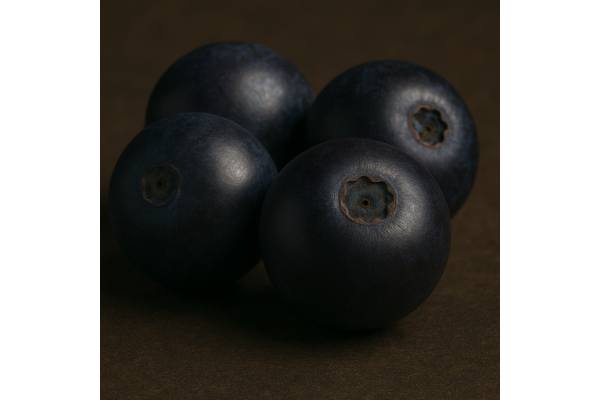
Açaí (pronounced ah-sigh-EE) is a deep purple berry from the Amazonian palm Euterpe oleracea. Once a regional staple, it is now sold worldwide as frozen purée, juices, and powders. People prize açaí for its lush, cocoa-berry flavor, rich mouthfeel, and striking color—but also for its dense polyphenols, especially anthocyanins, and a fat profile that leans toward heart-friendly monounsaturated fats. In everyday cooking, açaí works for smoothie bowls, yogurt swirls, chia puddings, sauces for poultry or tofu, and even vinaigrettes. While it can fit many eating patterns—from Mediterranean to plant-forward—quality varies widely between unsweetened purées and sugar-laden blends. This guide cuts through the hype with a practical, evidence-informed look at nutrition, benefits, risks, buying tips, storage, and preparation methods that preserve color and nutrients. You will also find realistic portions and comparisons with similar berries, so you can enjoy açaí confidently as part of a balanced diet.
Quick Overview
- Unsweetened açaí provides anthocyanins and mainly monounsaturated fat with modest calories per 100 g.
- Typical serving: 100 g frozen purée or 10–15 g powder; enjoy several times per week as part of a varied diet.
- Choose pasteurized and unsweetened products to avoid added sugars and reduce microbial risk.
- People with pollen or fruit allergies, those on strict carbohydrate control, and travelers in endemic regions should use added caution or seek advice.
Table of Contents
- Açaí at a Glance: Origins and What Makes It Unique
- Açaí Nutrition Profile (Per 100 g): Macros, Micronutrients, and Bioactives
- Evidence-Based Health Benefits of Açaí
- Risks, Allergies, and Interactions
- Selecting, Quality, Sustainability, and Storage
- Preparation, Cooking, and Nutrient Retention
- Portions, Comparisons, and FAQs
Açaí at a Glance: Origins and What Makes It Unique
Açaí is the fruit of a tall, multi-stemmed palm native to seasonally flooded forests of the Amazon delta. For generations, riverine communities have relied on it as a daily food—traditionally mashed with water and served with savory foods or cassava flour. The modern global trend reframed açaí as a “superfruit,” but its appeal has more to do with a distinct nutritional pattern than miracles: the pulp is low in sugar, higher in fat than most berries, and naturally dense in purple pigments called anthocyanins. That unusual combination explains its creamy texture and satisfying mouthfeel in bowls and smoothies without heavy dairy or added fats.
Unlike many sweet berries, açaí’s flavor hints at forest berries, cocoa, and a slight earthiness. Producers typically depulp fresh fruit near harvest sites, then pasteurize and freeze it to prevent spoilage. Unsweetened packets are closest to traditional use; blended “scoopables,” sorbets, and juices often contain added sugars or fruit juice concentrates. Color can be a quick quality cue: a deep blue-purple suggests higher pigment retention, while dull brownish tones may signal oxidation or prolonged thawing.
Açaí is versatile beyond bowls. Whisk thawed purée into vinaigrettes for a jewel-toned salad dressing, blend with frozen cherries for a rich smoothie, or reduce with citrus and a touch of honey for a tangy glaze over grilled tofu or chicken. Powder, made from freeze-dried pulp, is convenient for travel and shelf-stable baking; a teaspoon can tint yogurt or chia pudding and boost polyphenols with minimal sugar. Because the fruit’s fats are mostly monounsaturated (similar to olive oil’s dominant fatty acid), açaí can feel more satiating than typical berry snacks.
Finally, context matters. What lands in your bowl determines healthfulness as much as the fruit itself. A 100 g unsweetened packet differs dramatically from a commercial bowl layered with sweetened granola, syrups, and candy-like toppings. This guide will help you spot real quality, preserve nutrient color and potency, and build balanced meals that honor both tradition and modern tastes.
Açaí Nutrition Profile (Per 100 g): Macros, Micronutrients, and Bioactives
Below is a practical snapshot for unsweetened açaí purée (100 g). Values vary by cultivar, processing, and brand. Sweetened blends can contain significantly more sugar and calories. Percent Daily Values (%DV) use standard adult reference intakes.
Macros and Electrolytes (per 100 g)
| Nutrient | Amount | %DV |
|---|---|---|
| Energy | 70 kcal | — |
| Total Fat | 5.6 g | 7% |
| Saturated Fat | 1.5 g | 8% |
| Monounsaturated Fat | 3.4 g | — |
| Polyunsaturated Fat | 0.6 g | — |
| Carbohydrate | 4.0 g | 1% |
| Dietary Fiber | 2.0 g | 7% |
| Total Sugars | 0.0 g | — |
| Protein | 1.4 g | 3% |
| Sodium | 7 mg | 0% |
| Potassium | 130 mg | 3% |
| Water | ~86 g | — |
Fats and Fatty Acids (per 100 g)
| Fatty Acid | Amount | Notes |
|---|---|---|
| Oleic acid (omega-9) | ~3.0 g | Predominant fat; heart-friendly profile |
| Linoleic acid (omega-6) | ~0.5 g | Essential fatty acid |
| Alpha-linolenic acid (omega-3) | ~0.05 g | Trace levels |
Vitamins (per 100 g)
| Vitamin | Amount | %DV |
|---|---|---|
| Vitamin E (alpha-tocopherol) | ~1.5 mg | 10% |
| Vitamin C | ~3 mg | 3% |
| Folate (DFE) | ~20 µg | 5% |
| Vitamin A (RAE) | ~5 µg | 1% |
| Vitamin K | ~10 µg | 8% |
Minerals (per 100 g)
| Mineral | Amount | %DV |
|---|---|---|
| Manganese | ~0.5 mg | 22% |
| Magnesium | ~30 mg | 7% |
| Calcium | ~20 mg | 2% |
| Iron | ~0.4 mg | 2% |
| Zinc | ~0.3 mg | 3% |
| Phosphorus | ~40 mg | 3% |
Bioactives and Phytonutrients (typical ranges, per 100 g)
| Compound/Class | Typical Amount | Notes |
|---|---|---|
| Total anthocyanins | ~100–200 mg | Cyanidin-3-glucoside and cyanidin-3-rutinoside dominate |
| Total polyphenols (GAE) | ~200–600 mg | Depends on processing and cultivar |
| Plant sterols (e.g., beta-sitosterol) | Present | Minor amounts |
Glycemic and Acid–Base Considerations
- Unsweetened açaí purée is low in available carbohydrate and naturally high in water and fat, leading to a low glycemic impact when eaten without added sugars.
- Commercial bowls and smoothies often include syrups, sweetened purées, or juice bases; these raise glycemic load substantially.
- The fruit’s dark pigments are more stable in mildly acidic environments (e.g., with citrus), which can help preserve color.
Note on formats: Powdered açaí (freeze-dried) concentrates nutrients and bioactives by removing water. Labels vary widely; do not assume powder nutrition equals purée per 100 g. Always check the Nutrition Facts for realistic serving sizes (often 10–15 g).
Evidence-Based Health Benefits of Açaí
Cardiometabolic support (context-dependent). Açaí provides anthocyanins, the same class of pigments found in blueberries and blackberries. These compounds can influence oxidative stress and endothelial function in human studies, with modest improvements reported in flow-mediated dilation and certain lipid markers when consumed regularly as part of an overall healthy diet. Açaí differs from most berries by contributing oleic acid, a monounsaturated fat associated with favorable blood lipid profiles when it replaces saturated fat. The combined pattern—polyphenols plus monounsaturated fat—may help explain why some people find açaí satisfying as a snack component, potentially lowering reliance on refined sweets.
Exercise recovery and subjective vitality. Small trials using polyphenol-rich foods show reduced perceived soreness and quicker return to baseline performance after eccentric exercise, likely through effects on redox balance and inflammation signaling. While açaí-specific trials are fewer than for tart cherry or blueberry, its anthocyanin profile is similar, and standardized purées or powders can slot into pre- or post-workout smoothies.
Weight management, satiety, and cravings. Unsweetened açaí is naturally low in digestible carbohydrate and contains fiber and fat that slow gastric emptying. When used in balanced bowls—paired with protein (e.g., Greek yogurt, silken tofu) and unsweetened fruit—it can support satiety without the blood sugar spikes typical of dessert-like bowls. The key is avoiding syrupy bases, sweetened granolas, and candy-like toppings that quickly turn a bowl into a dessert.
Skin and eye wellness via pigments and vitamin E. The vitamin E and anthocyanins in açaí contribute to antioxidant capacity, which can support barrier defenses in skin and may help protect pigments in the retina indirectly, though such benefits rely on overall diet quality and are not unique to açaí.
Gut-friendly patterns. Although açaí is not fiber-dense compared to legumes or bran, pairing 100 g purée with chia seeds, oats, or yogurt increases total fiber and prebiotic substrates. The polyphenols themselves are metabolized by gut microbes into smaller phenolic acids, and emerging research links these metabolites with vascular and metabolic effects.
Practical takeaways. Açaí is best viewed as a “building block” within a whole-food pattern. It shines when used to replace high-sugar desserts or to diversify fruit intake with deeper purple pigments. Benefits are most consistent when açaí is unsweetened, paired with protein and other fiber-rich foods, and consumed regularly (e.g., several times per week) rather than as a sporadic supplement.
Risks, Allergies, and Interactions
Allergies and intolerances. Açaí allergy is uncommon, but as a palm fruit, it could theoretically cross-react in people with certain pollen or fruit allergies. Symptoms may include oral itching, hives, or, rarely, more serious reactions. Anyone with a history of fruit or pollen allergies should introduce new products cautiously and discontinue at the first sign of symptoms.
Added sugars and excess calories. The most frequent “risk” is not the fruit but the format. Blends, sorbets, and pre-made bowls often contain syrups and concentrates. These can deliver dessert-level sugars that work against weight, blood sugar management, and dental health. Choose unsweetened purée and control toppings at home, or ask cafés for unsweetened bases and unsweetened add-ins.
Food safety and travel considerations. Outside the supply chain of pasteurized frozen purée, unpasteurized juices or street-vended açaí in endemic regions can carry microbial risks. Opt for pasteurized, sealed products, especially for children, older adults, pregnant people, and travelers with limited access to medical care. At home, keep thawed purée refrigerated and consume promptly.
Medication interactions. There are no well-documented, clinically significant drug interactions from typical food amounts of açaí. Concentrated supplements, however, may theoretically interact with antiplatelet or anticoagulant drugs due to polyphenol effects observed in vitro. People on medications with narrow therapeutic windows should discuss any high-dose supplement with a clinician. For food use, routine caution suffices.
Special populations.
- Pregnancy and breastfeeding: Pasteurized, unsweetened açaí can be part of a balanced diet. Avoid unpasteurized products.
- Diabetes or carbohydrate-controlled diets: Unsweetened purée fits well, but commercial bowls vary; check carbohydrate totals and portion size.
- Low-fat, low-energy plans: Açaí’s fat content is higher than most fruits; balance portions with overall daily goals.
Bottom line: Enjoy açaí in safe, unsweetened, pasteurized forms. Watch for added sugars, handle thawed purée as you would any perishable food, and treat high-dose supplements with the same care you would any concentrated botanical.
Selecting, Quality, Sustainability, and Storage
How to read labels. Look first for “unsweetened” and a short ingredient list—ideally just açaí and water (or “açaí purée”). Some brands add citric acid or ascorbic acid as antioxidants; these are reasonable for color retention. Avoid products listing sugar, syrups, or juice concentrates near the top of the ingredient list if your goal is a breakfast rather than dessert. For powders, check that the first ingredient is freeze-dried açaí rather than unspecified “fruit blend,” and scan the Nutrition Facts for realistic carbohydrate and sugar numbers.
Color and sensory cues. Quality purée thaws to a deep blue-purple. Brown or grayish tones suggest oxidation or overheating. Aroma should be fresh and lightly fruity with cocoa-like notes; strong fermented or sour odors point to spoilage.
Forms and best uses.
- Frozen unsweetened purée (100 g packets): Best for bowls and smoothies; consistent flavor and texture.
- Freeze-dried powder: Ultra-convenient for travel and shelf-stable; great for yogurt, oatmeal, or baking.
- Juices and sorbets: Often sweetened; treat as occasional desserts.
Sustainability snapshot. Açaí palms thrive in floodplain agroforestry and can provide income that supports forest-based livelihoods. Choosing brands that invest in transparent sourcing, pay fair prices to harvesters, and avoid destructive heart-of-palm harvesting helps sustain both communities and ecosystems. Packaging also matters: prefer recyclable materials and minimal plastic where possible.
Storage and handling. Keep packets frozen at −18°C (0°F) or below. Thaw sealed packets in the refrigerator overnight, or submerge (still sealed) in cool water for 10–15 minutes just before use. Once opened, transfer leftovers to a clean container, refrigerate at 0–4°C (32–40°F), and use within 24–48 hours. Do not refreeze thawed purée; repeated freeze–thaw cycles dull color and flavor. For powders, store airtight away from heat, moisture, and light; use within the printed best-by date for peak color and aroma.
Shopping checklist (quick scan).
- Unsweetened, pasteurized, minimal ingredients
- Deep purple color on thawing
- Clear origin and harvesting information
- Realistic sugar and carbohydrate numbers
- Recyclable or minimal packaging
Preparation, Cooking, and Nutrient Retention
Preserve color and polyphenols. Anthocyanins—the pigments that give açaí its blue-purple hue—are sensitive to heat, light, and oxygen. Three practical habits help: (1) keep the fruit cold until blending, (2) add a splash of acid (lemon or lime) to stabilize color, and (3) minimize air incorporation and blending time. Serve immediately to limit oxidation.
Build a balanced bowl (2–3 minutes).
- Base: 100 g unsweetened açaí purée, partly thawed for a spoonable texture.
- Protein: ½ cup Greek yogurt or 100 g silken tofu.
- Fiber and texture: 2 tbsp rolled oats or chia seeds.
- Fruit: ½ cup berries or sliced kiwi.
- Toppings (optional): 1 tbsp unsalted nuts or cacao nibs.
This bowl delivers color, protein, and fiber without a sugar surge.
Smoothies that satisfy. Blend 100 g açaí with 150–200 ml milk or fortified plant drink, ½ banana or ½ cup berries, and a scoop of protein if desired. Keep added sugars low; let the fruit and a pinch of cinnamon or vanilla carry flavor.
Savory and creative uses. Whisk thawed purée with balsamic vinegar and olive oil for a glossy vinaigrette. Reduce a mix of açaí, orange juice, and a teaspoon of honey to glaze grilled mushrooms or chicken. For desserts, açaí pairs beautifully with dark chocolate and citrus in semifreddo or chia puddings.
Heat and nutrient trade-offs. Gentle warming for sauces is acceptable, but avoid prolonged boiling that can dull pigments. Baking with powder is fine; expect some color shift toward magenta-brown depending on pH and time. Acidity helps—lemon zest in batters or a tart yogurt base can preserve purple tones.
Food safety steps. Work clean and cold. Thaw sealed packets under refrigeration, not on the counter. Once opened, use clean utensils, close containers promptly, and return to the fridge. Discard leftovers with off odors or noticeable color shifts.
Batching smartly. Blend a base (açaí, yogurt or tofu, citrus) and refrigerate up to 24 hours; add toppings right before serving to keep textures crisp. For workdays, pre-portion frozen components so a bowl comes together in minutes.
Portions, Comparisons, and FAQs
How much açaí is a serving?
- Purée: 100 g (one unsweetened packet).
- Powder: 10–15 g (about 2–3 teaspoons).
These portions fit easily into balanced breakfasts or snacks several times per week. Adjust for energy needs and goals.
What does a balanced açaí meal look like?
Aim for the “three-part plate” even in a bowl: açaí base + protein + fiber. Protein could be Greek yogurt, skyr, cottage cheese, or silken tofu. Fiber can come from chia, oats, bran, or nuts. Fruit adds volume and micronutrients; choose unsweetened options.
How does açaí compare with blueberries or blackberries?
- Sugar: Unsweetened açaí purée is typically lower in natural sugars than blueberries.
- Fat: Açaí provides more fat, mostly monounsaturated; other berries are virtually fat-free.
- Polyphenols: All three offer anthocyanins; açaí’s specific profile leans heavily toward cyanidin derivatives.
- Use: Blueberries excel for baking; açaí shines in cold applications and sauces.
Is açaí good for weight loss?
It can support satiety when used to replace sugary desserts and when paired with protein and fiber. Açaí itself is not a magic solution; total diet quality and energy balance matter most.
Are açaí bowls healthy?
They can be. The difference is in the base and toppings. Unsweetened purée with protein and fiber is a nutrient-dense breakfast. Syrupy bases, sweet granolas, and candy-like toppings make a dessert. Read menus or build your own.
Will açaí spike blood sugar?
Unsweetened purée is low in available carbohydrate. Smoothies and bowls made with fruit juice, syrups, or sweetened granola can spike blood sugar. Keep an eye on total carbohydrates and choose whole fruit and fiber-rich add-ins.
Any reason to avoid açaí?
People with fruit or pollen allergies should introduce it slowly. Travelers should opt for pasteurized products and avoid unpasteurized juices in endemic regions. Those managing carbohydrate intake should prefer unsweetened purée and watch portion sizes.
Budget tips. Buy multipacks of unsweetened purée, split toppings into single-serve containers, and use powdered forms sparingly (they are potent and cost-effective per serving). Frozen berries and oats make great low-cost partners.
Take-home message. Think of açaí as a richly colored, low-sugar berry with a creamy texture. Use it to diversify fruit intake, round out breakfasts with protein and fiber, and enjoy its flavor without relying on added sugar.
References
- FoodData Central 2019 (Database)
- Oral transmission of Trypanosoma cruzi: a systematic review and meta-analysis 2020 (Systematic Review)
- Effects of anthocyanin supplementation on cardiometabolic risk factors: a systematic review and meta-analysis of randomized controlled trials 2020 (Systematic Review)
- Euterpe oleracea (açaí): composition, bioactive compounds, and potential health effects 2021 (Systematic Review)
- Dietary Guidelines for Americans, 2020–2025 2020 (Guideline)
Disclaimer
This information is for educational purposes and is not a substitute for personalized medical advice, diagnosis, or treatment. Always consult a qualified healthcare professional regarding your specific health needs, medical conditions, or medications before making significant dietary changes or using concentrated supplements.
If you found this guide helpful, please consider sharing it with friends or on your favorite social platforms. Your support helps us continue creating clear, evidence-informed resources. Thank you.