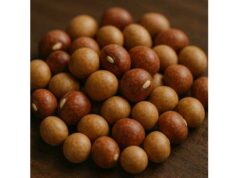
Adzuki beans (also spelled azuki) are small, ruby-red legumes prized across East and East-Central Asia for their sweet, nutty flavor and remarkable nutrition. Cooked adzuki deliver a concentrated package of fiber, plant protein, and essential minerals with very little fat or sodium. Their dense complex carbohydrates and soluble fiber make them a steady energy food that many people find gentler than larger beans. Beyond savory stews and rice bowls, adzuki stars in desserts—from Japanese anko (sweet red bean paste) to Korean patbingsu—proving that nutritious can be delicious. At the same time, adzuki’s polyphenols and resistant starch have drawn research interest for heart and metabolic health. If you’ve avoided legumes because of digestibility concerns, smart preparation (soaking, rinsing, pressure cooking, or choosing canned and well-rinsed beans) can improve tolerance without sacrificing nutrients. In this guide, you’ll find a complete, practical look at adzuki beans: what they offer, how to use them, and how to enjoy them safely.
Top Highlights
- 100 g cooked adzuki provides about 7.5 g protein and 7.3 g fiber; helpful for steady blood sugar and fullness.
- Properly cooked or canned beans are safe; avoid undercooking dried beans in slow cookers.
- Typical serving: ½ cup cooked (≈85–90 g), enjoyed 3–4 times per week within a varied diet.
- Limit or adjust if you follow a short-term low-FODMAP elimination, or if you’re advised to restrict potassium.
Table of Contents
- Adzuki beans: detailed overview
- Adzuki beans nutrition profile
- Evidence-based health benefits
- Risks, allergies and interactions
- Selecting quality, sustainability and storage
- Preparation, cooking and nutrient retention
- Portions, comparisons and FAQs
Adzuki beans: detailed overview
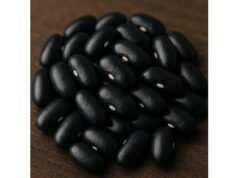
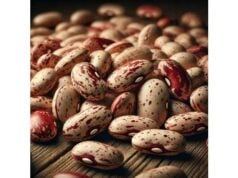
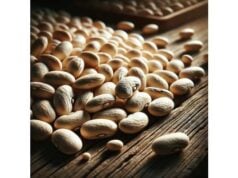
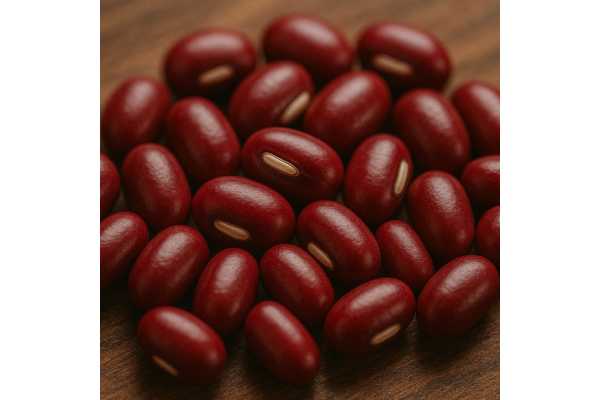
Adzuki beans (Vigna angularis) are small, oval legumes native to East Asia and cultivated widely in Japan, China, and Korea, with growing popularity worldwide. You’ll see them most often as deep red beans, though white, black, and mottled varieties exist. In Japanese cuisine they are central to anko (a smooth or coarse sweet paste), yokan jelly confections, and sekihan (sticky rice with adzuki). In savory cooking, they pair well with rice, winter squash, mushrooms, miso, sesame, and aromatics like ginger or scallions.
From a nutrition standpoint, cooked adzuki are a high-fiber, high-potassium, low-fat food with meaningful amounts of folate, magnesium, phosphorus, zinc, copper, and manganese. Per 100 g cooked, you get roughly 128 kcal, ~25 g carbohydrate, ~7.5 g protein, ~7.3 g fiber, and negligible fat—an unusually nutrient-dense profile for so few calories. Because the fiber includes soluble types and resistant starch, adzuki digests slowly and helps smooth post-meal glucose spikes. That’s one reason legumes like adzuki show up repeatedly in healthy dietary patterns.
Flavor and texture also set adzuki apart. They cook faster than many larger beans, holding their shape yet turning creamy inside. Their thin skins and small size can make them more digestible for some people when prepared well. In sweet dishes, they offer caramel-like, nutty notes; in savory dishes they contribute earthiness that balances umami ingredients like miso, seaweed, and mushrooms.
Beyond the pantry, adzuki fits a sustainability story. As a legume, it forms a symbiosis with nitrogen-fixing bacteria in the soil, decreasing reliance on synthetic fertilizer. Compared with animal proteins, dried beans have a fraction of the land, water, and greenhouse-gas footprint. Choosing pulses such as adzuki a few times per week is one of the most evidence-backed ways to eat both healthfully and sustainably.
Finally, “adzuki” and “azuki” are interchangeable spellings; in some markets you might see them labeled “red beans.” To avoid confusion with kidney beans or small red beans, look for the scientific name (Vigna angularis) or the tell-tale smaller, rounder shape.
Adzuki beans nutrition profile
Below is a concise, practical nutrition overview for cooked, boiled adzuki beans without salt per 100 g. Percent Daily Values (%DV) use current adult DVs. Values are rounded to sensible precision for home use.
Macros & Electrolytes (per 100 g cooked)
| Nutrient | Amount | %DV |
|---|---|---|
| Energy | 128 kcal | — |
| Protein | 7.5 g | 15% |
| Total Carbohydrate | 24.8 g | 9% |
| Dietary Fiber | 7.3 g | 26% |
| Total Sugars | ~0 g | — |
| Total Fat | 0.1 g | 0% |
| Saturated Fat | 0.03 g | 0% |
| Sodium | 8 mg | 0% |
| Potassium | 532 mg | 11% |
| Water | 66–67 g | — |
Carbohydrates
- Predominantly complex starch with resistant starch and soluble fiber that slow digestion.
- Naturally very low in free sugars.
Protein & Amino Acids
- ~7.5 g complete plant protein per 100 g cooked; legumes are limited in methionine but pair well with grains (e.g., rice) for complementary amino acids.
Fats & Fatty Acids
- Trace fat overall; negligible saturated fat and cholesterol-free.
Minerals (per 100 g cooked)
| Mineral | Amount | %DV |
|---|---|---|
| Calcium | 28 mg | 2% |
| Iron | 2.0 mg | 11% |
| Magnesium | 52 mg | 12% |
| Phosphorus | 168 mg | 13% |
| Zinc | 1.8 mg | 16% |
| Copper | 0.30 mg | 33% |
| Manganese | 0.57 mg | 25% |
| Selenium | 1.2 µg | 2% |
Vitamins (per 100 g cooked)
| Vitamin | Amount | %DV |
|---|---|---|
| Thiamin (B1) | 0.11 mg | 9% |
| Riboflavin (B2) | 0.07 mg | 5% |
| Niacin (B3) | 0.70 mg | 4% |
| Pantothenic Acid (B5) | 0.43 mg | 9% |
| Vitamin B6 | 0.10 mg | 6% |
| Folate (DFE) | 121 µg | 30% |
| Vitamin A, D, B12 | ~0 | 0% |
Bioactives/Phytonutrients
- Polyphenols (notably proanthocyanidins and flavonoids concentrated in the red seed coat).
- Resistant starch and oligosaccharides that feed beneficial gut microbes.
Anti-nutrients (naturally occurring)
- Phytate and lectins are present in raw beans; proper cooking (or using canned beans) reduces lectin activity and improves mineral bioaccessibility. Soaking, sprouting, and pressure cooking can further reduce phytate and oligosaccharides.
Glycemic & Acid–Base Notes
- Overall low glycemic impact for typical portions due to fiber and slow-digesting starch.
- Alkaline-forming load compared with many refined grains.
Footnote: Values reflect unfortified, boiled beans without salt. Canned beans may contain added sodium; draining and rinsing can reduce sodium substantially.
Evidence-based health benefits
1) Heart and metabolic support
Regular legume intake is associated with a healthier cardiometabolic profile. Adzuki, like other pulses, supplies soluble fiber that traps bile acids and helps lower LDL cholesterol over time. The combination of fiber, potassium, magnesium, and plant protein supports blood pressure control and vascular health. Their slow-digesting carbohydrates and resistant starch temper post-meal glucose responses, which can aid insulin sensitivity when combined with an overall balanced diet.
2) Glycemic control and satiety
A 100 g cooked portion provides about 7.3 g fiber and 7.5 g protein—two levers that promote fullness and reduce between-meal snacking. When adzuki replaces refined starches or is paired with intact grains (e.g., brown rice or barley), many people experience steadier energy and fewer sugar crashes. In culinary practice, adding adzuki to bowls, soups, or salads often allows a modest reduction in rice or noodles without sacrificing satisfaction.
3) Gut microbiome benefits
Adzuki’s fermentable fibers and resistant starch feed short-chain-fatty-acid (SCFA)-producing microbes. SCFAs such as butyrate help maintain the intestinal barrier and may modulate inflammation. If beans are new to your diet, gradually increase portions (e.g., start with 2–3 tablespoons cooked) to let your microbiota adapt.
4) Micronutrient density for plant-forward diets
Per 100 g, adzuki supplies ~30% DV folate plus meaningful zinc, copper, manganese, magnesium, and phosphorus—nutrients of interest for people eating more plants or limiting animal foods. They’re naturally low in sodium and free of cholesterol and heme iron.
5) Antioxidant polyphenols
The red seed coat is rich in flavonoids and proanthocyanidins. In laboratory and early clinical research, adzuki extracts have shown enzyme-modulating and antioxidant activities relevant to glucose handling and oxidative stress. While bean powders and extracts are not the same as whole cooked beans, these findings help explain why traditional diets that include adzuki are linked with favorable metabolic markers.
6) Weight-management friendly
Low energy density plus high fiber and protein make adzuki a smart swap for more caloric starches. In real meals, this often looks like half rice/half beans, a hearty bean-and-veg stew, or replacing part of ground meat in chilis and dumpling fillings with mashed adzuki.
Practical applications
- Add ½ cup cooked adzuki to grain bowls to raise fiber by ~3–4 g and protein by ~4 g.
- Swap ⅓ of the meat in chili, mapo-tofu, or sloppy joe filling with soft-mashed adzuki to reduce saturated fat while keeping texture.
- Fold lightly sweetened anko between whole-grain crepes or into steamed buns for a traditional dessert with fiber and minerals.
Risks, allergies and interactions
Allergies and intolerances
- Legume allergy: Adzuki belongs to the legume family. Allergy to adzuki is uncommon but possible, and cross-reactivity can occur with other legumes (e.g., soy, peanut). Anyone with a known legume allergy should consult an allergist before trying new legumes.
- FODMAP sensitivity: Beans naturally contain oligosaccharides (GOS). For people following a short-term low-FODMAP elimination, small portions of canned, drained, and well-rinsed beans are often better tolerated than large portions of home-cooked beans because some FODMAPs leach into canning liquid. Reintroduce gradually to your personal tolerance.
Cooking and food safety
- Never eat undercooked beans. Raw or undercooked beans can contain active lectins that cause acute gastrointestinal symptoms. Soak dried beans and boil adequately; avoid slow-cooker “low” settings for dried beans unless they have been fully boiled first. Canned beans are pre-cooked and safe.
Medical conditions
- Kidney disease and potassium: Adzuki is moderately high in potassium. Many people with chronic kidney disease can still include beans in individualized amounts, but those on potassium-restricted plans should discuss serving sizes with their kidney dietitian.
- Gallbladder or pancreatic issues: Very high-fiber meals may aggravate symptoms for some; smaller, more frequent portions can help.
- Iron status: Adzuki provides non-heme iron; pairing with vitamin C-rich foods (e.g., citrus, bell peppers) enhances absorption.
Medications and supplements
- Thyroid medication (levothyroxine): High-fiber meals and mineral supplements can reduce absorption. Take levothyroxine on an empty stomach and separate it from high-fiber meals, iron, or calcium by several hours, per clinical guidance.
- Mineral-binding: Phytate in legumes can bind minerals in the same meal; soaking, sprouting, fermenting, or simply eating beans alongside vitamin C-rich foods improves mineral bioavailability.
Who should limit or seek guidance first?
- Individuals in the elimination phase of a low-FODMAP diet.
- People on potassium-restricted diets.
- Anyone with a legume allergy or a history of reacting to beans.
- People taking levothyroxine, iron, or calcium supplements close to mealtime.
Selecting quality, sustainability and storage
Buying dried adzuki
- Look for freshness: Choose plump, evenly colored beans without cracks or insect damage. Smaller, current-season beans cook more evenly and faster.
- Regional varieties: East Asian groceries often carry multiple grades (e.g., Hokkaido adzuki prized for sweets). Specialty sources may list origin and harvest year.
Buying canned adzuki
- Ingredients check: Prefer products with beans, water, and possibly salt only. Skip syrups unless you intend a dessert; “sweetened red beans” are for sweets, not savory cooking.
- Sodium savvy: Choose no-salt-added when available; otherwise, rinse 10–20 seconds under running water to reduce sodium.
- Texture test: Gently press a bean through your fingers; it should be tender but not mushy.
Sustainability snapshot
- Lower footprint protein: Pulses, including adzuki, generally have far lower greenhouse-gas emissions than animal proteins.
- Soil health: As nitrogen-fixers, beans can reduce fertilizer use and improve crop rotations.
- Packaging trade-offs: Dried beans are light and ship efficiently; canned beans cost more energy to produce but reduce home cooking time and fuel use. Choose based on how you cook.
Storage guidelines
- Dried: Keep in airtight containers in a cool, dark place. Use within 12–18 months for best texture; older beans may require longer cooking.
- Cooked: Refrigerate cooked beans in their cooking liquid 3–5 days.
- Freezing: Freeze in flat, labeled freezer bags or containers with some liquid for up to 3 months; thaw overnight or under cold water.
- Leftovers: For ready meals, portion beans with grains and vegetables in microwavable containers to simplify weekday lunches.
Label terms decoded
- “Adzuki” vs “azuki”: same bean.
- “Red beans” on Asian products typically means adzuki; on some Western labels it may mean small red or kidney beans—verify scientific name or visual size.
Preparation, cooking and nutrient retention
Goal: make beans tender, safe, and digestible while preserving nutrients and flavor.
1) Soak (optional but helpful)
- Quick soak: Boil beans 1–2 minutes, cover, rest 1 hour, drain and rinse.
- Overnight soak: Cover beans by 5–7 cm water, soak 8–12 hours; drain and rinse. Soaking can reduce some oligosaccharides and shortens cooking time.
2) Boil properly
- Stovetop: Simmer soaked beans in fresh water (plus aromatics if you like) for 45–75 minutes until tender. Keep at a steady simmer; vigorous boiling can split skins.
- Pressure cooker: 15–20 minutes at pressure for soaked adzuki, often without soaking for 25–30 minutes. Natural release improves texture.
- Salt timing: Light salting near the end prevents tough skins but seasons the interior; if using salted stock, adjust.
Safety note: Raw or undercooked beans can contain active lectins. Soaking and boiling in fresh water deactivate these proteins. Slow cookers on low may not reach temperatures sufficient to neutralize lectins unless beans have been fully boiled first.
3) Improve digestibility
- Rinse canned beans to wash away excess sodium and some FODMAPs.
- Add aromatics like ginger, kombu (rich in glutamates), or bay leaf to cooking water.
- Portion progression: Start with 2–3 tablespoons cooked, increase to ½ cup as tolerated over a week or two.
- Sprouting (advanced): 24–48 hours of sprouting can increase certain antioxidants and may reduce phytate; cook sprouts briefly for safety in mixed dishes.
4) Preserve nutrients
- Use minimal water and cook just until tender; pressure cooking is efficient and preserves minerals.
- Save the cooking liquid (pot liquor) to capture dissolved minerals and flavor; use in soups or grains.
- Acid later: Add vinegar, citrus, or tomatoes near the end to avoid toughening skins.
5) Flavor playbook
- Savory: miso-ginger broth with mushrooms; sesame-garlic stir-fries; chili with gochujang and roasted squash; rice bowls with scallions and soy.
- Sweet: lightly sweetened anko (1 part sugar to 2–3 parts mashed beans), dorayaki (pancakes with bean filling), steamed buns, or parfaits with yogurt and fruit.
- Texture tips: For silky anko, purée and pass through a fine sieve; for chunky tsubuan, mash coarsely.
6) Batch cooking template (1 kg cooked beans)
- Soak 500 g dried adzuki overnight; drain.
- Pressure cook with fresh water (about 2.5× volume) for 18 minutes; natural release.
- Salt to taste. Portion into 8 containers (~125 g each) with some liquid; chill or freeze.
Portions, comparisons and FAQs
Recommended serving and frequency
- Standard portion: ½ cup cooked (≈85–90 g).
- How often? 3–4 times per week fits well within heart-healthy patterns. Frequency can be higher for vegetarian or Mediterranean-style eating if digestion is comfortable.
Portion guidance for specific needs
- Digestive sensitivity: Begin with 2–3 tablespoons cooked; choose canned, drain and rinse thoroughly; combine with rice or quinoa.
- Potassium-restricted plans: Confirm serving size with your kidney dietitian; some people will use smaller portions spread through the week.
How adzuki compares to other beans (per 100 g cooked)
- Adzuki vs black beans: Similar calories and fiber; adzuki are typically a bit lighter and slightly lower in fat.
- Adzuki vs kidney beans: Adzuki cook faster and are often easier to keep intact for salads or desserts; both are rich in potassium and fiber.
- Adzuki vs lentils: Lentils cook quickest and can be creamier; adzuki holds shape better and shines in both sweet and savory recipes.
Smart pairings
- With grains: Rice, millet, or barley for complementary amino acids.
- With vitamin C: Bell peppers, citrus, kimchi, or pickled vegetables to enhance iron absorption.
- With healthy fats: Sesame, walnut, or olive oil to aid fat-soluble flavor compounds and satiety.
Frequently asked questions
Are adzuki beans low glycemic?
Yes, in typical portions they have a low glycemic impact because fiber and resistant starch slow digestion. How you cook and what you pair them with matters—adding sugar (as in sweet pastes) raises glycemic load.
Can I use a slow cooker?
Only if the beans are fully boiled first. Otherwise, stick to stovetop simmering or pressure cooking. Canned beans are ready to use.
What’s the difference between adzuki and “red beans” on labels?
In East Asian products, “red beans” often means adzuki. In Western products, “red beans” may refer to small red beans or kidney beans. Check the size and the scientific name.
Can I meal-prep desserts with adzuki?
Yes. Anko keeps well—refrigerated up to 5 days or frozen for 2–3 months. Use it as a spread, dumpling filling, or swirl for yogurt and oatmeal.
Will rinsing beans reduce FODMAPs?
Rinsing canned beans and draining cooking liquid removes some oligosaccharides. Start with small portions to test your personal tolerance.
References
- Nutrition Facts for Cooked Adzuki Beans 2025 (Data tool; USDA-sourced)
- Natural Toxins in Food | FDA 2024 (Guidance)
- Nutritional Composition, Efficacy, and Processing of Vigna angularis: A Review 2022 (Systematic Review)
- Legume consumption in adults and risk of cardiovascular disease and type 2 diabetes: a systematic review and meta-analysis 2023 (Systematic Review and Meta-analysis)
- Including legumes on a low FODMAP diet 2016 (Clinical Guidance Blog)
Medical Disclaimer
This article is for general education and is not a substitute for personalized medical advice, diagnosis, or treatment. Nutritional needs and tolerances vary. If you have a medical condition (such as kidney disease, food allergies, digestive disorders, pregnancy) or take prescription medications (for example, levothyroxine), consult your clinician or a registered dietitian for guidance on serving sizes and food choices tailored to you.
If you found this guide useful, please consider sharing it with friends or colleagues on Facebook, X (formerly Twitter), or your preferred platform. Your support helps us continue creating reliable, reader-first nutrition content.