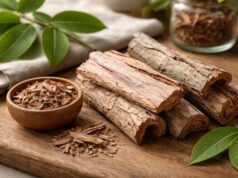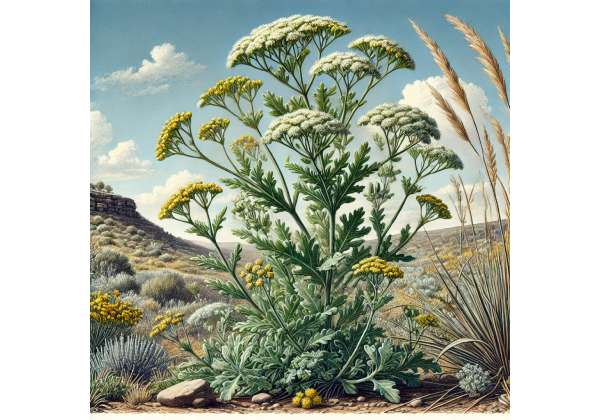
African wormwood (Artemisia afra) is an aromatic shrub native to many parts of southern and eastern Africa, known by traditional names such as umhlonyane, wilde als, and lengana. For generations it has been used as a bitter, warming herb for seasonal respiratory complaints, fevers, digestive discomfort, and “stuck” congestion that comes with colds. Its strong scent comes from a volatile oil profile that can include compounds such as 1,8-cineole and camphor, alongside bitter principles and flavonoids that help explain its traditional roles.
Modern interest in A. afra has grown for two reasons: it remains a widely used home remedy, and early laboratory research suggests antimicrobial and anti-inflammatory potential. At the same time, the Artemisia family is chemically diverse, and some chemotypes can contain higher levels of compounds (such as thujones) that raise safety questions—especially with concentrated essential oils or prolonged use. This guide offers a balanced, practical overview of benefits people seek, the forms most commonly used, realistic dosage ranges, and the safety boundaries that matter most.
Quick Overview
- Often used for nasal congestion, cough, and chest tightness, especially as tea or steam inhalation.
- Bitter compounds may support appetite and digestion when taken in small amounts before meals.
- Typical tea range: 2–7 g dried leaf per 1 L water, taken in divided servings for up to 14 days.
- Avoid concentrated essential oil by mouth, and stop if dizziness, nausea, or agitation occurs.
- Avoid during pregnancy and breastfeeding, and use caution with seizure disorders or multiple medications.
Table of Contents
- What is African wormwood
- Key ingredients and medicinal properties
- Respiratory benefits and common uses
- Digestive and metabolic support
- How to use Artemisia afra
- How much African wormwood per day
- African wormwood safety and evidence
What is African wormwood
African wormwood (Artemisia afra) belongs to the Asteraceae family, the same broad plant family as chamomile, ragweed, and many aromatic bitters. It is not the same plant as European wormwood (Artemisia absinthium), and it is not a reliable source of artemisinin (the best-known Artemisia-derived compound, associated with Artemisia annua). That distinction matters because people sometimes assume all “wormwoods” behave the same. In practice, each Artemisia species has its own chemistry, and A. afra can vary by region and chemotype.
Traditional use tends to center on the leaf and tender stems, prepared as an infusion (tea), decoction, or steam inhalation. The scent is sharp and penetrating, and the taste is intensely bitter. Those sensory qualities are not cosmetic details—they signal how the plant has been used. Aromatic, volatile compounds are often paired with inhalation and topical approaches, while bitterness is often paired with digestion, appetite, and “clearing” effects.
In daily life, African wormwood is usually used in short courses, for a specific purpose:
- A few days during a cold, when congestion and cough are prominent
- A limited period for “heavy” digestion, reduced appetite, or a feeling of fullness
- Occasional inhalation when nasal blockage and headache come together
It is also used in combinations. In many traditions, bitter herbs are balanced with honey or sweet herbs, and aromatic herbs are combined with steam, warm fluids, and rest. This matters because African wormwood is strong; the goal is often to use enough to be effective without pushing into nausea, agitation, or excessive dryness.
One more practical point: plants in the Asteraceae family can trigger allergies in sensitive individuals. If you have strong ragweed-type allergies or you react to other Asteraceae herbs, start with extra caution or choose a different remedy.
Key ingredients and medicinal properties
African wormwood is best understood as a volatile aromatic bitter. That means two major “tracks” contribute to its traditional effects: compounds that evaporate and are easily inhaled, and bitter compounds that stimulate digestive reflexes. The exact balance depends on the plant’s chemotype, harvest conditions, and preparation method.
Key ingredients that shape its effects
- Volatile oils: These are responsible for the strong aroma and many of the “clearing” sensations people associate with inhalation and warm tea. Commonly discussed constituents include 1,8-cineole, camphor, and Artemisia ketone. Some chemotypes can also contain thujones, which are part of the safety conversation, especially for concentrated products.
- Flavonoids: Compounds such as luteolin derivatives are often discussed in Artemisia research because they may influence inflammation signaling and smooth muscle tone in lab models. In whole-herb preparations, they contribute to a broader “supportive” profile rather than a single dramatic effect.
- Sesquiterpene lactones and bitter principles: These drive the herb’s bitterness and are often associated with digestive stimulation, appetite support, and the familiar “bitter tonic” tradition.
- Tannins and related polyphenols: These can add astringency and may contribute to throat feel in teas, especially when combined with honey.
Medicinal properties people seek
When readers say “medicinal properties,” they usually mean practical outcomes. For African wormwood, the most common include:
- Decongestant and expectorant-style support: The aromatic profile can make breathing feel more open, especially with steam inhalation or hot tea.
- Soothing for spasms and tightness: In traditional practice, it is often used when cough is “tight,” when the chest feels constrained, or when cramps and tension accompany illness.
- Digestive stimulation: Bitter herbs can increase saliva and gastric secretion reflexes, which may support appetite and reduce the “heavy” feeling after meals in some people.
- Antimicrobial interest: Lab studies explore antibacterial and antiviral activity, but real-world usefulness depends on achievable concentrations and safe dosing.
A useful way to think about preparation is this: steam and aroma emphasize the volatile oils, while longer steeping and higher doses emphasize bitterness and deeper extraction. That is why technique matters as much as the herb itself.
Respiratory benefits and common uses
African wormwood is most famous as a respiratory-season herb—the kind of plant people reach for when congestion, cough, and a “blocked” head arrive together. In many households it is used early, when symptoms are still building, and again later, when mucus feels thick or stubborn. The goal is usually comfort: easier nasal breathing, less chest tightness, and a cough that moves from dry and irritating to more productive.
Common respiratory uses
People most often use it for:
- Stuffy nose and sinus pressure
- Thick mucus and post-nasal drip
- Dry cough that becomes “tight” or spasmodic
- A cold with chills and fatigue, when warm, aromatic tea feels grounding
Because the herb is aromatic and bitter, many users experience a noticeable “clearing” sensation. That can be helpful, but it can also be drying if overused. The best results often come from small, repeated doses rather than one very strong preparation.
Tea versus steam
- Tea supports hydration and warmth and can be combined with honey to reduce harshness. It is often used when the throat feels irritated or when a warm drink is soothing.
- Steam inhalation targets the nasal passages more directly. Many people find it helpful when congestion is dominant, especially before bed or upon waking.
If your main intent is congestion relief, it can be helpful to compare approaches used for other aromatic respiratory herbs. For example, eucalyptus inhalation traditions and modern applications can provide a practical reference point for how steam-based methods differ from ingesting concentrated oils.
What to expect and what not to expect
What people often notice within a few uses:
- A more open nasal passage sensation
- Easier coughing up of mucus
- A “warming” feeling that pairs well with rest and fluids
What you should not expect:
- A guaranteed shortening of illness duration
- A substitute for medical care if symptoms are severe
- A replacement for prescribed asthma or COPD management
If you have wheezing, chest pain, significant shortness of breath, a fever that persists, or symptoms that rapidly worsen, treat this as a medical issue first. Herbal support may still be appropriate later, but only within a safe plan.
Digestive and metabolic support
Beyond respiratory use, African wormwood is often used as a bitter digestive tonic. Bitters are a traditional category: their taste triggers reflexes that can increase saliva, prime stomach secretion, and support bile-related digestion in some individuals. This can translate into practical benefits like improved appetite, less post-meal heaviness, and reduced “stuck” nausea—especially when taken in small amounts before eating.
Digestive scenarios where people use it
Common situations include:
- Low appetite during recovery from illness
- Bloating or fullness after rich meals
- Occasional nausea, especially when linked to sluggish digestion
- A desire for a “reset” after travel or dietary change
African wormwood is intensely bitter, so dose is crucial. If you push too high, it can irritate the stomach lining or trigger nausea rather than relieve it. Many people do best with a mild infusion or a small amount of tincture-like preparation taken shortly before meals.
How it may feel when it suits you
When a bitter is a good fit, people often describe:
- A small “wake up” of appetite
- Easier digestion and less pressure after meals
- A cleaner mouthfeel and less queasiness
When it does not suit you, early signals include:
- Increased nausea
- Burning or stomach discomfort
- Headache or a “wired” feeling, especially if the preparation is strong
Combining with other digestive supports
In traditional practice, bitter herbs are often paired with warming spices to make them easier to tolerate. If your main goal is nausea relief or digestive comfort, ginger’s active compounds and practical uses is a common comparison point because it supports digestion without the same intensely bitter profile.
If you have reflux, gastritis, or ulcer history, treat bitter tonics carefully. In those cases, the right approach is often gentler: smaller doses, shorter courses, and close attention to whether symptoms improve or worsen.
How to use Artemisia afra
African wormwood can be used in several forms, and the form you choose should match your goal. In general, steam is for congestion, tea is for systemic comfort and hydration, and topical approaches are for localized support. Concentrated preparations (especially essential oils) deserve extra caution.
1) Tea infusion
A practical, moderate approach:
- Use dried leaf (or a small amount of fresh leaf if available).
- Pour freshly boiled water over the herb.
- Cover and steep 10–15 minutes.
- Strain and sip slowly. Add honey if needed.
This method balances extraction and tolerability. A longer steep increases bitterness and intensity, which is not always better.
2) Steam inhalation
A careful method for congestion:
- Place a small handful of fresh leaves (or a modest amount of dried leaf) in a bowl.
- Add hot water and wait a moment for the steam to become comfortable.
- Lean over the bowl and inhale gently for 5–10 minutes, keeping eyes closed.
- Stop if you feel dizziness, airway irritation, or headache.
Avoid aggressive steaming, especially for children, and do not use essential oil drops unless you are trained in essential-oil safety.
3) Topical compress or rub
Some people use cooled tea as a compress for general comfort, or warmed leaves as a traditional poultice. Keep topical use simple: test a small area first, avoid broken skin, and discontinue if irritation occurs.
Common mistakes to avoid
- Making it too strong, too fast: very bitter tea can trigger nausea and a “too stimulating” feeling.
- Using concentrated essential oil internally: this increases risk without clear benefit for most goals.
- Using it for weeks without breaks: short courses are a better safety strategy.
- Trying to replace prescribed care: especially for asthma, severe infection, or chronic disease.
If you want a gentler aromatic companion for respiratory comfort, many people blend African wormwood with milder herbs. For example, peppermint for respiratory and digestive comfort is often used to soften flavor while maintaining a clear, aromatic profile.
How much African wormwood per day
Dosage depends on the form, your sensitivity to bitterness, and the purpose (respiratory comfort versus digestion). Because A. afra can vary in oil composition, it is wise to start low and increase only if tolerated. A practical approach is to think in short courses rather than long-term daily use.
Tea dosage ranges
A commonly cited traditional-style infusion range is:
- 2–7 g dried leaf per 1 liter of boiling water, taken in divided servings through the day.
For many people, that works out to roughly:
- 250–330 mL per serving, up to 2–3 servings daily, depending on strength and tolerance.
If you are new to the herb, begin at the lower end (a lighter tea) and observe how your stomach and nervous system respond. The taste is a useful guide: if it is intensely bitter to the point of aversion, you may be overdoing it.
Timing suggestions by goal
- Congestion and cough: 1 serving in the morning and 1 in the evening is common, with optional gentle steam once daily for short periods.
- Digestive support: small amounts 10–20 minutes before meals may suit better than drinking large volumes after eating.
- During illness: use for a few days, then reassess. If symptoms persist, prioritize evaluation rather than escalating the dose.
How long to use it
A conservative safety boundary is:
- Up to 14 days, then take a break.
If you find yourself wanting to use it continuously, it is a sign to look for a clearer underlying plan: allergy management, reflux control, asthma care, sleep and hydration changes, or medical evaluation.
Practical dose refinements
- If nausea appears, reduce strength or frequency first.
- If you feel jittery or have trouble sleeping, avoid evening dosing.
- If the bitterness is too intense, consider blending with a soothing herb rather than adding more sweetener.
For throat irritation, some people pair bitter teas with demulcent herbs. If that is your goal, licorice root uses and precautions is often discussed for soothing teas, but it also has its own safety rules (especially with blood pressure), so keep combinations conservative.
African wormwood safety and evidence
African wormwood has a strong tradition of use, but “traditional” does not automatically mean “safe for everyone.” The safety conversation is shaped by two realities: (1) chemotype variability, including thujone levels in some volatile-oil profiles, and (2) the difference between whole-herb tea and concentrated products such as essential oils.
Who should avoid it
Avoid African wormwood (or use only with clinician guidance) if you are:
- Pregnant or breastfeeding
- Managing a seizure disorder or using medications that lower seizure threshold
- A child (especially with strong preparations or steam that can irritate airways)
- Allergic to Asteraceae family plants (ragweed-type allergies)
- Taking multiple prescription medications where interactions are hard to predict
Potential side effects
Most issues come from using it too strong or too long. Possible effects include:
- Nausea, vomiting, stomach irritation, or loss of appetite from excessive bitterness
- Dizziness or headache, especially with strong inhalation
- Restlessness or a “wired” feeling in sensitive people
- Skin irritation with topical use, especially with concentrated preparations
Concentrated essential oil products deserve special caution. Even when a tea feels gentle, essential oils can deliver a much higher dose of volatile constituents than the body can comfortably handle.
Medication interactions to consider
The best way to think about interactions is by category:
- Seizure medications: avoid self-experimentation because some Artemisia constituents can be stimulating in sensitive individuals.
- Diabetes medications: if you use the herb during illness and appetite changes, blood sugar can swing more than usual; monitor closely.
- Blood pressure and heart medications: illness, dehydration, and bitters can change how you feel; be conservative and avoid stacking multiple stimulating herbs.
If you take prescription medicines daily, the safest approach is to treat African wormwood as an occasional, short-course remedy—if at all—and to discuss it with a clinician if you plan repeated use.
What the evidence actually supports
The research picture is mixed and often early-stage:
- Laboratory studies support antimicrobial and anti-inflammatory potential, but lab activity does not guarantee real-world benefit at safe doses.
- Viral and malaria-related findings are largely preclinical; they do not justify replacing standard treatments.
- The strongest practical support remains traditional respiratory use, where steam and hot infusion provide comfort even when the herb-specific effect is modest.
A useful way to stay grounded is to focus on outcomes you can observe safely: symptom comfort, hydration, sleep, and breathing ease. If you are using the herb because you suspect malaria, tuberculosis, pneumonia, or another serious infection, do not delay testing and treatment.
References
- ARTEMISIA AFRA HERBA 2004 (Monograph)
- Artemisia spp.: An Update on Its Chemical Composition, Pharmacological and Toxicological Profiles 2022 (Review)
- Secondary Metabolites Isolated from Artemisia afra and Artemisia annua and Their Anti-Malarial, Anti-Inflammatory and Immunomodulating Properties—Pharmacokinetics and Pharmacodynamics: A Review 2023 (Review)
- In vitro efficacy of Artemisia extracts against SARS-CoV-2 2021 (Laboratory Study)
- Assessment of the in vitro activity and selectivity of Artemisia afra and Artemisia annua aqueous extracts against artemisinin-resistant Plasmodium falciparum 2025 (Laboratory Study)
Disclaimer
This article is for educational purposes only and does not provide medical advice, diagnosis, or treatment. Herbal products can vary widely in strength and composition. African wormwood (Artemisia afra) may be inappropriate for some people, especially during pregnancy and breastfeeding, in seizure disorders, or when used with multiple medications. Do not use African wormwood essential oil internally unless directed by a qualified professional trained in essential-oil safety. Seek medical care promptly for severe or persistent symptoms, high fever, breathing difficulty, chest pain, dehydration, or suspected malaria or other serious infections.
If you found this guide helpful, please share it on Facebook, X (formerly Twitter), or your preferred platform so others can make safer, more informed choices.