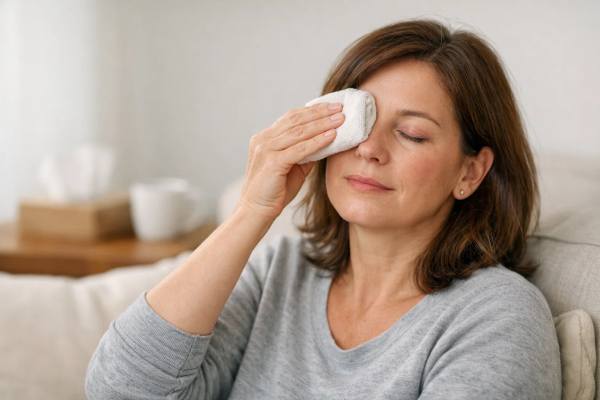
Getting over the flu can feel like crossing a finish line—until your eyes keep reminding you that your body is still resetting. Weeks after the fever breaks, some people develop lingering dryness, burning, a gritty “sand in the eye” sensation, watering that paradoxically accompanies dryness, and blurry vision that comes and goes. This pattern is often post-viral dry eye: a temporary disruption of the tear film and ocular surface that can persist after an infection, especially when dehydration, congestion, mouth-breathing, and inflammation stack the odds against comfortable eyes.
The good news is that most cases improve with targeted care and a little patience. The key is understanding what’s actually happening, using the right type of lubrication at the right times, and knowing when symptoms suggest something more than dryness.
Essential Insights
- Most post-viral eye irritation improves over a few weeks with consistent lubrication, lid care, and humidity support.
- Fluctuating blur, stinging, and reflex tearing often point to tear-film instability rather than an ongoing infection.
- New severe pain, light sensitivity, one-sided worsening, or vision loss should be treated as urgent.
- Preservative-free artificial tears 4–6 times daily is a common starting rhythm for post-viral dryness.
Table of Contents
- Why eyes can feel dry after the flu
- How to tell dry eye from other problems
- Resetting the tear film at home
- Choosing drops, gels, and lid care
- When an eye exam makes a big difference
- Preventing a repeat during the next illness
Why eyes can feel dry after the flu
Post-viral dry eye is less about “the virus still being in your eyes” and more about the after-effects of being sick. Your tear film is a delicate, constantly renewed layer made of oil, water, and mucin (a slippery coating that helps tears spread). When any part of that system is disrupted, the surface of the eye dries in patches. Those dry patches trigger irritation, burning, and reflex tearing—so you can feel watery and dry at the same time.
Several flu-season factors push the tear film off balance:
- Dehydration and reduced intake: Fever, sweating, low appetite, and less fluid intake can reduce tear volume. Even mild dehydration can make tears “saltier,” which stings and inflames the surface.
- Nasal congestion and mouth-breathing: Sleeping with your mouth open increases evaporation from the eyes. If your eyelids don’t fully seal at night (common when exhausted or congested), the front of the eye can dry significantly while you sleep.
- Indoor heating and low humidity: Winter air and forced-air heating pull moisture from the tear film. Many people notice symptoms spike in the morning after a dry overnight environment.
- Inflammation that lingers after infection: Viral illnesses can leave behind a low-level inflammatory “echo.” Inflammation can reduce tear production, destabilize the oil layer from eyelid glands, and make the corneal nerves extra reactive.
- Medication effects: Some common cold and flu remedies can worsen dryness. Decongestants and many antihistamines are classic culprits. Some nausea medications and certain sleep aids can also reduce tear production or increase surface dryness.
What the timeline often looks like
For many people, irritation begins during the illness or shortly after, then persists for 2–6 weeks as the tear film recovers. Symptoms often fluctuate: a few decent days, then a rough day after a long screen session, a windy walk, or a night of mouth-breathing. If you already had mild dry eye before the flu (even if you didn’t notice it), the illness can “unmask” it, and the recovery can take longer.
Why it feels worse than it looks
Dry eye is a mismatch condition: symptoms can be intense even when the eye appears only mildly red. Viral illness can sensitize corneal nerves, so normal evaporation feels dramatic. That’s also why the right plan is not just “more drops,” but supporting the tear film so the surface can calm down and re-stabilize.
How to tell dry eye from other problems
After the flu, eye discomfort can come from dryness—but also from allergies, sinus issues, eyelid inflammation, or an actual infection. The distinctions matter because the wrong approach can prolong symptoms.
Clues that point toward post-viral dry eye
Dry eye is especially likely when you notice:
- Burning, stinging, or scratchiness that gets worse in dry air, wind, or screen time
- Fluctuating blur that improves after blinking or using lubricating drops
- Watery eyes in episodes (reflex tearing), especially outdoors or in air conditioning
- Morning irritation (a dry, sticky feeling on waking) or a sense that your eyelids “drag” when you blink
- Stringy mucus or mild redness without thick discharge
A helpful self-check: if symptoms reliably worsen after 20–30 minutes of focused near work (phone, laptop, reading), tear-film instability is often involved.
When it may be something else
Consider other causes if you have these patterns:
- Viral conjunctivitis: often starts in one eye and spreads; can cause significant watering and gritty feeling, but usually comes with more obvious redness and a contagious course. It tends to peak over days rather than remain steady for weeks.
- Bacterial conjunctivitis: thick yellow/green discharge and eyelids stuck shut with crusting are more typical than pure dryness.
- Allergies: itching is the hallmark. Allergies can coexist with dry eye, but intense itch plus swelling often suggests an allergic component.
- Sinus-related pressure: aching around the brow and cheek with congestion can make the eyes feel “tired” or sore without true surface dryness.
- Blepharitis or eyelid-gland dysfunction: burning and redness along the eyelid margins, lash debris, recurrent styes, or frothy tears can point to oil-gland involvement.
Red flags that should not be watched at home
Seek urgent evaluation (same day if possible) for:
- Moderate to severe eye pain, especially if it’s one-sided
- Light sensitivity that makes you want to keep the eye closed
- New vision loss (not just momentary blur)
- A white spot on the cornea, or a feeling like something is stuck that won’t improve
- Contact lens wear with pain or redness
- A painful, swollen eyelid or fever returning with eye symptoms
These signs can indicate corneal inflammation, an ulcer, uveitis, or other conditions that need prescription treatment quickly.
Resetting the tear film at home
Post-viral dry eye responds best to a simple, consistent plan that reduces evaporation, supports healing, and calms inflammation triggers. Think of it as rebuilding a stable surface rather than chasing symptoms hour by hour.
Step 1: Make the environment easier on your eyes
Small changes often produce outsized relief:
- Raise humidity where you sleep. A bedroom humidity target around 40–50% is a practical zone for many people. If you don’t have a humidifier, placing a bowl of water near a heat source can help a little, though it’s less reliable.
- Aim air away from your face. Car vents, desk fans, and space heaters can dry tears fast.
- Use wraparound glasses outdoors. Wind is a powerful evaporator; physical shielding is underrated.
- Try a “blink reset” during screens. Every 20 minutes, look across the room for 20 seconds and do 10 slow blinks, squeezing gently at the end of each blink to help spread the oil layer.
Step 2: Hydration and recovery basics that actually matter
If you’re still recovering, your eyes benefit from whole-body support:
- Hydrate steadily, especially if you’re still coughing, sweating at night, or mouth-breathing. Clear urine isn’t required, but very dark urine is a clue you’re behind.
- Prioritize sleep for at least a week. Dry eye often worsens with sleep debt because surface healing slows and inflammation rises.
- Be cautious with drying medications when you can. If you need them, counterbalance with more lubrication and humidity rather than simply stopping essential medication.
Step 3: Reduce nighttime evaporation
Morning pain and grittiness often means nighttime drying. Options include:
- A lubricating gel or ointment at bedtime (expect temporary blur).
- A moisture shield (specialty sleep goggles) if you wake with very dry eyes.
- Gentle lid sealing if your eyelids don’t close fully (some people use medical tape designed for skin, but this is best discussed with a clinician first to avoid irritation).
What to avoid during the recovery window
- “Get-the-red-out” drops that constrict blood vessels can worsen dryness with repeated use.
- Overusing preserved drops can irritate the surface if you need frequent dosing.
- Rubbing your eyes, especially if itch is present; it amplifies inflammation and can disrupt the tear film further.
Consistency beats intensity. A steady routine for 10–14 days is often the difference between gradual improvement and a frustrating plateau.
Choosing drops, gels, and lid care
Not all “artificial tears” behave the same, and post-viral symptoms often require matching the product type to the pattern of irritation.
Artificial tears: how to start and how to adjust
A practical starter plan for lingering post-flu dryness is:
- Preservative-free artificial tears: 4–6 times daily for 1–2 weeks
- Then taper to the lowest frequency that keeps symptoms controlled (often 2–4 times daily)
If you need drops more than 6 times daily, preservative-free formulas are usually the safer long-run choice for the ocular surface. If you’re only using tears once or twice daily, preserved options may be tolerated—though some people remain sensitive after viral illness.
When thicker is better
- Gels help when symptoms flare in the afternoon or evening and you need longer coverage.
- Ointments are best for bedtime when morning symptoms dominate. They blur vision more but provide strong overnight protection.
A common strategy is thin drops during the day and a gel or ointment at night.
Evaporative dry eye and the eyelid margin
After respiratory illnesses, many people develop or notice oil-gland sluggishness. If your tears evaporate quickly, lubrication alone may feel short-lived. Add lid support:
- Warm compress: comfortably warm (not hot), 8–10 minutes, once daily
- Lid massage: gentle pressure along the lid margin after warmth (think “express,” not “scrub”)
- Lid hygiene: a mild lid cleanser or wipes 3–4 times weekly (more often if you have visible debris)
If you’ve had recurrent styes, crusting, or greasy lid margins, this step can be a turning point.
What about omega-3s and diet changes?
Some people feel better with dietary shifts that reduce inflammatory load and improve gland secretions—more oily fish, nuts, seeds, and consistent hydration. Omega-3 supplements help some patients and do nothing for others. If you try them, think in months, not days, and be cautious if you take blood thinners or bruise easily.
Contact lenses during post-viral irritation
If your eyes feel gritty or burn, lenses can act like sandpaper on an already-fragile surface. Consider:
- Taking a 1–2 week break
- Restarting with shorter wear time (for example, 4 hours on day one, then increase gradually)
- Avoiding sleeping in lenses entirely during recovery
If you have pain, redness, or light sensitivity while wearing contacts, treat it as urgent and stop lens wear immediately.
When an eye exam makes a big difference
If symptoms persist beyond a few weeks or keep returning, an eye exam can move you from “trying things” to a tailored plan based on what your tear film is actually doing.
Good reasons to book an appointment
Consider evaluation if:
- Symptoms last longer than 4–6 weeks despite consistent home care
- You need lubricating drops hourly to function
- You have significant morning pain that suggests overnight exposure or severe dryness
- Vision is frequently blurred, especially if you drive at night or do detail work
- You have known risk factors: autoimmune disease, thyroid disease, rosacea, eyelid inflammation, history of refractive surgery, or multiple medications that cause dryness
What clinicians check
A typical dry-eye workup may include:
- Ocular surface staining to detect dry spots and microscopic damage
- Tear break-up time (how quickly the tear film destabilizes after a blink)
- Eyelid gland function (whether oil glands are blocked or inflamed)
- Blink quality and lid closure (especially if symptoms are worse on waking)
- Inflammation patterns that may benefit from prescription therapy
These findings matter because two people can report the same burning sensation but need different treatments: one needs more oil support, another needs anti-inflammatory therapy, and another needs better nighttime protection.
Escalation options when basic care isn’t enough
Depending on the pattern and severity, treatment may include:
- Short courses of anti-inflammatory drops to calm the surface and break the irritation cycle
- Prescription immunomodulating drops for longer-term inflammation control
- Punctal plugs (tiny blockers that slow tear drainage) when tear volume is the main issue
- Office-based gland treatments when evaporation and gland obstruction dominate
- Targeted allergy management if itching and seasonal patterns overlap with dryness
- Reviewing medications that may be contributing, when it’s safe to adjust them
A common frustration is expecting immediate relief from prescription options. Some therapies work quickly, while others are slow-build and are judged over 4–12 weeks.
When “post-viral” isn’t the whole story
Sometimes a viral illness doesn’t cause dry eye so much as reveal it. If you were compensating before—blinking more, using occasional drops, tolerating mild discomfort—flu stress can tip the system. In that case, long-term maintenance may be needed even after you otherwise feel fully recovered.
Preventing a repeat during the next illness
If you’ve had post-flu eye irritation once, you’re not doomed to repeat it. The goal is to protect the tear film during the highest-risk window: fever, congestion, and the dry indoor air that often accompanies winter illness.
Your “sick-day eye plan”
When you notice an upper-respiratory illness starting, consider a proactive routine:
- Preservative-free tears: start 3–4 times daily early, rather than waiting for burning to appear
- Humidify the bedroom immediately if heating is running
- Night protection: add a gel or ointment if you’re mouth-breathing or waking dry
- Screen reduction: shorten stretches of near work and use the 20-minute blink reset
- Warm compress once daily if your eyelids tend to clog or swell during illness
This is especially useful if you know you dry out with decongestants or if you’re prone to eyelid inflammation.
Adjusting habits that quietly worsen dryness
Some triggers don’t feel dramatic, but they keep the surface from settling:
- High screen load without breaks (reduced blink rate is a major driver of evaporation)
- Hot showers and face steam followed by immediate exposure to dry air (rapid evaporation can sting)
- Long drives with vents on
- Smoking or secondhand smoke exposure
If you want one high-impact change, start with airflow: keep air from blowing directly into your eyes.
Special situations: who needs extra caution
- Older adults: tear production often declines with age, so recovery may be slower and nighttime protection more important.
- People with rosacea or recurrent styes: eyelid glands may be the main problem; warm compresses and lid hygiene pay off.
- Autoimmune conditions: dryness may flare after infection and need earlier medical support.
- Post-refractive surgery patients: corneal nerves can be more sensitive; fluctuating blur and discomfort may be more noticeable.
When to expect stability again
Many people return to baseline within a month or two, but the last 10% of improvement can be slow—especially if you stop care as soon as you feel “mostly better.” Taper gradually: keep the nighttime strategy and reduce daytime tears stepwise, watching for rebound symptoms.
References
- Dry Eye Syndrome Preferred Practice Pattern® 2024 (Guideline)
- Dry eye disease caused by viral infection: Past, present and future 2023 (Review)
- Interventions for Dry Eye: An Overview of Systematic Reviews 2024 (Systematic Review Overview)
- Efficacy and Safety of a Water-Free Topical Cyclosporine, 0.1%, Solution for the Treatment of Moderate to Severe Dry Eye Disease: The ESSENCE-2 Randomized Clinical Trial 2023 (RCT)
Disclaimer
This article is for educational purposes and does not replace personalized medical care. Eye irritation after a viral illness is often due to dry eye, but similar symptoms can occur with infections, inflammation inside the eye, or corneal problems that require prompt treatment. Seek urgent evaluation if you have significant eye pain, new light sensitivity, worsening one-sided redness, a visible spot on the clear front surface of the eye, or any new vision loss—especially if you wear contact lenses. If symptoms persist beyond several weeks or interfere with daily activities, an eye care professional can identify the specific dry-eye subtype and recommend appropriate treatment.
If you found this helpful, consider sharing it on Facebook, X (formerly Twitter), or any platform you prefer.