Aji Amarillo, the vivid yellow-orange chili that defines much of Peruvian cooking, is more than a colorful accent. This medium-hot pepper delivers a distinctive combination of fruity, citrusy, and gently smoky notes that can transform sauces, stews, marinades, and even dressings. At the same time, it contributes vitamins, carotenoids, and spicy capsaicinoids that have been widely studied in peppers for their roles in metabolism, antioxidant defenses, and cardiovascular health.
For many home cooks, Aji Amarillo is both intriguing and intimidating: it looks beautiful, but how hot is it, how should it be used, and is it safe for everyone? This guide walks through its origins, nutrition profile, potential health effects, and practical safety considerations. You will also find detailed advice on selecting, storing, and cooking with Aji Amarillo so you can enjoy its flavor and potential benefits while respecting individual tolerances and medical conditions.
Key Takeaways for Aji Amarillo
- A typical culinary portion is about 5–15 g fresh Aji Amarillo or 1–2 teaspoons paste per serving, used up to several times per week if well tolerated.
- The pepper is low in calories yet can provide meaningful amounts of vitamin C, provitamin A carotenoids, and various antioxidant compounds.
- People with reflux, stomach ulcers, irritable bowel syndrome, or a history of chili-triggered symptoms may experience discomfort even at modest portions.
- Dried powders and pastes are more concentrated in heat and bioactive compounds; starting with 1/4 teaspoon and increasing slowly is a cautious approach.
- Individuals with known pepper allergy, significant gastrointestinal disease, or complex cardiac conditions should consult a healthcare professional before markedly increasing intake or using concentrated supplements.
Table of Contents
- Aji Amarillo basics and origins
- Aji Amarillo nutrition and compounds
- Research-backed benefits of Aji Amarillo
- Risks, side effects and allergies
- Choosing, storing and sourcing Aji Amarillo
- Cooking with Aji Amarillo for nutrition
- Portions, swaps and common questions
Aji Amarillo basics and origins
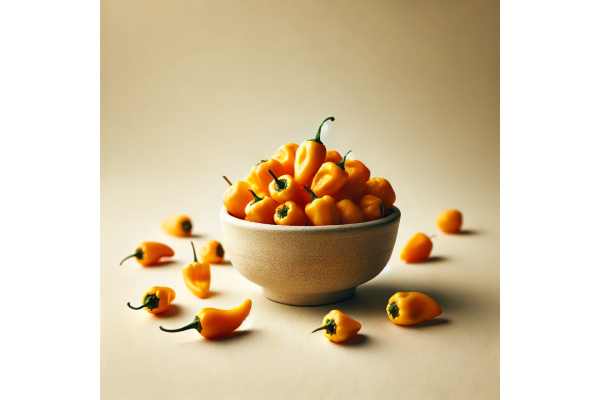
Aji Amarillo is a chili pepper from the species Capsicum baccatum, a group of peppers native to the Andean region. It is especially central to Peruvian cuisine, where it appears in countless everyday dishes. The name literally means “yellow chili,” although the ripe pods tend to be a deep golden orange rather than lemon yellow.
The pods are typically long and slender, often 12–15 cm (5–6 inches) in length, with a slightly curved shape and fairly thick flesh. In terms of spiciness, Aji Amarillo is usually classified as medium hot. On the Scoville scale, it often falls in the 30,000–50,000 unit range, hotter than jalapeños but milder than habaneros. This level of heat is noticeable but manageable for many people once the pepper is blended into sauces or cooked in stews.
What makes Aji Amarillo so distinctive is its flavor. Cooks describe it as brightly fruity, with notes that can suggest passion fruit, mango, or apricot, combined with a mild tang and gentle smokiness. Because of this complex profile, it is not just a source of heat but also a key building block for flavor. Classic Peruvian dishes such as ají de gallina (cream-based chicken stew), papa a la huancaína (potatoes with a spicy cheese sauce), causa (layered potato and filling), and many ceviche variations rely heavily on Aji Amarillo.
In practice, the pepper is used in several forms:
- Fresh pods, seeded or unseeded, sliced into stews and marinades
- Frozen whole peppers, especially in regions where fresh supply is limited
- Aji Amarillo paste, often sold in jars or cans as a ready-to-use base
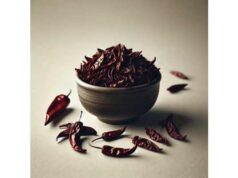
- Dried whole pods, flakes, or powders for long shelf life and concentrated flavor
Fresh peppers bring bright, piercing notes and crunch, while paste and powder give consistency of flavor and color across batches. Outside Peru, paste and frozen pods are often easier to find than fresh chilies, especially in mainstream supermarkets.
Historically, Capsicum baccatum varieties like Aji Amarillo have been cultivated for centuries in Peru and neighboring countries, contributing not only to local cuisines but also to cultural identity. Today, there is renewed global interest in these traditional peppers as chefs and home cooks look for ways to recreate authentic Peruvian dishes or put a modern spin on familiar recipes.
Understanding these basics—origin, appearance, heat level, and typical uses—can help you decide where Aji Amarillo fits in your own cooking. If you enjoy moderate heat and layered, fruity flavors, it can quickly become a staple ingredient.
Aji Amarillo nutrition and compounds
Like most fresh chilies, Aji Amarillo is very low in calories yet surprisingly dense in certain vitamins and plant compounds. The exact numbers vary by growing conditions and ripeness, but its overall nutritional pattern is similar to that of other colorful hot peppers.
A modest serving of fresh Aji Amarillo—around 10 g, which might be a small portion of a single pod—contributes only a few calories, mostly from carbohydrate, with traces of protein and virtually no fat. Despite this small energy contribution, the pepper can provide notable amounts of micronutrients:
- Vitamin C: Peppers are well known for their high vitamin C content, and Aji Amarillo is no exception. Even a small portion can contribute a meaningful share of the daily requirement.
- Vitamin A precursors: The intense yellow-orange color reflects the presence of carotenoids such as beta-carotene, which the body can convert to vitamin A.
- Vitamin E and vitamin K: Present in smaller amounts, these fat-soluble vitamins contribute to antioxidant defenses and normal blood clotting.
- B vitamins: Like other peppers, Aji Amarillo contains vitamin B6 and niacin, which participate in energy metabolism and nervous system function.
Minerals in Aji Amarillo include potassium, some magnesium, calcium, and small amounts of iron. None of these will usually reach very high levels in typical serving sizes, but they contribute to the cumulative intake from a varied diet. The pepper is naturally very low in sodium, which makes it suitable for people who need to manage salt intake.
Beyond vitamins and minerals, Aji Amarillo is rich in bioactive compounds that are of particular interest:
- Capsaicinoids: These are the spicy molecules, with capsaicin and dihydrocapsaicin being the best known. They interact with nerve receptors linked to heat and pain sensation and have been widely studied for their impacts on metabolism and circulation.
- Carotenoids: Aji Amarillo contains a mixture of carotenoids that give it its color and may function as antioxidants and provitamin A sources. These include pigments that are also found in other red, orange, and yellow peppers.
- Polyphenols and flavonoids: These compounds add further antioxidant and anti-inflammatory potential and are present in both the flesh and the seeds.
- Dietary fiber: While chili peppers are not a major fiber source by weight, chopped or blended Aji Amarillo still contributes some fiber, particularly when used generously in vegetable-rich dishes.
When the pepper is dried and ground into powder, water is removed and nutrients become more concentrated by weight. However, typical household servings of powder are small—often less than a gram—so the absolute nutrient contribution from a sprinkle of seasoning remains modest.
Another important point is how these compounds are distributed within the pepper. The seeds and inner white membranes (the pith) contain much of the capsaicin. Removing them reduces heat and slightly alters the profile of bioactive compounds. The colored outer flesh holds most of the carotenoids and a significant share of vitamin C.
Overall, Aji Amarillo is best viewed as a flavoring ingredient that also carries beneficial micronutrients and plant chemicals. It will not replace staple sources of vitamins and minerals but can enhance the nutritional quality and sensory appeal of many dishes when used regularly.
Research-backed benefits of Aji Amarillo
Most scientific studies focus on Capsicum peppers as a group or on isolated capsaicin and carotenoid compounds rather than on Aji Amarillo alone. Still, because Aji Amarillo is a ripe, carotenoid-rich, and capsaicin-containing chili, many of these findings can reasonably inform how we think about its potential health effects.
Antioxidant and anti-inflammatory activity
Laboratory and animal research on Capsicum species shows that extracts from peppers can neutralize free radicals and dampen markers of inflammation. These effects are attributed to a combination of carotenoids, flavonoids, and phenolic compounds present in the fruit. In some experimental models, extracts from Capsicum baccatum specifically have reduced inflammatory markers and oxidative damage in tissues.
For people, this does not translate into an instant “cure,” but it supports the idea that including colorful, phytochemical-rich foods such as Aji Amarillo can contribute to overall antioxidant defenses, especially when combined with other fruits and vegetables.
Cardiometabolic markers
Clinical studies using capsaicin or pepper-based interventions have reported modest improvements in certain cardiovascular and metabolic markers, including total cholesterol, LDL cholesterol, and measures related to metabolic syndrome. Some research also suggests that capsaicin can slightly increase energy expenditure and fat oxidation and may influence appetite and food intake.
These effects tend to be small at typical dietary doses. Aji Amarillo in normal culinary amounts should be seen as one possible supportive element in a heart-friendly and metabolically healthy eating pattern, alongside vegetables, whole grains, legumes, nuts, seeds, and appropriate physical activity.
Weight management context
Because capsaicin can create a feeling of warmth and sometimes mild appetite blunting, it is often marketed in weight-loss supplements. However, the available evidence points to modest effects that are unlikely to overcome a consistently high-calorie diet or low activity level. Using Aji Amarillo in home cooking can help add flavor to vegetable-rich, lower-calorie dishes, which may indirectly support weight management by making nutritious meals more satisfying.
Gut microbiome considerations
Emerging research suggests that capsaicin can interact with the gut microbiome, potentially encouraging some beneficial bacterial groups while discouraging others linked to inflammation. The direction and magnitude of these changes appear to be influenced by overall diet, baseline microbiome composition, and dose. Moderate, culinary use of Aji Amarillo within a varied, fiber-rich diet is likely to be better tolerated and more useful than sudden large increases or highly concentrated supplements.
Vision, skin and immune support
Because Aji Amarillo is rich in carotenoids and vitamin C, it contributes to general dietary patterns associated with healthier skin and eyes and more robust immune defenses. These nutrients support normal collagen formation, protect tissues from oxidative stress, and play roles in immune cell function. Again, the pepper is one piece of a larger dietary puzzle rather than a stand-alone therapy.
In summary, the scientific picture points toward modest, supportive benefits when Aji Amarillo and similar peppers are used regularly in an overall balanced diet. It is reasonable to enjoy it for flavor and potential health advantages while avoiding exaggerated expectations about its impact in isolation.
Risks, side effects and allergies
Although Aji Amarillo is safe for most healthy adults when used as a food, its capsaicin content and the way it is processed mean that some people need to be careful.
Digestive discomfort and sensitive conditions
The most frequent side effects of chili peppers are burning sensations in the mouth and throat, heartburn, stomach discomfort, and loose stools. Individuals with gastroesophageal reflux disease (GERD), gastritis, peptic ulcers, or irritable bowel syndrome often report that spicy foods trigger or worsen their symptoms.
For those with these conditions, even moderate portions of Aji Amarillo may cause problems. It is wise to:
- Start with very small amounts, well diluted into sauces or stews
- Avoid raw preparations if they reliably trigger symptoms
- Keep a personal food and symptom diary to identify patterns
If a small amount consistently causes pain or significant discomfort, it may be best to limit or avoid Aji Amarillo.
Allergic and intolerance reactions
True allergy to Capsicum species is uncommon but has been documented. Symptoms may include hives, itching, facial or throat swelling, wheezing, or difficulty breathing. Some people with latex allergy or certain pollen allergies have cross-reactions with peppers and related plants.
More often, people experience non-allergic intolerance: flushing, sweating, runny nose, or digestive upset. These reactions can still be distressing but are not mediated by the immune system in the same way as an allergy.
Red-flag symptoms that require urgent medical attention include:
- Difficulty breathing or swallowing
- Tightness in the chest or throat
- Severe facial swelling
- Sudden, intense abdominal pain or vomiting
Anyone with suspected pepper allergy should consult an allergy specialist and avoid Aji Amarillo until assessed.
Interactions and high-dose concerns
High-dose capsaicin supplements and extremely spicy diets have raised questions about potential impacts on the digestive tract and cardiovascular system. Some research suggests that very high exposure may irritate the stomach lining or interact with pain and temperature receptors in ways that are not appropriate for everyone, especially individuals with existing heart rhythm issues or significant cardiovascular disease.
Culinary use of Aji Amarillo typically remains far below the doses used in experimental supplements. Still, concentrated capsules or extracts should not be added on top of an already very spicy diet without speaking to a healthcare professional.
Topical exposure and kitchen safety
Handling fresh Aji Amarillo can cause skin irritation and intense burning, especially if capsaicin comes into contact with the eyes or sensitive areas. In the kitchen:
- Use disposable gloves when cutting large amounts
- Avoid touching your face, particularly your eyes
- Wash cutting boards, knives, and hands thoroughly with soap
- Using a small amount of oil or alcohol-based hand sanitizer can help dissolve residual capsaicin
These steps protect not only you but also anyone else who might handle the dishes or equipment later.
Special populations
Certain groups merit extra caution:
- Children: They are generally more sensitive to heat; introduce only tiny amounts mixed into family dishes.
- Pregnant or breastfeeding individuals: Normal food use is generally considered acceptable, but sudden large increases or use of high-dose supplements should be discussed with a healthcare provider.
- People with swallowing difficulties or neurological conditions: Spicy foods can trigger coughing or choking and should be used carefully or avoided.
By paying attention to individual tolerance and any underlying conditions, Aji Amarillo can usually be enjoyed safely, but it is not appropriate for everyone in the same quantity or form.
Choosing, storing and sourcing Aji Amarillo
Knowing how to select and store Aji Amarillo helps preserve both its flavor and its nutritional value. Depending on where you live, you may find it fresh, frozen, dried, or processed into paste.
Fresh peppers
When buying fresh Aji Amarillo, look for:
- Bright, uniform yellow-orange color without large green patches on ripe pods
- Firm, glossy skin with no wrinkling, shriveling, or soft spots
- Stems that are green and fresh-looking rather than dry or darkened
Avoid peppers with mold, major bruising, or a fermented smell. Minor surface blemishes are usually harmless but may shorten shelf life.
Store whole fresh peppers in the refrigerator, ideally in the crisper drawer in a breathable bag. Under good conditions, they often keep for about a week before softening. For longer storage, you can remove stems and seeds, slice the peppers, and freeze them in airtight bags. Frozen Aji Amarillo works well in sauces, stews, and purees.
Paste and frozen products
Outside Peru, Aji Amarillo paste is often the most accessible option. These products may be jarred, canned, or packaged in sachets. When choosing a paste:
- Check the ingredient list and prefer products with peppers, water, salt, and perhaps a little oil or acid as the main ingredients
- Be aware of added preservatives or colorings if you are trying to limit these
- Watch the sodium content if you need to control salt intake
Once opened, store paste in the refrigerator and use a clean spoon each time to prevent contamination. Many people freeze paste in small portions—such as in an ice cube tray—so they can defrost only what they need.
Frozen whole Aji Amarillo peppers are another practical option. They preserve much of the fresh flavor and can be thawed, seeded, and blended just before cooking.
Dried peppers and powders
Dried whole peppers, flakes, and powders are convenient and have a long shelf life, but they are sensitive to light, heat, and humidity. Good-quality dried Aji Amarillo should have:
- A vivid color rather than a dull brown
- A strong, fruity, chili aroma without mustiness
- Packaging that protects from moisture and direct light
Store them in airtight containers in a cool, dark cupboard away from the stove. Flavor and aroma are usually best within 6–12 months, though properly stored dried peppers may remain safe to use longer if they show no signs of mold or spoilage.
Sourcing and sustainability
From an environmental perspective, peppers do not have especially high production footprints compared with many other foods, but transport, farming practices, and processing still matter. To make more sustainable choices, consider:
- Supporting companies that specify origin and work with growers in traditional producing regions
- Choosing organic options if you wish to reduce potential pesticide residues, especially when using dried powders
- Minimizing waste by freezing leftovers, using up opened jars promptly, and buying only the quantity you are likely to use
Some producers partner with smallholder farmers in Peru and neighboring countries to preserve heirloom Aji Amarillo varieties. Buying such products, when available, can help maintain biodiversity and food culture traditions.
Cooking with Aji Amarillo for nutrition
Good cooking techniques allow you to enjoy Aji Amarillo’s flavor while supporting nutrient retention and tolerable heat levels.
Safe handling and preparation
When working with fresh Aji Amarillo:
- Wash the peppers under running water and pat dry.
- Cut off the stem and slice the pepper lengthwise.
- Use a spoon or knife to remove the seeds and inner white membranes if you want a milder result. Leaving some of this material increases heat.
- Slice, chop, or blend the flesh depending on your recipe.
If you are sensitive to chili burns, wear gloves and avoid touching your face. After handling, wash hands, knives, and cutting boards thoroughly with warm soapy water.
Common culinary uses
In traditional Peruvian cooking, Aji Amarillo is indispensable in:
- Ají de gallina: Chicken in a creamy, chili-infused sauce, typically served with potatoes and rice.
- Papa a la huancaína: Boiled potatoes topped with a cheese and Aji Amarillo sauce, often served cold as a starter.
- Causa: Layers of seasoned mashed potato and fillings such as fish or vegetables, colored and flavored with Aji Amarillo paste.
- Ceviche: Raw fish marinated in citrus juice, where small amounts of Aji Amarillo provide both heat and fruity notes.
In modern home kitchens, Aji Amarillo can also brighten:
- Omelets, scrambled eggs, and breakfast scrambles
- Bean stews, lentil soups, and vegetable chowders
- Yogurt or mayonnaise-based dips and spreads
- Grain bowls, tacos, and roasted vegetable platters
Using paste is often the easiest way to control flavor and heat. You can whisk a small spoonful into dressings, blend it with oil and vinegar for marinades, or stir it into simmering sauces.
Nutrient retention and enhancement
Heat-sensitive nutrients such as vitamin C are most vulnerable to long cooking times and high temperatures. To preserve more of these:
- Add some Aji Amarillo toward the end of cooking instead of at the very beginning for long-simmered dishes.
- Combine cooked and raw forms, such as using paste in a stew and a small amount of fresh pepper as a garnish.
Carotenoids, the pigments responsible for the bright color, are more stable to heat and can actually become easier for the body to absorb when peppers are lightly cooked and combined with dietary fat. You can take advantage of this by:
- Sautéing Aji Amarillo briefly in a small amount of oil before adding other ingredients
- Pairing it with healthy fat sources like olive oil, avocado, nuts, seeds, or modest amounts of dairy
These cooking choices can improve the availability of fat-soluble nutrients without requiring large amounts of oil.
Managing heat while keeping flavor
If you enjoy the flavor but worry about spiciness:
- Remove seeds and membranes thoroughly
- Use a small quantity of paste blended with milder ingredients such as yogurt, coconut milk, or roasted vegetables
- Start with 1/4 teaspoon of paste or powder per serving and increase gradually over time as you gauge tolerance
This gradual approach lets your palate adapt and helps you avoid unexpected discomfort.
Portions, swaps and common questions
Because heat tolerance and health status differ from person to person, there is no single perfect serving size of Aji Amarillo that suits everyone. Still, some practical guidelines are helpful.
Typical serving sizes
For most healthy adults:
- Fresh Aji Amarillo: Around 5–15 g per serving (roughly a small portion of one pod), often distributed through a dish shared by several people.
- Aji Amarillo paste: About 1–2 teaspoons in a dish that serves two people, adjusted to taste and tolerance.
- Powdered Aji Amarillo: Around 1/4–1/2 teaspoon per serving, recognizing that powders can be deceptively intense.
These amounts keep capsaicin exposure moderate and are usually well tolerated by people accustomed to spicy foods. Those who are new to chilies or who know they are sensitive should begin at the low end and only increase after a few exposures without symptoms.
Comparisons with other peppers
It can help to map Aji Amarillo against chilies you may already know:
- Compared with jalapeños, Aji Amarillo is typically hotter and more fruity, with less of the fresh green flavor.
- Compared with habaneros, it is usually milder but still provides a distinctive fruitiness and bright color.
- Compared with bell peppers, Aji Amarillo contains much more capsaicin and therefore much more heat, even though both types are rich in carotenoids when fully ripe.
If you tolerate jalapeños comfortably but find habaneros overwhelming, Aji Amarillo may feel like a middle ground in terms of heat intensity.
Substitutions and alternatives
When Aji Amarillo is not available:
- Combine yellow or orange bell pepper (for color and sweetness) with a small amount of a hotter chili such as habanero or serrano.
- Use a mix of sweet paprika and a moderate pinch of cayenne to approximate color and heat, though the fruity aroma will be different.
- Substitute another Capsicum baccatum pepper if you can find it; these often have a similar fruity profile.
For recipes written specifically for Aji Amarillo paste, 1 teaspoon of paste often equates roughly to part of a fresh pepper, but you may need to adjust based on brand and personal preferences.
Common questions
Is Aji Amarillo suitable for people trying to lose weight?
It can be. The pepper adds flavor and color with very few calories, which makes it useful for making vegetable-rich, lower-energy dishes more appealing. Capsaicin may slightly increase energy expenditure, but the effect is modest, so overall eating patterns remain the main driver of weight change.
Can I eat Aji Amarillo every day?
Many people can include small to moderate amounts daily, especially if they are used to spicy foods and have no digestive or cardiovascular issues. If you notice heartburn, stomach upset, or other symptoms, consider reducing frequency or portion size and discussing this with a healthcare professional.
Is it safe for children?
Small amounts mixed into family meals are often acceptable, but some children are very sensitive to heat. Introduce it cautiously, and respect any clear signs of discomfort or refusal. Avoid leaving chilies within reach of young children who might touch their eyes or mouth.
Does cooking remove all the beneficial compounds?
Cooking does reduce some heat-sensitive nutrients such as vitamin C but tends to preserve or even improve the usability of carotenoids. Using a mix of raw and cooked peppers, and pairing them with healthy fats, helps balance flavor and nutrient availability.
Who should limit or avoid Aji Amarillo?
People with known pepper allergy, severe or poorly controlled digestive conditions, or specific cardiac issues should be cautious and seek medical advice before incorporating moderate or large amounts. In these groups, avoiding concentrated supplements and focusing—if permitted at all—on very small culinary doses (or complete avoidance) is often safest.
References
- Carotenoids of Capsicum Fruits: Pigment Profile and Health-Promoting Functional Attributes 2019 (Systematic Review)
- Phytochemical constituents and biological properties of domesticated capsicum species: a review 2021 (Review)
- Lipid-lowering efficacy of the capsaicin in patients with metabolic syndrome: A systematic review and meta-analysis of randomized controlled trials 2022 (Systematic Review and Meta-analysis)
- Antioxidant and anti-inflammatory properties of Capsicum baccatum: From traditional use to scientific approach 2012 (Experimental Study)
- Capsaicin in Metabolic Syndrome 2018 (Mechanistic Review)
Disclaimer
The material in this article is intended for general informational purposes only. It does not constitute medical advice, diagnosis, or treatment and should not be used as a substitute for consultation with qualified healthcare professionals. Individual nutritional needs, medical conditions, and tolerances to spicy foods vary. Always speak with your doctor, dietitian, or other licensed health professional before making substantial changes to your diet, using capsaicin-containing supplements, or relying on any single food to manage health conditions or medications.
If you found this overview of Aji Amarillo helpful, you are warmly invited to share it on Facebook, X (formerly Twitter), or any other platform you use. Thoughtful sharing helps support the ongoing work of providing clear, evidence-informed nutrition content for readers who value reliable information.