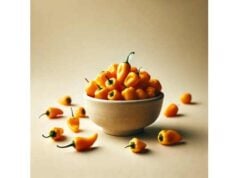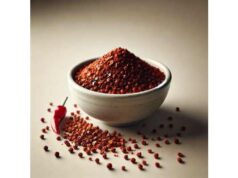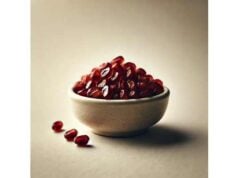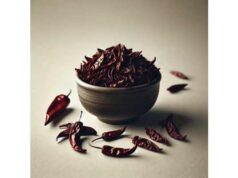
Aji Panca is one of Peru’s signature chilies, but it behaves very differently from the fiery peppers most people imagine. Deep brick-red to mahogany in color, it’s usually sold dried or as a smooth paste and delivers gentle warmth, smoky-fruity aroma, and a hint of cocoa and dried berries. In Peruvian cooking it is a backbone ingredient rather than a garnish, building color, body, and subtle complexity in stews, anticucho marinades, seafood dishes, and sauces.
From a nutrition perspective, Aji Panca is similar to other mildly hot dried peppers: relatively low in calories at typical serving sizes, but dense in carotenoids, vitamin C (when not overcooked), potassium, and protective plant compounds such as capsaicinoids and polyphenols. These compounds have been linked to antioxidant, anti-inflammatory, and possible cardio-metabolic benefits when eaten regularly as part of a balanced diet. At the same time, people with sensitive digestion or chili intolerance need to use it thoughtfully.
Nutrition Snapshot for Aji Panca
- Typical culinary amounts of Aji Panca (2–5 g powder or 10–20 g paste) add color, flavor, and small amounts of vitamins A and C plus potassium.
- Regular use of mild chili peppers may support antioxidant defenses and metabolic health when combined with an overall healthy diet.
- A reasonable serving for most adults is about 1–2 teaspoons (2–6 g) of powder or 1–2 tablespoons (15–30 g) of paste, several times per week.
- People with active gastritis, peptic ulcer disease, or chili-triggered reflux should limit or avoid Aji Panca unless a healthcare professional advises otherwise.
Table of Contents
- Aji Panca background and uses
- Aji Panca nutrition and compounds
- Science on Aji Panca benefits
- Risks, allergies and interactions
- Choosing and storing Aji Panca
- Cooking Aji Panca for nutrition
- Portions, comparisons and common questions
Aji Panca background and uses
Aji Panca is a traditional Peruvian chili, long and narrow in shape when fresh and deep red-brown when dried. It belongs to the Capsicum genus, and depending on the source it’s usually classified within one of the domesticated species used for culinary chilies. In practice, cooks care less about the exact species and more about its very mild heat and complex flavor.
On the Scoville heat scale, Aji Panca typically sits in the low hundreds to around 1,500 Scoville Heat Units (SHU). That puts it well below jalapeño, serrano, or rocoto chilies. Many people who find other hot peppers overwhelming can enjoy Aji Panca, especially when it is tempered by cooking and combined with fats or dairy.
In Peruvian cuisine, Aji Panca usually appears in three main forms:
- Whole dried pods: Often toasted, soaked, then blended into a paste.
- Ready-made paste: A jarred or canned product, sometimes mixed with a little oil and salt.
- Ground powder: Finely milled dried pods, sometimes labeled simply as “Aji Panca chili powder.”
Culinary roles include:
- Providing deep red-brown color and mild heat in stews (such as carapulcra), braises, lentejas (lentils), and bean dishes.
- Forming the base of marinades for meats and offal, including anticuchos and slow-cooked beef or pork.
- Flavoring sauces for fish and seafood, where its gentle smokiness complements citrus and garlic.
- Adding a nuanced smoky note to vegetarian dishes and grain-based recipes without overpowering other ingredients.
Compared with paprika or ancho chili, Aji Panca tends to be slightly fruitier and less sweet, with a “sun-dried” quality that works well in long-simmered dishes. Because of its mildness, it’s often used in relatively large quantities, which is relevant for its nutritional contribution.
Aji Panca nutrition and compounds
The precise nutritional values of Aji Panca depend on growing conditions, processing, and whether you’re using whole dried chili, powder, or paste. However, its profile broadly resembles that of other dried red chilies.
For dried Aji Panca powder, a typical approximate composition per 100 g is:
- Energy: about 280–330 kcal
- Protein: 10–14 g
- Fat: 10–15 g (mostly unsaturated)
- Carbohydrates: 50–60 g, including 25–35 g of dietary fiber
- Minerals: notable amounts of potassium, magnesium, and small amounts of iron and zinc
Of course, a usual serving is much smaller. One teaspoon of powder (about 2 g) or a tablespoon of paste (about 15 g including water and some oil) contributes modest calories but still provides a meaningful dose of micronutrients and bioactive compounds.
Key micronutrients and plant components include:
- Vitamin A precursors (carotenoids):
- Beta-carotene and related carotenoids in red chilies contribute to vitamin A intake. Aji Panca’s deep red color signals a rich carotenoid content, although drying and long storage can reduce levels.
- Vitamin C:
- Fresh peppers are excellent sources of vitamin C. Drying and prolonged heating decrease it, but lightly cooked pastes or late-added powder can still help overall intake.
- B vitamins and folate:
- Like other peppers, Aji Panca provides small amounts of B vitamins (such as B6) and folate that add up when consumed regularly.
- Minerals:
- Potassium supports blood pressure control and nerve-muscle function. There are also small contributions of magnesium, iron, and manganese.
Beyond traditional nutrients, the “active” compounds in Aji Panca are particularly interesting:
- Capsaicinoids:
- Capsaicin and related molecules (dihydrocapsaicin, nordihydrocapsaicin) give chilies their pungency. In Aji Panca the total amount is low compared with very hot peppers, but still sufficient to activate TRPV1 receptors in the mouth and gut for many people.
- Phenolic compounds and flavonoids:
- These include various phenolic acids and flavonoid glycosides that act as antioxidants and may modulate cell signaling pathways related to inflammation and metabolism.
- Carotenoids:
- Capsanthin, capsorubin, and beta-carotene give the characteristic color and contribute antioxidant activity.
- Dietary fiber:
- The thick chili walls contribute insoluble and some soluble fiber, which supports bowel regularity and may help modulate post-meal blood glucose when part of a mixed dish.
Aji Panca paste often includes water and sometimes a little salt or oil. This dilutes nutrient density per 100 g but also improves carotenoid absorption, because these pigments are fat-soluble. If you use a paste with added oil, the main health considerations shift to the type and amount of fat used in that product.
Overall, Aji Panca is not a significant source of calories in typical portions, but it does contribute a concentrated package of carotenoids, polyphenols, and capsaicinoids that can complement the rest of the diet.
Science on Aji Panca benefits
There are relatively few studies that isolate Aji Panca itself, but there is a large body of research on chili peppers and their bioactive compounds more broadly. Since Aji Panca is a mild chili with low to moderate capsaicinoid content, its potential benefits are best understood as a gentler version of what’s been observed for hotter varieties and purified capsaicin.
Key mechanisms and potential benefits include:
1. Antioxidant and anti-inflammatory support
Polyphenols, carotenoids, and capsaicinoids in peppers can neutralize reactive oxygen species and influence enzyme systems involved in oxidative stress. Laboratory studies with various Capsicum species show that extracts can reduce markers of oxidative damage and modulate inflammatory signaling pathways in cells and animals.
For everyday eating, this means that regularly cooking with peppers like Aji Panca may contribute to overall antioxidant intake, especially when paired with other colorful vegetables, herbs, and fruits. The effect is not dramatic on its own but may be meaningful as part of a plant-rich dietary pattern.
2. Possible metabolic and weight-related effects
Human trials using chili powders or standardized capsaicin supplements have reported modest increases in energy expenditure, enhanced fat oxidation, and slightly reduced appetite in some participants. The dose used in these studies is often higher than what most people would get from a single serving of Aji Panca, but regular use across meals can still provide low-level stimulation of these pathways.
Potential implications of consistent mild chili intake include:
- Slightly higher post-meal energy expenditure.
- Small improvements in glucose handling after meals in some individuals.
- Support for long-term weight management when combined with other healthy lifestyle habits.
These effects are subtle and should not be considered a primary weight-loss strategy, but they may be a helpful complement.
3. Cardiovascular and metabolic syndrome support
Research on capsaicin has explored its influence on blood vessel function, blood lipids, and markers related to metabolic syndrome. Mechanisms under investigation include:
- Activation of TRPV1 receptors, which may promote vasodilation and improved endothelial function.
- Modulation of adipokines, such as adiponectin, which are involved in insulin sensitivity.
- Effects on lipid metabolism and oxidative stress in the liver and vascular system.
Again, much of this research uses hotter chilies or purified capsaicin. Aji Panca’s mildness means its capsaicinoid dose is lower, but for people who tolerate only gentle heat, it may offer a way to incorporate chili-derived compounds consistently without discomfort.
4. Digestive effects
Many people find that moderate chili use stimulates appetite and gives a sense of digestive “warmth.” Capsaicin can increase saliva and gastric secretions, which may support digestion for some individuals. At the same time, those with sensitive digestion may experience irritation or reflux, which is discussed in more detail in the safety section.
5. Nutrient density and dietary pattern
A practical benefit of Aji Panca is that it encourages home cooking with beans, whole grains, vegetables, and lean proteins. Traditional Peruvian dishes built around Aji Panca often combine legumes, tubers, and vegetables, which support heart and metabolic health. In this way, the chili indirectly promotes healthier food choices.
In summary, the best-supported benefits relate to antioxidant support, modest metabolic effects of capsaicinoids, and the way Aji Panca fits into nutrient-dense meals. Its role is supportive rather than therapeutic, and it should not be considered a substitute for medication or a standalone treatment for any condition.
Risks, allergies and interactions
For most healthy adults, culinary use of Aji Panca in normal recipe amounts is considered safe. However, certain groups should be cautious, and it’s important to distinguish between typical culinary use and high-dose supplements or extracts.
1. Gastrointestinal sensitivity
The most common issues relate to the digestive tract:
- People with gastroesophageal reflux disease (GERD), peptic ulcer disease, or active gastritis often find that chili peppers exacerbate pain or reflux, even when the chili is mild.
- Those with irritable bowel syndrome (IBS) or other functional gut disorders may react to capsaicin with cramping, urgency, or looser stools.
- In some individuals, repeated high intake of chili can lead to irritation of the mouth or anal area.
For these conditions, working with a healthcare professional and introducing very small amounts, if at all, is wise. If symptoms worsen, Aji Panca should be reduced or avoided.
2. Allergy and intolerance
True allergy to Capsicum species is rare but documented. Symptoms can include:
- Itching or swelling of the lips, tongue, or throat.
- Hives, skin rash, or facial swelling.
- Respiratory symptoms such as wheezing or difficulty breathing.
Anyone experiencing these should seek immediate medical attention and avoid all chili products until evaluated.
More commonly, people have a non-allergic intolerance, with symptoms like flushing, headache, or digestive upset. In this case, the threshold varies from person to person, and Aji Panca’s mildness may or may not be better tolerated.
3. Medication and health-condition considerations
Culinary quantities of Aji Panca are unlikely to interact strongly with medications. However, there are theoretical or observed concerns for high-dose chili or capsaicin supplements:
- Blood pressure medications and heart disease: Large doses of capsaicin can influence vascular tone. People on antihypertensives or with unstable cardiovascular disease should avoid capsaicin pills unless supervised. Culinary Aji Panca in food is generally acceptable for stable patients, but medical advice should take precedence.
- Anticoagulants and antiplatelet drugs: Chili peppers contain vitamin K in small amounts and various bioactive compounds, but usual food amounts are not known to cause clinically significant interactions. Even so, people on warfarin or similar drugs are often advised to keep their diet consistent, rather than making abrupt large changes in chili intake.
- Topical capsaicin products: These are a separate category used for pain relief. They can irritate skin and should not be combined with other strong irritants on the same area. Eating Aji Panca does not pose the same risk but is sometimes conflated with these products.
4. Pregnancy, breastfeeding, and children
- Pregnancy: Mild chili use is generally considered safe, although many pregnant individuals experience reflux or heartburn and may find that chili worsens these symptoms. Moderation and listening to the body’s signals are key.
- Breastfeeding: Capsaicin does not normally appear in large amounts in breast milk, but some infants may react to changes in maternal diet. If a baby develops fussiness or digestive issues temporally related to high chili intake, reducing Aji Panca may be worth trying.
- Children: For older children accustomed to spicy foods, small amounts of Aji Panca in family meals are usually acceptable. It should be introduced cautiously and avoided in children with known chili sensitivity or significant reflux.
5. Contaminants and food safety
Dried chilies, including Aji Panca, can be susceptible to:
- Mold growth if stored in damp conditions.
- Mycotoxins (such as aflatoxins) from poor post-harvest handling.
- Foreign matter or excess additives in low-quality powders or pastes.
Buying from reputable brands, avoiding products with visible mold, and storing in cool, dry, dark conditions helps minimize these risks.
Choosing and storing Aji Panca
Selecting high-quality Aji Panca maximizes both flavor and potential health benefits, while reducing safety and waste concerns.
1. Forms and what to look for
- Whole dried pods:
- Color should be deep red to dark brown, not grayish or bleached.
- Skin should be pliable but dry, without visible mold, insect damage, or excessive brittleness.
- Aroma should be pleasantly smoky and fruity when you open the package, without mustiness or rancid notes.
- Powder:
- Fine, uniform texture with a rich red-brown color.
- Strong, clean aroma; a stale or dusty smell suggests prolonged storage.
- Prefer products labeled as pure Aji Panca without unnecessary additives.
- Paste:
- Smooth texture without separation or visible mold.
- Ingredient list ideally limited to Aji Panca, water, and perhaps a small amount of oil and salt.
- Avoid products with excessive salt, sugar, or preservatives unless needed for shelf life.
Where possible, choose suppliers who specify origin and harvest/pack dates, and who package chilies in opaque or dark containers to protect pigments.
2. Sustainability and sourcing
Aji Panca is traditionally grown in Peru, often by smallholder farmers. Sustainable considerations include:
- Support traceable supply chains: Brands that identify specific regions or cooperatives are more likely to have accountability for farming and processing practices.
- Organic certification: This can indicate reduced pesticide use, although practices vary by producer.
- Fair or direct trade initiatives: These help ensure farmers receive a fair price, which supports long-term cultivation of traditional varieties and biodiversity.
From an environmental standpoint, dried chilies are relatively low-impact per serving because they are light, shelf-stable, and concentrated. Combining Aji Panca with plant-forward dishes such as beans, whole grains, and vegetables also aligns with sustainability goals.
3. Storage for quality and nutrient retention
Key enemies of flavor and nutrients in Aji Panca are light, heat, oxygen, and moisture.
- Whole pods:
- Store in an airtight container or well-sealed bag in a cool, dark cupboard.
- For long-term storage (several months or more), consider keeping a portion in the freezer to preserve color and aroma.
- Powder:
- Keep in small, airtight containers away from the stove and direct sunlight.
- If buying in bulk, decant a smaller working jar and keep the remainder tightly sealed.
- Paste:
- Refrigerate after opening and use a clean spoon to prevent contamination.
- Many pastes can be frozen in small portions (for example, in an ice cube tray) and transferred to a freezer-safe container, allowing you to thaw only what you need.
Proper storage not only preserves flavor but also slows the breakdown of carotenoids and other sensitive compounds, giving more consistent taste and nutritional value over time.
Cooking Aji Panca for nutrition
How you handle and cook Aji Panca can influence both its flavor and its nutritional contribution.
1. Basic preparation techniques
- Rehydrating whole pods:
- Remove stems and most seeds (for a smoother sauce).
- Toast briefly in a dry pan over low heat until fragrant, taking care not to burn.
- Soak in hot water for 15–20 minutes until softened.
- Blend with soaking water (or fresh water/stock) to make a thick paste, straining if desired for smoothness.
- Using paste:
- Stir directly into oil and aromatics at the start of cooking to develop flavor.
- Alternatively, whisk into marinades with vinegar or citrus, garlic, herbs, and a small amount of oil.
- Using powder:
- Lightly bloom in oil or add mid-way through cooking a stew or sauce.
- Sprinkle small amounts at the end of cooking for a fresher, more aromatic effect.
2. Balancing flavor and digestion
Aji Panca combines well with:
- Acidic ingredients such as lime, lemon, or vinegar, which brighten its deep notes.
- Aromatics like garlic, onion, shallot, and ginger.
- Fats, including olive oil, avocado, nuts, and seeds, which enhance carotenoid absorption.
- Fresh herbs such as cilantro, parsley, or oregano to add freshness.
For those with sensitive digestion:
- Start with smaller amounts and build up slowly.
- Combine Aji Panca with starchy foods (potatoes, grains) and protein to buffer its effects.
- Avoid very high-fat or heavily fried dishes with chili, as these can be harder to digest.
3. Nutrient retention strategies
Different nutrients respond differently to heat and processing:
- Vitamin C:
- Sensitive to heat and oxygen, so long simmering can significantly reduce levels.
- To preserve more, add a portion of Aji Panca toward the end of cooking or include some fresh or lightly cooked vegetables rich in vitamin C in the same meal.
- Carotenoids:
- Generally more stable to heat than vitamin C and sometimes become more bioavailable after cooking.
- Cooking Aji Panca in a modest amount of oil enhances absorption.
- Polyphenols and capsaicinoids:
- Reasonably stable in typical cooking conditions. Prolonged very high heat, such as deep-frying, can degrade some compounds and create unwanted byproducts in the oil.
Practical tips to balance taste and nutrition:
- Use gentle sautéing or simmering rather than deep-frying chili-rich mixtures.
- Combine Aji Panca with other vegetables, legumes, or whole grains to create synergistic dishes.
- Vary preparation methods across the week—some long-simmered stews, some quicker sauces added late in cooking.
4. Examples of nutrient-conscious uses
- Bean and vegetable stew: Aji Panca paste cooked briefly with onions, garlic, and tomatoes, then combined with beans and seasonal vegetables, simmered until tender.
- Whole-grain bowls: Roasted vegetables and quinoa tossed with a dressing based on Aji Panca paste, olive oil, and lime juice.
- Seafood or tofu marinades: Aji Panca paste mixed with garlic, cumin, oregano, and citrus, used to marinate fish, tofu, or tempeh before grilling or baking.
These approaches leverage Aji Panca not only for flavor but also as part of a pattern that supports overall health.
Portions, comparisons and common questions
Understanding sensible portions and how Aji Panca compares with other chilies helps you use it confidently.
1. Reasonable serving sizes
For most adults without chili sensitivity, common culinary ranges are:
- Powder: about 1–2 teaspoons (2–6 g) per serving of a stew or sauce, often spread across multiple portions.
- Paste: 1–2 tablespoons (15–30 g) in a pot that serves 3–4 people.
Used this way several times per week, Aji Panca delivers flavor and small amounts of beneficial compounds without approaching the higher doses used in concentrated capsaicin supplements.
If you are new to chilies, start at the low end of these ranges and increase gradually. If you experience discomfort, reduce the amount or frequency.
2. Comparison with other peppers
- Aji Amarillo: Another Peruvian favorite, typically hotter and brighter in flavor with strong fruity notes and a yellow-orange color. Aji Panca is smokier, darker, and milder.
- Rocoto: Much hotter and juicier, used more sparingly. It offers more intense heat but can be overwhelming for some.
- Ancho and guajillo: Mexican dried chilies with similar mild heat and sweetness. Ancho tends to be more raisin-like and chocolatey; guajillo is brighter and more tannic, while Aji Panca is smokier and berry-like.
- Paprika: Usually milder still, sometimes almost sweet. Smoked paprika resembles Aji Panca in smokiness but has a different varietal base and flavor profile.
From a nutrition standpoint, these chilies share similar broad patterns: fiber, carotenoids, vitamin C (more in fresher or lighter-processed forms), and diverse polyphenols. Heat level primarily affects how much you comfortably use.
3. Who might benefit most from using Aji Panca?
- People who enjoy complex chili flavor but prefer low to moderate heat.
- Home cooks looking to replace high-sodium sauces with flavor-packed, low-sodium bases.
- Individuals aiming to eat more plant-forward meals, since Aji Panca integrates well with legumes, whole grains, and vegetables.
- Those who find very hot chilies intolerable but still want to benefit from chili-derived compounds in small amounts.
4. Who should limit or avoid it?
- Anyone with known allergy to chili peppers.
- People whose GERD, ulcers, or IBS flare consistently with even mild chili.
- Those advised by their healthcare provider to follow a bland or very low-irritant diet, for example after certain surgeries or during active flare-ups of gastrointestinal disease.
- Individuals taking high-dose capsaicin supplements or using strong topical capsaicin products may need tailored advice to avoid cumulative irritation.
5. Frequently asked questions
Is Aji Panca very spicy?
No. It’s considered a mild chili. Most people experience warmth and smokiness rather than intense burn, especially when it’s cooked into dishes.
Can Aji Panca help with weight loss?
On its own, it is not a weight-loss solution. However, incorporating it into balanced, home-cooked meals can support a flavorful, lower-calorie eating pattern. Mild capsaicinoid intake may slightly boost metabolism or satiety, but the effect is modest.
Is Aji Panca safe for people with high blood pressure or diabetes?
In typical culinary amounts and in the context of a healthy diet, it’s generally acceptable for many people with these conditions. However, individual situations vary, especially for those on multiple medications, so medical advice should always come first.
Can children eat Aji Panca?
Children who are accustomed to family dishes containing mild chili often tolerate Aji Panca well in small amounts. Start with modest quantities and watch for any discomfort or refusal.
What can I use instead if I cannot find Aji Panca?
Ancho or guajillo chili, or a blend of smoked paprika with a small amount of mild chili powder, can approximate its smokiness and color, though the flavor will not be identical.
References
- Vitamin Variation in Capsicum Spp. Provides Opportunities to Improve Nutritional Value of Human Diets 2016 (Study)
- Capsaicin in Metabolic Syndrome 2018 (Review)
- The Genus Capsicum: A Review of Bioactive Properties of Its Polyphenolic and Capsaicinoid Composition 2023 (Systematic Review)
- Dietary Capsaicin: A Spicy Way to Improve Cardio-Metabolic Health? 2022 (Review)
- Capsaicinoid Profiles, Phenolic Content, and Antioxidant Properties of Chili Peppers Grown in Urban Settings 2025 (Experimental Study)
Disclaimer
The information in this article is for general educational purposes only and is not intended to replace personalized medical advice, diagnosis, or treatment. Nutritional and health effects of Aji Panca and other foods can vary based on individual health status, medications, and overall diet. Always consult a qualified healthcare professional or registered dietitian before making significant changes to your eating habits, especially if you have existing medical conditions, take prescription medications, are pregnant or breastfeeding, or are considering supplements in addition to food sources.
If you found this overview helpful, you are warmly invited to share it on Facebook, X (formerly Twitter), or any platform you prefer. Thoughtful sharing helps others discover reliable nutrition information and supports the ongoing effort to create clear, evidence-informed content.