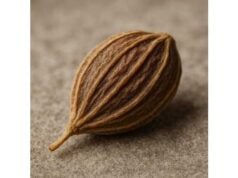
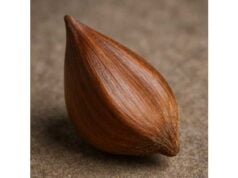
Ajwain seeds—also called carom or bishop’s weed—pack concentrated aroma, sharp warmth, and a tradition of digestive support into tiny ribbed fruits. Used across South Asian and Middle Eastern kitchens, a pinch of dry-roasted ajwain brightens breads, lentils, and fried snacks while helping heavy meals feel lighter. Beyond flavor, the seeds contain 3–5% essential oil rich in thymol and related phenolics that show antimicrobial and antispasmodic activity in lab and early clinical settings. Nutritionally, ajwain is a spice, not a staple: a teaspoon supplies modest calories but meaningful minerals (notably calcium) and phytonutrients. This guide translates research into practical steps—how much to use, when it helps, who should avoid medicinal doses, and how to buy, store, and cook ajwain for both taste and tolerance. You will also find a detailed nutrition profile per 100 g (for reference) alongside realistic serving guidance, plus tips to keep volatile aromatic compounds intact when tempering, blooming, or grinding the seeds.
Fast Facts
- Typical culinary serving: 1–2 g (½–1 teaspoon) ajwain, up to once daily with meals.
- Potential benefits: supports comfort after heavy or gas-forming meals; broad antimicrobial activity in lab studies.
- Safety note: essential oil and concentrated preparations may irritate mucosa; avoid medicinal doses in pregnancy and in children.
- Who should limit or avoid: people with known Apiaceae (celery, dill, cumin) allergies or reflux triggered by strong spices.
- Suggested frequency: use as a culinary spice as needed; reserve extracts or oils for clinician-guided use only.
Table of Contents
- Ajwain seeds: detailed overview
- Ajwain nutrition profile (per 100 g)
- Ajwain benefits: evidence summary
- Safety, allergies and interactions
- Buying, quality, sustainability, storage
- Preparation, cooking and retention
- Portions, comparisons and FAQs
Ajwain seeds: detailed overview
Ajwain (Trachyspermum ammi) is a member of the Apiaceae family, related to cumin, coriander, dill, and fennel. The “seeds” are actually small, ridged fruits with a strong, thyme-like aroma driven by thymol, carvacrol, p-cymene, and γ-terpinene. In South Asian cooking, ajwain is used sparingly because its essential oil content is high—too much can dominate a dish. The culinary sweet spot is to bloom the seeds briefly in hot fat (tempering) or dry-roast them to soften pungency and enhance a nutty finish.
Traditional uses emphasize digestive comfort—added to legumes, flatbreads (parathas, pooris), pakoras, and pickles to counter heaviness and gas. Chewing a few seeds after a rich meal is a common household practice. In formulations, ajwain may be combined with cumin, fennel, black salt, ginger, or mint to balance flavors and effects. Beyond the kitchen, ajwain oil is used in topical rubs and inhalations; however, concentrated preparations deserve caution (see Safety).
From a nutrition standpoint, ajwain behaves like other spices: dense per 100 g but consumed in gram-scale portions. The seeds provide minerals (notably calcium and iron), fiber, and a spectrum of bioactives. Because composition varies by cultivar and origin, exact values can differ; think of the tables below as reference ranges rather than fixed numbers. What remains consistent is ajwain’s dual role—culinary brightness and targeted digestive support—best realized in small, regular amounts woven into meals you already enjoy.
Culinary snapshots
- Flavor: sharp, herbal, thyme-like with peppery warmth.
- Best partners: potatoes, lentils, chickpeas, cabbage, fried batters, savory breads, pickles.
- Heat handling: very brief tempering (5–20 seconds) in hot oil or ghee; over-blooming turns bitter.
- Pantry role: finishing spice for heavy foods; “rescue” spice for flatulence-prone dishes.
Who benefits most from culinary use
- People who love legumes and crucifers but want post-meal comfort.
- Cooks seeking a clean, herbal top note without the sweetness of fennel.
- Those interested in leveraging antimicrobial aromatics in food safety (marinades, pickles).
Ajwain nutrition profile (per 100 g)
Note: Spices are consumed in small amounts. Use per-100-gram tables for technical comparisons only. For practical eating, see Portions.
Macros and electrolytes (per 100 g)
| Nutrient | Amount | % Daily Value (%DV) |
|---|---|---|
| Energy | ~360 kcal | — |
| Protein | 16.0 g | 32% |
| Total fat | 18.0 g | 23% |
| Carbohydrate | 37.4 g | 14% |
| Dietary fiber | 12.0 g | 43% |
| Total sugars | ~0–2 g | — |
| Sodium | ~50–80 mg | 3% |
| Potassium | ~1200–1400 mg | 25–30% |
Fats and fatty acids (summary values; vary by origin)
| Component | Amount | Notes |
|---|---|---|
| Saturated fat | ~3–4 g | Predominantly palmitic and stearic acids |
| Monounsaturated fat | ~8–9 g | Oleic acid prominent |
| Polyunsaturated fat | ~5–6 g | Linoleic (omega-6) major |
| Essential oil fraction | 3–5 g | Volatile oil; see bioactives |
Vitamins
| Vitamin | Amount | %DV |
|---|---|---|
| Vitamin C (ascorbic acid) | 3 mg | 3% |
| Folate (DFE) | ~50–70 µg | 13–18% |
| Vitamin A (RAE) | ~0–5 µg | — |
| Vitamin E (alpha-tocopherol) | ~1–2 mg | 7–13% |
| Vitamin K | Trace | — |
Minerals
| Mineral | Amount | %DV |
|---|---|---|
| Calcium | 992 mg | 76% |
| Iron | 12 mg | 67% |
| Magnesium | ~170–190 mg | 40–45% |
| Phosphorus | ~450–500 mg | 36–40% |
| Zinc | ~4–5 mg | 36–45% |
| Manganese | ~0.8–1.0 mg | 35–43% |
Bioactives / phytonutrients
| Compound or class | Typical content (per 100 g seeds) | Functional note |
|---|---|---|
| Thymol (phenolic monoterpene) | ~2–4 g (as 60–96% of 3–5% essential oil) | Antimicrobial, antispasmodic, aromatic driver |
| Carvacrol | ~0.1–0.3 g | Antimicrobial, antioxidant |
| p-Cymene, γ-terpinene | Variable (hundreds of mg) | Aroma precursors; modulate activity |
| Polyphenols (total) | Variable | Antioxidant capacity in extracts |
Allergens and intolerance markers
| Item | Note |
|---|---|
| Apiaceae family proteins | Possible cross-reactivity with celery, dill, cumin, coriander in sensitized individuals |
| Essential oil potency | Can irritate mucosa in high/concentrated use |
Glycemic and acid–base metrics
- Digestible carbs per typical serving (1–2 g): ~0.5–0.8 g; glycemic impact is negligible.
- PRAL (acid–base) is not established; mineral content could contribute modest alkalinity in large, unrealistic quantities.
Footnote: Values reflect composite data from recent analytical work and spice literature; essential oil and mineral content vary by cultivar, harvest, and processing. When fortified spice blends are sold, labeling should list additional nutrients separately.
Ajwain benefits: evidence summary
Digestive comfort after heavy or gas-forming meals
Ajwain’s traditional claim—relieving post-meal fullness, gas, and cramping—aligns with its chemistry. Thymol and carvacrol can relax smooth muscle and modulate gut motility in experimental models, which helps explain why a pinch of tempering oil infused with ajwain often “lightens” lentil or cabbage dishes. Early clinical trials using combinations that include ajwain essential oil have reported symptom reductions in functional dyspepsia and irritable bowel patterns compared with control treatments. While such blends make it hard to isolate ajwain’s specific effect, they support culinary use for mealtime comfort.
Antimicrobial support in food contexts
Thymol-rich oils show broad activity against foodborne bacteria and some fungi in lab studies. In the kitchen, that translates into practical strategies—marinating meats or vegetables with acidic media (vinegar, lemon) plus spices like ajwain, or finishing pickles and chutneys with tempered ajwain—to add flavor while nudging the microbial environment in a favorable direction. Remember that culinary use complements, not replaces, safe temperatures and hygiene.
Respiratory and soothing aromatics
Many households use a warm ajwain steam or rub during seasonal congestion. The rationale is aromatic: volatile oils can feel clearing and warming. Evidence here is largely experiential; if used, keep exposure brief and avoid direct essential-oil contact with eyes or sensitive skin.
Cardiometabolic angles (early-stage)
Extract studies suggest antioxidant activity and modest effects on lipids or glycemic markers in animals; small human trials using multi-herb formulas suggest symptom improvements more than biomarker shifts. At this stage, ajwain should not be viewed as a primary therapy but a culinary adjunct compatible with balanced diets.
Bottom line on benefits
- Strongest support: culinary use for perceived digestive comfort.
- Good plausibility: adjunct antimicrobial effects in marinades, pickles, and spice-rich dishes.
- Emerging/conditional: symptom relief in functional dyspepsia when used within multi-herb formulas; antioxidant support from phenolics.
- Not established: disease modification or reliable metabolic changes from ajwain alone.
Practical ways to leverage benefits
- Bloom ½ teaspoon in hot oil, then add to cooked lentils or vegetables.
- Dry-roast, grind with black salt and cumin for a post-meal “chaat masala” pinch.
- Add to pakora batter or paratha dough for both flavor and tolerance.
Safety, allergies and interactions
Culinary amounts are generally well tolerated. Most people can use 1–2 g (½–1 teaspoon) of seeds in food without issue. Because ajwain is potent, larger amounts can irritate sensitive mouths or stomachs.
Essential oil and concentrated preparations
Ajwain essential oil is not the same as the whole seed. It is highly concentrated and can irritate mucosal tissue if taken undiluted or in excess. Self-dosing oils is not advised—reserve for clinician-guided protocols. Topical use should be diluted in carrier oils and kept away from eyes and broken skin.
Pregnancy, lactation, and children
Avoid medicinal doses (extracts, essential oils) during pregnancy and lactation due to limited human safety data and uterine smooth-muscle effects observed in experimental models. Do not give essential oils orally to children. Culinary amounts of seed used in family meals are typically acceptable unless an allergy exists.
Allergy and cross-reactivity
Ajwain belongs to Apiaceae. People with confirmed allergies to celery, dill, coriander, or cumin should be cautious. First exposures should be small, especially if you’ve had pollen-food syndromes involving Apiaceae spices. Seek care immediately for hives, wheeze, or throat tightness.
Gastroesophageal reflux (GERD)
Pungent spices can trigger symptoms in some individuals. If ajwain worsens heartburn, reduce the amount, switch to dry-roasted forms, or avoid it.
Medication considerations
At culinary doses, interactions are unlikely. With concentrated extracts, theoretical concerns include additive irritation with NSAIDs or antiplatelet/anticoagulant regimens and potential effects on drug-metabolizing enzymes seen with phenolic monoterpenes in vitro. If you use herbal extracts regularly, review the plan with your clinician and pharmacist.
Quality and contamination
As with many spices, adulteration and contamination (e.g., with dust, heavy metals, or mycotoxins) are risks with poorly handled supply chains. Buy from reputable brands, prefer whole seeds you grind yourself, and store correctly (see Storage).
Stop and seek care if you experience mouth/throat burning that persists, rash, breathing difficulty, or ongoing digestive pain after using ajwain.
Buying, quality, sustainability, storage
How to select quality ajwain
- Look: seeds should be small, ridged, brown-green to gray, with consistent size and minimal dust.
- Smell: a quick rub between fingers should release a sharp, thyme-like aroma. A flat or musty smell suggests age or poor storage.
- Form: choose whole seeds for maximum shelf life; buy ground ajwain only if turnover is high.
- Source and transparency: favor brands that disclose origin (e.g., Rajasthan, Gujarat, Iran) and offer batch or harvest info. Third-party testing for contaminants is a plus.
Sustainability notes
Ajwain is a minor spice crop; environmental impacts are driven more by transport and packaging than by cultivation. Choose brands that use recyclable packaging and maintain supplier relationships (reduces waste, supports traceability). Buying just what you’ll use in six months helps minimize stale spice disposal.
Storage to preserve potency
- Container: airtight glass or steel with tight lids.
- Environment: cool, dark, dry shelf; avoid the cabinet above the stove.
- Time horizon: whole seeds keep peak aroma ~6–12 months; ground ajwain ~2–3 months.
- Freezer option: for bulk purchases, freeze well-sealed portions; thaw sealed to avoid condensation.
- Freshness test: crush a few seeds—if aroma is faint or dusty, refresh your stock.
Avoiding contamination
Transfer spices to clean, dry containers; don’t dip wet spoons; and keep away from raw meat prep areas. If seeds look clumpy, damp, or moldy, discard them.
Budget tip
Because ajwain is powerful, small packets go far. Buying 50–100 g at a time balances freshness and cost.
Preparation, cooking and retention
Goal: Capture aroma and keep bitterness in check while protecting volatile compounds.
Three core techniques
- Tempering (tadka): Heat oil or ghee until shimmering. Add ¼–½ teaspoon ajwain; seeds should sizzle within 2–3 seconds. Swirl 5–15 seconds until just fragrant—do not brown—then add to cooked lentils/vegetables.
- Dry-roasting: Warm a skillet on low-medium heat. Add 1 teaspoon seeds; stir until the scent lifts and color deepens slightly (30–60 seconds). Cool, then grind for rubs or chaat mixes.
- Dough incorporation: Knead ½ teaspoon per cup of flour into parathas or crackers to embed flavor and improve post-meal comfort.
Retention tips
- Short heat exposure: Volatile oils evaporate quickly; keep bloom times brief.
- Grind small batches: Powder loses force in weeks; grind only what you’ll use.
- Acid synergy: Add lemon or vinegar after tempering—acidity can brighten aromatic perception without extra heat.
- Fat as carrier: A little oil helps solubilize and disperse thymol for uniform flavor.
Smart pairings
- Legumes: chickpea curry, dal fry, black-eyed peas.
- Starchy veg: potatoes, taro, plantains.
- Hearty greens and crucifers: cabbage sabzi, kale stir-fries.
- Snack batters: pakoras, onion bhajis (¼–½ teaspoon per cup of batter).
Common mistakes
- Over-blooming until seeds brown (bitter, medicinal flavor).
- Using ground ajwain in long braises—aroma fades; add near the end or temper separately.
- Heavy hand: more than 1 teaspoon per 4 servings can overpower a dish.
Make-ahead idea
Blend 2 parts roasted cumin, 1 part roasted ajwain, 1 part black salt, and a pinch of chili into a finishing sprinkle for yogurt, fruit chaat, or grilled vegetables.
Portions, comparisons and FAQs
Real-world portions
- Everyday culinary use: 1–2 g (½–1 tsp) per dish serving 2–4 people.
- Post-meal chew: a pinch (10–20 seeds) with warm water.
- Maximum for most home cooking: ~1 tsp per recipe, unless balanced with bold spices.
How ajwain compares to similar spices
- Versus cumin: ajwain is sharper, more medicinal; cumin is earthy and nutty. Ajwain is better for quick tempering; cumin tolerates longer frying.
- Versus caraway: both share a herbal profile, but caraway is sweeter and works in breads and European dishes; ajwain leans savory South Asian.
- Versus fennel: fennel is sweet and cooling; ajwain is pungent and heating. Many cooks blend small amounts for balance.
- Versus oregano/thyme: ajwain’s thymol note overlaps with thyme; however, ajwain seeds deliver stronger punch per gram.
Who may benefit most from culinary ajwain
- People who experience bloating after legumes or fried snacks.
- Cooks looking to add herbal brightness without sweetness.
- Home fermenters and picklers who want extra aromatic reinforcement.
FAQs
Does ajwain help with indigestion?
Many people find it eases feelings of fullness and gas when used in food or as a small after-meal pinch. Controlled trials of blends that include ajwain oil show symptom reductions in functional dyspepsia, but results can’t be assigned to ajwain alone.
Is ajwain safe daily?
Culinary amounts in food are generally fine for most adults. If you’re pregnant, breastfeeding, or have reflux that worsens with pungent spices, limit or avoid.
Can I substitute thyme?
For aroma, a pinch of dried thyme approximates the thymol note, but it lacks the same punch. If substituting, start with ¼ the volume and adjust.
What about essential oil drops in water?
Avoid self-dosing essential oils orally. Use whole seeds in food or consult a clinician for therapeutic preparations.
Will cooking destroy benefits?
Long, high heat drives off volatiles. Brief tempering or late addition preserves aroma; pairing with fat helps dispersion.
References
- Trachyspermum ammi 2012 (Review)
- Efficacy and Safety of a Novel Herbal Medicine in the Treatment of Irritable Bowel Syndrome: A Randomized Double Blind Clinical Trial 2020 (RCT)
- Comparison of a Novel Herbal Medicine and Omeprazole in the Treatment of Functional Dyspepsia: A Randomized Double-Blinded Clinical Trial 2020 (RCT)
- Carvacrol—A Natural Phenolic Compound with Antimicrobial and Antioxidant Properties 2023 (Review)
- Determination of Nutrient Profiles of Clove, Ajwain and Coriander Seeds 2025 (Analytical Study)
Medical Disclaimer
This guide is for general education about ajwain seeds in food and does not replace personalized medical advice, diagnosis, or treatment. Always consult a qualified healthcare professional before using herbal products—especially concentrated extracts or essential oils—if you are pregnant or breastfeeding, have chronic conditions, take prescription medications, or plan to use non-culinary doses.
If you found this helpful, please consider sharing it on Facebook, X (formerly Twitter), or any platform you prefer. Your support helps us keep creating careful, evidence-based nutrition guides.