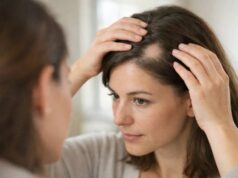
Hair and scalp health rarely hinge on a single habit, but alcohol can quietly stack the odds against strong growth—especially when it becomes frequent enough to disrupt nutrition, sleep, and recovery. Hair follicles are among the body’s fastest-dividing tissues, so they are sensitive to “small” deficits that don’t always feel dramatic day to day: missed protein targets, low iron stores, low folate or B12, or the kind of fragmented sleep that blunts overnight repair. Alcohol also adds metabolic work for the liver, shifts hormones and stress signaling, and can worsen inflammation in people who are already prone to scalp sensitivity.
The encouraging part is that these pathways are often reversible. When you reduce intake, rebuild nutrient stores, and restore sleep consistency, you give follicles a calmer, better-fueled environment to return to their normal rhythm—usually over months, not days.
Core Points
- Cutting back can reduce shedding drivers like missed protein intake, low iron stores, and broken sleep.
- Heavy or frequent drinking is more likely to contribute than occasional, low-dose alcohol with stable nutrition.
- Sudden, patchy, painful, or scarring hair loss should be evaluated promptly rather than “waiting it out.”
- A recovery plan works best when it combines labs (targeted testing), food-first repletion, and sleep repair.
- Expect a lag: improved habits today often show up in the mirror 8–16 weeks later.
Table of Contents
- Does alcohol cause hair loss directly
- Nutrient depletion that weakens growth
- Sleep disruption and shedding signals
- Hormones inflammation and scalp changes
- Recovery steps that actually help
- A realistic 8 week recovery roadmap
Does alcohol cause hair loss directly
Most people want a clear yes-or-no answer. In reality, alcohol is rarely a single direct trigger in the way that chemotherapy, certain autoimmune conditions, or a tight hairstyle can be. Alcohol is better understood as a “multiplier” that makes common hair-loss pathways more likely—especially if drinking is frequent, heavy, or paired with poor sleep and inconsistent meals.
When alcohol is unlikely to be the main driver
If you drink occasionally (for example, one to three drinks per week), eat enough protein, and sleep well, alcohol is less likely to explain noticeable thinning on its own. In these cases, hair concerns often trace back to other issues such as thyroid imbalance, iron deficiency, postpartum changes, medication side effects, or genetic pattern thinning.
When alcohol becomes a credible contributor
Alcohol moves higher on the suspect list when you see a cluster like this:
- Intake is frequent (most days) or heavy (regular binge episodes).
- Meals get skipped, “balanced dinner” becomes snacks, or protein intake drops.
- Sleep feels lighter or more fragmented—especially waking at 2–4 a.m.
- Stress is higher, workouts feel harder to recover from, or mood is more variable.
- You notice diffuse shedding (hair all over the brush or shower) rather than only a widening part.
Heavy drinking is also more likely to unmask what was already brewing. For example, someone with early genetic pattern thinning may notice faster change during a period of high alcohol intake because inflammation, sleep loss, and nutrition gaps accelerate miniaturization and shedding.
Shedding versus breakage: a quick reality check
Alcohol-related pathways tend to show up as shedding (more hairs exiting the scalp), not primarily as snapped strands. Breakage is more often about chemical processing, heat, friction, or aggressive detangling. Shedding leaves hairs with a small “club” bulb at the root; breakage leaves shorter fragments without a bulb. Many people have both, but the strategies differ.
Nutrient depletion that weakens growth
Hair follicles run on construction materials (protein and minerals) and metabolic “helpers” (vitamins that support energy production and cell division). Alcohol can undermine both by displacing nutrient-dense food, irritating the gut, changing absorption, and increasing losses through urine—especially for certain B vitamins and minerals.
The calories-displacement problem
Alcohol provides energy without meaningful protein, fiber, or micronutrients. Over time, it can crowd out the calories you would have used for:
- Protein at breakfast or lunch
- Iron-rich foods (red meat, lentils, clams, pumpkin seeds)
- Zinc sources (meat, shellfish, dairy, legumes)
- Folate and B12 sources (leafy greens, beans, eggs, meat, fortified foods)
Even modest shortfalls matter because follicles prioritize survival: when resources are limited, the body may shift more hairs into a resting phase.
Common nutrients tied to shedding risk
These are frequent “pressure points” when drinking is high or diet quality slips:
- Protein: If you routinely miss protein targets, the body has fewer amino acids for keratin production.
- Iron stores (ferritin): Low ferritin is common in people who menstruate and can worsen shedding even when hemoglobin is normal. For a deeper dive on what ferritin numbers can mean for growth, see how ferritin levels relate to hair support.
- Folate and B12: Folate supports rapid cell division; B12 supports red blood cell production and nerve health. Low levels can show up as fatigue, mouth sores, or tingling—sometimes before hair changes are obvious.
- Zinc: Needed for follicle cycling and immune balance. Deficiency can worsen shedding and scalp irritation.
- Vitamin D: Not a guaranteed fix, but low levels often coexist with low outdoor time, poor sleep, and inflammation.
Why supplementing “blindly” can backfire
It is tempting to respond to shedding with a high-dose multivitamin. Two common problems:
- You may treat the wrong thing. If the true driver is thyroid dysfunction, medication side effects, or pattern thinning, supplements won’t address it.
- Over-supplementation can worsen hair. Excess vitamin A and selenium, for example, can contribute to shedding. Biotin can interfere with some lab tests at higher doses.
A more effective approach is food-first repletion plus targeted testing when shedding is persistent or dramatic.
Sleep disruption and shedding signals
Sleep is not only rest—it is a coordinated repair window. Hair follicles follow circadian rhythms, and many of the signals that regulate growth, inflammation, and stress are shaped overnight. Alcohol is a common sleep disruptor precisely because it can make you feel drowsy at first while degrading sleep quality later.
How alcohol changes sleep architecture
Many people notice they fall asleep faster after drinking, but then experience:
- More awakenings in the second half of the night
- Less deep sleep (the “restorative” portion)
- Earlier waking with a wired or anxious feeling
- Increased snoring or dry mouth (especially with nasal congestion)
This matters for hair because fragmented sleep increases physiologic stress signaling and can keep the body in a more inflammatory, less anabolic state.
The stress-hormone overlap
Poor sleep and alcohol can reinforce each other. Sleep loss can elevate stress hormones and cravings; alcohol can worsen sleep continuity. Over time, the body may read this pattern as an ongoing stressor, and stress is a classic setup for diffuse shedding.
A helpful mental model is that follicles have a lag. If sleep is disrupted for several weeks, shedding may rise later—often 6–12 weeks after the rough patch—because hairs exit the growth phase and then shed at the end of the resting phase.
Practical ways to “de-risk” alcohol and sleep
If you are not aiming for complete abstinence, you can still reduce sleep harm:
- Set a 3–4 hour buffer between your last drink and bedtime.
- Cap intake at one standard drink on nights before early mornings.
- Pair alcohol with a real dinner (protein + fiber) rather than drinking on an empty stomach.
- Prioritize consistent wake time; the wake time anchors circadian rhythm more reliably than bedtime.
If sleep is persistently poor, it can be worth treating sleep as a first-class part of your hair plan, not an optional extra.
Hormones inflammation and scalp changes
Alcohol’s relationship with hormones and inflammation is dose-dependent. The occasional drink is unlikely to overhaul endocrine function, but frequent or heavy intake can shift the internal environment that follicles depend on.
Hormonal shifts that may matter
Depending on sex, genetics, liver function, and overall health, higher alcohol intake can be associated with:
- Greater cortisol load (especially when sleep is disrupted)
- Changes in insulin sensitivity and appetite signaling that promote “crash eating”
- Altered sex-hormone balance due to liver metabolism demands
For people predisposed to pattern thinning, a more inflamed scalp environment and disrupted recovery can make miniaturization more noticeable.
Inflammation and the scalp barrier
Alcohol can worsen inflammation indirectly through gut permeability changes, higher triglycerides, and poor food choices that cluster with drinking (high sugar, low fiber, lower omega-3 intake). On the scalp, that can look like:
- Increased itch or sensitivity
- More flaking or greasy buildup
- A “tight” or burning sensation after washing or styling
- More reactive skin with new products
These symptoms do not prove alcohol is the cause, but they are signals that the scalp barrier may need a calmer routine while you improve sleep and nutrition.
What to do if scalp symptoms rise with drinking
Try a two-part approach for 3–4 weeks:
- Reduce triggers: scale back alcohol frequency, keep showers lukewarm, minimize heavy fragrance products, and avoid aggressive exfoliation.
- Support the barrier: use gentle cleansing, avoid over-washing if it dries you out, and treat flaking appropriately (for example, alternating an anti-dandruff shampoo with a mild one if you have oily flaking).
If there is pain, oozing, thick scaling, or a sudden patch of loss, don’t self-manage for months—those patterns deserve a clinical look.
Recovery steps that actually help
A good recovery plan is not “take a hair vitamin and hope.” It is a structured reset: remove the stressor, rebuild inputs, and confirm with testing when needed.
Step 1: stabilize alcohol exposure
Pick one of these, based on what feels realistic:
- Full break (best signal): 30 days alcohol-free gives you a clean baseline for sleep, appetite, and scalp symptoms.
- Frequency cut: limit to 1–2 days per week.
- Dose cap: keep to one drink per occasion and avoid binge patterns.
If you suspect alcohol dependence or you get withdrawal symptoms when stopping (tremor, sweating, agitation, nausea), seek medical guidance before quitting abruptly.
Step 2: hit protein and micronutrient basics
Hair recovery favors consistency over perfection. Aim for:
- Protein most meals. Many adults do well around 1.0–1.2 g/kg/day during recovery, adjusted for activity and medical context. If you want a practical breakdown, see how much protein supports hair-building needs.
- Iron-supportive eating (especially if you menstruate): include iron foods 3–5 times per week, and pair plant iron with vitamin C foods.
- Zinc and folate through seafood, eggs, legumes, leafy greens, and fortified grains.
Step 3: consider targeted labs
If shedding is heavy, lasts beyond 8–12 weeks, or comes with fatigue, irregular cycles, or weight changes, discuss labs with a clinician. Common starting points include:
- CBC (anemia clues)
- Ferritin and iron studies
- TSH (thyroid screen)
- Vitamin D
- B12 and folate
- Comprehensive metabolic panel (liver and kidney context)
Labs help you avoid “random supplementation” and focus your effort where it is most likely to pay off.
Step 4: supplement only what fits the evidence
Supplements are most useful when they correct a documented deficit or a very plausible shortfall (for example, inadequate dietary intake that you cannot realistically fix quickly). Choose conservative dosing, re-check levels, and avoid stacking multiple products that repeat the same nutrients. If you want a checklist for evaluating products, see how to spot supplement red flags.
A realistic 8 week recovery roadmap
Hair recovery is a timeline game. The goal of an 8-week plan is not instant density—it is to create conditions that make reduced shedding and regrowth possible over the next several months.
Weeks 1–2: create stability
- Choose your alcohol strategy (30-day break or tight limits).
- Set a fixed wake time and protect a 7.5–9 hour sleep window.
- Eat a protein-forward breakfast within 1–2 hours of waking.
- Simplify hair care: gentle cleansing, low heat, minimal traction styles.
If sleep is the hardest part, consider adding magnesium-rich foods (pumpkin seeds, beans, leafy greens) and a calmer evening routine; this pairs well with a magnesium-focused approach to stress and sleep support.
Weeks 3–4: rebuild nutrient stores
- Aim for protein at two to three meals per day.
- Add two “anchor” micronutrient meals per week (for example: eggs plus greens; lentils plus citrus; salmon plus leafy salad).
- If labs are planned, do them now so you can act on results rather than guessing.
You may not see changes in shedding yet. That lag is expected.
Weeks 5–6: reduce inflammation and friction
- Keep alcohol limits steady (this is where many people drift back).
- Add two 20–30 minute zone-2 walks weekly for stress regulation.
- If your scalp is reactive, keep products simple and avoid harsh exfoliants.
If shedding is intense, focus on calming, not over-treatment. Over-scrubbing and constant product switching often make the scalp more irritated.
Weeks 7–8: evaluate and adjust
Look for early wins that signal you are on track:
- Sleep feels more continuous.
- Cravings and late-night snacking reduce.
- Scalp itch or tenderness is less frequent.
- The shower shed feels less dramatic (even if not “normal” yet).
If shedding is still very heavy, consider whether another driver is present: thyroid issues, iron deficiency, medication side effects, or an inflammatory scalp condition. This is also the point where a dermatologist visit can be especially efficient—there is enough time history to interpret patterns, and you can bring your lab results and timeline.
What timeline should you expect
A reasonable, common pattern is:
- 8–12 weeks: shedding begins to slow if the trigger is controlled.
- 3–6 months: visible regrowth and improved fullness begin for many people.
- 9–12 months: the most noticeable density recovery, assuming no ongoing trigger.
If you are dealing with genetic pattern thinning at the same time, lifestyle repair still helps, but you may also need condition-specific treatment for best results.
References
- A Complex Interplay between Nutrition and Alcohol use Disorder: Implications for Breaking the Vicious Cycle – PMC 2024 (Review)
- Lifestyle factors affecting the pathogenesis of androgenetic alopecia: a literature review – PMC 2026 (Review)
- The Intersection of Sleep and Hair Loss: A Systematic Review – PubMed 2026 (Systematic Review)
- Telogen Effluvium: A Review of the Literature – PMC 2020 (Review)
Disclaimer
This article is for educational purposes only and does not replace medical advice, diagnosis, or treatment. Hair shedding and thinning can have many causes, including medical conditions and medication effects that require clinician evaluation. If you have sudden or patchy hair loss, scalp pain, signs of infection, symptoms of anemia or thyroid disease, or concerns about alcohol dependence or withdrawal, seek care from a qualified healthcare professional promptly. Do not start high-dose supplements or abruptly stop alcohol if you may be physically dependent without medical guidance.
If you found this helpful, consider sharing it with someone who might benefit—post it on Facebook, X (formerly Twitter), or your preferred platform so others can use the recovery steps and timelines to guide their next move.