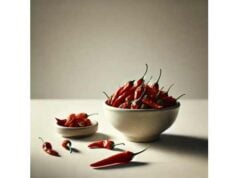
Aleppo pepper is the kind of spice that quietly transforms a dish rather than shouting for attention. Sometimes labeled Halaby pepper or pul biber, it is a sun-dried, coarsely ground chili from the Capsicum annuum species, traditionally grown around Aleppo in Syria and in parts of Turkey. Its heat is moderate rather than fiery, and its flavor is often described as fruity, tangy, and tomato-like with gentle cumin notes.
Because it is usually sold as soft, slightly oily flakes, Aleppo pepper works as both a cooking ingredient and a finishing touch sprinkled at the table. A small pinch can bring depth to eggs, grilled vegetables, stews, roasted meats, and Middle Eastern dishes like muhammara, without overwhelming people who are sensitive to heat. As with other chilies, its capsaicin and colorful carotenoids contribute to metabolic and antioxidant effects, but the amounts in typical culinary use are modest. Understanding how Aleppo pepper fits into nutrition, health, and safety lets you enjoy its flavor with confidence and realistic expectations.
Key Takeaways for Aleppo Pepper
- Aleppo pepper is a mildly to moderately hot chili flake with a fruity, tangy flavor that adds depth and color to dishes while contributing very few calories per teaspoon.
- Like other chili peppers, it provides capsaicin and carotenoid antioxidants that may support metabolic health, weight management, and cellular defenses when eaten regularly as part of an overall healthy diet.
- A practical culinary serving is about 0.5–1 teaspoon (roughly 1–2 grams) per meal, used a few times per week, adjusted to your spice tolerance and overall sodium intake.
- People with reflux, active ulcers, inflammatory bowel disease flares, hemorrhoids, or known chili or paprika allergy may notice symptom flares and should limit or avoid Aleppo pepper.
- Some Aleppo or “Aleppo-style” products contain added salt and oil, so individuals who need a low-sodium diet or who are watching calories should choose unsalted versions and read ingredient lists carefully.
Table of Contents
- What Is Aleppo Pepper?
- Aleppo Pepper Nutrition and Compounds
- Aleppo Pepper Health Benefits
- Risks Allergies and Interactions
- Choosing and Storing Aleppo Pepper
- Cooking with Aleppo Pepper for Nutrition
- Servings Comparisons and FAQs
What Is Aleppo Pepper?
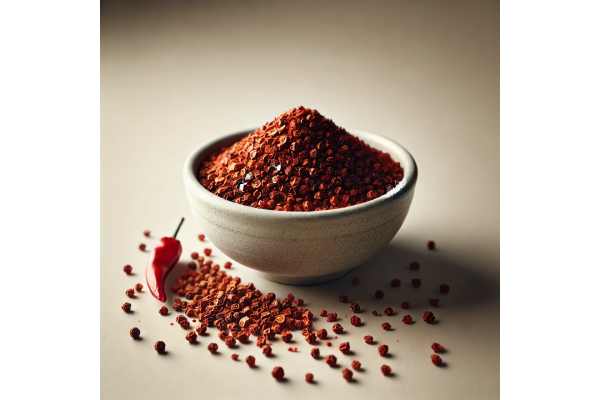
Aleppo pepper refers to a particular style of chili flake, not simply any red pepper from the region. It comes from a cultivar of Capsicum annuum whose pods ripen to a deep burgundy red, are sun-dried, de-seeded, and then coarsely crushed. Unlike standard crushed red pepper, Aleppo flakes are relatively seed-free and retain some of the chili’s natural oils, giving them a softer texture and more rounded flavor.
Traditionally, this pepper was grown near Aleppo in northern Syria and along parts of the historic Silk Road. Today, because conflict has disrupted agriculture and exports within Syria, much of what is sold globally as Aleppo or “Aleppo-style” pepper is produced in Turkey and nearby regions using similar drying and crushing methods. Labels may also use local names such as Halaby pepper or pul biber; these usually indicate a related style of mildly hot, fruity red chili flake.
In terms of heat, Aleppo pepper sits in the mild-to-medium range. Many producers describe it at roughly 10,000 Scoville heat units (SHU), similar to a hot jalapeño or the lower end of a serrano, though some sources give broader ranges between about 2,500 and 23,000 SHU depending on growing conditions and processing. For most home cooks, this translates to a gentle warmth that builds slowly rather than a sharp burn. It is noticeably milder and more rounded than cayenne-based red pepper flakes.
Flavor is where Aleppo pepper really stands out. Its taste is often compared to a cross between sun-dried tomatoes and raisins, with a light tang, subtle smokiness, and earthy, cumin-like undertones. Some traditional preparations include a small amount of salt and sometimes a drizzle of oil during drying, which enhances the richness and slightly salty edge of the flakes.
Culinarily, Aleppo pepper is used both as a cooking spice and as a finishing condiment. In Middle Eastern and Mediterranean cuisines it seasons grilled meats, beans, vegetables, salads, and mezze dishes such as muhammara (a walnut and red pepper spread), and it also works beautifully as a pizza or egg topping, much like red pepper flakes. Because its flavor is complex but not overwhelmingly hot, it is an excellent “bridge” chili for people who want to add more spice to their diet without jumping straight to very hot peppers.
Aleppo Pepper Nutrition and Compounds
Although Aleppo pepper is intensely flavorful, it is typically used in teaspoon-level amounts, so its macronutrient contribution to the diet is small. Like other dried red chili flakes, it is low in calories and contains essentially no fat. Estimates from analyses of crushed red pepper flakes suggest that a teaspoon of dried chili (around 2 grams, based on a density of about 101 grams per metric cup) provides roughly 5–6 kilocalories, with most of those calories coming from carbohydrates and a gram or so of fiber.
Several commercial Aleppo pepper or Aleppo-style products report 0–5 kilocalories per ¼ teaspoon serving on their nutrition panels, in part because U.S. labeling rules allow very small values to be rounded down to zero. In practice, even a generous teaspoon or two adds very few calories, making Aleppo pepper an appealing way to increase flavor without affecting energy intake meaningfully.
Where Aleppo pepper is more nutritionally interesting is in its micronutrients. Dried red chilies are rich in provitamin A carotenoids and vitamin C, although vitamin C is partly degraded by drying and heat. Analyses of generic red pepper flakes report that one teaspoon can provide around one-third of daily vitamin A needs and around one-tenth of daily vitamin C, along with about one gram of fiber. Aleppo pepper, which is also a ripe red chili, is expected to have a broadly similar pattern, though exact values vary by variety, origin, and processing.
Because some Aleppo-style products contain added salt and sometimes oil, sodium content can differ widely. Certain pure Aleppo pepper flakes list 0 mg of sodium per ¼ teaspoon serving, while other pepper-based seasonings can provide 15–20 mg or more per ¼ teaspoon once salt is added. If you are on a sodium-restricted diet, it is important to read the ingredient list and nutrition panel to distinguish pure chili from salted blends.
From a bioactive compound perspective, Aleppo pepper contains capsaicin and related capsaicinoids, the pungent compounds that activate TRPV1 receptors involved in heat and pain sensation. These molecules have been shown in experimental and clinical research to influence energy expenditure, fat oxidation, glucose metabolism, and inflammatory signaling, although most trials use capsules or standardized doses that are higher than what most people obtain from a light sprinkle of chili on food.
Aleppo pepper’s deep red color comes largely from carotenoids such as capsanthin, capsorubin, and beta-carotene. These compounds act as antioxidants and, in the case of provitamin A carotenoids, can be converted into vitamin A, supporting vision and immune function. Because they are fat-soluble, these pigments are absorbed better when Aleppo pepper is eaten with a source of dietary fat, such as olive oil, nuts, or tahini.
In summary, a typical 0.5–1 teaspoon serving of Aleppo pepper contributes minimal calories, a small but potentially meaningful amount of provitamin A and vitamin C, trace minerals, and small doses of capsaicin and carotenoids. The health impact of those compounds depends less on a single serving and more on how regularly Aleppo pepper and other colorful plant foods appear in your diet.
Aleppo Pepper Health Benefits
There are no large clinical trials focused exclusively on Aleppo pepper, but there is a growing body of research on chili peppers and capsaicin in general. Aleppo pepper can reasonably be viewed as one flavorful way of consuming similar compounds, as long as you remember that typical culinary doses are modest compared with supplement trials.
Large population studies suggest that regularly eating spicy foods is associated with lower mortality from several causes. In a cohort of nearly half a million adults followed for about seven years, people who consumed spicy foods almost daily had about a 14% lower risk of death compared with those who ate them less than once a week, with particularly strong associations for deaths due to certain cardiovascular and respiratory diseases. A more recent meta-analysis of chili pepper intake found similar reductions in all-cause and cardiovascular mortality across multiple prospective cohorts, although the studies were observational and cannot prove causation. These findings suggest that including chilies like Aleppo pepper in an otherwise healthy diet may mark or modestly contribute to a more favorable overall risk profile.
On the mechanistic side, several clinical trials show that capsaicin and related capsaicinoids can slightly increase resting metabolic rate and fat oxidation. A systematic review and meta-analysis of placebo-controlled trials in healthy adults reported that capsaicinoid or capsinoid supplementation increased resting metabolic rate by around 34 kilocalories per day and shifted substrate use toward greater fat burning. Another meta-analysis of randomized controlled trials in overweight and obese adults found that capsaicin supplementation led to small but statistically significant reductions in body mass index (about 0.25 kg/m²), body weight (about 0.5 kg), and waist circumference (about 1.1 cm). These effects are modest in size and depend on sustained use over weeks, but they support the idea that regular chili consumption can slightly tilt energy balance in a favorable direction.
Beyond weight and energy expenditure, emerging research suggests that capsaicin may influence lipid metabolism and markers of cardiometabolic health. A recent meta-analysis of capsaicin, capsinoids, and pepper-based products in adults with excess weight reported improvements in total cholesterol and triglycerides, though results varied and study quality was mixed. Importantly, a separate systematic review focusing on blood pressure and heart rate found no consistent effect of red pepper or capsaicin interventions on either systolic or diastolic blood pressure or on heart rate, indicating that typical doses used in trials do not meaningfully raise or lower blood pressure in the short to medium term.
Capsaicin has also been studied for its anti-inflammatory and analgesic properties. A comprehensive 2024 review highlighted antioxidant, anti-inflammatory, neuro-modulatory, and potential anti-cancer actions of capsaicin across cell, animal, and human studies, although many of the more dramatic effects come from topical or pharmacologic applications, not from small amounts in food. These mechanisms provide plausible biological pathways through which long-term chili consumption could contribute to better health, even if the individual effect of a teaspoon of Aleppo pepper on a single meal is small.
Finally, there is growing interest in how capsaicin interacts with the gut microbiota and bile acid metabolism. Experimental work suggests that chili compounds can modify gut bacterial composition and bile acid profiles in ways that may support healthier lipid metabolism and body weight regulation, though human data are still limited and heterogeneous.
Taken together, current evidence supports a cautious but positive message: including moderate amounts of chilies such as Aleppo pepper in your meals may contribute to a healthier metabolic and cardiovascular profile over time, particularly when combined with a plant-rich, minimally processed dietary pattern and regular physical activity. Aleppo pepper’s advantage is that it makes those foods more enjoyable, which often matters more for long-term adherence than any single bioactive nutrient.
Risks Allergies and Interactions
For most healthy adults, culinary amounts of Aleppo pepper are considered safe. However, chili peppers are not appropriate for everyone, and the same capsaicin that brings potential benefits can cause discomfort or interact with existing conditions.
The most common issues are gastrointestinal. Capsaicin can irritate sensitive mucosal tissue and may worsen symptoms of gastroesophageal reflux disease (GERD), functional dyspepsia, active peptic ulcers, inflammatory bowel disease flares, irritable bowel syndrome, or hemorrhoids in some individuals. People with these conditions often notice that spicy foods trigger or intensify pain, burning, bloating, or urgent bowel movements. In such cases, it is prudent to test very small amounts, monitor symptoms carefully, and avoid Aleppo pepper altogether if it consistently causes problems.
Allergic reactions to chili peppers are relatively uncommon but do occur. Symptoms can include oral itching or burning out of proportion to the spice level, hives, swelling of the lips or face, and, rarely, breathing difficulty. Some people with existing allergies to peppers, paprika, or certain nightshades may be more likely to react. If you suspect an allergy, you should stop consuming the spice and seek evaluation from a healthcare professional rather than continuing to “push through” symptoms.
Because Aleppo pepper is often handled as flakes, skin and eye exposure is another practical consideration. Capsaicin can cause intense burning if it contacts sensitive areas, and even moderate-heat varieties can be uncomfortable. Washing hands thoroughly after handling, avoiding touching the eyes, and using utensils rather than bare fingers to pinch the flakes can reduce this risk.
In terms of cardiovascular effects, clinical trials of red pepper and capsaicin supplements have not found consistent changes in blood pressure or heart rate across a range of doses, suggesting that culinary use is unlikely to significantly raise or lower these measures. However, high-dose supplements or very spicy meals can occasionally cause transient palpitations or a sensation of warmth due to sympathetic nervous system activation. People with unstable cardiovascular disease should not treat chili or Aleppo pepper as a “natural medication” and should discuss any use of capsaicin supplements with their clinician.
Drug and supplement interactions are not well defined, but theoretical concerns include additive effects on the gastrointestinal tract when capsaicin is combined with irritant medications (such as high-dose NSAIDs) and potential interactions with blood pressure medications at very high supplemental doses. There is limited evidence to guide specific dose thresholds, so a conservative approach is to use Aleppo pepper as a seasoning rather than as a self-prescribed therapeutic agent, particularly if you take multiple medications.
Another safety consideration is sodium and additives. Some Aleppo-style blends contain added salt, oil, and anti-caking agents. Over time, this extra sodium can be meaningful for individuals with hypertension, chronic kidney disease, or heart failure if the seasoning is used liberally. Choosing products that list only chili (and perhaps a small amount of salt or oil) and measuring your usual sprinkle can help you understand how Aleppo pepper fits into your overall sodium budget.
Finally, storage-related risks are small but worth noting. Like other dried spices, old or poorly stored Aleppo pepper can lose potency and may develop off flavors due to oxidation of its natural oils. Visible mold, a musty odor, or clumping are signs that the product should be discarded rather than used.
Groups who should limit or avoid Aleppo pepper include:
- Individuals with GERD, active ulcers, or inflammatory bowel disease who notice symptom flares with spicy foods.
- Anyone with a known allergy to chili peppers, paprika, or related spices.
- People on strict low-sodium diets who use salted Aleppo-style blends heavily.
- Individuals considering high-dose capsaicin supplements, who should do so only under medical supervision.
Choosing and Storing Aleppo Pepper
Because “Aleppo pepper” has become popular internationally, products on the market vary widely in quality, authenticity, and composition. Understanding what to look for on the label can help you choose a product that suits both your palate and your health needs.
Start with the ingredient list. Traditional Aleppo pepper flakes typically contain chili, sometimes with a small amount of salt and oil used during the drying process to preserve color and texture. Short ingredient lists are generally preferable. If you see added sugars, flavorings, or large amounts of salt, you are probably looking at a broader seasoning blend rather than pure Aleppo pepper.
Next, consider the origin and naming. Historically, true Aleppo pepper came from around Aleppo in Syria, but ongoing conflict has shifted much of the commercial production to Turkey and neighboring areas. You may see labels such as “Aleppo-style,” “Halaby pepper,” or “Turkish red pepper flakes.” These can still be excellent products, but it is helpful to read any available information about where and how the chilies were grown and processed. Some producers are transparent about sourcing Syrian heirloom seeds grown in safer regions; others focus more on recreating the flavor profile using related local chilies.
Visual and sensory cues also matter. High-quality Aleppo pepper flakes should have a deep brick red to burgundy color, a slightly oily appearance, and a fragrant aroma that hints at dried tomatoes, raisins, and warm spices. Dull brown color or a flat, dusty smell may indicate age or poor storage.
From a sustainability and ethics perspective, consider how much information the producer provides about farming practices and supply chains. While robust certification schemes for Aleppo pepper specifically are limited, some brands highlight partnerships with smallholder farmers or fair-trade style relationships in Turkey or the broader region.
Once you have chosen a product, proper storage helps preserve flavor and nutritional value:
- Keep Aleppo pepper in an airtight container away from light, heat, and moisture; a dark pantry cabinet is ideal.
- Avoid storing it directly above the stove, where repeated heat exposure accelerates oxidation of its natural oils.
- For best flavor, aim to use the flakes within 6–12 months of opening, even though they remain safe longer if kept dry and clean.
- If you buy in bulk, consider decanting a small working jar and keeping the rest sealed to limit repeated air exposure.
Some people enjoy Aleppo pepper in different forms, such as finer ground powder or infused oil. Finer powders lose aroma faster than flakes, so they require even more careful storage, while infused oils should be kept refrigerated and used within a few weeks to reduce the risk of rancidity.
Selecting good Aleppo pepper is ultimately about balancing flavor, authenticity, and practicality. A well-chosen jar with clear labeling, rich color, and a bright, fruity aroma can become a versatile staple in your spice rack.
Cooking with Aleppo Pepper for Nutrition
Aleppo pepper is an easy way to make nutritious foods more appealing, which can indirectly improve diet quality. Because it is milder than many chilies, it lets you build layers of flavor rather than simply adding heat.
From a nutrient-retention standpoint, capsaicin and carotenoids are relatively stable under typical home cooking conditions, while vitamin C is more sensitive to prolonged heat. Using Aleppo pepper both during cooking and as a finishing sprinkle can balance flavor development with the preservation of more delicate compounds. Adding it toward the end of cooking, or on top of plated dishes, also keeps its aroma bright and reduces the risk of scorching.
Practical ways to use Aleppo pepper include:
- Table condiment: Keep a small bowl of Aleppo pepper at the table, much like salt and black pepper. Sprinkle ¼–½ teaspoon over eggs, hummus, roasted vegetables, grain bowls, or soups per serving, adjusting for heat tolerance.
- Finishing oil: Gently warm extra-virgin olive oil and stir in Aleppo pepper, then let it infuse off the heat. Drizzle this over grilled fish, lentil salads, or roasted cauliflower to pair capsaicin and carotenoids with a healthy fat that improves their absorption.
- Dry rubs and marinades: Combine Aleppo pepper with garlic, lemon zest, herbs, and a small amount of salt to rub on chicken, lamb, or tofu. Its moderate heat lets you use enough for noticeable flavor without overwhelming sensitive diners.
- Dips and spreads: Stir Aleppo pepper into yogurt, labneh, baba ganoush, or tahini-based sauces, or use it in classic walnut-and-pepper dips such as muhammara. These pairings naturally include fats that enhance carotenoid bioavailability.
- Roasted nuts, seeds, and snacks: Toss nuts, seeds, or chickpeas with a little oil, Aleppo pepper, and perhaps some cumin or smoked paprika before roasting for a crunchy, nutrient-dense snack.
To use Aleppo pepper in place of other chilies, you can make some simple adjustments:
- When substituting for generic crushed red pepper, start with a 1:1 volume substitution, then adjust; Aleppo often tastes richer but slightly less sharp in heat.
- When replacing cayenne or very hot flakes, begin with roughly twice the volume of Aleppo pepper (for example, ½ teaspoon Aleppo instead of ¼ teaspoon cayenne) and taste, since its heat is milder but more rounded.
- For paprika, especially sweet paprika, you can blend Aleppo pepper with a mild paprika to maintain color while adding gentle warmth and complexity.
From a health perspective, pairing Aleppo pepper with vegetables, legumes, whole grains, and unsalted nuts is particularly valuable. These combinations leverage capsaicin’s modest thermogenic and metabolic effects while anchoring meals in fiber, micronutrients, and healthy fats.
If you are new to spicy foods, increase your use gradually. Begin with a pinch (about ⅛ teaspoon) per serving and build up as you learn your tolerance. Sipping water or milk will not fully “neutralize” capsaicin, but pairing Aleppo pepper with yogurt, tahini, avocado, or other creamy elements can soften the perceived heat.
Servings Comparisons and FAQs
Because there is no official recommended intake for Aleppo pepper, it helps to think in terms of practical serving sizes and how they compare to other chilies.
For most adults without contraindications, a reasonable culinary range is about 0.5–1 teaspoon (1–2 grams) per meal, used in dishes a few times per week. This level is consistent with spicy food consumption patterns observed in cohorts where higher chili intake is associated with lower mortality, without approaching the very high intakes sometimes seen in extreme hot sauce enthusiasts. People who are already accustomed to spicy cuisines may use more, while those with sensitive digestion may prefer less or none.
In terms of heat and flavor compared with other common chilies:
- Aleppo pepper vs crushed red pepper: Aleppo is usually a bit milder and significantly more complex, with fruity and earthy notes. Standard crushed red pepper often uses cayenne and includes more seeds, resulting in sharper heat.
- Aleppo pepper vs cayenne: Cayenne powder is substantially hotter and more one-dimensional in flavor. When swapping, you typically use more Aleppo pepper by volume to reach a similar perceived heat, but Aleppo will also add a richer flavor profile.
- Aleppo pepper vs paprika: Sweet paprika provides color with very little heat, while smoked paprika adds smokiness. Aleppo pepper delivers moderate heat plus fruitiness; blending it with paprika lets you control warmth while keeping a vibrant red hue.
- Aleppo pepper vs Urfa biber: Urfa biber is typically deeper purple-brown, smokier, and more raisin-like, with slightly lower, slower-building heat. The two are often used together or interchangeably in Turkish and Middle Eastern cooking.
A few common questions:
Is Aleppo pepper suitable for children?
In small amounts, Aleppo pepper can sometimes be introduced to older children who are curious about mild spice, especially when mixed into familiar foods like tomato sauce or yogurt-based dips. However, children vary widely in their sensitivity to heat and gastrointestinal irritation. It is best to start with traces, watch for discomfort, and avoid pressuring children to eat spicy food if they dislike it.
Can Aleppo pepper help with weight loss on its own?
Evidence from randomized trials and meta-analyses suggests capsaicin can modestly increase energy expenditure and support small reductions in body weight and waist circumference, particularly in people with overweight or obesity. That said, the effects are small and not sufficient to drive substantial weight loss by themselves. Think of Aleppo pepper as a helpful flavor that can make nutritious, lower-calorie meals easier to enjoy, not as a stand-alone solution.
Does cooking destroy Aleppo pepper’s healthful compounds?
Capsaicin and carotenoids tolerate typical cooking temperatures reasonably well, although very high heat or prolonged frying can degrade them and may form unwanted byproducts. Vitamin C is more sensitive to heat. Using Aleppo pepper both during cooking and as a finishing addition offers a practical balance between flavor development and nutrient preservation.
Is Aleppo pepper gluten-free and suitable for special diets?
Pure Aleppo pepper flakes, made only from chili plus perhaps minimal salt and oil, are naturally gluten-free and fit into most dietary patterns, including vegetarian and vegan diets. As always, people with celiac disease or wheat allergy should check labels for potential cross-contamination or added ingredients in blended seasonings.
How often can I safely eat Aleppo pepper?
For people without contraindications, having Aleppo pepper as part of meals several times per week, or even daily in modest amounts, appears consistent with current evidence on spicy foods and health. If you have chronic gastrointestinal conditions, cardiovascular disease, or take multiple medications, it is sensible to discuss your overall spicy food intake with your healthcare provider, especially before using capsaicin supplements.
References
- Consumption of spicy foods and total and cause specific mortality: population based cohort study 2015 (Prospective Cohort)
- Capsaicin: Emerging Pharmacological and Therapeutic Insights 2024 (Systematic Review)
- The effect of red pepper/capsaicin on blood pressure and heart rate: A systematic review and meta-analysis of clinical trials 2021 (Systematic Review and Meta-analysis)
- The effect of Capsaicinoids or Capsinoids in red pepper on thermogenesis in healthy adults: A systematic review and meta-analysis 2021 (Systematic Review and Meta-analysis)
- The effects of capsaicin intake on weight loss among overweight and obese subjects: a systematic review and meta-analysis of randomised controlled trials 2023 (Systematic Review and Meta-analysis)
Disclaimer
The information in this article is intended for general educational purposes and does not replace personalized medical advice, diagnosis, or treatment. Aleppo pepper and other foods can affect people differently depending on their medical history, medications, and overall diet. If you have existing health conditions—especially gastrointestinal disease, cardiovascular disease, kidney disease, or food allergies—or if you are pregnant, breastfeeding, or considering capsaicin supplements, you should discuss any significant dietary changes with your physician or a registered dietitian.
If you found this article helpful, you are warmly invited to share it with friends, family, or colleagues on Facebook, X (formerly Twitter), or any platform you prefer. Thoughtful sharing helps more readers access reliable nutrition information and supports the ongoing work of producing clear, evidence-informed content.