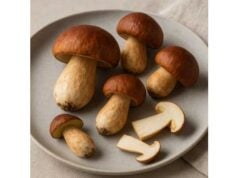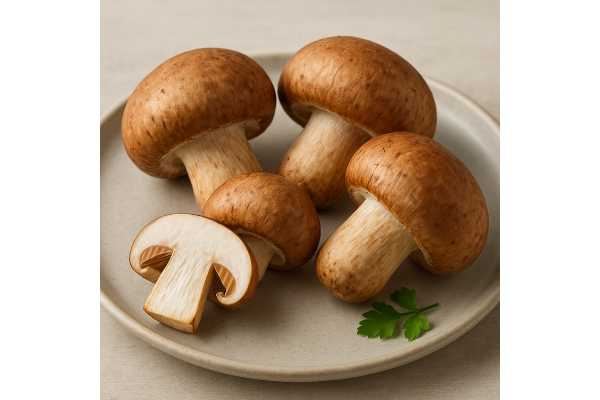
Almond mushroom (Agaricus subrufescens), also called Himematsutake or “Agaricus blazei,” is an edible mushroom prized for its gentle almond-like aroma, firm texture, and a unique profile of bioactive polysaccharides. In home kitchens, it sautés and roasts beautifully, slips into brothy soups, and stands up well in stir-fries and grain bowls. In nutrition science, it’s studied for β-glucans and other compounds that may support immune function, metabolic health, and antioxidant defenses. Fresh almond mushrooms are naturally low in calories and fat, with B-vitamins, copper, and selenium; dried or powdered forms concentrate these nutrients. Like other cultivated mushrooms, their vitamin D2 content rises dramatically when exposed to ultraviolet (UV) light. While most people can enjoy almond mushrooms as part of a varied diet, those with certain conditions or taking specific medicines should read the safety section closely. This guide brings together what matters most—nutrition per 100 g, research-backed benefits, practical buying and storage tips, cooking methods that protect nutrients, and clear safety notes—so you can use almond mushrooms with confidence and purpose.
Top Highlights
- Typical serving: 75–100 g cooked (about 1–1½ cups), 2–4 times per week fits most balanced diets.
- Notable nutrients per 100 g fresh: ~22 kcal, ~3.1 g protein, B-vitamins, copper, selenium; vitamin D rises if UV-treated.
- Safety caveat: rare but reported hepatotoxicity with high-dose extracts; choose reputable products and avoid if you have active liver disease unless advised by a clinician.
- Who should limit or avoid: people on immunosuppressants, with autoimmune liver disease, or with a mushroom allergy; those with gout should moderate dried forms due to purines.
Table of Contents
- Almond mushroom overview
- Nutrition profile per 100 g
- Almond mushroom benefits
- Risks, allergies and interactions
- Choosing, quality, sustainability and storage
- Cooking and nutrient retention
- Portions, comparisons and FAQs
Almond mushroom overview
What it is. Almond mushroom (Agaricus subrufescens) is an edible Agaricus species with a faint almond or anise note, a meaty cap and stem, and a pleasing bite after cooking. You’ll also see it sold as Himematsutake or under older research names such as “Agaricus blazei.” It’s cultivated on sterilized plant-based substrates much like common button mushrooms, making it available fresh, dried, or as standardized extracts.
Why cooks like it. The flesh is dense and resilient, so slices keep their shape in sautés, skewers, or stir-fries. Its mild, nutty aroma enriches soups and risottos without overpowering other ingredients. Dried pieces rehydrate with concentrated flavor for broths and stews, while powders blend into sauces, burgers, or veggie patties.
Why nutrition professionals pay attention. Beyond being a low-calorie vegetable-like food with B-vitamins and minerals, almond mushroom contains β-glucans, ergothioneine (a diet-derived antioxidant), and ergosterol (a vitamin D precursor). UV-exposed mushrooms can supply meaningful vitamin D2. Early clinical research explores roles in immune modulation and metabolic markers when extracts are used adjunctively.
Almond mushroom vs. other mushrooms. Macros are similar to white button or cremini when fresh (mostly water, modest protein, very low fat). Where almond mushroom stands apart is the profile and concentration of certain polysaccharides studied for immune effects, especially in hot-water extracts and concentrated powders. As with all mushrooms, composition varies by strain, substrate, harvest stage, and whether fresh or dried.
Sensible expectations. Whole almond mushrooms are wholesome and versatile. Concentrated extracts are different products with different effects and safety considerations. Think of them as two ends of a spectrum: culinary uses rely on fresh or dried pieces, while clinical trials often use standardized extracts with specified β-glucan content and fixed daily doses.
Quick shopping note. If buying fresh, look for dry, unblemished caps with tight gills and a clean, earthy smell. For dried slices or powders, choose reputable brands listing origin, lot number, and a “best by” date; UV-enhanced products may note vitamin D content per serving.
Nutrition profile per 100 g
Below is a practical, scannable snapshot for fresh almond mushroom using typical values for cultivated Agaricus species as a proxy; actual numbers vary with cultivation, strain, and handling. UV-exposed products can be much higher in vitamin D2, and dried products concentrate most nutrients per weight.
Macros and key electrolytes (per 100 g, fresh, raw)
| Nutrient | Amount | %DV |
|---|---|---|
| Energy | 22 kcal | — |
| Protein | 3.1 g | 6% |
| Total fat | 0.3 g | 0% |
| Saturated fat | 0.05 g | 0% |
| Carbohydrate | 3.3 g | 1% |
| Dietary fiber | 1.0 g | 4% |
| Total sugars | 1.7 g | — |
| Sodium | 5 mg | 0% |
| Potassium | 318 mg | 7% |
Vitamins (per 100 g, fresh, raw)
| Vitamin | Amount | %DV |
|---|---|---|
| Thiamin (B1) | 0.1 mg | 8% |
| Riboflavin (B2) | 0.4 mg | 31% |
| Niacin (B3) | 3.6 mg | 23% |
| Pantothenic acid (B5) | 1.5 mg | 30% |
| Vitamin B6 | 0.1 mg | 6% |
| Folate (DFE) | 17 µg | 4% |
| Vitamin C | 2 mg | 2% |
| Vitamin D2 | ~0.2 µg* | 1% |
Minerals (per 100 g, fresh, raw)
| Mineral | Amount | %DV |
|---|---|---|
| Phosphorus | 86 mg | 7% |
| Magnesium | 9 mg | 2% |
| Iron | 0.5 mg | 3% |
| Zinc | 0.5 mg | 4% |
| Copper | 0.3 mg | 33% |
| Selenium | 9 µg | 17% |
Bioactives/phytonutrients (typical ranges)
| Compound | Typical content (fresh) | Notes |
|---|---|---|
| β-glucans | ~0.2–0.8 g/100 g | Higher in hot-water extracts; varies by species/strain. |
| Ergothioneine | ~2–5 mg/100 g | Diet-derived antioxidant concentrated in mushrooms. |
| Ergosterol | tens of mg/100 g (dry weight) | Precursor to vitamin D2 (see note below). |
- Vitamin D note: UV-exposed almond mushrooms can provide 10–15 µg (400–600 IU) vitamin D2 per 100 g or more, depending on exposure, surface area, and processing; labels should state the amount.
Interpreting the numbers. The standouts per 100 g fresh are riboflavin, niacin, pantothenic acid, copper, and selenium—plus vitamin D2 when UV-treated. Protein is modest but adds up when mushrooms replace part of a meat portion. Sodium is naturally very low. In dried slices or powders, everything except water concentrates several-fold; that includes purines (see safety section).
DV values use current FDA Daily Values for adults. Values are representative of cultivated Agaricus spp.; almond mushroom-specific numbers depend on substrate, strain, UV exposure, and moisture. For fortified powders, follow the label.
Almond mushroom benefits
1) Everyday nutrition with standout B-vitamins and trace minerals. Fresh almond mushrooms provide B2, B3, and B5 alongside copper and selenium—nutrients that support cellular energy metabolism, redox balance, and connective tissue integrity. Because they’re low in calories and sodium, you can add volume, texture, and umami without spiking calorie or salt intake.
2) A practical food-based source of vitamin D—if UV-exposed. Mushrooms naturally contain ergosterol, which converts to vitamin D2 when exposed to UV light during growth or after harvest. UV-treated almond mushrooms can deliver a meaningful fraction—or even all—of your daily vitamin D in a 100 g portion. Look for “UV-treated” or a stated µg/IU amount on the label, and prefer sliced mushrooms (more surface area) when maximizing vitamin D2 is a goal.
3) β-glucans and immune modulation (adjunctive). Hot-water extracts of almond mushroom are rich in β-glucans, fermentable polysaccharides studied for effects on innate and adaptive immune signaling. Small randomized trials with Agaricus blazei–derived extracts have reported changes in immune markers and, in some contexts, symptom scales. While intriguing, these findings generally reflect extracts at defined daily doses, not the effects of a standard serving of sautéed mushrooms. For everyday shoppers, the takeaway is that whole almond mushrooms can be part of an “immune-aware” dietary pattern; for clinical or supplemental use, discuss standardized products and dosing with a professional.
4) Metabolic markers (early evidence with extracts). In a randomized, double-blind, placebo-controlled study of people with type 2 diabetes already on standard oral medications, 12 weeks of an Agaricus blazei extract (1.5 g/day) improved insulin resistance indices and increased adiponectin versus placebo. This signals potential adjunctive value but does not replace guideline therapy. People with diabetes who wish to use extracts should coordinate with their care team, monitor glucose, and watch for additive effects alongside existing drugs.
5) Antioxidant support via ergothioneine. Mushrooms are unique among common foods for ergothioneine, a sulfur-containing amino acid transported into cells by a dedicated carrier. While almonds and oats contain modest amounts, mushrooms typically provide far more per serving. In dietary patterns analysis, higher mushroom intake is associated with higher ergothioneine exposure and has been linked—albeit inconsistently—to favorable oxidative stress markers. As always, food synergy matters: pairing mushrooms with vitamin C–rich vegetables can support non-heme iron absorption while preserving overall antioxidant capacity.
6) Culinary swaps that support diet quality. Replacing part of a ground meat portion with chopped almond mushrooms (“blend and extend”) can lower saturated fat and calorie density, increase fiber, and retain savory depth. In plant-forward meals, mushrooms can stand in for part of the protein, adding satiation and texture without relying on ultra-processed alternatives.
How to use the benefits in real life
- For vitamin D: Choose UV-treated mushrooms and expose sliced caps to midday sunlight on a clean tray for 15–30 minutes before cooking when practical.
- For immune-aware cooking: Favor soups, stews, and slow simmers that extract water-soluble polysaccharides into the broth you’ll actually consume.
- For lighter mains: Replace one-third to one-half of minced meat with finely chopped almond mushrooms in burgers, tacos, or meatballs.
Important distinction: The strongest mechanistic and clinical signals typically involve standardized extracts. Whole-food servings help diet quality and provide some bioactives but should not be assumed to deliver supplement-level effects.
Risks, allergies and interactions
Overall safety profile. Culinary use of almond mushrooms is safe for most people when cooked and eaten in typical food amounts. However, concentrated extracts are pharmacologically active and call for more caution.
Potential liver effects from extracts. Rare cases of drug-induced liver injury have been reported in individuals taking Agaricus blazei supplements, including autoimmune-like presentations. While these reports are uncommon relative to overall use and many clinical studies note good tolerability, they reinforce a simple rule: if you have underlying liver disease, are on hepatotoxic medications, or develop symptoms such as jaundice, dark urine, or right-upper-quadrant pain, stop the supplement and seek medical care promptly. Culinary portions of cooked mushrooms are not implicated in such reports.
Allergy and intolerance. Mushroom allergy is unusual but documented; symptoms can include oral itching, hives, gastrointestinal upset, or, rarely, anaphylaxis. People with known mushroom allergy should avoid almond mushrooms. Some individuals experience gastrointestinal discomfort with large amounts of mushrooms due to fiber and fermentable carbohydrates—start with small portions and chew well.
Purines and gout. Like other mushrooms, almond mushrooms contain moderate purines per 100 g fresh, with much higher levels in dried forms. People with gout or hyperuricemia can usually fit moderate portions of fresh, cooked mushrooms into a balanced plan, but should limit large amounts of dried mushrooms and keep an eye on total dietary purines.
Drug and condition interactions.
- Immunosuppressants / autoimmune disease: Because β-glucans can modulate immune signaling, people on immunosuppressive therapy (post-transplant, autoimmune conditions) should avoid medicinal extracts unless cleared by their specialist; standard cooked portions are generally acceptable food.
- Diabetes medications: Extracts studied for metabolic markers may have additive effects with hypoglycemic agents; monitor glucose if you and your clinician decide to try a product.
- Anticoagulants and platelet-active drugs: While almond mushrooms are not especially high in vitamin K, supplements sometimes include other botanicals; choose single-ingredient products and inform your care team.
Heavy metals and contaminants. Mushrooms can accumulate metals like cadmium and lead from contaminated substrates. Reputable commercial growers test substrates and meet regulatory limits. Avoid foraged look-alikes unless identified by an expert, and buy from trusted suppliers.
Raw vs. cooked. Cooking improves digestibility and reduces agaritine, an aromatic hydrazine naturally occurring in Agaricus species, which declines substantially with heat and also during storage. Light sautéing, thorough stir-frying, roasting, or simmering are all appropriate.
Pregnancy and nursing. Enjoy cooked culinary portions as part of a varied diet. For extracts, safety data are limited; avoid unless your obstetric clinician recommends otherwise.
Red flags to stop and seek care. New or worsening rash, facial swelling, breathing difficulty, severe abdominal pain, persistent nausea, dark urine, or jaundice.
Choosing, quality, sustainability and storage
Selecting fresh almond mushrooms
- Look: Dry, firm caps with snug gills; avoid sliminess, dark wet spots, or strong off-odors.
- Feel: Solid and springy, not spongy. The cut end of the stem should be clean and relatively dry.
- Smell: Fresh, mild, and slightly nutty or anise-like—no ammoniac or sour notes.
- Form: Whole caps last longer than pre-sliced packs; buy whole if you won’t cook within 24–48 hours.
Dried pieces and powders
- Packaging: Choose opaque, sealed bags or tins with desiccant, a lot number, origin, and a “best by” date.
- Label clarity: For UV-enhanced powders, look for vitamin D2 per serving; for extracts, look for declared β-glucan content (e.g., “≥20% β-glucans by AOAC method”).
- Additives: Prefer minimal-ingredient lists. Avoid products with unnecessary fillers or proprietary blends that obscure dose.
Sustainability considerations
- Substrate and energy use: Almond mushrooms are typically grown on agricultural by-products (e.g., sawdust, straw), supporting circular economy practices. Responsible farms monitor water use, recycle substrate, and manage energy for climate control.
- Contaminant control: Reputable producers test and document substrate quality (metals, pesticides) and comply with regional contaminant limits for cultivated fungi.
- Local vs. imported: Local or regional producers shorten the cold chain and reduce transport impact; they’re also more likely to provide batch testing details on request.
Storage and handling
- Refrigeration: Store fresh mushrooms unwashed in a paper bag or the original vented container in the coldest part of the fridge (about 1–4°C). Paper slows condensation and prevents sliminess.
- Use window: Best within 3–5 days. Cook or freeze if you won’t use them by day 5.
- Freezing: For best texture, pre-sauté in a little oil, cool, and freeze in a thin layer; use within 2–3 months.
- Dry storage: Keep dried slices/powders in an airtight container away from heat and light; add a food-safe desiccant if humidity is high.
- Food safety: Brush or wipe clean just before use; if heavily soiled, rinse quickly and dry well. Avoid soaking—mushrooms act like sponges.
Labels to know
- “UV-treated” or “high vitamin D”: Indicates intentional UV exposure to boost D2; look for a µg (or IU) amount per serving.
- “Extract,” “hot-water extract,” or “standardized β-glucans”: These are supplement forms, not culinary cuts; follow dosing guidance and safety notes.
Cooking and nutrient retention
Best practices to preserve nutrients while maximizing flavor
- Cut size: Slice caps about 5–7 mm thick and halve thick stems so heat penetrates evenly without overcooking.
- High-heat sauté or stir-fry: Preheat pan well. Add a thin film of oil, then mushrooms in a single layer. Let them sear undisturbed until edges brown, then toss. High heat minimizes time loss of heat-sensitive vitamins while developing savory Maillard flavors.
- Roast for meal prep: Toss with oil and a pinch of salt; roast at ~220°C for 15–20 minutes, flipping once. Roasting drives off moisture and concentrates flavor—great for bowls, salads, and wraps.
- Simmer smartly: In soups and stews, keep and consume the broth; water-soluble B-vitamins and polysaccharides extract into the liquid.
- Sun-or UV-boosted vitamin D: If time allows, spread sliced mushrooms on a clean sheet and expose to direct midday sunlight (gills up) for 15–30 minutes before cooking. This can raise D2 notably without affecting texture.
- Pairings for absorption:
- Iron: Combine with vitamin C–rich veg (peppers, tomatoes) to support non-heme iron uptake.
- Fat-soluble compounds: A small amount of oil helps absorption of lipid-associated compounds and improves mouthfeel.
- Avoid over-washing: Wipe or brush clean; quick rinse only if needed, then dry thoroughly to maintain searing and avoid sogginess.
- Cook rather than eat raw: Cooking improves digestibility and reduces agaritine levels substantially versus raw, while enhancing flavor and texture.
Simple, reliable methods
- Pan-seared almond mushrooms with herbs: Sauté slices in olive oil until browned; finish with garlic, thyme, and a squeeze of lemon.
- Brothy almond mushroom soup: Simmer sliced mushrooms with aromatics; add miso or soy sauce to taste. Serve the broth to take advantage of extracted nutrients.
- “Blend and extend” patties: Combine finely chopped sautéed mushrooms with minced meat or legumes; season and pan-sear or grill.
Nutrient trade-offs by method
- Sauté/roast: Retains minerals and B-vitamins reasonably well; minimal loss to cooking water.
- Boil then drain: Convenient, but you discard water-soluble nutrients with the liquid. If you boil, re-use the cooking liquid as a sauce base.
- Microwave: Fast and conserves water-soluble vitamins; finish in a hot pan for browning if desired.
Portions, comparisons and FAQs
Recommended portions
- Culinary use: 75–100 g cooked almond mushrooms (about 1–1½ cups) per serving feels generous on the plate and aligns with vegetable intake goals.
- Weekly frequency: 2–4 times per week is a practical cadence in diverse diets.
- Extracts (supplement forms): Research doses vary; one diabetes trial used 1.5 g/day of an Agaricus blazei extract for 12 weeks. Supplements are not the same as food; consult your clinician before use.
How do almond mushrooms compare to other mushrooms?
- Versus white button/cremini: Similar calories and macros; micronutrient highlights are comparable, with differences driven mostly by strain and growing conditions.
- Versus shiitake/maitake: Those often deliver stronger flavors and, in some analyses, higher β-glucans per gram. Almond mushrooms are milder and more adaptable.
- Vitamin D potential: Any edible mushroom’s D2 can jump with UV exposure; check labels or sun-expose sliced mushrooms at home.
Common questions
- Are almond mushrooms good for weight management? Yes—very low in calorie density and sodium, they add volume and savory depth to meals, supporting fullness.
- Can kids eat them? Cooked almond mushrooms are child-friendly in texture and taste. Slice small and sauté well.
- Are dried mushrooms “better” than fresh? Dried forms concentrate flavor and nutrients per gram but also purines. Use modest portions if you’re managing gout.
- Do I need to peel them? No. Wipe or brush; trim only tough stem ends.
- What if I’m on immunosuppressants? Enjoy ordinary cooked portions as food if your care team agrees; avoid medicinal extracts unless specifically advised.
Quick meal ideas
- Toss roasted almond mushrooms with whole-grain pasta, olive oil, garlic, and parsley.
- Add sautéed slices to omelets, frittatas, or buckwheat crêpes.
- Stir chopped mushrooms into taco fillings to replace part of the meat.
References
- Effect of Ultraviolet Irradiation on Vitamin D in Commonly Consumed Mushrooms 2023 (Systematic/Experimental Review)
- Mushrooms: a food-based solution to vitamin D deficiency worldwide 2024 (Narrative Review)
- Edible Mushrooms and Beta-Glucans: Impact on Human Health 2021 (Systematic Review)
- The mushroom Agaricus Blazei Murill in combination with metformin and gliclazide improves insulin resistance in type 2 diabetes: a randomized, double-blinded, and placebo-controlled clinical trial 2007 (RCT)
- Herb-induced liver injury (HILI) with 12,068 worldwide cases published with causality assessments by Roussel Uclaf Causality Assessment Method (RUCAM): an overview 2021 (Safety Review)
Medical Disclaimer
This article is for general information and education. It is not a substitute for personalized medical advice, diagnosis, or treatment. Always consult a qualified healthcare professional about your specific health needs, especially before using mushroom extracts if you have liver disease, an autoimmune condition, are pregnant or nursing, or take prescription medications. If you experience allergic symptoms or signs of liver trouble (e.g., jaundice, dark urine, severe fatigue) after starting a mushroom supplement, stop use and seek medical care immediately.
If you found this helpful, please consider sharing it with friends or colleagues on Facebook, X, or your favorite platform. Your support helps us continue producing careful, practical guides like this one. Thank you.