Amaranth is a tiny, powerhouse pseudocereal with a long history and very modern benefits. The seeds cook into a creamy, porridge-like grain that is naturally gluten-free and rich in high-quality protein, fiber, and minerals. It stands out for its balanced amino acid profile—especially lysine—plus notable amounts of iron, magnesium, manganese, and phosphorus. In the kitchen, amaranth adapts easily: simmer it like oatmeal, pop it like corn, blend its nutty flour into gluten-free baking mixes, or simmer it into savory pilafs and hearty soups. Beyond nutrition, amaranth is drought-tolerant and resilient, making it a climate-smart choice that supports sustainable food systems. This guide explains amaranth’s nutrition in depth, summarizes the best available research on benefits and risks, and offers practical tips for buying, storing, cooking, and using it day to day.
Top Highlights
- Naturally gluten-free seed with complete-protein characteristics and high magnesium, iron, and manganese per 100 g.
- Processing choices matter: soaking, sprouting, and fermenting can reduce phytates and improve mineral absorption.
- Typical serving: ½ cup cooked (≈120 g) eaten 3–5 times per week as part of a varied “whole-grains and pseudocereals” rotation.
- Safety note: popped amaranth can have a higher glycemic impact; people with diabetes should pair it with protein or fat.
- Limit or avoid: individuals on strict low-oxalate or low-phytate regimens, and anyone with celiac disease unless the product is certified gluten-free to avoid cross-contact.
Table of Contents
- Amaranth: Detailed Overview
- Amaranth Nutrition Profile (Per 100 g)
- Amaranth Health Benefits: What Studies Show
- Amaranth Risks, Allergies and Interactions
- Selecting Quality, Sustainability and Storage
- Cooking Amaranth and Nutrient Retention
- Portions, Comparisons and FAQs
Amaranth: Detailed Overview
Amaranth refers to the edible seeds of several Amaranthus species—most commonly A. caudatus, A. cruentus, and A. hypochondriacus. Although often grouped with grains, amaranth is a “pseudocereal”: a seed from a broadleaf plant that cooks and eats like cereal grains. Historically cultivated across Mesoamerica and the Andes, it has re-emerged as a nutritious, climate-resilient food with steady global demand.
What sets amaranth apart is its protein quality. While cereals like rice and wheat tend to be low in lysine, amaranth provides more of this essential amino acid, which helps round out the amino acid profile of typical grain-based diets. Amaranth also supplies 6–7 g of fiber per 100 g (uncooked), supports steady satiety, and contains unsaturated fats—including linoleic acid—with zero cholesterol. Mineral density is another signature: notable iron, magnesium, phosphorus, zinc, copper, and especially manganese, plus modest vitamin E and vitamin K.
Forms and uses:
- Whole seeds: simmer into porridge, cook into pilafs, add to soups for body, or mix with rice or quinoa.
- Popped seeds: heat briefly in a dry pan to create crunchy puffs; sprinkle over yogurt, salads, or soups.
- Flour: use in gluten-free baking blends (10–30% of total flour) to boost protein and flavor; great for pancakes, flatbreads, muffins, and cookies.
- Flakes or grits: quick-cooking options for hot cereals and breading.
- Pasta and crackers: common gluten-free products using amaranth flour.
Flavor is warm, nutty, and slightly earthy. Cooked texture is tender and creamy; even when simmered “dry,” the seeds keep a delicate pop. Because the seed coat can contain trace saponins (much less than quinoa), rinsing is optional for most brands but can soften flavor. For best versatility and digestibility, many cooks toast the dry grain first, then simmer.
Sustainability is a quiet strength. Amaranth tolerates heat and drought, adapts to marginal soils, and matures quickly—traits that support diversified rotations and smallholder resilience. As consumers seek nutrient-dense, lower-input staples, amaranth’s agronomic profile and culinary flexibility make it an appealing choice.
Amaranth Nutrition Profile (Per 100 g)
Unless noted, values reflect raw amaranth grain (uncooked). Percent Daily Value (%DV) uses U.S. adult Daily Values for a 2,000-calorie diet. Actual content varies by variety and growing conditions.
Macros and Electrolytes
| Nutrient (per 100 g, uncooked) | Amount | %DV |
|---|---|---|
| Energy | 371 kcal | — |
| Water | 11.3 g | — |
| Protein | 13.6 g | 27% |
| Total fat | 7.0 g | 9% |
| Saturated fat | 1.46 g | 7% |
| Total carbohydrate | 65.3 g | 24% |
| Dietary fiber | 6.7 g | 24% |
| Total sugars | 1.7 g | — |
| Starch | 57.3 g | — |
| Sodium | 4 mg | 0% |
| Potassium | 508 mg | 11% |
Fats and Fatty Acids
| Component | Amount | %DV |
|---|---|---|
| Monounsaturated fat | 1.69 g | — |
| Polyunsaturated fat | 2.78 g | — |
| Linoleic acid (omega-6, 18:2) | 2.74 g | — |
| Alpha-linolenic acid (omega-3, 18:3) | 0.04 g | — |
| Cholesterol | 0 mg | 0% |
| Phytosterols | 24 mg | — |
Protein and Amino Acids
(No established %DV for individual amino acids; values below help illustrate balance.)
| Amino acid (per 100 g) | Amount |
|---|---|
| Lysine | 0.75 g |
| Leucine | 0.88 g |
| Isoleucine | 0.58 g |
| Valine | 0.68 g |
| Threonine | 0.56 g |
| Methionine | 0.23 g |
| Phenylalanine | 0.54 g |
| Histidine | 0.39 g |
| Tryptophan | 0.18 g |
Vitamins
| Vitamin | Amount | %DV |
|---|---|---|
| Thiamin (B1) | 0.12 mg | 10% |
| Riboflavin (B2) | 0.20 mg | 15% |
| Niacin (B3) | 0.92 mg | 6% |
| Pantothenic acid (B5) | 1.46 mg | 29% |
| Vitamin B6 | 0.59 mg | 35% |
| Folate, DFE | 82 µg | 21% |
| Vitamin E (alpha-tocopherol) | 1.19 mg | 8% |
| Vitamin K (phylloquinone) | 28 µg | 23% |
| Choline | 69.8 mg | 13% |
Minerals
| Mineral | Amount | %DV |
|---|---|---|
| Calcium | 159 mg | 12% |
| Iron | 7.61 mg | 42% |
| Magnesium | 248 mg | 59% |
| Phosphorus | 557 mg | 45% |
| Potassium | 508 mg | 11% |
| Zinc | 2.87 mg | 26% |
| Copper | 0.53 mg | 58% |
| Manganese | 3.33 mg | 145% |
| Selenium | 18.7 µg | 34% |
Bioactives and Anti-nutrients
- Naturally occurring phytates can reduce mineral absorption; soaking, sprouting, or fermenting the grain can lower phytate content.
- Seed lipids may include squalene, tocopherols/tocotrienols, and phytosterols.
- Trace saponins are typically low in the seed coat.
Glycemic Considerations
- Cooking method changes glycemic response. Mixed-grain porridges tend to be moderate, while popped amaranth eaten with sweet milk can be high glycemic. Pairing amaranth with protein, fat, and fiber lowers the glycemic impact.
Footnote: Values represent typical raw seed composition. Fortification is uncommon; commercial products may include additives—check labels.
Amaranth Health Benefits: What Studies Show
1) Supports protein quality in gluten-free eating
Most gluten-free staple grains are lysine-poor. Amaranth’s amino acid balance, with relatively higher lysine and adequate leucine and threonine, helps improve overall protein quality when combined with other cereals or legumes. In practice, pairing amaranth with rice, corn, or oats (or with beans and lentils) creates a more complete amino acid intake for individuals avoiding wheat, barley, and rye.
2) A mineral-dense option for iron and magnesium
Per 100 g uncooked, amaranth delivers meaningful iron and magnesium—nutrients often under-consumed. Consuming it as part of a rotation with legumes, nuts, seeds, and leafy greens can help people—especially those following plant-forward diets—move closer to daily targets. Vitamin C–rich foods (citrus, bell pepper, tomato) served alongside can further enhance the absorption of non-heme iron.
3) Cardiometabolic implications: nuanced evidence
Much of the research on cardiometabolic risk uses amaranth fractions (e.g., seed oil, peptides) or processed foods. Some animal and early human studies suggest favorable lipid effects from amaranth components such as phytosterols, tocotrienols, and squalene. However, a randomized crossover trial that compared amaranth oil to rapeseed oil in overweight adults found increased total and LDL cholesterol with amaranth oil. This points to a key distinction: whole cooked amaranth (a fiber-rich, minimally processed food) is not the same as isolated oils or extracts. Practically, favor whole seeds as a fiber- and nutrient-dense carbohydrate; avoid assuming amaranth oil provides the same benefit as whole-grain intake.
4) Blood sugar: processing matters
Glycemic response to amaranth varies with form. A study in adults with type 2 diabetes found that popped amaranth in sweetened milk produced a high glycemic response, whereas a 25:75 amaranth-wheat composite was lower. In daily life, serve amaranth with proteins (eggs, yogurt, tofu), healthy fats (nuts, seeds), and non-starchy vegetables to moderate post-meal glucose.
5) Digestive support and satiety
With about 6–7 g of fiber per 100 g uncooked (≈3–4 g per ½ cup cooked), amaranth contributes to regularity and may enhance fullness at meals. The viscous and fermentable portions of cereal fiber are especially helpful for satiety and healthy gut function. If you’re new to higher-fiber grains, increase portion size gradually and hydrate well.
6) Culinary versatility promotes dietary diversity
Rotating different whole grains and pseudocereals—amaranth, quinoa, buckwheat, teff, millet, oats—broadens nutrient coverage and lowers dependence on any single food. Amaranth’s neutral, nutty flavor fits both sweet and savory dishes, helping people maintain healthier patterns over time.
Practical takeaways
- Emphasize whole cooked amaranth over isolated oils.
- Combine amaranth with vitamin C–rich foods to support iron absorption.
- Use soaking or sprouting to soften texture and potentially improve mineral bioavailability.
- Balance plates with protein and healthy fats to manage glycemic response.
Amaranth Risks, Allergies and Interactions
Gluten and cross-contact
Amaranth is naturally gluten-free. For people with celiac disease, select products labeled or certified gluten-free to minimize cross-contact during milling or packaging. In mixed facilities, even trace wheat residues can be problematic.
Glycemic response
Processing changes glycemic impact. Popped amaranth or products with added sugars can spike blood glucose more than simmered whole grain. People managing diabetes or insulin resistance should:
- Favor simmered or sprouted forms.
- Combine with protein and unsaturated fats (e.g., nuts, seeds, eggs, legumes).
- Watch portions of popped amaranth used as a cereal or snack topping.
Anti-nutrients and mineral absorption
Like many seeds and grains, amaranth contains phytates, which can bind minerals. Soaking (with a small splash of lemon juice or yogurt), sprouting, fermenting, and cooking reduce phytate levels and improve digestibility. If iron or zinc status is a concern, use these methods and pair meals with vitamin C–rich foods.
Oxalate awareness
Amaranth seeds can contain oxalates (lower than leafy amaranth greens), which may be relevant for people advised to follow a low-oxalate diet due to kidney stone risk. Moderation, varied grain rotation, and adequate hydration are sensible approaches; a registered dietitian can tailor guidance.
Allergy and intolerance
True amaranth allergy is uncommon but possible. Symptoms may include hives, itching, or gastrointestinal distress. Anyone with a history of seed allergies (e.g., sesame) should introduce new seeds cautiously and seek medical advice if symptoms appear.
Medication and supplement considerations
There are no classic drug–food interactions unique to amaranth. However, very high-fiber meals may reduce absorption of certain medications and minerals when taken simultaneously. Space medications and iron or zinc supplements at least 2–3 hours away from fiber-rich meals if advised by your healthcare provider.
Who should limit or avoid
- People needing strict low-oxalate diets (individualized).
- Those with celiac disease purchasing from non-certified sources (cross-contact risk).
- Individuals who experienced allergic symptoms after consuming seeds or seed flours.
Selecting Quality, Sustainability and Storage
How to choose
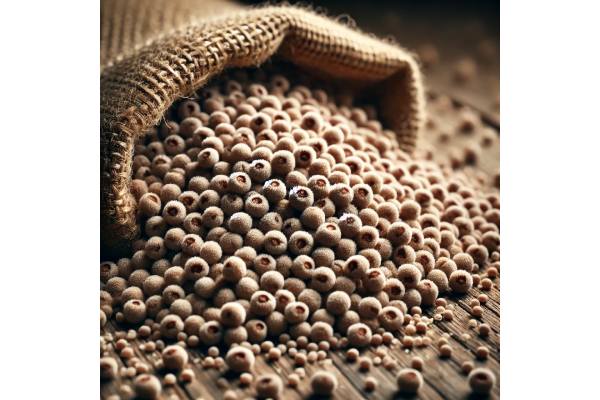
- Whole seeds: Look for uniform color (cream to tan), no moisture clumping, and minimal debris. Premium lots list botanical species and origin.
- Gluten-free assurance: For medical gluten avoidance, choose items with a certified gluten-free mark.
- Flour: Prefer freshly milled flour in light-protected packaging. Because amaranth is richer in unsaturated fats than many grains, flour can turn rancid faster.
- Popped seeds, flakes, pasta, crackers: Check for short ingredient lists. Avoid products with excess sugars, sodium, or saturated fats.
Labels to scan
- Harvest or “best by” dates—choose the freshest stock.
- Origin claims—Peru, India, Mexico, and the U.S. are common; smallholder and fair-trade supply chains are emerging.
- Additives—anti-caking agents or sweeteners in mixes; select simple formulations if you need to control sodium or sugars.
Sustainability profile
Amaranth is adaptable and resilient. It matures quickly, tolerates heat and drought, and can grow on marginal soils. Farmers use it to diversify rotations and improve food security in arid and highland regions. From a consumer perspective, choosing amaranth supports crop diversity and climate-smart agriculture. If available, look for producers who disclose water-smart practices, regenerative rotations, or smallholder partnerships.
Storage and shelf life
- Whole seeds: Airtight container in a cool, dark pantry for 6–12 months; refrigerate or freeze for extended storage.
- Flour: Airtight and refrigerated or frozen; use within 3–4 months for best flavor.
- Prepared dishes: Refrigerate cooked amaranth in a sealed container and use within 3–5 days; freeze up to 3 months.
- Rancidity check: Smell for paint-like, bitter, or soapy notes—signs of oxidized fats. Discard if detected.
Bulk buying tips
If buying from bins, ensure turnover is high, bins are covered, and scoops are clean and dry. When possible, favor sealed bags to reduce moisture and pest exposure.
Cooking Amaranth and Nutrient Retention
Basic simmer method (porridge-style)
- Toast (optional): Dry-toast 1 cup amaranth in a pot over medium heat, stirring until nutty aroma develops (2–3 minutes).
- Simmer: Add 2½–3 cups water or broth and a pinch of salt. Bring to a boil, then reduce to a gentle simmer.
- Cook: Cover and cook for 20–25 minutes, stirring occasionally. The texture will be creamy with tender, slightly “poppy” seeds.
- Rest: Off heat, rest 5 minutes to thicken. Finish with olive oil, herbs, roasted vegetables, or fruit and yogurt for sweet bowls.
Pilaf-style (for more separation)
- Use 2¼ cups liquid per cup grain, simmer gently, and finish by steaming 5–10 minutes with the lid on. Combine with fluffier grains (e.g., rice, millet) at a 1:2 or 1:3 ratio to keep structure.
Popping technique
- Heat a heavy pan very hot. Add 1–2 tablespoons seeds; cover and shake for 10–15 seconds until most pop. Work in tiny batches to prevent scorching. Use as a crunchy topping for salads, soups, yogurt, or energy bars.
Sprouting and fermenting
- Soak seeds 8–12 hours in cool water (add 1 teaspoon lemon juice per cup of water), rinse, then sprout 24–36 hours until tiny tails appear. Sprouting can reduce phytates and may improve mineral bioavailability. Sprouted seeds can be dried and milled for baking or cooked into porridge.
Retention tips
- Minerals are heat-stable; B-vitamins and some polyphenols are sensitive to prolonged boiling. To strike a balance:
- Use just enough water (avoid large excess you’ll drain off).
- For soups, cook amaranth in the final dish so nutrients stay in the broth.
- Add vitamin C–rich foods to enhance iron uptake.
- Avoid over-toasting or scorching to protect delicate lipids.
Baking with amaranth flour
- Substitute 10–30% of a gluten-free flour blend with amaranth flour to add protein, minerals, and nutty flavor. For structure, combine with starches (tapioca, potato) and binders (eggs, psyllium, or xanthan).
- Great applications: pancakes, waffles, muffins, tortillas, crackers, and quickbreads. In yeast breads, keep amaranth flour at ≤25% of total flour for best crumb.
Flavor pairing ideas
- Savory: roasted mushrooms, caramelized onions, spinach, feta, lemon, dill, cumin, smoked paprika.
- Sweet: cinnamon, cardamom, vanilla, dates, apples, pears, citrus zest, tahini, almonds.
Portions, Comparisons and FAQs
Typical portion and frequency
- ½ cup cooked amaranth (≈120 g) is a practical serving for most adults. Aim for 3–5 servings per week as part of a rotation with other whole grains and pseudocereals. Adjust to energy needs and blood sugar goals.
How amaranth compares
- Amaranth vs quinoa: Both are gluten-free and protein-dense. Amaranth tends to offer more iron and manganese per 100 g raw, while quinoa gives slightly more folate. Texture differs—amaranth is creamier; quinoa remains fluffy.
- Amaranth vs buckwheat: Buckwheat often provides more rutin (a flavonoid); amaranth offers more magnesium and a creamier cooked texture.
- Amaranth vs teff: Teff excels in calcium; amaranth brings higher magnesium and manganese.
- Amaranth vs oats: Oats provide beta-glucan (a soluble fiber linked with cholesterol management). Amaranth contributes lysine and micronutrient density with a gluten-free profile.
Meal building for steady energy
- Breakfast: amaranth porridge cooked in milk or fortified plant milk; top with nuts and berries.
- Lunch: hearty soup with amaranth stirred in during the last 20 minutes; add chicken or beans.
- Dinner: amaranth-rice pilaf with roasted vegetables and olive-oil dressing.
FAQs
- Is amaranth gluten-free? Yes. Choose certified products if cross-contact is a concern.
- Can I eat amaranth raw? No; cook or pop it. Sprouting is an option, but sprouted seeds are usually cooked or dried before use.
- Is popped amaranth “healthy”? It’s a fun texture, but it can be higher glycemic. Use as a garnish rather than a large bowl with sweeteners.
- What about amaranth oil? Evidence is mixed; whole seeds provide fiber, minerals, and a better overall nutrient package.
- Is amaranth good during pregnancy? As part of a balanced diet, it provides iron, magnesium, and folate. Discuss individualized needs with your clinician, especially iron supplementation.
References
- Amaranth and buckwheat grains: Nutritional profile, development of functional foods, their pre-clinical cum clinical aspects and enrichment in feed – PubMed 2024 (Systematic Review)
- Amaranth and quinoa as potential nutraceuticals: A review of anti-nutritional factors, health benefits and their applications in food, medicinal and cosmetic sectors – PubMed 2023 (Systematic Review)
- Glycemic index of grain amaranth, wheat and rice in NIDDM subjects – PubMed 1997
- Amaranth Oil Increases Total and LDL Cholesterol Levels without Influencing Early Markers of Atherosclerosis in an Overweight and Obese Population: A Randomized Double-Blind Cross-Over Study in Comparison with Rapeseed Oil Supplementation – PubMed 2019 (RCT)
- Daily Value on the Nutrition and Supplement Facts Labels 2024 (Guidance)
Disclaimer
The information in this article is educational and does not substitute for personalized medical advice, diagnosis, or treatment. Nutrition needs and tolerances vary widely. If you have a medical condition (including celiac disease, diabetes, kidney stone risk, or food allergies), consult your healthcare professional or a registered dietitian before making significant dietary changes.
If you found this guide useful, please consider sharing it with friends or colleagues on Facebook, X, or any platform you prefer—your support helps us continue creating careful, evidence-based articles. Thank you.