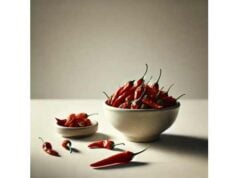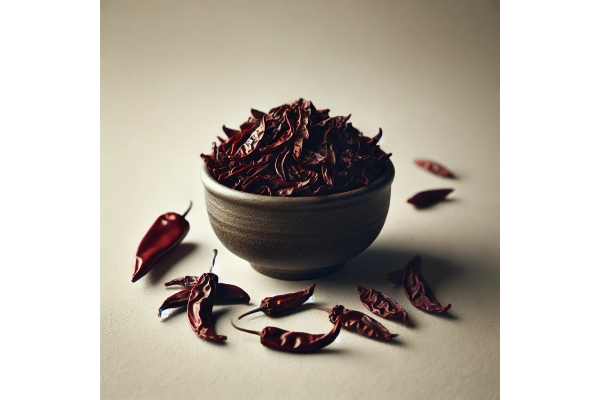
Ancho chili is the dried, fully ripe form of the poblano pepper, and it has a gentle heat, deep red-brown color, and a flavor often described as fruity, raisin-like, and slightly smoky. It is a cornerstone of traditional Mexican cooking, where it forms the base of complex sauces such as mole and adobo, as well as marinades, stews, and rubs. Beyond flavor, ancho chilies provide concentrated nutrients, including fiber, vitamin A, and a variety of protective plant compounds such as carotenoids and polyphenols.
Modern nutrition research suggests that regularly including chili peppers in the diet may support metabolic health, cardiovascular health, and weight management when used as part of an overall balanced pattern of eating. At the same time, ancho chili is mild enough to be approachable for people who avoid very spicy foods. This article explains what makes ancho chili unique, its nutrition profile, potential health benefits, safe use, and practical ways to cook with it.
Essential Insights for Ancho Chili
- One whole dried ancho chili (around 7–10 g) is relatively low in calories yet provides several grams of fiber and a high amount of provitamin A carotenoids.
- Bioactive compounds in ancho chilies, including capsaicinoids and carotenoids, may support antioxidant defenses, vascular health, and metabolic regulation when consumed regularly.
- Typical culinary use is 1 dried pepper per person in a dish or 1–2 teaspoons of ground ancho chili, enjoyed several times per week within a varied diet.
- People with chili or nightshade allergy, significant digestive disorders, or who experience reflux or burning symptoms from spicy foods should limit or avoid ancho chili.
- Dried chilies can spoil or become contaminated if stored poorly; buy from reputable suppliers and discard peppers that smell musty, show mold, or are infested with insects.
Table of Contents
- Ancho Chili Background and Types
- Ancho Chili Nutrition and Compounds
- Ancho Chili Health Benefits Evidence
- Risks, Allergies and Ancho Reactions
- Choosing Ancho Quality and Storage
- Cooking Ancho Chili and Nutrient Care
- Ancho Chili Portions, Comparisons and FAQs
Ancho Chili Background and Types
Ancho chili is the dried version of the ripe poblano pepper (Capsicum annuum). When poblanos are harvested green, they are used fresh in dishes such as chiles rellenos. When left on the plant to fully ripen and turn red, then dried, they become anchos. This simple transformation concentrates both flavor and nutrients while changing the pepper’s culinary role from vegetable to spice.
Ancho chilies are typically broad and heart-shaped, with wrinkled, leathery skin and a deep brick-red to mahogany color. Their flavor profile is complex: notes of dried fruit (especially raisin, prune, or fig), mild smokiness, and a gentle sweetness sit on top of a modest heat. On the Scoville scale, they usually fall in the range of roughly 1,000–1,500 units, milder than jalapeños and far milder than habaneros. This makes them suitable for people who enjoy flavor complexity but prefer to avoid intense spiciness.
In Mexican cooking, anchos are one part of a classic dried-chili trio, alongside guajillo and pasilla. Each variety adds a different layer:
- Ancho: fruity, slightly sweet, mild heat, robust body.
- Guajillo: brighter, more tannic or berry-like flavor, medium heat.
- Pasilla: earthy, somewhat smoky, with deeper bitter-chocolate notes.
Anchos are sold whole, in flakes, or ground into powder. Whole pods are commonly toasted and rehydrated to create chili purées and pastes that become the base for:
- Mole sauces and enchilada sauces.
- Adobo marinades for meats and tofu.
- Rich, layered stews, such as chili and braised bean dishes.
Ground ancho chili powder can be used wherever you might use standard “chili powder,” but with more control over flavor and heat. Many commercial chili powders blend chili with cumin, garlic, and salt; pure ancho powder contains only the chili itself, allowing you to season more precisely.
Beyond Mexican cuisine, ancho chili is increasingly used worldwide to:
- Add depth to tomato-based pasta sauces.
- Complement cocoa in drinking chocolate or brownies.
- Enrich dry rubs for grilled vegetables, poultry, fish, and plant-based proteins.
Because ancho chili offers both flavor and a concentrated nutrient package, it serves as a useful ingredient for people looking to enhance the taste and nutrition of home-cooked meals without adding significant calories or sodium.
Ancho Chili Nutrition and Compounds
Drying peppers removes water and condenses remaining nutrients. As a result, ancho chilies are more nutrient-dense by weight than their fresh poblano counterparts, especially for fiber, minerals, and fat-soluble vitamins.
Nutrition data from food composition tables for one medium dried ancho chili (roughly 7–10 g) show approximately:
- Energy: around 45–50 kcal
- Carbohydrates: about 8–9 g
- Protein: around 2 g
- Fat: about 1–1.5 g
- Fiber: roughly 3–4 g
That means a single pepper can contribute a meaningful amount of dietary fiber, supporting digestive regularity and helping to modulate the post-meal rise in blood glucose when eaten alongside carbohydrate-rich foods.
Micronutrient content is also notable:
- Vitamin A (as carotenoids): One dried ancho can provide a large proportion of the daily requirement for vitamin A, in the form of beta-carotene and related carotenoids. These compounds are converted in the body to retinol as needed and play a role in vision, immune function, and skin health.
- Vitamin K and some B vitamins: Small to moderate amounts of vitamin K and B vitamins, particularly B6 and folate, participate in blood clotting, brain function, and normal energy metabolism.
- Minerals: Ancho chilies contain potassium, magnesium, iron, and small amounts of calcium. One dried pepper can contribute several hundred milligrams of potassium, which supports fluid balance and normal blood pressure, and nearly 2 mg of iron, helpful for red blood cell production, especially in plant-forward diets.
Beyond these classic nutrients, ancho chili is rich in bioactive non-nutrient compounds:
- Capsaicinoids: These are a group of alkaloids, including capsaicin and dihydrocapsaicin, responsible for the heat and many biological effects of chili peppers. Anchos are mild, so the capsaicin content is lower than in hotter chiles, but still present.
- Carotenoids: Beta-carotene, lutein, and zeaxanthin contribute to the pepper’s deep red-brown color and act as antioxidants. They are particularly relevant to eye health and general oxidative balance.
- Polyphenols and flavonoids: Phenolic acids, flavonols, and related compounds in chili peppers have been shown in experimental studies to modulate inflammatory signaling, support endothelial (blood vessel) function, and protect lipids from oxidative damage.
The drying process can decrease certain heat-sensitive nutrients, such as vitamin C, while leaving others relatively stable or even more concentrated per gram. Fat-soluble carotenoids and many polyphenols survive drying well. When anchos are cooked gently and paired with small amounts of fat (for example, in sauces prepared with oil or nuts), absorption of these compounds may be enhanced.
Because people rarely eat large amounts of ancho chili by itself, it is best understood as a nutrient-dense flavoring. Used regularly in dishes rich in legumes, whole grains, nuts, seeds, and vegetables, it contributes extra fiber, minerals, and protective plant compounds that complement an overall healthy pattern of eating.
Ancho Chili Health Benefits Evidence
Most nutrition research does not isolate ancho chili specifically; instead, it looks at chili peppers in general or focuses on capsaicin and related compounds. However, because ancho chili is a dried Capsicum annuum pepper containing these same families of phytochemicals, many findings are reasonably applicable as long as claims remain modest and grounded.
1. Cardiovascular and longevity associations
Several large observational studies and pooled analyses have examined chili pepper intake in relation to mortality and cardiovascular outcomes. Across these studies, people who regularly consume chili peppers tend to have:
- Lower all-cause mortality over follow-up periods of several years.
- Reduced deaths from cardiovascular causes.
- Modestly lower cancer-related mortality in some analyses.
These studies are observational, so they cannot prove cause and effect. People who eat more chili peppers may also follow other healthy behaviors. However, the consistency of findings across different populations suggests that including chili peppers such as ancho as part of a varied diet may be compatible with better long-term health outcomes.
Potential mechanisms include improved endothelial function, mild improvements in blood lipids, and reduced oxidative stress and inflammation due to carotenoids and polyphenols.
2. Metabolic and weight management support
Randomized trials and systematic reviews of capsaicin and related compounds show small but measurable effects on energy balance:
- Slight increases in total daily energy expenditure and fat oxidation.
- Reduced calorie intake in some studies, possibly through enhanced satiety and altered food preferences.
In practice, this means that reasonable daily intakes of chili peppers or capsaicin may support weight management modestly when combined with an energy-controlled, nutrient-dense diet and appropriate physical activity. Ancho chili is milder than many peppers, so the capsaicin dose per gram is lower, but regular use in cooking can still contribute to overall chili intake and may help people enjoy more beans, vegetables, and whole grains by making them taste better.
3. Antioxidant and anti-inflammatory effects
Carotenoids and polyphenols found in dried chilies such as ancho can neutralize reactive oxygen species, helping to protect cell membranes and lipids from oxidative damage in experimental models. Some human data suggest that chili consumption is associated with lower markers of oxidative stress and inflammation, although results are not uniform across all studies.
Because oxidative stress and chronic low-grade inflammation are involved in many chronic diseases, a diet rich in varied plant foods—including spices like ancho chili—may be helpful in maintaining long-term health. Ancho chili is unlikely to be a stand-alone solution but can be one of many supportive ingredients.
4. Digestive and appetite effects
Capsaicin stimulates sensory nerves in the mouth and gastrointestinal tract. In moderate culinary doses, this can:
- Increase saliva and gastric secretions, which may aid digestion for some people.
- Enhance feelings of warmth and fullness after a meal.
However, responses are highly individual. While some people find that mild chili improves their enjoyment and perception of satiety, others experience heartburn or discomfort. With ancho chili’s gentle heat, many people can enjoy flavor benefits with less risk of irritation compared with very hot peppers.
Overall, evidence supports including chili peppers in a balanced diet as one of many flavor- and nutrient-rich plant foods. For most people, using ancho chili regularly in cooking can contribute small metabolic and cardiovascular advantages while making healthy meals more appealing.
Risks, Allergies and Ancho Reactions
For most healthy adults, culinary amounts of ancho chili are considered safe. Still, there are important nuances and special cases to consider, especially for people with underlying medical conditions or sensitivities.
1. Gastrointestinal irritation and reflux
Capsaicin can irritate mucous membranes in the mouth, esophagus, and stomach. Although ancho chili is relatively mild, sensitive individuals may still experience:
- Burning or discomfort in the mouth or throat.
- Heartburn or acid reflux, particularly if consumed with fatty or very large meals.
- Exacerbation of gastritis, peptic ulcers, or functional disorders such as irritable bowel syndrome in some people.
If you notice that dishes containing ancho chili consistently coincide with reflux, abdominal pain, or diarrhea, it is reasonable to reduce or avoid it and discuss ongoing symptoms with a healthcare professional.
2. Allergy and intolerance
True allergy to Capsicum species (the plant family that includes chilies, bell peppers, and some other vegetables) is uncommon but can occur. Symptoms may include:
- Itching or swelling of the lips, mouth, or throat.
- Hives, skin rashes, or respiratory symptoms.
- Rarely, more serious allergic reactions.
People with known chili, bell pepper, or broader nightshade allergies (which may also involve tomatoes, eggplants, or potatoes) should avoid ancho chili unless specifically cleared by an allergist. Some individuals also report non-allergic intolerance to nightshades, characterized by joint pain, fatigue, or worsening of certain autoimmune or skin conditions. Evidence for such intolerances is limited, but if a carefully planned elimination and reintroduction trial under professional supervision identifies ancho chili as a trigger, avoidance is appropriate.
3. Medication and medical condition considerations
Culinary amounts of ancho chili are unlikely to significantly interact with medications. However, caution is advisable if you:
- Have severe gastroesophageal reflux disease, inflammatory bowel disease, or active ulcers that flare with spicy foods.
- Take medications or have conditions where rapid gastrointestinal motility or inflammation is problematic.
High-dose capsaicin supplements are a separate issue and may have more meaningful interactions or side effects. This article focuses on typical food-level intake, not concentrated supplements.
4. Handling and eye exposure
Even mild chilies can cause burning if their oils contact sensitive tissues. When working with whole ancho pods:
- Remove stems and seeds carefully; seeds and inner membranes contain more capsaicin.
- Consider wearing gloves if you have cuts on your hands or very sensitive skin.
- Avoid touching your eyes or contact lenses after handling chilies, and wash hands thoroughly with soap.
If chili oil does reach the eyes or delicate skin, rinsing with plenty of water and applying dairy (such as yogurt) to the skin—not inside the eye—can help reduce discomfort. Seek urgent medical attention for severe or persistent symptoms.
5. Food safety and contaminants
Dried chilies, like other stored agricultural products, can be affected by mold and pests if not properly processed and stored. Potential issues include:
- Visible mold growth or musty, off smells.
- Insect damage or infestation.
- Quality degradation with prolonged storage, including loss of aroma and color.
To reduce risk:
- Buy from suppliers with good turnover and intact, sealed packaging.
- Inspect peppers for a clean aroma, flexible texture, and absence of visible mold or insects.
- Store in a cool, dry, dark place in airtight containers, and discard any peppers that appear suspicious.
People with compromised immune systems or those advised to follow strict food safety precautions should pay particular attention to storage practices and may prefer well-known brands with documented quality controls.
Choosing Ancho Quality and Storage
Selecting good-quality ancho chilies greatly influences both flavor and safety. Because they are a dried product, you can often assess quality at a glance and with a quick smell.
1. What high-quality ancho chilies look and smell like
When buying whole pods, look for:
- Color: deep, uniform red-brown to mahogany tones, sometimes with a subtle sheen. Very pale, faded, or grayish peppers may be old.
- Texture: flexible and pliable, like soft leather. Ancho peppers that crack or crumble easily are likely overly dry and older.
- Skin: relatively intact without large tears, mold spots, or mite-like dust. A few wrinkles are normal; fuzz, white patches, or webbing are not.
- Aroma: warm, fruity, and slightly smoky. A musty, dusty, or sour smell suggests poor storage or spoilage.
For ground ancho chili powder:
- Choose products that specify “pure ancho chili” rather than generic “chili powder,” which may contain salt and other spices.
- Look for rich reddish-brown color and a fresh, characteristic aroma when the container is opened. A dull smell indicates staleness.
2. Sustainability and origin considerations
Many ancho chilies are grown in Mexico and neighboring regions, often by smallholder farmers. While formal sustainability certifications are not as common for dried chilies as for some other crops, you can consider:
- Choosing brands that provide information about origin and farming practices.
- Supporting producers or stores that promote fair pricing and lower-waste packaging.
- Buying only the amount you are likely to use in several months to minimize food waste.
If organic options are available and accessible, they may reduce exposure to certain pesticides, although regulatory limits for residues apply to both conventional and organic products.
3. Storage for flavor, nutrient retention, and safety
Proper storage slows flavor loss and limits the growth of microorganisms:
- Whole pods:
- Store in airtight containers or well-sealed bags.
- Keep in a cool, dark, dry cupboard away from heat sources and sunlight.
- For best flavor, use within about 6–12 months, even though they may remain safe longer if no spoilage is evident.
- Ground ancho chili powder:
- Store in a tightly closed jar, minimizing air exposure.
- Keep away from heat and light; a pantry or cupboard is better than near the stove.
- Use within 3–6 months for peak aroma and color.
If you live in a very humid environment, refrigeration or freezing in airtight containers can prolong shelf life. Whole pods may be frozen without major loss of quality, although they can become more brittle after thawing. Always let refrigerated or frozen chilies return to room temperature before opening containers to reduce moisture condensation.
4. Signs it is time to discard
Regardless of “best by” dates, you should discard ancho chilies if you notice:
- Visible mold, unusual fuzz, or any signs of insects.
- Strong off odors (musty, chemical, or sour rather than fruity and smoky).
- Completely faded color combined with flat or stale aroma.
Discarding questionable dried chilies is a small cost compared to the potential health risks of consuming spoiled products.
Cooking Ancho Chili and Nutrient Care
Cooking techniques strongly influence both the flavor and the nutritional value you extract from ancho chilies. The goal is to unlock their aroma and color, dissolve fat-soluble compounds into the dish, and avoid excessive charring or destruction of delicate nutrients.
1. Working with whole ancho pods
A classic preparation method for sauces and stews involves three main steps:
- Cleaning and seeding
- Wipe the pods with a clean cloth to remove any dust.
- Remove stems and shake out most seeds. Seeds and inner membranes hold more heat and can introduce bitterness; removing them yields a smoother, milder flavor.
- Toasting
- Place a dry skillet over medium heat.
- Toast each pod for a few seconds per side, pressing lightly with tongs.
- Remove as soon as the aroma deepens and the skin softens slightly; do not let the chilies blacken or smoke, as this can create harsh flavors and unwanted compounds.
- Soaking
- Place toasted chilies in a bowl and cover with hot (not boiling) water.
- Soak for 15–20 minutes until fully softened.
- Use tongs to transfer chilies to a blender along with some of the soaking liquid to create a smooth purée.
This purée forms the base of many sauces, often combined with onion, garlic, tomatoes, nuts, or seeds and then simmered. Using some of the soaking liquid helps retain water-soluble nutrients and dissolved flavor compounds.
2. Using ground ancho chili
Ground ancho chili is convenient for everyday cooking:
- Bloom it gently in oil at the start of a recipe to release aroma, then add other ingredients.
- Sprinkle it into soups, stews, or bean dishes during cooking for depth and color.
- Incorporate into spice rubs with cumin, coriander, and garlic for roasting vegetables, poultry, or fish.
Avoid frying the powder at very high heat for prolonged periods, as this can scorch the spice and degrade flavor.
3. Preserving nutrients and healthful compounds
Several simple practices can help you preserve or enhance beneficial compounds:
- Moderate heat and cooking time: Prolonged high-temperature cooking can reduce heat-sensitive nutrients like vitamin C and may degrade some capsaicinoids. Simmer sauces gently rather than boiling vigorously or frying for long periods.
- Pair with healthy fats: Fat-soluble carotenoids (beta-carotene, lutein, zeaxanthin) are better absorbed when eaten with fat. Using modest amounts of oil, nuts, seeds, or avocado in dishes that include ancho chili can support nutrient uptake.
- Add near the middle or end of cooking when possible: For some recipes, adding a portion of the ancho paste later in cooking can help preserve aroma and color while still allowing flavors to meld.
4. Adjusting heat and flavor for different eaters
Because ancho chili is mild, it is a good starting point for households with varied spice tolerance. To tailor heat:
- Remove seeds and membranes thoroughly for the mildest result.
- Combine ancho with small amounts of hotter chilies (such as chipotle or arbol) if more heat is desired.
- Balance warmth with acidity (lime juice, vinegar), sweetness (a little fruit or tomato), and creaminess (yogurt, tahini) to make dishes easier to tolerate.
These techniques let you keep the nutritional advantages of ancho chili while making dishes enjoyable for children, older adults, and people unaccustomed to spicy foods.
Ancho Chili Portions, Comparisons and FAQs
Portion size and frequency matter when you are thinking about both benefits and potential downsides. With ancho chili, typical culinary use stays within a moderate, safe range for most people.
1. Recommended serving sizes and frequency
Because ancho chili is used as a flavoring, not a staple food, “serving size” is best considered in the context of a meal:
- For a pot of stew or chili serving four people, using 2–4 whole dried ancho chilies or 2–4 tablespoons of ground ancho is common.
- This equates to roughly half to one whole dried pepper per person, or 1–2 teaspoons of ground chili per serving.
At this level of intake, you gain:
- Several grams of fiber per serving from the combined amount of chili in the dish.
- A substantial contribution to daily vitamin A needs.
- Small but meaningful amounts of potassium, magnesium, and iron.
For most healthy adults, using ancho chili in this way a few times per week fits comfortably into a varied, Mediterranean-style or plant-forward dietary pattern.
2. Comparison with other chili peppers
Compared to other chili forms:
- Versus fresh poblanos: Fresh peppers provide more vitamin C but less concentrated fiber and carotenoids per gram. Drying shifts the balance toward fiber, fat-soluble vitamins, and long shelf life.
- Versus hot chilies (e.g., cayenne, habanero): Ancho chilies are milder, so they contain less capsaicin per gram, but they are often used in larger amounts. Hotter chilies may deliver stronger metabolic effects but also pose a higher risk of gastrointestinal discomfort for sensitive people.
- Versus generic chili powder blends: Pure ancho powder lets you control salt and spice balance. Many commercial blends already contain salt and multiple spices, which may not be desirable if you are managing blood pressure or sodium intake.
Using a mix of mild and medium-hot chilies allows you to tailor flavor, heat, and nutrient contributions.
3. Frequently asked questions
Is ancho chili good for weight loss?
Ancho chili alone will not cause weight loss. However, regular consumption of chili peppers has been associated in research with slightly higher energy expenditure and modest appetite effects. Using ancho chili to make high-fiber meals based on beans, vegetables, and whole grains more appealing can indirectly support healthy weight management, especially alongside physical activity and attention to portion sizes.
Is ancho chili safe during pregnancy and breastfeeding?
For most people, moderate culinary amounts of ancho chili are considered acceptable during pregnancy and breastfeeding. Some individuals experience more heartburn or digestive sensitivity during these times; if spicy foods worsen these symptoms, reducing or avoiding them is reasonable. Any concerns, especially in high-risk pregnancies or complicated medical situations, should be discussed with a healthcare professional.
Can children eat ancho chili?
Yes, in many families, mild chilies like ancho are used to gently introduce children to complex flavors. Start with small amounts in well-balanced dishes, monitor for any digestive upset or skin irritation, and adjust according to the child’s tolerance. Avoid very spicy preparations and keep whole pods, seeds, and powders out of reach of young children to prevent eye exposure.
Can I substitute ancho chili for regular chili powder?
You can often substitute pure ground ancho chili for generic chili powder, but you may need to add other seasonings (such as cumin, garlic, oregano, and salt) separately. Remember that heat level may differ; ancho is usually milder, so you might combine it with a hotter chili or increase the overall amount to match the desired warmth.
Who should limit or avoid ancho chili?
It is prudent to limit or avoid ancho chili if you:
- Have a confirmed allergy to chili peppers or other nightshades.
- Consistently experience significant reflux, stomach pain, or bowel symptoms after eating dishes seasoned with chili.
- Have been advised by your healthcare team to avoid spicy foods because of specific gastrointestinal or post-surgical considerations.
For everyone else, moderate, regular use of ancho chili as part of a balanced diet is a flavorful and nutrient-conscious choice.
References
- Pepper, ancho, dried, 1 pepper – Nutrition Facts 2023 (Nutrient Database)
- USDA National Nutrient Database-Total Dietary Fiber 2018 (Nutrient Reference)
- Capsaicin for Weight Control: “Exercise in a Pill” (or Just Another Fad)? 2022 (Systematic Review)
- Chili pepper intake and all-cause and disease-specific mortality: A meta-analysis of prospective cohort studies 2022 (Systematic Review)
- The Association of Hot Red Chili Pepper Consumption and Mortality: A Large Population-Based Cohort Study 2017 (Prospective Cohort Study)
Disclaimer
The information in this article is intended for general educational purposes and is not a substitute for personalized medical advice, diagnosis, or treatment. Nutritional needs, medical conditions, medication use, and food tolerances vary widely between individuals. Always consult a qualified healthcare professional, such as a physician or registered dietitian, before making significant changes to your diet, using chili-containing supplements, or relying on specific foods like ancho chili to manage health conditions. Never disregard professional medical advice or delay seeking it because of something you have read here.
If you found this article helpful, you are warmly invited to share it with friends, family, or colleagues on Facebook, X (formerly Twitter), or any platform you prefer. Thoughtful sharing helps others access reliable information and supports the ongoing work required to create in-depth, evidence-informed nutrition content.