Anise (Pimpinella anisum) is a small Mediterranean herb with a surprisingly big presence in global cooking and traditional medicine. Its tiny ribbed seeds carry a sweet, licorice-like aroma that flavors breads, pastries, sausages, herbal teas, and classic spirits such as ouzo and pastis. For centuries, people have turned to anise for digestive comfort, easing gas, bloating, and mild cramps, and for soothing coughs and menstrual discomfort.
Modern research is beginning to explore these traditional claims, focusing on the aromatic compounds in anise seed—especially anethole—and their potential antioxidant, antimicrobial, and hormone-modulating effects. At the same time, it is important to balance enthusiasm with realistic expectations and careful attention to safety, particularly when using concentrated teas, oils, or supplements.
This guide walks you through what anise is, how it is used in the kitchen, what is known about its nutrition and health effects, how to choose and store it, and when it may not be a good fit for you.
Fast Facts on Anise
- Anise seed provides concentrated flavor plus small amounts of iron, calcium, fiber, and antioxidant plant compounds in very modest calories.
- Key aromatic components such as anethole may contribute to digestive comfort and mild anti-inflammatory and antimicrobial effects.
- Typical culinary or tea use might be 1–3 teaspoons (2–7 g) of seeds per day, used in food or infusions for limited periods.
- Concentrated essential oil, strong teas, and supplements may not be appropriate for children, pregnancy, breastfeeding, or hormone-sensitive conditions.
- People with allergies to celery, carrot, fennel, or related plants (Apiaceae family) or on certain medications should use anise cautiously or avoid it.
Table of Contents
- Anise spice profile and uses
- Anise nutrition profile and actives
- Health benefits linked to anise
- Anise risks, allergies and interactions
- Buying and storing anise well
- Cooking with anise and nutrients
- Anise portions, comparisons and FAQs
Anise spice profile and uses
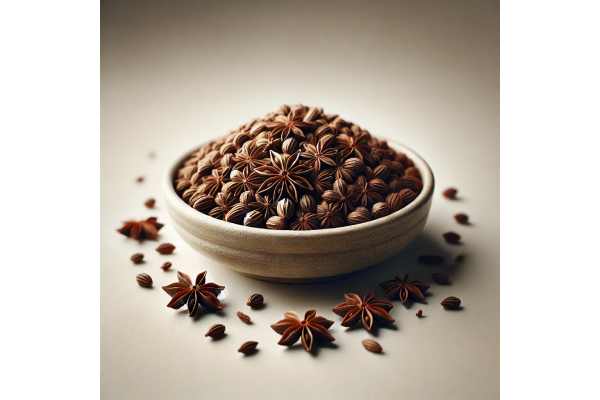
Anise is an annual herb in the parsley family (Apiaceae). The “seeds” used as a spice are actually small, gray-brown fruits with fine ridges. When crushed or gently warmed, they release a sweet, aromatic scent often described as licorice-like, though anise is a distinct plant from licorice root and from star anise.
Botanically, this matters. True anise (Pimpinella anisum) grows as a delicate plant with feathery leaves and umbels of white flowers. Star anise comes from a tree in a completely different family, and licorice is the root of another legume species. All three share some similar flavor compounds, especially anethole, but they differ in safety profiles and traditional uses. When you see “aniseed” on an ingredients list, it usually refers to Pimpinella anisum seed.
Culinary traditions use anise in several ways:
- Baking and sweets: breads, biscotti, cookies, cakes, aniseed loaves, and traditional holiday pastries.
- Savory dishes: spiced sausages, stews, pickles, and spice rubs, often in combination with coriander, cumin, or fennel.
- Beverages: herbal teas, digestive tisanes, and flavored spirits such as ouzo, raki, pastis, and anisette.
- Home remedies: infusions or gently simmered seeds for digestive comfort, breath freshening, or a warming night-time drink.
Anise is sold as whole seeds, ground powder, essential oil, or part of mixed blends such as chai or “digestive” herbal mixtures. Whole seeds give longer-lasting flavor and are less prone to rancidity, while ground anise is convenient for baking but loses aroma faster. Essential oil is extremely concentrated and should be used sparingly in food-grade products, never as a casual internal remedy.
In everyday cooking, even small amounts—½ to 1 teaspoon in a loaf of bread or a pot of tea—can noticeably shape the flavor. This strong aromatic quality is one reason traditional systems considered anise a carminative: something that helps release gas and make a heavy meal feel more comfortable.
Anise nutrition profile and actives
Because anise is used in small quantities, it is not a major calorie or macronutrient source, but it does deliver a concentrated package of minerals and plant compounds.
A typical tablespoon (about 7 g) of whole anise seed provides roughly:
- Energy: about 23 kcal
- Carbohydrates: ~3–3.5 g
- Protein: ~1.1 g
- Fat: ~1.0 g (mainly unsaturated)
- Fiber: ~1 g
For minerals, the same tablespoon offers approximate amounts in the low single-digit percentages of daily needs, but they add up over repeated use:
- Iron: around 2.5 mg (roughly 14% of a 2,000 kcal-based daily value)
- Calcium: around 40–45 mg
- Magnesium, phosphorus, potassium, manganese, and zinc in modest but meaningful quantities.
Per 100 g—an amount far beyond normal culinary use—anise is particularly dense in iron, calcium, and fiber. These values help explain why even a teaspoon of anise can contribute a noticeable share of iron and other minerals in a small, flavorful package.
Beyond standard nutrients, anise is rich in bioactive compounds:
- Essential oil (about 2–7% of seed weight): predominantly trans-anethole, often 80–90% of the oil, along with related aromatics such as estragole, para-anisaldehyde, and small amounts of other terpenes.
- Phenolic compounds and flavonoids: which contribute to antioxidant capacity and may help modulate inflammation and oxidative stress.
- Fatty acids: including linoleic and oleic acids in the fixed (non-volatile) oil fraction.
- Coumarins and other specialized metabolites: present in small amounts and still being studied for their physiological effects.
In laboratory tests, extracts of anise seeds and essential oil show antioxidant, antimicrobial, and mild anti-inflammatory activity, as well as effects on smooth muscle that may help explain traditional digestive uses. The dominant aromatic compound anethole has been studied separately, with evidence that it influences signaling pathways related to oxidative stress, blood sugar regulation, and lipid metabolism.
It is important to keep dosage in mind. The actual amount of these compounds that you ingest from sprinkling anise in cookies or brewing a mild tea is much lower than the doses typically used in experimental work. Culinary use offers gentle exposure; medicinal doses of seed powder, concentrated teas, or standardized extracts can be several times higher and should be approached with more caution.
Health benefits linked to anise
Traditional uses of anise span several systems: digestion, respiratory comfort, women’s health, and general “warming” or calming effects. Modern research has started to examine these claims, but most evidence remains preliminary, with many small or short-term studies and numerous animal or cell experiments.
1. Digestive comfort and gas relief
Anise has long been used as a carminative, meaning it may help relieve gas, bloating, and mild cramping. The essential oil relaxes smooth muscle in the gut in experimental settings, which could theoretically ease spasms and help trapped gas move along. Herbal blends containing anise, fennel, and other aromatics have been studied for functional dyspepsia and infant colic, with some improvement in symptoms. Because these formulas usually contain multiple herbs, it is hard to attribute the effects solely to anise, but its role as a key aromatic is consistent with tradition.
2. Menstrual and menopausal symptoms
Anise seed and its main compounds have mild estrogen-like (phytoestrogenic) activity. In clinical trials using anise seed powder or standardized extracts, women with painful periods reported reduced cramping intensity and shorter duration, and postmenopausal women experienced some reduction in hot flashes. These findings are promising but not definitive, and doses studied were higher than typical culinary use. For people with hormone-sensitive conditions, this same estrogenic activity is a reason for caution (discussed in the risk section).
3. Blood sugar, lipids, and metabolic health
In small human studies using several grams per day of anise seed powder in people with type 2 diabetes, researchers reported modest improvements in fasting blood sugar, triglycerides, and markers of oxidative stress. Animal studies using anise or purified anethole show support for healthier lipid profiles and improved insulin sensitivity, but these often involve doses not comparable to standard kitchen use. Anise should not replace prescribed diabetes treatments, yet it may have a supportive role within a broader dietary pattern when used sensibly.
4. Mood and sleep
Some trials of anise seed powder or oil capsules have noted reduced symptoms of mild to moderate depression, including postpartum depression, compared with placebo. The mechanisms are not fully clear but may involve modulation of neurotransmitters and inflammatory pathways, along with the psychological impact of a warm, pleasant-tasting ritual beverage. Evidence is still limited, and anyone with significant mood symptoms should seek professional care rather than relying on self-treatment with herbs.
5. Antimicrobial and antioxidant support
Anise essential oil and extracts show inhibitory activity against various bacteria and fungi in laboratory experiments. These effects may help explain the spice’s historical use in preserving foods and soothing minor digestive discomfort after questionable meals. In the body, however, concentrations are much lower than in petri dish studies, so it is better to think of anise as one small contributor to an overall diet rich in herbs and spices rather than as a natural antibiotic.
Overall, the research suggests that anise can be a helpful part of a health-supportive diet, especially for digestion and possibly for some aspects of women’s health and metabolic balance. At the same time, evidence is not strong enough to claim that anise alone treats or prevents specific diseases, and most benefits appear modest when separated from the broader lifestyle context.
Anise risks, allergies and interactions
For most healthy adults, using anise as a culinary spice is considered low risk. Problems are more likely when doses are much higher than typical food use, when essential oil is taken internally, or when there are specific medical conditions or allergies.
Allergy and cross-reactivity
Anise belongs to the Apiaceae family, which also includes celery, carrot, coriander, dill, fennel, and cumin. Some individuals with pollen or food allergies in this family may react to anise, experiencing itching, hives, swelling of the lips or tongue, or, in rare cases, more serious reactions. People with known celery or fennel allergy should be cautious with anise and discuss it with their allergist.
Hormone-sensitive conditions
Because anise and its compounds can have mild estrogen-like effects, concentrated forms may not be appropriate for people with hormone-sensitive cancers (such as some breast, ovarian, uterine, or prostate cancers), a history of these conditions, or those taking hormone therapies. Culinary amounts in foods are unlikely to produce major hormonal shifts, but medicinal doses of seeds, extracts, or essential oil should only be used under professional guidance in these situations.
Pregnancy, breastfeeding, and infants
Small amounts of anise as a flavoring in food are generally considered acceptable for pregnant and breastfeeding adults unless there is a specific allergy. Traditional medicine sometimes uses anise to support milk production or menstrual regulation, but safety data in pregnancy and lactation at higher doses are limited. In addition, herbal teas for infant colic have occasionally been contaminated with or confused with other species, including toxic forms of star anise. For these reasons, strong anise teas, extracts, or essential oils are not recommended for infants and very young children without direct pediatric supervision.
Estragole and long-term safety
Anise essential oil contains small amounts of estragole, a compound that has shown genotoxic and carcinogenic potential in high-dose animal experiments. Regulatory assessments have concluded that dietary exposure from normal culinary use is unlikely to pose a significant risk, but long-term, high-dose exposure from concentrated oils or supplements is more concerning. This is one reason to avoid self-prescribing large or prolonged doses of anise essential oil, especially in children, during pregnancy, or in those with liver disease.
Drug interactions (theoretical and observed)
Anise and anethole may influence pathways involved in blood sugar control, blood clotting, and hormone metabolism. As a result, there is potential—though not yet well-quantified—for interactions with:
- Antidiabetic medications: combined use could increase the risk of low blood sugar.
- Anticoagulant or antiplatelet drugs: in theory, high doses of some aromatics may influence clotting.
- Hormone therapies: due to phytoestrogenic effects.
- Sedatives: if anise is combined with other calming herbs or medications, it may modestly add to drowsiness.
Anyone taking prescription medication, particularly for diabetes, blood clotting, or hormone-related conditions, should check with their clinician before using anise in medicinal quantities. Culinary amounts incorporated into meals are usually less of a concern.
Finally, people should purchase clearly labeled products from reputable suppliers to avoid confusion between anise, star anise, and other similar-looking spices. Misidentified herbs, especially in teas or bulk products, are a preventable cause of adverse events.
Buying and storing anise well
Selecting good-quality anise helps you capture its flavor and potential benefits while minimizing waste.
Whole seeds versus ground
Whole anise seeds hold their volatile oils more securely than pre-ground powder. When you need strong flavor—for example, in breads, biscotti, or spice blends—it is often better to buy whole seeds and grind small quantities fresh with a mortar and pestle or spice grinder. Pre-ground anise is convenient and works well in recipes where it is thoroughly blended, but it loses aroma faster and should be used within several months of opening.
What to look for when buying
- Color and appearance: seeds should be uniform, clean, and a warm gray-brown or greenish-tan, without excessive dust or broken pieces.
- Aroma: gently crush a seed between your fingers; it should release a strong, sweet, licorice-like fragrance. Weak or stale aroma suggests old stock.
- Packaging: choose airtight containers protected from light—tins, dark glass jars, or well-sealed pouches. Avoid packages stored in direct sunlight or near heat.
- Origin and labeling: trustworthy brands that clearly state “Pimpinella anisum” help avoid confusion with other species. Organic certification can be useful if you want to limit pesticide residues, especially when using anise frequently.
Sustainability considerations
Anise is predominantly grown in regions with long traditions of cultivation, including parts of the Mediterranean, Southwest Asia, and North Africa. As a hardy annual with relatively low input needs, it generally has a smaller environmental footprint than many perishable foods, especially when shipped dried. Opting for suppliers that highlight sustainable farming practices, fair relationships with growers, or organic production can support both environmental and social responsibility.
Storage for maximum quality
- Temperature: keep anise in a cool, dry place, away from ovens, stoves, or radiators.
- Light: store in opaque or dark containers when possible to protect essential oils from light degradation.
- Air: minimize air exposure by keeping lids tightly closed and avoiding frequent, long openings of bulk containers.
As a rough guide, whole anise seeds can maintain good flavor for 1–3 years under ideal storage conditions, while ground anise is best used within 6–12 months. If the aroma fades significantly or the flavor tastes flat or slightly rancid, it is time to replace your supply. Well-stored spice not only improves taste but may also preserve more of the delicate volatile and antioxidant compounds.
Cooking with anise and nutrients
Anise is versatile in the kitchen, and how you use it affects both flavor and retention of its aromatic compounds.
Basic culinary techniques
- Dry toasting: Gently toast whole seeds in a dry pan over low heat for 1–3 minutes, stirring constantly, until fragrant. This enhances aroma but can also drive off some volatile oils if overdone, so keep the heat moderate.
- Grinding: Once cooled after toasting, grind seeds just before use for the most intense flavor. A small coffee or spice grinder, or a mortar and pestle, works well.
- Infusions and teas: For a simple digestive tea, lightly crush ½–1 teaspoon of seeds, pour over about 250 ml of hot (not vigorously boiling) water, cover, and steep for 5–10 minutes before straining. Covering the cup helps trap volatile oils that might otherwise escape with the steam.
- Simmered blends: In soups and stews, add whole seeds early in cooking so they have time to soften and release their flavor, or include them in a spice sachet that can be removed before serving.
Balancing flavor with other spices
Anise pairs well with warm spices such as cinnamon, cloves, and nutmeg in sweet recipes, and with coriander, cumin, and fennel in savory dishes. Because its flavor is assertive, start with small amounts—¼ to ½ teaspoon in a dish serving four people—and adjust in future batches.
Nutrient and phytochemical retention
Most of the compounds of interest in anise are volatile or heat-sensitive to some degree:
- Essential oils and aroma: prolonged boiling or toasting at high heat will gradually drive off anise’s fragrant components. Shorter cooking times and covered pots or cups help retain more of these aromatics.
- Minerals and fiber: iron, calcium, and fiber are more heat-stable and remain in the seeds even with cooking, though they may leach into the cooking liquid in soups or teas. Consuming both the liquid and the softened seeds captures more of this value.
- Fat-soluble components: some compounds dissolve better in fat, so incorporating anise into oil- or butter-based dishes may improve extraction of certain aromatics.
To balance flavor and potential benefits:
- Add ground anise late in cooking when possible, especially in sauces or stews.
- For teas, avoid boiling seeds for long periods; simmer very gently or pour hot water over them and keep the vessel covered.
- Use fresh, well-stored spices so you start with a strong aromatic content; no preparation method can fully compensate for stale seeds.
Many traditional recipes already reflect these principles. Anise is often baked into breads where it is shielded in dough, steeped gently in milk or water before being added to desserts, or included in after-meal teas that are covered during steeping. These methods evolved not only for taste but also for making the most of the plant’s aromatic properties.
Anise portions, comparisons and FAQs
Because anise is potent, you do not need large quantities to enjoy its flavor or potential benefits. At the same time, having some guidance helps you use it confidently and safely.
Typical serving ranges for adults
- Culinary use in food: ½–1 tablespoon of seeds spread across a whole recipe (for example, a loaf of bread or a pot of soup) is common and generally considered reasonable for healthy adults.
- Herbal tea or infusion: ½–1 teaspoon (about 1–2 g) of lightly crushed seeds per 250 ml cup, up to 2–3 cups per day for short periods, is often used in traditional practice.
- More concentrated medicinal doses: studies have used around 3 g of seed powder daily, sometimes divided into several doses. Such amounts should be discussed with a qualified practitioner, especially if you take medication or have chronic health conditions.
For children, doses are usually significantly lower and adjusted for body weight. Because of limited safety data and the risk of misidentified herbs, strong anise preparations are not recommended for infants and very young children without specific medical guidance.
How does anise compare with similar flavors?
- Anise vs. fennel seed: both have sweet, licorice-like notes and share some active compounds. Fennel seeds are slightly milder and often used in larger quantities in cooking. Nutritionally, both provide fiber, minerals, and aromatics, but in different proportions.
- Anise vs. star anise: star anise (commonly used in Chinese five-spice) has a more intense, sometimes sharper licorice flavor. Its chemistry and safety profile are not identical to anise. Toxic adulterants have occasionally been found in star anise products, which is why accurate labeling is important.
- Anise vs. licorice root: licorice root contains glycyrrhizin, a compound that can raise blood pressure and affect electrolytes at high intake. Anise does not contain glycyrrhizin, so it does not share this particular concern, though it has its own considerations related to estragole and estrogen-like activity.
Common questions
- Can I use anise every day?
Moderate culinary use in recipes is generally fine for most healthy adults. Daily medicinal doses or strong teas for long periods should be reviewed with a healthcare professional, particularly if you take medications or have chronic conditions. - Is anise good for weight loss?
Anise is low in calories and may support digestion and a pleasant, satisfying flavor profile in healthier recipes. However, there is no strong evidence that it directly promotes weight loss. It is better viewed as part of an overall balanced eating pattern. - Is anise tea safe in pregnancy?
Small amounts as a flavor in food or an occasional mild tea are generally considered acceptable in the absence of allergy, but stronger or frequent medicinal doses have not been well studied. Because of mild hormone-like effects, it is safest to avoid high-dose preparations in pregnancy unless recommended and monitored by your clinician. - Can anise replace my medication?
No. Even where research suggests support for blood sugar, lipids, menstrual symptoms, or mood, anise should be considered complementary to—not a replacement for—prescribed treatments and medical care.
Used thoughtfully, anise can be an enjoyable addition to both your spice rack and your broader well-being routine: flavorful, aromatic, and supportive, but best approached as one piece of a larger, evidence-informed lifestyle.
References
- Review of Pharmacological Properties and Chemical Constituents of Pimpinella anisum 2012 (Review)
- A Multidimensional Review of Pimpinella anisum and Recommendation for Future Research to Face Adverse Climatic Conditions 2023 (Review)
- Chemical Constituents, Antioxidant Potential, and Antimicrobial Efficacy of Pimpinella anisum Extracts against Multidrug-Resistant Bacteria 2023 (Experimental Study)
- Dietary anethole: a systematic review of its protective effects against metabolic syndrome 2023 (Systematic Review)
Disclaimer
The information in this article is intended for general education and should not be taken as personal medical advice, diagnosis, or treatment. Anise, like all herbs and spices, can interact with medications and underlying health conditions, and its effects may differ from person to person. Always consult a qualified healthcare professional before making changes to your diet, using herbal products in medicinal doses, or adjusting any prescribed treatment, especially if you are pregnant, breastfeeding, have chronic illness, or are giving herbs to children.
If you found this article useful, you are warmly invited to share it with others—on Facebook, X (formerly Twitter), or any platform you prefer. Thoughtful sharing helps more readers access reliable information and supports the continued creation of careful, high-quality content.