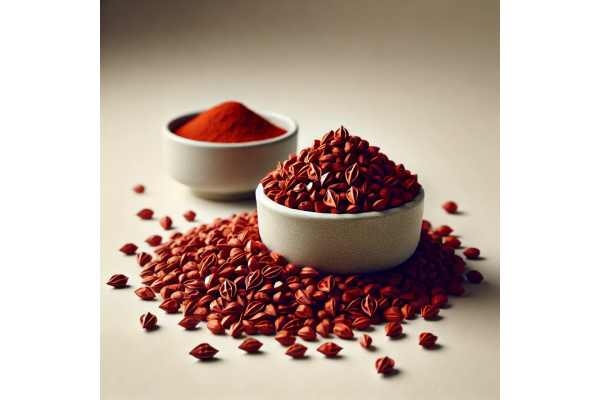
Annatto, also known as achiote, is a brick-red seed that quietly does a lot of work in the food world. It colors cheeses, butter, snacks, and traditional dishes from Latin America to the Philippines, and it also appears in concentrated supplement form as vitamin E–rich tocotrienols. Beyond its vivid orange-red hue, annatto contains carotenoid pigments such as bixin and norbixin and a distinctive profile of antioxidants that have attracted attention for potential roles in heart, bone, and metabolic health.
At the same time, most people consume annatto in very small quantities, and its health impact depends heavily on the form and dose—whether it is a pinch of seeds in a stew or a concentrated capsule. This guide explains what is currently known about annatto’s nutrition, evidence-based benefits, possible risks, and practical kitchen uses, so you can decide how it fits into your own eating pattern and when caution makes sense.
Annatto and Achiote at a Glance
- Provides carotenoids (bixin, norbixin) and tocotrienols with antioxidant and anti-inflammatory activity, mainly studied in supplements and extracts.
- Generally safe as a food coloring and seasoning, but rare allergic reactions and digestive discomfort (including IBS flare-ups) have been reported.
- A typical culinary amount is about 0.5–1 teaspoon (1–2 g) of seeds or powder or 1–2 tablespoons of annatto-infused oil, used a few times per week in place of other colorants.
- High-dose annatto or tocotrienol supplements should be avoided or used cautiously by people who are pregnant, breastfeeding, taking blood thinners or diabetes medications, or who have a history of severe food allergies.
Table of Contents
- Annatto Overview and Origins
- Annatto Nutrition and Compounds
- Annatto Health Benefits Explained
- Annatto Risks Allergies and Interactions
- Choosing and Storing Annatto
- Cooking With Annatto Safely
- Annatto Portions Comparisons and FAQs
Annatto Overview and Origins
Annatto comes from the seeds of Bixa orellana, a shrub or small tree native to Central and South America and now cultivated throughout the tropics. The seeds sit inside spiky, heart-shaped pods and are coated with a red waxy layer rich in carotenoid pigments. When people talk about annatto or achiote in the kitchen, they usually mean either the whole dried seeds, a ground powder, or a paste or oil made from those seeds.
Historically, indigenous communities used annatto as a body paint, textile dye, and medicine long before it became a staple food colorant. Today it is one of the most widely used natural colorants in the food industry. Under additive regulations, annatto extracts are often labeled as “annatto,” “annatto extract,” “achiote,” “Bixa orellana,” or “E 160b” on ingredient lists. You will commonly find it in cheeses, butter, margarine, smoked fish, baked goods, snacks, breakfast cereals, and processed meats, where it provides the familiar golden or orange tone many consumers now expect.
In home cooking, annatto has a more culinary personality. Whole seeds are gently heated in oil or lard to produce a bright red-orange fat that can be used to sauté rice, vegetables, or meat. Ground annatto is blended with spices, garlic, and citrus juice into pastes such as recado rojo in Mexican and Central American cuisine or sazón-style seasonings in the Caribbean. These preparations contribute both color and a subtle flavor often described as earthy, slightly peppery, and faintly nutty.
From a health perspective, it is important to distinguish between the tiny amounts of pigment that end up in a slice of cheese and the concentrated extracts used medicinally or as dietary supplements. While regulators evaluate annatto primarily as a food additive and colorant, researchers are also interested in its bioactive components—especially the carotenoid bixin and the vitamin E–like tocotrienols—for their potential anti-inflammatory and antioxidant actions.
Despite the long history of culinary use, modern research on annatto is still developing. Traditional practices suggest many possible applications, but only some have been studied systematically. For most people, annatto will remain a minor but colorful accent in meals; understanding how it is produced and used helps you make informed choices about how much and which forms fit best into your diet.
Annatto Nutrition and Compounds
Annatto is used in such small quantities that it contributes very little to daily calories, protein, carbohydrates, or fat for most people. A teaspoon (about 2 g) of ground annatto seeds or a tablespoon of annatto-infused oil spread across several servings of food adds only a few calories. The carrier oil or fat in commercial colorings and home-infused oils usually has more nutritional impact than the pigment itself.
Where annatto becomes interesting is its concentration of biologically active compounds. The seed’s waxy coating provides a mix of carotenoids, with bixin as the main oil-soluble pigment and norbixin as a more water-soluble derivative. These carotenoids are structurally related to beta-carotene and other plant pigments and can neutralize reactive oxygen species in laboratory systems. In many extracts, bixin can account for a large majority of the total carotenoids, while norbixin predominates in certain water-based preparations.
Beyond carotenoids, annatto seeds contain a distinctive fraction of vitamin E–related molecules called tocotrienols. Unlike many plant oils that contain both tocopherols (the better-known vitamin E forms) and tocotrienols, annatto’s lipid fraction is rich in delta- and gamma-tocotrienol with little or no tocopherol. This unusual profile has drawn attention because tocotrienols may have stronger antioxidant and anti-inflammatory effects than alpha-tocopherol in some models. Concentrated annatto tocotrienol supplements may deliver several hundred milligrams per day, whereas a typical culinary use likely provides only trace amounts.
The seeds and leaves also provide smaller quantities of other phytochemicals—such as flavonoids, tannins, and essential oils—that may contribute to antimicrobial or anti-inflammatory activity in experimental studies. Essential oil distilled from the leaves, for example, contains a range of volatile compounds with antioxidant and antimicrobial properties, but these are present at very low levels in standard food uses.
From a nutritional standpoint, the key points are:
- Macronutrients: Negligible in normal culinary quantities; annatto does not meaningfully change the energy, protein, or carbohydrate content of a dish.
- Carotenoids: Bixin and norbixin are the major pigments; they contribute antioxidant capacity and are responsible for the vivid color.
- Vitamin E–related compounds: Delta- and gamma-tocotrienols are prominent in annatto oil and specialized supplements, with potential systemic effects at supplement doses.
- Other phytochemicals: Polyphenols and essential oil constituents add complexity but are best thought of as contributing background support rather than primary nutrients.
Regulatory bodies evaluate bixin and norbixin specifically when setting acceptable daily intakes (ADIs). One widely used set of safety thresholds places the ADI around 6 mg per kilogram of body weight per day for bixin and 0.3 mg per kilogram for norbixin, acknowledging that these two pigments have different toxicological profiles. In exposure assessments, most adults consuming annatto-colored foods fall below these levels, while high consumers among toddlers and children may approach or slightly exceed the norbixin threshold in certain scenarios.
Overall, annatto is better described as a functional colorant rich in specialized plant compounds than as a source of macronutrients or vitamins at typical culinary doses. To obtain potentially meaningful systemic effects from its carotenoids or tocotrienols, supplement-level intakes are usually required, and those bring different safety considerations.
Annatto Health Benefits Explained
Research on annatto’s health effects ranges from traditional medicine reports and cell studies to animal models and controlled human trials. While the picture is still evolving, several potential benefit areas have some supporting evidence, particularly for purified bixin and annatto-derived tocotrienols.
Antioxidant and Anti-inflammatory Effects
Bixin and norbixin have demonstrated antioxidant activity in many experimental models. They can quench free radicals, protect lipids from oxidation, and reduce markers of oxidative stress. A recent scientific review of bixin’s actions summarized how it can influence key inflammatory signaling pathways, including those involving NF-κB and inflammasome-related mechanisms, in cell and animal studies. These mechanisms help explain why bixin-rich extracts sometimes reduce inflammatory markers and tissue damage in models of cardiovascular disease, metabolic stress, and skin damage.
Tocotrienols from annatto oil also have notable antioxidant potential. In laboratory experiments and animal studies, they help protect cell membranes, modulate inflammatory cytokines, and limit oxidative damage in tissues including bone, liver, and joints. The combination of carotenoids and tocotrienols makes annatto a compact source of compounds that can dampen oxidative and inflammatory stress—at least in experimental systems.
Cardiometabolic and Vascular Health
Human data are more limited but suggest several possible benefits. In one small clinical trial, healthy volunteers consumed test meals enriched with bixin or norbixin. Norbixin intake, at doses within regulatory limits, lowered measures of lipid oxidation and inflammatory cytokines in the post-meal period without worsening blood lipids or glucose. In other studies, annatto-derived tocotrienol supplements, taken alongside a heart-conscious diet, have improved certain blood lipid patterns and inflammatory markers in people with elevated cholesterol, although not every trial has shown the same magnitude of effect.
A separate randomized trial in healthy adults examined eggs enriched with annatto compared with ordinary eggs or egg whites. While objective markers such as ghrelin and blood lipids did not change dramatically, participants consuming the annatto-enriched eggs reported modest improvements in perceived satiety. This suggests annatto can be incorporated into nutritionally balanced foods without obvious adverse cardiometabolic effects and may influence appetite perception in some contexts.
Bone and Joint Health
Annatto tocotrienols have been studied for their bone-related effects. In postmenopausal women with low bone density, supplementation with annatto-derived tocotrienols for around 12 weeks improved markers that reflect reduced bone resorption and oxidative stress, without notable adverse effects on liver or kidney function. Animal studies in osteoarthritis models also indicate that annatto tocotrienols can help protect cartilage and subchondral bone from damage, leading to better joint histology and lower expression of inflammatory markers. Whether these findings translate into meaningful reductions in fracture risk or long-term joint symptoms in humans is still unknown, but they highlight a promising direction.
Antimicrobial and Skin-related Actions
Traditional uses of annatto leaves and seeds include treatments for skin infections, wounds, and inflammatory conditions. Modern research supports at least some of these observations. Extracts of Bixa orellana have shown activity against a range of bacteria and fungi in laboratory tests, and a recent scoping review concluded that annatto-based preparations have relevant antimicrobial potential and technological prospects, including as natural food preservatives. Essential oil from annatto leaves also demonstrates antimicrobial and antioxidant effects in vitro.
For now, it is important to distinguish between topical or concentrated preparations used under professional guidance and daily dietary exposure. The small amounts of annatto used to color foods are unlikely to provide strong antimicrobial or skincare benefits on their own, but they appear compatible with broader strategies to support immune and skin health.
How Much Do Everyday Uses Matter?
Most of the more striking effects—on lipid oxidation, bone markers, or joint tissue—come from trials using standardized supplements or carefully formulated foods, not from the trace quantities present in a slice of cheese or a spoonful of yellow rice. Culinary use of annatto is best thought of as contributing modestly to your overall antioxidant intake and allowing you to rely less on synthetic colorants, rather than as a stand-alone therapy for specific conditions.
Used in that context—within an overall healthy diet rich in vegetables, fruits, whole grains, and other plant pigments—annatto may offer subtle but worthwhile support, while concentrated extracts or tocotrienol supplements remain more specialized tools that should be used with medical guidance.
Annatto Risks Allergies and Interactions
For most people, annatto used as a food coloring or seasoning is well tolerated. However, like any bioactive plant substance, it carries some potential downsides—particularly for sensitive individuals or at high supplemental doses.
Allergic Reactions and Sensitivities
Although uncommon, allergic reactions to annatto have been documented. Symptoms can include hives, swelling of the lips or face, low blood pressure, and, in rare cases, more severe reactions. These events are thought to be related to trace seed proteins that remain in some preparations. People with a history of severe food allergies, especially to seeds, should be cautious when introducing annatto-containing products and seek medical advice if any symptoms appear.
Some individuals with irritable bowel syndrome (IBS) or other functional gut disorders report worsening abdominal pain, bloating, or altered bowel habits after consuming foods containing annatto coloring. This may reflect individual sensitivity to specific components or to combinations of additives and fats in processed foods where annatto is commonly used. For those with IBS, a structured elimination-and-rechallenge approach under dietitian guidance can help determine whether annatto is a personal trigger.
Acceptable Daily Intake and High Exposure
Regulators evaluate bixin- and norbixin-based annatto extracts as food additives and have set acceptable daily intake values for both pigments. As noted earlier, one commonly used set of thresholds is roughly 6 mg per kilogram of body weight per day for bixin and 0.3 mg per kilogram for norbixin.
Dietary exposure estimates suggest that, under typical conditions, most adults and adolescents remain below these levels, even if they consume several annatto-colored products in a day. However, in worst-case scenarios—such as toddlers or young children who regularly consume large amounts of brightly colored snacks, processed cheeses, and other highly pigmented foods—intake of norbixin could approach or slightly exceed the more conservative threshold. This does not automatically mean harm, but it has prompted regulators to refine permitted uses and encourages moderation in highly colored processed foods for young children.
Digestive Effects and Overuse
At high doses, annatto leaf preparations and concentrated seed extracts have been associated with constipation in some supplements and anecdotal reports of digestive discomfort or bowel habit changes. Because these forms can deliver far more pigment and other compounds than culinary use, it is wise not to exceed the doses studied in clinical trials or those recommended by manufacturers, and to discontinue use if persistent digestive symptoms occur.
Overconsumption of annatto-flavored or annatto-colored processed foods also tends to mean high intake of saturated fat, sodium, and refined carbohydrates—factors that overshadow any potential benefit of the pigment itself. In practice, risks often come more from the overall product than from annatto alone.
Drug Interactions and Special Populations
Annatto extracts and tocotrienol supplements may interact with certain medications and health conditions:
- Blood sugar–lowering drugs and herbs: Experimental and early human data indicate that annatto components may influence glucose metabolism. Combined with diabetes medications or glucose-lowering herbal products, there is a theoretical risk of low blood sugar or changes in drug effectiveness.
- Anticoagulant or antiplatelet therapy: High doses of vitamin E–like compounds, including tocotrienols, can affect blood clotting parameters in some settings. People on warfarin, direct oral anticoagulants, or high-dose antiplatelet therapy should avoid high-dose annatto tocotrienol supplements unless supervised by a clinician who can monitor coagulation markers.
- Drugs metabolized by liver enzymes: Some components of annatto may influence liver enzyme activity involved in drug metabolism. While clinical evidence is limited, caution is appropriate for people taking multiple medications with narrow safety margins.
Pregnant and breastfeeding individuals should avoid annatto supplements and medicinal preparations due to insufficient safety data. Normal culinary use is generally regarded as acceptable, but any new or concentrated form should be discussed with a healthcare professional.
People with chronic liver or kidney disease, bleeding disorders, or complex medication regimens should also consult their care team before using high-dose annatto extracts, even if small amounts in food are allowed.
Choosing and Storing Annatto
Annatto appears in markets and product labels in several forms, each with slightly different properties and best uses. Making informed choices helps you enjoy the color and flavor while minimizing unwanted additives.
Main Culinary Forms
- Whole seeds: Sold dried, often in small bags or jars. They are hard and not usually eaten directly; instead, they are steeped in hot oil or water to extract color and flavor. Whole seeds keep their potency longer than ground forms.
- Ground annatto or achiote powder: Convenient but more prone to losing color and aroma over time. Sometimes mixed with other spices or filler ingredients, so labels should be checked carefully.
- Achiote paste: Common in Mexican and Central American cooking, this combines ground annatto with garlic, herbs, spices, salt, and acid (such as vinegar or citrus juice). It is designed to be diluted into marinades and stews.
- Annatto-infused oil: Either homemade or commercially prepared, this is simply oil in which seeds have been steeped to transfer pigment. The nutritional profile reflects the base oil (often vegetable oil) more than the annatto itself.
On packaged foods, you may see annatto listed alone or alongside other colorants. If you are sensitive or trying to reduce additive intake, scan labels for terms such as “annatto,” “achiote,” “Bixa orellana,” or “E 160b.”
Supplements and Extracts
Annatto-derived supplements typically fall into two categories:
- Tocotrienol capsules: Standardized to deliver specific doses (for example, 125–600 mg per day) of delta- and gamma-tocotrienol. These are marketed for cardiovascular, bone, or antioxidant support.
- Bixin or annatto extract powders and liquids: Used in some nutraceutical formulations or combined with other botanicals for joint, muscle, or metabolic support.
Because supplement quality and composition can vary widely, it is crucial to choose products from reputable manufacturers that disclose standardized content, batch testing, and clear dosing instructions. Independent third-party certification and transparent labeling are positive signs.
Quality and Sustainability Considerations
High-quality annatto seeds should have a strong, even brick-red color and a clean, slightly peppery smell. Dull, faded, or musty-smelling seeds may have been stored poorly or for too long. For ground annatto and pastes, avoid products with excessive added salt, artificial dyes, or unnecessary preservatives if your goal is a more natural ingredient.
From a sustainability perspective, annatto is generally considered a relatively low-impact crop when grown in its native or long-established regions. However, as demand for natural colorants grows, responsible sourcing matters. Brands that disclose origin, support fair trade practices, or work with smallholder farmers can help ensure that increased production benefits local communities and avoids deforestation.
Storage Best Practices
To maintain color, flavor, and safety:
- Store whole seeds and ground annatto in airtight containers away from heat, light, and moisture—ideally in a dark cupboard.
- Use ground annatto within 6–12 months; whole seeds can often retain color for longer, but it is still best to buy quantities you will reasonably use.
- Keep achiote paste in the refrigerator once opened and use it within the time frame suggested on the label; if homemade, aim to use within 1–2 weeks or freeze portions.
- Annatto-infused oils should be stored in a cool, dark place and used within a month or two; refrigeration can extend shelf life but may cloud the oil (which usually clears at room temperature).
Following these simple steps preserves annatto’s vivid color and reduces the risk of rancidity or off-flavors.
Cooking With Annatto Safely
Annatto is a flexible ingredient that works in both traditional recipes and modern healthy cooking. With a few techniques, you can get rich color and gentle flavor without overdoing it.
Extracting Color and Flavor
To make annatto oil at home:
- Add 1–2 tablespoons of whole annatto seeds to ½ cup (120 ml) of neutral oil such as avocado, canola, or light olive oil.
- Warm gently over low heat, stirring occasionally, until the oil turns a deep orange-red. Avoid letting the seeds darken or smoke, which can introduce bitterness.
- Remove from heat, cool, and strain out the seeds. Store as described in the previous section.
Use this oil to sauté onions, garlic, or spices for rice, stews, or beans, or drizzle a small amount into marinades for poultry or fish. Because the pigment is fat-soluble, this method gives more intense color and better dispersion than adding dry seeds directly to watery dishes.
For water-based dishes, you can simmer seeds in a small amount of hot water or stock and then strain, using the colored liquid as part of the cooking base. Water extractions emphasize norbixin, which gives a slightly more yellow tone compared with the redder bixin-rich oil.
Balancing Flavor and Nutrition
Annatto’s flavor is subtle; it does not dominate a dish the way turmeric, smoked paprika, or chili powder can. This makes it ideal when you want a golden or orange hue without significantly changing taste. Combining annatto with garlic, cumin, citrus, oregano, or allspice—common in Latin American marinades—adds aromatic complexity while keeping heat levels moderate.
From a nutrition standpoint, annatto works best as part of recipes that already align with healthy eating patterns:
- Use annatto oil in place of palm oil or butter in some dishes to modestly improve the fat profile, choosing heart-healthy base oils.
- Add annatto to vegetable-rich stews, legumes, or whole-grain pilafs to make them visually appealing, which can encourage higher intake of nutrient-dense foods.
- Incorporate annatto into marinades for lean meats or fish, emphasizing herbs, citrus, and modest amounts of added fat and salt.
Protecting Sensitive Individuals
If you or someone in your household has known sensitivities, take a cautious approach:
- Introduce annatto in small amounts and keep a simple food diary to track any digestive or allergic symptoms.
- When cooking for someone with severe allergies, check labels on packaged foods, as annatto can appear in unexpected places such as snack chips, flavored yogurts, and desserts.
- For IBS or other gut conditions, test annatto in the context of otherwise well-tolerated meals to reduce confounding factors.
In recipes, it is straightforward to adjust quantities. If a dish calls for 1 teaspoon of ground annatto, try half that amount initially and increase in future preparations if well tolerated.
Preserving Beneficial Compounds
Carotenoids and tocotrienols are sensitive to heat, light, and oxygen, though they are reasonably stable under typical cooking conditions. To preserve them as much as practical:
- Avoid prolonged high-temperature frying with annatto oil; use moderate heat and shorter cooking times.
- Add annatto toward the beginning of cooking to disperse color, but avoid repeated reheating of colored oils or sauces.
- Store annatto-containing oils and pastes as recommended to limit oxidative degradation.
Even with careful handling, it is important to remember that culinary annatto is not a major nutrient supplement. The goal is to maintain color and subtle functional value rather than to deliver precise doses of carotenoids or tocotrienols.
Annatto Portions Comparisons and FAQs
Portion size is one of the most practical levers you can control with annatto. Understanding typical amounts and how annatto compares to other color-rich ingredients helps you use it confidently.
Typical Culinary Portions and Frequency
For home cooking, reasonable guideline amounts include:
- Whole seeds: Around 1–2 teaspoons (2–4 g) of seeds to color enough oil or liquid for a dish serving 4–6 people.
- Ground annatto: About ½–1 teaspoon (1–2 g) mixed with other spices for a family-sized pot of stew, rice, or marinade.
- Annatto oil: 1–2 tablespoons used to sauté aromatics or as part of a marinade, with the rest of the oil in the recipe supplied by the same or another healthy fat.
Used this way a few times per week, annatto remains well within exposure levels considered safe for healthy adults and older children, assuming the rest of the diet is varied and not dominated by heavily colored processed foods. Populations that consume annatto daily in traditional cuisines have not shown clear patterns of harm attributable to the pigment itself, though total diet quality and lifestyle always matter.
Supplement Doses in Studies
When annatto is used in supplement form, doses are much higher and require more care:
- Tocotrienol supplements derived from annatto often provide between about 125 and 600 mg per day for several weeks to a few months in research settings. These doses appear generally safe in monitored trials of adults, with liver and kidney markers remaining stable, but longer-term data are limited.
- Bixin or norbixin-containing preparations used for research on oxidative stress or cardiovascular markers often use single doses calibrated per kilogram of body weight in controlled settings. It is not appropriate to extrapolate these directly to unsupervised home use.
Because of uncertainties about long-term effects and interactions, supplement-level intakes should always be discussed with a qualified healthcare practitioner, especially if you have chronic conditions or take prescription medications.
How Annatto Compares With Other Natural Colorants
- Versus turmeric: Both can give yellow to orange color, but turmeric has a more assertive earthy, slightly bitter flavor and is rich in curcumin, a different class of antioxidant. Annatto is milder in flavor and more orange-red. In recipes where you want warmth without turmeric’s distinct taste, annatto is often preferable.
- Versus paprika and chili powders: These also provide red pigments and varying levels of heat. Paprika and chili powders contribute more noticeable flavor and can be spicy. Annatto offers color with minimal heat, making it suitable for milder dishes or for people who avoid chili.
- Versus saffron: Saffron provides a golden hue and a distinct floral aroma but is expensive. Annatto can be used when budget is a major concern and saffron is impractical, though the flavor profile will differ.
Using a mix of these colorants throughout the week gives variety in both taste and phytochemical exposure.
Common Annatto FAQs
Is annatto safe for children?
In modest amounts—such as the quantities used to color cheese or occasional snacks—annatto is generally considered safe for children who do not have specific allergies. Because high consumption of highly colored processed foods can push pigment exposure higher, it is wise to limit such foods and emphasize minimally processed meals, especially for toddlers and young children.
Is annatto gluten-free and suitable for vegetarian or vegan diets?
Annatto itself is a plant-derived ingredient and naturally gluten-free. However, pastes, seasonings, or colored products may contain gluten or animal-derived components, so always check the full ingredient list if you follow a strict dietary pattern.
If I avoid artificial colors, should I still be cautious with annatto?
Yes. “Natural” does not guarantee that a substance will be tolerated by everyone. Annatto is a reasonable alternative to synthetic dyes for many people, but if you have a history of food sensitivities, start with small amounts and watch for reactions.
Do I get meaningful vitamin E from using annatto in cooking?
Culinary uses of annatto contribute only small amounts of tocotrienols compared with dedicated supplements. The health impact of these trace amounts is likely modest. Think of annatto as one part of a broader pattern of eating colorful plant foods rather than as a primary source of vitamin E–like compounds.
How can I tell if a product contains annatto?
Look for terms such as “annatto,” “achiote,” “Bixa orellana,” or the additive code “E 160b” in the ingredient list. If you are trying to avoid annatto due to allergies or sensitivities, it is safest to check every processed product, including snacks, cheeses, flavored dairy foods, and baked goods.
References
- Therapeutic potential of bixin on inflammation: a mini review 2023 (Systematic Review)
- A 12-week evaluation of annatto tocotrienol supplementation for postmenopausal women: safety, quality of life, body composition, physical activity, and nutrient intake 2018 (RCT)
- Exposure assessment of annatto colouring principles bixin and norbixin (E 160b) when used as food additives 2017 (Risk Assessment)
- Annatto-Enriched Egg Improves the Perception of Satiety in Healthy Adults—Randomized Clinical Trial: EGGANT Study 2024 (RCT)
- Bixa orellana L. (Achiote, Annatto) as an antimicrobial agent: A scoping review of its efficiency and technological prospecting 2022 (Scoping Review)
Disclaimer
The information in this article is intended for general educational purposes only and does not replace individualized medical advice, diagnosis, or treatment. Annatto and annatto-derived supplements can have different effects depending on your health status, medications, and overall diet. Always consult a qualified healthcare professional before making significant changes to your supplement routine, using concentrated extracts, or relying on any food or botanical product to manage medical conditions.
If you found this guide helpful, you are warmly invited to share it with others—on Facebook, X (formerly Twitter), or any platform you prefer. Thoughtful sharing helps more readers access balanced, evidence-informed nutrition content and supports the ongoing work of creating resources like this one.