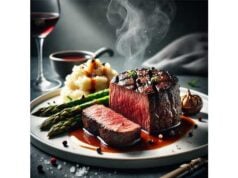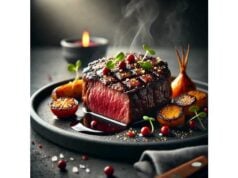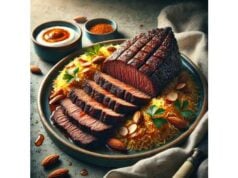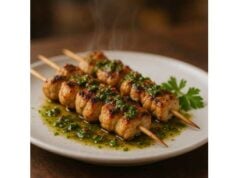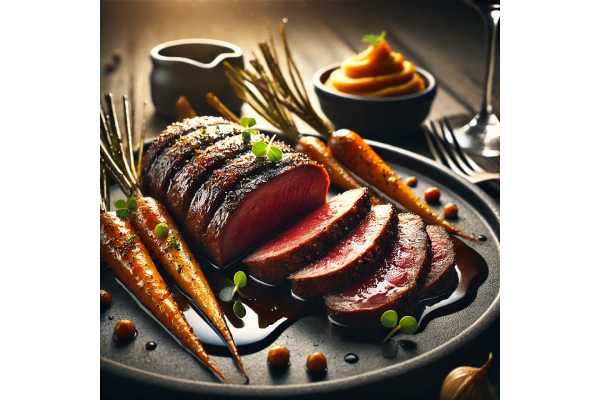
Antelope meat is a lean, flavorful red meat prized by chefs, hunters, and nutrition-conscious eaters. Whether sourced from American pronghorn or African antelope species such as springbok, impala, or kudu, it shares a profile similar to other wild game: high protein, very low fat, and rich in essential minerals. With virtually no carbohydrates, antelope fits low-carb and high-protein eating patterns, yet it remains versatile in the kitchen—taking well to quick sears, gentle roasting, jerky, and slow braises. As with all game, quality and safety hinge on careful selection, handling, and proper cooking. This guide translates the science into practice: detailed nutrition per 100 grams, evidence-based benefits, how to shop or harvest responsibly, and what to know about allergies, contaminants, and interactions. You will also find step-by-step preparation tips that preserve tenderness and nutrients, plus clear portion guidance and answers to common questions. If you are curious about antelope as a nutrient-dense alternative to beef or looking to cook a cleaner, wilder red meat, you are in the right place.
Fast Facts
- Lean red meat offering ≈23 g protein and ≈113 kcal per 100 g, with meaningful iron, selenium, and zinc.
- Main safety caveats: cook thoroughly and be mindful of lead fragments in wild-shot meat; avoid undercooked preparations.
- A practical serving is 100–120 g cooked (≈140–160 g raw), up to 1–3 times weekly as part of a varied diet.
- People with alpha-gal syndrome, pregnant individuals consuming wild-shot meat, and young children should limit or avoid unless safety is assured.
Table of Contents
- Antelope: Detailed Overview
- Antelope Nutrition Profile (per 100 g)
- Evidence-Based Health Benefits of Antelope
- Risks, Allergies and Interactions
- Selecting, Quality, Sustainability and Storage
- Preparation, Cooking and Nutrient Retention
- Portions, Comparisons and FAQs
Antelope: Detailed Overview
“Antelope” in culinary contexts refers to lean red meat from swift, grass- and browse-eating ungulates. In North America, people often mean pronghorn (technically not a true antelope but nutritionally comparable). In Southern Africa and elsewhere, springbok, impala, kudu, or gemsbok are common. Despite species differences, antelope meats share several traits: tight grain, deep crimson color, a mild to pleasantly “wild” aroma, and a remarkably low fat content for red meat. That low intramuscular fat influences both nutrition and technique—antelope cooks fast, dries out easily, and rewards precise temperatures and adequate resting.
From a nutrition standpoint, antelope is protein-dense and carbohydrate-free. A typical raw 100-gram portion provides roughly 23 grams of protein for only about 113 calories, plus meaningful iron, zinc, copper, phosphorus, and selenium. It is naturally low in saturated fat, with total fat near 2 grams per 100 grams raw. Like other ruminant meats, antelope contains heme iron and vitamin B-complex nutrients, though exact vitamin levels vary by species, cut, age, diet, and data availability. Electrolytes such as potassium are present in useful amounts, while sodium remains low unless added in processing or cooking.
Culinarily, think of antelope as a quick-cooking, clean-tasting red meat that sits closer to venison than to marbled beef. Loins and tender cuts suit searing and short roasts; shoulders and shanks reward low-temperature, moist cooking; trim makes lean ground blends or jerky. Because it is so lean, added fats (butter, olive oil, tallow) and moisture strategies (marinades, bastes) can improve juiciness. Gentle heat helps preserve tenderness and nutrients.
Safety and sourcing deserve attention. Farmed antelope and inspected game meats follow regulated supply chains. Wild-harvested meats demand careful field dressing, rapid cooling, hygienic processing, and fully cooked preparation to control pathogens. If animals were taken with lead-based ammunition, lead fragments can remain in the meat; choosing lead-free alternatives and precise butchery reduces exposure. Finally, individuals with alpha-gal syndrome (a tick-associated red meat allergy) should avoid antelope and other mammalian meats.
Handled well and cooked appropriately, antelope offers a nutrient-dense, lower-fat alternative to conventional red meats—versatile for weeknights and special occasions alike.
Antelope Nutrition Profile (per 100 g)
Below are realistic values for raw, composite antelope meat per 100 grams. Actual values vary by species, cut, age, diet, and processing. Percent Daily Values (%DV) use established adult DVs.
Macros and Electrolytes
| Nutrient | Amount (per 100 g) | %DV |
|---|---|---|
| Energy (kcal) | 114 | — |
| Protein (g) | 22.9 | 46% |
| Total Fat (g) | 2.1 | 3% |
| Saturated Fat (g) | 0.75 | 4% |
| Carbohydrate (g) | 0.0 | 0% |
| Fiber (g) | 0.0 | 0% |
| Sodium (mg) | 52 | 2% |
| Potassium (mg) | 358 | 8% |
| Water (g) | ~75 | — |
Fats and Fatty Acids
| Lipid | Amount (per 100 g) | Notes |
|---|---|---|
| Cholesterol (mg) | 96 | No %DV established |
| Monounsaturated fat (g) | ~0.49 | Predominantly oleic acid |
| Polyunsaturated fat (g) | ~0.25 | Includes omega-6 and omega-3 |
| Omega-6 (g) | ~0.254 | Linoleic and arachidonic acids |
| Omega-3 (g) | ~0.071 | Small but present |
| Oleic (18:1) (g) | ~0.486 | — |
| Palmitic (16:0) (g) | ~0.346 | — |
| Stearic (18:0) (g) | ~0.375 | — |
Protein and Amino Acids (selected essential amino acids)
| Amino Acid | Amount (per 100 g) |
|---|---|
| Leucine (g) | ~1.90 |
| Lysine (g) | ~1.90 |
| Valine (g) | ~1.01 |
| Isoleucine (g) | ~0.87 |
| Threonine (g) | ~1.05 |
| Phenylalanine (g) | ~0.90 |
| Methionine (g) | ~0.65 |
| Histidine (g) | ~1.08 |
Vitamins (data availability varies; values shown where available)
| Vitamin | Amount (per 100 g) | %DV |
|---|---|---|
| Thiamin (B1) (mg) | ~0.32 | 27% |
| Riboflavin (B2) (mg) | ~0.57 | 44% |
| Vitamin C (mg) | 0 | 0% |
| Vitamin B12 (µg) | — | — |
| Niacin (B3), B6, Folate | — | — |
Minerals
| Mineral | Amount (per 100 g) | %DV |
|---|---|---|
| Iron (mg) | 3.25 | 18% |
| Zinc (mg) | 1.29 | 12% |
| Copper (mg) | 0.18 | 20% |
| Selenium (µg) | 10.0 | 18% |
| Phosphorus (mg) | 191 | 15% |
| Magnesium (mg) | 27.5 | 7% |
| Calcium (mg) | ~3 | 0% |
Glycemic and Acid–Base Metrics
| Metric | Value |
|---|---|
| Glycemic Impact | Zero carbohydrates |
| PRAL (acid load) | ~9.9 (per 100 g, acid-forming) |
Footnotes: Values reflect raw composite game meat; vitamins not listed were unavailable for the specific dataset. Added sodium or fats during cooking will alter totals. Omega-3/-6 values are low but present; ratios vary with species and diet.
What the numbers mean in practice
- You get high protein for very few calories—useful for athletes, weight management, and high-protein meal patterns.
- Heme iron supports red blood cell production; zinc, copper, and selenium contribute to immunity and antioxidant systems.
- The very low saturated fat content distinguishes antelope from many beef cuts; flavor and tenderness benefit from thoughtful cooking fats and gentle heat.
Evidence-Based Health Benefits of Antelope
High protein with excellent amino acid quality. A 100-gram serving of raw antelope provides roughly 23 grams of complete protein. After cooking (where water loss concentrates nutrients), a typical 100–120-gram cooked portion still delivers 25–30 grams of high-quality protein. That supports muscle maintenance, satiety, and recovery. The essential amino acids—leucine, lysine, valine, threonine, and methionine—appear in balanced proportions, enabling efficient protein synthesis when paired with adequate total calories and micronutrients.
Lower total and saturated fat than many red meats. With only around 2 grams of total fat and ~0.75 grams of saturated fat per 100 grams raw, antelope is lean even by game standards. For people moderating saturated fat intake, substituting antelope for fattier cuts of beef can lower meal-level saturated fat while still providing the taste and culinary experience of red meat. The small but present polyunsaturated fraction contributes a modest amount of omega-3 and omega-6 fatty acids.
Iron and trace minerals for energy metabolism and immune defense. Antelope is a meaningful source of heme iron (≈18% DV per 100 grams), which is absorbed more readily than non-heme iron from plants. Zinc and copper support enzyme systems involved in immunity, connective tissue, and antioxidant defenses. Selenium participates in glutathione peroxidase activity, complementing antioxidant capacity in a meat naturally low in carbohydrate and thus in glycemic impact.
Electrolytes without excess sodium. Potassium (~358 mg per 100 grams) supports normal blood pressure and neuromuscular function. Sodium is naturally low unless added during processing or seasoning, making antelope a flexible base for heart-conscious cooking.
Suitable for several dietary patterns. Because it is carbohydrate-free and nutrient-dense, antelope integrates well with low-carb, ketogenic, or diabetes-friendly eating patterns, provided the whole plate includes fibrous vegetables, pulses, or whole grains to balance acid load and provide vitamins and fiber. For athletes and physically active people, antelope offers lean protein with minimal digestive “heaviness,” helpful in weight-class sports or cutting phases.
A practical pathway to moderate red meat intake. Health organizations advise limiting processed meats and moderating total red meat. When you choose red meat, lean, unprocessed options prepared at lower temperatures (and served with plants) align with those recommendations. Antelope’s leanness helps you meet a lower saturated fat target per serving while still obtaining iron, zinc, and protein. Pairing antelope with vegetables and whole grains can also buffer acid load (PRAL) and broaden nutrient coverage.
Culinary benefits that support healthier methods. Because antelope overcooks quickly, it naturally steers cooks toward brief searing and gentle finishing rather than prolonged high-heat grilling—methods that better preserve B vitamins and minimize char-related compounds. Marinades based on herbs, garlic, or acidic components (citrus, vinegar, yogurt) add moisture and promote tenderness at lower temperatures.
Bottom line: Antelope offers a protein-rich, lower-fat red meat option with meaningful iron and trace minerals, adaptable to balanced meals that prioritize vegetables, whole grains, and reasonable portions. Its nutritional profile supports both everyday health goals and specialized performance or weight-management needs when prepared and portioned thoughtfully.
Risks, Allergies and Interactions
Cook thoroughly and handle safely. As with all meats—especially wild game—improper handling can allow pathogenic bacteria or parasites to persist. Field-harvested meat needs prompt cooling, clean processing, and cold storage. Thorough cooking is essential: use a thermometer and avoid serving antelope undercooked. This is particularly important for ground meat, sausages, and any dishes where the interior has been exposed during processing.
Lead fragments in wild-shot meat. If an animal was harvested with lead-based ammunition, tiny metal fragments can disperse throughout the wound channel. These particles are not always visible and can remain after trimming and cooking. For frequent consumers and vulnerable groups (pregnant individuals, infants and young children), this exposure is a meaningful risk. Mitigation includes using lead-free ammunition, discarding meat around the wound channel generously, and sourcing from processors who follow strict trimming protocols. When in doubt, choose inspected, farmed, or commercially processed game, or specifically verified lead-free harvests.
Alpha-gal syndrome (red meat allergy). Some people develop a delayed allergy to a carbohydrate (alpha-gal) found in most mammalian meats after certain tick bites. Reactions can range from hives and gastrointestinal distress to anaphylaxis, often several hours after eating. Anyone with diagnosed or suspected alpha-gal syndrome should avoid antelope and other mammalian meats and seek medical guidance for individualized management.
General red meat considerations. High intakes of red and especially processed meat are associated in observational research with elevated risks for certain cancers and cardiometabolic conditions. While causality and magnitude vary by study, a prudent, evidence-based approach is to favor lean, unprocessed meats in moderate portions and combine them with abundant plant foods. Use lower-temperature techniques that avoid heavy charring to reduce formation of high-heat byproducts.
Medication and condition interactions.
- Iron overload (hemochromatosis): Antelope contains heme iron; individuals managing iron overload should monitor total intake.
- Gout: Purine-rich meats can precipitate flares in susceptible individuals; portion size and overall dietary pattern matter.
- Blood pressure: Antelope itself is low in sodium; the risk comes from cured products or salty marinades—check labels and recipes.
Who should limit or avoid antelope?
- People with alpha-gal syndrome or confirmed mammalian meat allergies.
- Pregnant individuals and young children when the source is wild-shot with lead ammunition unless harvest and trimming are demonstrably lead-free.
- Individuals who must limit heme iron intake or are on diets restricting purines.
Practical safeguards
- Buy from reputable processors; verify inspection status for commercial products.
- For wild harvests, prioritize lead-free ammunition, meticulous field dressing, and cold chain control.
- Cook to a safe internal temperature and avoid undercooked preparations.
Selecting, Quality, Sustainability and Storage
How to select quality antelope meat
- Color and aroma: Fresh antelope is deep red to burgundy with a clean, slightly sweet, “wild” aroma—not sour, metallic, or ammonia-like. Brown or rainbow sheens, tacky surfaces, or off-odors suggest age or poor handling.
- Grain and moisture: The grain is fine and tight. Excess purge (pooling red liquid) may indicate thawed-and-refrozen product or extended storage.
- Label cues: For commercial products, look for species and cut specification, harvest or pack date, and inspection marks. “No added sodium” or “uncured” signals minimal processing; verify if any solutions were injected.
- Harvest notes: If purchasing from a hunter or small processor, ask whether lead-free ammunition was used and how the carcass was handled (time to evisceration, chilling, processing environment).
Sustainability considerations
- Wild management: In regions where antelope or deer numbers exceed ecological carrying capacity, controlled harvest can support habitat health and reduce crop damage. When local wildlife agencies set quotas and seasons, sourcing within those frameworks aligns consumption with management goals.
- Resource inputs: Wild-harvested meat does not require feed, housing, or antibiotics. Transport and cold storage still contribute to impact, and intensive travel to remote sites can offset benefits.
- Farming contexts: Farmed antelope (and venison analogs) vary in environmental footprint depending on grazing practices, feed, and supply chains. Choosing local, transparent producers and whole-animal purchasing (using a broader range of cuts and offal) reduces waste.
- Actionable tip: If sustainability is a priority, ask sellers about harvest methods, distance traveled, processing efficiency, and whether lead-free ammunition and waste-minimizing practices were used.
Storage and shelf life
- Refrigeration: Keep raw antelope at 0–4 °C (32–40 °F) and cook within 1–3 days for ground or small cuts, 3–5 days for larger roasts. Store on the lowest shelf to prevent drips.
- Freezing: Wrap air-tight (vacuum seal or heavy-duty freezer wrap). Freeze at −18 °C (0 °F) or below. Best quality: 6–12 months for whole cuts, 3–4 months for ground. Label with species, cut, and date.
- Thawing: Thaw in the refrigerator (safest), in cold water with sealed packaging (change water every 30 minutes), or in the microwave if cooking immediately. Do not thaw at room temperature.
- Leftovers: Chill promptly; use cooked leftovers within 3–4 days. Reheat to steaming hot.
Buying checklist
- Species and cut clearly labeled.
- Cold chain intact (meat is cold, packaging tight).
- Source discloses ammunition type for wild harvests.
- You have a plan to cook or freeze within recommended timelines.
Preparation, Cooking and Nutrient Retention
Start with the right cut and technique
- Backstrap/loins and tender cuts: Best for quick sear and gentle finishing. Pat dry, season simply, and sear 1–2 minutes per side in a preheated pan, then finish in a low oven. Carryover heat matters—pull earlier than you would for beef to prevent overcooking.
- Shoulder, shank, neck: Excel in moist, low-temperature methods. Braise at a gentle simmer, sous-vide at moderate temperatures before a quick sear, or stew slowly to convert connective tissue and retain moisture.
- Ground antelope: Lean and delicate—mix with 10–20% added fat if forming burgers, or combine with olive oil–based moisture strategies in skillet dishes and ragùs.
Cook to a safe internal temperature
- Use an instant-read thermometer inserted into the geometric center. For roasts and steaks, allow a brief rest to equalize juices. For ground meat, ensure uniform doneness. Avoid serving undercooked game, especially to children, older adults, pregnant individuals, or anyone immunocompromised.
Maximize tenderness and juiciness in very lean meat
- Marinades: Use salt plus acid (citrus, yogurt, vinegar) and aromatics (garlic, herbs). Salt penetrates; acids and enzymes help with surface tenderness. Avoid very long acidic marinades that can turn surfaces mushy.
- Fat and moisture aids: Baste with butter or oil during searing. For roasting, add a thin fat cap (bacon alternatives or tallow) if dietary goals allow, or wrap in caul fat.
- Gentle heat: Favor moderate oven temperatures (e.g., 120–160 °C / 250–325 °F) after a short sear; this preserves B vitamins and prevents dryness.
- Resting: Rest 5–10 minutes for small roasts and 2–5 minutes for steaks to redistribute juices.
Flavor pairings that fit the nutrition
- Herbs and spices: Juniper, rosemary, thyme, black pepper, coriander, cumin.
- Acid and fruit: Balsamic, red wine reductions, pomegranate, tart cherries, citrus zest.
- Vegetable partners: Mushrooms, root vegetables, charred brassicas, bitter greens—these add fiber and alkalizing minerals to balance PRAL.
- Whole grains or pulses: Farro, barley, lentils, or beans round out the plate with slow-release carbohydrates and extra potassium and magnesium.
Preservation options
- Jerky: Use a calibrated dehydrator and pre-heat strips to a safe temperature before drying. Keep salt/sugar modest and follow tested recipes.
- Sausage: Add backfat or beef tallow for texture; mind salt content. Cook thoroughly.
Common mistakes to avoid
- Overcooking lean steaks (dry, liverish notes).
- Heavy charring (bitterness and unnecessary byproducts).
- Skipping the thermometer.
- Thawing at room temperature or refreezing thawed raw meat.
Quick blueprint: weeknight antelope steak
- Bring steaks close to room temp, pat dry, salt 40–60 minutes ahead if possible.
- Sear in a hot pan 60–90 seconds per side with a small amount of neutral oil; add butter and thyme to baste.
- Transfer to a 120–135 °C (250–275 °F) oven until the thermometer reads a safe internal temperature; rest briefly.
- Slice thinly across the grain; finish with acid (lemon, vinegar) and herbs.
Portions, Comparisons and FAQs
Smart portions and frequency
- A practical cooked portion is 100–120 g (≈3½–4¼ oz), yielding roughly 25–30 g protein. For larger meals or athletes with higher needs, 150 g cooked is reasonable.
- As part of a balanced pattern that emphasizes vegetables, whole grains, legumes, nuts, and seeds, many people thrive with 1–3 antelope meals per week, adjusting for total red meat intake targets and personal health goals.
- For children, smaller age-appropriate portions and fully cooked meat are essential; seek lead-free sources for wild-shot game.
How antelope compares to similar meats (per 100 g raw)
- Antelope vs beef (lean sirloin): Antelope is typically leaner (≈2 g fat vs 5–10 g), with similar protein and lower saturated fat. Iron is comparable; antelope tends to have slightly more copper and similar zinc.
- Antelope vs venison (deer): Very similar macros; flavor varies by species and diet. Both are iron-rich and low in fat.
- Antelope vs lamb: Lamb is typically higher in total and saturated fat; antelope offers a lighter profile with quicker cooking.
Who benefits most from antelope?
- Athletes and active individuals needing high protein per calorie.
- People moderating saturated fat who still want red meat occasionally.
- Low-carb/keto eaters seeking a clean, nutrient-dense protein.
FAQs
Is antelope safe during pregnancy?
Yes—when fully cooked and sourced responsibly. Prefer inspected, commercially processed meat. If the animal was wild-shot, verify lead-free ammunition and conservative trimming around the wound channel.
Does antelope trigger gout?
It is a purine-containing red meat. Those with gout should moderate portion sizes, balance the plate with vegetables and fluids, and follow individual medical advice.
Can I eat antelope rare?
For wild game, avoid undercooked preparations. Use a thermometer, and prioritize safety over doneness preferences, especially for ground meat and sausages.
Is pronghorn different from African antelope nutritionally?
Species and cuts vary, but the broad profile—high protein, very low fat, meaningful iron and trace minerals—is consistent across antelope meats. Flavor nuances and exact micronutrients can differ with habitat and diet.
What wines or sauces pair well?
Lighter reds (Pinot Noir, Grenache), herb-forward sauces (chimichurri), berry reductions, or mustard pan sauces complement antelope’s clean, slightly sweet game flavor.
Budget tip: Buy larger primals or share a whole-animal purchase with friends to lower per-meal cost. Use trim for ground dishes and bones for stock to minimize waste.
References
- Nutrition Facts for Game meat, antelope, raw — 2025 (Data Page)
- Outbreak of Human Trichinellosis — Arizona, Minnesota, and South Dakota, 2023 — 2024 (Investigation Report)
- Implications for food safety of the size and location of fragments of lead shotgun pellets embedded in hunted carcasses of small game animals intended for human consumption — 2022 (Research Article)
- About Alpha-gal Syndrome — 2025 (Public Health Guidance)
- Red Meat and Processed Meat — 2018 (Monograph)
Disclaimer
This guide is for educational purposes only and does not replace personalized advice from your physician, registered dietitian, or other qualified health professional. Food safety practices and dietary needs vary by individual; always follow local regulations and professional guidance, especially for pregnancy, chronic conditions, allergies, or when handling wild game.
If you found this helpful, please consider sharing the article on Facebook, X (formerly Twitter), or any platform you prefer—your support helps us continue creating high-quality resources. Thank you.