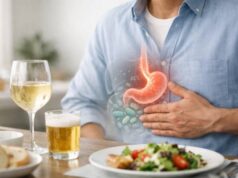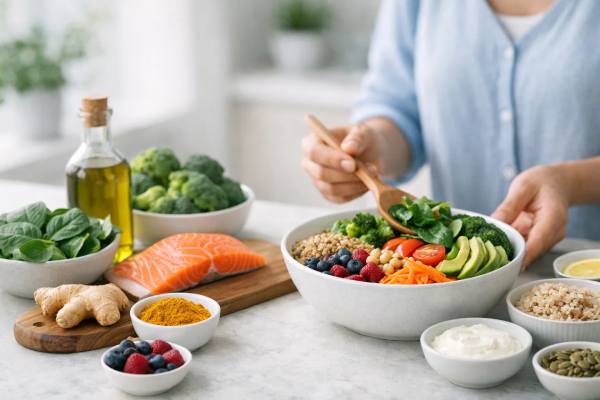
An anti-inflammatory diet for gut health is less about a perfect food list and more about creating a daily pattern that supports your intestinal lining, steadies immune signaling, and feeds beneficial microbes. When meals are built around fiber-rich plants, quality fats, and minimally processed proteins, many people notice steadier digestion, less bloating, and fewer “flare days” where the gut feels reactive. The benefits can extend beyond symptoms: a healthier microbiome produces compounds that help maintain the gut barrier and keep inflammation from simmering in the background.
This approach is flexible. It can be adapted for reflux, IBS, or inflammatory bowel disease, and it works best when you focus on what to add—plant variety, omega-3 fats, and polyphenol-rich foods—rather than only what to cut. The goal is a sustainable way of eating you can repeat most days, not a short cleanse.
Quick Overview
- A plant-forward pattern can support gut barrier function and improve microbial diversity over time.
- Emphasizing unsaturated fats and reducing ultra-processed foods may help lower inflammatory load.
- More fiber is not always better during flares; the right type and texture matters.
- If you have IBD, unexplained weight loss, bleeding, or persistent diarrhea, diet should complement—never replace—medical care.
- Start by adding two cups of vegetables daily and one fermented food serving three to five times per week, then adjust based on symptoms.
Table of Contents
- Why inflammation starts in the gut
- Core foods to eat often
- Foods and habits to limit
- Fiber polyphenols and fermented foods
- Meal timing and gut-friendly patterns
- Personalizing for IBS, IBD, and medications
Why inflammation starts in the gut
Inflammation is not automatically harmful. In the gut, it is a normal response to injury, infection, and irritants. The problem starts when the system stays “on” too often or too intensely. Your intestines have a single-cell-thick lining that must do two jobs at once: absorb nutrients and keep unwanted particles out. When that barrier is stressed, the immune system becomes more reactive, and symptoms like pain, urgency, bloating, and reflux sensitivity can become easier to trigger.
The gut barrier and immune cross-talk
A healthy barrier relies on mucus, tight junction proteins, and a steady supply of fuel for the cells that line your colon. One of the most important fuels comes from microbial fermentation of dietary fiber, which produces short-chain fatty acids. These compounds help maintain the barrier and influence immune activity. When the diet is low in fermentable fibers and high in additives, alcohol, or excess saturated fat, the microbiome can shift toward a pattern that produces fewer helpful metabolites.
Inflammation feels different in different conditions
Not all gut problems are driven by the same kind of inflammation:
- Functional conditions (like IBS): symptoms can be intense even when inflammation is low-grade or intermittent. Diet changes often help by reducing triggers and supporting microbiome stability.
- Inflammatory bowel disease (Crohn’s disease and ulcerative colitis): inflammation is a central feature. Food cannot replace medication, but dietary patterns can influence symptoms, nutrient status, and flare recovery.
- Reflux and upper gut irritation: inflammation may be local (esophagus or stomach lining). The anti-inflammatory pattern still helps, but meal size, timing, and fat type often matter as much as specific foods.
The anti-inflammatory “why” that makes it work
This style of eating tends to lower inflammatory load through three practical levers:
- Less gut irritation: fewer ultra-processed foods, heavy alcohol use, and repetitive high-fat, low-fiber meals.
- More protective nutrients: omega-3 fats, polyphenols, magnesium, potassium, and antioxidants from plants.
- Better microbial feeding: consistent fiber and resistant starch to support beneficial bacteria and regular bowel function.
Think of it as rebuilding tolerance. You are not only quieting symptoms today; you are shaping the environment your gut lives in tomorrow.
Core foods to eat often
An anti-inflammatory gut plan becomes easier when you stop thinking in “superfoods” and start thinking in daily building blocks. These foods show up repeatedly in gut-supportive dietary patterns because they are nutrient-dense, fiber-forward, and generally gentle on digestion when prepared well.
Vegetables and fruits with color and texture variety
Aim for a minimum of 2 cups of vegetables daily, then build from there. Variety matters because different plants feed different microbes. If raw salads trigger symptoms, use cooked options: roasted carrots, sautéed greens, steamed zucchini, or blended soups.
Reliable choices for many people include:
- Leafy greens (spinach, arugula, kale)
- Crucifers (broccoli, cauliflower) if tolerated—often easier cooked
- Orange and red vegetables (carrots, peppers, squash)
- Berries, citrus, kiwi, and ripe bananas
Legumes and whole grains as steady fiber sources
Beans, lentils, oats, barley, and brown rice provide a mix of fibers and minerals. Start with small portions if you are not used to them:
- Begin with 1/4 to 1/2 cup cooked legumes, two to three times per week
- Increase slowly as your gut adapts
- Use gentler forms: split lentils, hummus, well-cooked beans, or blended bean soups
Healthy fats that support a calmer inflammatory profile
Fat type matters. A gut-friendly anti-inflammatory pattern leans toward unsaturated fats:
- Extra-virgin olive oil as a primary fat (for many people, 1–2 tablespoons daily is realistic)
- Nuts and seeds (walnuts, chia, ground flax, pumpkin seeds)
- Avocado if tolerated
Protein that does not crowd out plants
You do not need to eliminate animal foods to eat anti-inflammatorily, but balance helps. Consider:
- Fatty fish twice weekly (salmon, sardines, trout)
- Eggs and poultry in moderate amounts
- Fermented dairy like yogurt or kefir if tolerated
- Plant proteins (tofu, tempeh, legumes) as regular staples
A simple “plate formula”
For most meals, try this structure:
- Half the plate: vegetables (cooked if needed)
- One quarter: protein (fish, beans, poultry, tofu)
- One quarter: whole grains or starchy vegetables
- Add: olive oil, herbs, and a fermented food on some days
This approach keeps the pattern consistent even when your grocery list changes. You are building repeatable meals that feed your microbiome and keep inflammatory inputs lower without making eating feel restrictive.
Foods and habits to limit
Anti-inflammatory eating is not about never touching a “bad” food. It is about reducing frequent exposures that repeatedly irritate the gut, shift the microbiome, or keep blood sugar and immune signaling on a roller coaster. For most people, the biggest wins come from limiting a short list of high-impact items.
Ultra-processed foods as a category
Ultra-processed foods are engineered for convenience and hyper-palatability, and they often contain combinations that are tough on gut balance: refined starches, added sugars, certain emulsifiers, and low fiber. Instead of debating individual ingredients, use a practical rule:
- If the product is designed to be eaten quickly and repeatedly (snack bars, chips, sweetened cereals, packaged pastries), treat it as “sometimes,” not “daily.”
A helpful metric is frequency: if ultra-processed foods show up multiple times per day, gut inflammation risk tends to rise over time.
Added sugars and sweet drinks
Sugar itself is not toxic, but high, frequent doses can worsen symptoms in sensitive guts—especially when combined with low fiber. A realistic target is to keep sweets as a planned item, not a default.
High-yield swaps:
- Replace soda and juice with sparkling water, unsweetened tea, or diluted juice
- Keep sweetened coffee drinks occasional
- Choose snacks that include fiber and protein (nuts, fruit with yogurt, hummus with crackers)
Alcohol and the “weekend gut crash”
Alcohol can irritate the stomach and intestine, disrupt sleep, and increase reflux in some people. It can also influence microbiome balance. If you notice looser stools, heartburn, or abdominal tenderness after drinking, treat alcohol as a trigger to experiment with:
- Reduce frequency for two weeks and track symptoms
- Avoid drinking on an empty stomach
- Pair with a full meal and water
Processed meats and excess saturated fat
Processed meats (bacon, sausages, deli meats) and heavy saturated fats can be inflammatory in a broader cardiometabolic sense and may worsen gut sensitivity for some people. You do not need zero saturated fat, but it should not dominate your intake.
Common “stealth” irritants
These vary by person, but they are worth testing if symptoms persist:
- Large, late meals (often worsen reflux and morning nausea)
- Very spicy meals during a sensitive period
- Frequent fried foods
- High-dose sugar alcohols (often in “keto” snacks and gums) causing gas and diarrhea
Limiting is most effective when paired with adding. If you remove processed snacks but do not replace them with satisfying alternatives, restriction becomes fragile. Replace first, then reduce.
Fiber polyphenols and fermented foods
This is the heart of an anti-inflammatory gut strategy: feeding the microbes that help maintain your gut lining and produce calming metabolites. The goal is not maximum fiber overnight. The goal is the right fibers, the right pace, and supportive compounds from plants and fermented foods.
Fiber types that matter for gut inflammation
Different fibers do different work:
- Soluble fiber (oats, chia, beans, psyllium) forms gels that can soften stool and support regularity.
- Insoluble fiber (bran, raw greens, some whole grains) adds bulk and can be irritating during flares for some people.
- Resistant starch (cooled potatoes or rice, greenish bananas, legumes) is a favorite fuel for beneficial microbes.
A practical target for many adults is 25–38 grams of fiber per day, but reaching that number only helps if your gut can tolerate it. If you are currently low-fiber, increase by 5 grams per day every week, not every day.
Polyphenols as microbial “signal foods”
Polyphenols are plant compounds that often reach the colon and interact with microbes. They can support a healthier microbial pattern and may reduce oxidative stress. Instead of thinking in supplements, think in foods:
- Berries, pomegranate, grapes
- Cocoa and dark chocolate (in modest portions)
- Green tea
- Extra-virgin olive oil
- Herbs and spices such as turmeric, ginger, oregano, and cinnamon
Aim for two polyphenol-rich items daily, such as berries at breakfast and olive oil plus herbs at dinner.
Fermented foods: small, consistent doses
Fermented foods can introduce beneficial microbes and support diversity, but tolerance varies widely. Start with small servings:
- Yogurt or kefir: 1/2 cup
- Sauerkraut or kimchi: 1–2 tablespoons
- Miso: 1 tablespoon stirred into warm (not boiling) broth
- Tempeh: 2–3 ounces
A realistic target is 3–5 servings per week, then adjust. If fermented foods cause bloating, trial a smaller amount, a different type, or pause during a flare.
When “healthy” foods backfire
If you have pain, urgency, or significant bloating, it may not mean the plan is wrong. It may mean the form is wrong:
- Switch from raw to cooked vegetables
- Choose peeled fruits over high-seed options temporarily
- Use blended soups, stews, and porridges
- Add psyllium slowly if stools are loose (with adequate water)
Anti-inflammatory eating is not only about ingredients—it is about digestibility. The same food can be healing in one form and irritating in another.
Meal timing and gut-friendly patterns
What you eat matters, but how you structure eating across the day also influences reflux, bowel motility, and microbial rhythm. Many people see meaningful symptom relief from pattern changes that do not require strict restriction.
Consistent meals reduce “gut whiplash”
Erratic eating—skipping meals, then overeating late—can aggravate reflux and trigger bowel urgency in sensitive guts. A steadier pattern often helps:
- Eat within a similar 10–12 hour daytime window most days
- Aim for three meals or two meals plus one snack depending on appetite
- Keep the last meal lighter if you have nighttime reflux
This is not about fasting for its own sake. It is about preventing the extremes that stress the upper gut and disrupt sleep.
Portion size and speed are anti-inflammatory tools
Large meals increase gastric pressure, which can worsen reflux and make the gut feel “inflamed” even when inflammation is not the main issue. Two simple habits help:
- Stop at comfortable fullness rather than stuffed
- Slow the meal down to 15–20 minutes when possible
A useful cue is to put the fork down between bites and take a few breaths before seconds.
Hydration that supports stool quality
Fiber works best with water. Dehydration makes constipation more likely and can increase straining, which irritates the pelvic floor and rectum. A practical target is pale-yellow urine most of the day. If you add psyllium or increase legumes, increase water intentionally.
Gentle cooking methods reduce irritation
For people with sensitive guts, cooking method can matter as much as food choice:
- Prefer baked, steamed, braised, and roasted
- Limit deep-frying and heavy charring
- Use soups and stews to pack vegetables into an easy-to-digest format
A simple day template
This is a gut-friendly pattern you can repeat without perfection:
- Breakfast: oats with chia, berries, and yogurt
- Lunch: lentil soup with olive oil and a side of cooked greens
- Snack: nuts and a fruit, or hummus with crackers
- Dinner: salmon, roasted vegetables, and brown rice
- Optional: small fermented serving a few times per week
Patterns create momentum. When meals are steady, sleep improves, cravings often soften, and it becomes easier to keep ultra-processed foods in the “sometimes” category.
Personalizing for IBS, IBD, and medications
A gut-healthy anti-inflammatory diet should feel supportive, not punishing. If symptoms worsen, the solution is often personalization—changing texture, timing, or specific fibers—rather than abandoning the approach. This is especially important if you live with IBS, IBD, or take long-term medications.
If you have IBS or frequent bloating
IBS often responds to dietary structure, but certain fibers ferment quickly and can increase gas. A balanced approach is:
- Keep the anti-inflammatory base (olive oil, fish, vegetables, whole foods)
- Temporarily reduce high-fermentable triggers if needed (for example, large servings of onions, garlic, wheat, and certain fruits)
- Reintroduce foods systematically once symptoms are calmer
The goal is a broad diet you can maintain, not a permanent narrow list.
If you have Crohn’s disease or ulcerative colitis
During flares, the gut may tolerate less roughage. Anti-inflammatory eating still applies, but the form changes:
- Choose lower-residue textures: soups, yogurt, mashed vegetables, well-cooked grains
- Use gentler fibers: oats, peeled fruits, smooth nut butters
- Prioritize protein and calories if appetite is low
- Work with a clinician on iron, vitamin D, B12, and zinc status
If you have ongoing bleeding, fever, night sweats, dehydration, or unintentional weight loss, diet should support medical treatment rather than delay it.
If reflux is part of your picture
Anti-inflammatory foods can still trigger reflux if meal size or timing is off. Consider:
- Smaller dinners and avoiding lying down for 2–3 hours after eating
- Limiting late alcohol and high-fat meals
- Choosing cooked vegetables over large raw salads at night
Medication and supplement cautions
Food-first is usually safer than high-dose supplements, especially if you take medications. Use extra caution with:
- Concentrated turmeric or herbal supplements if you take blood thinners or have gallbladder issues
- Very high-fiber jumps if you take medications that must be absorbed predictably
- Unpasteurized fermented foods if you are immunocompromised
If you are unsure, a pharmacist or clinician can help you avoid interactions.
When to seek medical evaluation
Do not self-manage for months if you have red flags:
- persistent diarrhea for more than two to three weeks
- blood in stool or black stools
- new or worsening abdominal pain with fever
- unexplained anemia or weight loss
- trouble swallowing or recurrent vomiting
Personalization is powerful, but it works best when the diagnosis is clear. Diet is a foundation, not a substitute for proper evaluation when symptoms are severe or persistent.
References
- Effects of Dietary Fibers on Short-Chain Fatty Acids and Gut Microbiota Composition in Healthy Adults: A Systematic Review 2022 (Systematic Review)
- Adherence to the Mediterranean diet can beneficially affect the gut microbiota composition: a systematic review 2024 (Systematic Review)
- Ultra-Processed Foods, Gut Microbiota, and Inflammatory Bowel Disease: A Critical Review of Emerging Evidence 2025 (Review)
- A Mediterranean Diet Pattern Improves Intestinal Inflammation Concomitant with Reshaping of the Bacteriome in Ulcerative Colitis: A Randomised Controlled Trial 2023 (RCT)
Disclaimer
This article is for educational purposes only and does not provide medical advice, diagnosis, or treatment. Digestive symptoms can have many causes, and dietary changes may be inappropriate for some people, including those with inflammatory bowel disease flares, unintended weight loss, eating disorders, kidney disease, pregnancy-related complications, or complex medication regimens. If you have persistent diarrhea, blood in stool, black stools, fever, severe abdominal pain, dehydration, difficulty swallowing, or unexplained weight loss, seek prompt medical care. Use dietary strategies as a complement to professional guidance, especially when managing chronic gastrointestinal conditions.
If you found this article helpful, please share it on Facebook, X (formerly Twitter), or any platform you prefer.