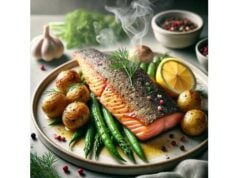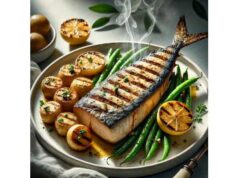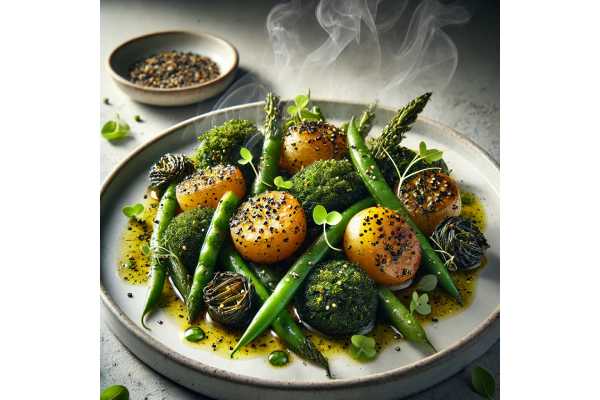
Aonori—often labeled as “green laver”—is the bright, aromatic seaweed powder that lifts okonomiyaki, takoyaki, yakisoba, and simple bowls of rice with a clean, ocean-green flavor. Made from finely milled edible green seaweeds (mainly Ulva and Monostroma), it delivers concentrated minerals, vitamin K, and dietary fiber in tiny pinches. Because it is dried and powdered, a little goes a long way: you get color, umami, and trace nutrients without adding bulk. Beyond the garnish, aonori can be whisked into dressings, blended into butter, stirred into soups, or folded into noodle doughs. Like all sea vegetables, its iodine content varies by species and harvest waters, so portion awareness matters. This guide walks you through what aonori is, the nutrients it concentrates, how it may support health, and how to buy, store, and cook with it safely—so you can enjoy its fragrance and benefits with confidence.
Quick Overview
- Rich in minerals and vitamin K with very low fat.
- Naturally high in iodine; amounts vary widely by species and harvest.
- Typical serving: 0.5–1 g (about ¼–½ tsp) used 3–4 times per week.
- Limit or avoid if you have thyroid disease requiring strict iodine control or you use warfarin.
Table of Contents
- What Aonori Is and Why It Matters
- Aonori Nutrition Profile per 100 g
- Research-Backed Health Benefits of Aonori
- Risks, Allergies and Interactions
- Buying, Quality, Sustainability and Storage
- Cooking, Preparation and Nutrient Retention
- Portions, Comparisons and FAQs
What Aonori Is and Why It Matters
Aonori is a culinary powder made by drying and milling delicate sheets or fronds of green seaweeds. In Japan, producers most often use species from the Ulva (sea lettuce) and Monostroma genera because they deliver a fresh, grassy aroma and a vivid emerald hue that “wakes up” savory foods. Unlike nori (a red seaweed pressed into sheets), aonori is sold as a loose powder or fine flakes and is used as a finishing accent rather than a wrapper or primary ingredient.
From a food-science perspective, aonori concentrates water-soluble minerals (magnesium, potassium, calcium), iodine, vitamin K (phylloquinone), carotenoid pigments (lutein/zeaxanthin, siphonaxanthin), chlorophylls, and unique green-seaweed polysaccharides (notably ulvan and rhamnan sulfate). These compounds give aonori both culinary character and potential physiological effects—ranging from supporting normal blood-clotting pathways (vitamin K) to providing fermentable fiber for gut microbes (ulvan).
Aonori’s low fat (typically around two grams per 100 grams dry weight) and low sugar profile also make it a tidy add-in for flavor without adding energy density. Because it is dried, its sodium content can appear high on a per-100-gram basis; in practice, the pinch-like serving sizes keep actual sodium contribution minimal. Iodine is the nutrient to watch: it is essential for thyroid hormone synthesis, but excess can disrupt thyroid function in susceptible people. The iodine content of green seaweeds is generally lower than that of kelp, yet it still varies by location and processing.
Culturally, aonori represents a practical solution for adding plant complexity to carbohydrate-rich street foods: a dusting on hot noodles or pancakes brings balance and visual appeal. In modern kitchens, the same qualities translate to compound butters, herb-salt blends, salad dressings, popcorn toppings, and tempura batters. In baking, it lends color and a savory edge to crackers and breadsticks. With careful sourcing and gentle storage, a small jar of aonori can season dozens of meals.
Finally, aonori has sustainability appeal. Green seaweeds grow rapidly, require no freshwater or fertilizer, and can be cultivated on simple lines near shore. When harvested responsibly, they support coastal livelihoods while imposing a small environmental footprint compared with many land crops. For home cooks, that means an easy way to explore ocean vegetables while choosing a resource-efficient flavor booster.
Aonori Nutrition Profile per 100 g
The numbers below reflect representative values for dried green laver powders (Ulva/Monostroma) per 100 g. Actual composition varies by species, season, and growing waters. Because typical portions are 0.5–1 g, divide these values by 100–200 for a realistic per-use estimate. Percent Daily Values (%DV) are based on adult reference intakes.
Macros and Electrolytes (per 100 g, dry)
| Nutrient | Amount | %DV |
|---|---|---|
| Energy | 270 kcal | — |
| Protein | 25.0 g | 50% |
| Total Fat | 2.0 g | 3% |
| Saturated Fat | 0.5 g | 3% |
| Carbohydrate | 50.0 g | 18% |
| Total Dietary Fiber | 35.0 g | 125% |
| Total Sugars | 1.0 g | — |
| Sodium | 3,000 mg | 130%* |
| Potassium | 2,500 mg | 53% |
| Moisture | 8–10 g | — |
*High on a 100 g basis; typical 0.5–1 g sprinkles contribute 15–30 mg sodium.
Fats and Fatty Acids
| Fatty Acid | Amount | Notes |
|---|---|---|
| Monounsaturated Fat | 0.4 g | Mostly oleic acid |
| Polyunsaturated Fat | 1.0 g | Includes linoleic and alpha-linolenic acids |
| Long-chain n-3 (EPA/DHA) | <0.1 g | Trace in green seaweeds |
Protein and Key Amino Acids
| Component | Amount | Context |
|---|---|---|
| Protein | 25 g | Complete pattern with limiting tryptophan in some strains |
| Glutamic Acid (umami) | ~4 g | Drives savory flavor |
| Aspartic Acid | ~2.5 g | Supports umami notes |
Vitamins
| Vitamin | Amount | %DV |
|---|---|---|
| Vitamin K (Phylloquinone) | 500 µg | 417% |
| Folate (DFE) | 200 µg | 50% |
| Vitamin C | 50 mg | 56% |
| Vitamin A (RAE) | 200 µg | 22% |
| Vitamin E (alpha-tocopherol) | 4 mg | 27% |
| Vitamin B2 (Riboflavin) | 0.6 mg | 46% |
| Vitamin B6 (Pyridoxine) | 0.4 mg | 24% |
Minerals
| Mineral | Amount | %DV |
|---|---|---|
| Calcium | 600 mg | 46% |
| Magnesium | 300 mg | 71% |
| Iron | 5.0 mg | 28% |
| Zinc | 1.5 mg | 14% |
| Iodine** | 1,500 µg | 1,000% |
| Selenium | 20 µg | 36% |
Bioactives / Phytonutrients
| Compound | Presence | Why it matters |
|---|---|---|
| Ulvan (soluble fiber) | 10–20% of dry weight | Fermentable; produces SCFAs in the colon |
| Rhamnan sulfate | Present (species-dependent) | Studied for immune and metabolic pathways |
| Chlorophylls (a, b) | High | Color; antioxidant capacity |
| Carotenoids (lutein, zeaxanthin, siphonaxanthin) | Moderate | Visual pigments; potential eye and metabolic support |
Contaminants / Residues (monitoring focus)
- Heavy metals: arsenic (primarily organic forms in green seaweeds), cadmium, lead—levels depend on waters and processing.
- Marine biotoxins: rare in dried aonori but require supply-chain controls.
- Microbial hazards: minimized by drying, roasting, and GMPs.
Allergens & Intolerance Markers
- Naturally gluten-free; may contain traces of shellfish from shared harvest zones unless labeled otherwise.
- High vitamin K may conflict with vitamin K antagonist therapy.
Notes: Iodine varies widely (often lower than kelp but still significant). Sodium reflects natural sea salts; rinse/roast steps during processing reduce it. Values are compiled to be representative for dried green laver products; always check your package label for product-specific data.
Research-Backed Health Benefits of Aonori
1) A small, nutrient-dense flavor boost.
Because aonori is used by the pinch, it’s an elegant way to raise micronutrient density without meaningfully increasing calories or fat. Dried green seaweeds deliver vitamin K (supporting normal blood clotting and bone proteins), magnesium (enzyme cofactor for energy metabolism), and potassium (helps balance sodium). They also contribute folate and vitamin C and provide iron in a plant-based form.
2) Iodine for healthy thyroid function—within limits.
Iodine is essential for thyroid hormone synthesis. Aonori supplies iodine, although its content is strongly species- and site-dependent. In populations with adequate iodine intake, tiny sprinkles can help maintain status. In people with thyroid disease or those consuming multiple seaweed products, mindful portions matter to avoid excess intake. The research landscape shows both sides: observational and experimental work finds that moderate, routine seaweed consumption can support iodine nutrition, while surveys of high-intake groups illustrate how broths or large servings—especially from kelp—can push intake above tolerable levels. Using aonori strictly as a condiment (about 0.5–1 g per use) typically keeps you in a prudent range.
3) Fermentable fibers that feed gut microbes.
Green seaweeds are rich in ulvan, a soluble, sulfated polysaccharide that human digestive enzymes don’t break down. In the colon, it ferments to short-chain fatty acids (SCFAs) such as acetate and butyrate, which support the gut barrier and cross-talk with metabolic pathways. Early human-relevant evidence suggests seaweed fibers may contribute to improved glycemic control and lipid profiles when included as part of a balanced diet, though more long-term clinical trials are needed to confirm effect sizes for common doses.
4) Antioxidant pigments with potential eye and metabolic benefits.
Aonori’s green pigments (chlorophylls a and b) and xanthophylls (lutein, zeaxanthin, siphonaxanthin) scavenge reactive oxygen species in vitro and in food systems. In the diet, foods naturally rich in lutein/zeaxanthin correlate with better macular pigment density, and green seaweed adds an ocean-based, heat-tolerant source of these compounds. Siphonaxanthin—a carotenoid characteristic of green seaweeds—shows promising bioactivity in preclinical studies; culinary doses via aonori provide exposure without supplementation.
5) A savory tool for sodium-smart cooking.
Seaweed’s natural glutamates and nucleotides create umami, enhancing perceived saltiness. Replacing a portion of salt with aonori in finishing shakes can maintain palatability at lower sodium targets. Although aonori contains natural sodium on a per-weight basis, its use as a garnish typically contributes far less sodium than an equivalent salt sprinkle, because the desired taste impact comes from umami, aroma, and color rather than salinity.
6) Sustainability and dietary pattern fit.
Choosing aonori as a flavor accent supports a “more plants from the sea” approach. Seaweed aquaculture operates without freshwater, tillage, or fertilizer, and can integrate with shellfish cultivation. For flexitarians, it introduces seafood-adjacent flavors while staying plant-based; for pescatarians and omnivores, it pairs naturally with noodles, eggs, tofu, and fish.
What we still need to know: Exact health impacts depend on dose, species, processing, and background diets. Clinical evidence is growing but remains limited for condiment-level intakes; most benefits arise from the nutrient profile and culinary substitution effects rather than pharmacological dosing.
Risks, Allergies and Interactions
Iodine variability and thyroid considerations.
Seaweed iodine content varies dramatically. Green seaweeds usually contain less iodine than kelp, but levels still fluctuate with species and waters. Sensitive individuals (those with Graves’ disease, Hashimoto’s thyroiditis, nodular goiter, or a history of iodine-induced thyroid dysfunction) should keep aonori portions small and infrequent and coordinate with their clinician. As a rule of thumb for a healthy adult, using 0.5–1 g per serving a few times per week is a prudent ceiling unless a healthcare professional advises otherwise.
Medication interactions.
- Warfarin and other vitamin K antagonists: Aonori is naturally rich in vitamin K1. If you take warfarin, keep vitamin K intake consistent from day to day. Sudden increases—like adding multiple seaweed products at once—can interfere with dosing.
- Thyroid medications: Excess iodine can alter thyroid hormone requirements. If you use levothyroxine or antithyroid drugs, discuss seaweed habits with your prescriber.
Contaminants and food safety.
Responsible producers test for heavy metals (arsenic, cadmium, lead), microbes, and marine biotoxins. Green seaweeds tend to contain lower inorganic arsenic than some brown species, but quality control still matters. Buy from reputable brands that publish or can provide safety data, and avoid products with off odors, damp clumps, or visible contamination. For home safety, keep the lid tightly closed to prevent moisture pickup and microbial growth.
Allergy and cross-contact.
Seaweed itself is not one of the major allergen categories. However, harvest and processing can occur near shellfish. If you have crustacean or mollusk allergy, look for brands with explicit cross-contact controls, and check labels for “may contain” statements. People with nickel sensitivity sometimes react to high-nickel foods; seaweeds can accumulate trace metals, so monitor symptoms if you are highly sensitive.
Sodium perception vs. intake.
Per 100 g, aonori looks sodium-dense because sea minerals are concentrated. Yet a sprinkle adds far less sodium than a pinch of table salt because the serving size is tiny and the umami is the main sensory driver. If you track sodium strictly, count product-label sodium, not generic databases, and adjust for your actual pinch weight (a 0.5 g sprinkle is roughly 15–30 mg sodium).
Who should limit or avoid.
- Anyone on warfarin (unless intake is kept consistent and care team agrees).
- Those with thyroid disease requiring tight iodine control.
- Pregnant and breastfeeding people who already take iodine supplements—avoid stacking multiple high-iodine foods and discuss with your clinician.
- Infants and toddlers: aonori can be introduced cautiously as a seasoning, but avoid habitual high-iodine seaweed products.
Buying, Quality, Sustainability and Storage
How to read labels.
Look for “aonori,” “green laver,” or “sea lettuce powder.” Premium products specify the genus (e.g., Ulva, Monostroma) and origin (bay, prefecture, or farm). Some brands blend species to achieve consistent color and aroma; blends are fine if the producer maintains safety testing. If iodine is listed, note that number; if not, assume variability and moderate your portions.
Quality cues.
- Color: Bright emerald to deep green. Dull olive or brownish tones suggest age or light/heat damage.
- Aroma: Fresh, marine-grassy, slightly nutty; avoid fishy or sour notes.
- Texture: Free-flowing powder with minimal clumping. Anti-caking agents are rarely needed if packaging is tight and the product is dry.
Sourcing and sustainability.
Support farms and processors that follow environmental codes and test water quality. Seaweed aquaculture can improve local ecosystems by absorbing dissolved nutrients; well-managed farms balance harvest with habitat health. Certifications and producer transparency pages are useful indicators. If wild-harvested, check that collection follows local quotas and avoids sensitive habitats.
Storage best practices.
- Keep airtight, cool, and dark. Light fades pigments; moisture invites caking and spoilage.
- Use a dry spoon. Humidity from kitchen steam is the enemy.
- Shelf life is typically 6–12 months unopened and 3–6 months after opening if stored well. Trust your senses: color loss and stale aroma mean it’s time to replace.
Price and value.
A small jar (10–20 g) seasons dozens of plates. Because sprinkles weigh fractions of a gram, spend on quality and use it like saffron: sparingly and intentionally. Buying larger catering bags only makes sense if you cook for crowds; otherwise, the product may stale before you finish it.
Sensible substitutions.
If you can’t find aonori, use finely crumbled nori, kombu salt, or furikake blends—but note that these substitutes differ in iodine and sodium. For color alone, dehydrated parsley adds green without sea flavor; for umami, toasted sesame, bonito flakes (not vegetarian), or mushroom powder can fill in, each with distinct nutrition profiles.
Cooking, Preparation and Nutrient Retention
When to add it.
Add aonori at the end of cooking or just before serving. Heat is not always harmful—brief exposure won’t ruin it—but prolonged high heat will dull its color and aroma and may degrade vitamin C and some pigments. Finishing shakes preserve vibrancy.
Practical ways to use aonori.
- Classic topping: Dust hot okonomiyaki, takoyaki, yakisoba, or ramen.
- Compound butter: Mix ½ tsp aonori per 50 g butter with lemon zest for seafood and steamed vegetables.
- Dressings and dips: Whisk into miso-sesame dressing or fold into Greek yogurt with garlic and lemon for a green, savory dip.
- Savory baking: Add 1–2 tsp to cracker or breadstick doughs; sprinkle on focaccia with sesame.
- Rice and grains: Toss with warm rice, barley, or quinoa with a splash of rice vinegar.
- Snack dust: Combine with toasted sesame, chili, and a pinch of salt for popcorn or roasted nuts.
Maximizing nutrient retention.
- Protect pigments: Keep away from direct light; add late to preserve chlorophylls and carotenoids.
- Mind moisture: Humidity accelerates pigment loss and caking; reseal quickly.
- Pair with fats: Small amounts of healthy fat (olive oil, sesame oil, buttery yolks) improve absorption of fat-soluble vitamins and carotenoids.
- Use acidity wisely: A squeeze of citrus boosts flavor without affecting most minerals; however, strong acids can fade color over time—finish and serve promptly.
Balancing flavor and sodium.
Leverage umami. Replace part of your finishing salt with aonori to maintain satisfaction with less sodium. If a recipe relies on salt for structure (e.g., bread fermentation), don’t reduce the functional salt—use aonori for aroma and color instead.
Food safety at home.
Do not rehydrate and store; if you moisten aonori (e.g., in a sauce), refrigerate promptly and use within a few days. Keep the dry jar away from steam and stovetop splatter to avoid microbial contamination.
Troubleshooting.
- Faded color: Replace; store in darker, cooler conditions next time.
- Clumping: Dry the rim, add a few clean rice kernels to absorb moisture, and keep the jar airtight.
- Bitter notes: Use less; layer with acid (lemon/rice vinegar) and sweetness (mirin/honey) to balance.
Portions, Comparisons and FAQs
How much should I use?
For most healthy adults, 0.5–1 g (about ¼–½ tsp) per serving, up to several times per week, is a sensible range. This keeps iodine exposure modest while still delivering flavor and trace nutrients. If you routinely eat other seaweeds (kelp, wakame, nori), count those portions too.
How does aonori compare to other seaweeds?
- Versus kelp (kombu): Aonori is far lower in iodine on average and used in much smaller quantities. Kelp is mainly for broth and can deliver very high iodine if consumed as tea or concentrated stock.
- Versus nori: Nori is red seaweed pressed into sheets; it has more protein by weight and is eaten in larger portions. Aonori is powder for finishing with a brighter, grassier flavor and more vitamin K.
- Versus wakame: Wakame (brown seaweed) is rehydrated for salads and soups; iodine levels are intermediate and servings are larger than aonori sprinkles.
Can children eat aonori?
Yes—used sparingly as a seasoning on rice, eggs, or noodles. Avoid frequent large amounts and be cautious if other seaweeds are common in the child’s diet. For toddlers, start with a tiny pinch once or twice a week.
Is aonori good for vegan or vegetarian diets?
Absolutely. It adds savory depth to plant dishes and contributes minerals and vitamin K. Do not count on aonori for reliable vitamin B12; use fortified foods or a B12 supplement.
What about pregnancy and breastfeeding?
Aonori can fit in small, occasional amounts. Because prenatal supplements often contain iodine, avoid stacking multiple high-iodine foods (kelp broths, seaweed snacks) without clinical guidance.
Can I toast aonori?
Brief toasting enhances aroma but dims color. If you toast, do it gently in a dry pan for 10–20 seconds and use immediately.
How do I measure 0.5 g at home?
A level ¼ teaspoon of a fine aonori powder is roughly 0.4–0.6 g, depending on grind and humidity. If you want accuracy, weigh a few pinches on a 0.1 g kitchen scale, note your spoon’s “look,” and repeat by eye.
Quick menu ideas (5-minute upgrades).
- Scramble eggs with scallions and finish with aonori and sesame oil.
- Mix aonori into kewpie-style mayo with lemon for an instant sandwich spread.
- Toss steamed broccoli with soy, rice vinegar, and aonori.
- Sprinkle over avocado toast with chili flakes and a drizzle of olive oil.
- Dust hot buttered sweetcorn with aonori and lime.
References
- Report of the expert meeting on food safety for seaweed 2022 (FAO/WHO, Guidance).
- An overview on the nutritional and bioactive components of green seaweeds 2023 (Systematic/Topical Review).
- Iodine intake from brown seaweed and the related nutritional risk assessment in Koreans 2024 (Original Research).
- Analysis and Risk Assessment of Total Iodine Content in Edible Seaweeds 2025 (Research, Open Access).
- The utility of algae as sources of high value nutritional ingredients for foods and nutraceuticals 2023 (Review).
Disclaimer
This article provides general nutrition and culinary information about aonori (green laver) for educational purposes. It is not a substitute for personalized medical advice, diagnosis, or treatment. If you have thyroid disease, take warfarin or other prescription medicines, are pregnant or breastfeeding, or plan to use seaweeds regularly, consult your healthcare professional for guidance tailored to your medical history and nutrient needs.
If you found this helpful, please consider sharing it on Facebook, X (formerly Twitter), or your favorite platform—your support helps us keep creating clear, useful nutrition guides. Thank you.