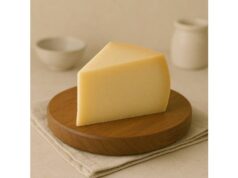
Appenzeller cheese is a celebrated Swiss semi-hard cheese washed in a fragrant herbal brine during aging. That wash helps create its signature aroma—nutty, savory, and mildly peppery—and a supple paste that melts beautifully. Because it is naturally dense and concentrated, Appenzeller delivers complete protein, highly bioavailable calcium, and meaningful amounts of other dairy micronutrients in small portions. In the kitchen, it excels anywhere you want assertive, clean Alpine flavor: mixed into fondue, layered in grilled sandwiches, shaved over salads, or baked into gratins and pies. Traditionally produced from cow’s milk in the rolling foothills between Lake Constance and the Säntis massif, Appenzeller ranges from milder, younger wheels to “Extra” selections aged longer for deeper complexity. This guide walks you through what matters most: nutrition per 100 g (and how to translate that to realistic portions), evidence-based benefits, who should be careful and why, and how to buy, store, and cook Appenzeller so you enjoy maximum flavor with minimal waste.
Top Highlights
- Dense source of protein (~25 g/100 g) and calcium (~750 mg/100 g); a 30 g serving adds ~7–8 g protein and ~225 mg calcium.
- Aged, semi-hard style is typically very low in lactose, often <0.1 g/100 g, and may be better tolerated than fresh cheeses.
- Typical portion: 30 g (1 oz), enjoyed a few times per week as part of a balanced pattern rich in plants and whole grains.
- Safety: high in saturated fat and salt; those with hypertension or hyperlipidemia should moderate intake and mind portions.
- Avoid or limit if you have a confirmed milk allergy; use pasteurized versions during pregnancy and avoid if advised to follow a low-tyramine diet.
Table of Contents
- Appenzeller Cheese: Detailed Overview
- Appenzeller Nutrition Profile (Per 100 g)
- Evidence-Based Health Benefits
- Risks, Allergies and Interactions
- Selecting Quality, Sustainability and Storage
- Preparation, Cooking and Nutrient Retention
- Portions, Comparisons and FAQs
Appenzeller Cheese: Detailed Overview
What it is. Appenzeller is a semi-hard, smear-rind Swiss cheese made from cow’s milk. During affinage (maturation), wheels are regularly washed in a proprietary herbal brine. This “secret” brine—often containing a mix of alpine herbs and spices—encourages surface microbes that form the characteristic reddish-brown rind, deepen savory aromas, and help drive flavor development.
Styles and age categories. You’ll see Appenzeller labeled from mild and creamy to robust and spicy, with age ranges roughly from 3 to 9 months. Younger wheels offer buttery notes with gentle nuttiness; longer-aged selections concentrate flavor, developing toasted, peppery edges and a drier, slightly crystalline texture. Most versions slice cleanly yet melt smoothly, making them versatile for both cold and hot applications.
Milk treatment and rennet. Traditional Appenzeller is made from raw cow’s milk; pasteurized and thermized options also exist, depending on producer and export market. Rennet is typically used for coagulation; some producers may use animal rennet while others choose microbial rennet for specific markets. If vegetarian suitability matters to you, check the label.
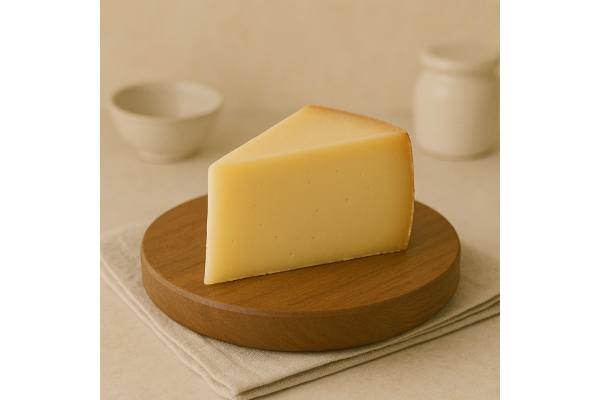
Flavor and texture markers. Expect a firm, ivory-to-light-yellow paste with small, evenly scattered “pea-sized” eyes rather than large holes. Aromas are clean and savory; flavors range from sweet-nutty to herbaceous, with more intensity and a longer finish as the cheese ages.
How it compares. Compared with Emmental (sweeter, larger eyes) or Gruyère (deeper caramelized nuttiness), Appenzeller leans slightly spicier and more aromatic from its herbal wash. It melts like a dream and adds backbone in fondue blends, but it also shines on its own on a board, where its fragrant rind and concentrated flavors stand up to fruit, pickled vegetables, and rustic breads.
Culinary strengths. Appenzeller’s balance of meltability and distinct character makes it ideal for:
- Classic Swiss fondue blends (with Gruyère and Emmental).
- Grilled cheese and croque-style sandwiches, where it stays glossy and elastic.
- Savory tarts, gratins, rösti, and potato bakes, lending depth without greasiness.
- Shaved over roasted vegetables or grain bowls to add umami and richness.
Nutrition at a glance. Like most aged Alpine cheeses, Appenzeller is nutrient-dense: high in complete protein; rich in calcium and phosphorus; very low in lactose; and relatively high in saturated fat and salt—two reasons portion control helps you reap benefits without overdoing it.
Appenzeller Nutrition Profile (Per 100 g)
Below are values typical for Appenzeller cheese per 100 g, followed by sensible portion translations. Values can vary among producers and age categories.
Macros & Electrolytes (per 100 g)
| Nutrient | Amount | %DV* |
|---|---|---|
| Energy | 394 kcal | — |
| Protein | 25.0 g | 50% |
| Total Fat | 31.0 g | 40% |
| Saturated Fat | 19.0 g | 95% |
| Carbohydrates | 0.0 g | 0% |
| Total Sugars | 0.0 g | — |
| Dietary Fiber | 0.0 g | 0% |
| Salt (as NaCl) | 1.5 g | — |
| Sodium (from salt, approx.) | ~590 mg | 26% |
| Cholesterol | ~90 mg | 30% |
| Water | ~40% | — |
Key Minerals & Vitamins (per 100 g)
(Representative values for Appenzeller-style Swiss cheese; exact amounts vary by milk, season, and age.)
| Nutrient | Amount | %DV* |
|---|---|---|
| Calcium | ~750 mg | 58% |
| Phosphorus | ~500 mg | 40% |
| Zinc | ~3–4 mg | 27–36% |
| Vitamin B12 | ~2–3 µg | 83–125% |
| Vitamin A (RAE) | ~200–300 µg | 22–33% |
| Vitamin D | ~0.7 µg | 4% |
Allergens & Intolerance Markers
| Marker | Note |
|---|---|
| Milk proteins (casein, whey) | Present (major allergen). |
| Lactose | Very low; often <0.1 g/100 g in aged Appenzeller. |
| Tyramine & other biogenic amines | Present in aged cheeses; relevance for MAOI users. |
A realistic portion
- 30 g (1 oz) ≈ 118 kcal, ~7–8 g protein, ~9–10 g fat (≈6 g saturated), ~175 mg sodium (from salt), ~225 mg calcium.
- 60 g (2 oz) ≈ 236 kcal, doubles the nutrient contribution; consider this a “recipe portion” rather than everyday serving.
*%DV uses adult Daily Values: fat 78 g, saturated fat 20 g, carbohydrates 275 g, fiber 28 g, sodium 2,300 mg, calcium 1,300 mg, phosphorus 1,250 mg, zinc 11 mg, vitamin B12 2.4 µg, vitamin A 900 µg RAE, vitamin D 20 µg.
Note on sodium: 1 g salt ≈ 393 mg sodium. Sodium shown is calculated from labeled “salt” when the label does not state sodium directly. Actual sodium varies by make and age.
Fortification & additives: Traditional Appenzeller is not fortified. Labels should list milk, cultures, salt, and rennet; annatto or other natural colorants are typically not used in this style.
Evidence-Based Health Benefits
1) Bone and dental support from calcium, protein, and vitamin K forms.
Appenzeller delivers concentrated calcium and complete milk proteins that supply essential amino acids for bone matrix and tooth integrity. Real-world portions (30–40 g) can contribute ~225–300 mg of calcium, helping you meet daily targets. Some aged cheeses also contain menaquinones (vitamin K2 variants), which participate in the activation of bone-related proteins. K2 content varies widely among cheeses and depends on microbes and ripening; Alpine types can contribute modest amounts as part of an overall K intake that also includes leafy greens (vitamin K1) and fermented foods (some K2).
2) Protein quality and satiety.
Dairy proteins (casein and whey) are high-quality, slow-digesting (especially casein), and can promote fullness in mixed meals. Pairing a small piece of Appenzeller with vegetables, legumes, or whole grains can improve meal satisfaction and reduce the urge to snack soon after.
3) Micronutrient density in small amounts.
Beyond calcium and phosphorus, a portion of Appenzeller contributes vitamin B12 (supporting red blood cell production and neurological function) and zinc (immune and tissue health). Because the matrix is water-poor and nutrient-dense, small servings still “count.”
4) Culinary versatility that supports healthy patterns.
Flavorful ingredients make vegetables, salads, and whole grains more appealing. Finely shaving 15–20 g over roasted broccoli or a Farro-vegetable bowl, or whisking a tablespoon into a vinaigrette, can shift the overall meal from “good” to “craveable,” encouraging higher intake of plant foods.
5) Low lactose for many (not all) with lactose intolerance.
Aged, semi-hard cheeses like Appenzeller usually have very little residual lactose due to bacterial fermentation and curd washing. Many people with lactose intolerance can tolerate small servings without symptoms—especially when eaten with other foods. Individual responses vary; start small and assess.
How to get the benefits without the downsides.
- Keep portions modest (30 g) and combine with fiber-rich sides.
- Use Appenzeller as a flavor amplifier rather than the primary calorie source.
- Choose lower-sodium accompaniments (fresh fruit, raw vegetables, unsalted nuts).
- Balance weekly cheese intake with oily fish, legumes, nuts, and yogurt/fermented dairy if tolerated.
Risks, Allergies and Interactions
1) Saturated fat and sodium.
Appenzeller is relatively high in saturated fat and salt per 100 g. If you’re managing LDL cholesterol or blood pressure, mind portions and context: a thin slice on whole-grain bread with a big salad is different from large melted quantities. Consider younger wheels (often slightly lower salt) and pair with potassium-rich sides (greens, beans, roasted squash).
2) Milk allergy vs. lactose intolerance.
- Milk allergy (immune-mediated): Avoid Appenzeller entirely; heating does not make it safe.
- Lactose intolerance: Many tolerate small amounts of aged cheeses due to very low lactose. Test tolerance with 10–15 g first, and eat with meals to slow gastric emptying.
3) Pregnancy and immunocompromised states.
Cheeses made from unpasteurized milk can pose a risk of Listeria monocytogenes infection. Pregnant people and those with weakened immunity should choose Appenzeller made with pasteurized milk, ensure it is well refrigerated, and avoid cheeses past their best-by date or with damaged packaging. Always follow safe storage and hygiene practices at home.
4) MAO inhibitors and tyramine.
Aged cheeses can contain appreciable tyramine, which may trigger hypertensive crises in people taking non-selective MAO inhibitors (certain antidepressants and the antibiotic linezolid). If you use these medications, your care team may recommend avoiding aged cheeses like Appenzeller; follow personalized medical advice.
5) Biogenic amines and sensitivity.
Beyond tyramine, matured cheeses can accumulate histamine and related amines through microbial decarboxylation of amino acids. Most people metabolize these well, but some experience headache, flushing, hives, or GI upset, especially with large portions or very aged cheeses. Choosing fresher wedges, discarding rind “slime,” and storing cold can help reduce risk.
6) Sodium-sensitive conditions.
If your clinician has advised strict sodium control, factor cheese into your daily tally. A 30 g serving of typical Appenzeller contributes ~175 mg sodium (from salt). Adjust the rest of the meal (no added salt to vegetables, choose unsalted nuts, skip salty condiments).
7) Drug and nutrient considerations.
- Calcium–iron interaction: Calcium can modestly inhibit non-heme iron absorption from the same meal; space iron supplements and high-calcium foods if instructed.
- Lactase supplements: May help with mixed dairy meals if you’re sensitive to residual lactose, though aged cheeses often need none.
Selecting Quality, Sustainability and Storage
What to look for at the counter.
- Label details: Milk treatment (raw, thermized, pasteurized), age category, and origin. If pregnant or immunocompromised, verify pasteurized.
- Appearance: Clean, natural rind with reddish-brown smear; paste is firm, ivory to light yellow, with small, evenly distributed eyes.
- Aroma: Savory, clean, subtly herbal; reject ammonia, sour, or rancid odors.
- Touch: Slight spring with a clean slice; avoid overly dry or cracking edges.
- Cut options: Ask to taste from the interior; end pieces dry out faster. Buy only what you’ll use in 1–2 weeks.
Sustainability pointers.
- Alpine dairy systems often rely on pasture and conserved hay. Look for producers communicating pasture practices, animal welfare, and energy use on site.
- Choose wedges cut to order to minimize packaging; bring a reusable container where possible.
- Plan menus to use trimmings: rinds can flavor soups (remove before serving); small offcuts enrich omelets or roasted vegetables.
Home storage.
- Wrap: Use cheese paper or parchment plus a loose outer layer (reusable beeswax wrap works) to allow the cheese to breathe while preventing drying. Avoid tight plastic wrap directly on the paste for long storage.
- Temperature & humidity: 3–5 °C (37–41 °F) in the vegetable or cheese drawer; keep away from strong odors.
- Timing: Enjoy within 10–14 days of purchase for best quality. Re-wrap after each use; shave off any dry edges before serving.
- Freezing? Possible (portioned, tightly wrapped) for cooking use; expect a crumblier texture and some flavor loss. Thaw slowly in the refrigerator before grating or melting.
Safety at home.
- Keep clean knives and boards; rewrap promptly after service.
- Discard if you see heavy mold growth penetrating the paste, slimy surfaces, off-smells, or significant sweating with sour odor.
Preparation, Cooking and Nutrient Retention
Melting behavior.
Appenzeller melts smoothly and evenly thanks to its moisture-fat-protein balance and Alpine make (scalded curd, pressed paste). It stretches less than mozzarella but stays glossy, creamy, and cohesive in sauces and bakes without breaking if handled gently.
Heat and nutrients—what changes?
- Protein & minerals: Largely stable with cooking; calcium and phosphorus stay in the food matrix.
- Vitamins: Some heat-sensitive vitamins (e.g., certain B vitamins) can decline with high heat or prolonged cooking, though cheese contains relatively modest amounts of these. Fat-soluble vitamins (A, K forms) are more heat-stable but can be lost if cooking releases and you drain off fat.
- Water and weight loss: Heating drives off moisture, concentrating nutrients per 100 g of cooked cheese—even as total nutrient content stays similar.
Practical techniques to lock in quality.
- Grate finely for fast, even melt: Smaller shreds melt at lower temperatures, allowing you to cut the heat sooner.
- Add cheese off the heat for sauces: Make a béchamel or vegetable purée base, remove from heat, then whisk in grated Appenzeller to minimize curdling and preserve sheen.
- Use steam heat for sandwiches: Cover the pan briefly to trap moisture; pull when just melted.
- Balance with acidity: A splash of dry white wine, cider, or lemon in sauces enhances melt and brightens flavor.
- Portion early: Pre-weigh 30 g or 45 g portions to control calories, saturated fat, and sodium while cooking.
Ideas to try (with portions):
- Weeknight Fondue for Two: 45 g Appenzeller + 45 g Gruyère + 45 g Emmental, garlic, dry white wine, and a cornstarch slurry. Serve with steamed potatoes and blanched broccoli (built-in portion control and fiber).
- Warm Grain Bowl Finish: Toss farro, roasted carrots, and kale with a mustard-shallot vinaigrette; shave 15–20 g Appenzeller on top.
- Oven Rösti: Grate 30–40 g Appenzeller over par-baked potato rösti; return to oven until just melted and spotted.
- Zesty Salad: Finely cube 20–25 g Appenzeller; toss through a lentil-beet salad with walnuts and herbs to add umami without dominating.
Food safety while cooking.
Keep sauces above 74 °C (165 °F) if holding for service; refrigerate leftovers within 2 hours; reheat gently to steaming.
Portions, Comparisons and FAQs
Right-sized portions
- Everyday enjoyment: 30 g (1 oz) as a snack or accent.
- Recipe portion: 45–60 g (1.5–2 oz) per person when Appenzeller is the main flavor driver in a hot dish.
- Weekly pattern: if you like cheese daily, keep portions small and rotate with lighter dairy (e.g., yogurt) and plant proteins.
How Appenzeller compares (per 30 g typical portions)
- Appenzeller: ~118 kcal, ~7–8 g protein, ~9–10 g fat (≈6 g saturated), sodium ~175 mg, calcium ~225 mg.
- Gruyère: similar calories and protein; often comparable sodium but a sweeter caramelized profile.
- Emmental (Swiss): often slightly lower sodium; milder and sweeter; great for big melts.
- Cheddar: calories similar; may run saltier depending on style; sharper acidity rather than herbal notes.
- Raclette: melts exceptionally but salt can be higher; flavor is more washed-rind earthy.
Questions people ask
Is Appenzeller lactose-free?
Not officially “lactose-free,” but many aged wheels test <0.1 g/100 g. Most with lactose intolerance tolerate small portions—trial carefully.
Is the rind edible?
Yes, it’s a natural smear-rind. Flavor is intense and slightly tacky; many trim it for texture in cold service but keep rinds to enrich broths or sauces (remove before serving).
Is Appenzeller safe during pregnancy?
Choose pasteurized versions, keep refrigerated, and buy from trusted retailers. Avoid wedges with damaged packaging or past best-by.
Can I eat it if I’m on MAO inhibitors (MAOIs) or linezolid?
Aged cheeses are typically restricted because of tyramine. Follow your prescriber’s diet instructions—this is one case where “a small taste” can be risky.
What does the herbal brine actually do?
It nurtures surface microbes that help protect the cheese and drive flavor. The rinse doesn’t make the cheese “herbal,” but it subtly shapes its savory, peppery finish.
How do I lower sodium in a meal with Appenzeller?
Use thin shavings for flavor, add potassium-rich sides (greens, beans), and avoid salty partners (cured meats, pickles) in the same dish.
Budget tip:
Ask the counter for trims or ends—perfect for grating and sauces at a lower price, with identical nutrition.
References
- Appenzeller® Cheese – Made in Switzerland – Emmi USA 2025.
- Listeria (Food Safety for Moms-to-Be) | FDA 2025 (Guidance).
- Overview: Lactose intolerance – InformedHealth.org – NCBI Bookshelf 2024.
- Lactose Intolerance – StatPearls – NCBI Bookshelf 2025.
- MAOI (Monoamine Oxidase Inhibitors) Diet Sheet 2022 (Patient Guidance).
Disclaimer
This article provides general nutrition and food-safety information about Appenzeller cheese and is not a substitute for professional medical advice, diagnosis, or treatment. Individual needs vary based on medical history, medications, and dietary patterns. Always consult your healthcare provider or a registered dietitian for personalized guidance—especially if you are pregnant, immunocompromised, have a diagnosed milk allergy or lactose intolerance, are managing blood pressure or cholesterol, or take MAO inhibitors or linezolid.
If you found this guide useful, please consider sharing it on Facebook, X (formerly Twitter), or your favorite platform, and follow us for future articles. Your support helps us continue creating high-quality, evidence-based food content. Thank you.