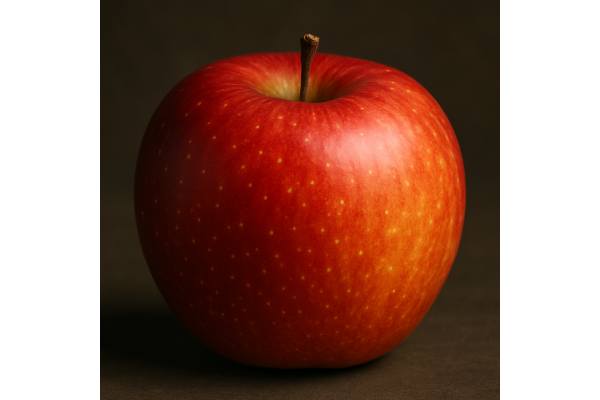
An apple is more than a crunchy, portable snack. It is a versatile ingredient with a balanced nutrition profile, widely available year-round in many cultivars that offer distinct textures and flavors—from crisp, tart Granny Smith to fragrant Gala and dense, sweet Fuji. Apples deliver fiber (notably pectin), modest vitamin C, potassium, and a spectrum of polyphenols concentrated in the peel, including quercetin, catechins, and procyanidins. In the kitchen, they slide from breakfast to dinner: sliced into grain bowls, grated into slaws, roasted alongside root vegetables, simmered into chutneys, or baked into crisps. Raw apple’s high water content supports hydration; its fiber and crunch encourage slower eating and greater fullness. Yet nutrition varies by format: whole fruit and “cloudy” juices retain more polyphenols than clear juices; dried apples concentrate sugars; heavily sweetened sauces and desserts shift apples from everyday staples to occasional treats. This guide explains what apples offer nutritionally, how evidence links regular intake with cardiometabolic health, who may need extra caution, and the smartest ways to buy, store, and cook apples so you get the taste you want and the benefits you expect.
Fast Facts
- One medium apple (182 g) offers ~4–5 g fiber with modest calories and helpful polyphenols, especially in the peel.
- Typical serving and cadence: 1 medium apple (150–200 g) or 100 g sliced; enjoy daily or several times weekly within a varied diet.
- Safety note: raw apple commonly triggers oral allergy syndrome in birch-pollen–sensitized people; cooking reduces reactivity.
- Who should limit: individuals with fructose malabsorption or IBS sensitive to fructose/sorbitol; choose smaller portions or cooked forms.
Table of Contents
- Apples at a Glance: What Sets Them Apart
- Apple Nutrition per 100 g: Complete Profile
- Evidence-Based Apple Benefits
- Risks, Allergies, and Interactions
- Selecting, Quality, Sustainability, and Storage
- Preparation, Cooking, and Nutrient Retention
- Portions, Comparisons, and FAQs
Apples at a Glance: What Sets Them Apart
Apples (Malus domestica) are among the most widely cultivated fruits, adapted to temperate climates and harvested in an astonishing range of cultivars. That diversity is culinary gold: some varieties hold their shape in pies (e.g., Granny Smith, Braeburn), others melt tender for sauces (McIntosh), and many are ideal for snacking (Fuji, Honeycrisp, Gala). Under the skin lies a crisp matrix of water, natural sugars, organic acids (notably malic acid), and pectin—the soluble fiber that gives cooked applesauce its silky body and, in the gut, forms a gel that slows digestion. The peel and just-under-the-skin layer are richest in polyphenols such as quercetin glycosides, catechins, phloridzin, and procyanidins. Those compounds contribute tart-bitter notes and the browning you see after slicing (a result of polyphenol oxidase acting on phenolics).
Two practical facts make apples easy to recommend. First, they’re highly portable and shelf-friendly compared to berries or stone fruit. Second, they play well with both sweet and savory foods. A sliced apple and cheddar sandwich, cabbage-apple slaw with mustard vinaigrette, chicken and apple sheet-pan dinners, and oat–walnut–apple crumbles are all weeknight-friendly examples.
Forms and processing matter. Whole apples give you intact fiber and the highest polyphenol exposure relative to calories. “Cloudy” apple juice retains more suspended solids and polyphenols than “clear” juice, but both remove most fiber and raise glycemic impact per serving. Dried apples concentrate sugars and calories into a smaller volume; they can be useful for athletes or hikers but require mindful portions. Unsweetened applesauce is an accessible option for young children and older adults; sweetened sauces nudge dessert territory.
Apple quality, flavor, and nutrient retention hinge on freshness and storage. Commercial operations use controlled-atmosphere storage to slow respiration and keep apples crisp for months. At home, cold temperatures (0–4°C), low ethylene exposure, and gentle handling preserve texture and reduce bruising (bruises accelerate browning and aroma loss). Because the peel carries much of the polyphenol load and a meaningful share of fiber, eating apples with the skin on—after thorough rinsing—maximizes their nutritional value. For those sensitive to peel texture, a vegetable peeler can reduce thickness while leaving some color and polyphenols intact.
Bottom line: apples are a flexible, whole-food way to boost fiber and diversify polyphenol intake. Choose formats that match your goals—whole fruit for everyday eating; cooked, sauced, or dried as situational tools—and let variety be your guide to flavor and function.
Apple Nutrition per 100 g: Complete Profile
The following values describe raw apples with skin per 100 g. Daily Values (%DV) follow current U.S. labeling references for adults. Natural variability by cultivar and season is normal; numbers reflect typical composition for common dessert apples.
Macros and Electrolytes (per 100 g)
| Nutrient | Amount | %DV |
|---|---|---|
| Energy | 52 kcal | — |
| Water | ~86 g | — |
| Total Carbohydrate | 13.8 g | 5% |
| Dietary Fiber | 2.4 g | 9% |
| Total Sugars | 10.4 g | — |
| Protein | 0.3 g | 1% |
| Total Fat | 0.2 g | 0% |
| Saturated Fat | 0.03 g | 0% |
| Sodium | 1 mg | 0% |
| Potassium | 107 mg | 2% |
Carbohydrates Detail (per 100 g)
| Component | Amount | Notes |
|---|---|---|
| Fructose | ~5.9 g | Naturally dominant sugar in apples |
| Glucose | ~2.4 g | |
| Sucrose | ~2.1 g | |
| Starch | ~0.05 g | Minimal in ripe fruit |
Vitamins (per 100 g)
| Vitamin | Amount | %DV |
|---|---|---|
| Vitamin C (ascorbic acid) | ~4.6 mg | 5% |
| Vitamin K (phylloquinone) | ~2.2 µg | 2% |
| Folate (DFE) | ~3 µg | 1% |
| Vitamin A (RAE) | ~3 µg | 0% |
| Vitamin E (alpha-tocopherol) | ~0.18 mg | 1% |
| Choline | ~3.4 mg | 1% |
Minerals (per 100 g)
| Mineral | Amount | %DV |
|---|---|---|
| Calcium | ~6 mg | 0% |
| Iron | ~0.12 mg | 1% |
| Magnesium | ~5 mg | 1% |
| Phosphorus | ~11 mg | 1% |
| Potassium | ~107 mg | 2% |
| Zinc | ~0.04 mg | 0% |
| Copper | ~0.03 mg | 3% |
| Manganese | ~0.04 mg | 2% |
Bioactives / Phytonutrients (qualitative)
| Class | Primary Apple Compounds | Where Most Concentrated |
|---|---|---|
| Flavonols | Quercetin glycosides | Peel and just-under-skin |
| Flavan-3-ols | (+)-Catechin, (−)-Epicatechin, Procyanidins | Peel and cortex |
| Dihydrochalcones | Phloridzin, Phloretin glycosides | Peel, seeds |
| Phenolic acids | Chlorogenic acid | Peel and flesh |
Allergens & Intolerance Markers
- PR-10 protein (Mal d 1) in raw apple can trigger oral allergy syndrome (itching in mouth/throat) in birch-pollen–sensitized individuals; heat denatures PR-10, so cooked apples are often tolerated.
- FODMAPs: apples are relatively high in fructose (exceeds glucose) and contain sorbitol in some cultivars; both can provoke GI symptoms in sensitive people.
Glycemic & Acid–Base Considerations
- Whole apples have a low glycemic impact per typical snack portion thanks to fiber and water content; juicing raises the glycemic load because fiber is removed.
- Malic acid provides a fresh, tart taste and contributes to the fruit’s pH; adding acid (lemon) after slicing also slows browning by inhibiting polyphenol oxidase.
Footnote: Values apply to unfortified raw apples. Sweetened applesauce, juices, and dried apples alter sugars and energy density; fortified products (rare) should be assessed by their own labels.
Evidence-Based Apple Benefits
Heart and cholesterol support (with whole fruit). Multiple controlled trials and syntheses point to modest cardiometabolic benefits from regular apple intake, especially when the whole fruit is eaten with the peel. In adults with mildly elevated cholesterol, eating two whole apples per day for several weeks produced reductions in LDL cholesterol along with improvements in vascular function markers versus a control matched for sugars and energy. Meta-analyses of randomized trials that pooled different apple formats—whole fruit, polyphenol-rich extracts, and juices—generally show small but favorable changes in total and LDL cholesterol, with the clearest effects in people who start with higher baseline levels. The mechanism likely reflects synergy between pectin (a soluble fiber that binds bile acids, increasing fecal cholesterol loss) and polyphenols (notably procyanidins and quercetin) that influence hepatic cholesterol handling, endothelial function, and oxidation pathways. Whole apples outperform clear apple juice for lipid effects because juice removes most fiber and some suspended polyphenols.
Vascular function and oxidative stress. Acute and short-term studies suggest apple polyphenols can improve endothelial function (often measured by flow-mediated dilation) and reduce oxidative stress markers. The peel’s quercetin glycosides and procyanidins may help maintain nitric oxide bioavailability and blunt post-meal oxidative responses, particularly when apples displace refined snacks.
Glycemic management in mixed meals. Apples are not low in sugars, but their fiber and structure slow digestion when eaten as intact fruit, which can flatten post-meal glucose compared with refined desserts or juices. Pairing apple slices with protein or fat (yogurt, nuts, cheese) further tempers the glycemic effect and enhances satiety.
Weight and appetite. The combination of volume (water), chew time, and pectin gel formation contributes to satiety. In real-world terms, replacing baked goods or candy with a whole apple at snacks can reduce energy intake at the next meal without intentional restriction. Dried apples offer portability but condense sugars; keep portions modest (e.g., 30–40 g).
Gut support (context matters). For most people, daily fruit supports microbial diversity and stool regularity. Apples contribute insoluble fiber (adds bulk) and soluble fiber (pectin feeds select microbes that produce short-chain fatty acids). However, those with fructose malabsorption or IBS may find raw apple portions trigger bloating due to fructose > glucose and sorbitol; cooked or smaller servings can be more comfortable.
Eyeing realistic expectations. Apples are nutrient-dense for their calorie cost and linked to small improvements in cardiometabolic markers when eaten frequently as whole fruit. They are not a replacement for prescribed therapies. Benefits depend on the pattern—whole apples with meals or as snacks, not sugar-dense juices or pastry-heavy desserts.
Practical ways to capture benefits.
- Make a habit: 1 medium apple daily or a few times per week, ideally with the peel.
- Combine with protein or healthy fats to amplify satiety (apple + nuts/skyr/cheese).
- Favor whole fruit or “cloudy” juices over clear juice when alternatives are needed; keep juice portions small.
- Cooked apples remain useful for polyphenols and fiber, though vitamin C is heat-sensitive.
Risks, Allergies, and Interactions
Oral allergy syndrome (OAS). Raw apple is one of the most common triggers of pollen-related OAS in regions with birch trees. Symptoms—itchy mouth, lips, or throat—appear within minutes and usually resolve quickly after stopping the food. The culprit is Mal d 1, a PR-10 protein structurally similar to birch pollen’s major allergen; heat denatures it, so cooked apples, applesauce, or baked goods are often tolerated. People with known birch pollen allergy who notice symptoms with raw apple should consult an allergist; in the meantime, avoid raw apple or try peeling and cooking, which lowers allergenicity.
FODMAP sensitivity. Apples contain more fructose than glucose and can include sorbitol; both are fermentable carbohydrates. Individuals with IBS or fructose malabsorption may experience gas and bloating from standard portions of raw apple. Strategies: choose a small apple, split servings, or opt for cooked preparations where texture softening and meal context may reduce symptoms. Personalized guidance from a dietitian trained in FODMAP strategies can help.
Seeds and cyanogenic glycosides. Apple seeds contain amygdalin, a cyanogenic glycoside that can release hydrogen cyanide if crushed and metabolized. Accidentally swallowing a few intact seeds is not a health concern, but intentionally chewing large numbers should be avoided. Home juicing that pulverizes cores and seeds can extract trace cyanide—keep cores out of the juicer. Dispose of seeds, and never consume seed extracts.
Patulin in damaged fruit and some juices. Patulin is a mycotoxin produced by certain molds that grow in rotting apples. Commercial controls substantially limit exposure, but visibly moldy or heavily bruised fruit should be discarded, not trimmed. Buy pasteurized juices and store opened bottles chilled.
Drug–food considerations. Large volumes of fruit juice—including apple juice—can reduce absorption of certain medications that rely on OATP transporters (examples include some antihistamines and thyroid medications). Take medicines with water, and follow label instructions about spacing doses away from juices if advised by your clinician or pharmacist.
Pesticide residues. Washing under running water while gently rubbing the skin reduces residues and soil. Peeling further lowers residues but removes much of the peel’s polyphenols and some fiber. Buying organically grown apples is a personal choice; prioritize rinsing and handling regardless of farming method.
Who should be cautious.
- Birch-pollen–sensitized individuals: avoid raw apple if OAS symptoms occur; prefer cooked forms.
- People with IBS/fructose malabsorption: start with small portions; consider cooked apples.
- Infants under 12 months: offer cooked/mashed apple to reduce choking risk and ensure texture safety.
- Anyone on sensitive medications: confirm juice interactions with your prescriber.
Selecting, Quality, Sustainability, and Storage
How to choose apples at the store or market.
- Weight and firmness: a good apple feels heavy for its size with firm, resilient flesh. Spongy spots signal internal breakdown.
- Skin: look for vibrant, varietal color and a natural bloom (a dull, waxy sheen). Superficial scuffs rarely affect flavor, but deep bruises speed spoilage.
- Aroma: a ripe apple smells fruity and floral; a starchy, “green” aroma suggests less sweetness.
- Variety fit: pick cultivars by use—Granny Smith for pie structure, Honeycrisp for snacking juiciness, Braeburn or Pink Lady for salads and roasting, McIntosh for sauce.
Label literacy.
- Country/region of origin helps you gauge travel time and seasonal freshness.
- “No sugar added” applesauce means only fruit sugars are present; “unsweetened” is ideal for everyday use.
- “Cloudy” juice retains more suspended solids than “clear,” preserving more polyphenols; still treat juice as an occasional small portion.
- Dried apples: scan ingredients for added sugars or sulfites (used to preserve color in some products).
Sustainability snapshot. Apples are central to perennial agriculture: orchards store carbon in trees and soils, support pollinators, and can help stabilize rural economies when managed well. Practices such as integrated pest management (IPM), reduced synthetic inputs, habitat strips, and efficient irrigation improve environmental performance. Buying from growers who share growing and storage practices—or choosing certified programs that emphasize soil health and biodiversity—supports better systems.
Storage and shelf life at home.
- Refrigerate apples promptly at 0–4°C (32–40°F) in a crisper drawer; colder slows respiration and starch-to-sugar conversion, preserving texture.
- Separate apples from ethylene-sensitive produce (lettuce, broccoli) or store in vented bags; apples emit ethylene that can hasten ripening of nearby items.
- Check weekly and remove any bruised apples to prevent “one bad apple” from accelerating spoilage in the rest.
- For slicing ahead: toss slices with lemon juice (or a honey-water solution) and chill; eat within 24 hours for best color and crunch.
Zero-waste ideas. Simmer peels and cores (seeds removed) with water and a cinnamon stick for a quick tea; strain and chill. Use peels to infuse vinegars; compost trimmings if food-safe reuse isn’t practical. When a glut hits, turn apples into freezer-ready pie filling or unsweetened sauce for later baking.
Budget tips. Buy in-season by the bag, not the piece. Use small, cosmetically imperfect apples for cooking. Stretch pricier snack cultivars by pairing with protein (nuts, cheese), which increases satisfaction from a modest portion.
Preparation, Cooking, and Nutrient Retention
Preserve what matters. The apple peel carries a dense share of polyphenols and some fiber; keep it on when texture allows. Vitamin C is heat-sensitive and water-soluble, so gentle methods and minimal water help. To slow enzymatic browning after slicing, limit oxygen exposure and acidify the surface: a spritz of lemon or orange juice works well.
Smart prep basics.
- Wash under running water right before use; no soap needed.
- Core safely: quarter, then use a paring knife to remove the core; keep seeds out of recipes.
- Slice for salads just before serving, or pre-treat with citrus to maintain color.
Cooking methods by goal.
- Quick sauté (5–7 minutes): thin slices in a skillet with a teaspoon of butter or oil, pinch of salt, and splash of cider vinegar; holds shape for grain bowls and pork or tempeh.
- Roast (200°C / 400°F, 15–20 minutes): wedges tossed with oil and spices (cinnamon, smoked paprika) caramelize edges and concentrate flavor.
- Microwave “baked” apples (3–5 minutes): core, fill with oats, nuts, and a dab of yogurt afterward; fast dessert with good texture.
- Applesauce (15–25 minutes): simmer chopped apples with a little water and lemon; mash to desired texture. Keep it unsweetened for everyday use; add spice (cinnamon, ginger) instead of sugar.
- Baking: choose firm varieties (Granny Smith, Pink Lady) for pies; mix two cultivars for contrast in texture and acidity.
Pairings that balance nutrition.
- Breakfast: apple-oat skillet with walnuts and yogurt.
- Lunch: kale–apple–pumpkin seed salad with mustard vinaigrette.
- Snack: apple slices + sharp cheddar or skyr for protein and longer fullness.
- Dinner: roasted chicken or chickpeas with apple, fennel, and onion—one pan, sweet-savory interplay.
Freezing and preserving.
- Freeze slices: dip in lemon water, spread on a tray to freeze, then bag. Use for smoothies, crumbles, or compotes.
- Dry at low heat: oven-dry thin slices at 90–95°C (195–205°F) until leathery for portable snacks; store airtight.
- Canning applesauce: follow tested procedures and acidity targets from trusted canning guides; label and date jars.
For sensitive eaters. If OAS or FODMAP symptoms are a concern, cooked preparations (baked, stewed) are often better tolerated than raw. Peel thickness can be reduced without fully skinning the apple to keep some color and polyphenols.
Taste and texture tips. A pinch of salt heightens sweetness. A splash of acid (lemon, cider vinegar) brightens flavor and counters heaviness in rich dishes. Spices such as cinnamon, cardamom, and star anise complement apple’s aromatic profile; savory spices (sage, thyme, black pepper) make apples at home in main courses.
Portions, Comparisons, and FAQs
What counts as a serving of apple?
- Whole fruit: 1 medium apple (about 182 g) or 1 cup slices (~110–125 g).
- Per 100 g (about a small apple or generous half of a large one) matches the tables above.
- Dried apples: 30 g (about ¼ cup) as a snack; sugars are concentrated, so keep portions modest.
- Juice: 120–150 ml (½–⅔ cup) occasionally; prefer whole fruit most days.
How often should I eat apples for benefits?
Most evidence for cardiometabolic markers comes from daily intake or several times per week, often in the range of 1–2 apples per day for whole-fruit trials. Sustainability and variety matter; rotate apples with other fruits (berries, citrus, pears).
Which is healthier: peeled or unpeeled?
Unpeeled wins for polyphenols and fiber. If peel texture is bothersome, shave it thinly to keep some color. Always rinse apples well.
Are green apples “better” than red?
Differences are mostly culinary—acidity, crunch, sweetness. Polyphenol profiles vary by cultivar, not just color. Mix varieties to diversify taste and phytochemicals.
Apples vs pears vs bananas.
- Fiber: apples and pears are similar per 100 g; bananas have more carbohydrate but also potassium.
- Glycemic impact: intact apples and pears typically have a lower glycemic effect per calorie than juice or refined snacks.
- Use case: apples excel raw and roasted; pears poach beautifully; bananas shine in smoothies and baked goods.
Will apples help with weight management?
Apples can assist by replacing energy-dense snacks. Their water and fiber promote fullness; pairing with protein (yogurt, nuts, cheese) boosts staying power.
Is applesauce healthy?
Unsweetened applesauce is a convenient, soft-texture fruit option for kids and older adults. It contains less vitamin C than raw apples (heat loss) and lacks the peel’s polyphenols; still useful within a varied diet.
Can I eat the core?
The flesh around the core is fine, but avoid seeds. They contain amygdalin; swallowing a seed or two by accident is not an issue, yet chewing large amounts is unwise.
Any medication concerns?
Take medications with water unless told otherwise. Space juices away from certain drugs that interact with OATP transporters; your pharmacist can confirm specifics.
Top take-home. Think of apples as a daily default fruit: affordable, satisfying, and adaptable. Keep portions reasonable, prioritize the whole fruit with peel, and balance bowls and snacks with protein and fiber-rich partners.
References
- FoodData Central 2025 (Database)
- Two apples a day lower serum cholesterol and improve cardiometabolic biomarkers in mildly hypercholesterolemic adults: a randomized, controlled, crossover trial 2020 (RCT)
- Metabolic and Cardiovascular Benefits of Apple and Apple-Derived Products: A Systematic Review and Meta-Analysis of Randomized Controlled Trials 2022 (Systematic Review)
- Evaluation of the health risks related to the presence of cyanogenic glycosides in foods other than raw apricot kernels 2019 (EFSA Opinion)
- Oral Allergy Syndrome in Birch Pollen-Sensitized Patients from a Korean University Hospital 2018 (Clinical Study)
Disclaimer
This guide is educational and does not replace personalized medical advice, diagnosis, or treatment. If you have food allergies, digestive conditions, or take prescription medications, discuss dietary changes—including fruit portions, juices, and supplements—with a qualified healthcare professional. If you experience symptoms of an allergic reaction or severe digestive distress, seek medical care promptly.
If this article helped you, please consider sharing it with friends or on your favorite platforms (Facebook, X, or others). Your support helps us continue producing clear, evidence-informed resources.