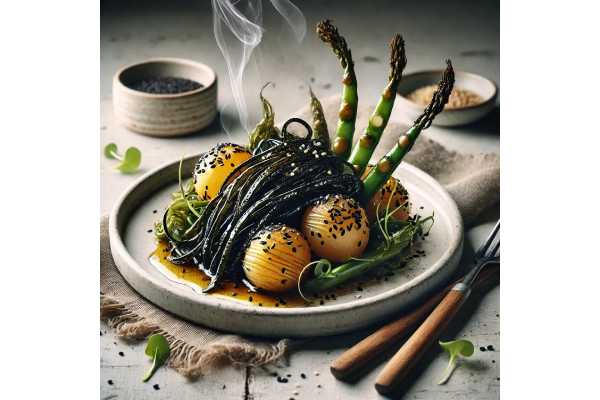
Arame is a delicately flavored brown sea vegetable harvested from cool Pacific waters, most notably around Japan. Thinly shredded and dried, it rehydrates into soft, slightly sweet strands that pair well with vegetables, grains, noodles, and lean proteins. Beyond its mellow taste, arame is prized for its impressive fiber content, trace minerals, and naturally occurring seaweed polyphenols. Because it is a brown algae, it also contains significant iodine—the thyroid-supporting micronutrient that deserves both appreciation and respect. Cooks like arame for its versatility: it comes together in minutes after a brief soak, absorbs dressings and broths beautifully, and adds umami depth without overpowering a dish. This guide brings together what matters most for everyday eaters—nutrition facts, health benefits, smart preparation techniques to manage iodine, safety notes, and practical portion guidance—so you can enjoy arame with confidence and make it a delicious, nourishing part of your routine.
Fast Facts
- Rich in fiber and natural seaweed polyphenols that support gut-friendly, plant-forward meals.
- Naturally high in iodine; soaking or brief boiling can markedly reduce iodine before eating.
- Typical serving: 2–5 g dried (about 1–2 tablespoons), enjoyed 1–3 times per week.
- People with thyroid disease or on thyroid medication should limit portions and seek clinical guidance.
Table of Contents
- Arame Basics and Origins
- Arame Nutrition Profile
- Arame Health Benefits
- Risks, Allergies and Interactions
- Selecting, Sustainability and Storage
- Cooking and Nutrient Retention
- Portions, Comparisons and FAQs
Arame Basics and Origins
Arame is the culinary name for the brown seaweed Eisenia bicyclis. In markets, you will usually see it as thin, dark, curly shreds sold dry in small pouches. Once soaked in water for several minutes, those shreds soften and expand, developing a tender bite and subtle sweetness. The flavor is gentler than many other sea vegetables; it is less briny than kombu and less grassy than wakame. That mildness—and the quick prep—make arame an easy entry point for anyone new to seaweeds.
Harvesting typically occurs in late spring through summer along rocky coastlines. Wild fronds are trimmed and sun-dried or low-temperature dried to preserve quality. Some producers now cultivate brown seaweeds under controlled conditions to improve consistency and traceability. After drying, arame is cut into its characteristic matchstick-like form, then packaged. Because moisture control is crucial, high-quality arame arrives crisp and dry, with a clean ocean aroma and no signs of clumping, dampness, or powdery residue.
Culinary uses are broad. Arame is excellent in sesame-dressed salads, with julienned carrots and cucumbers, or tossed into soba noodles with tofu and scallions. It disappears seamlessly into stir-fries, pilafs, and miso soups, and it complements earthy ingredients such as mushrooms and roasted squash. For make-ahead lunches, a simple arame-sesame salad holds well for two to three days in the refrigerator, getting even tastier as the flavors marry.
From a nutrition standpoint, arame stands out for fiber and minerals, with very little digestible carbohydrate per 100 g—most of the carbohydrate is dietary fiber. As a brown seaweed, arame also contains noteworthy polyphenols (especially a family unique to brown algae) and a natural store of iodine. Those strengths come with responsibilities: iodine is essential for thyroid hormone production, but excessive intake can be problematic for some people. Fortunately, common kitchen steps—soaking, rinsing, and brief blanching—reduce iodine substantially while keeping arame’s pleasant texture and flavor.
For sustainability-minded shoppers, seaweeds are appealing because they grow without freshwater, fertilizer, or arable land. However, quality and safety vary by growing area and post-harvest handling. The best producers test for contaminants and share lot-level information. When that transparency is present, arame can be both a culinary asset and a low-footprint addition to your pantry.
Arame Nutrition Profile
Below are typical values for dried, unseasoned arame. Nutrients are shown per 100 g with percent Daily Value (%DV) where applicable. Values vary by species, season, waters, and processing; flavored or seasoned products differ.
Macros and Electrolytes (per 100 g, dried)
| Nutrient | Amount | %DV |
|---|---|---|
| Energy | 194 kcal | — |
| Protein | 9.0 g | 18% |
| Total Fat | 2.1 g | 3% |
| Saturated Fat | 1.02 g | 5% |
| Carbohydrate (available) | 0.5 g | 0% |
| Total Carbohydrate (incl. fiber) | 69.4 g | — |
| Dietary Fiber | 68.9 g | 246% |
| Total Sugars | 0.3 g | — |
| Sodium | 1030 mg | 45% |
Fats and Fatty Acids (per 100 g, dried)
| Fatty Acid | Amount | Notes |
|---|---|---|
| Monounsaturated Fat | 0.57 g | Predominantly long-chain; very small absolute amount |
| Polyunsaturated Fat | 0.08 g | Trace omega-3 overall; seaweeds are not major omega-3 sources |
| Trans Fat | 0 g | Not detected in plain dried arame |
Minerals of Interest (per 100 g, dried)
| Mineral | Amount | %DV | Practical Context |
|---|---|---|---|
| Iodine | ~45,000 µg | 30,000% | Very high in brown seaweeds; soaking or brief boiling can reduce levels substantially before eating |
| Sodium | 1030 mg | 45% | Much of the sodium can leach into soak or cook water |
Bioactives and Functional Components
| Component | Presence | Why it matters |
|---|---|---|
| Polyphenols (notably brown seaweed phlorotannin class) | Present | Laboratory and emerging human research suggest antioxidant and anti-inflammatory activity; amounts vary by species and harvest |
| Fucoxanthin (carotenoid) | Trace to modest | Pigment with antioxidant properties; levels are typically lower in dried, shredded products |
| Alginates and related soluble fibers | Abundant | Contribute to viscosity, fullness, and potential cholesterol and glycemic effects in mixed meals |
Glycemic Characteristics
- Net carbs are minimal (about 0.5 g per 100 g dried); glycemic load is effectively negligible for typical arame portions.
- Most carbohydrate is dietary fiber, which is not digested and supports stool bulk and texture.
Footnotes
- Values reflect plain dried arame. If your package includes oil, salt, seasonings, or sweeteners, nutrition will differ.
- Iodine and sodium can drop markedly with a soak and discard-the-water step and even more with brief blanching.
- If you follow a sodium-restricted plan, rinsing and soaking are especially helpful.
Arame Health Benefits
1) Supports a fiber-rich diet
Arame is unusually high in fiber for such a small serving volume. Soluble fibers and alginates in brown seaweeds form viscous gels that slow gastric emptying and help you feel pleasantly full after a meal. Insoluble fibers add stool bulk and support regularity. Because most arame carbs are non-digestible, it fits well into plant-forward, lower-glycemic meals and provides texture without adding sugar or starch.
2) Provides iodine for thyroid hormone synthesis—when used prudently
Iodine is essential for making thyroid hormones. Arame, like other brown seaweeds, is naturally iodine-dense. For people with low habitual iodine intake (for example, those who avoid dairy and iodized salt), small amounts of arame can help bridge the gap. The key is portion control and smart preparation: soaking and brief blanching move a large share of iodine into the water, which you discard. This strategy lets you enjoy flavor and texture while keeping iodine nearer to everyday needs.
3) Delivers trace minerals and plant compounds
Depending on growing waters and harvest timing, arame can contribute minerals such as magnesium, potassium, and calcium in modest amounts. It also contains phlorotannins, a unique family of brown seaweed polyphenols. In lab and early translational research, these compounds demonstrate antioxidant and anti-inflammatory actions and influence cellular pathways tied to oxidative stress. While culinary amounts are far smaller than experimental doses, regularly rotating polyphenol-rich plants is a sound strategy for dietary diversity.
4) Helps reduce sodium in mixed dishes when handled thoughtfully
Dried seaweeds come with natural sodium from ocean minerals. However, sodium is water-soluble. A short soak (and, when needed, a quick blanch) removes a meaningful fraction of sodium—useful for people watching blood pressure. After soaking and draining, you season the finished dish yourself, often using much less salt than would otherwise be needed thanks to arame’s savory depth.
5) Adds umami richness with minimal calories
At about 194 kcal per 100 g dried—and with typical portions only a few grams—arame adds savory notes that can replace some meat or cheese in a recipe. It’s a clever way to increase flavor density while keeping calories in check.
Practical takeaways
- Arame is best viewed as a condiment-like whole food: a tablespoon or two mixed into vegetables, grains, soups, or noodles.
- Preparation choices matter: soaking and blanching tilt the balance toward flavor, fiber, and culinary value while moderating iodine and sodium.
- Benefits arise from regular, small uses—think 1–3 times weekly—rather than large, infrequent portions.
Risks, Allergies and Interactions
Iodine excess and thyroid considerations
The same iodine that makes seaweeds interesting nutritionally can pose risks when intake is high or inconsistent. Regularly exceeding the tolerable upper intake can trigger or worsen thyroid dysfunction in susceptible individuals. Because raw dried arame is highly iodine-dense, it is vital to use small portions and apply iodine-reducing methods (see Cooking and Nutrient Retention). People with known thyroid disease, those taking levothyroxine or antithyroid medication, and individuals advised to avoid iodine should consult a clinician before adding seaweeds.
Contaminants and marine biotoxins
Seaweeds can accumulate heavy metals and other contaminants from their environment. Risk varies by location, species, and processing. Responsible producers test for cadmium, lead, mercury, and arsenic species and adhere to local or import guidelines. Very small culinary portions substantially limit exposure, and preliminary market surveys suggest typical intakes from labeled servings are below health-based limits. Even so, seek brands that publish batch testing and avoid products without sourcing transparency.
Sodium and blood pressure
Although sodium can be reduced with a soak or blanch step, plain dried arame still contains notable sodium per 100 g. If you follow a sodium-restricted plan, discard soak and blanch water and taste before salting the finished dish.
Allergic reactions and cross-contact
Seaweed allergy is uncommon but can occur. Cross-contact with shellfish or fish is possible during harvest and processing, depending on facilities and local practices. Read labels carefully if you have food allergies. Start with small amounts the first time you try arame.
Drug and nutrient interactions
- Thyroid medications: Variable iodine intake may alter dose needs. Keep portions small and consistent; discuss with your prescriber.
- Iodine-containing supplements: Avoid stacking high-iodine seaweeds with kelp tablets or iodine drops unless supervised clinically.
- Anticoagulants: Some seaweeds contain vitamin K, which can interact with warfarin. Arame is not typically a high vitamin K source in the tiny amounts used, but consistency is still wise; when in doubt, ask your care team.
Who should limit or avoid
- Individuals with thyroid disorders or on thyroid medications—use only with tailored guidance.
- People advised to restrict iodine (e.g., pre-radioiodine protocols).
- Infants and young children should not be served iodine-dense seaweeds unless a clinician provides specific advice.
Selecting, Sustainability and Storage
What to look for when buying
- Ingredient list: For a neutral baseline, choose products labeled simply “arame (seaweed).” If oils, sugars, or flavorings are added, nutrition and sodium differ.
- Origin and testing: Favor brands that state harvest area or farm location and publish results for heavy metals and iodine. Lot-specific QR codes or certificates are a plus.
- Appearance and aroma: Dry, crisp strands with a clean, mild ocean scent indicate good handling. Avoid packages with moisture, clumping, or a musty odor.
- Packaging: Light- and moisture-resistant pouches extend shelf life. Resealable, opaque bags are practical for home storage.
Sustainability snapshot
Seaweed cultivation requires no freshwater, fertilizer, or arable land and can support coastal livelihoods. That said, sustainability is farm- and fishery-specific. Best practices include careful siting to protect habitats, monitoring for invasive hitchhikers, and fair labor standards. Certifications and local permits can be helpful signals. Wild harvest should follow seasonal and area quotas to maintain robust stands of Eisenia bicyclis and the biodiversity they support.
Smart storage at home
- Unopened: Store in a cool, dry, dark place for up to 1–2 years, per package guidance.
- After opening: Transfer to an airtight jar or keep in the resealable pouch with a desiccant packet. Avoid humidity (do not store above the stove).
- Rehydrated arame: Drain thoroughly and refrigerate in a covered container. Use within 3–4 days for best quality.
- Freezing: You can freeze drained, rehydrated arame in small portions. Texture remains pleasant in cooked dishes after thawing.
Budget tips
Dried seaweeds look pricey per bag but go far. A 40–60 g pouch yields many side salads or multiple pots of soup because typical portions are only a few grams. Buying from reliable sources in bulk can reduce the per-serving cost.
Cooking and Nutrient Retention
Goal: keep arame’s gentle flavor and texture while taming iodine and sodium. The good news: iodine is highly water-soluble, and common kitchen steps move a large fraction into the water you discard.
Baseline prep (everyday use)
- Measure 2–5 g dried arame (about 1–2 tablespoons).
- Rinse quickly under cool running water to remove surface salts.
- Soak in plenty of cool water for 5–10 minutes until strands are soft.
- Drain and squeeze gently. Taste. If you prefer even milder flavor or lower iodine, proceed to the quick blanch below.
Quick blanch (extra iodine reduction)
- Bring a small pot of water to a gentle boil.
- Add the soaked arame and simmer 1–2 minutes.
- Drain well and discard the blanching water.
- Proceed with your recipe.
Why this works
Iodine (and much sodium) diffuses readily into soak or cook water. Brief warm-water treatments can reduce iodine dramatically while preserving texture. Because losses also include some minerals and water-soluble compounds, the best approach is short and gentle, just enough to moderate iodine without overprocessing.
Flavor-building ideas
- Sesame–ginger salad: Toss blanched arame with rice vinegar, toasted sesame oil, grated ginger, julienned carrots, and scallions; top with toasted sesame seeds.
- Miso–mushroom soup: Add a small handful of soaked arame to a pot with shiitake, tofu, and miso broth.
- Soba bowl: Combine arame with buckwheat noodles, cucumbers, edamame, and a light tamari–citrus dressing.
- Grain pilaf: Fold chopped arame into brown rice or barley with sautéed onions and a splash of mirin.
Retention notes
- Fiber: Largely retained with brief soaking and blanching—good news for texture and fullness.
- Iodine and sodium: Highest reductions with soak plus short blanch; always discard the water.
- Polyphenols and pigments: Some leach into water; pairing arame with colorful vegetables and healthy fats (e.g., sesame oil) rounds out the dish nutritionally.
- Salt management: Because arame adds umami, you often need less added salt. Taste before seasoning.
Food safety and handling
Use clean utensils and fresh water for soaking or blanching. Store prepared arame promptly in the refrigerator and use within a few days.
Portions, Comparisons and FAQs
Practical portions
- Everyday culinary use: 2–5 g dried per person (about 1–2 tablespoons before soaking), 1–3 times per week.
- If you are iodine-sensitive or on thyroid medication: Start lower—1–2 g—and always use the soak and quick blanch method. Keep intake consistent week to week.
- Children: Offer only very small tastes unless advised otherwise by a pediatric clinician; focus on variety from other foods first.
How arame compares to other seaweeds
- Kombu (kelp): Typically among the highest in iodine and used mainly to flavor broths. Arame is milder and used directly in salads and sides.
- Wakame: Common in soups and salads; generally lower in iodine than kombu and many brown kelps. Arame’s texture is finer, and its flavor is sweeter.
- Nori: The sushi sheet seaweed; usually low in iodine compared with many brown species and often used as a wrap or topping. Arame is a shredded ingredient, not a sheet.
- Hijiki: A different brown seaweed with a history of higher inorganic arsenic; many public health agencies recommend limiting hijiki. Arame is a separate species; choose products with testing for contaminants.
Frequently asked questions
Is arame safe to eat every day?
For most people, small, consistent amounts a few times per week are a better fit than daily large helpings because of iodine density. If you prefer daily use, keep portions tiny (e.g., 1 g) and use iodine-reducing steps.
Do I need to soak arame if I plan to simmer it in soup?
Yes—soak and drain first to remove surface salts and a portion of iodine. If you simmer arame directly in the soup, much of that iodine and sodium stays in the broth.
Is arame gluten-free and vegan?
Plain arame is naturally gluten-free and vegan. Check labels for flavorings or cross-contact notices if you have allergies or strict dietary needs.
What does arame taste like?
Mildly sweet, savory, and oceanic without being fishy. It excels at absorbing dressings and broths, which is why it shines in salads and noodle bowls.
Can I eat arame raw?
Dried arame is typically soaked and eaten without further cooking, or briefly blanched. There is no need for long cooking times.
How can I minimize sodium?
Rinse, soak, and if needed blanch—then season the finished dish yourself. Those steps remove a meaningful share of sodium.
References
- Seaweed Arame | Nutridatabaze.cz 2025
- Knowledge update on macroalgae food and feed safety | Institute of Marine Research 2020
- Report of the expert meeting on food safety for seaweed 2022
- Reducing the High Iodine Content of Saccharina latissima and Improving the Profile of Other Valuable Compounds by Water Blanching 2020
- Nitrate, Nitrite, and Iodine Concentrations in Commercial Seaweed Products Available in the United Kingdom 2024
Disclaimer
This article is for general information and education. It does not replace personalized advice from a qualified healthcare professional. Seaweeds, including arame, are naturally high in iodine; people with thyroid disease, those on thyroid medications, pregnant or breastfeeding individuals, and anyone advised to limit iodine should seek clinician guidance on portions and frequency. Always follow package directions and choose products from reputable sources that test for contaminants.
If you found this guide helpful, please consider sharing it with friends or colleagues—on Facebook, X, or wherever you connect. Your support helps us continue creating reliable, reader-first nutrition resources.