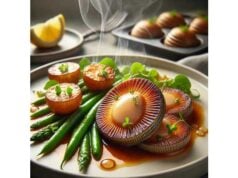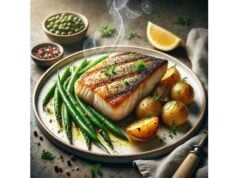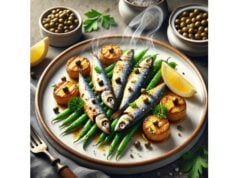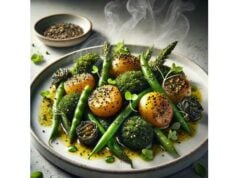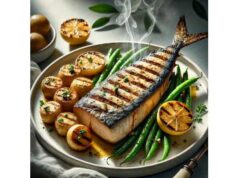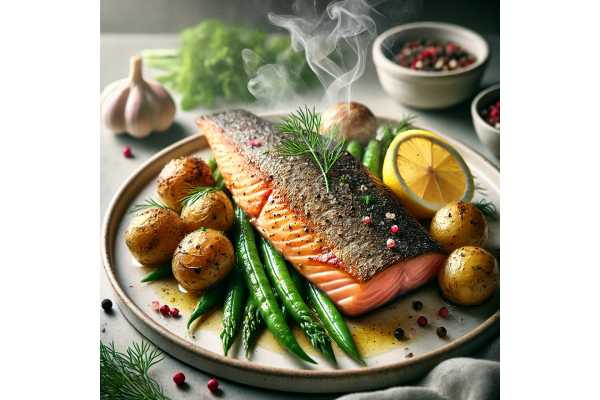
Arctic char sits between salmon and trout in taste and texture, with coral-pink flesh, gentle sweetness, and fine flakes that stay moist across many cooking methods. It is an excellent source of high-quality protein, long-chain omega-3 fats (EPA and DHA), vitamin B12, selenium, and vitamin D—nutrients that support heart, brain, and immune health. Because most market char is farmed in cold, clean waters—often in land-based recirculating systems—it tends to be consistent, sustainable, and available year-round. In the kitchen, char is flexible: you can pan-sear, roast, smoke, cure, or serve it raw when sourced and handled correctly. Its skin crisps beautifully, and the fillets cook evenly due to modest thickness. This guide covers what matters for home cooks and health-minded eaters: detailed nutrition per 100 g with % Daily Value, evidence-based benefits, safety issues (allergy, contaminants, parasites), smart buying and storage, cooking techniques that preserve nutrients, and practical portion guidance with comparisons to other fish.
Top Highlights
- Per 100 g raw, arctic char typically provides about 20 g protein, 6–13 g fat, and roughly 1.5–2.0 g EPA+DHA.
- Safe minimum internal temperature is 63 °C (145 °F); raw service requires previously frozen, sashimi-grade fish.
- A practical portion is 120–150 g cooked once or twice weekly as part of a varied seafood pattern.
- People with fish allergy should avoid char; those who are pregnant or serving young children should follow national low-mercury fish guidance.
Table of Contents
- Arctic Char Basics and Uses
- Arctic Char Nutrition Profile
- Evidence-Based Health Benefits
- Risks, Allergies and Interactions
- Selecting, Sustainability and Storage
- Cooking Methods and Nutrient Retention
- Portions, Comparisons and FAQs
Arctic Char Basics and Uses
Arctic char is a cold-water salmonid native to northern lakes and coastal seas. It looks like a slimmer salmon with delicate white marbling, cooks like trout, and tastes like a mellow cross of both—rich but not overpowering. Most fillets sold in supermarkets are from responsibly farmed fish raised in cold, oxygen-rich water; many operations use land-based recirculating aquaculture systems (RAS) that treat and reuse water and prevent escapes. This matters in the kitchen because farmed char tends to have steady fat levels, predictable fillet sizes, and clean flavor year-round.
Culinary strengths include its versatility and forgiving texture. Thin, even fillets cook quickly on a weeknight, while thicker center cuts make restaurant-quality roasts. The skin is a highlight: when dried and salted, it crisps in a minute or two in a hot pan, adding pleasant crunch and extra omega-3s. The flesh holds together for grilling and browns beautifully with simple seasoning. Because char’s flavor is gentle, it pairs well with bright, acidic ingredients (lemon, orange, yuzu), fresh herbs (dill, chives, tarragon), and umami boosters (miso, soy, brown butter). It also takes well to smoking, gravlax-style curing, or light cold-roast preparations for salads and sandwiches.
Common market forms include skin-on fillets, center-cut loins, and, less often, whole scaled fish. For raw or lightly cured dishes (sashimi, crudo, gravlax), ask a reputable fishmonger for sashimi-grade char that has been frozen to parasite-control specifications. For pan searing, look for 2.5–3 cm thickness (about 1 to 1¼ inches) at the thickest part to allow a tender, translucent center when you cook to medium.
Char is a useful “bridge fish” for people who find salmon too robust. It brings many of the same nutrients as salmon and trout with a milder taste, which makes it a good choice for family meals. In mixed dishes—grain bowls, pastas, chowders—small amounts go a long way, improving protein quality and omega-3 intake without dominating the plate.
Storage is straightforward: keep fillets well-wrapped on ice in the refrigerator and cook within 1–2 days for peak quality. If you plan to eat it raw, keep it extra cold and handle scrupulously clean. Char also freezes well: vacuum-sealed portions maintain color, texture, and nutrient quality for a few months.
Arctic Char Nutrition Profile
Values below are representative of raw arctic char per 100 g. Actual composition varies by wild versus farmed fish, feed, season, and cut. % Daily Value (%DV) reflects current adult DVs. Where no DV exists (e.g., cholesterol, omega-3s), the %DV column is omitted.
Macros and Electrolytes (per 100 g, raw)
| Nutrient | Amount | %DV |
|---|---|---|
| Energy | 170 kcal | — |
| Protein | 20.0 g | 40% |
| Total Fat | 9.0 g | 12% |
| Saturated Fat | 2.2 g | 11% |
| Carbohydrate | 0 g | 0% |
| Total Sugars | 0 g | — |
| Sodium | 60 mg | 3% |
| Potassium | 420 mg | 9% |
| Cholesterol | 70 mg | — |
| Water | 70–72 g | — |
Fats and Fatty Acids (per 100 g, raw)
| Component | Amount | Context |
|---|---|---|
| Total Polyunsaturated Fat | 2.5 g | Includes omega-3 and omega-6 |
| EPA (eicosapentaenoic acid) | ~0.5–0.7 g | Long-chain omega-3 |
| DHA (docosahexaenoic acid) | ~1.0–1.3 g | Long-chain omega-3 |
| EPA + DHA | ~1.5–2.0 g | Meaningful in small portions |
| Omega-6 | ~0.2–0.3 g | Trace to modest |
Protein and Amino Acids (per 100 g, raw)
| Amino Acid | Amount (g) | Notes |
|---|---|---|
| Leucine | ~1.7 | Essential, supports muscle protein synthesis |
| Lysine | ~2.0 | Essential, supports collagen and enzymes |
| Isoleucine | ~1.0 | Essential |
| Valine | ~1.1 | Essential |
| Threonine | ~0.9 | Essential |
| Methionine + Cystine | ~0.8 | Sulfur amino acids |
| Tryptophan | ~0.25 | Essential |
Vitamins (per 100 g, raw)
| Vitamin | Amount | %DV |
|---|---|---|
| Vitamin B12 (cobalamin) | 3.5 µg | 146% |
| Niacin (B3) | 8.5 mg | 53% |
| Vitamin B6 (pyridoxine) | 0.6 mg | 35% |
| Vitamin D | 10 µg (400 IU) | 50% |
| Vitamin A (RAE) | 50 µg | 6% |
| Riboflavin (B2) | 0.2 mg | 15% |
| Folate (DFE) | 12 µg | 3% |
| Vitamin E (alpha-tocopherol) | 1.2 mg | 8% |
Minerals (per 100 g, raw)
| Mineral | Amount | %DV |
|---|---|---|
| Selenium | 36 µg | 66% |
| Phosphorus | 220 mg | 18% |
| Potassium | 420 mg | 9% |
| Magnesium | 30 mg | 7% |
| Zinc | 0.7 mg | 6% |
| Calcium | 12 mg | 1% |
| Iron | 0.4 mg | 2% |
| Sodium | 60 mg | 3% |
Contaminants and Residues (context)
- Mercury: Typically low to moderate for char relative to larger predatory fish; farmed char is generally low.
- Persistent organic pollutants (POPs): Levels vary by farm and feed; reputable producers test and publish results where required.
- Parasites: Risk exists for raw or undercooked freshwater and anadromous fish; proper freezing or cooking mitigates this.
Glycemic and Acid–Base
- Carbohydrate: 0 g; Glycemic Load: 0.
- Acid–base: Protein-rich foods contribute to acid load; pair with vegetables and whole grains to balance dietary pattern.
Footnotes and label tips: Values reflect unfortified, raw fish. Smoked, cured, or canned char may include added sodium and flavors. Vitamin D content is highly variable in fish; farmed char often maintains meaningful levels due to feed and sunlight exposure during life cycle. Omega-3s vary by feed composition and fatness; belly and collar trims are richer than tail tips.
Evidence-Based Health Benefits
High-quality protein for strength and satiety
At roughly 20 g protein per 100 g, arctic char supplies all essential amino acids in a compact, low-carb package. Protein supports muscle repair and maintenance, especially for active adults and older individuals focused on preserving strength. Because char cooks quickly and tastes mild, it is easy to include in weeknight meals that prioritize protein without much added fat or refined carbs.
Long-chain omega-3s for heart and brain
Char delivers meaningful EPA and DHA—often 1.5–2.0 g per 100 g—supporting healthy triglyceride levels and cell membrane function in the heart and brain. Replacing some red or processed meats with oily fish like char helps shift fat quality toward polyunsaturated fats, which supports a cardioprotective eating pattern.
Selenium, B12, and vitamin D
Selenium is a cofactor for antioxidant enzymes that help protect cells from oxidative stress and maintain normal thyroid hormone metabolism. Char’s B12 content supports red blood cell formation and neurological function; vitamin D supports bone health and immune regulation. In many diets, these nutrients are underconsumed or variable, so fish that provide all three are useful.
Versatility encourages consistent intake
Nutritional benefits depend on actually eating the food. Char’s mild flavor, easy cooking, and broad pairing options make seafood nights pleasant for mixed-preference households. The skin crisps beautifully, making it easy to serve both “skin-on” for fans and “skin-off” for others from the same pan.
Weight-management friendly
A char-centered plate can be very satisfying with moderate calories, especially when fillets are roasted or pan-seared in a small amount of oil. Pair with fiber-rich vegetables and whole grains (roasted broccoli, farro, citrus-dressed greens) to enhance fullness and keep energy steady.
Athletic recovery and cognitive support
Leucine-rich protein supports muscle protein synthesis after workouts, while EPA and DHA contribute to membrane fluidity in neural tissues. While fish is not a quick-fix supplement, routine intake within a balanced diet aligns with performance and cognitive health goals.
Practical takeaways
- Build a habit of one or two seafood meals weekly; include char as a flavorful option.
- Use char to replace higher-saturated-fat proteins a couple of times per month.
- Keep nutrient retention in mind: gentle heat, crisped skin, and minimal charring preserve fats and flavor.
Risks, Allergies and Interactions
Fish allergy
Like other finfish, char can trigger allergic reactions in sensitized individuals. The main fish allergen families are heat-stable, so cooking does not eliminate risk. People with fish allergy should avoid char in all forms, including smoked or cured preparations.
Mercury and other contaminants
Arctic char generally has lower mercury compared with large, long-lived predators (swordfish, certain tunas), making it a more frequent choice in a varied seafood plan. That said, contamination levels vary by source. Follow national fish-advice charts for frequency, and consider alternating char with very low-mercury fish like salmon, sardines, and trout to keep exposure low while enjoying variety.
Parasites and raw consumption
Raw, undercooked, or improperly handled fish can harbor parasites and pathogens. If you plan to serve char raw or lightly cured (crudo, gravlax), source sashimi-grade fish that has been frozen to parasite-control temperatures according to food safety codes. At home, keep the cold chain intact, maintain clean prep surfaces, and serve promptly.
Smoked and cured products
Hot-smoked char is fully cooked but can be high in sodium; cold-smoked char is lightly preserved and should be handled like raw fish. Gravlax-style char involves salt-sugar curing; while delicious, it is not a kill step for parasites. Use sashimi-grade fish for these applications.
Medication and condition considerations
- Anticoagulants and supplements: Typical dietary fish intake does not usually interact with anticoagulants, but high-dose omega-3 supplements can. If you take prescription anticoagulants, discuss total omega-3 intake with your clinician.
- Pregnancy, breastfeeding, and young children: Char is generally a low-mercury choice; stick to reasonable portions, follow the safe-temperature rule for cooking, and use only sashimi-grade fish for raw service.
- Sodium-sensitive conditions: Smoked and cured char can be salty; choose fresh fillets and season at home to control sodium.
Food safety checkpoints
Keep raw fish at or below 4 °C (40 °F), minimize time at room temperature, and cook to 63 °C (145 °F). Refrigerate leftovers within two hours (one hour if ambient temperature is high), and consume within 1–2 days for best quality.
Selecting, Sustainability and Storage
How to choose quality fillets
- Look: Flesh should appear moist and vibrant, with fine white lines and no dulling or browning. Skin should be silvery, taut, and undamaged.
- Smell: Clean and ocean-fresh; avoid fishy, sour, or ammoniac notes.
- Touch: Fillets should feel firm and spring back when lightly pressed.
- Cut and thickness: For pan-searing, choose even thickness (2.5–3 cm) so the center cooks gently while the skin crisps.
Farmed versus wild
Most char on the market is farmed, often in land-based RAS or flow-through systems in cold climates (Iceland, Faroe Islands, Canada, parts of the U.S.). Responsible farms monitor water quality, feed, and fish health, reducing environmental impacts and ensuring consistent quality. Wild char is seasonal and less common in retail; when available, it tends to be leaner and may cook a bit faster.
Sustainability snapshot
Arctic char from well-managed farms is frequently rated as a strong environmental choice because land-based systems eliminate escape and limit disease transfer to wild populations, and effluent is treated before water returns to the environment. Feed innovations continue to lower reliance on wild fishmeal and fish oil. When choosing char, look for producers who share third-party audits, farm locations, and feed transparency.
Storage at home
- Short term (1–2 days): Keep fillets on a rack over ice in a sealed container in the coldest part of your refrigerator. Drain melted ice to avoid waterlogging.
- Freezing (2–3 months best quality): Wrap tightly (or vacuum-seal), label with date, and freeze at −18 °C (0 °F) or colder. Thaw overnight in the refrigerator.
- Leftovers: Store cooked char in a covered container and consume within 1–2 days. Reheat gently or enjoy cold in salads.
Smart substitutions
If char is unavailable, try steelhead trout or coho salmon for similar fat and cooking behavior. For a leaner option with comparable flavors, Arctic-caught lake trout can work; adjust cooking time to avoid drying.
Cooking Methods and Nutrient Retention
Goal: crisp skin, tender center, and minimal loss of omega-3s and vitamin D.
Pan-seared, skin-on (weeknight-fast)
- Pat fillet dry and score the skin lightly to prevent curling.
- Salt the flesh 15–30 minutes ahead; blot the skin again before cooking.
- Heat a film of high-heat oil in a heavy pan until shimmering.
- Cook skin-side down over medium-high heat, pressing gently for the first 30 seconds.
- Flip for the final minute to finish. Rest 2 minutes.
Result: crackly skin, translucent center. This method preserves delicate fats and concentrates surface flavors.
Oven-roasted center cut (company-ready)
- Preheat to 220 °C (425 °F). Place a seasoned fillet on a preheated sheet. Roast 8–12 minutes depending on thickness until the center flakes and reaches 63 °C (145 °F). Finish with lemon and herb oil.
Why it works: high heat sets the exterior while the interior stays succulent.
Slow roast (maximum tenderness)
- Cook at 120–135 °C (250–275 °F) until the thickest point hits 50–52 °C (122–126 °F), then briefly sear the skin in a hot pan and rest to carryover. This method minimizes omega-3 oxidation and keeps albumin (white protein exudate) to a minimum.
Broil or grill (smoky edges)
- Brush with oil, use crosshatch grill marks, and cook quickly to avoid drying. A cedar plank adds aroma and protects delicate flesh.
Poach or steam (gentle and clean)
- Simmer in court-bouillon or steam over aromatics. Poaching at 70–80 °C (158–176 °F) keeps texture silky and reduces nutrient loss to the cooking medium.
Raw and cured (expert sourcing only)
- For sashimi, crudo, or gravlax, use previously frozen, sashimi-grade char. Keep cold, work clean, and serve immediately.
Retention tips
- Avoid repeated high-heat reheating or prolonged charring, which can degrade omega-3s and vitamin D.
- Pair char with fats you already enjoy (olive oil, cultured butter) and acid (lemon, vinegar) to enhance absorption of fat-soluble nutrients and lift flavor.
- Keep sauces light; char is already rich. Emphasize fresh herbs, zest, and crunchy vegetables.
Flavor profiles to try
- Nordic: Dill, mustard seed, lemon, capers.
- Japanese-inspired: Miso-yuzu glaze, sesame, scallion.
- Mediterranean: Olive-caper-herb relish, tomato, fennel.
- Citrus-chili: Orange zest, lime, Aleppo pepper, honey.
Portions, Comparisons and FAQs
How much is a serving?
A practical cooked portion for most adults is 120–150 g (about the size of your palm and thickness of your thumb). For children, adjust down by age and appetite. If you are building a protein-forward plate, 150–170 g provides roughly 30–34 g protein after cooking.
How often can I eat arctic char?
For most healthy adults, once or twice weekly fits into a seafood pattern that balances variety and minimizes contaminant exposure. Those who are pregnant, breastfeeding, or feeding young children should use national fish-advice charts to select lower-mercury options across the week; char is typically a supportive choice.
How does char compare with salmon and trout (per 100 g, raw)?
- Arctic char: ~170 kcal; ~20 g protein; ~9 g fat; ~1.5–2.0 g EPA+DHA; strong vitamin B12 and selenium; variable but meaningful vitamin D.
- Atlantic salmon (farmed): ~200–208 kcal; ~20 g protein; ~13 g fat; ~1.5–2.5 g EPA+DHA; high vitamin D.
- Rainbow trout (farmed): ~140–160 kcal; ~20 g protein; ~6–8 g fat; ~0.8–1.1 g EPA+DHA.
Interpretation: char sits between trout and salmon for fat and omega-3s, with a flavor closer to trout.
Is char safe to eat raw?
Yes—if it is previously frozen to parasite-control temperatures and handled under strict cold chain. Ask your fishmonger for sashimi-grade product, keep it cold, and serve promptly. When in doubt, cook it to 63 °C (145 °F).
Can I cook char medium-rare?
For home cooking, follow the safe-temperature guidance. Restaurants sometimes serve medium to medium-rare with rigorous sourcing and handling. If you prefer a juicier interior at home, aim for the low end of doneness with carryover cooking and immediate service.
Why does albumin leak out when I cook salmon or char?
The white protein is coagulated albumin driven to the surface by heat. Minimize it by salting ahead, cooking gently, and avoiding sudden very high heat.
Smart budget moves
Buy a whole side and portion it yourself, saving thin tail pieces for fish cakes or pasta. Freeze individually wrapped pieces for fast weeknight meals.
Five quick serving ideas
- Lemon-dill roasted char with crispy potatoes and green beans.
- Pan-seared char with brown butter, capers, and parsley.
- Miso-yuzu glazed char over sesame cabbage.
- Char chowder with corn, celery, and thyme (light, broth-forward).
- Citrus-herb char grain bowl with farro and shaved fennel.
References
- Advice about Eating Fish 2024
- Safe Minimum Internal Temperatures 2024
- Nutrition Facts for Fish, char, arctic, raw (per 100 g) 2024
- Arctic Char | Seafood Watch Recommendation 2024
- Omega-3 fatty acids and cardiovascular outcomes: a systematic review and meta-analysis 2021
Medical Disclaimer
This article is for general education and is not a substitute for personalized medical advice, diagnosis, or treatment. Always consult a qualified healthcare professional about your specific circumstances—especially if you are pregnant or breastfeeding, have a fish allergy, manage cardiovascular or kidney conditions, or take prescription medications. Follow local food safety guidance for raw fish and cook seafood to safe internal temperatures unless using sashimi-grade products from reputable suppliers.
If this guide was helpful, please consider sharing it on Facebook, X (formerly Twitter), or your favorite platform. Your support helps us continue creating clear, practical nutrition and cooking resources.