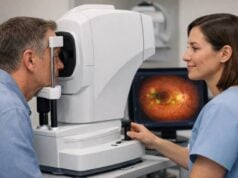
AREDS2 vitamins are not “eye vitamins” in the casual sense. They are a specific, research-tested combination of antioxidants and minerals created to slow progression of age-related macular degeneration (AMD) in people at higher risk of losing central vision. For the right person, the benefit is practical: fewer people progress to advanced AMD over time, which can mean more years of reading, driving, and recognizing faces with less disruption. For the wrong person, the same bottle may offer little value, add unnecessary expense, and create avoidable risks—especially if you have certain medical conditions or take interacting medications.
The key is matching the supplement to your stage of AMD and your health profile. This guide explains who is most likely to benefit, what is actually inside the AREDS2 formula, how to take it safely, and what else matters just as much as supplements: monitoring, lifestyle, and timely treatment if AMD becomes “wet.”
Key Insights
- AREDS2 can lower the risk of progression to advanced AMD for people with intermediate AMD or advanced AMD in one eye.
- It does not prevent AMD in people without AMD and is not a substitute for regular retinal monitoring.
- High-dose zinc, vitamin E, and carotenoids may not be appropriate for everyone, especially with certain medical histories or medications.
- The best results come from daily use of a true AREDS2-label formula, paired with consistent follow-up exams.
- If you notice new distortion, a central dark spot, or sudden vision change, urgent evaluation matters more than any supplement.
Table of Contents
- Who should take AREDS2 and who should not
- What is in the AREDS2 formula
- What benefits you can realistically expect
- How to take AREDS2 the right way
- Side effects and medication interactions
- What else protects vision with AMD
Who should take AREDS2 and who should not
The single most important rule is simple: AREDS2 is meant for specific stages of AMD, not for general prevention. Many people buy these supplements after hearing “macular degeneration runs in my family” or noticing mild blur. That is understandable, but it is not how the evidence was built.
The group most likely to benefit
AREDS2 is generally recommended for people with either of the following:
- Intermediate AMD in one or both eyes (often associated with medium-to-large drusen and/or pigment changes on retinal exam).
- Advanced AMD in one eye (for example, wet AMD or geographic atrophy in one eye), because the other eye has a higher risk of progression.
In these groups, the supplement is used as a risk-reduction tool: it does not “cure” AMD, but it can meaningfully reduce the chance of progressing to advanced stages over time.
Who is unlikely to benefit
AREDS2 is not typically recommended as a preventive supplement for:
- People with no AMD (even if family history is strong).
- People with early AMD only (small drusen without intermediate features), unless a retina specialist specifically recommends it based on individual risk factors.
- People who have vision changes not clearly due to AMD (for example, cataract, dry eye, uncorrected prescription).
If you are unsure of your stage, ask your eye care professional to name it plainly: “no AMD,” “early,” “intermediate,” or “advanced,” and which eye is affected.
When extra caution is warranted
Even if you are in the right AMD stage, AREDS2 may require a tailored decision if you have:
- Kidney disease or a history of kidney stones (mineral load and hydration habits matter).
- Hemochromatosis or other iron-related disorders (some supplements can complicate micronutrient balance).
- A history of smoking (AREDS2 avoids beta carotene, which matters for smokers and former smokers).
- Significant gastrointestinal sensitivity (high-dose zinc can cause nausea).
A practical “who should take it” checklist
You are a strong candidate if you can answer “yes” to these:
- An eye doctor has diagnosed intermediate AMD, or advanced AMD in one eye.
- You can take it daily and return for follow-up monitoring.
- Your clinician has reviewed your medication list and health conditions for conflicts.
If those are not true yet, the best next step is not buying a new supplement. It is confirming your diagnosis and risk level with a dilated retinal exam (or retinal imaging) so your plan fits your actual stage.
What is in the AREDS2 formula
“AREDS2” is not a brand name. It is a formula standard based on a large clinical trial program. To use it correctly, you need to know what the standard includes and what it intentionally leaves out.
The core AREDS2 ingredients
A typical AREDS2-label formula contains:
- Vitamin C (ascorbic acid)
- Vitamin E
- Zinc (usually as zinc oxide)
- Copper (added to reduce the risk of copper deficiency anemia caused by high-dose zinc)
- Lutein and zeaxanthin (carotenoids concentrated in the macula, often discussed as “macular pigment” nutrients)
Notably, AREDS2 replaced beta carotene from the original AREDS formula with lutein and zeaxanthin because beta carotene raised concerns for certain populations, particularly people with a smoking history.
Why these ingredients were chosen
AMD is influenced by oxidative stress and inflammation in retinal tissues, along with age-related structural changes. The AREDS-style approach does not try to “feed the retina” in a vague way. It aims to:
- Increase antioxidant capacity in tissues vulnerable to light and oxygen exposure.
- Support the macula’s natural pigment layer (lutein and zeaxanthin), which can help with light filtering and oxidative stress buffering.
- Use zinc as a high-dose mineral component that was associated with reduced progression risk in the original research pathway.
You do not need to memorize the biochemical pathways to make this practical. What matters is that AREDS2 is not a random multivitamin. It is high-dose and purpose-built.
Common label traps and “almost AREDS2” products
Many products resemble AREDS2 but are not equivalent. Common issues include:
- Missing copper (a safety issue if zinc is high).
- Lower or altered doses that may not match the studied levels.
- Extra ingredients added for marketing appeal (herbs, “proprietary blends”) that can complicate tolerance and interactions without proven additional benefit for AMD outcomes.
- “Eye health” formulas designed for dry eye or general wellness, not AMD risk reduction.
A useful consumer habit is to look for the phrase that indicates the formula matches the studied combination, then confirm the ingredient list and doses. If the label does not clearly show the full ingredient amounts, treat it as a warning sign.
AREDS2 and omega-3 confusion
Many people associate AREDS2 with omega-3 (DHA and EPA) because omega-3s were studied in the broader AREDS2 program. However, the practical takeaway for supplements sold as “AREDS2” is that the standard formula focuses on the antioxidant and carotenoid package described above. If a product includes omega-3, that is a separate design choice. It may be reasonable for overall health or dietary gaps, but it is not the core identity of an AREDS2 formulation.
The goal is clarity: use an AREDS2 formula for AMD risk reduction, and treat other additions as optional, individualized decisions—not as required parts of the evidence-based core.
What benefits you can realistically expect
The most helpful way to think about AREDS2 is as a risk reducer, not a symptom reliever. Most people do not feel an immediate change in vision after starting it, and that is normal.
What AREDS2 is designed to do
For people with intermediate AMD or advanced AMD in one eye, the main expected benefit is:
- Lower risk of progression to advanced AMD over time, compared with not taking the formulation.
Advanced AMD typically includes:
- Neovascular (“wet”) AMD, where abnormal blood vessels leak and can rapidly damage central vision.
- Geographic atrophy, where patches of retinal tissue gradually thin and lose function.
AREDS2 does not guarantee you will avoid these outcomes. It shifts the odds in a favorable direction for a risk-defined group.
What AREDS2 does not do
It is equally important to set expectations about what supplements will not do:
- It does not reverse existing retinal damage. If your macula already has atrophy or scarring, vitamins cannot rebuild that tissue.
- It does not treat wet AMD. Wet AMD is treated with time-sensitive medical therapy (often injections) and urgent monitoring.
- It does not reliably improve visual acuity in the short term. If you are hoping to read smaller print next week, supplements are unlikely to deliver that kind of change.
- It does not replace lifestyle and monitoring. Supplements are one layer, not the whole plan.
The benefits that matter day to day
Even though vision often does not “feel” different, AREDS2 can support long-term function by delaying major events that do change daily life. In practical terms, that can mean:
- More years before central distortion becomes intrusive.
- More time before a central blind spot interferes with reading or face recognition.
- Lower likelihood of a sudden wet-AMD transition without warning, if combined with good monitoring habits.
The “dose-response” reality: adherence matters
Because the benefit is cumulative and long-range, the supplement is most meaningful when it becomes routine:
- Missing occasional doses is not catastrophic, but sporadic use makes the risk reduction less dependable.
- If you stop and restart repeatedly because of nausea or pill fatigue, it is worth troubleshooting tolerance rather than “powering through,” because a tolerable plan is the one you can keep.
When you should reassess whether it is worth taking
There are reasonable cases to revisit the decision:
- If your diagnosis turns out to be early AMD only, and your clinician does not recommend supplementation.
- If side effects persist despite adjustments (taking with food, splitting doses, changing formulation).
- If another health condition changes the safety balance (for example, new medication interactions or renal issues).
In short, AREDS2 is not a quick fix. It is a long-term protective strategy for a clearly defined risk group, and it works best when paired with consistent monitoring and prompt action if symptoms change.
How to take AREDS2 the right way
Once the “should I take it” question is answered, the next challenge is making the routine simple and sustainable. The best AREDS2 plan is the one you will actually follow for years.
Timing and how to take it
Most people do best with these principles:
- Take it with a meal that contains some fat (even modest amounts) to improve tolerance and support absorption of fat-soluble components.
- If the serving size is multiple pills per day, consider splitting doses (for example, morning and evening) to reduce nausea.
- If you take other supplements or medications, use a consistent schedule so you can notice patterns in side effects and avoid accidental doubling.
Many people experience stomach upset when they take high-zinc products on an empty stomach. A simple “always with lunch” rule solves this for a large portion of users.
Choosing a product without overthinking it
If you are overwhelmed by choices, focus on three practical checks:
- It clearly states it is an AREDS2 formula and lists ingredient amounts transparently.
- It includes copper alongside zinc.
- It comes from a manufacturer you trust for quality control, and it is not overloaded with unnecessary extras.
If you have had intolerance before, ask about alternative forms (softgels versus tablets) or formulas that keep the core ingredients but may differ in excipients. Sometimes the “inactive ingredients” are what trigger reflux or nausea.
Can you take it with a multivitamin
Many people do, but the answer should be individualized. AREDS2 is high-dose. Combining it with other supplements can:
- Push vitamin E or zinc intake higher than intended.
- Create redundancy that adds cost without benefit.
A common practical approach is:
- Use AREDS2 as your targeted AMD supplement, and keep any general multivitamin modest unless your clinician has a specific reason.
What to do if you miss doses
For a daily supplement:
- Do not double up in a way that worsens nausea.
- Resume your normal schedule.
- If missed doses happen frequently, the fix is usually a simpler habit system (pill organizer, phone reminder, keeping the bottle near a daily routine like brushing teeth).
Monitoring while taking AREDS2
Supplements feel passive, but AMD care is not. Build a monitoring rhythm that makes the supplement meaningful:
- Keep regular eye appointments as recommended (often based on stage and risk).
- Use a simple home monitoring habit if advised (many clinicians recommend a consistent method to notice distortion early).
- Know your “urgent signs”: new wavy lines, sudden blur, a new central smudge, or rapid changes in one eye.
AREDS2 is best viewed as a seatbelt. You still drive carefully, you still maintain the car, and you still respond quickly when warning lights come on. The supplement supports risk reduction, but the daily system—how you take it and how you monitor—determines whether you capture its full value.
Side effects and medication interactions
AREDS2 is widely used and generally well tolerated, but it is not “nothing.” High-dose vitamins and minerals can cause side effects, and a small subset of people should take extra precautions.
Common side effects
The most frequent issues are gastrointestinal:
- Nausea, stomach discomfort, or heartburn (often related to zinc and taken on an empty stomach)
- Metallic taste or mild queasiness
- Constipation in some users
Practical fixes that often work:
- Take the supplement with food.
- Split the dose across two meals.
- Try a different brand with the same core formula if fillers or pill size are an issue.
When side effects should prompt medical advice
Stop and check in with a clinician if you develop:
- Persistent vomiting or severe abdominal pain
- Signs of an allergic reaction (rash, swelling, breathing difficulty)
- New, unexplained symptoms that start soon after beginning the supplement and do not settle with timing changes
Medication interactions to discuss
The key point is not that AREDS2 is “dangerous,” but that it can overlap with medication effects. Discuss AREDS2 use if you take:
- Blood thinners or antiplatelet medications, because high-dose vitamin E can have mild blood-thinning effects in some contexts.
- Certain chemotherapy agents or treatments where antioxidant supplementation may be discouraged.
- Thyroid medication or other drugs where mineral supplements might interfere with absorption if taken together (timing can often solve this).
Even when interactions are manageable, spacing doses can matter. A common solution is separating mineral-heavy supplements from certain medications by a few hours, depending on what you take.
Special populations and special cautions
- Smokers and former smokers: AREDS2 intentionally removed beta carotene, which is one reason clinicians generally prefer AREDS2 over the original AREDS formula for people with a smoking history.
- Kidney disease or kidney stone history: mineral handling and hydration are important topics to review.
- People with multiple supplements: stacking products can unintentionally raise total zinc or vitamin E intake.
- Pregnancy and breastfeeding: AMD supplementation is usually not a common scenario here, but any high-dose vitamin regimen should be reviewed medically.
Why copper is part of the formula
Copper is not added as an “extra benefit” nutrient. It is included because high-dose zinc can interfere with copper absorption. In long-term use, that imbalance can cause problems. This is why a product missing copper should be treated as a red flag, not a minor detail.
A safe decision framework
If you are a candidate for AREDS2 (intermediate AMD or advanced AMD in one eye), safety usually comes down to:
- Confirming you are using an appropriate formula.
- Taking it in a way your stomach tolerates.
- Reviewing your medication list and health conditions once, then revisiting if your health changes.
When these steps are done, most people can take AREDS2 with confidence—and without turning the supplement into a daily struggle.
What else protects vision with AMD
AREDS2 is helpful, but it is not the whole story. People who do best long term treat AMD as a set of habits and decision points, not just a pill.
Monitoring is the highest-leverage action
Supplements work slowly; wet AMD can change quickly. The most vision-saving behaviors include:
- Keeping scheduled eye exams appropriate for your stage.
- Knowing your personal baseline: what straight lines look like, how reading feels, how each eye performs alone.
- Acting quickly on new distortion or a new central blur.
A practical habit is to compare eyes one at a time periodically (as recommended by your clinician), because AMD changes can be subtle when both eyes are open and the stronger eye is “covering” for the weaker one.
Lifestyle choices that consistently matter
You do not need perfection. You need the big rocks:
- Do not smoke. Smoking is one of the strongest modifiable risk factors for AMD progression.
- Support cardiovascular health. Blood pressure, cholesterol, and overall vascular health influence the retina’s environment.
- Prioritize a retina-friendly diet pattern. Dark leafy greens, colorful vegetables, legumes, nuts, and fish are repeatedly associated with better macular health patterns than highly processed diets.
- Protect eyes from intense UV exposure with appropriate sunglasses, especially outdoors for long periods.
- Manage sleep and inflammation drivers (untreated sleep apnea, uncontrolled diabetes) when relevant.
These steps are not glamorous, but they influence the same biological pressures that supplements target: oxidative stress, inflammation, and tissue resilience.
When treatment is needed beyond supplements
If AMD becomes neovascular (wet), the treatment priority shifts immediately. Supplements do not stop active leakage. Medical therapy is designed to.
Seek urgent evaluation if you notice:
- New waviness in straight lines
- A new dark or blank spot in central vision
- Rapid change in one eye’s clarity over days to weeks
- New difficulty recognizing faces or reading with one eye
In wet AMD, timing matters. Early treatment often preserves more function than delayed treatment.
Handling the emotional side of AMD
AMD creates a particular kind of anxiety because it threatens the activities people value most. A few grounded strategies help:
- Ask your clinician to describe your stage and risk plainly, without vague terms.
- Set a monitoring plan you can follow without obsessing daily.
- If vision loss is present, consider early referral to low-vision support; it is not a “last resort,” it is a toolkit that protects independence.
Putting it all together
A strong AMD plan often looks like this:
- Confirm stage and risk.
- Use AREDS2 if you are in the group it is designed to help.
- Monitor consistently and act quickly on symptom changes.
- Improve the foundations: smoking cessation, cardiovascular health, and diet.
AREDS2 is worth taking when it fits your stage. But the biggest vision protection comes from combining it with timely monitoring and the kind of everyday choices that keep the retina’s environment as stable as possible over the long run.
References
- Age-Related Eye Disease Studies (AREDS/AREDS2) 2025 (Official Resource)
- Age-Related Macular Degeneration Preferred Practice Pattern® 2025 (Guideline)
- Antioxidant vitamin and mineral supplements for slowing down the progression of age-related macular degeneration 2023 (Systematic Review)
- Long-term Outcomes of Adding Lutein/Zeaxanthin and ω-3 Fatty Acids to the AREDS Supplements on Age-Related Macular Degeneration Progression: AREDS2 Report 28 2022 (Clinical Follow-up Study)
- Lutein + zeaxanthin and omega-3 fatty acids for age-related macular degeneration: the Age-Related Eye Disease Study 2 (AREDS2) randomized clinical trial 2013 (RCT)
Disclaimer
This article is for educational purposes only and does not provide medical advice, diagnosis, or treatment. AREDS2 supplements are intended for specific stages of age-related macular degeneration and may not be appropriate for everyone, especially people with certain medical conditions or medication regimens. Always review supplement use with an optometrist, ophthalmologist, primary care clinician, or pharmacist who knows your health history and current medications. If you develop sudden vision changes, new distortion, a central dark spot, eye pain, or rapidly worsening glare or blur, seek urgent eye care.
If you found this article helpful, please consider sharing it on Facebook, X (formerly Twitter), or any platform you prefer. Your support helps our team continue producing reliable, high-quality health content.