Artichokes have a reputation as a gourmet vegetable, but they are also a quietly powerful nutrition ally. The tender heart and fleshy leaves provide substantial fiber, prebiotic carbohydrates, and a mix of minerals and antioxidants that support digestion, heart health, and metabolic balance. At the same time, artichoke leaves and standardized extracts are widely used in herbal medicine for issues like indigestion and cholesterol management, with an expanding body of research exploring these effects.
In the kitchen, artichokes are surprisingly versatile: you can steam and dip the leaves, roast halves with olive oil, toss marinated hearts into salads, or blend them into creamy spreads. Their mild bitterness pairs well with citrus, herbs, and healthy fats. This guide walks you through what is known from both nutrition science and clinical studies, including who is likely to benefit, who should be cautious, and how to choose, cook, and serve artichokes in a practical, sustainable way.
Quick Overview
- One medium cooked globe artichoke (about 120 g) provides roughly 60–70 kcal, 6–8 g fiber, and 3–4 g protein, and can fit into most balanced eating patterns several times per week.
- Artichokes and artichoke leaf extract appear to support digestion, cholesterol management, liver function, and antioxidant defenses, although evidence is stronger for standardized extracts than for the vegetable alone.
- Typical supplemental doses fall around 320–640 mg of standardized artichoke leaf extract per day, but higher total intakes have been used in studies and should only be taken under professional guidance.
- People with allergies to artichoke or other Asteraceae plants, significant bile duct obstruction, complex liver or gallbladder disease, or those who are pregnant, breastfeeding, or on certain medications should seek medical advice before using concentrated artichoke supplements.
Table of Contents
- What Makes Artichokes Unique
- Artichoke Nutrition Profile Explained
- Science-Backed Health Benefits of Artichoke
- Side Effects, Allergies and Drug Interactions
- Shopping, Quality, Sustainability and Storage
- Cooking Artichokes for Nutrition Retention
- Portions, Comparisons and Common Questions
What Makes Artichokes Unique
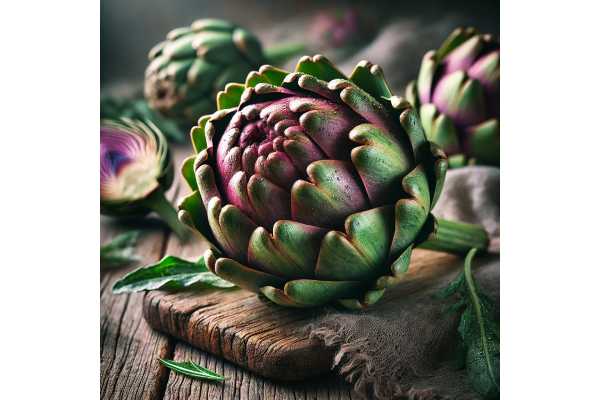
Artichokes (Cynara cardunculus var. scolymus) are the immature flower buds of a Mediterranean thistle. The edible parts are the tender heart, the soft inner leaves, and some of the stem. While they are often treated as a specialty vegetable, their nutrient density and bioactive compounds justify a regular place in a health-focused diet.
Botanically and nutritionally, globe artichokes are distinct from “Jerusalem artichokes,” which are actually tubers from a sunflower species. Jerusalem artichokes are starchier and much higher in carbohydrates. Globe artichokes are lower in calories and rich in fiber and polyphenols, placing them closer to leafy vegetables than root crops.
From a culinary standpoint, artichokes offer:
- A meaty texture that works as a plant-based alternative in many dishes
- Mild bitterness that stimulates appetite and digestive secretions
- Compatibility with ingredients such as olive oil, garlic, lemon, herbs, and whole grains
Artichokes are available in several forms:
- Fresh whole globes – best for steaming, boiling, roasting, and grilling.
- Fresh or frozen hearts – convenient for sautés, pasta, and grain bowls.
- Canned or jarred marinated hearts – ready-to-eat but often higher in sodium or oil.
- Artichoke leaf teas and tinctures – typically milder preparations used in traditional herbal practice.
- Standardized artichoke leaf extracts – capsules or tablets with specified levels of key compounds such as chlorogenic acid and cynarin; these are the primary forms used in clinical trials.
The unique health profile of artichoke arises from three main components:
- Dietary fiber and prebiotics
Artichokes provide substantial fiber, including inulin, a prebiotic that feeds beneficial gut bacteria. This may contribute to better stool regularity, reduced constipation, and improved metabolic markers in some individuals. - Polyphenols and antioxidants
Compounds such as chlorogenic acid, cynarin, and various flavonoids have antioxidant, anti-inflammatory, and potential lipid-lowering properties. These bioactives are concentrated in the leaves, which explains why leaf extracts show pronounced effects in research. - Minerals and vitamins in a low-calorie package
A typical serving provides meaningful amounts of potassium, magnesium, folate, and vitamin K while remaining modest in calories and carbohydrates, making artichokes compatible with many dietary patterns, including Mediterranean, plant-forward, and moderate low-carbohydrate approaches.
Taken together, artichokes are not just an occasional appetizer but a functional vegetable that can support digestive comfort and cardiometabolic health when incorporated regularly into meals.
Artichoke Nutrition Profile Explained
The values below refer to 100 g of cooked globe artichoke (boiled, drained, without added fat), which is slightly less than one medium artichoke. Exact content varies by variety and preparation, but these figures provide a realistic benchmark.
Macros and Electrolytes
| Nutrient | Amount per 100 g | Approximate %DV* |
|---|---|---|
| Energy | 45–50 kcal | 2–3% |
| Protein | 3.0–3.5 g | 6–7% |
| Total fat | 0.2–0.8 g | <1% |
| Carbohydrates (total) | 10–15 g | 4–5% |
| Dietary fiber | 5–7 g | 18–25% |
| Total sugars | ~1.2 g | — |
| Water | ~85 g | — |
| Potassium | 370–440 mg | 8–9% |
| Sodium (naturally occurring) | ~90 mg | 4% |
| Magnesium | 50–60 mg | 12–14% |
| Phosphorus | 90–100 mg | 7–8% |
| Calcium | 35–55 mg | 3–4% |
*%DV values are approximate, based on adult Daily Values used on standard nutrition labels.
Key takeaways:
- Fiber density is a standout feature; artichokes provide more fiber per 100 g than many commonly eaten vegetables.
- Protein is modest but higher than in many leafy greens, supporting satiety.
- Electrolytes, particularly potassium and magnesium, contribute to blood pressure and neuromuscular regulation.
Carbohydrates, Glycemic and Acid–Base Metrics
| Carbohydrate Metric | Amount per 100 g | Interpretation |
|---|---|---|
| Total carbohydrates | 10–15 g | Moderate |
| Net carbohydrates | ~5–8 g | Lower once fiber removed |
| Dietary fiber | 5–7 g | High |
| Estimated glycemic index | Low (around 30–35) | Generally gentle on blood glucose |
| Estimated glycemic load | ~2–3 | Very low impact per 100 g |
| Potential renal acid load | Mildly alkaline | May support neutral pH balance |
Although formal laboratory glycemic index data are limited, modeling and compositional analyses consistently classify artichokes as a low-glycemic, low–glycemic-load vegetable.
Fats and Fatty Acids
Artichokes are naturally very low in fat:
| Lipid Metric | Amount per 100 g |
|---|---|
| Total fat | 0.2–0.8 g |
| Saturated fatty acids | ~0.04–0.2 g |
| Monounsaturated fatty acids | ~0.01–0.1 g |
| Polyunsaturated fatty acids | ~0.06–0.2 g |
| Cholesterol | 0 mg |
The practical implication is that most of the fat in an artichoke dish comes from added oils, dressings, cheese, or dips. Pairing artichokes with extra-virgin olive oil or nuts can enhance flavor and help absorption of fat-soluble nutrients without undermining the vegetable’s low-saturated-fat profile.
Vitamins
| Vitamin | Amount per 100 g | Approximate %DV |
|---|---|---|
| Vitamin C (ascorbic acid) | 8–12 mg | 9–13% |
| Folate (vitamin B9) | ~60–70 µg | 15–18% |
| Vitamin K | ~15 µg | 12–15% |
| Vitamin B6 (pyridoxine) | ~0.12 mg | 7–9% |
| Thiamin (vitamin B1) | ~0.07 mg | 6% |
| Riboflavin (vitamin B2) | ~0.07 mg | 5% |
| Niacin (vitamin B3) | ~1.0 mg | 6–7% |
| Vitamin A (retinol activity) | ~1 µg | <1% |
| Vitamin E | ~0.2 mg | 1–2% |
The combination of folate, vitamin K, and vitamin C supports cardiovascular, bone, and immune health, especially when artichokes are eaten regularly as part of a varied diet.
Minerals
| Mineral | Amount per 100 g | Approximate %DV |
|---|---|---|
| Potassium | 370–440 mg | 8–9% |
| Magnesium | 50–60 mg | 12–14% |
| Phosphorus | 90–103 mg | 7–8% |
| Calcium | 35–55 mg | 3–4% |
| Iron | 0.9–1.3 mg | 5–7% |
| Zinc | ~0.5–0.6 mg | 5–6% |
| Manganese | ~0.25–0.45 mg | 10–20% |
| Copper | ~0.1–0.3 mg | 11–33% |
| Selenium | ~0.2 µg | <1% |
| Sodium | ~90–115 mg | 4–5% |
Magnesium, potassium, and manganese stand out. These minerals play roles in blood pressure control, energy metabolism, and antioxidant enzyme systems.
Bioactives and Phytonutrients
Artichokes provide a range of polyphenols and other bioactive compounds, especially in the leaves and outer bracts:
| Compound Group | Examples and Notes |
|---|---|
| Caffeoylquinic acids | Chlorogenic acid, cynarin; associated with antioxidant and lipid-lowering effects |
| Flavonoids | Luteolin and derivatives; contribute to anti-inflammatory and antioxidant actions |
| Inulin and fructans | Prebiotic fibers that can modulate gut microbiota composition |
| Other antioxidants | Various phenolics that help neutralize reactive oxygen species |
These compounds are more concentrated in leaf extracts than in the edible heart alone, which explains why supplements often show larger effects than dietary artichokes in clinical studies.
Allergens, Anti-nutrients and Contaminants
- Artichokes do not contain gluten or common food additives in their whole, fresh form.
- They are naturally low in standard anti-nutrients such as phytic acid compared with grains and legumes.
- Jarred and canned products may include added sodium, acids, or preservatives; always check the label.
- As with other vegetables, washing and trimming help reduce surface residues from agricultural production.
Science-Backed Health Benefits of Artichoke
Artichokes as a vegetable and artichoke leaf extract as a supplement share overlapping but not identical evidence bases. Most clinical trials use standardized leaf extracts, while population-level evidence supports the benefits of vegetables like artichoke within Mediterranean-style dietary patterns.
Digestive Support and Dyspepsia
Artichoke leaf has a long history of use for indigestion, bloating, and a feeling of fullness after meals. Modern research includes placebo-controlled trials in patients with functional dyspepsia, where artichoke leaf extract taken for several weeks has been shown to improve global dyspepsia scores and symptom frequency compared with placebo.
Open-label and post-marketing studies with several hundred participants report notable reductions in dyspepsia symptoms at doses around 320–640 mg per day of leaf extract.
Proposed mechanisms include increased bile production and flow (which can support fat digestion), modulation of gut motility, and local antioxidant effects in the gastrointestinal tract.
Irritable Bowel Syndrome and Gut Comfort
In adults with irritable bowel syndrome (IBS) and concomitant dyspepsia, artichoke leaf extract has been associated with:
- Reduced self-reported IBS incidence over one to two months
- Shifts in bowel habits toward more “normal” patterns
- Meaningful improvements in quality-of-life scores
At the same time, artichokes are high in inulin and other fermentable fibers that can provoke gas and discomfort in some people with IBS, especially in larger portions. For many, a small to moderate serving of well-cooked artichoke can be tolerated and may even support gut health, but responses vary widely.
Cholesterol, Lipids and Cardiometabolic Health
Human studies and recent reviews suggest that artichoke extracts can favorably influence lipid profiles and cardiometabolic risk factors:
- Controlled trials in people with mild hypercholesterolemia demonstrate reductions in total cholesterol and low-density lipoprotein (LDL) cholesterol when standardized leaf extracts are taken for 6–12 weeks.
- Reviews of the literature summarize evidence that artichoke preparations may reduce LDL cholesterol, triglycerides, waist circumference, and blood pressure in select populations, although results are not uniform across all studies.
Mechanistically, polyphenols in artichoke may:
- Inhibit enzymes involved in endogenous cholesterol synthesis
- Improve bile acid turnover and cholesterol excretion
- Support endothelial function and reduce oxidative modification of lipoproteins
Whole artichokes contribute by replacing more energy-dense foods, supplying fiber, and fitting well into heart-protective meal patterns.
Liver Function and Antioxidant Protection
Artichoke has been explored as a liver-supportive food and supplement:
- Preclinical studies show hepatoprotective effects of artichoke leaf extract in models of oxidative stress and toxin exposure, with improvements in liver enzymes, inflammatory markers, and histological appearance.
- Small human trials in metabolic dysfunction–associated steatotic liver disease report reductions in liver enzyme levels with high-dose artichoke extract, although evidence is still preliminary and not sufficient to support use as a stand-alone treatment.
From a practical standpoint, regularly eating artichokes can support liver health as part of a broader pattern rich in vegetables, unsaturated fats, and limited alcohol and ultra-processed foods. Supplements may be considered in collaboration with a healthcare professional when specific liver conditions are being managed.
Blood Sugar, Weight Management and Satiety
Artichokes can fit comfortably into nutrition plans aimed at stable blood sugar and weight management:
- Their low glycemic load and substantial fiber content help slow glucose absorption.
- The combination of fiber and modest protein supports satiety after meals, potentially reducing the desire for energy-dense snacks.
- Experimental work suggests artichoke extract may influence insulin sensitivity and adiposity in animal models, but human data remain limited and exploratory.
Artichokes should be viewed as a supportive food rather than a stand-alone “weight-loss” solution.
Other Emerging Areas
Research is ongoing into potential roles of artichoke in:
- Supporting kidney and vascular function in specific clinical contexts
- Modulating immune responses and inflammatory markers
- Providing prebiotic substrates that influence gut microbiota composition
These findings are promising but not yet robust enough to justify disease-specific claims for the general population.
Side Effects, Allergies and Drug Interactions
For most people, eating artichokes as a food is considered safe. Concentrated supplements require more caution.
Common and Mild Side Effects
When side effects occur, they are usually gastrointestinal and include:
- Gas, bloating, or cramping, particularly in individuals sensitive to fermentable fibers
- Loose stools or, less commonly, constipation changes
- Mild nausea or early fullness when higher doses of leaf extract are used
These reactions often relate to the prebiotic fiber load or the choleretic (bile-stimulating) effects of artichoke.
Allergy and Cross-Reactivity
Artichoke belongs to the Asteraceae (Compositae) family, which also includes plants such as daisies and some ragweeds. People with known allergies to this plant family can experience:
- Itching or tingling in the mouth
- Hives, rash, or swelling
- Rarely, more serious reactions
Any signs of allergy after eating artichoke or taking artichoke-based supplements warrant prompt medical assessment and strict avoidance of further exposure.
Bile, Gallbladder and Liver Concerns
Artichoke leaf extracts can increase bile production and flow. This is part of their proposed mechanism for digestive and lipid benefits, but it also raises safety considerations:
- Individuals with known bile duct obstruction, severe gallstones, or acute gallbladder inflammation should not use concentrated artichoke extracts unless explicitly advised and monitored by a physician.
- People with chronic liver disease should consult their specialist before using artichoke supplements; while some studies suggest potential benefits, others report adverse events when herbal infusions are consumed in very large quantities.
Eating normal food amounts of artichoke is generally acceptable unless a clinician advises otherwise.
Interactions with Medications
Potential interactions include:
- Anticoagulants and antiplatelet agents: Artichoke provides vitamin K, and extracts may affect platelet function or bile handling, so there is theoretical interaction risk. People on warfarin or other anticoagulants should not start high-dose supplements without medical supervision.
- Lipid-lowering drugs: Because leaf extracts may modestly lower cholesterol, they could have additive effects with statins or other lipid-lowering agents. Dose adjustments or closer monitoring may sometimes be required.
- Antihypertensives: Some evidence suggests artichoke can modestly reduce blood pressure, which may contribute to lower readings in combination with medication.
In general, typical dietary intakes of artichokes are unlikely to cause clinically meaningful drug interactions, but concentrated extracts deserve the same caution as other herbal products.
Pregnancy, Breastfeeding and Special Populations
There is limited safety data for artichoke leaf extract in:
- Pregnant or breastfeeding individuals
- Children and adolescents
- People with complex, multi-drug regimens or serious chronic illness
For these groups, it is prudent to avoid supplements unless a qualified clinician recommends them. Food amounts of artichoke are usually acceptable during pregnancy when tolerated and when overall diet and medical advice support their use.
Typical Supplemental Doses and Safe Use Principles
Commonly referenced adult doses of standardized artichoke leaf extract fall within:
- 320–640 mg per day, sometimes divided between meals, in studies on dyspepsia and mild hypercholesterolemia
- Higher total daily amounts (up to 1,800–2,000 mg) have been used short term in trials under medical oversight
Practical guidance:
- Choose products from reputable manufacturers with clear labeling and, ideally, third-party quality testing.
- Do not exceed the dose stated on the product label unless directed by a healthcare professional.
- Stop use and seek medical advice if new or worsening symptoms occur.
Shopping, Quality, Sustainability and Storage
Choosing Fresh Artichokes
When buying fresh whole globes:
- Look for tightly closed leaves that hug the bud; splayed or dried tips suggest age.
- The artichoke should feel heavy for its size, indicating good moisture content.
- A gentle squeeze of the leaves may produce a faint squeak, often cited as a sign of freshness.
- Color can range from green to purple-green depending on the variety; avoid artichokes with large brown soft spots or extensive mold.
Seasonality varies by region, but in many markets, prime artichoke season runs from late winter through spring, with a secondary smaller harvest later in the year.
Hearts, Frozen and Canned Options
If whole artichokes are not practical, hearts and preserved products are useful stand-ins:
- Frozen hearts are often blanched and quick-frozen, retaining much of their nutrient profile with minimal added sodium.
- Canned or jarred artichoke hearts can be convenient but may be packed in brine or oil, increasing sodium and calorie content. Rinsing brined hearts briefly under water can reduce sodium levels.
- Marinated hearts are best treated as a flavor accent due to higher salt and oil; they can nevertheless be part of a healthy meal when portions are moderate.
Reading the label helps you compare sodium, added oils, acids, and preservatives between brands.
Sustainability and Food Waste Considerations
Artichokes require moderate agricultural inputs and are widely grown in Mediterranean climates. One environmental challenge is that a large proportion of the plant (outer leaves, stems, and processing by-products) is not eaten directly. Current research emphasizes the potential to upcycle these by-products for polyphenol-rich extracts and functional ingredients, reducing waste and adding value.
In home kitchens, you can:
- Save trimmed stems (peeled) and tender outer leaves for stocks and vegetable broths.
- Use leftover cooked artichoke in salads, grain bowls, and spreads rather than discarding small portions.
Whenever possible, selecting locally grown artichokes in season can reduce transport-related emissions.
Storage of Fresh and Cooked Artichokes
Fresh whole artichokes
- Store unwashed in the refrigerator, preferably in the crisper drawer.
- A loosely closed paper bag can help manage moisture while limiting dehydration.
- Aim to use them within 3–5 days for optimal texture, though very fresh specimens may last slightly longer.
Cut raw artichokes
- Once trimmed, artichokes oxidize and brown quickly. Keeping cut surfaces in acidulated water (water with lemon juice or vinegar) slows discoloration.
- Prepped artichoke halves can be held in the fridge submerged in acidulated water for several hours before cooking.
Cooked artichokes
- Refrigerate within two hours of cooking.
- Store in a covered container for up to 3–4 days.
- For longer storage, cooked hearts can be frozen in their cooking liquid or a light broth for several months, although texture may soften slightly upon thawing.
Handling Artichoke Supplements
Store capsules or tablets:
- In their original container, tightly closed
- Away from heat, moisture, and direct sunlight
- Out of reach of children
Check expiry dates and avoid products with damaged seals or signs of deterioration.
Cooking Artichokes for Nutrition Retention
Cooking methods influence both nutrient retention and digestibility. Because artichokes are rich in water-soluble vitamins and polyphenols, gentle methods that limit excessive boiling tend to preserve more nutrients.
Basic Preparation Steps
- Rinse thoroughly under cool water, gently pulling apart the leaves to remove trapped soil.
- Trim the stem, leaving 2–3 cm if it is firm and green (the inner stem is edible and similar to the heart).
- Slice off the top 1–2 cm of the bud to remove the toughest part of the leaves.
- Snip leaf tips with kitchen scissors if they are particularly sharp or spiny.
- Rub cut surfaces with lemon or place artichokes in acidulated water to reduce browning.
For stuffing or grilling, halving the artichoke and removing the fuzzy choke with a spoon once partially cooked can make eating easier.
Steaming and Boiling
Steaming preserves more water-soluble vitamins than prolonged boiling, yet both methods are widely used:
- Place artichokes upright in a steamer basket over simmering water.
- Cover and cook for 25–45 minutes depending on size, until an outer leaf pulls away easily and the base is tender when pierced.
- For boiling, submerge in lightly salted, acidulated water, covered, for a similar time.
Nutrient tips:
- Avoid overcooking; once leaves detach easily and the heart is tender, remove from heat.
- If boiling, you may retain some nutrients by using the cooking liquid in soups or sauces.
Roasting, Grilling and Sautéing
Dry-heat methods add flavor and pair well with healthy fats:
- Roasting: Halve or quarter par-cooked artichokes, toss with olive oil, herbs, and garlic, and roast at moderate heat until edges caramelize.
- Grilling: Brush steamed halves with oil and place cut side down on a medium grill for a smoky, slightly charred flavor.
- Sautéing hearts: Use fresh, frozen, or canned hearts drained and patted dry; sauté gently with aromatics and a small amount of oil.
These methods:
- Keep more vitamins and minerals in the edible portion compared with boiling in large volumes of water.
- Allow you to combine artichokes with other nutrient-dense ingredients such as extra-virgin olive oil, nuts, whole grains, and leafy herbs.
Preserving Nutrients and Managing Digestibility
To balance nutrient retention with comfort:
- Cook artichokes until tender; undercooked artichokes are more fibrous and may be harder to digest.
- If you are sensitive to fermentable fibers, start with smaller portions (for example, a few leaves and part of the heart) and observe symptoms.
- Combining artichokes with acidic ingredients (lemon, vinegar) and bitter greens can complement their digestive effects.
- Avoid heavy cream-based dips if heart health or calorie intake is a concern; consider yogurt-herb or olive oil–based accompaniments instead.
Culinary Ideas that Support Health Goals
- Add sliced artichoke hearts to whole-grain pasta with olive oil, garlic, lemon zest, and parsley.
- Fold marinated hearts into bean and vegetable salads for extra fiber and texture.
- Blend cooked hearts with olive oil, lemon, and herbs into a spread for whole-grain toast or vegetable sticks.
- Combine artichokes with fish or poultry in braises to build flavor without relying on large amounts of added fat.
These preparations harness artichoke’s nutrition while maintaining culinary appeal.
Portions, Comparisons and Common Questions
Suggested Portion Sizes and Frequency
Typical food-based portions are:
- 1 medium cooked globe artichoke (about 120 g edible portion)
- ½–1 cup cooked hearts (roughly 80–160 g), from fresh, frozen, or canned sources
For most adults, including artichokes 1–3 times per week as part of a varied vegetable intake is a reasonable target. People following high-fiber or Mediterranean-style diets may choose to eat them more frequently as long as gastrointestinal tolerance is good.
Those with sensitive digestion may wish to:
- Start with ½ cup cooked hearts or a small portion of a whole artichoke.
- Increase gradually as tolerated, paying attention to gas, bloating, or discomfort.
How Artichokes Compare with Other Vegetables
Compared with many common vegetables:
- Fiber: Artichokes often provide more fiber per 100 g than broccoli or carrots and rival legumes in fiber density on a per-calorie basis.
- Potassium and magnesium: They are competitive with leafy greens and some root vegetables, supporting blood pressure and muscle function.
- Calories and carbohydrates: Artichokes are lower in digestible carbohydrates than starchy vegetables like potatoes or sweet potatoes, especially once fiber is taken into account.
They also offer a distinctive profile of polyphenols not found in identical patterns in other vegetables.
Frequently Asked Questions
Are artichokes suitable for people with diabetes?
In moderate portions, artichokes are generally compatible with diabetes-friendly eating patterns due to their low glycemic load and high fiber content. As always, overall carbohydrate intake and meal composition matter more than any single food.
Can I rely on artichoke extract instead of cholesterol medication?
No. While studies show that standardized artichoke leaf extract can modestly reduce LDL cholesterol and improve some cardiometabolic markers, the effect size is typically smaller and less predictable than that of prescription medications. Decisions about changing or replacing prescribed therapy must be made with your clinician.
Is there a “best time of day” to eat artichokes or take artichoke extract?
For food, timing is flexible; many people enjoy artichokes with lunch or dinner. For supplements, studies often administer doses with or just before meals to support digestion and reduce the chance of stomach upset. Following product instructions and professional advice is more important than clock time.
Are Jerusalem artichokes the same thing?
No. Jerusalem artichokes (also called sunchokes) are tubers from a sunflower relative, with a different nutrient profile and much higher inulin content. They can cause more pronounced gas or discomfort in some individuals compared with globe artichokes.
Can I eat canned or marinated artichokes regularly?
Yes, in moderation. They remain good sources of fiber and minerals, but you should account for higher sodium and, in oil-packed products, additional calories. Rinsing brined hearts and combining them with fresh vegetables can improve the overall nutritional profile of a meal.
References
- Functional and Therapeutic Potential of Cynara scolymus in Health Benefits 2024 (Systematic Review)
- Bioactive Compounds, Health Benefits and Food Applications of Artichoke (Cynara scolymus L.) and Artichoke By-Products: A Review 2024 (Review)
- Efficacy of artichoke leaf extract in the treatment of patients with functional dyspepsia: a six-week placebo-controlled, double-blind, multicentre trial 2003 (RCT)
- Artichoke leaf extract reduces symptoms of irritable bowel syndrome and improves quality of life in otherwise healthy volunteers suffering from concomitant dyspepsia: a subset analysis 2004 (Clinical Study)
- What Happens to Your Body When You Add Artichoke Extract to Your Diet 2025 (Evidence Summary)
Disclaimer
The information in this article is intended for general educational purposes and does not replace personalized medical advice, diagnosis, or treatment. Nutritional needs and health risks vary widely between individuals, especially in the presence of chronic conditions, pregnancy, breastfeeding, or complex medication regimens. Always consult a qualified healthcare professional before making significant changes to your diet, starting or stopping any supplement (including artichoke leaf extract), or using food-based strategies to manage medical conditions such as high cholesterol, liver disease, diabetes, or gastrointestinal disorders.
If you found this guide useful, you are warmly invited to share it on Facebook, X (formerly Twitter), or any platform you prefer. Thoughtful sharing helps other readers discover balanced, evidence-informed nutrition content and supports our ongoing work in creating high-quality health resources.