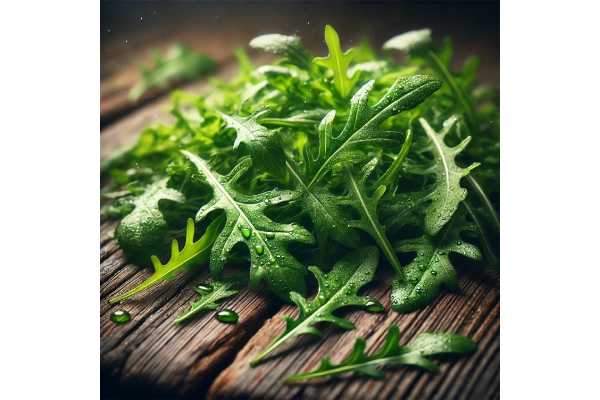
Arugula, also known as rocket, is a small leafy green with a surprisingly bold personality. Its peppery, slightly nutty taste can turn a simple salad, sandwich, or pizza into something far more interesting. Beyond flavor, arugula belongs to the cruciferous vegetable family, the same group as broccoli and kale, and carries many of the same protective plant compounds. It is very low in calories yet dense in vitamins, minerals, and bioactive substances like glucosinolates and natural nitrates that may support cardiovascular and cellular health when part of a balanced diet.
Because arugula is usually eaten fresh, its texture, quality, and handling matter just as much as its nutrient profile. Understanding how much to eat, how to store it safely, and who might need to be cautious helps you enjoy its benefits with confidence. This guide walks through nutrition facts, evidence-based benefits, risks, preparation tips, and practical serving guidance.
At a Glance
- Arugula is a low-calorie leafy green (about 25 kcal per 100 g) that delivers concentrated vitamins and minerals.
- It provides natural nitrates and cruciferous phytonutrients that may help support heart and vascular health as part of a varied diet.
- A typical serving is 1–2 cups (20–40 g) raw, enjoyed several times per week; many adults safely include it most days.
- People using vitamin K–sensitive blood thinners or with kidney disease, low blood pressure, or cruciferous vegetable allergy should review arugula intake with a clinician.
- Those with sensitive digestion may wish to start with smaller portions of raw arugula and increase gradually based on tolerance.
Table of Contents
- What Makes Arugula Unique
- Arugula Nutrition Profile in Detail
- Science-Backed Health Benefits of Arugula
- Risks, Allergies and When to Be Cautious
- Choosing, Storing and Sourcing Arugula Well
- Preparing Arugula for Flavor and Nutrition
- Portions, Comparisons and Common Questions
What Makes Arugula Unique
Arugula (Eruca sativa) is a leafy plant native to the Mediterranean region and now grown worldwide. In many countries it is known simply as “rocket.” It belongs to the Brassicaceae, or cruciferous, family, which includes broccoli, cabbage, kale, and mustard greens. This family is notable for containing sulfur-rich compounds that give a distinctive aroma and may contribute to health benefits.
What makes arugula stand out is the combination of a sharp, peppery flavor with a very light texture. Baby arugula leaves are small, tender, and mildly spicy. Mature leaves become more lobed and noticeably more pungent, which some people love in salads and others prefer to balance by mixing with milder greens or grains.
From a nutrition perspective, arugula is extremely low in calories yet surprisingly rich in micronutrients. A 100 gram portion (roughly five packed cups of raw leaves) provides about 25 kcal but meaningful amounts of vitamin K, vitamin C, folate, beta carotene (a vitamin A precursor), calcium, magnesium, potassium, and carotenoids such as lutein and zeaxanthin. Standard food composition data show that arugula is mostly water by weight, with modest amounts of protein and carbohydrate and very little fat.
Arugula is also naturally high in plant nitrates and glucosinolates. When you chew the leaves, enzymes convert glucosinolates into isothiocyanates and related compounds. These molecules have been studied for their antioxidant, anti-inflammatory, and cell-protective actions. Meanwhile, dietary nitrates from vegetables can be converted into nitric oxide in the body, a signaling molecule that helps blood vessels relax.
Culinarily, arugula is versatile. It can serve as a salad base, a sharp accent in grain bowls and pastas, a topping for flatbreads, or the main herb in a pesto. Because the leaves are delicate and cook quickly, arugula works well both raw and lightly wilted. This flexibility makes it an easy way to add extra greens to everyday meals without major changes to how you cook.
Arugula Nutrition Profile in Detail
Most of arugula’s nutritional impact comes from its low energy density combined with a high concentration of vitamins, minerals, and plant compounds per calorie. The values below are approximate per 100 g of raw arugula, based on standard food composition data, and assume typical adult Daily Values (DV) for a 2,000 kcal diet.
Macros and key electrolytes (per 100 g raw arugula)
| Nutrient | Per 100 g | %DV* |
|---|---|---|
| Energy | 25 kcal | 1% |
| Water | ~93 g | — |
| Protein | 2.6 g | 5% |
| Total carbohydrate | 3.65 g | 1% |
| Dietary fiber | 1.6 g | 6% |
| Total sugars | ~2.0 g | — |
| Total fat | 0.65 g | 1% |
| Sodium | 27 mg | 1% |
| Potassium | 369 mg | 8% |
| Magnesium | 47 mg | 11% |
| Phosphorus | 52 mg | 4% |
*%DV values are approximate and may differ slightly by regulatory system.
Arugula’s macronutrient pattern is typical of many leafy greens: minimal fat and carbohydrate, a small amount of protein, and meaningful fiber given the very low calorie content. Its low carbohydrate load and modest fiber can be helpful for people who want volume on the plate without large changes in blood glucose, although full meals and overall diet pattern matter much more than any single food.
Vitamins and minerals (per 100 g raw arugula)
| Nutrient | Per 100 g | %DV* |
|---|---|---|
| Vitamin K | 108.5 µg | 90% |
| Vitamin C | 15 mg | 17% |
| Folate (Vitamin B9) | 97 µg | 24% |
| Vitamin A (as retinol activity) | 119 µg RAE | 13% |
| Lutein and zeaxanthin | 3555 µg | — |
| Calcium | 160 mg | 12% |
| Iron | 1.45 mg | 8% |
| Manganese | ~0.3 mg | 13% |
| Copper | ~0.1 mg | 11% |
*Approximate %DVs based on common reference values (for example, vitamin K 120 µg, vitamin C 90 mg, folate 400 µg, calcium 1300 mg, iron 18 mg).
Vitamin K is the standout nutrient in arugula, with roughly 90 percent of the Daily Value per 100 g. Even typical salad portions of 20–40 g can contribute a meaningful share of daily vitamin K, which is important for normal blood clotting and for activating proteins involved in bone and vascular health.
Arugula also contributes vitamin C, folate, and beta carotene, along with the carotenoids lutein and zeaxanthin that accumulate in the eye and brain. While arugula provides less calcium than very high-calcium greens such as collard greens, 160 mg per 100 g is still substantial, especially for a vegetable that many people eat frequently.
Phytonutrients and bioactives
Arugula contains glucosinolates, mainly glucoerucin and related compounds, which can be converted to isothiocyanates after chewing and digestion. These compounds have been investigated for roles in cellular defense pathways, including antioxidant and anti-inflammatory signaling. Arugula also provides:
- Natural nitrates that can support nitric oxide production.
- Polyphenols such as flavonoids and phenolic acids.
- A mildly alkaline-forming profile, which may help balance high-acid dietary patterns when combined with other plant foods.
No major allergens or fortifying additives are intrinsic to plain fresh arugula. However, bagged mixes may be processed in facilities that handle other allergens, and pre-washed products sometimes include sanitizing rinses; people with very sensitive skin or airways may wish to rinse lightly before use, even when packaging indicates “ready to eat.”
Science-Backed Health Benefits of Arugula
Arugula’s benefits reflect both its basic nutrient density and its membership in two influential food groups: leafy greens and cruciferous vegetables. Research usually investigates these groups as a whole, with arugula contributing as one of several representative foods.
1. Cardiovascular support through nitrates and leafy greens
Leafy green vegetables are among the richest dietary sources of inorganic nitrate. In the body, nitrate can be converted to nitric oxide, a molecule that helps relax blood vessels and modulate blood pressure. Clinical trials using diets enriched with nitrate-rich leafy greens show modest improvements in vascular measures, and large observational studies consistently associate higher vegetable nitrate intake with lower cardiovascular disease risk over time. Arugula, along with spinach and beetroot, ranks among the higher-nitrate vegetables, so including it regularly can contribute to this beneficial pattern.
These effects should be viewed as part of an overall plant-rich dietary pattern rather than a promise from any single salad ingredient. Still, replacing high-sodium or refined foods with arugula-based salads and dishes is a practical strategy for blood pressure and heart health.
2. Bone and vascular health via vitamin K and minerals
Arugula is an excellent food source of vitamin K, a nutrient that activates proteins required for normal blood clotting and for directing calcium into bones rather than soft tissues. Diets that provide adequate vitamin K, along with calcium and magnesium, are linked with better markers of bone density and lower risk of certain vascular calcification patterns in observational research. Because arugula is very low in sodium and provides potassium and magnesium, it also fits well into eating patterns designed to support blood pressure and bone health.
3. Cellular defense from glucosinolates and isothiocyanates
As a cruciferous vegetable, arugula supplies glucosinolates that can be converted into isothiocyanates and related metabolites. These compounds are studied for their ability to influence enzymes involved in detoxification, modulate oxidative stress, and interact with signaling pathways related to inflammation and cell cycle regulation. Reviews of glucosinolate-derived compounds suggest potential protective roles in several chronic conditions, although much of the detailed mechanistic work comes from laboratory and animal models rather than large clinical trials.
While no single cruciferous vegetable can prevent disease, consistent intake of a variety of these foods—including arugula, broccoli, cabbage, and others—appears to be part of dietary patterns linked with lower risk of several chronic illnesses.
4. Eye and brain health from carotenoids and folate
The carotenoids lutein and zeaxanthin accumulate in the retina, where they help filter high-energy light and may support visual performance and long-term eye health. Arugula provides several milligrams of these carotenoids per 100 g, comparable to some other dark leafy greens, though people usually eat arugula in smaller portions. Folate and vitamin K, both present in arugula, also contribute to one-carbon metabolism and brain function, and higher intakes of green leafy vegetables overall have been linked with slower cognitive decline in older adults.
5. Weight management and metabolic health
Because arugula is extremely low in calories and high in water volume, it can add bulk and satisfaction to meals without significantly increasing total energy intake. When used to replace more energy-dense ingredients in salads, sandwiches, or pasta dishes, it may help create more filling, lower-calorie meals. Its fiber and phytochemical content also contribute to the general metabolic advantages of a plant-forward diet.
Overall, the evidence supports using arugula as one of several leafy and cruciferous vegetables in a varied, minimally processed dietary pattern. It is best viewed as a helpful ingredient rather than a stand-alone “superfood.”
Risks, Allergies and When to Be Cautious
For most healthy people, arugula is a safe and beneficial food. However, there are important situations where moderation, consistency, or medical guidance is advisable.
1. Vitamin K and blood-thinning medication
Because arugula is rich in vitamin K, large fluctuations in intake can interfere with vitamin K–sensitive anticoagulant medications (such as warfarin). The goal is not usually to avoid vitamin K completely but to keep daily intake reasonably consistent so that medication dosing can be managed accurately. Anyone taking this type of medication should consult their prescribing clinician before making major changes in leafy green consumption, including arugula.
2. Kidney disease and mineral load
Arugula provides potassium, calcium, and magnesium in modest amounts. For most people this is advantageous, but individuals with advanced kidney disease, or those specifically advised to restrict potassium or certain minerals, may need to track total intake from all foods, including leafy greens. In that context, arugula can still be used in carefully measured portions as part of a personalized meal plan.
3. Low blood pressure and high-nitrate vegetables
Dietary nitrates from vegetables are generally considered safe and beneficial. However, in people prone to low blood pressure or those taking medications that significantly lower blood pressure, diets exceptionally high in nitrate-rich vegetables might contribute to symptoms such as light-headedness. This is rare in practice, but individuals with unstable blood pressure should introduce large volumes of nitrate-rich greens gradually and monitor their response.
4. Allergies, cross-reactivity, and digestive sensitivity
True allergy to arugula is uncommon, but as a member of the mustard family it may cross-react with other Brassicaceae or mustard allergens in susceptible individuals. Symptoms could include oral itching, hives, or more severe reactions. People with known mustard or cruciferous vegetable allergies should be cautious and seek allergy evaluation if they suspect reactions to arugula.
From a digestive standpoint, arugula contains fiber and plant compounds that can cause bloating or discomfort, especially if someone is not used to eating many raw vegetables. Starting with smaller servings, combining arugula with cooked foods, and chewing thoroughly often improves tolerance. For individuals following strict low-FODMAP plans, small portions of arugula are typically compatible, but personalized guidance is best.
5. Food safety and contaminants
As with other leafy greens, arugula can carry soil microorganisms. Occasional recalls of leafy greens have occurred in many countries due to bacterial contamination. To reduce risk:
- Store arugula at refrigeration temperature.
- Respect “use by” dates on pre-washed, bagged products.
- Rinse loose bunches under running water and spin or pat dry.
- Avoid cross-contamination with raw meat or unclean cutting boards.
Nitrate from vegetables differs from nitrate added to processed meats, and current evidence does not link vegetable-derived nitrate itself with increased cancer risk when consumed as part of a balanced diet.
Choosing, Storing and Sourcing Arugula Well
Good quality arugula is noticeably different from tired, wilted leaves, both in flavor and safety. Paying attention to appearance, aroma, and storage can maximize both enjoyment and nutritional value.
Selecting fresh arugula
When shopping, look for:
- Leaves that are vibrant green without yellowing or significant dark spots.
- Crisp stems and petioles, not limp or slimy.
- A clean, peppery aroma without sour or rotten notes.
- Minimal excess moisture in bags or clamshells, which can encourage spoilage.
Baby arugula tends to be milder and more tender, ideal for salads and raw preparations. Wild or mature arugula typically has narrower, more deeply lobed leaves and a stronger, sometimes almost spicy flavor that shines in cooked dishes, pestos, and toppings.
If you buy bunches rather than packaged leaves, check that the stems are not excessively dried out and that there is no visible soil trapped in the crown of leaves.
Organic, local, and sustainability considerations
Whether to choose organic or conventional arugula depends on your priorities, budget, and local availability. Leafy greens in general can show variable pesticide residues, but risk remains low for most consumers when products are sourced through standard supply chains and washed appropriately. If your budget allows, choosing organic or locally grown arugula from growers who prioritize soil health and integrated pest management can be a reasonable way to support more sustainable farming practices.
Arugula grows quickly and can be produced in relatively small spaces, including home gardens or small-scale farms. When sourced locally and seasonally, it usually carries a modest environmental footprint. Minimizing food waste by storing and using it efficiently may matter as much as the specific label.
Storage for quality and safety
To keep arugula fresh:
- Refrigerate promptly after purchase, ideally at about 4 °C.
- Store in a breathable container: a perforated produce bag or a container lined with a dry paper towel to absorb excess moisture.
- Wash just before eating if the product is not labeled as “pre-washed.” If it is pre-washed, you can either eat directly or give a quick rinse if desired.
- Use within 3–5 days for best flavor and texture; baby leaves often have a slightly shorter window.
If leaves begin to wilt but are still free of slime and off odors, they can often be salvaged for cooked dishes such as pastas, soups, and sautés, where minor textural decline is less noticeable.
Preparing Arugula for Flavor and Nutrition
How you prepare arugula affects both its taste and the retention of certain nutrients. Because it is usually eaten fresh or only lightly cooked, simple techniques go a long way.
Basic preparation
- Sort and rinse: Remove any damaged or yellowing leaves. Rinse under cool running water, gently swishing to loosen soil or sand.
- Dry thoroughly: Use a salad spinner or pat dry with a clean towel. Excess water can dilute dressings and accelerate spoilage.
- Trim if needed: For mature arugula, trim any thick or fibrous stems if you prefer a more tender bite.
Keeping leaves relatively intact, rather than shredding them very finely, can help preserve texture and reduce bruising.
Raw uses and pairing ideas
- Salads: Combine arugula with milder greens (such as butter lettuce), a source of healthy fat (olive oil, nuts, seeds, avocado), and a source of acidity (lemon juice or vinegar). Fat helps increase absorption of fat-soluble nutrients like carotenoids and vitamin K.
- Grain bowls and pasta salads: Stir arugula through warm grains or pasta just before serving to lightly wilt the leaves without prolonged heat exposure.
- Sandwiches and wraps: Use arugula in place of or alongside lettuce for a more assertive flavor.
- Pesto and sauces: Blend arugula with olive oil, nuts or seeds, garlic, and a hard cheese or nutritional yeast to make a peppery pesto. This works well on whole-grain pasta, roasted vegetables, or fish.
Cooking and nutrient retention
Arugula wilts quickly when exposed to heat. Short cooking times help preserve vitamin C and some sensitive phytonutrients:
- Add arugula in the last minute of cooking soups, stews, or sautés. Remove from heat as soon as it softens and turns a more intense green.
- Toss freshly washed and dried arugula on hot dishes such as pizza or roasted vegetables so that residual heat gently wilts the leaves.
- Avoid prolonged boiling, which can leach water-soluble vitamins and minerals into cooking water.
Because glucosinolates and vitamin C are sensitive to both heat and water, lightly cooked or raw arugula is generally best for maximizing these compounds. However, cooked preparations still provide fiber, minerals, vitamin K, and many beneficial phytochemicals.
Reducing bitterness or sharpness
If arugula tastes too strong:
- Use a mix of baby and mature leaves.
- Combine with sweet or creamy elements such as roasted squash, fruit, or yogurt-based dressings.
- Marinate briefly in a vinaigrette; the acid and salt can mellow the peppery bite.
These small adjustments make it easier to include arugula regularly, especially for people just getting used to more assertive greens.
Portions, Comparisons and Common Questions
Understanding how much arugula to eat, how it compares with other greens, and how to fit it into special situations can make everyday choices more straightforward.
Typical serving size and frequency
A practical serving of fresh arugula is:
- About 1–2 packed cups of raw leaves (roughly 20–40 g).
For many adults, including this amount several times per week as part of a varied diet is a reasonable target. People who enjoy arugula daily can often do so without issue, provided they have no medication conflicts or medical restrictions on vitamin K, potassium, or nitrate intake. It is usually more important to enjoy a variety of leafy greens and vegetables than to rely heavily on one type.
How does arugula compare with other leafy greens?
- Versus spinach: Arugula is lower in oxalates than spinach, which may be relevant for some people prone to certain kidney stones. Spinach typically provides more total folate and some minerals per gram, while arugula offers a different mixture of glucosinolates and flavor.
- Versus kale: Kale is generally denser in fiber and some minerals, but also tougher and more fibrous. Arugula is easier to eat raw in larger quantities without extensive preparation.
- Versus lettuce: Compared with many lettuces, arugula is usually higher in vitamin K, vitamin C, folate, and carotenoids, but also more intensely flavored. Many people enjoy combining arugula with lettuce for balance.
Using several types of greens over the week spreads the strengths of each and adds variety to the gut microbiome.
Common questions
Can you eat arugula every day?
Most healthy individuals can enjoy arugula daily in moderate portions as part of a balanced diet. If you take vitamin K–sensitive anticoagulants or have specific kidney or cardiovascular conditions, ask your clinician whether daily high-vitamin-K greens are appropriate and how to keep your intake consistent.
Is arugula safe during pregnancy and breastfeeding?
In normal food amounts, fresh, well-washed arugula is generally considered safe during pregnancy and breastfeeding and can contribute folate, vitamin K, and other nutrients. As with any raw leafy greens, food safety is important: use reputable sources, refrigerate promptly, and discard leaves that look spoiled.
Is arugula low in carbohydrates?
Yes. Arugula is very low in total carbohydrates and provides a small amount of fiber. It fits easily into carbohydrate-controlled and many low-carbohydrate dietary patterns, provided dressings and toppings are chosen accordingly.
What if I do not like the strong taste?
Start with baby arugula, use smaller amounts mixed with milder greens, and pair with slightly sweet or creamy ingredients. Over time, many people find they grow accustomed to the peppery notes and even crave them.
References
- Nutrition Facts for Arugula 2023 (Database)
- Cardiovascular benefits of Eruca sativa mill. Defatted seed meal extract: Potential role of hydrogen sulfide 2022 (Research Article)
- Associations between Vegetable Nitrate Intake and Cardiovascular Disease Risk and Mortality: A Systematic Review 2024 (Systematic Review)
- Glucosinolate Metabolites and Brain Health: An Updated Review on Their Potential Benefits in Neurodegenerative, Neurodevelopmental, and Psychiatric Disorders 2025 (Systematic Review)
- Relation of Different Fruit and Vegetable Sources With Incident Cardiovascular Outcomes: A Systematic Review and Meta-Analysis of Prospective Cohort Studies 2020 (Systematic Review and Meta-analysis)
Disclaimer
The information in this article is intended for general education and does not replace personalized medical advice, diagnosis, or treatment. Individual nutrition needs and health risks vary, especially for people with chronic conditions, those taking prescription medications, children, older adults, and people who are pregnant or breastfeeding. Always consult a qualified healthcare professional or registered dietitian before making significant changes to your diet, using food to manage a medical condition, or adjusting prescribed medication based on dietary choices.
If you found this guide helpful, you are welcome to share it on Facebook, X (formerly Twitter), or any platform you prefer. Thoughtful sharing helps others discover reliable information and supports the continued creation of carefully researched nutrition content.