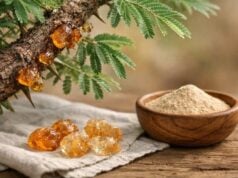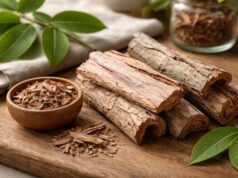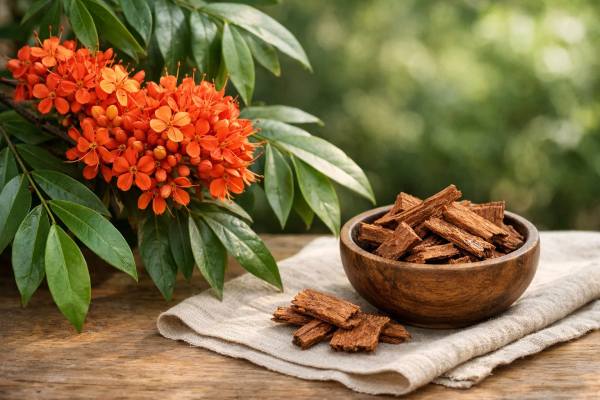
Ashoka (Saraca asoca) is one of Ayurveda’s best-known botanicals for women’s reproductive health, traditionally used to support cycle regularity, uterine comfort, and balanced menstrual flow. The part most often used is the bark, prepared as a powder, decoction, or fermented tonic such as Ashokarishta. In modern language, Ashoka is typically positioned for concerns like painful periods, heavy or prolonged bleeding, and general “uterine toning,” with its effects thought to relate to tannins, flavonoids, and other plant polyphenols that may influence inflammation signaling, smooth muscle activity, and tissue resilience.
At the same time, Ashoka is not a quick fix and it is not a substitute for medical evaluation when bleeding is heavy, irregular, or new. Many gynecologic symptoms share the same outward pattern but have very different causes—from iron deficiency to fibroids to hormonal imbalance. The smartest way to approach Ashoka is as a supportive, cycle-aware tool: choose a quality product, use measured dosing for several cycles, track changes, and keep safety considerations front and center.
Quick Overview
- May support menstrual comfort and help reduce cramping intensity over multiple cycles when used consistently.
- May help moderate heavy flow in some users, especially when paired with iron-supportive care if anemia is present.
- Typical ranges are 3–6 g/day of bark powder or 250–500 mg twice daily of extract, depending on product strength.
- Avoid during pregnancy and stop at least 2 weeks before surgery due to potential uterine and bleeding-related effects.
- Who should avoid: people with unexplained heavy bleeding, severe anemia, or hormone-sensitive conditions unless a clinician is involved.
Table of Contents
- What is ashoka?
- Key ingredients and medicinal properties
- Does ashoka help menstrual pain?
- Does it help heavy bleeding?
- How to use ashoka
- How much ashoka per day?
- Safety, interactions, and evidence
What is ashoka?
Ashoka (Saraca asoca) is a flowering tree native to South Asia. In classical Ayurvedic practice, it is often described as a “women’s friendly” botanical—most closely associated with the uterus and menstrual cycle. The primary medicinal part is the stem bark, which is typically dried and prepared as powder (churna), decoction (kashaya), or as part of fermented formulations (arishtas). Although the name “Ashoka” is widely recognized, it is also a source of confusion: different products may use different plant material, different preparations, or even substitutes.
One of the most practical things a reader can know is that “Ashoka” in commerce does not always mean Saraca asoca. There are products sold as “Ashoka” made from look-alike or more readily available trees, sometimes called “false Ashoka.” This matters because the safety and effects of a substitute may not match the traditional bark. If you are considering Ashoka for menstrual health, look for labeling that clearly states Saraca asoca and specifies the bark as the plant part.
Ashoka is most often discussed for:
- heavy or prolonged menstrual bleeding
- painful menstruation and uterine cramping
- cycle irregularity linked to stress, transition periods, or other non-emergency causes
- “uterine toning,” a traditional concept that roughly corresponds to improving tissue resilience and comfort
A modern, safety-focused interpretation is that Ashoka may be helpful when symptoms are mild to moderate and stable. If bleeding is suddenly heavier than normal, if cycles become irregular after being predictable, or if pain becomes severe, those are signals to evaluate underlying causes before adding supplements. Ashoka can support comfort, but it should not delay appropriate care.
Finally, Ashoka is best thought of as a cycle-shaping herb, not a same-day rescue product. Many people use it for several cycles and judge it by trends: shorter bleeding duration, less intense cramping, fewer “low energy” days, and more stable cycle patterns. That approach—patient, measured, and trackable—fits both traditional use and the realities of what botanical therapies can reasonably deliver.
Key ingredients and medicinal properties
Ashoka’s bark is valued less for a single “star compound” and more for a dense profile of polyphenols and related constituents. In practice, these compounds are most relevant for three themes: astringency and tissue tone, inflammation signaling, and smooth muscle behavior.
A major group in Ashoka bark is tannins. Tannins are responsible for the bark’s astringent taste and are often associated with tightening or “toning” effects on tissues. This traditional idea maps loosely to a modern hypothesis: astringent polyphenols may influence local tissue responses and help moderate excessive secretions or bleeding tendencies in some contexts. Tannins also explain an important dosing nuance: high-tannin botanicals can sometimes feel “drying” to digestion and may contribute to constipation if taken in large amounts without enough fluid.
Ashoka also contains flavonoids and other plant polyphenols, including compounds commonly discussed in botanical research such as catechin-type and epicatechin-type molecules, along with phenolic acids (often described in research as gallic-acid–related components). These molecules are frequently explored for antioxidant activity, but the more useful real-world translation is signaling: polyphenols can influence inflammatory pathways and oxidative stress responses that shape cramping intensity, pelvic discomfort, and how the body responds to hormonal fluctuations over time.
Another relevant theme is smooth muscle activity. Traditional texts often frame Ashoka as supportive for uterine function. Modern interpretations vary: some describe “uterine toning,” while others discuss antispasmodic and comfort-supporting effects. For the reader, the practical takeaway is not to chase mechanistic labels, but to consider how the preparation and dose match the goal. A mild, steady dose over several weeks may support comfort and regularity more reliably than a high, short-term dose.
Quality and identity are part of the “medicinal properties” story, too. If the botanical identity is wrong, the expected profile of tannins and flavonoids may not be present. When you evaluate a product, look for:
- Saraca asoca on the label (not only “Ashoka”)
- bark as the plant part
- a clear form statement (powder vs extract vs fermented tonic)
- testing or quality assurance that reduces the risk of substitution and contamination
One more practical point: tannins can bind minerals and may reduce absorption of iron if taken at the same time. This matters because Ashoka is often used for heavy bleeding—an issue that can also drive iron deficiency. If you are using iron therapy, spacing doses can be a simple way to improve effectiveness without changing your plan.
Overall, Ashoka’s medicinal profile is best summarized as a polyphenol-rich, astringent uterine-support botanical with potential benefits that depend heavily on correct identification, consistent use, and thoughtful dosing.
Does ashoka help menstrual pain?
Menstrual pain (dysmenorrhea) can come from multiple sources. For some people, it is primarily prostaglandin-driven uterine cramping. For others, it overlaps with digestive sensitivity, pelvic floor tension, endometriosis, adenomyosis, fibroids, or post-inflammatory changes. Ashoka is typically discussed for functional cycle discomfort—pain that is predictable, cyclical, and not accompanied by red-flag symptoms.
From a practical standpoint, Ashoka may support menstrual comfort in three ways:
- Inflammation signaling support: Polyphenols may help modulate inflammatory cascades that amplify pain. This is not the same as an NSAID effect, but some people experience a gradual reduction in cramp intensity over multiple cycles.
- Smooth muscle and pelvic comfort: Traditional use frames Ashoka as supporting uterine function and comfort, which many interpret as a “settling” or “stabilizing” effect across the cycle.
- Indirect support via cycle regularity: When cycles become more predictable, some people also experience fewer severe pain spikes, likely because hormonal swings are less abrupt.
How you use Ashoka can shape outcomes. If your pain is most intense on days 1–2, taking Ashoka only during those days may be too narrow. Many people get better results when they use it:
- daily for 6–8 weeks, or
- during the luteal phase (roughly the 10–14 days before bleeding begins), then continuing through the first few days of menstruation
A useful way to decide if it is helping is to track a few simple metrics for two to three cycles:
- maximum cramp intensity (0–10 scale)
- how many doses of pain medication you needed
- whether pain limited work, school, or sleep
- whether pelvic heaviness or pressure improved
It is also worth being honest about what Ashoka cannot do. If your pain is escalating, occurs outside your period, or is associated with painful bowel movements, pain during intercourse, fainting, or heavy bleeding, Ashoka should not be the only response. Those patterns can signal conditions that benefit from medical evaluation.
If you are looking for complementary, non-hormonal cramp support strategies, some people compare Ashoka’s “toning” profile with antispasmodic herbs like cramp bark for uterine spasm support, especially when cramping feels like muscle gripping rather than inflammation alone. The safest approach is not to stack many new products at once, but to add one tool, track it, and then decide whether to layer.
When used thoughtfully, Ashoka may help some people experience steadier cycles with less intense cramping. The keyword is “steadier”: it tends to be a trend-based herb, not a rapid painkiller.
Does it help heavy bleeding?
Heavy menstrual bleeding (often described as unusually heavy flow, prolonged bleeding, or frequent “flooding”) is one of the most common reasons people seek Ashoka. Traditional systems often describe Ashoka as astringent and supportive for excessive uterine bleeding patterns. Modern interpretations focus on its tannin content and the possibility that polyphenols influence tissue response and local inflammatory signaling.
A careful, helpful answer has two parts: what Ashoka may do, and what heavy bleeding might mean.
What Ashoka may do:
Some users report that, over several cycles, Ashoka helps reduce the number of heavy-flow days, improves the feeling of pelvic heaviness, or makes cycles more predictable. This is most plausible when bleeding is functional and stable rather than driven by an untreated structural cause. Traditional formulations containing Ashoka bark—especially Ashokarishta—are commonly used for these goals, and ongoing clinical research protocols continue to explore this approach in standardized ways.
What heavy bleeding might mean:
Heavy bleeding can be linked to iron deficiency, fibroids, adenomyosis, thyroid issues, bleeding disorders, medication effects, or perimenopausal transition, among other causes. The most important safety rule is simple: if heavy bleeding is new, worsening, or accompanied by dizziness, shortness of breath, or fainting, it deserves medical evaluation. In those cases, Ashoka should be considered only as an adjunct—if at all.
If you suspect iron deficiency (fatigue, hair shedding, brittle nails, restless legs, or low ferritin on labs), treating iron status is not optional. One practical challenge is that tannins can reduce mineral absorption if taken together. If you are using iron, separate it from Ashoka by at least a couple of hours, and consider learning safe dosing principles from iron dosing and risk guidance so you can supplement effectively without overshooting.
A realistic, safety-forward way to trial Ashoka for heavy bleeding is:
- Rule out urgent causes and consider baseline labs if bleeding is significant (especially hemoglobin and ferritin).
- Choose one Ashoka form and use a conservative dose for one full cycle.
- Track outcomes that matter: number of heavy days, number of pads or tampons used, nighttime flooding, and total bleeding duration.
- Continue for 2–3 cycles only if you see improvement and tolerate it well.
- Stop and reassess if bleeding worsens, you develop new pelvic pain, or you experience symptoms of anemia.
Ashoka may be a supportive tool for heavy bleeding patterns, but it should be approached with humility. The best outcome is not simply “less bleeding,” but safer, steadier cycles with adequate iron status and a clear understanding of what is driving the bleeding in the first place.
How to use ashoka
Ashoka can be used in several forms, and choosing the right one is often the difference between a helpful trial and a frustrating experience. The best starting point is to match the form to your goal and your tolerance, then keep your plan simple enough to track.
Common forms
- Bark powder (churna): A traditional option that delivers the whole bark matrix. It can be mixed into warm water or taken in capsules. Powder is often chosen for “steady, daily support,” but it can be more astringent to digestion.
- Decoction (kashaya): Bark is simmered, not briefly steeped. This can be gentler for some people and fits traditional use patterns.
- Standardized extract: Useful for more consistent dosing. Labels may list an extraction ratio and sometimes a polyphenol or flavonoid standardization marker.
- Fermented tonic (Ashokarishta): A classic Ayurvedic preparation where Ashoka bark is a key ingredient. It is usually taken in small measured volumes and may contain alcohol from fermentation, which matters for certain users.
How to choose a product
Because substitution is a known issue in the marketplace, prioritize:
- Saraca asoca listed clearly
- bark specified as the plant part
- a reputable manufacturer and testing where available
- simple formulas while you are evaluating tolerance
If you are using Ashoka for menstrual support, it is often more helpful to choose one product and use it consistently for a set period than to rotate between multiple blends.
Cycle-aware timing strategies
A practical way to use Ashoka is to align timing with symptoms:
- For cramps: start in the luteal phase and continue into the first days of bleeding
- For heavy flow: begin 1–2 weeks before expected menstruation and continue through the heaviest days
- For cycle irregularity: use daily for 6–8 weeks, then reassess
You do not need to guess: keep a short log and let patterns guide timing.
Building a supportive routine
Ashoka tends to work best when paired with foundational supports:
- consistent sleep and stress management
- adequate protein and iron-rich foods
- hydration and bowel regularity (important because tannins can be constipating in sensitive users)
For readers exploring cycle support more broadly, herbs such as chaste tree for PMS and cycle regulation are often discussed in a different category—more endocrine-pattern-focused than astringent. The comparison can be useful: if your main issue is mood swings and breast tenderness rather than heavy flow, Ashoka may not be the most direct match.
The simplest “best practice” is to treat Ashoka like a structured experiment: one product, one plan, measured dosing, and clear tracking over multiple cycles.
How much ashoka per day?
Ashoka dosing varies by form, product strength, and the goal you are targeting. Because many people use it for menstrual concerns, the most sensible approach is a cycle-based trial rather than indefinite daily use without reassessment.
Typical adult dosing ranges by form
Bark powder (churna)
- Common range: 3–6 g/day, usually split into two doses.
- Practical start: 1–2 g/day for several days, then increase gradually as tolerated.
Standardized extract (capsules or tablets)
- Common range: 250–500 mg twice daily.
- If the label indicates a strong extraction ratio, start at the low end.
Decoction (kashaya)
- Often prepared from 6–12 g/day of bark simmered in water, then taken in divided servings.
- Because decoctions vary in strength, consistency in preparation matters.
Ashokarishta (fermented tonic)
- Common traditional serving sizes are often in the 10–20 mL range once or twice daily, typically diluted.
- Alcohol content from fermentation may make it inappropriate for some people.
When to take it
- If you get nausea with botanicals, take Ashoka with food.
- If constipation is an issue, increase fluids and consider lowering the dose.
- If you are using it for heavy bleeding, starting before the expected period often makes more sense than starting mid-flow.
How long to try
A reasonable evaluation window is 2–3 menstrual cycles. That timeline allows you to see whether bleeding duration, cramp intensity, or cycle predictability is trending in a helpful direction. If you see no change after three cycles at a well-tolerated, consistent dose, it may not be the right tool for your pattern.
Spacing with medications and nutrients
If you take iron or other minerals, separate them from Ashoka by a couple of hours due to the potential for tannins to interfere with absorption. If you take prescription medications, conservative spacing is also sensible until you understand your response.
Clear stop rules
Stop Ashoka and seek guidance if you experience:
- worsening bleeding or new bleeding between periods
- dizziness, fainting, or signs of significant anemia
- severe abdominal pain, fever, or unusual discharge
- allergic reactions such as hives or swelling
Dosing is not about taking the maximum amount. It is about finding the smallest consistent dose that produces meaningful, measurable improvement while staying within safety guardrails.
Safety, interactions, and evidence
Ashoka is widely used, but it is not automatically appropriate for everyone—especially because it is often taken for symptoms that can signal underlying conditions. Safety starts with the problem you are trying to solve: heavy bleeding and pelvic pain deserve a clear plan, not guesswork.
Common side effects
Most side effects are dose-related and may include:
- constipation or “dry” digestion
- nausea or stomach discomfort
- headache in sensitive users
- mild dizziness (especially if bleeding is already causing low blood pressure or anemia)
Lowering the dose, increasing fluids, and taking it with food often improves tolerability.
Who should avoid ashoka
Avoid Ashoka unless a clinician approves it if you are:
- pregnant or trying to conceive (given its traditional uterine-focused actions)
- breastfeeding (insufficient safety clarity for supplemental dosing)
- experiencing unexplained heavy bleeding, bleeding between periods, or postmenopausal bleeding
- severely anemic or symptomatic from blood loss
- managing hormone-sensitive conditions without medical guidance
Also stop at least 2 weeks before surgery as a conservative precaution, especially if you are also using other supplements that may affect bleeding tendency.
Potential interactions
Because Ashoka is used in bleeding and uterine contexts, be cautious if you take:
- anticoagulants or antiplatelet medications
- NSAIDs used frequently for menstrual pain
- iron supplements (separate dosing due to tannins)
- medications where absorption timing is critical (conservative spacing can help)
Individual interaction risk depends on your full medication list and health context, so a clinician’s input is especially valuable if you are combining therapies.
What the evidence actually says
Ashoka’s reputation is strong in traditional medicine, but modern clinical evidence is uneven. Many studies and real-world uses involve multi-ingredient Ayurvedic preparations, which makes it difficult to isolate what Ashoka alone contributes. Research also varies widely in preparation method, dose, and trial quality. The most responsible conclusion is that Ashoka is promising for menstrual support, but it should be treated as an adjunct with realistic expectations.
A practical way to respond to the evidence limitations is to focus on what you can measure and control:
- choose a correctly identified product
- use consistent dosing for multiple cycles
- track bleeding duration and intensity, pain scores, and energy markers
- reassess and stop if you are not seeing meaningful improvement
Ashoka can be a valuable tool for the right person, but it works best when paired with careful evaluation of the underlying cause and a plan that respects both tradition and modern safety standards.
References
- Ayurveda Management of Menorrhagia (Raktapradara): Protocol for a Randomized Controlled Trial – PMC 2025 (Clinical Trial Protocol)
- A comprehensive review on Saraca asoca (Fabaceae) – Historical perspective, traditional uses, biological activities, and conservation – PubMed 2023 (Review)
- Phytochemical-Based Study of Ethanolic Extract of Saraca asoca in Letrozole-Induced Polycystic Ovarian Syndrome in Female Adult Rats – PMC 2023 (Preclinical Study)
- Investigating potent cardioprotective compounds as ACE inhibitors in Saraca asoca – PMC 2024 (Review)
Disclaimer
This article is for educational purposes only and does not provide medical advice. Ashoka (Saraca asoca) is traditionally used for menstrual and uterine support, but menstrual symptoms can have many causes that require medical evaluation, especially heavy bleeding, new irregular bleeding, severe pelvic pain, or symptoms of anemia. Ashoka may cause digestive side effects and may interact with medications, including anticoagulants, antiplatelet drugs, and therapies where timing and absorption are important. If you are pregnant or breastfeeding, have a hormone-sensitive condition, have upcoming surgery, take prescription medications, or have significant bleeding or anemia, consult a licensed clinician before using Ashoka or changing your supplement routine.
If this guide helped, consider sharing it on Facebook, X (formerly Twitter), or your preferred platform so others can make safer, more informed choices.