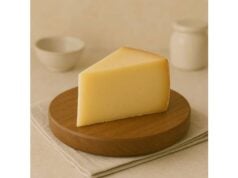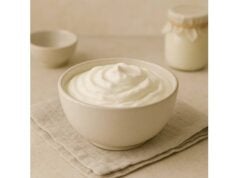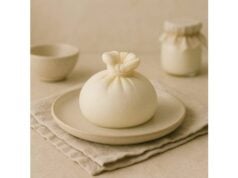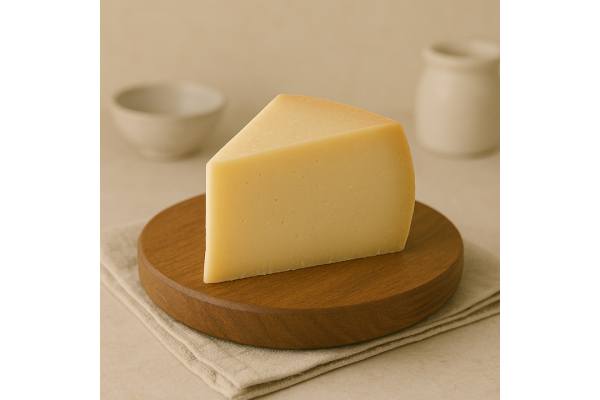
Asiago cheese brings a distinctive Alpine character to the table—mild and creamy when young (Pressato or “fresh”), nutty and more assertive with age (D’allevo or “aged”). Beyond flavor, it offers readily absorbable calcium and high-quality protein, with naturally low lactose due to fermentation and draining. Its Protected Designation of Origin (PDO) status safeguards traditional methods and provenance from the Asiago plateau in northern Italy. In the kitchen, Asiago is versatile: shave it over salads, fold it into risotto, layer slices in sandwiches, or grate it into a sharp, umami-rich finishing touch for soups and roasted vegetables. If you’re balancing taste with nutrition, Asiago helps you add richness in modest amounts while still delivering meaningful micronutrients. This guide distills practical, evidence-based advice on how Asiago fits into a healthy pattern, how to shop and store it, and when to be cautious (such as during pregnancy or when taking certain medicines). You’ll also find detailed per-100-gram nutrient tables and cook-smart techniques to keep flavor high and nutrient losses low.
Top Highlights
- Good source of protein and calcium; aged Asiago often provides about 0.99 g calcium per 100 g.
- Lactose is naturally very low (fresh ≈0.06 g/100 g; aged ≈0.01 g/100 g).
- Typical portion is 28–30 g (about 1 oz), enjoyed several times per week within overall saturated fat and sodium goals.
- Allergic to milk proteins or taking monoamine oxidase inhibitors (MAOIs)? Avoid aged cheeses due to allergens and tyramine.
- People at higher listeriosis risk (e.g., pregnancy, immunocompromise) should choose pasteurized Asiago and follow cold-chain hygiene.
Table of Contents
- Asiago at a Glance: Styles and Taste
- Nutrition Profile (per 100 g)
- Evidence-Based Health Benefits
- Risks, Allergies and Interactions
- Selecting, Quality, Sustainability and Storage
- Preparation, Cooking and Nutrient Retention
- Portions, Comparisons and FAQs
Asiago at a Glance: Styles and Taste
Asiago is a traditional cow’s-milk cheese from the Veneto–Trentino highlands of northern Italy. Under its PDO (Protected Designation of Origin), production is tightly defined—from where the milk comes from to how the wheels are shaped and matured. That PDO framework preserves a spectrum of flavors driven by season, milk composition, and aging time.
You’ll meet two broad families in shops:
- Asiago Pressato (Fresh): Aged at least a few weeks, sometimes labeled “Fresco” or “Fresh Asiago PDO Reserve” when matured just a bit longer. The paste is pale and supple with small, irregular eyes. Flavor lands in the sweet-lactic zone—think warm milk, fresh butter, and a gentle tang. Melts smoothly and slices easily for sandwiches, panini, and burgers.
- Asiago D’allevo (Aged): Progresses through Mezzano (4–6 months), Vecchio (10–15 months), and Stravecchio (15+ months). Moisture drops, crystals may appear, and flavor shifts to toasted nuts, broth, and caramel. Texture firms up for grating and shaving, with a long, savory finish.
Ingredients are simple—milk, salt, rennet, and cultures. The style differences emerge from make temperatures, scalding and pressing steps, and time. As Asiago ages, water leaves and nutrients concentrate, which is why aged versions typically carry more calcium (close to ~1,000 mg/100 g) and a touch more protein per bite than fresh. Fermentation and whey removal also drive the naturally low lactose, which matters for digestibility.
In the kitchen, fresh Asiago is a melter and slicer—add to grilled cheese, omelets, or a creamy polenta finish. Aged Asiago is a flavor amplifier—shave over peppery greens, grate into pesto in place of (or alongside) Parmigiano Reggiano, or microplane onto roasted broccoli to secure a savory, aromatic crust.
Sustainably minded buyers will find many producers emphasizing pasture management and traditional cooperatives. Because flavor and salt intensity vary by maker and maturity, tasting notes on labels (or a sample at the counter) are your best guide to a good match for your recipe.
Nutrition Profile (per 100 g)
Below are representative values for Fresh Asiago PDO Reserve and key differences to expect in aged styles. Actual numbers vary by dairy, season, and maturation; check the producer’s label for precision.
Macros and Key Electrolytes — Fresh Asiago PDO Reserve (per 100 g)
| Nutrient | Amount | %DV* |
|---|---|---|
| Energy | 380 kcal | — |
| Total Fat | 30.0 g | 38% |
| Protein | 24.0 g | 48% |
| Total Carbohydrate | 0.2–0.5 g | 0% |
| Sodium (from ~1.7% salt) | ~670 mg | 29% |
| Water | ~44–47 g | — |
*% Daily Value (DV): Fat 78 g; Protein 50 g; Carbohydrate 275 g; Sodium 2,300 mg.
Minerals — Fresh Asiago PDO Reserve (per 100 g)
| Mineral | Amount | %DV |
|---|---|---|
| Calcium | 700 mg | 54% |
| Phosphorus | 500 mg | 40% |
| Iron | traces | — |
Aged Asiago (D’allevo) trends: higher calcium (~990 mg/100 g), slightly higher protein (~26–29 g), and very low carbohydrates; sodium is similar unless the producer targets a lower-salt style. Because moisture is lower, micronutrients per gram are more concentrated.
Vitamins — Fresh Asiago PDO Reserve (per 100 g)
| Vitamin | Amount | %DV |
|---|---|---|
| Vitamin A (retinol activity equivalents) | ~150 µg RAE | 17% |
B-vitamins (thiamin, riboflavin, niacin) are present in small amounts; exact values vary with aging and starter cultures. Many hard cheeses provide some vitamin B12, but amounts in Asiago fluctuate by dairy and maturation.
Fats and Fatty Acids (Typical for hard cow’s-milk cheeses)
- Fat quality mix: predominantly saturated fatty acids (SFAs), plus meaningful monounsaturated (MUFA) and small polyunsaturated (PUFA) fractions.
- Cholesterol: ~85 mg/100 g in fresh; similar order of magnitude in aged.
Protein Quality
- High biological value with all essential amino acids.
- Combine with legumes or grains to diversify amino acid patterns in vegetarian meals.
Allergens and Intolerance Markers
- Milk proteins (casein, whey) are present.
- Lactose is naturally very low: fresh ≈0.06 g/100 g; aged ≈0.01 g/100 g.
Additives and Fortification
- Traditional PDO Asiago is not fortified; the ingredient list is typically milk, salt, cultures, and rennet. Coatings may be used on rinds—remove rind before grating if you prefer to avoid coatings.
Glycemic and Acid–Base
- Glycemic load is negligible (carbohydrate near zero).
- Like other hard cheeses, Asiago is acid-forming in acid–base scoring systems; balance plates with vegetables, legumes, fruit, and whole grains.
How to use this information: For everyday planning, a 30 g serving delivers roughly 9 g fat, 7 g protein, and ~200 mg calcium (fresh) or ~300 mg calcium (aged), with minimal lactose.
Evidence-Based Health Benefits
1) Bone and skeletal support
Asiago contributes bioavailable calcium and complete protein, two cornerstones of bone maintenance. Aged forms often deliver ~1,000 mg calcium per 100 g, so even modest shavings meaningfully move you toward daily needs. Observational syntheses and controlled trials across dairy foods indicate neutral to beneficial associations for fracture risk and bone markers when dairy is part of an overall balanced pattern. Practically, pairing 15–30 g of aged Asiago with calcium-rich vegetables (e.g., broccoli, kale) or fortified grains improves total daily intake without large calorie jumps. For children, athletes in energy balance, and older adults, small, repeated exposures are often more sustainable than large, occasional intakes.
2) Protein quality and meal satisfaction
Cheese protein provides all essential amino acids and can improve meal satisfaction—useful for portion control. Combining a small amount of aged Asiago with high-volume foods (greens, tomatoes, whole-grain breads) delivers flavor that slows eating pace and enhances perceived fullness, helping some people keep overall calories in check.
3) Mineral package beyond calcium
Fresh Asiago offers ~500 mg phosphorus per 100 g, supporting bone mineralization and energy metabolism. You’ll also get sodium (which you likely want to budget), but that sodium, along with protein and calcium, can be leveraged by athletes and heavy sweaters to replace electrolytes in planned recovery meals.
4) Fermented dairy and metabolic neutrality
As a fermented dairy, Asiago typically shows neutral cardiometabolic associations in large cohort analyses when eaten in moderate portions. That means including Asiago in place of ultra-processed, sodium-rich toppings or spreads can be a lateral move or a small improvement, especially when the rest of the plate is plant-forward.
5) Low lactose for many with intolerance
Because the cheesemaking process removes whey (where lactose resides) and microbes ferment what remains, Asiago’s lactose is very low. Many people with lactose intolerance find aged Asiago particularly well-tolerated. Tolerance, however, is individual—start with ~10–15 g and increase as comfortable, ideally with other foods.
Smart swaps that keep the upsides
- Replace 1 tablespoon of salted butter (≈100 kcal) with 10–12 g shaved aged Asiago plus 2 teaspoons olive oil as a warm vegetable finish: similar richness, more protein and calcium, and olive-oil MUFAs.
- Use fresh Asiago slices in place of processed cheese for sandwiches to get fewer emulsifying salts and better flavor at the same or smaller portion.
Bottom line: Within a balanced pattern, small portions of Asiago can enhance dietary quality by providing protein, calcium, and flavor density that supports satisfaction and bone health while keeping lactose exposure low.
Risks, Allergies and Interactions
Milk allergy vs. lactose intolerance
Asiago contains milk proteins (casein, whey) that can trigger immune-mediated reactions in those with cow’s-milk allergy. Symptoms can include hives, wheeze, and anaphylaxis; strict avoidance is necessary. Lactose intolerance is different—it’s a digestive issue. Because Asiago’s lactose is minimal (especially when aged), many with intolerance can handle small portions, but response varies person to person.
Foodborne safety and pregnancy
Groups at higher risk of listeriosis—pregnant individuals, older adults, and people with weakened immune systems—should take extra care with cheeses made from unpasteurized milk and high-moisture fresh cheeses. Choose pasteurized Asiago, maintain refrigerator temperatures at or below 4 °C (40 °F), and follow strict hygiene (separate boards for raw meats, prompt chilling, clean hands and knives). Although hard cheeses like Asiago are lower-risk than soft, fresh styles, cold-chain control still matters.
Sodium and saturated fat budgeting
As with most hard cheeses, Asiago carries sodium (fresh often ~670 mg/100 g) and saturated fat. People managing hypertension or LDL-cholesterol should watch portion size and plan complementary foods: emphasize vegetables, legumes, whole grains, nuts, and oils rich in unsaturated fats. Using small, flavorful amounts of aged Asiago as a finishing accent keeps intake modest while preserving pleasure.
Medication interactions: tyramine and MAOIs
Aged cheeses, including aged Asiago, contain tyramine, which can interact with monoamine oxidase inhibitors (MAOIs) and linezolid, increasing the risk of hypertensive crises. If you take one of these medicines, avoid aged cheeses and products that list them as ingredients. Fresh Asiago’s tyramine level is typically lower but can vary—medical guidance is to avoid cheese during MAOI therapy.
Histamine sensitivity
Fermented and aged foods can contain histamine and other biogenic amines. If you experience flushing, headaches, or hives from aged cheeses, trial a fresh, small portion or choose non-aged alternatives.
Rinds and coatings
Some wheels are coated or treated to protect the rind. While the edible portion underneath is safe, discard the rind if you don’t want to consume coatings or if you’re unsure whether the rind is waxed.
Who should limit or avoid Asiago
- Confirmed milk allergy: avoid entirely.
- On MAOIs/linezolid: avoid cheese, especially aged varieties.
- Pregnancy or immunocompromise: choose pasteurized Asiago, maintain cold-chain, and avoid cross-contamination.
- Hypertension or LDL-cholesterol concerns: enjoy small portions and balance the plate with unsalted, plant-forward foods.
Selecting, Quality, Sustainability and Storage
What to look for at the counter
- PDO cues: “Asiago” imprinted on the rind, a casein label, the PDO logo, and the dairy’s number—these traceability marks indicate traditional production.
- Style clarity: Labels should say Pressato/Fresco (fresh) or D’allevo with maturity (Mezzano, Vecchio, Stravecchio). Flavor and salt intensity rise with age; choose accordingly.
- Pasteurized vs. raw milk: In many markets you’ll find pasteurized Asiago (widely suitable). Raw-milk wheels can be exceptional but require stricter storage and handling; people at higher risk for listeriosis should avoid them.
- Aroma and appearance: Fresh Asiago smells like warm milk and butter; aged intensifies toward toasted nuts and broth. Avoid ammonia, excessive cracking in unintended styles, or damp, sticky spots that suggest poor storage.
Sustainability signals
- Pasture and seasonality: Alpine and foothill dairies often highlight pasture use and milk from specific altitudes (e.g., “Product of the Mountain”).
- Cooperatives and short supply chains: These can concentrate economic benefits locally and reduce transport impact.
- Packaging: Vacuum-sealed wedges reduce waste; ask for paper wrap at the counter for short-term use to limit plastic.
Storage and shelf life
- Fresh Asiago (Pressato): Wrap first in cheese paper or parchment, then in a loose outer layer (foil or reusable beeswax wrap) to balance humidity and breathability. Store in the vegetable drawer at ~4 °C. Use within 10–14 days after opening; rewrap after each use.
- Aged Asiago (D’allevo): Slightly more forgiving; store as above and plan for 3–4 weeks once opened, trimming the cut surface periodically to keep flavors bright.
- Freezing: Technically safe but degrades texture. If needed, grate before freezing and use in cooked dishes within 2–3 months.
- Mold management: Surface molds on aged hard cheeses can be scraped or cut away with a 2.5 cm (1-inch) margin. If fresh Asiago develops mold through the paste, discard.
Buying tips
- Purchase smaller wedges more often rather than a large wheel that lingers.
- If salt-sensitive, compare nutrition panels; some makers offer lower-salt lots.
- For best flavor, temper a portion for 20–30 minutes before serving.
Preparation, Cooking and Nutrient Retention
Maximize flavor, minimize waste
- Shave, grate, or microplane only what you need; rewrap the rest promptly to limit moisture loss and flavor drift.
- Finish, don’t drown: Asiago is an excellent finisher—a little goes a long way. Add at the end of cooking to reduce heat exposure and preserve volatile aromas.
Heat, melting behavior, and texture
- Fresh Asiago melts smoothly and stretches, making it ideal for panini, pizza, eggs, and gratins. Keep oven or broiler heat moderate to prevent oiling off.
- Aged Asiago browns and crisps; use for frico crisps, gratin toppings, and roasted vegetable finishes.
Nutrient retention pointers
- Calcium and protein are heat-stable; cooking doesn’t meaningfully reduce them.
- Fat-soluble flavors can separate at high heat; grate finely and cook briefly to keep a cohesive melt.
- Sodium budgeting: Because sodium is inherent, season the rest of the dish with acids and aromatics (lemon, vinegar, herbs, garlic) to reduce added salt.
Five practical ways to cook smart with Asiago
- Vegetable gratin, light touch: Steam broccoli or cauliflower to just-tender, toss with 1 tsp olive oil, lemon zest, and 10–15 g grated aged Asiago; broil briefly for a bubbly, savory crust.
- Whole-grain risotto boost: Stir in 15 g finely grated aged Asiago and a knob of butter at the end; you’ll add creaminess with a modest portion.
- Eggs with restraint: Finish a frittata with fresh Asiago slices in the last 2–3 minutes under the broiler; pull as soon as it blisters.
- Soup finisher: Microplane aged Asiago over minestrone or tomato soup instead of salting the pot—salt perception rises, but sodium addition doesn’t.
- Crisp toppings: Bake Asiago frico (small mounds of grated cheese) at moderate heat until lightly golden; cool to crisp. Use as a salad accent.
Pairings that respect nutrition
- Bitter and sweet greens (radicchio, arugula), acidic fruit (pear, apple), and toasty grains (farro, barley) balance richness.
- Replace heavy cream sauces with Asiago + starchy pasta water emulsions for a lighter mouthfeel.
Food safety while cooking
- Keep cut boards and knives clean and dry.
- If using raw-milk cheese at home, avoid prolonged room-temperature holding; return leftovers to refrigeration promptly.
Portions, Comparisons and FAQs
Recommended portion and frequency
A sensible everyday portion is 28–30 g (about 1 oz). Many dietary patterns can accommodate 2–4 portions per week, adjusted to your overall sodium and saturated fat targets. If you’re active or have higher energy needs, you may use small amounts more often as a finishing ingredient.
How does Asiago compare to other cheeses?
- Versus Parmigiano Reggiano or Grana Padano: Aged Asiago is cousin-like in use—great for shaving and grating—often with a slightly sweeter, less peppery finish at similar calcium levels.
- Versus Cheddar: Fresh Asiago tends to be milder and more buttery, with lower lactose than many younger cheddars and a distinct Alpine aroma.
- Versus Swiss-style (Emmental, Gruyère): Aged Asiago is firmer and saltier, with a shorter melt but a deeper savory punch for gratins and crisps.
Is Asiago suitable for lactose intolerance?
Often, yes—especially aged Asiago, which is very low in lactose. Start with a small serving (10–15 g) alongside other foods to gauge tolerance.
Can I eat Asiago during pregnancy?
Choose pasteurized Asiago, keep it refrigerated at ≤4 °C, and follow strict hygiene. Hard cheeses are generally lower-risk than soft fresh cheeses, but pasteurization and cold-chain integrity remain key.
What about tyramine and medications?
If you’re taking MAOIs (for depression or Parkinson’s) or linezolid (an antibiotic), avoid aged cheeses, including aged Asiago, due to tyramine.
Is the rind edible?
Rinds are often coated or waxed; most people do not eat Asiago rinds. Trim and discard before grating. For simmered soups, you can add a clean piece of rind to infuse flavor, then remove it.
Storage quick answers
- Fresh Asiago: use within 10–14 days of opening.
- Aged Asiago: keeps 3–4 weeks after opening if well-wrapped.
- Freezing: best to grate first; use within 2–3 months in cooked dishes.
Who should limit or avoid Asiago?
- Milk allergy: avoid.
- MAOI/linezolid therapy: avoid cheese, especially aged.
- Salt-sensitive or LDL-focused diets: keep portions small and emphasize plant foods.
- Pregnancy/immunocompromise: stick to pasteurized products and good refrigeration.
Budget and substitutions
If Asiago is unavailable, Piave, Montasio, or even a milder Parmigiano can substitute in many recipes. For lactose-free needs, consider hard cheeses labeled naturally lactose-free or non-dairy alternatives; flavor profiles will differ, so adjust seasonings.
References
- How Listeria Spread: Soft Cheeses and Raw Milk | Listeria Infection | CDC 2025 (Guidance)
- Listeria (Food Safety for Moms-to-Be) | FDA 2025 (Guidance)
- Lactose Residual Content in PDO Cheeses: Novel Inclusions for Consumers with Lactose Intolerance – PMC 2021 (Systematic Analysis)
- Definition & Facts for Lactose Intolerance – NIDDK 2018 (Guidance)
- At the Table – Asiago 2024 (Official PDO Information)
Disclaimer
This article is for general education and is not a substitute for personalized medical advice, diagnosis, or treatment. Always speak with your physician, dietitian, or pharmacist about your health conditions, allergies, and medications—especially if you are pregnant, immunocompromised, or taking MAOIs or other interacting drugs.
If you found this guide helpful, please consider sharing it on Facebook, X (formerly Twitter), or your favorite platform, and follow us for future evidence-based food guides. Your support helps us continue creating high-quality, reader-first resources.