Crisp, aromatic, and refreshingly juicy, Asian pears (also called nashi or Pyrus pyrifolia) combine the snap of an apple with the floral sweetness of a pear. They’re naturally low in calories yet supply meaningful fiber, vitamin C, and hydrating water. Their firm, crunchy texture holds up in salads, lunchboxes, and stir-fries, while their honeyed flavor shines in desserts and quick pickles. Cooks across East Asia have long used grated Asian pear to gently tenderize meats and balance marinades. From a nutrition standpoint, the fruit’s soluble and insoluble fibers support digestive regularity and help you feel pleasantly full; its low glycemic impact is friendly to steady energy. Choosing ripe, unbruised fruit is simple, and storage is forgiving—refrigerated Asian pears keep their snap for weeks. If you’re deciding between apple, European pear, and Asian pear, know that Asian pears are typically a bit lower in calories per bite and higher in water, with a clean crunch that resists mushiness even when sliced. Below, you’ll find an evidence-based guide to benefits, nutrition, safety, selection, and smart ways to prepare them.
Quick Overview
- Provides about 3.6 g fiber per 100 g, supporting fullness and digestive regularity.
- Generally low glycemic impact when eaten as part of a balanced meal.
- Typical serving: 1 small fruit (≈120 g), enjoy 1–2 servings daily within your fruit intake.
- Safety note: those with birch pollen–related oral allergy may react to raw Asian pear; try peeled or cooked forms.
- People with fructose malabsorption or on low-FODMAP plans may need smaller portions.
Table of Contents
- Asian pear overview: taste, varieties, and uses
- Asian pear nutrition profile (per 100 g)
- Evidence-based health benefits of Asian pear
- Asian pear risks, allergies and interactions
- Selecting, quality, sustainability and storage
- Preparation, cooking and nutrient retention
- Portions, comparisons and FAQs
Asian pear overview: taste, varieties, and uses
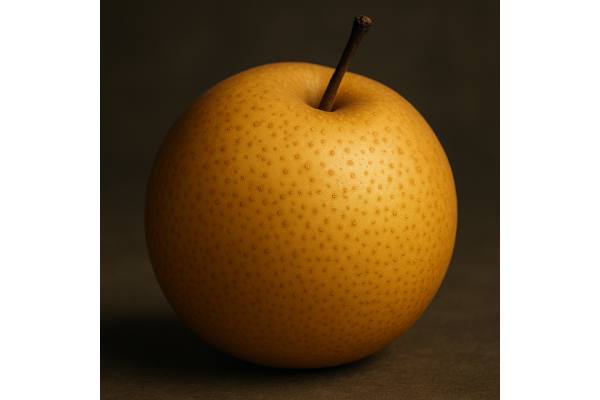
Asian pears are a distinct group of pears native to East Asia, prized for their round, apple-like shape; thin, russet-speckled skin; and a crisp, watery snap that stays crunchy well after cutting. Unlike European pears, which ripen off the tree and soften, Asian pears are typically picked ripe and eaten firm. Their flavor profile varies by cultivar, ranging from lightly floral and honeyed (Kosui, Shinseiki) to more perfumed and richly sweet (Hosui, Niitaka, 20th Century/Nijisseiki). Many markets label them simply as “Asian pear” or “nashi,” but if your grocer stocks specific cultivars, a quick taste test will reveal subtle differences in sweetness, acidity, and aroma.
Culinarily, Asian pears are remarkably versatile. Their high water content and sturdy cell structure make them excellent for raw applications: sliced into salads, grated into slaws, or fanned over yogurt and oats. They pair especially well with peppery greens (arugula, mizuna), soft cheeses (fresh mozzarella, ricotta), toasted nuts, and savory elements like prosciutto or sesame oil. In East Asian cooking, grated Asian pear is a classic addition to marinades for bulgogi or galbi, where its natural enzymes and gentle acidity help tenderize meat while adding a rounded, fruity sweetness. The fruit also shines poached with ginger, baked into crumbles, quick-pickled with rice vinegar and chili, or infused into sparkling water and iced tea.
From a practical standpoint, the fruit’s durability is a big win: it resists bruising better than soft European pears and holds its shape in bento boxes and lunch salads. Light oxidation can occur after slicing, but it’s typically slower and less dramatic than apples; a brief dip in lemon water keeps slices bright if you’re prepping ahead.
If you’re shopping seasonally, look for peak harvest from late summer through early winter, depending on region and variety. In-season fruit tends to be more aromatic, higher in natural sugars, and better priced. Because Asian pears are sold ripe, choose firm fruits with even, speckled skin and a fragrant stem end. Avoid major dents or soft spots, which compromise texture and shorten shelf life. Store them cold to preserve the coveted crunch (details in Section 5).
Finally, a note on naming: you’ll see “Asian pear,” “nashi,” “sand pear,” and cultivar names like Hosui, Kosui, and Shinseiki. All refer to closely related types within Pyrus species commonly grouped as Asian pears. Whichever you pick, you’re getting a crisp, refreshing fruit that adapts well to both sweet and savory cooking.
Asian pear nutrition profile (per 100 g)
Below are typical values for raw Asian pear (edible portion), presented per 100 g. Daily Values (%DV) use current adult reference intakes.
Macros and Electrolytes (per 100 g)
| Nutrient | Amount | %DV |
|---|---|---|
| Energy | 42 kcal | — |
| Water | 88.6 g | — |
| Protein | 0.5 g | 1% |
| Total fat | 0.2 g | 0% |
| Carbohydrate | 10.7 g | — |
| Dietary fiber | 3.6 g | 13% |
| Total sugars | ≈7.0 g | — |
| Potassium | ≈121 mg | 3% |
| Sodium | 0 mg | 0% |
Carbohydrates and Glycemic Metrics
| Component | Amount | Notes |
|---|---|---|
| Total carbohydrate | 10.7 g | Primarily natural sugars and fiber |
| Dietary fiber | 3.6 g | Mix of soluble and insoluble fibers |
| Glycemic index | Low | Typical of most fresh pears |
| Glycemic load (per 100 g) | Low | Portion-dependent; see Section 7 |
Vitamins (per 100 g)
| Vitamin | Amount | %DV |
|---|---|---|
| Vitamin C (ascorbic acid) | ≈3.8 mg | 4% |
| Vitamin K | ≈4.5 µg | 4% |
| Folate (DFE) | ≈8 µg | 2% |
| Vitamin E (alpha-tocopherol) | ≈0.12 mg | 1% |
| Thiamin (B1) | ≈0.01 mg | 1% |
| Riboflavin (B2) | ≈0.01 mg | 1% |
| Niacin (B3) | ≈0.22 mg | 1% |
| Vitamin B6 | ≈0.02–0.03 mg | 1% |
Minerals (per 100 g)
| Mineral | Amount | %DV |
|---|---|---|
| Calcium | ≈4 mg | 0% |
| Phosphorus | ≈11 mg | 1% |
| Magnesium | ≈8 mg | 2% |
| Manganese | ≈0.06 mg | 3% |
| Copper | ≈0.05–0.06 mg | 5% |
| Iron | ≈0.1 mg | 1% |
| Zinc | ≈0.02 mg | 0% |
Fats and Fatty Acids (per 100 g)
| Lipid | Amount | %DV |
|---|---|---|
| Total fat | 0.2 g | 0% |
| Saturated fat | ≈0.01 g | 0% |
| Monounsaturated fat | ≈0.06 g | — |
| Polyunsaturated fat | ≈0.07 g | — |
| Omega-3 (ALA) | trace | — |
| Omega-6 (LA) | trace | — |
Bioactives/Phytonutrients
- Naturally contains polyphenols such as chlorogenic acid, arbutin, catechins, and small amounts of flavonols.
- Skin holds a notable share of these compounds—keeping the peel increases total polyphenol and fiber intake.
Allergens and Intolerance Markers
- In individuals sensitized to birch pollen, raw Asian pear can trigger oral allergy symptoms (see Section 4).
- Asian pears naturally contain sorbitol; people with fructose malabsorption may tolerate smaller portions.
Glycemic and Acid–Base Notes
- Whole Asian pears have a generally low glycemic response due to water and fiber content.
- Potential renal acid load (PRAL) is mildly alkaline-forming.
Footnote: Values represent raw, unfortified fruit. Minor variation occurs by cultivar, ripeness, soil, and storage.
Evidence-based health benefits of Asian pear
Digestive regularity and satiety
With roughly 3.6 g of fiber per 100 g—much of it as soluble fiber and pectin—Asian pears support softer, bulkier stools and help keep you regular. Fiber slows gastric emptying and promotes a steadier rise in post-meal blood glucose. Keeping the peel on meaningfully raises both fiber and polyphenol intake, which together contribute to feelings of fullness and reduce the likelihood of overeating later in the day.
Steady energy and glycemic friendliness
Fresh pears, including Asian pears, generally sit in the low glycemic range. That means the typical serving tends to produce a gentler blood sugar rise compared with many refined snacks. Two practical tips enhance this effect: (1) pair the fruit with a protein or fat—such as yogurt, nuts, or tofu—for a more balanced snack; and (2) prefer whole fruit over juice to keep the fiber matrix intact.
Cardiometabolic markers
Intervention research in adults with metabolic risk factors suggests that daily fresh pear intake can favorably influence select cardiometabolic indicators over weeks, with observed improvements such as reduced pulse pressure and small reductions in central adiposity. While these effects are modest and not a stand-alone treatment, they align with broader evidence linking fruit- and fiber-rich dietary patterns to better blood pressure control and waist measurements. Asian pears fit neatly into such patterns, providing hydration and fiber with very low sodium.
Hydration and electrolyte support
Asian pears are nearly 89% water with a light dose of potassium. As a snack after activity or during hot weather, they help replace fluids and provide a refreshing crunch. Their mild natural sugars and low acidity make them easy to tolerate for many people compared with sharper citrus.
Polyphenols and cellular defenses
Pear skins and flesh contain phenolic acids (notably chlorogenic acid) and other bioactives that, in laboratory and food-based studies, exhibit antioxidant and anti-inflammatory properties. These compounds may help blunt oxidative stress after meals and support vascular function over time when consumed as part of a diet rich in varied fruits and vegetables.
Weight-smart substitution
Replacing higher-calorie sweets with a whole Asian pear can reduce total meal energy while preserving satisfaction from sweetness and crunch. Because the fruit is firm and slow to eat, it supports mindful snacking—one reason it works well in lunchboxes and afternoon breaks.
Digestive microbiome
Dietary fibers in pears act as fermentable substrates for gut microbes, producing short-chain fatty acids (SCFAs) like butyrate that support colon health. Consistent, daily intake of fiber-rich fruit is more impactful than occasional large portions.
Bottom line: Asian pears contribute fiber, hydration, and polyphenols to your day, with a typically low glycemic response. They’re not a cure, but as a frequent swap for refined snacks, they can help nudge key cardiometabolic markers in the right direction.
Asian pear risks, allergies and interactions
Oral allergy syndrome (pollen–food syndrome)
If you have birch pollen allergy, you may notice mouth itching, tingling, or mild throat discomfort after eating raw Asian pear. This is due to cross-reactive proteins shared between birch pollen and certain fruits (pears among them). Strategies that often help: peel the fruit (many allergens concentrate just under the skin), choose cooked, canned, or baked pears (heat denatures the proteins), and avoid trials during peak pollen seasons. Severe reactions are uncommon but can occur—seek medical advice if you’ve reacted before or have asthma or a history of systemic symptoms.
FODMAPs and sorbitol
Pears naturally contain sorbitol and free fructose. People with fructose malabsorption or those following a structured low-FODMAP plan may experience gas or discomfort. A smaller portion (e.g., a few slices), paired with a protein food, can improve tolerance. Track your individual response and adjust serving size accordingly.
Blood sugar management
Whole Asian pears are generally low glycemic. Even so, those using insulin or insulin secretagogues should consider total carbohydrate from the overall meal. Pairing fruit with protein, fats, or mixed meals helps smooth post-meal glucose, and checking your personal response is always best.
Dental considerations
Frequent grazing on any fruit can bathe teeth in natural sugars and acids. To reduce risk of enamel erosion or caries, include fruit as part of meals, avoid lingering on sticky dried pear snacks, and rinse with water after eating.
Medication and general interactions
No specific medication interactions are typical with Asian pears when eaten as food. If you take medications with strict dietary instructions, follow those directions. As with any high-fiber food, very large portions taken with oral medications may theoretically alter absorption—spacing fruit and medicines by an hour is a practical safeguard.
Food safety
Rinse pears under running water and dry with a clean towel before cutting; this helps reduce surface microbes. Use a clean cutting board, promptly refrigerate leftovers, and discard fruit that is heavily bruised, moldy, or fermenting.
Who should be cautious?
- Individuals with birch pollen–related oral allergy.
- Those with fructose malabsorption or on low-FODMAP diets (portion control).
- Anyone advised by a clinician to restrict high-fiber foods due to a temporary digestive condition.
Selecting, quality, sustainability and storage
How to choose
- Look and feel: Seek firm fruit with even coloring and the characteristic speckled “russet” dots (lenticels). Minor superficial spotting is normal; avoid large soft spots or punctures.
- Aroma: A gentle floral fragrance near the stem signals ripeness.
- Size and cultivar: Hosui and Niitaka tend to be larger and juicier; Shinseiki and Kosui are typically smaller with delicate sweetness. Choose according to the dish: larger, juicier pears for snacking and desserts; slightly firmer types for slicing and salads.
Taste and texture quality cues
Crisp, juicy crunch with a clean finish is the hallmark of a high-quality Asian pear. Excess mealiness or blandness often means the fruit is over-mature or stored too warm for too long. When sliced, the flesh should look glassy and moist, not dry.
Storage
- Short term (counter): 1–3 days to enjoy aroma—keep away from heat and out of direct sun.
- Refrigerator (best for crunch): Store unwashed in the crisper drawer in a breathable bag or perforated container. Well-chilled Asian pears often keep their snap for 2–4 weeks; some cultivars last longer.
- Cut fruit: Refrigerate in a covered container and eat within 1–2 days. A quick dip in lemon water can limit browning.
Handling tips
Wash just before eating. Use a soft brush for russeted skin if needed. Cut on a clean board, especially if you prep other produce. If you’re serving to those with oral allergy, consider peeling or cooking.
Sustainability pointers
- Waste less: Because Asian pears are sturdy and long-keeping, they’re less likely to be tossed for bruising—buy what you’ll use and store cold.
- Whole-fruit cooking: Use peel in chutneys or to infuse tea; add cores to simmering stocks for a light, fruity aroma (discard before serving).
- Local and seasonal: When possible, choose fruit from regional growers during peak season; it’s often more flavorful and carries a smaller transport footprint.
Cost-savvy buying
Peak-season fruit is usually cheapest by the case. Split with a friend, then refrigerate to extend life. If your store sells mixed cultivars, taste a single pear first before committing to more.
Preparation, cooking and nutrient retention
Maximize fiber and polyphenols
Leave the skin on when you can—the peel concentrates both fiber and phenolics. If texture is a concern, use a fine mandoline or grate the fruit so the skin is barely noticeable in slaws, salads, or pancakes.
Limit nutrient losses
Vitamin C is sensitive to heat, oxygen, and water. To preserve it, favor quick methods: raw slices, fast sauté, or brief grilling. If poaching, keep times short and use the cooking liquid in sauces to capture soluble nutrients.
Browning control
Asian pears oxidize more slowly than many apples, but they can still brown. An acid dip (lemon juice diluted in cold water) and cold storage slow the reaction of polyphenol oxidase. Cutting right before serving is simplest.
Culinary techniques
- Raw: Thin-slice for salads with peppery greens, toss with rice vinegar, sesame oil, and toasted seeds.
- Grated: Stir into pancakes, muffin batters, or overnight oats for moisture and gentle sweetness.
- Marinades: Grated Asian pear adds enzymatic tenderizing and balanced sweetness to soy-garlic marinades for beef, pork, or tofu.
- Warm: Grill wedges briefly to caramelize edges; or quick-sauté with ginger and a pinch of salt to serve alongside roasted meats.
- Poached: Simmer in lightly sweetened ginger tea; reduce the liquid to a glaze.
- Preserved: Quick-pickle with rice vinegar, a touch of sugar, and chili—great with grain bowls and sandwiches.
Smart pairings for a steadier glycemic response
Combine Asian pear with proteins and fats: ricotta or cottage cheese, Greek yogurt and walnuts, or tofu and sesame. In savory dishes, try slices with roasted chicken, miso, and scallions; or dice into quinoa with edamame and citrus.
Food safety and prep flow
Wash hands and tools, rinse fruit, cut, and serve or chill promptly. Keep cut fruit below 5°C (41°F). If packing in a lunchbox, add an ice pack, and consider lemon water treatment to keep slices vibrant.
Portions, comparisons and FAQs
Portions and frequency
- Standard serving: 1 small fruit (~120 g) or 1 cup slices.
- How often? Daily fruit intake varies by energy needs; enjoying 1–2 servings of Asian pear as part of your total fruit allotment is reasonable for most adults.
- For weight management: Use Asian pear as a dessert swap or snack paired with protein. The crunch slows eating and the fiber promotes fullness.
Comparing Asian pear to other fruits
- Asian pear vs. European pear: Asian pears are firmer and juicier with a uniform crunch; European pears soften as they ripen and feel buttery. Per 100 g, Asian pears are typically a bit lower in calories and comparable in fiber.
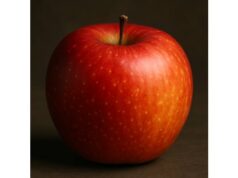
- Asian pear vs. apple: Texturally similar bite, but Asian pears hold moisture longer after slicing. Fiber is often higher per 100 g in Asian pear, with a similarly low glycemic response when eaten whole.
- Fresh vs. juice: Whole fruit keeps fiber and slows sugar absorption. Juice removes fiber and is easier to overconsume—stick to whole or blended with pulp.
FAQ
- Do I need to peel Asian pears?
No. The skin is edible and nutrient-rich. Peel only if needed for texture or allergy considerations. - Are they low-FODMAP?
Whole pears are considered higher in certain FODMAPs. If you’re sensitive, try a few slices with a protein food and assess your tolerance. - Can I freeze them?
Yes. Slice, briefly dip in lemon water, pat dry, and freeze on a tray before packing into bags. Texture softens on thawing—best for sauces, baking, or smoothies. - What about kids?
Great in lunchboxes due to crunch and mess-free slices. For younger children, cut into thin pieces to reduce choking risk. - Best time to eat for blood sugar?
With meals or snacks that include protein and healthy fats. This slows absorption and can smooth your glucose curve. - Do different cultivars have different nutrition?
Minor differences exist. Skin-on servings typically deliver more polyphenols and fiber regardless of cultivar. Choose the flavor and texture you like—you’ll eat more of it.
References
- USDA FoodData Central 2025 (Database)
- International tables of glycemic index and glycemic load values 2021: a systematic review 2021 (Systematic Review)
- Influence of daily fresh pear consumption on biomarkers of cardiometabolic health in middle-aged/older adults with metabolic syndrome: a randomized controlled trial 2019 (RCT)
- Birch Pollen Related Pear Allergy: A Single-Blind Oral Challenge TRIAL with 2 Pear Cultivars 2021 (Clinical Study)
- A review of pears (Pyrus spp.), ancient functional food for modern times 2021 (Review)
Disclaimer
This article provides general nutrition and health information for educational purposes. It is not a substitute for personalized medical advice, diagnosis, or treatment. Always consult a qualified healthcare professional about your specific health needs, allergies, or dietary changes—especially if you manage a medical condition, take prescription medications, are pregnant or breastfeeding, or follow a therapeutic diet.
If you found this guide helpful, please consider sharing it with friends or on your favorite platforms (Facebook, X, or elsewhere). Your support helps us continue creating clear, evidence-based articles.