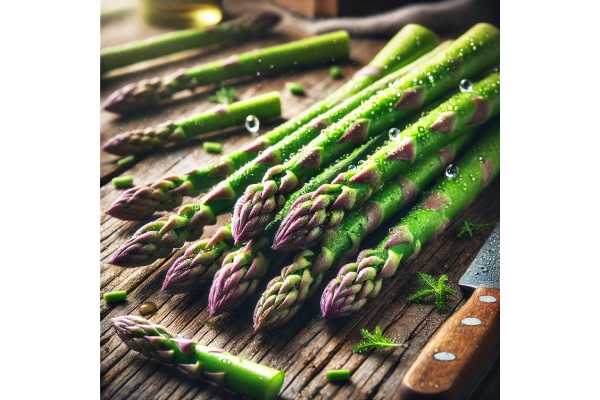
Asparagus is one of those vegetables that feels both everyday and special. A handful of tender spears can turn a simple meal into something that looks restaurant-ready, yet it is easy to cook and fits into almost any eating pattern. Green, white, and purple varieties all offer a crisp texture and a mildly grassy, slightly sweet flavor that works well roasted, grilled, steamed, or shaved raw into salads.
Nutritionally, asparagus is low in calories but provides meaningful amounts of folate, vitamin K, fiber, and a range of antioxidants. It also contains prebiotic fibers that nourish beneficial gut bacteria, which may support digestion and metabolic health. At the same time, some people notice changes in urine odor or mild digestive discomfort after eating it, and a few medical situations call for moderation. This guide walks you through asparagus’s nutrition facts, evidence-based benefits, potential risks, and very practical tips for buying, cooking, storing, and enjoying it safely.
Nutrition Snapshot
- Typical serving is 5–8 spears (around 90–120 g) cooked, enjoyed several times per week as part of a varied diet.
- Asparagus provides about 20 kcal per 100 g, with roughly 2 g protein, 2 g fiber, and notable vitamin K and folate.
- Prebiotic fibers (inulin-type fructans) in asparagus may support beneficial gut bacteria but can cause gas and bloating in sensitive individuals.
- People with irritable bowel syndrome, advanced kidney disease, or those on vitamin K–sensitive anticoagulants may need individualized advice before increasing intake.
Table of Contents
- Understanding Asparagus in Depth
- Asparagus Nutrition Breakdown and Facts
- Research Based Health Benefits of Asparagus
- Asparagus Risks, Allergies and Interactions
- Buying, Storing and Sustainable Asparagus
- Cooking Asparagus for Taste and Nutrition
- Asparagus Portions, Comparisons and FAQs
Understanding Asparagus in Depth
Asparagus (Asparagus officinalis) is a perennial vegetable: once established, the same plant can produce edible spears every spring for many years. Those spears are actually the young shoots that emerge from an underground crown. If left unharvested, they grow into tall, feathery fronds that feed the plant for the next season. This growth cycle helps explain why fresh asparagus often feels seasonal and why quality can vary noticeably throughout the year.
You will most commonly see green asparagus, but white and purple types are increasingly available. White asparagus is grown under soil or opaque covers, which prevents chlorophyll from forming and results in a milder, more delicate flavor. Purple asparagus tends to be slightly sweeter and contains additional pigments (anthocyanins) that act as antioxidants in the body. All colors are broadly similar in macronutrients; the main differences lie in subtle variations in phytochemicals and taste.
Historically, asparagus has been valued for its diuretic properties and its use in traditional medicine for urinary and kidney-related complaints. Modern reviews note that asparagus species contain a variety of bioactive compounds, including flavonoids, saponins, and inulin-type fructans that have been studied for potential antioxidant, anti-inflammatory, and metabolic effects. However, much of this research uses extracts or concentrated preparations; whole-food asparagus in typical culinary amounts should be seen as a helpful part of a healthy pattern, not a stand-alone treatment.
In everyday cooking, asparagus stands out because it is both quick to prepare and highly versatile. Thin spears can be tossed with oil and roasted in under 10 minutes, while thicker stalks do well on the grill or in stir-fries. Shaved raw asparagus adds crunch to salads, and lightly blanched spears pair well with eggs, fish, poultry, and whole grains. Its mild flavor and low calorie content also make it a useful ingredient for those aiming to increase vegetable intake without adding substantial energy.
Asparagus Nutrition Breakdown and Facts
Unless otherwise noted, the following values refer to raw green asparagus per 100 g, based on standard food composition data. Actual values vary with variety, soil, and handling.
Macros and key electrolytes (per 100 g)
| Nutrient | Amount per 100 g | Unit | Approx. %DV* |
|---|---|---|---|
| Energy | 20 | kcal | 1% |
| Water | 93 | g | — |
| Protein | 2.0–2.2 | g | 4% |
| Total fat | 0.1 | g | 0% |
| Carbohydrates (total) | ~4 | g | 1% |
| Dietary fiber | ~2 | g | 8% |
| Total sugars | ~2 | g | — |
| Net carbohydrates | ~2 | g | — |
| Sodium | 2 | mg | 0% |
| Potassium | ~200–230 | mg | 4–5% |
| Magnesium | 14 | mg | 3% |
| Phosphorus | 52 | mg | 7% |
*%DV values are approximate for a general adult diet.
This profile shows why asparagus is considered nutrient-dense: very low in calories but with meaningful protein, fiber, and potassium for such a small serving. The low net carbohydrate content means asparagus has a very low glycemic load, which is helpful for people managing blood sugar when it is part of an overall balanced meal pattern.
Vitamins (per 100 g)
| Vitamin | Amount per 100 g | Unit | Approx. %DV |
|---|---|---|---|
| Vitamin K (phylloquinone) | 42 | µg | 35% |
| Folate (vitamin B9, total) | 52 | µg | 13% |
| Vitamin C (ascorbic acid) | 6 | mg | 7% |
| Vitamin A (as retinol activity) | 38 | µg | 4% |
| Vitamin E (alpha-tocopherol) | 1.0–1.1 | mg | 7–8% |
| Thiamine (vitamin B1) | 0.1 | mg | 8–12% |
| Riboflavin (vitamin B2) | 0.1 | mg | 10–11% |
| Niacin (vitamin B3) | 1.0 | mg | 6% |
| Vitamin B6 | 0.1 | mg | 7% |
| Choline | 16 | mg | 3% |
Asparagus is particularly noteworthy for vitamin K and folate—nutrients involved in blood clotting, bone metabolism, and DNA synthesis. It contributes smaller but useful amounts of several other B vitamins and antioxidant vitamins.
Minerals and trace elements (per 100 g)
| Mineral | Amount per 100 g | Unit | Approx. %DV |
|---|---|---|---|
| Calcium | 24–32 | mg | 2–3% |
| Iron | ~2.0 | mg | 11–25% |
| Zinc | ~0.5–1.0 | mg | 5–9% |
| Selenium | 2 | µg | 4% |
| Manganese | 0.2 | mg | 7% |
| Copper | 0.2 | mg | 20% |
Iron values vary among databases, but asparagus can be a modest contributor, especially helpful alongside other plant sources for people who limit or avoid red meat.
Bioactives and prebiotic components
Asparagus contains several non-vitamin, non-mineral compounds that matter for health:
- Inulin-type fructans and related prebiotic fibers, which feed beneficial gut bacteria.
- Polyphenols and flavonoids such as quercetin, kaempferol, and isorhamnetin, which act as antioxidants.
- Anthocyanins in purple asparagus, adding extra pigment-related antioxidant activity.
These components are not listed on standard nutrition labels, but they are central to asparagus’s potential effects on gut microbiota, oxidative stress, and metabolic health.
Note: Canned asparagus may have higher sodium and slightly lower levels of some heat-sensitive vitamins than fresh or lightly cooked frozen asparagus. Rinsing canned spears can help reduce sodium.
Research Based Health Benefits of Asparagus
Emerging research on asparagus and its components suggests benefits across several body systems, particularly when it is eaten regularly within a varied, plant-rich eating pattern.
1. Nutrient density for everyday health
Asparagus offers a cluster of nutrients that support daily functioning:
- Vitamin K supports normal blood clotting and helps regulate proteins involved in bone and vascular health.
- Folate is essential for DNA synthesis, red blood cell formation, and periods of rapid growth such as pregnancy.
- Vitamin C and vitamin E contribute to antioxidant defenses and help protect cell structures from oxidative damage.
Because asparagus delivers these nutrients in a low-calorie, low-sodium form, it is a practical way to increase overall diet quality without substantially increasing energy intake.
2. Gut health and prebiotic effects
The inulin-type fructans in asparagus function as prebiotic fibers. They are resistant to digestion in the upper gut but are fermented by beneficial bacteria in the colon. Research on inulin-type fructans from various foods shows that they can:
- Increase populations of helpful bacteria such as Bifidobacterium.
- Promote production of short-chain fatty acids, which help nourish colon cells.
- Support bowel regularity in many people.
- Influence certain metabolic markers, including blood lipids and glucose, in some studies.
Asparagus is not as concentrated a source of inulin as some specially formulated fibers, but it is a convenient whole-food way to add prebiotics alongside vitamins, minerals, and antioxidants.
3. Antioxidant and anti-inflammatory potential
Asparagus contains flavonoids, phenolic acids, and, in colored varieties, anthocyanins. Experimental studies show that asparagus extracts can neutralize free radicals and modulate inflammatory pathways in cells and animal models. While more human research is needed, these findings support the idea that asparagus contributes to the broader antioxidant network provided by vegetables, fruits, nuts, and whole grains.
In practice, regularly including asparagus alongside other colorful vegetables helps diversify the range of antioxidant and anti-inflammatory compounds in the diet, which is a key strategy for managing long-term oxidative stress.
4. Cardiometabolic markers
Several mechanisms connect asparagus with cardiometabolic health:
- Its fiber and prebiotic content may support healthy cholesterol levels and insulin sensitivity.
- Potassium contributes to blood pressure control, especially when combined with reduced sodium intake.
- Very low energy density makes it easy to replace higher-calorie side dishes, supporting weight management efforts.
Early clinical studies using asparagus extracts have reported potentially favorable changes in blood glucose and cardiovascular markers, but these trials are often small and short. For now, asparagus is best regarded as one helpful member of a heart-friendly, plant-forward diet, not a stand-alone therapy.
5. Fluid balance and digestive comfort
Traditional descriptions of asparagus as a gentle diuretic are likely related to both its potassium content and certain phytochemicals. At typical food portions, any diuretic effect is usually mild. Some people notice slightly increased urination after a large serving, which is normally harmless.
Over time, the combination of fiber, prebiotics, and hydration from vegetables like asparagus can support regular bowel movements and may contribute to an overall feeling of digestive comfort in many people.
Asparagus Risks, Allergies and Interactions
For most individuals, asparagus is safe and beneficial, but a few specific issues are worth understanding.
Allergies and contact reactions
True asparagus allergy is uncommon but documented. Possible symptoms include:
- Itching or swelling of the lips, mouth, or throat after eating asparagus.
- Hives or skin rash.
- In severe cases, difficulty breathing or dizziness.
Occupational contact dermatitis from handling asparagus plants has also been reported, usually in farm workers or packing-house staff. People with a history of plant-food allergies should be attentive when introducing asparagus and seek medical advice if they notice suspicious reactions.
Anyone experiencing breathing difficulty, tongue or throat swelling, or generalized hives after eating asparagus should seek urgent care and avoid further exposure until they have seen an allergy specialist.
Digestive symptoms and FODMAP sensitivity
Asparagus contains inulin-type fructans and is classified as a high-FODMAP food. FODMAPs are fermentable carbohydrates that can trigger:
- Gas and bloating.
- Abdominal pain.
- Changes in bowel habits (diarrhea or constipation)
in people with irritable bowel syndrome (IBS) or similar conditions. Those with IBS or known fructan intolerance may:
- Start with small portions, such as 2–3 spears, and watch symptoms.
- Avoid combining asparagus with multiple other high-FODMAP foods in the same meal.
- Follow the guidance of a dietitian if using a structured low-FODMAP plan, where asparagus might be restricted initially and tested during reintroduction.
Kidney, purines and potassium
Asparagus contains moderate amounts of purines and potassium. For most people, these are not problematic. However:
- People with gout or a history of uric acid kidney stones may be advised to moderate total purine intake. Animal-based purines seem to have a stronger effect than vegetable sources, but individual responses vary.
- Individuals with advanced chronic kidney disease or those on potassium-restricted diets need to consider the roughly 200–230 mg of potassium per 100 g of asparagus as part of their total intake and follow personalized medical advice.
Vitamin K and anticoagulant therapy
With about 42 µg vitamin K per 100 g, asparagus can contribute meaningfully to daily vitamin K intake. For people not on anticoagulant therapy, this is generally desirable. For those taking vitamin K–sensitive blood thinners (like warfarin):
- The goal is usually to keep vitamin K intake consistent from day to day.
- Rather than avoiding asparagus completely, it is often better to enjoy similar amounts regularly and inform the healthcare team about typical intake.
Medication dosing can then be adjusted to match a stable dietary pattern.
Urine odor
After eating asparagus, some people notice a distinctive sulfurous odor in their urine. This is due to volatile sulfur compounds produced as asparagus is metabolized. Not everyone produces these compounds, and not everyone can smell them, due to genetic differences. The odor is harmless and does not indicate kidney disease or infection.
Buying, Storing and Sustainable Asparagus
Good asparagus starts with careful selection and continues with proper storage. These details have a direct impact on flavor, texture, and even nutrient retention.
Selecting high-quality spears
When choosing asparagus:
- Look for firm, straight spears with tightly closed tips.
- Check that the cut ends are moist rather than dry or woody.
- Avoid bunches with slimy, mushy, or strongly smelling tips.
- Choose vivid green or purple stalks without significant yellowing or browning.
Thickness is mostly preference. Thin spears cook very quickly and are ideal for quick sautés or stir-fries, while thicker spears stand up well to grilling and roasting and often taste slightly sweeter. Very thick spears can benefit from light peeling of the lower stalk to remove fibrous outer layers.
Storing for freshness and minimal waste
Asparagus is highly perishable and begins to lose quality soon after harvest. To keep it fresh:
- Trim about 1 cm from the base of the spears.
- Stand them upright in a jar or container with a couple of centimeters of water, like a bouquet.
- Loosely cover the tops with a produce bag or wrap to reduce drying.
- Store in the refrigerator and change the water if it becomes cloudy.
If you prefer a simpler method, wrap the trimmed ends in a slightly damp cloth or paper towel, place the spears in a breathable bag, and refrigerate. Aim to use fresh asparagus within 3–5 days for the best texture and flavor.
For longer storage:
- Blanch spears briefly in boiling water (2–3 minutes depending on thickness), cool quickly in ice water, drain, dry, and freeze in a single layer on a tray before moving to containers.
- Keep frozen asparagus for several months, using it mainly in cooked dishes where a slightly softer texture is acceptable.
Sustainability considerations
The environmental footprint of asparagus depends strongly on how and where it is grown and transported:
- Local, seasonal asparagus (often in spring) usually has a lower transport footprint and supports nearby growers.
- Out-of-season asparagus may be imported from distant regions and occasionally transported by air, increasing emissions.
You can make asparagus enjoyment more sustainable by:
- Prioritizing locally grown or regional options when they are available.
- Freezing some seasonal asparagus for use in off-season months.
- Using stems and trimmings to make vegetable broth instead of discarding them.
Cooking Asparagus for Taste and Nutrition
Cooking method affects not only taste and texture but also how many nutrients remain in asparagus and how well your body can use them.
Prepping the spears
A simple preparation routine works well:
- Rinse asparagus under cool water to remove soil or sand.
- Gently bend each spear near the base; it usually snaps where tenderness ends and the tough section begins.
- For very thick spears, lightly peel the lower third of the stalk with a vegetable peeler.
These steps help create even cooking and a pleasant texture, reducing the risk of chewy, fibrous ends.
Cooking methods and nutrient retention
Some heat-sensitive vitamins, such as vitamin C, decline with prolonged high heat or contact with large volumes of water. Balancing flavor and nutrition often means cooking asparagus quickly until just tender:
- Steaming: One of the gentlest methods. Spear tips become tender yet retain bright color. Most water-soluble nutrients stay in the vegetable instead of leaching into cooking water.
- Microwaving: With a small amount of water in a covered dish, asparagus can be cooked quickly, which may help preserve heat-sensitive vitamins if it is not overcooked.
- Sautéing or stir-frying: Cooking spears in a small amount of oil over medium-high heat creates good flavor and browning. The added fat can improve absorption of fat-soluble compounds.
- Roasting or grilling: High heat caramelizes natural sugars and encourages some charring, producing a deep, savory flavor. Some vitamin loss occurs, but the increased enjoyment often means people eat larger portions of vegetables overall.
In all cases, aim for “tender-crisp”: the spears should be easily pierced with a fork but still hold their shape and retain a bright, lively color.
Simple preparation ideas
- Lemon–garlic asparagus: Toss spears with olive oil, salt, and minced garlic; roast or sauté until tender, then finish with fresh lemon juice and zest.
- Asparagus and eggs: Pair lightly steamed asparagus with poached or soft-boiled eggs and whole-grain toast for a nutrient-dense breakfast or light lunch.
- Stir-fried asparagus: Cut into bite-size pieces and stir-fry with tofu, chicken, or shrimp, plus aromatics like ginger and garlic.
- Asparagus salads: Shave raw asparagus into ribbons with a vegetable peeler or briefly blanch spears, then combine with leafy greens, nuts, and a vinaigrette.
Because asparagus is mild, it pairs well with citrus, fresh herbs, aged cheese, toasted seeds and nuts, and sauces based on yogurt, tahini, or olive oil.
Asparagus Portions, Comparisons and FAQs
Understanding realistic portion sizes and how asparagus compares with other vegetables helps you use it confidently in daily meals.
Practical portion guidance
A commonly used serving size is:
- About 5 spears (roughly 90–100 g) of raw asparagus, which provides around 20 kcal, about 2 g protein, and about 2 g fiber.
In real-life meals, portions often look like:
- ½ cup cooked (around 80–90 g) as a side.
- 1 cup cooked (around 150–180 g) as the main vegetable on the plate or in a large salad or grain bowl.
For many adults, enjoying asparagus 2–5 times per week in these amounts fits comfortably within vegetable intake recommendations. Those with IBS, advanced kidney disease, or vitamin K–sensitive anticoagulant therapy should personalize their intake with a healthcare professional.
How asparagus compares with other vegetables
- Compared with many leafy greens, asparagus has slightly less vitamin K and folate per 100 g but often provides more prebiotic inulin-type fiber than typical salad lettuces.
- Compared with cruciferous vegetables like broccoli or Brussels sprouts, asparagus is lower in vitamin C but similar in fiber and offers a different mix of antioxidants and prebiotics.
- Compared with starchy vegetables such as potatoes or corn, asparagus has far fewer calories and carbohydrates per serving, which is useful in carbohydrate-controlled or weight-management plans.
Rotating asparagus with leafy greens, cruciferous vegetables, alliums, and other colorful produce broadens the range of nutrients and plant compounds in your diet.
Frequently asked questions
Is asparagus suitable during pregnancy?
Yes, in normal food amounts. Its folate content can contribute beneficially to pregnancy needs. As with all vegetables, it should be washed thoroughly and cooked properly to reduce food safety risks. People using high-dose folic acid supplements should coordinate total folate intake with their healthcare provider.
Does asparagus fit into low-carb or ketogenic diets?
Yes. Asparagus is low in net carbohydrates and fits easily into most low-carb or ketogenic patterns, particularly when used in place of higher-carb sides.
Can people with kidney stones eat asparagus?
It depends on the type of stones and overall diet. Asparagus contains purines and some oxalate, but vegetable purines are generally less problematic than those from meats. People with a history of stones should follow individualized advice instead of avoiding a single vegetable in isolation.
Is canned asparagus as healthy as fresh or frozen?
Canned asparagus can still offer fiber and some vitamins but often has a softer texture and more sodium. Rinsing it briefly and pairing it with other fresh vegetables can make it a practical fallback option.
Why does asparagus change urine odor?
Certain sulfur-containing compounds formed when asparagus is metabolized are excreted in urine, producing a distinctive smell. Genetic differences determine who produces these compounds and who can detect them. The odor is harmless.
References
- A Review of the Pro-Health Activity of Asparagus officinalis L. and Its Components 2024 (Systematic Review)
- Asparagus Fructans as Emerging Prebiotics 2022 (Systematic Review)
- The Prebiotic Potential of Inulin-Type Fructans: A Systematic Review 2022 (Systematic Review)
- Nutrition Information for Raw Vegetables 2017 (Guideline/Data Table)
- Asparagus, raw – Nutritional Information (Matvaretabellen) 2023 (National Food Composition Database)
Disclaimer
The information in this article is intended for general educational purposes and does not replace personalized medical advice, diagnosis, or treatment. Nutrition needs and health risks vary widely between individuals, especially for people with chronic conditions, food allergies, digestive disorders, kidney disease, or those taking prescription medications. Always consult a qualified healthcare professional or registered dietitian before making significant changes to your diet, using asparagus or any other food therapeutically, or adjusting prescribed treatments.
If you found this article useful, you are kindly invited to share it on Facebook, X (formerly Twitter), or any platform you prefer. Thoughtful sharing helps others access reliable nutrition information and supports the continued creation of high-quality, evidence-informed content.