Balm (Melissa officinalis), more commonly known as lemon balm, is a fragrant herb in the mint family with a gentle lemon scent and a long history of use for calm, comfort, and digestive ease. Today it is best known for helping people “take the edge off” during periods of mild stress, supporting sleep quality, and soothing an unsettled stomach after meals. Its effects come from a mix of plant compounds—especially polyphenols such as rosmarinic acid and aromatic oils—that interact with pathways involved in tension, inflammation, and gut spasm.
Lemon balm is available in many forms, from simple teas and tinctures to standardized extracts and topical preparations. Choosing the right form matters because the calming compounds and the aromatic oils concentrate differently depending on how the herb is prepared. Like any medicinal herb, it also deserves a safety-first approach: dose conservatively, watch for drowsiness, and be careful if you take sedatives, thyroid medication, or are pregnant or breastfeeding.
Quick Overview
- May reduce mild stress and support better sleep quality within days to a few weeks for some people.
- Can ease post-meal bloating and mild cramping when used as a warm tea.
- Typical adult tea range is 1.5–4.5 g dried leaf, up to 3 times daily.
- May cause drowsiness; avoid combining with alcohol or strong sedatives.
- Avoid if pregnant, breastfeeding, or under 12, unless a clinician recommends it.
Table of Contents
- What is balm?
- Key ingredients and medicinal properties
- Does balm help with stress and sleep?
- Can balm ease digestion issues?
- How to use balm day to day
- How much balm per day?
- Safety, interactions, and what evidence shows
What is balm?
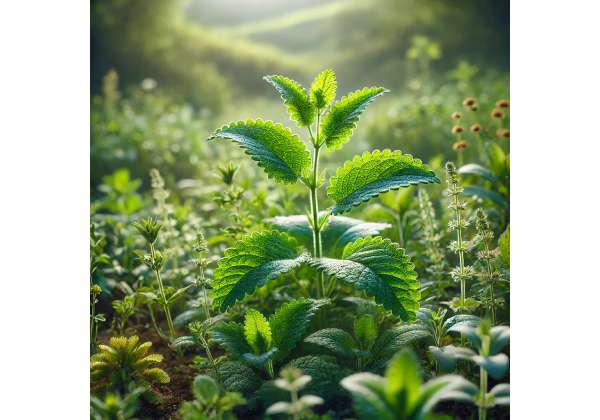
Balm (Melissa officinalis) is a leafy perennial herb with softly textured, slightly wrinkled green leaves and a clean lemon aroma that becomes stronger when the leaves are crushed. It is part of the Lamiaceae (mint) family, which helps explain its traditional roles: mint-family herbs are often used to settle digestion, relax smooth muscle, and support a calmer nervous system.
In everyday herbal practice, balm is best thought of as a “gentle harmonizer.” People reach for it when stress shows up physically—tight shoulders, racing thoughts at bedtime, a fluttery stomach, or that wired-but-tired feeling after a demanding day. It is not typically used as a heavy sedative. Instead, it tends to feel softening and steadying, especially when taken as a warm infusion.
Balm is also widely used as a flavoring herb. Fresh leaves work well in:
- Herbal teas and iced infusions
- Fruit salads and light desserts
- Yogurt, honey, and simple syrups
- Summer drinks (sparkling water, lemonade-style blends)
From a medicinal standpoint, the leaf is the main part used. Depending on how it is prepared, balm can deliver different “profiles” of action:
- Tea (infusion): favors water-soluble polyphenols; often chosen for relaxation and digestion.
- Alcohol extract (tincture): can pull a broader range of compounds; useful when you want a more concentrated dose.
- Standardized extracts: designed for consistent levels of key polyphenols.
- Topical products: often aimed at lip irritation or cold-sore discomfort.
Because balm is both a food herb and a medicinal herb, the line between “daily wellness use” and “therapeutic use” can blur. The safest approach is to decide which goal you have—calm, sleep support, digestive comfort, or topical use—then match the form and dose to that goal rather than assuming more is always better.
Key ingredients and medicinal properties
Balm’s effects come from a team of plant constituents rather than one single “active ingredient.” Two preparations made from the same herb can feel different because the chemistry shifts with drying, steeping time, and extraction method. In broad terms, balm contains both polyphenols (often emphasized in calming research) and volatile oils (more aromatic, and more sensitive to heat and storage).
Key compound groups include:
- Phenolic acids (especially rosmarinic acid): often linked with antioxidant activity and nervous-system effects. For a deeper dive into this cornerstone compound, see the internal rosmarinic acid benefits and risks guide.
- Flavonoids: supportive antioxidants that may modulate inflammation and vascular tone.
- Triterpenes (such as ursolic and oleanolic acids): commonly found in aromatic herbs; associated with anti-inflammatory and skin-supportive actions in broader botanical research.
- Tannins: mildly astringent compounds that can contribute to “toning” effects in the mouth and gut.
- Volatile oils (aromatic fraction): typically including components such as citronellal, neral, and geranial, which shape the lemon scent and may influence mood through aroma pathways.
When people talk about balm as “calming,” they usually mean a few overlapping mechanisms:
- Nervous-system modulation
Some balm extracts appear to influence signaling related to relaxation, which is one reason it is studied for mild anxiety and sleep quality. This does not mean it works like a prescription sedative; the effect is usually subtler and depends heavily on dose and extract quality. - Antioxidant and anti-inflammatory activity
Polyphenols in balm help neutralize oxidative stress and can calm inflammatory signaling. Practically, this is less about feeling an immediate effect and more about supporting the body during periods of strain. - Antispasmodic and carminative properties
Like other mint-family herbs, balm has a reputation for easing digestive “tightness” and gas-related discomfort, especially when taken warm. - Topical comfort and antiviral interest
Balm has been explored for cold sores and lip discomfort. The most relevant point for real-life use is that topical balm products are usually started early—at the first tingle—rather than after lesions are well established.
A useful way to remember balm’s chemistry is: polyphenols steer the calm, while aromatics steer the scent and sensory effect. Standardized extracts focus on consistency, while teas lean into ritual and gentle daily support.
Does balm help with stress and sleep?
Balm is most often used for mild stress, restlessness, and sleep quality—especially when stress is the reason sleep feels light or broken. Many people describe it as helping them “unclench” rather than knocking them out. That distinction matters: balm is usually a better fit for winding down than for severe insomnia.
How it may help in real life:
- Daytime calm without heavy sedation (for many users): A small to moderate dose may take the edge off tension, reduce the sense of “mental buzz,” and make it easier to focus.
- Evening transition: Taken 30–90 minutes before bed, balm can support the shift from stimulation to rest, particularly if you pair it with a consistent bedtime routine.
- Stress-related sleep disruption: People who fall asleep but wake easily may find balm helpful as part of a broader plan (light exposure in the morning, caffeine cutoff, and a consistent wind-down).
Practical ways to use it for this goal:
- Tea ritual: Warm infusion after dinner, ideally away from screens.
- Tincture or capsule: Helpful when you want a more predictable dose than tea.
- “Acute” use vs. short course: Some people use balm only on high-stress days; others use it nightly for 2–4 weeks, then reassess.
What it feels like when it is working: you may notice a softer body state (less jaw tension, less chest tightness), fewer spiraling thoughts at bedtime, or fewer “startle awake” moments during the night. The changes are often modest but meaningful.
If you are comparing options, balm is often paired with other calming herbs. For example, passionflower for stress and sleep support is commonly chosen when nervous tension feels more pronounced or when “mind racing” is the dominant complaint. People sometimes rotate or combine herbs, but it is safer to change one variable at a time so you can tell what is actually helping.
Finally, a caution: if balm makes you sleepy, that is a sign to reduce the dose or move it strictly to evenings. Calm should feel steady—not foggy.
Can balm ease digestion issues?
Balm is also a classic choice for mild digestive discomfort, especially when symptoms are linked with tension or meals. In traditional herbal practice, it is used for bloating, gas, mild cramping, and the “nervous stomach” pattern where stress and digestion feed into each other.
Common situations where balm is a good fit:
- Post-meal heaviness or bloating
- Occasional gas and mild cramping
- Stress-related digestive fluttering
- A queasy feeling that improves with warmth and rest
Why tea often works well here: warm liquids can relax the gut by themselves, and balm adds gentle antispasmodic and carminative support. Many people do best with balm tea after meals or between lunch and dinner, especially if afternoon stress tends to derail digestion.
Simple approach for digestive comfort:
- Steep balm leaves (covered) for 10–15 minutes.
- Sip slowly, warm—not scalding.
- Pair with a short walk or a quiet 5 minutes of breathing after the meal.
Balm is not the only herb in this lane. If your main complaint is gas and intestinal spasm, peppermint for digestive support is often used for its more targeted antispasmodic profile. Balm can be a better choice when digestion issues come with nervous tension and you want a calmer overall feel.
Two important boundaries:
- If you have persistent abdominal pain, unexplained weight loss, blood in stool, or ongoing heartburn, don’t self-treat—get evaluated.
- If you have reflux that worsens with mint-family herbs, start with a smaller balm dose or choose a non-mint alternative, since individual responses vary.
For many people, balm’s best digestive role is supportive and situational: a gentle aid that makes meals feel easier and helps the gut settle when the nervous system is running hot.
How to use balm day to day
Choosing the right form of balm is mostly about matching your goal with how concentrated and consistent you need the dose to be.
1) Tea (infusion)
Best for: gentle daily calm, digestive ease, evening wind-down.
How: Use dried leaf (or fresh if available), steep covered for 10–15 minutes, then strain. Covering the cup helps keep the aromatic fraction from evaporating. Tea is also the easiest form to “titrate” by making it lighter or stronger.
2) Tincture or liquid extract
Best for: convenience, predictable dosing, faster use when you cannot brew tea.
Tips: Alcohol extracts may feel stronger and are not ideal for everyone (children, pregnancy, people avoiding alcohol). Glycerites are an alcohol-free alternative, though strengths vary.
3) Capsules or tablets (often standardized extracts)
Best for: consistency and travel.
What to look for: clear labeling of extract ratio and, when available, standardization to key polyphenols. This is often the most “clinical-style” form.
4) Topical balm products (creams, gels, ointments)
Best for: lip irritation or cold-sore support as early as possible (first tingle).
Use: Apply as directed on the label; avoid sharing products, and avoid applying to broken skin unless the product is designed for that use.
5) Aromatic use
Some people enjoy balm for its aroma in teas or culinary use. Essential oil use is a separate category and requires extra caution; oral use of essential oils is generally not recommended without professional guidance.
A practical “starter routine” many people tolerate well:
- Afternoon: a mild cup of balm tea for tension-related stomach fluttering.
- Evening: a second cup as a screen-free wind-down.
If you enjoy blending herbs, balm pairs naturally with calming classics such as chamomile tea for sleep support and gentle relaxation. Keep blends simple at first so you can tell what is helping.
Storage matters more than people think: keep dried balm in a sealed container away from heat and sunlight. If it has lost most of its scent, it may still be pleasant as a tea, but the aromatic profile is likely diminished.
How much balm per day?
There is no single perfect balm dose, because the “right amount” depends on the form, strength, your sensitivity, and your goal (daytime calm vs. sleep support vs. digestion). Start lower than you think you need, especially if you are prone to drowsiness.
Typical adult ranges by form (common practice ranges):
- Tea (dried leaf): 1.5–4.5 g per cup, up to 3 times daily
- For sleep: many people start with 1 cup in the evening and adjust strength before adding more cups.
- For digestion: 1 cup after meals is a common pattern.
- Tincture (1:5, 45% alcohol is common): 2–4 mL, up to 3 times daily
- For daytime calm, consider starting at the low end (for example, 2 mL) and reassessing.
- Standardized extract capsules/tablets: often 300–600 mg per day (sometimes split)
- Product strengths vary widely, so use the label’s directions as a ceiling unless a clinician advises otherwise.
- Topical products for lips: apply as directed; commonly several times daily for short periods
- Best outcomes are usually reported when started early and used consistently for several days.
Timing tips that improve results:
- For sleep, take balm 30–90 minutes before bed, and keep lighting dim after you take it.
- For stress, take it earlier in the day so you can gauge drowsiness.
- For digestion, take it after meals or when symptoms start.
How long to use it:
- For situational stress or digestion: as needed.
- For sleep quality: a 2–4 week trial is reasonable, then reassess. If you need it nightly for months, it is worth checking for underlying drivers (caffeine, sleep apnea, anxiety, medications).
Signs your dose is too high include daytime sleepiness, sluggish thinking, vivid dreams that feel disruptive, or a “heavy” feeling that interferes with work or driving. If that happens, reduce the dose, move it to evenings only, or switch to a lighter tea instead of a concentrated extract.
Safety, interactions, and what evidence shows
For most healthy adults, balm is considered well tolerated when used at sensible doses. Still, “gentle” does not mean “risk-free,” especially when concentrated extracts are involved.
Possible side effects
- Drowsiness or fatigue (most common)
- Mild headache
- Nausea or stomach upset (often dose-related)
- Rare allergy-like reactions in sensitive individuals
Key interactions and cautions
- Sedatives and alcohol: Balm may add to the effects of sleep medications, antihistamines that cause drowsiness, benzodiazepines, and alcohol. If you combine them, the risk is impaired coordination and next-day grogginess.
- Thyroid medication: If you have thyroid disease or take thyroid hormone, use caution and check with your clinician before starting daily balm, especially in extract form.
- Driving and machinery: If balm makes you sleepy, do not drive or operate machinery after taking it.
Who should avoid balm (unless a clinician recommends it)
- Pregnant or breastfeeding people
- Children under 12
- People with complex medication regimens where sedation or thyroid balance is a concern
- Anyone with a history of strong reactions to mint-family herbs
What the evidence shows, in plain language
- Mood and stress: Clinical research and reviews suggest balm can improve measures of mild anxiety and stress-related symptoms in some settings, but results vary because studies use different extracts, doses, and timeframes.
- Sleep quality: Controlled trials of standardized extracts show promise for sleep quality, especially when sleep issues are tied to mild anxiety or stress.
- Digestion: Traditional use is strong, and the mechanism is plausible, but high-quality modern trials for everyday digestive complaints are less consistent than the sleep and stress research.
- Cold sores: The most relevant evidence supports topical balm products used early and consistently, with generally favorable tolerability.
A practical takeaway: balm looks most reliable as a supportive option for mild stress, stress-related sleep disruption, and early topical care—while still needing better, more standardized research.
If you prefer to compare calming options, some people look to non-herb approaches or other botanicals with different “feel.” For example, lavender oil for stress and sleep is often discussed for its distinct calming profile, but it has its own dosing rules and precautions—so treat each option as its own decision rather than assuming they are interchangeable.
References
- Melissa officinalis: Composition, Pharmacological Effects and Derived Release Systems—A Review 2022 (Review)
- The effects of lemon balm (Melissa officinalis L.) on depression and anxiety in clinical trials: A systematic review and meta-analysis 2021 (Systematic Review and Meta-Analysis)
- Effects of Melissa officinalis Phytosome on Sleep Quality: Results of a Prospective, Double-Blind, Placebo-Controlled, and Cross-Over Study 2024 (RCT)
- Herbal Medicine for Treating Herpes Labialis: A Systematic Review 2025 (Systematic Review)
- Community herbal monograph on Melissa officinalis L., folium 2013 (Guideline)
Disclaimer
This article is for educational purposes only and does not provide medical advice, diagnosis, or treatment. Herbal products can affect the body and may interact with medicines, supplements, and medical conditions. If you are pregnant, breastfeeding, have a chronic condition (including thyroid disease), take sedatives, or are considering balm for a child, consult a licensed healthcare professional before use. Seek urgent medical care for severe allergic reactions, persistent or worsening symptoms, or signs of serious illness (such as chest pain, severe abdominal pain, high fever, or dehydration). Use products from reputable manufacturers and follow label directions unless your clinician advises otherwise.
If you found this guide helpful, consider sharing it on Facebook, X (formerly Twitter), or your favorite platform so others can make informed, safety-first choices.