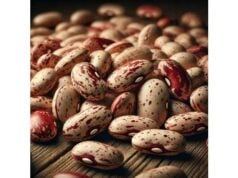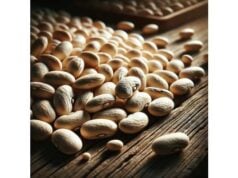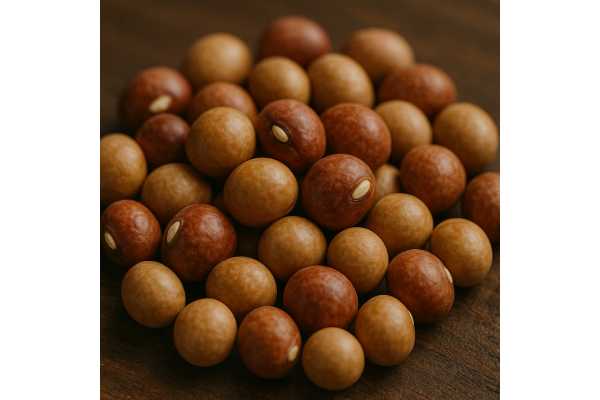
Bambara groundnut (Vigna subterranea) is a resilient African legume prized for its balanced nutrition, nutty flavor, and versatility in the kitchen. Often called “a complete food,” it delivers meaningful amounts of plant protein, complex carbohydrates, fiber, and key minerals such as magnesium, iron, zinc, and potassium. The seeds develop underground—much like peanuts—helping the plant withstand heat and erratic rainfall. In homes and street markets, you will find Bambara groundnut boiled and salted, milled into flour for steamed puddings like Nigerian okpa, blended into dairy-free “milks,” or roasted for snacks. For people exploring climate-smart staples or diversifying plant proteins, Bambara groundnut offers a practical, affordable option that performs well in soups, stews, fritters, batters, and baked goods. This guide explains the crop’s nutrition and potential health benefits, how to buy and store it well, and how to cook it for the best taste, texture, and digestibility—while covering safety, allergies, and who may need to limit intake.
Fast Facts
- Provides ~20 g protein, ~56 g carbohydrate, and potassium ~1,300 mg per 100 g raw dried seeds.
- Thorough cooking is essential to neutralize lectins and reduce anti-nutrients.
- Typical serving: ½ cup cooked (about 85–100 g), 3–7 times per week as part of varied meals.
- People with advanced kidney disease (potassium restriction), legume allergies, or sensitive IBS symptoms should limit or avoid.
Table of Contents
- Bambara groundnut overview and uses
- Bambara groundnut nutrition profile
- Evidence-based health benefits
- Risks, allergies and interactions
- Selecting, quality, sustainability and storage
- Preparation, cooking and nutrient retention
- Portions, comparisons and FAQs
Bambara groundnut overview and uses
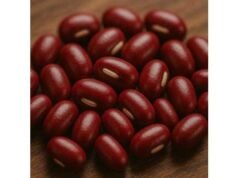
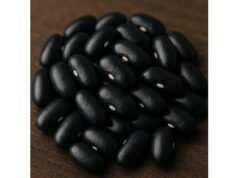
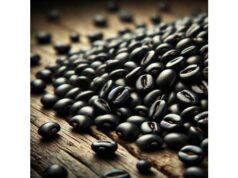
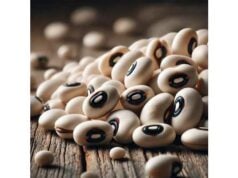
Bambara groundnut is a drought-tolerant African pulse with pods that mature underground. The seeds are small, round, and smooth, and come in many colors—tan, cream, red, brown, speckled—with subtle differences in flavor and cooking time. The taste is lightly nutty and earthy; cooked seeds have a tender bite similar to chickpeas but often creamier.
Names and forms. You may see Bambara groundnut sold as “Bambara bean,” “earth pea,” “njugo,” “manicongo,” or under its scientific name Vigna subterranea. It is available as dried whole seeds, pre-roasted snacks, canned (less common), flour for batters and puddings, fermented pastes, and ready-to-cook cracked or dehulled pieces that shorten cooking.
Culinary uses across regions.
- Boiled or pressure-cooked for stews, porridge, or simply salted as a snack.
- Flour for steamed puddings such as okpa (Nigeria), pancakes, crackers, and composite breads (blended with cereals).
- Plant-based milk and yogurt made from soaked, milled seeds.
- Roasted and spiced as a street food or salad topping.
- Fermented into savory condiments and beverages, which often improve digestibility.
Why it matters. Bambara groundnut thrives where rainfall is unreliable, fixes nitrogen in soils (supporting rotations with cereals), and stores well without refrigeration. Nutritionally, it delivers plant protein with a beneficial amino-acid balance (lysine-rich) that complements cereal staples. Its starch is largely slowly digestible, which supports steady energy when eaten as part of a balanced meal.
Flavor and pairing tips. The bean pairs well with tomato, onion, ginger, chili, leafy greens, coconut, citrus, and spices like smoked paprika, coriander, and cumin. Acidic or aromatic ingredients used near the end of cooking brighten the naturally mellow flavor. For satisfying bowls, combine with millet or rice, roasted vegetables, and a tangy relish.
Bambara groundnut nutrition profile
Serving basis for tables: values per 100 g raw dried seeds (not cooked). Cooking adds water and reduces some anti-nutrients; nutrient density shifts with hydration. Use the tables to compare foods and plan recipes; day-to-day intakes should be based on cooked portions.
Daily Values (%DV): Based on standard adult DVs (2,000 kcal diet). Where an official DV exists, it is shown.
Macros and electrolytes (per 100 g, raw dried)
| Nutrient | Amount | %DV |
|---|---|---|
| Energy | 371 kcal | — |
| Water | 9.2 g | — |
| Protein | 20.2 g | 40% |
| Total fat | 6.2 g | 8% |
| Carbohydrate (available) | 56.3 g | 20% |
| Dietary fiber† | 4.8 g | 17% |
| Potassium (K) | 1,329 mg | 28% |
| Sodium (Na) | ~2 mg | 0% |
†Fiber shown in brackets in some food tables indicates calculation from proximate analysis or limited datasets.
Carbohydrates
- Starch dominant with a notable fraction of slowly digestible and resistant starch.
- Naturally occurring oligosaccharides (raffinose family) act as prebiotics but can cause gas; soaking, sprouting, and fermentation reduce them.
- Naturally sugar-free (negligible intrinsic sugars in the dried seed).
Fats and fatty acids
| Component | Amount | Notes |
|---|---|---|
| Total fat | 6.2 g | Predominantly unsaturated |
| Polyunsaturated fatty acids (PUFA) | — | Linoleic acid is the major PUFA; alpha-linolenic present in small amounts |
| Monounsaturated fatty acids (MUFA) | — | Primarily oleic acid |
| Saturated fat | — | Low relative to peanuts |
(Fatty acid distribution varies by landrace and growing conditions.)
Protein and amino acids
- Total protein: ~20 g/100 g (raw dried).
- Amino-acid balance: Good lysine content; methionine and cysteine are modest. Pair with cereals (e.g., millet, sorghum, rice) for complementary protein.
- Digestibility: Improves with soaking, pressure-cooking, fermentation, or germination due to reduced trypsin inhibitors and phytic acid.
Vitamins (selected)
| Vitamin | Amount | %DV |
|---|---|---|
| Thiamin (B1) | 0.10 mg | 8% |
| Riboflavin (B2) | 0.10 mg | 8% |
| Niacin (B3) | 2.1 mg | 13% |
| Vitamin E (alpha-tocopherol) | 0.30 mg | 2% |
| Vitamin C | ~1 mg | 1% |
(Folate values vary by variety and reporting method; cooked products and fermented foods may provide more bioavailable folate.)
Minerals
| Mineral | Amount | %DV |
|---|---|---|
| Calcium | 90 mg | 7% |
| Iron | 4.4 mg | 24% |
| Magnesium | 182 mg | 43% |
| Phosphorus | 219 mg | 18% |
| Potassium | 1,329 mg | 28% |
| Zinc | 2.2 mg | 20% |
| Copper | 0.73 mg | 81% |
| Sodium | ~2 mg | 0% |
Bioactives and phytonutrients
- Polyphenols: flavonoids (e.g., catechin, epicatechin), phenolic acids; darker seed coats tend to contain more.
- Resistant starch and fiber support a healthy gut microbiome.
- Peptides and protein hydrolysates from processed Bambara groundnut show antioxidant and enzyme-modulating activities in lab studies.
Anti-nutrients (naturally occurring)
- Phytic acid, tannins, trypsin inhibitors, lectins. These can reduce mineral absorption or upset digestion when the seeds are undercooked. Soaking, discarding soak water, pressure-cooking, sprouting, and fermentation meaningfully lower these compounds.
Footnote on variability: Nutrition values vary with landrace, soil, climate, and processing (dehulling, roasting, fermentation). For day-to-day meal planning, focus on cooked portions and consistent preparation methods.
Evidence-based health benefits
1) Supports steady energy and appetite control.
Bambara groundnut is rich in complex carbohydrates and slowly digestible starch, which release glucose gradually. When cooked thoroughly and paired with vegetables, the combination of fiber + protein promotes satiety and helps curb rapid blood-sugar swings. Fermentation or germination can further lower the glycemic impact by partially breaking down starch and reducing anti-nutrients that interfere with digestion.
2) Meaningful mineral contributions for daily needs.
A 100 g portion (raw dried basis) contains iron (~4.4 mg), magnesium (~182 mg), zinc (~2.2 mg), and potassium (~1,329 mg)—useful for people with low meat intake or those seeking plant-forward options. Iron supports oxygen transport, magnesium is involved in energy metabolism and muscle function, zinc assists immune and skin health, and potassium balances sodium’s effects on blood pressure. Because phytate can hinder iron and zinc absorption, pair Bambara dishes with vitamin-C-rich ingredients (tomato, peppers, citrus) or use fermentation to improve bioavailability.
3) Cardiometabolic-friendly profile.
Bambara groundnut is naturally very low in sodium and provides potassium and fiber—two nutrients consistently linked with healthier blood-pressure patterns and cardiometabolic health when part of an overall balanced diet. Replacing some refined grains or processed meats with Bambara-based meals typically increases fiber and reduces saturated fat.
4) Gut microbiome support.
Oligosaccharides (raffinose family) and resistant starch feed beneficial gut microbes. As these ferment, they produce short-chain fatty acids (SCFAs) such as butyrate, which help maintain the intestinal barrier and may support metabolic and immune health. To reduce gas while retaining prebiotic benefits, soak the beans, discard the soak water, and cook until fully tender—pressure-cooking is especially effective.
5) Plant-based protein diversification.
With ~20 g protein per 100 g (raw dried) and a lysine-rich profile that complements cereals, Bambara groundnut is a practical way to broaden plant proteins beyond soy, chickpea, and lentil. In composite flours, it can raise protein density in breads, noodles, porridges, and snacks—helpful in school meals or community nutrition programs—provided texture is optimized with adequate hydration or dough conditioners.
6) Polyphenols and peptides with functional potential.
Bambara groundnut’s seed coats and dehulled fractions contain flavonoids and phenolic acids with antioxidant activity in lab assays. Processing (e.g., controlled fermentation, enzymatic hydrolysis) can generate bioactive peptides that modulate enzymes tied to inflammation and oxidative stress in experimental models. While these findings are promising, they do not substitute for clinical outcomes; enjoy Bambara groundnut as part of diverse, minimally processed meals.
7) Planetary and food-security benefits.
The crop’s ability to fix nitrogen, tolerate poor soils, and maintain yields under heat and drought can reduce fertilizer needs and support climate adaptation. Choosing Bambara groundnut helps preserve agrobiodiversity and strengthens local food systems—especially when sourced from smallholder producers and women-led enterprises.
Practical takeaway: Build Bambara meals that are well-cooked, fiber-rich, and color-diverse (add greens, tomatoes, onions, herbs). This maximizes taste and nutrient uptake while supporting digestion.
Risks, allergies and interactions
Cook thoroughly. Like many legumes, raw or undercooked Bambara groundnut contains lectins and enzyme inhibitors that can cause nausea, vomiting, or diarrhea, and may limit protein digestibility. Proper soaking plus full boiling or pressure-cooking neutralizes these compounds. Avoid slow cookers set too low; ensure the beans reach a rolling boil or pressure-cooker temperatures.
Gas and digestive comfort. Oligosaccharides can cause bloating in sensitive people. To minimize:
- Soak 8–12 hours, drain and rinse, then cook in fresh water.
- Pressure-cook until very soft; consider adding aromatic herbs (ginger, bay).
- Try fermented or sprouted preparations, which reduce flatulence factors.
- Start with small portions (¼–⅓ cup cooked) and increase gradually.
Allergy considerations. Bambara groundnut is a legume, not a tree nut or peanut, but people with legume allergies (e.g., peanut, soy, lentil) can exhibit cross-reactivity. Those with known legume allergy should consult an allergist before trying Bambara groundnut and avoid it if reactions have occurred to multiple legumes.
Kidney and potassium. Bambara groundnut is high in potassium. People on potassium-restricted diets (e.g., advanced chronic kidney disease) should limit portions and follow individualized medical advice.
Iron and zinc absorption. Phytate and tannins can hinder absorption. Strategies: soak and cook thoroughly; pair with vitamin-C-rich foods; occasionally include fermented forms. Avoid tea or coffee with Bambara-rich meals if iron status is a concern.
Medication timing. High-fiber meals can affect absorption of certain medicines (for example, levothyroxine). Separate such medications from high-fiber Bambara meals per prescriber guidance.
Infants and young children. Offer well-cooked, mashed or blended textures to reduce choking risk. Introduce single-ingredient preparations gradually to observe tolerance.
Food safety. Store cooked beans promptly in the refrigerator and reheat thoroughly. Discard any batch that tastes “off” or has been left in the danger zone (room temperature) for more than two hours.
Selecting, quality, sustainability and storage
How to choose.
- Dried whole seeds: Look for clean, intact seeds without cracks, weevils, or excessive dust. Color varies by landrace; darker seed coats often contain more polyphenols.
- Dehulled or split seeds: Cook faster; good for quick stews and porridge.
- Flour: Choose fresh-smelling flour in air-tight packaging; avoid any rancid or musty odors.
- Roasted snacks: Prefer unsalted or lightly salted versions if monitoring sodium.
Sourcing tips.
- Seek regional names at African, Asian, or specialty markets.
- For baking and batter work, ask for finely milled flour or sift it at home.
- When possible, buy from cooperatives or sellers who list origin—supporting smallholder growers and encouraging biodiversity.
Sustainability notes.
- Bambara groundnut fixes atmospheric nitrogen and tolerates marginal soils, reducing synthetic fertilizer needs in rotations with maize, sorghum, or millet.
- Its resilience under heat and low rainfall makes it a useful climate-adaptation crop.
- Choosing shelf-stable pulses also reduces household food waste relative to perishable animal proteins.
Storage guidance.
- Dried seeds: Keep in air-tight jars or sealed bags in a cool, dry, dark place. Ideal: ≤20 °C, low humidity. Shelf life is typically up to 12 months; rotate stock every season.
- Flour: Store air-tight; refrigerate or freeze for longer keeping (3–6 months refrigerated; up to 12 months frozen).
- Cooked beans: Refrigerate within 2 hours; use within 3–5 days. Freeze in meal-size portions for up to 6 months.
- Signs to discard: Mold, insect damage, musty smell, or sprouting in storage.
Budget and prep planning. Dried Bambara is economical; soaking overnight and pressure-cooking reduce energy costs. Batch-cook, cool rapidly, and freeze in flat freezer bags to save time on busy nights.
Preparation, cooking and nutrient retention
Goal: soft, creamy beans with excellent digestibility and minimal gas.
1) Soak (recommended).
- Rinse well. Soak 8–12 hours in plenty of water (3–4× bean volume).
- For faster prep, use a hot-soak: bring beans and water to a boil for 2–3 minutes, cover, and rest 1 hour, then drain and rinse.
- Discard soak water to reduce oligosaccharides and some tannins.
2) Cook thoroughly.
- Boiling: Add fresh water (about 1:3 beans:water), bring to a rolling boil, then simmer until tender. Depending on age and variety, 60–120 minutes (dehulled or split cooks faster).
- Pressure-cook: After soaking, cook at high pressure 25–35 minutes (whole) or 15–20 minutes (split), natural release 10 minutes.
- Do not undercook. Beans should mash easily between fingers.
3) Flavor strategies.
- Salt late (after softening) to avoid tough skins with hard water; or cook in lightly salted water if using a pressure cooker and soft water.
- Aromatics: onion, garlic, ginger, bay leaf.
- Finish with acid and herbs: lemon or lime, tomato, vinegar, cilantro, parsley.
4) Improve digestibility and mineral uptake.
- Combine soaking + pressure-cooking to reduce lectins and trypsin inhibitors.
- Try germination (24–48 h) or fermentation (e.g., sour batters, steamed puddings) for softer textures and better protein digestibility.
- Pair with vitamin-C-rich sides (citrus salsa, tomatoes, peppers) to enhance iron absorption.
5) Preserve nutrients.
- Use minimal water and avoid overcooking; pressure-cooking preserves minerals and shortens cook time.
- Save some cooking liquid (the “pot liquor”) to enrich soups and sauces—it contains soluble minerals and flavor.
- If roasting or pan-toasting cooked beans for snacks, keep temperatures moderate to avoid hardening proteins.
6) Quick recipe ideas.
- Tomato-ginger Bambara stew: sauté onion, garlic, and ginger; add crushed tomatoes, cooked Bambara, ground cumin, and greens; simmer and finish with lemon.
- Bambara hummus: blend cooked beans with lemon, garlic, olive oil, tahini, and smoked paprika.
- Okpa-style steamed pudding: whisk Bambara flour with warm water, palm or neutral oil, salt, chili, and chopped greens; steam in banana leaves or ramekins until set.
- Crunchy snack: drain cooked beans well, toss with spices, then roast until crisp, shaking the pan to dry evenly.
7) Batch-cooking framework.
Cook 1 kg dried Bambara after overnight soak; pressure-cook 30 minutes. Portion 1–1½ cups cooked beans into containers. Use through the week for salads, stews, grain bowls, and spreads.
Portions, comparisons and FAQs
Suggested portion.
- Everyday serving: ½ cup cooked (about 85–100 g), usually 1–2 servings/day within a varied menu. This delivers roughly 7–10 g protein, 18–25 g carbohydrate, and 3–6 g fiber, depending on cooking method and hydration. Adjust to appetite, energy needs, and medical guidance.
Who benefits most?
- People moving toward plant-forward eating who want non-soy proteins.
- Households seeking shelf-stable, affordable staples that batch-cook well.
- Athletes and active people who need sustained energy and potassium for muscle function.
- Communities interested in climate-smart crops and supporting agrobiodiversity.
Comparisons.
- Chickpeas: similar protein, Bambara often higher in potassium and magnesium; chickpeas may have a creamier mash and higher folate.
- Peanuts: far higher fat and calories than Bambara; Bambara suits lower-fat meals and savory stews where a bean texture is desired.
- Soybeans: more protein per gram in soy; Bambara offers a soy-free option with gentler flavor and good baking functionality in composite flours.
- Other pulses (adzuki, cowpea): Bambara is comparable in protein, generally higher in potassium, and especially resilient in hot, dry climates.
FAQs
Is Bambara groundnut gluten-free?
Yes. It is a legume and naturally gluten-free. Use its flour in gluten-free batters and steamed puddings; for breads, blend with gluten-free binders for structure.
Can I eat Bambara groundnut sprouted or raw?
Do not eat raw seeds. If sprouting, cook after short germination (24–48 h) to ensure safety and digestibility.
Is it suitable for people with diabetes?
In sensible portions and well-cooked, Bambara groundnut fits many balanced meal plans. Pair with non-starchy vegetables and healthy fats; consider fermented or pressure-cooked versions for the lowest glycemic impact. Monitor responses individually.
How do I reduce gas?
Soak and discard the soak water, pressure-cook to tenderness, try smaller portions at first, and use digestive spices (ginger, cumin). Fermented or sprouted preparations typically cause fewer symptoms.
Can I cook without soaking?
Yes, but cooking time and fuel use increase. A quick hot soak or pressure-cook reduces time and improves texture and digestibility.
Does color matter nutritionally?
Darker seed coats usually contain more polyphenols; otherwise macronutrient differences are modest. Choose what tastes best and cooks reliably for you.
References
- Bambara Groundnut: An Underutilized Leguminous Crop for Global Food Security and Nutrition 2020 (Review)
- Bioactive components in Bambara groundnut (Vigna subterraenea (L.) Verdc) as a potential source of nutraceutical ingredients 2022 (Review)
- Effect of Bioprocessing on the Nutritional Composition, Antinutrients, and Protein Digestibility of Bambara Groundnut: A Review 2025 (Review)
- Natural Toxins in Food 2024 (Guidance)
- Composition of Selected Foods from West Africa 2010 (Food composition table)
Disclaimer
This guide is educational and is not a substitute for personalized medical advice, diagnosis, or treatment. Nutrition needs and tolerances vary. If you have a medical condition (such as chronic kidney disease, food allergies, or diabetes), are pregnant or breastfeeding, or take prescription medications, consult a qualified healthcare professional before making significant dietary changes.
If you found this article useful, please consider sharing it on Facebook, X (formerly Twitter), or your favorite platform. Your support helps us continue creating clear, trustworthy resources. Thank you.