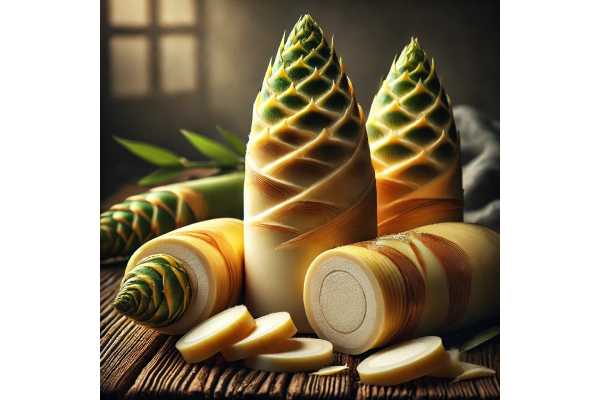
Bamboo shoots are the tender new stems of bamboo, harvested before they become woody and tough. They have a crisp bite, a mild earthy flavor, and a long history in many Asian cuisines, where they are used fresh, fermented, canned, or dried in soups, stir-fries, curries, and salads. Today, bamboo shoots are also attracting attention as a modern “health food” because they are naturally low in calories and fat but provide fiber, potassium, B vitamins, and a range of bioactive compounds.
At the same time, bamboo shoots are not a vegetable to eat without basic know-how. Raw and improperly processed shoots contain cyanogenic glycosides that can release hydrogen cyanide, so correct preparation is essential for safety. This article explains what bamboo shoots offer nutritionally, how they might support health, what risks to watch for, and how to select, cook, and store them so that you can enjoy their benefits with confidence.
Key Takeaways
- Bamboo shoots are low in calories (about 27 kcal per 100 g) yet provide fiber, potassium, and several B vitamins.
- Their dietary fiber, phytosterols, and phenolic compounds may help support heart health, gut function, and healthy cholesterol levels when eaten regularly.
- Raw bamboo shoots contain cyanogenic glycosides, so they must always be thoroughly cooked (typically sliced and boiled, then drained) before eating.
- A practical serving is ½–1 cup cooked bamboo shoots (80–150 g), enjoyed a few times per week as part of a varied diet.
- People with cyanide detoxification disorders, severe thyroid disease, or limited kidney function should take medical advice before eating large or frequent portions of bamboo shoots.
Table of Contents
- Bamboo shoots background and uses
- Bamboo shoots nutrition profile explained
- Research based health benefits of bamboo shoots
- Risks, allergies and safety notes
- Selecting and storing bamboo shoots well
- Preparing bamboo shoots for taste and nutrition
- Portions, comparisons and FAQs on bamboo shoots
Bamboo shoots background and uses
Bamboo shoots are the young, fast-growing culms of bamboo plants, harvested when they are still tender and usually under 30–40 cm tall. At this stage, the interior is crisp and juicy, with a mild, slightly sweet flavor that becomes more robust after cooking or fermentation. Once shoots are allowed to grow, they rapidly lignify, turning fibrous and woody, so timing is crucial for quality.
Dozens of bamboo species are edible, and culinary traditions vary across East and Southeast Asia, the Indian subcontinent, and parts of Africa and Latin America. In some regions, fresh shoots are a strongly seasonal spring ingredient; in others, they are preserved by boiling, salting, fermenting, or drying so they can be enjoyed year-round. Fermented “sour bamboo” is especially valued for its tangy, complex flavor and use in curries, soups, and regional specialties.
From a food systems perspective, bamboo shoots are appealing because bamboo grows quickly, can thrive on marginal land, and can be harvested without killing the plant. The same clump can produce new shoots annually, making bamboo an efficient and renewable food resource when managed well. Review articles highlight that shoots provide protein, carbohydrates, minerals, vitamins, fiber, and a range of phenolic compounds and phytosterols, all with very little fat.
At the same time, fresh bamboo shoots present two challenges: they lignify quickly after harvest, which reduces palatability, and they naturally contain cyanogenic glycosides, primarily taxiphyllin. When the plant cells are damaged by slicing or grating, taxiphyllin can be converted into hydrogen cyanide. Traditional processing methods—such as slicing and boiling in plenty of water, often with added salt, and then discarding the cooking water—were developed specifically to make bamboo shoots safe and pleasant to eat.
Today, commercially canned or properly processed frozen bamboo shoots are generally safe and convenient, while fresh shoots require a bit more care. Understanding this background helps explain why some recipes insist on parboiling even when stir-frying or stewing will follow: that initial boiling step is about detoxification, not just texture.
Bamboo shoots nutrition profile explained
Nutrition values for bamboo shoots vary by species, growing conditions, and processing. The values below are approximate for raw bamboo shoots per 100 g, based on composite data from food composition tables and nutrient databases.
Macros and electrolytes (per 100 g raw bamboo shoots)
| Nutrient | Amount per 100 g | Unit | Approx. %DV* |
|---|---|---|---|
| Energy | 27 | kcal | 1% |
| Water | 91–92 | g | — |
| Protein | 2.6–3.0 | g | 5–6% |
| Total fat | 0.3–0.5 | g | 0–1% |
| Carbohydrates (total) | 5.0–5.5 | g | 2% |
| Dietary fiber | 2.2–3.3 | g | 8–12% |
| Total sugars | 3–4.5 | g | — |
| Net carbohydrates (approx.) | 2–3 | g | — |
| Sodium | 4–6 | mg | 0% |
| Potassium | 500–800 | mg | 11–17% |
| Magnesium | 3–5 | mg | 1% |
| Phosphorus | 60–90 | mg | 6–9% |
*%DV based on a 2,000 kcal reference diet.
Even in small portions, bamboo shoots contribute a meaningful amount of fiber and potassium with very few calories. They also provide modest protein, especially relative to their energy content, which helps with satiety.
Vitamins (per 100 g raw bamboo shoots)
Exact values differ by dataset, but typical ranges are:
| Vitamin | Amount per 100 g | Unit | Approx. %DV |
|---|---|---|---|
| Vitamin C (ascorbic acid) | 4–6 | mg | 4–7% |
| Vitamin E (alpha-tocopherol) | 1.0–1.5 | mg | 7–10% |
| Vitamin B6 (pyridoxine) | 0.2–0.36 | mg | 12–21% |
| Thiamine (vitamin B1) | 0.15–0.23 | mg | 13–19% |
| Riboflavin (vitamin B2) | 0.07–0.11 | mg | 5–8% |
| Niacin (vitamin B3) | 0.6–0.9 | mg | 4–6% |
| Folate (vitamin B9, food folate) | 7–11 | µg | 2–3% |
| Vitamin A (as retinol activity) | ~1–2 | µg | <1% |
| Vitamin K | typically low | — | — |
Bamboo shoots are not a major source of vitamin A or folate, but they contribute several B vitamins and vitamin E. The relatively high vitamin B6 and thiamine contents stand out among vegetables.
Minerals and trace elements (per 100 g raw bamboo shoots)
| Mineral | Amount per 100 g | Unit | Approx. %DV |
|---|---|---|---|
| Calcium | 13–20 | mg | 1–2% |
| Iron | 0.5–0.8 | mg | 3–4% |
| Zinc | 1.1–1.7 | mg | 10–15% |
| Copper | 0.19–0.29 | mg | 21–32% |
| Manganese | ~0.26–0.4 | mg | 11–17% |
| Selenium | ~0.8–1.2 | µg | 1–2% |
Potassium is the stand-out electrolyte, while copper, zinc, and manganese reach double-digit percentages of the Daily Value per 100 g. This combination is part of the reason bamboo shoots are often described as “mineral-rich” despite their light calorie load.
Bioactives, fiber quality, and anti-nutrients
Beyond basic nutrients, bamboo shoots contain:
- Dietary fiber with a mix of insoluble components and some soluble fractions.
- Phenolic compounds, including various phenolic acids and flavonoids, which contribute antioxidant and potential anti-inflammatory effects.
- Phytosterols, which have been associated with cholesterol-lowering properties.
- Cyanogenic glycosides, primarily taxiphyllin, which are anti-nutritional factors that must be removed by proper processing.
The same compounds that add to bamboo shoots’ functional potential also require attention to preparation. Cooking, soaking, and fermenting can reduce cyanogenic glycosides by well over 90 percent when done correctly, with acceptable nutrient retention.
Research based health benefits of bamboo shoots
Bamboo shoots have been studied both as a traditional food and as a potential “functional” ingredient. While many findings come from laboratory and animal work, several human-focused lines of evidence suggest real-world benefits related to weight management, lipid metabolism, and digestive health.
1. Weight management and metabolic health
Because bamboo shoots provide fiber and water with very few calories, they can help create meals that are filling but not energy-dense. Replacing part of a dish’s meat, noodles, or rice with bamboo shoots increases volume and fiber while holding calories steady or lowering them. Epidemiologic studies on high-fiber diets consistently link greater fiber intake with lower body weight, better blood sugar control, and improved lipid profiles, and bamboo shoots fit squarely into this pattern.
Some experimental work specifically on bamboo shoot–based diets indicates improvements in total and LDL cholesterol levels, likely related to the combined effects of dietary fiber and phytosterols. There is also interest in how bamboo shoot components may affect fat absorption and bile acid metabolism, though more human trials are needed.
2. Heart health and blood pressure support
The high potassium content of bamboo shoots supports normal blood pressure regulation, especially when they are used to replace higher-sodium, processed side dishes. Potassium helps offset the blood pressure–raising effects of sodium and influences vascular tone. At the same time, phenolic compounds and phytosterols found in bamboo shoots may contribute antioxidant and lipid-lowering effects that support cardiovascular health more broadly.
Recent reviews highlight bamboo shoots’ potential to contribute to heart-protective dietary patterns, particularly when they are prepared using low-sodium techniques and paired with other vegetables, whole grains, and lean proteins.
3. Digestive health and gut microbiota
Bamboo shoots are a notable source of dietary fiber, with both insoluble elements that add bulk to stool and soluble components that can be fermented by gut bacteria. Fiber from bamboo shoots can support regular bowel movements and help prevent constipation. Laboratory studies on fiber extracts from particular bamboo species show prebiotic-like effects, including stimulation of beneficial bacteria and increased production of short-chain fatty acids, though these results need more confirmation in human trials.
Including bamboo shoots alongside other fiber-rich foods can therefore support overall digestive health and contribute to a more diverse and resilient gut microbiome.
4. Antioxidant and anti-inflammatory effects
Analyses of bamboo shoots identify a variety of phenolic compounds that demonstrate antioxidant activity in vitro. These compounds can neutralize free radicals and may modulate signaling pathways related to inflammation and cellular defense. While the direct impact of bamboo shoot consumption on human oxidative stress markers has not been studied as extensively as some other plant foods, the broader evidence on polyphenol-rich diets suggests that bamboo shoots can play a supportive role when eaten regularly with other fruits, vegetables, and legumes.
5. Emerging research areas
Beyond these more established themes, researchers are exploring potential roles for bamboo shoot components in areas such as immune modulation, metabolic syndrome, and even neuroprotection. At present, these findings are preliminary and rely heavily on concentrated extracts or animal models. For consumers, the practical takeaway is simpler: bamboo shoots offer a combination of fiber, minerals, and bioactive compounds that complements other vegetables and can support health when included in a balanced, varied diet.
Risks, allergies and safety notes
Bamboo shoots are safe for most people when properly processed, but they do carry some specific risks that deserve careful attention.
Cyanogenic glycosides and hydrogen cyanide
Fresh bamboo shoots contain cyanogenic glycosides, mainly taxiphyllin. When plant cells are damaged by slicing or grating, enzymes can convert taxiphyllin into hydrogen cyanide (HCN), a fast-acting toxin. Acute cyanide poisoning from raw or improperly processed bamboo shoots has been documented, typically where shoots were eaten in large amounts without adequate boiling or soaking.
Fortunately, taxiphyllin is relatively unstable in hot water compared with cyanogens in some other crops. Traditional methods—such as slicing shoots into thin pieces, boiling them for a sufficient time in a large volume of water, sometimes with added salt, and then draining and discarding the cooking liquid—can remove the vast majority of cyanide. Controlled studies show reductions of around 90–97 percent or more under optimized conditions.
Practical safety guidelines include:
- Never eat raw bamboo shoots.
- Always slice or shred fresh shoots, then boil thoroughly in plenty of water before further cooking or seasoning.
- Discard the boiling water; do not reuse it for soups or sauces.
- Be cautious with home-fermented “sour bamboo,” which should be prepared with proven methods and discarded if it smells strongly of solvent or bitter almond or shows signs of spoilage.
Commercial canned bamboo shoots have already been processed to reduce cyanogenic glycosides and are generally safe when used as directed on the label.
Allergies and individual sensitivities
True bamboo shoot allergy appears to be rare, but any food can trigger an immune response in susceptible individuals. Possible symptoms include:
- Itching or swelling of the lips, mouth, or throat after eating bamboo shoots.
- Hives or generalized rash.
- Respiratory symptoms, dizziness, or gastrointestinal distress in more severe reactions.
Anyone experiencing these signs should seek medical evaluation and avoid bamboo shoots until formally assessed.
Digestive discomfort can occur for non-allergic reasons as well. The fiber content and fermentation products (especially in sour or fermented bamboo) may cause gas or bloating in some people. Starting with small portions and increasing gradually allows you to gauge tolerance.
Special populations and medical conditions
Certain groups should be particularly cautious:
- People with impaired cyanide detoxification: Rare genetic disorders affecting cyanide metabolism, severe vitamin B12 deficiency, or significant liver dysfunction may reduce the body’s ability to handle residual cyanide. In such cases, bamboo shoots might need to be avoided or limited under medical guidance.
- Individuals with severe thyroid disease: Long-term high exposure to cyanide and related compounds can interfere with iodine metabolism. While properly processed bamboo shoots in culinary amounts are unlikely to cause problems in most people, those with unstable thyroid conditions should seek personalized advice.
- People with chronic kidney disease or potassium restriction: Because bamboo shoots can be relatively high in potassium, individuals on strict potassium-controlled diets should count them as part of their total daily potassium and confirm suitable portions with their nephrologist or renal dietitian.
As with many traditional foods that require specific processing for safety, the key with bamboo shoots is not avoidance but informed handling. When processed correctly, they can be enjoyed safely by most people.
Selecting and storing bamboo shoots well
Choosing good-quality bamboo shoots and storing them properly helps maximize both safety and nutritional value while minimizing waste.
Fresh bamboo shoots
Fresh shoots are more common in regions where bamboo is grown locally or in specialty markets. When buying them, look for:
- Firm, heavy shoots with a solid feel relative to their size.
- Outer sheaths that are intact and not excessively dry or moldy.
- Pale, juicy interior flesh without dark or slimy spots once a small area is exposed.
- A clean, earthy smell rather than a strong bitter or fermenting odor.
Size and shape vary by species, but generally, shorter, thicker shoots are preferred for tenderness. Very large or older shoots may already be fibrous and less suitable for quick-cooking methods, though they can sometimes be used in long-simmered dishes after careful trimming and boiling.
Because cyanide content can differ between species and even between individual plants, it is safest to follow robust processing methods for any fresh shoots unless you have species-specific, evidence-based instructions.
Canned, bottled, and frozen bamboo shoots
In many places, canned or jarred bamboo shoots are the most accessible option. These products have already undergone processing steps (such as peeling, slicing, and boiling) that reduce cyanogenic glycosides to safe levels.
When choosing packaged bamboo shoots:
- Check ingredient lists: plain shoots packed in water or brine are preferable to those with many additives.
- Be aware of sodium: rinsing canned shoots before use can reduce salt content.
- Inspect packaging for dents, swelling, or damage, and avoid any cans or jars with compromised seals.
Frozen bamboo shoots, when available, can offer a flavor and texture profile closer to fresh while still being preprocessed for safety.
Storage considerations
Fresh bamboo shoots are highly perishable:
- Store unpeeled shoots in the refrigerator, ideally wrapped in a breathable bag or cloth to prevent drying out.
- Use within a few days; quality and tenderness decline quickly as lignification progresses.
- Once peeled and sliced, keep the pieces submerged in fresh water in the refrigerator and change the water daily if you are not cooking them immediately, but still aim to process within a day or two.
Canned or jarred bamboo shoots can be stored unopened in a cool, dark pantry until the expiration date. After opening:
- Transfer shoots and their liquid to a clean container if necessary.
- Refrigerate and use within several days, following any specific label instructions.
Thoughtful selection and storage help ensure that by the time bamboo shoots reach your pan, they are both safe and flavorful.
Preparing bamboo shoots for taste and nutrition
Preparation is where safety and enjoyment come together for bamboo shoots. Proper processing removes most cyanogenic glycosides, while smart cooking preserves texture and nutrients.
Processing fresh bamboo shoots
Traditional and research-based methods align on a few key steps:
- Peeling: Remove tough outer sheaths until you reach the tender, pale inner core. Trim any very fibrous base portions.
- Slicing: Cut the shoots into thin slices, strips, or small chunks. Slicing increases the surface area, allowing cyanogenic compounds to leach out more effectively during boiling.
- Boiling: Place sliced shoots in plenty of water. Bring to a boil and cook long enough to degrade and leach out taxiphyllin (exact times vary by species and size but often range from 10–30 minutes or longer). Some traditional methods add salt to the boiling water.
- Draining: Discard the boiling water completely. Do not use it as a broth. Rinse the shoots briefly in fresh water if desired.
Studies examining cyanogen reduction in bamboo shoots suggest that appropriately chosen combinations of boiling time, temperature, and salt concentration can remove over 90 percent of cyanogenic glycosides while retaining acceptable sensory and nutritional qualities. For home cooking, a conservative approach with generous water and adequate boiling time offers a practical safety margin.
If you are working with fresh shoots and are unsure about the specific variety, err on the side of a longer boil and avoid consuming very large quantities at once.
Cooking methods after detoxification
Once bamboo shoots have been properly boiled (or if you are starting from canned or fully processed frozen shoots), they can be used in many ways:
- Stir-fries: Add bamboo slices near the beginning of cooking with aromatics such as garlic, ginger, and chili, then combine with vegetables, tofu, or lean meats and a light sauce. Short, high-heat cooking keeps them crisp.
- Soups and stews: Simmer shoots with broths, legumes, meats, or vegetables. They absorb flavors well and contribute body and texture.
- Curries: Bamboo shoots are classic additions to many coconut milk–based or broth-based curries, where they soak up spices and sauces.
- Salads and cold dishes: After boiling and cooling, bamboo shoots can be dressed with sesame oil, vinegar, herbs, and chili for a refreshing side dish.
To support nutrient retention, especially for water-soluble vitamins and minerals, use moderate cooking times after the initial boiling step and avoid repeated lengthy boiling. Combining bamboo shoots with healthy fats (such as oils, nuts, or seeds) and other vegetables can improve the overall nutrient profile and help with absorption of fat-soluble compounds.
Flavor balancing
Properly prepared bamboo shoots have a mild, slightly sweet, nutty flavor and a pleasant crunch. Any lingering bitterness can usually be softened by:
- Ensuring thorough boiling and discarding the cooking water.
- Pairing with aromatic ingredients (garlic, ginger, scallions, spices).
- Balancing with sour (vinegar, lime), salty (soy sauce, fish sauce), and umami-rich components (miso, mushrooms, fermented sauces).
These techniques make it easier to incorporate bamboo shoots frequently, which is important if you want to benefit from their fiber and bioactives.
Portions, comparisons and FAQs on bamboo shoots
Understanding practical serving sizes and how bamboo shoots compare with other vegetables helps you fit them into real-world meals.
Typical portion sizes and frequency
Common serving references include:
- Around 100 g raw bamboo shoots (after peeling) per person, which corresponds roughly to about ½–1 cup of sliced shoots once cooked.
- Many nutrition tables use 1 cup sliced cooked bamboo shoots (around 150 g) as a serving, providing about 40 kcal, 3–4 g protein, 3–4 g fiber, and around 15–20 percent of the Daily Value for potassium.
For most healthy adults, including bamboo shoots:
- ½–1 cup cooked per serving,
- 1–3 times per week,
fits comfortably into vegetable intake recommendations. People who particularly enjoy bamboo shoots and tolerate them well may eat them more often, especially when they use a variety of preparations and combine them with other vegetables.
Individuals with kidney disease, strict potassium limits, or disorders of cyanide metabolism should seek tailored guidance before consuming bamboo shoots regularly or in large amounts.
How bamboo shoots compare with other vegetables
- Versus starchy vegetables: Bamboo shoots have far fewer calories and carbohydrates than potatoes, yams, or corn per equivalent volume, with more fiber relative to energy. They are therefore useful in energy-controlled or carbohydrate-conscious meal plans.
- Versus cruciferous vegetables: Compared with broccoli or cabbage, bamboo shoots typically provide less vitamin C but similar or greater amounts of fiber and potassium, with a distinct profile of phenolics and phytosterols.
- Versus leafy greens: Leafy greens often deliver more vitamin A, vitamin K, and folate per gram, while bamboo shoots contribute more fiber structure and a higher proportion of certain minerals like potassium and copper.
Including both bamboo shoots and a wide range of other vegetables covers different nutrient and phytochemical niches.
Frequently asked questions
Are bamboo shoots low in carbohydrates?
Yes. Per 100 g, net carbohydrates are typically only a few grams, and even a 1-cup cooked portion is relatively low in digestible carbohydrate compared with many other side dishes. This makes bamboo shoots suitable for many low-carbohydrate or blood sugar–conscious eating patterns, as long as sauces and accompaniments are chosen carefully.
Are bamboo shoots safe during pregnancy and breastfeeding?
Properly cooked bamboo shoots from reliable sources are generally considered safe in normal food amounts. Because they contain cyanogenic glycosides before processing, it is especially important during pregnancy and breastfeeding to avoid raw or inadequately prepared shoots and to rely on well-boiled, canned, or otherwise properly processed products. Any concerns should be discussed with a healthcare professional.
Do bamboo shoots fit a low-FODMAP diet?
Data on FODMAP content are more limited than for some other vegetables, but moderate portions of canned or well-processed bamboo shoots are often tolerated, while very large servings or heavily fermented sour bamboo might cause symptoms in sensitive individuals. People using a low-FODMAP approach should follow the specific guidance they have been given and test tolerance carefully.
Can bamboo shoots cause kidney stones or gout?
Bamboo shoots are not typically highlighted as a major risk food for kidney stones or gout. They contain some purines and oxalate, but in smaller amounts than many animal-based foods that are more strongly associated with these conditions. Nonetheless, individuals with a history of stones or gout should seek personalized advice and view bamboo shoots in the context of their whole diet.
Why do some bamboo products taste very strong or sour?
Fermented bamboo shoots are meant to taste sour and pungent due to lactic acid and other fermentation metabolites. However, extremely sharp, solvent-like, or bitter-almond odors may indicate spoilage or inadequate detoxification and are a signal not to consume the product.
References
- The Nutritional Facts of Bamboo Shoots and Their Usage as Important Traditional Foods of Northeast India 2014 (Review)
- A Review of the Nutritional Composition, Storage Challenges, Processing Technology and Widespread Use of Bamboo Shoots 2024 (Systematic Review)
- Precooking Processing of Bamboo Shoots for Removal of Anti-Nutrients 2014 (Research Article)
- Nutritional Properties of Bamboo Shoots: Potential and Prospects for Utilization as a Health Food 2011 (Review)
- Nutrition Facts for Raw Bamboo Shoots 2023 (Nutrient Database)
Disclaimer
The information in this article is intended for general educational purposes and does not replace personalized medical advice, diagnosis, or treatment. Nutritional needs and health risks differ from person to person, especially for individuals with chronic illnesses, food allergies or intolerances, digestive or kidney disorders, or those who are pregnant, breastfeeding, or taking prescription medications. Always consult a qualified healthcare professional or registered dietitian before making substantial changes to your diet, using bamboo shoots or any other food therapeutically, or adjusting prescribed treatments.
If you found this guide helpful, consider sharing it on Facebook, X (formerly Twitter), or any platform you prefer. Your thoughtful sharing helps others access reliable nutrition information and supports the continued creation of high-quality, evidence-informed content.