Bananas are one of the world’s most dependable fruits: portable, budget-friendly, and familiar. Yet beyond the yellow peel is a food with surprising nutritional nuance. A 100 g portion (about half to two-thirds of a medium banana) delivers fiber, vitamin B6, and potassium with modest calories. The fruit’s starch transforms as it ripens—green bananas are richer in resistant starch that feeds gut bacteria, while ripe bananas lean sweeter and softer. Their mild flavor and creamy texture make them endlessly useful: sliced over yogurt, blended into smoothies, baked into quick breads, or pan-caramelized as a dessert topping. For athletes, bananas supply quick-digesting carbohydrates with small amounts of electrolytes; for everyday eaters, they’re an easy way to add fruit to breakfast or snacks. In the sections below, you’ll find an evidence-based overview of banana nutrition, the strongest research on benefits and risks, practical selection and storage tips, and clear guidance on portions—so you can enjoy bananas with confidence and purpose.
Fast Facts
- One banana (120 g) provides ~105 kcal, ~3 g fiber, and ~430 mg potassium; 100 g provides ~89 kcal and ~2.6 g fiber.
- Green bananas contain more resistant starch that supports gut bacteria; ripe bananas have less resistant starch but a similar overall nutrient profile.
- Typical serving: 1 medium banana (115–125 g), enjoyed daily as part of a balanced diet.
- Safety note: People with latex allergy, advanced kidney disease, or those advised to limit potassium should use caution with bananas.
Table of Contents
- Banana overview: types, taste, and everyday uses
- Banana nutrition profile per 100 g
- Evidence-backed banana health benefits
- Risks, allergies and interactions with banana
- Choosing quality, sustainability and storage
- Preparation and cooking: retaining nutrients
- Portions, comparisons and FAQs
Banana overview: types, taste, and everyday uses
Bananas (genus Musa) likely originated in Southeast Asia and are now grown across tropical and subtropical regions. In supermarkets, “banana” usually means the Cavendish variety—sweet, aromatic, and quick to soften as it ripens. But hundreds of cultivars exist, from petite apple bananas with a tangy finish to red bananas with berry-like notes. Plantains are close relatives with higher starch and lower sugar; they are typically cooked.
What sets bananas apart nutritionally is the dynamic shift in their carbohydrates as they ripen. Green bananas are firmer and less sweet because a significant portion of their carbohydrate is resistant starch, a form that escapes digestion in the small intestine and is fermented by gut bacteria in the colon. As bananas turn yellow and spotty, enzymes break down that starch into simpler sugars (glucose, fructose, sucrose), which makes ripe bananas taste sweeter and digest faster. This change lets you choose the ripeness that fits your goal: greener for slower digestion and greater satiety; riper for quick energy before a workout or when you need an easy-to-tolerate snack.
Bananas are also convenient in the kitchen. Toss slices over cereal, yogurt, or oatmeal; blend into smoothies for creaminess without dairy; mash into quick breads, pancakes, or muffins as a natural sweetener; fold into overnight oats; freeze in chunks for soft-serve-style desserts; or pan-sear with a dab of oil and a pinch of cinnamon for a fast caramelized topping. In savory cooking, green bananas or plantains add body to stews, curries, and fritters. Their mild flavor pairs well with peanut butter, tahini, cocoa, coffee, ginger, vanilla, and warm spices.
Because bananas come with their own peel, they’re naturally portion-controlled and less prone to pesticide residues on the edible portion. Still, rinse the peel before opening to avoid transferring any surface residue. For those reducing food waste, overripe bananas are culinary gold: freeze for smoothies, mash into baked goods, or cook down into banana butter.
For balanced eating, think of bananas as a flexible fruit choice that complements protein (e.g., yogurt, eggs, nuts) and healthy fats (e.g., nut butter) to steady energy and appetite. With appropriate portions, bananas fit into heart-healthy, DASH-style, vegetarian, and Mediterranean-pattern diets.
Banana nutrition profile per 100 g
The values below reflect raw, ripe banana (edible portion), per 100 g. Percent Daily Values (%DV) use current U.S. labeling DVs.
Macros and electrolytes
| Nutrient | Amount per 100 g | %DV |
|---|---|---|
| Energy | 89 kcal | — |
| Water | 75.0 g | — |
| Protein | 1.1 g | — |
| Total fat | 0.3 g | — |
| Carbohydrate | 22.8 g | — |
| Dietary fiber | 2.6 g | 9% |
| Total sugars | 12.2 g | — |
| Potassium | 358 mg | 8% |
| Sodium | 1 mg | 0% |
| Magnesium | 27 mg | 6% |
Carbohydrates
| Component | Amount per 100 g | Notes |
|---|---|---|
| Starch | ~5–6 g (varies with ripeness) | Higher when green; declines as fruit ripens |
| Free sugars (glucose, fructose, sucrose) | ~12 g | Increase with ripening |
| Resistant starch (subset of starch) | Higher in green bananas | Fermented in the colon; prebiotic effect |
Fats and fatty acids
| Fatty acid | Amount per 100 g |
|---|---|
| Saturated fatty acids | ~0.11 g |
| Monounsaturated fatty acids | ~0.03 g |
| Polyunsaturated fatty acids | ~0.07 g |
Vitamins
| Vitamin | Amount per 100 g | %DV |
|---|---|---|
| Vitamin B6 (pyridoxine) | 0.4 mg | 24% |
| Vitamin C (ascorbic acid) | 8.7 mg | 10% |
| Folate (DFE) | 20 µg | 5% |
| Niacin (Vitamin B3) | 0.7 mg | 4% |
| Riboflavin (Vitamin B2) | 0.07 mg | 6% |
| Thiamin (Vitamin B1) | 0.03 mg | 3% |
| Vitamin A (RAE) | 3 µg | 0% |
| Vitamin E | 0.1 mg | 1% |
| Vitamin K | 0.5 µg | 0% |
Minerals
| Mineral | Amount per 100 g | %DV |
|---|---|---|
| Potassium | 358 mg | 8% |
| Magnesium | 27 mg | 6% |
| Manganese | 0.27 mg | 12% |
| Phosphorus | 22 mg | 2% |
| Calcium | 5 mg | 0% |
| Iron | 0.26 mg | 1% |
| Zinc | 0.15 mg | 1% |
| Copper | 0.08 mg | 9% |
| Selenium | 1 µg | 2% |
Bioactives / phytonutrients
- Resistant starch (RS2 in greener bananas): fuels beneficial gut bacteria that produce short-chain fatty acids.
- Polyphenols (e.g., catechins) and carotenoids: present in small amounts; may contribute antioxidant activity.
- Biogenic amines (e.g., dopamine, serotonin): occur naturally in small amounts; mainly affect the gut, not the brain.
Glycemic and acid–base metrics
| Metric | Typical range for ripe banana | Context |
|---|---|---|
| Glycemic Index (GI) | Low-to-moderate | GI varies by ripeness and variety; riper equals higher GI |
| Glycemic Load (GL) per 100 g | ~10 | Reflects ~20 g available carbs × moderate GI |
Additives and fortification
- Fresh bananas are not fortified and typically have no additives.
- Dried banana chips may include added sugars or oils; check labels.
Evidence-backed banana health benefits
Supports healthy blood pressure. Bananas offer about 350–430 mg potassium per 100–120 g serving with very little sodium. Potassium helps maintain fluid balance, assists nerve transmission and muscle contraction, and—within an overall nutrient-dense, lower-sodium pattern—supports healthy blood pressure. For many people, routinely choosing potassium-containing fruits and vegetables is a practical way to move toward DASH-style eating.
Helps meet fiber goals and feeds the gut microbiome. A 100 g portion provides ~2.6 g fiber, including soluble fibers that form gels and modest insoluble fiber that adds bulk. Greener bananas supply more resistant starch, which is fermented in the colon. This fermentation yields short-chain fatty acids (SCFAs) like butyrate that help nourish colon cells and may support regularity, a healthy intestinal environment, and improved post-meal glycemic responses. If you prefer sweeter, ripe bananas, you still gain fiber and can pair the fruit with protein or fat (e.g., yogurt, nuts) to slow digestion.
A practical carbohydrate source for training and recovery. For activity lasting longer than ~60–90 minutes, carbohydrates help maintain blood glucose and delay fatigue. Bananas supply easily digested carbs along with small amounts of electrolytes and bioactives—useful before, during, or after endurance sessions when tolerated. If whole fruit doesn’t sit well during exercise, try mashed banana mixed with water or salt, or use ripe slices post-workout with a protein source.
Gentle fuel when appetite is low. The soft texture and mild flavor make bananas useful when chewing is uncomfortable or appetite is reduced. Ripe bananas are easy to mash into smoothies or yogurt and are often well tolerated during mild nausea or after illness, provided blood sugar management and medical guidance are considered.
Convenient way to reduce added sugars. Mashed very-ripe banana can replace some added sugar in baked goods and oatmeal, contributing sweetness plus fiber, potassium, and B-vitamins. Start by swapping half the sugar for banana purée and adjust moisture.
Versatility across eating patterns. Bananas are naturally gluten-free, dairy-free, and vegan. Green banana flour appears in gluten-free recipes as a source of resistant starch and structure, while ripe bananas add natural sweetness in vegetarian and omnivorous kitchens alike.
How much do you need? Aiming for 1–2 fruit servings per day supports general guidelines; including a banana most days is a convenient way to hit that target. If you have diabetes or prediabetes, match banana portions to your carbohydrate plan (see the FAQ for practical tips).
Risks, allergies and interactions with banana
Latex–fruit cross-reactivity. Some individuals with natural rubber latex allergy experience reactions to certain fruits, including banana, avocado, kiwi, and papaya. Symptoms can range from oral itching to systemic reactions. If you have a latex allergy, ask your allergist about testing and specific guidance before consuming bananas.
Potassium considerations. While banana potassium is moderate, people with advanced kidney disease, those on potassium-sparing diuretics or ACE inhibitors/ARBs, or anyone instructed to follow a low-potassium diet should work with their clinician or renal dietitian to set appropriate portions. In healthy kidneys, dietary potassium from whole foods is generally well handled.
Digestive sensitivity. Very ripe bananas are higher in simple sugars and lower in resistant starch; some individuals with irritable bowel symptoms may find smaller portions or greener bananas more comfortable. Introduce green banana flour or resistant-starch products gradually to reduce gas or bloating.
Biogenic amines and migraine. Bananas naturally contain small amounts of amines such as dopamine and serotonin and trace tyramine, especially near the stem and in very ripe fruit. Most people tolerate these levels, but if your clinician has advised a low-amine diet for migraines, test tolerance cautiously.
Added sugars and oils in processed forms. Dried banana chips and sweetened banana snacks can contain added sugar, honey, syrups, or frying oils. Read labels and judge them as treats, not equivalents of fresh fruit.
Food safety. Rinse peels before opening to avoid transferring dirt or microbes. Discard bananas with signs of mold on the pulp, fermentation odors, or leakage. For infants, serve banana in safe shapes (e.g., long spears or mashed) rather than rounds that could pose a choking risk.
Drug–nutrient timing. If you take medications that interact with dietary potassium or require fasting around doses (e.g., certain thyroid medications), follow your prescriber’s timing instructions and keep banana intake consistent from week to week.
Bottom line: For most people, bananas are safe and beneficial in routine amounts. Those with latex allergy, renal concerns, or specialized diets should personalize portions with medical guidance.
Choosing quality, sustainability and storage
Selecting quality fruit
- Color and firmness: Choose green for cooking and resistant starch; yellow with few brown freckles for snacking and baking; deep brown for intense sweetness in quick breads and pancakes.
- Aroma: Ripe bananas smell sweet at the stem end; off odors suggest spoilage.
- Bruising: Small brown spots are usually cosmetic; avoid fruit with extensive soft areas or leaking.
- Fairness and certification: If budgets allow, fair-trade options support better labor standards in some regions. Organic bananas may reduce peel surface residues, though residues on the edible portion are typically low after peeling.
Sustainability notes
- Monoculture risk: The global dominance of Cavendish bananas increases vulnerability to soil-borne diseases and drives fungicide use at the farm level. Diversifying varieties, supporting responsible growers, and reducing waste at home are meaningful consumer actions.
- Food miles vs. storage efficiency: Bananas travel long distances but ripen off the plant, reducing on-farm waste. Maximizing at-home shelf life and using overripe fruit can offset some environmental impact.
- Whole-fruit advantage: Peeled waste is compostable in many municipalities; banana peels can also be used in garden compost heaps.
Storage to reduce waste
- Room temperature: Keep unpeeled bananas at 18–22°C, away from heat and direct sun.
- Separate from ethylene-sensitive produce: Bananas emit ethylene gas, speeding ripening of nearby fruits. Store apart from greens and berries if you want them to last.
- Ripening control: To ripen faster, place bananas in a paper bag with an apple. To slow ripening, separate bananas from the cluster and keep at the coolest room temperature spot.
- Refrigeration: Once at your preferred ripeness, refrigerate to slow browning; peels will darken, but the pulp stays firm longer.
- Freezing: For smoothies or baking, peel and freeze bananas in chunks or whole; for baking, thaw and drain excess liquid before measuring.
- Cut fruit: Toss slices with a little lemon or lime juice to limit browning if not serving immediately.
Buying formats
- Fresh: Best flavor and texture; choose by ripeness for intended use.
- Frozen: Convenient for smoothies; typically unsweetened.
- Dried/freeze-dried: Lightweight and shelf-stable; check for added sugars or oils.
- Green banana flour or flakes: Useful in gluten-free baking and as a resistant starch source; introduce gradually.
Preparation and cooking: retaining nutrients
Bananas are usually eaten raw, minimizing vitamin losses. When cooking or processing, small nutrient changes occur, but smart techniques keep the benefits high and the sugar spike gentle.
Keep more of what matters
- Use the right ripeness for the job.
- Greener (more resistant starch): better for gut-friendly recipes and slower glucose rise—think green banana mash, savory fritters, or stews.
- Riper (sweeter): ideal for quick breads, pancakes, waffles, and smoothies without added sugar.
- Mind heat and water.
- Baking barely affects minerals and keeps fiber intact; vitamin C naturally low in bananas is slightly heat-sensitive.
- Boiling green bananas softens fibers and gelatinizes starch, lowering resistant starch; cooling afterward (e.g., in salads) can increase retrograded resistant starch.
- Balance the plate.
- Combine bananas with protein (Greek yogurt, eggs, tofu) and healthy fats (nuts, seeds, nut butter) to slow digestion, support satiety, and smooth post-meal glucose.
- Batch-prep, smart-freeze.
- Freeze ripe banana slices flat on a tray, then bag. For smoothies, portion into 100–120 g packs labeled by weight so nutrition tracking stays consistent.
- Baking swaps that work.
- Replace ½ the sugar in muffins or quick breads with an equal volume of mashed very-ripe banana; reduce added liquid slightly.
- Use banana purée to replace ¼–⅓ of butter or oil in moist bakes; expect a denser crumb.
Everyday applications
- 5-minute skillet bananas: Sauté thick slices in a nonstick pan. Add a splash of water, cinnamon, and a tiny pinch of salt; finish with yogurt and toasted walnuts.
- Pre-workout snack (60–90 min before): One ripe banana with 1 tablespoon peanut butter; sip water.
- High-fiber breakfast: Overnight oats with chia, sliced banana (half green, half ripe if you like), walnuts, and a dollop of yogurt.
- Savory side: Boiled green bananas with olive oil, garlic, and herbs; serve warm like potatoes.
Food safety and texture fixes
- If purée browns, add acid (lemon juice) just before serving.
- If smoothies are too sweet, mix in a greener banana or add oats for viscosity and fiber.
- For infants (around 6 months, per pediatric guidance), offer mashed or long spears; avoid coin-shaped rounds.
Portions, comparisons and FAQs
What is a practical serving size?
- 1 medium banana (115–125 g) is a common serving, providing ~105 kcal, ~3 g fiber, and ~430 mg potassium. For recipe calculations, 100 g is a convenient standard (89 kcal, 2.6 g fiber, 358 mg potassium).
How often can I eat bananas?
- Most people can enjoy one banana daily as part of a fruit quota of 1–2 servings per day. If you require carbohydrate control, split a banana across two meals or pair with protein/fat to moderate glucose response.
Are bananas “too sugary”?
- Ripe bananas are sweeter because resistant starch converts to sugars, but a medium banana still provides fiber, vitamins (notably B6), and minerals with fewer calories than many packaged snacks. Balance matters more than avoiding a specific fruit.
Bananas vs. other fruits
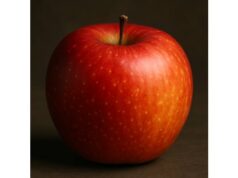
- Apple (100 g): ~52 kcal, ~2.4 g fiber, ~107 mg potassium—crisper texture; slower to digest when skin is eaten.
- Orange (100 g): ~47 kcal, ~2.4 g fiber, ~181 mg potassium—more vitamin C; more volume per calorie.
- Mango (100 g): ~60 kcal, ~1.6 g fiber, higher vitamin A—sweeter tropical option.
- Plantain (100 g, raw): ~122 kcal, more starch, used like a vegetable and usually cooked.
Best ripeness for diabetes or prediabetes
- Many people find less-ripe bananas more glycemia-friendly due to higher resistant starch. Pair with protein/fat (e.g., yogurt, nuts) and consider ½–1 banana per sitting depending on your carbohydrate target. Monitor personal glucose responses if you track them.
Can I eat bananas with kidney disease?
- Potassium content is moderate. Follow your renal team’s guidance: some individuals will limit portion size or frequency; others with earlier-stage disease may include small amounts regularly.
Are banana peels edible?
- Peels are edible when cooked and blended, but texture and taste are specialized. If you try peel recipes, wash thoroughly, trim ends, and cook until tender; start with small amounts.
Why do bananas sometimes upset my stomach?
- Rapidly ripened fruit can be higher in simple sugars. If you’re sensitive, try smaller portions, pair with protein/fat, choose bananas with a tinge of green, or consider cooked green banana dishes.
Tips for kids
- Serve in safe shapes (mashed or spears). Use banana to sweeten oatmeal or yogurt naturally. Freeze purée in small cubes for quick defrost portions.
Budget-smart ideas
- Buy mixed ripeness (some green, some yellow) to stagger readiness. Freeze overripe bananas for smoothies or baking—no waste, same nutrition.
References
- FoodData Central 2025 (Database).
- International tables of glycemic index and glycemic load values 2021: a systematic review 2021 (Systematic Review).
- Potassium – Health Professional Fact Sheet 2022 (Guidance).
- Revisiting Latex-Fruit Syndrome after 30 Years of Research 2024 (Systematic Review).
- Green banana resistant starch: A promising potential as functional ingredient against certain maladies 2024 (Review).
Medical Disclaimer
This article provides general nutrition information and is not a substitute for personalized medical advice, diagnosis, or treatment. Always consult your healthcare professional or a registered dietitian for guidance tailored to your health conditions, medications (including potassium-affecting drugs), and dietary needs.
If you found this helpful, please consider sharing it on Facebook, X (formerly Twitter), or anywhere you connect with others. Your support helps us continue creating clear, trustworthy guides. Thank you.