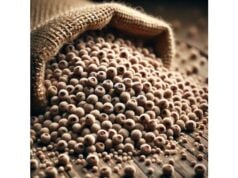
Barley has been a staple grain for thousands of years—and with good reason. This hardy cereal delivers a rare trio of soluble fiber (notably beta-glucan), slow-digesting carbohydrates, and a satisfying, nutty chew that works across soups, pilafs, salads, breads, and breakfast bowls. Hulled barley (a true whole grain) offers more fiber and minerals, while pearled barley cooks faster and tastes slightly milder. Beyond the kitchen, barley’s beta-glucan helps temper post-meal blood sugar spikes, and its mineral package—particularly manganese, selenium, copper, and magnesium—supports metabolism and antioxidant defenses. Barley contains gluten, so it isn’t suitable for gluten-free diets, but for most people it’s a versatile way to add whole-grain variety without breaking the grocery budget. Below, you’ll find an evidence-based, practical guide that covers exactly what barley provides per 100 grams, how to shop and store it, the best ways to cook it for texture and nutrition, and who should limit or avoid it.
At a Glance
- Beta-glucan fiber (≈17 g dietary fiber per 100 g dry hulled barley) supports healthy cholesterol and steadier post-meal glucose.
- Typical serving: ½ cup cooked (about 75–100 g), enjoyed 3–7 times per week as part of a varied whole-grain pattern.
- Contains gluten (hordein); not appropriate for celiac disease or medically diagnosed wheat or barley allergy.
- People with celiac disease, in the low-FODMAP elimination phase, or with advanced kidney disease should limit or avoid barley.
Table of Contents
- Barley: Detailed Overview
- Barley Nutrition Profile
- Evidence-Based Health Benefits
- Risks, Allergies and Interactions
- Selecting, Quality, Sustainability and Storage
- Preparation, Cooking and Nutrient Retention
- Portions, Comparisons and FAQs
Barley: Detailed Overview
Barley (Hordeum vulgare) is one of the world’s oldest cultivated grains. Today it’s grown widely for food, beverages, and animal feed, with edible forms ranging from hulled (whole) barley to pearled barley, flakes, grits, and finely milled flours. The key structural difference is the outer layer: hulled barley retains its bran and germ after the inedible hull is removed, while pearled barley is polished to remove much—or all—of the bran. That polishing shortens cook time and softens texture but also lowers fiber and micronutrients compared with hulled grain.
Barley’s signature nutrient is beta-glucan, a soluble fiber concentrated in the cell walls of the endosperm. In the pot, beta-glucan thickens broths and yields barley’s characteristic silky bite. In the body, it forms a viscous gel that slows carbohydrate absorption, supports satiety, and helps bind bile acids, which can lower LDL cholesterol over time when paired with an overall healthy diet. Barley also contributes complex carbohydrates, plant protein with a balanced amino-acid spread for a cereal grain, and essential minerals including manganese, selenium, copper, magnesium, zinc, and phosphorus. B-vitamins—particularly thiamin (B1) and niacin (B3)—support energy metabolism.
Culinarily, barley is a shape-shifter. Use it like rice in pilafs, stir it into soups and stews (it won’t fall apart), toss it into grain salads and bowls, or simmer it as a breakfast “barley-meal.” Barley flour adds a toasty note to breads and pancakes; barley flakes make excellent hot cereal and granola. Hulless or hulled barley keeps a pleasantly firm, chewy texture; pearled barley cooks plumper and creamier. High-amylose and high-beta-glucan varieties—now more common—offer even stronger thickening and textural effects in recipes.
Because barley contains gluten (the primary storage proteins in barley are hordeins), it is unsuitable for people with celiac disease or those who must avoid gluten for medical reasons. For everyone else, adding barley is a practical way to diversify whole-grain intake, especially for those who want a slower-digesting alternative to refined grains with the bonus of soup-friendly starch that reheats well.
Practical tips to get started:
- Swap barley for rice in soups, stews, and risottos—start with pearled barley for faster weeknight cooking.
- Batch-cook hulled barley on weekends (it refrigerates and freezes beautifully) to use in salads, bowls, and sides.
- Blend a small portion of barley flour into bread or pancake batter for nutty depth and tender crumb.
Barley Nutrition Profile
Serving context for tables below: Unless noted, values are for hulled (whole) barley, uncooked, per 100 g with approximate % Daily Value (%DV) based on adult reference intakes. Actual needs vary.
Macros and Electrolytes (per 100 g dry, hulled)
| Nutrient | Amount | %DV |
|---|---|---|
| Energy | 354 kcal | — |
| Protein | 12.5 g | 25% |
| Total Fat | 2.3 g | 3% |
| Saturated Fat | 0.48 g | 2% |
| Carbohydrate | 73.5 g | 27% |
| Dietary Fiber (total) | 17.3 g | 62% |
| Total Sugars | 0.8 g | — |
| Sodium | 12 mg | 1% |
| Potassium | 452 mg | 10% |
| Water | ~10 g | — |
Carbohydrates
| Component | Amount |
|---|---|
| Starch (major fraction of carbs) | predominant |
| Soluble fiber (beta-glucan, included in total fiber) | present |
Fats and Fatty Acids
| Fatty Acid | Amount |
|---|---|
| Monounsaturated Fat | ~0.30 g |
| Polyunsaturated Fat | ~1.11 g |
| Omega-6 (linoleic, 18:2) | ~1.00 g |
| Omega-3 (18:3) | ~0.11 g |
| Palmitic (16:0) | ~0.41 g |
| Stearic (18:0) | ~0.02 g |
Protein and Amino Acids (selected essential amino acids)
| Amino Acid | Amount (g) |
|---|---|
| Leucine | 0.85 |
| Isoleucine | 0.46 |
| Valine | 0.61 |
| Lysine | 0.47 |
| Methionine | 0.24 |
| Threonine | 0.42 |
| Phenylalanine | 0.70 |
| Tryptophan | 0.21 |
| Histidine | 0.28 |
Vitamins
| Vitamin | Amount | %DV |
|---|---|---|
| Thiamin (B1) | 0.65 mg | 54% |
| Riboflavin (B2) | 0.28 mg | 22% |
| Niacin (B3) | 4.62 mg | 29% |
| Vitamin B6 | 0.32 mg | 19% |
| Folate (DFE) | 19 µg | 5% |
| Vitamin E (alpha-tocopherol) | 0.54 mg | 4% |
| Vitamin K | 2.2 µg | 2% |
| Vitamin C | 0 mg | 0% |
| Vitamin D | 0 µg | 0% |
Minerals
| Mineral | Amount | %DV |
|---|---|---|
| Manganese | 2.0 mg | 85% |
| Selenium | 37.7 µg | 69% |
| Copper | 0.50 mg | 56% |
| Magnesium | 133 mg | 32% |
| Zinc | 2.77 mg | 25% |
| Phosphorus | 264 mg | 21% |
| Iron | 3.59 mg | 20% |
| Potassium | 452 mg | 10% |
| Calcium | 33 mg | 3% |
| Sodium | 12 mg | 1% |
Bioactives and Phytonutrients
- Beta-glucan (soluble fiber) content in barley varies by variety; hulless and high-beta-glucan cultivars are typically higher.
- Phenolic compounds (e.g., ferulic acid), tocols (vitamin E family), and lignans are present in the bran.
Allergens and Intolerance Markers
- Contains gluten (hordein proteins).
- Naturally contains fructans (a FODMAP) that may trigger symptoms in sensitive individuals.
Anti-nutrients
- Phytates in bran can reduce mineral bioavailability; soaking and fermentation can partially lower phytate content.
Glycemic and Acid–Base Metrics
- Barley is generally low-to-moderate glycemic when prepared intact (especially hulled/hulless forms).
- Potential Renal Acid Load (PRAL) is mildly acid-forming, typical of cereal grains.
Notes: Values reflect unfortified grain. Pearled barley will show lower fiber and some micronutrients per 100 g compared with hulled barley due to bran removal. Cooking methods and varieties can shift beta-glucan solubility and glycemic response.
Evidence-Based Health Benefits
1) Smoother post-meal blood sugar curves
Barley’s beta-glucan forms a viscous gel in the small intestine, slowing glucose absorption and blunting post-prandial spikes. Controlled human trials using high-beta-glucan barley foods show meaningful reductions in peak glucose and incremental area under the curve compared with low-beta-glucan or refined carbohydrate controls. Benefits are observed in healthy adults and in people with impaired glucose tolerance when the rest of the meal is consistent. The effect scales with beta-glucan content and viscosity: intact or minimally processed barley with ≥4–6 g beta-glucan per serving tends to perform best. Practical takeaway: choose hulled or high-beta-glucan varieties, keep kernels as intact as possible, and pair with protein, healthy fats, and non-starchy vegetables.
2) Support for healthy cholesterol
When beta-glucan reaches the small intestine, it increases bile acid excretion; the liver then uses circulating cholesterol to synthesize new bile acids, which can lower LDL-cholesterol over time. The effect is modest but clinically relevant when barley replaces refined grains within an overall heart-healthy pattern. Real-world intake targets commonly used in research are about 3 g or more of cereal beta-glucan per day from oats and/or barley, typically delivering a few percent drop in LDL across several weeks.
3) Satiety and weight management
Barley’s combination of soluble and insoluble fiber slows gastric emptying and extends feelings of fullness. Some trials note lower hunger ratings and reduced subsequent energy intake after barley-rich meals compared with refined carbohydrate controls. On busy days, a barley-based lunch (e.g., soup, pilaf, or grain bowl) can make afternoon snacking less compelling without strict calorie counting.
4) Gut microbiome–friendly fiber
Barley’s fermentable fibers feed beneficial colonic bacteria that produce short-chain fatty acids (SCFAs), including butyrate. SCFAs help maintain the gut barrier and may contribute to insulin sensitivity and metabolic health. Gradual introduction (e.g., ¼ cup cooked portions moving to ½–1 cup) can optimize comfort while the microbiome adapts.
5) Nutrient density that supports metabolism
Per 100 g dry, hulled barley supplies large proportions of the daily need for manganese, selenium, copper, magnesium, and zinc, plus B-vitamins (especially thiamin and niacin). These nutrients support energy production, antioxidant defenses, glucose handling, and connective tissue maintenance.
How to translate evidence into the pantry
- Favor hulled or hulless barley for maximum fiber and minerals; use pearled for quick-cooking dishes.
- Aim for 3–7 barley meals per week alongside other whole grains.
- For blood sugar support, choose intact kernels (not instant) and avoid overcooking to mush; keep chew.
Risks, Allergies and Interactions
Gluten content
Barley contains gluten (specifically hordein). It is not safe for people with celiac disease, non-celiac gluten sensitivity diagnosed by a clinician, or a confirmed barley allergy. In gluten-free diets, watch for hidden barley sources such as malt extract, malt vinegar, and some flavorings.
FODMAP considerations
Barley naturally contains fructans. During the low-FODMAP elimination phase, most forms—especially in larger portions—can trigger bloating or discomfort. If you’re working with a dietitian, small amounts of well-cooked pearled barley in mixed dishes may be trialed during reintroduction, but hulled barley is typically avoided until tolerance is established.
Medication timing and mineral balance
High-fiber meals can temporarily slow the absorption of some oral medications or supplements. A simple practice is to separate sensitive medicines (for example, thyroid hormone) from high-fiber meals by 1–2 hours, as advised by your clinician. Barley is moderately rich in phosphorus and potassium; people with advanced chronic kidney disease who are on restricted mineral plans should confirm appropriate portion sizes.
Allergy and cross-reactivity
Barley allergy is uncommon but documented. Because barley and wheat share some homologous proteins, cross-reactivity can occur, though it is not guaranteed. Anyone with a history of cereal grain allergy should seek personalized guidance and carry prescribed medications if indicated.
Food safety and contaminants
Like other cereals, barley can occasionally be affected by storage molds (which may produce mycotoxins) if improperly stored. Purchase from reputable suppliers, keep dry grains in airtight containers in a cool, dark place, and discard any product with off odors or visible mold. Cooked barley should be refrigerated within two hours and used within 3–5 days.
Alcohol and barley
Beer and some spirits are barley-derived and contain gluten unless explicitly processed to remove or reduce it. Even “gluten-removed” products may not be appropriate for celiac disease; confirm with your healthcare team.
Selecting, Quality, Sustainability and Storage
Know your types
- Hulled barley: The inedible outer hull is removed, but bran and germ remain. Chewy, nutty, and the highest in fiber and minerals. Longer cook time.
- Hulless (naked) barley: A variety whose hull naturally loosens; nutrition is comparable to hulled barley with a slightly shorter cook time.
- Pearled barley: Polished to remove some or all bran; lower in fiber, faster cooking, softer texture—ideal for soups, risotto-style dishes, and salads.
- Barley flakes (rolled) and quick-cooking cuts: Pre-steamed and rolled or cut; convenient for hot cereals and quick sides.
- Barley flour: Nutty flavor for breads, pancakes, cookies; often blended with wheat flour for better rise.
How to choose high-quality barley
- Look for uniform color and clean kernels without dust or broken fragments.
- Prefer recent harvest dates and airtight packaging.
- For maximum nutrition, seek hulled or hulless products labeled “whole grain.”
- Specialty varieties (e.g., high-beta-glucan or high-amylose) can offer extra viscosity and a lower glycemic impact in recipes.
Sustainability notes
Barley is a cool-season cereal that performs well in rotation, helps suppress weeds, and typically requires fewer inputs than many irrigated crops. It tolerates marginal conditions better than some grains, making it a valuable rotation crop and a reliable option in climates with shorter growing seasons. Choosing domestic/regional sources can reduce transport footprint.
Storage, shelf life and food prep safety
- Dry kernels: Keep in airtight containers away from heat and light. At room temperature, use within 6 months; refrigerated or frozen, 12 months+.
- Barley flour: Store refrigerated or frozen to slow rancidity (because of residual germ oils); use within 3–6 months.
- Cooked barley: Refrigerate within 2 hours; keep 3–5 days in the fridge or up to 6 months in the freezer.
- Batch-cooking tip: Freeze in 1-cup flat packs for fast weeknight meals.
Budget and availability
Barley is broadly affordable. Buying in bulk bins (and storing well) can cut costs further. For convenience, keep both hulled (weekend cooking and batch prep) and pearled (weeknights) on hand.
Preparation, Cooking and Nutrient Retention
Rinse, soak, or straight to the pot?
- Rinse barley under cool water to remove dust.
- Soaking hulled or hulless barley 6–12 hours shortens cook time by 15–25% and can slightly increase mineral availability by reducing phytates. Pearled barley needs no soak.
- If pressure-cooking or using quick-cooking forms, rinsing alone is fine.
Water ratios and timing (stovetop)
- Hulled/hulless: Use 3 cups water or broth per 1 cup dry. Simmer covered 45–60 minutes (soaked: 35–45).
- Pearled: Use 2½–3 cups water per 1 cup dry. Simmer covered 25–35 minutes.
- Rest 10 minutes off heat for grains to finish steaming; fluff before serving.
Pressure cooker (electric)
- Hulled/hulless: 1:3 grain-to-liquid, 20–25 minutes on high pressure; natural release 10 minutes.
- Pearled: 1:2.5, 15–18 minutes; quick release.
Texture control
- For chew: reduce water slightly and avoid stirring during simmering.
- For soups: cook separately to al dente, then finish in the soup to prevent over-thickening and nutrient dilution.
- For creamy grains: stir toward the end to mobilize starch and beta-glucan.
Maximizing beta-glucan benefits
- Choose intact kernels (hulled/hulless) over finely milled forms when blood sugar control is a priority.
- Avoid overcooking to mush; maintain some chew to slow gastric emptying.
- Cool and reheat: chilling cooked barley increases resistant starch, which may further moderate glycemic response; reheat gently with a splash of water or broth.
Nutrient-savvy cooking
- Use absorption methods (measured liquid) rather than excessive boiling and draining to retain water-soluble B-vitamins and minerals.
- Cook in low-sodium broth for flavor without excess salt.
- Add vitamin C-rich vegetables (peppers, broccoli, tomatoes) to barley salads to enhance non-heme iron absorption.
- For breads, blend 10–30% barley flour with wheat flour for tender crumb and rich flavor without sacrificing rise.
Five go-to ideas
- Weeknight soup boost: Stir ½ cup pearled barley into vegetable or chicken soup; simmer 25 minutes.
- Make-ahead pilaf: Cook hulled barley; fold in olive oil, chopped herbs, lemon zest, and toasted nuts.
- Breakfast bowl: Warm barley with milk or a dairy-free option; top with berries and a spoon of yogurt.
- Spring salad: Toss cooled barley with cucumbers, tomatoes, feta, and vinaigrette.
- Skillet shortcut: Sauté aromatics, add barley and hot stock, cover and simmer until just tender.
Portions, Comparisons and FAQs
Portion guidance
- A typical cooked serving is ½ cup (about 75–100 g), which fits easily into most meal plans.
- For fiber goals, aim for 1–2 cooked servings of barley on days you include it, balanced with plenty of vegetables, legumes, and other whole grains.
- If new to barley or sensitive to fiber, start with ¼ cup cooked and increase over 1–2 weeks.
How does barley compare to other grains?
- Versus brown rice: Barley generally delivers more fiber and minerals per cooked serving, with a lower glycemic impact when kernels remain intact.
- Versus quinoa: Quinoa offers complete protein and is gluten-free; barley offers more viscous fiber (beta-glucan) for blood sugar and cholesterol support.
- Versus oats: Oats and barley both supply beta-glucan; barley often provides a chewier texture and holds shape better in savory dishes.
- Versus farro (emmer): Similar chew and nuttiness; barley usually provides more soluble fiber.
FAQs
Is barley gluten-free?
No. Barley contains gluten (hordein) and is not suitable for celiac disease or medically required gluten-free diets.
Hulled vs pearled: which should I buy?
Choose hulled (or hulless) for maximum fiber and micronutrients; select pearled for speed and extra-tender texture in soups and risotto-style dishes. Many kitchens keep both.
How much beta-glucan should I aim for?
Daily totals around 3 g or more of cereal beta-glucan (from barley and/or oats) are commonly used in clinical research on LDL-cholesterol and glycemic responses. High-beta-glucan barley products may provide 4–6 g per serving; standard hulled barley is typically lower per serving but still contributes meaningfully across a week.
Can I eat barley on a low-FODMAP diet?
During the elimination phase, most barley is not recommended due to fructans. Tolerance varies during reintroduction; work with a dietitian.
Will barley upset my stomach?
Rapid increases in fiber can cause gas or bloating. Introduce barley gradually, drink water, and consider soaking hulled grain before cooking. Most people adapt within 1–2 weeks.
Does rinsing cooked barley reduce nutrients?
Yes—avoid rinsing after cooking. Use an absorption method and let grains rest to finish steaming.
References
- High β-Glucan Whole Grain Barley Reduces Postprandial Glycemic Response in Healthy Adults-Part One of a Randomized Controlled Trial 2025 (RCT)
- Effect of Barley on Postprandial Blood Glucose Response and Appetite in Healthy Individuals: A Randomized, Double-Blind, Placebo-Controlled Trial 2024 (RCT)
- Beta-Glucans of Cereals: Functional and Technological Approaches 2023 (Systematic Review)
- eCFR :: 21 CFR 101.81 — Health claims: Soluble fiber from certain foods and risk of coronary heart disease (CHD). 2023 (Regulatory)
- Coeliac disease – Treatment – NHS 2023 (Guidance)
Disclaimer
This guide is for general education and is not a substitute for personalized medical advice, diagnosis, or treatment. Always consult your healthcare professional or a registered dietitian about specific dietary needs, food allergies, medication timing, or medical conditions such as diabetes, celiac disease, or kidney disease. If you experience adverse reactions after eating barley, seek medical advice.
If you found this article helpful, please consider sharing it with friends or colleagues on Facebook, X, or your favorite platform. Your support helps us continue creating trustworthy, reader-first guides.
Barley nutrition and health benefits explained: beta-glucan fiber, glycemic control, and heart health
Barley benefits and risks: fiber, protein, vitamins and minerals, cooking tips, and safety
Barley for blood sugar and cholesterol: nutrition facts, best uses, and who should avoid it
Barley nutrition facts and uses: beta-glucan benefits, cooking methods, portions, and safety
Barley health benefits and side effects: complete nutrition profile, preparation, and storage
Barley explained: whole-grain nutrition, beta-glucan benefits, recipes, and allergy cautions
Barley guide: evidence-based benefits, per-100-gram nutrition tables, and gluten considerations
Barley basics and beyond: detailed overview, high-fiber advantages, and smart cooking
::contentReference[oaicite:0]{index=0}
Barley health benefits and nutrition: fiber, glycemic impact, and how to use it
Barley is one of the world’s oldest grains—and still one of the most useful. Its nutty flavor, pleasant chew, and remarkable soluble fiber (beta-glucan) make it a smart staple for heart health, steady blood sugar, and lasting fullness. You’ll find barley in soups and salads, as a rice alternative in grain bowls, and as a base for warm breakfast porridge. Hulled and hulless barley keep more of the bran; pearled barley cooks faster and tastes mild. Beyond the kitchen, barley underpins traditional drinks (like barley water) and, of course, malt for brewing. Nutritionally, cooked barley supplies slow-digesting carbohydrates, around 6 g of fiber per cup, key B-vitamins, and minerals such as selenium and manganese. Its beta-glucan content helps lower LDL (“bad”) cholesterol when eaten consistently as part of a balanced diet. If you’re gluten-free, though, steer clear: barley naturally contains gluten (hordeins). In the guide below, you’ll learn how to choose the right type, cook it well, maximize benefits, avoid pitfalls, and fit barley into realistic portions for your goals.
Essential Insights
- Beta-glucan in barley supports healthy LDL cholesterol; aim for about 3 g beta-glucan per day from oats and barley combined.
- Barley contains gluten and is not suitable for people with celiac disease or medically diagnosed wheat/barley allergy.
- Typical serving: 1 cup cooked barley (150–160 g) as a main or ½ cup (75–80 g) as a side, enjoyed several times per week.
- Those following a strict low-FODMAP elimination, with celiac disease, or with barley allergy should limit or avoid barley.
Table of Contents
- Barley Overview: Types, Uses, Key Traits
- Barley Nutrition: Per 100 g and Per Cup
- Barley Health Benefits: What Science Shows
- Barley Risks, Allergies, and Interactions
- Buying Barley, Sustainability, and Storage
- Cooking Barley and Maximizing Nutrients
- Portions, Comparisons, and FAQs
Barley Overview: Types, Uses, Key Traits
Barley (Hordeum vulgare) is a hardy cereal grain domesticated over 10,000 years ago in the Fertile Crescent. It adapts to a wide range of climates and soils, which is why barley remains one of the most widely grown grains globally. In most kitchens, barley shows up as chewy kernels in soups like mushroom barley, as a rice substitute in pilafs and risottos (“orzotto”), and as a base for grain salads with roasted vegetables and herbs. Its gently sweet, nutty profile plays well with olive oil, citrus, and umami ingredients like mushrooms and miso.
Barley products vary in how much of the outer layers remain after processing:
- Hulled barley (sometimes called dehulled): The inedible hull is removed but the bran and germ stay largely intact. It’s the most whole-grain option with the most fiber and micronutrients but takes longer to cook (often 45–60 minutes simmered; less with pressure cooking).
- Hulless barley: A naturally naked variety with an easily removable hull; nutritionally similar to hulled barley and usually a bit quicker to cook.
- Pot barley (a.k.a. Scotch barley): Lightly polished, removing some bran; cooks faster than hulled but keeps more nutrition than fully pearled.
- Pearled barley: Polished more extensively to remove most bran; cooks in ~25–35 minutes and tastes milder. Although pearling reduces bran fiber, barley’s hallmark beta-glucan also resides in the endosperm, so pearled barley still supplies useful soluble fiber.
- Barley flakes: Steamed and rolled kernels (like rolled oats) that cook quickly for porridge or granola.
- Barley flour/meal: Ground barley for baking; often blended with wheat flour for loaves, muffins, and pancakes.
- Malted barley: Sprouted and dried; essential in brewing and adds sweetness, enzymes, and distinctive flavor to beverages and malted foods.
What sets barley apart is its beta-glucan, a viscous soluble fiber that forms a gel in the gut. That gel helps trap bile acids, which the body makes from cholesterol; over time, the body pulls more cholesterol from the bloodstream to replace those bile acids. The same gel slows gastric emptying and carbohydrate absorption, contributing to a steadier post-meal glucose curve and better satiety. Cooked and cooled barley also develops resistant starch, an additional fermentable carbohydrate that feeds beneficial gut microbes.
Culinarily, barley is forgiving. It’s hard to overcook, its starch gives broths body without cream, and its texture holds in salads for days. For variety, combine barley with lentils, chickpeas, or grilled fish; finish with olive oil, lemon, and fresh herbs for a Mediterranean-leaning plate. If you’re gluten-free, choose true gluten-free grains like quinoa, buckwheat, or rice instead.
Barley Nutrition: Per 100 g and Per Cup
Reference forms used: cooked pearled barley.
Typical serving: 1 cup cooked (≈157 g).
Daily Values (%DV) based on U.S. labeling for adults.
Table 1. Energy, Macros, and Key Electrolytes
| Nutrient | Per 100 g (cooked) | %DV | Per 1 cup cooked (157 g) | %DV |
|---|---|---|---|---|
| Energy (kcal) | ~123 | — | 193 | — |
| Carbohydrate (g) | 28.3 | — | 44.3 | — |
| Dietary fiber (g) | 3.8 | 14 | 6.0 | 21 |
| Total sugars (g) | 0.28 | — | 0.44 | — |
| Protein (g) | 2.3 | 5 | 3.5 | 7 |
| Total fat (g) | 0.44 | 1 | 0.69 | 1 |
| Sodium (mg) | ~3–5 | 0 | 4.7 | 0 |
| Potassium (mg) | ~90–100 | 2 | 146 | 3 |
| Water (g) | ~69 | — | 108 | — |
Values reflect cooked pearled barley; minor variation occurs by brand and cooking method.
Table 2. Carbohydrates and Fiber Detail
| Component | Per 100 g | Per 1 cup cooked |
|---|---|---|
| Starch (g) | ~24–26 | ~38–41 |
| Total dietary fiber (g) | 3.8 | 6.0 |
| Soluble fiber, beta-glucan (g)* | ~1.0–2.2 | ~1.5–3.5 |
| Resistant starch (g)** | ~0.5–1.5 | ~0.8–2.4 |
| Total sugars (g) | 0.28 | 0.44 |
*Beta-glucan varies by cultivar and milling (bran/endosperm retention).
**Resistant starch increases after cooling; reheating preserves much of it.
Table 3. Fats (Basic)
| Component | Per 100 g | Per 1 cup cooked |
|---|---|---|
| Total fat (g) | 0.44 | 0.69 |
| Saturated fat (g) | 0.09 | 0.15 |
| Polyunsaturated fat (g) | ~0.23 | ~0.36 |
| Monounsaturated fat (g) | ~0.06 | ~0.10 |
| Cholesterol (mg) | 0 | 0 |
Barley is naturally very low in fat; a separate fatty-acid breakdown table is unnecessary.
Table 4. Vitamins (selected)
| Vitamin | Per 100 g | %DV | Per 1 cup cooked | %DV |
|---|---|---|---|---|
| Thiamin (B1) (mg) | ~0.08 | 7 | 0.13 | 11 |
| Riboflavin (B2) (mg) | ~0.06 | 5 | 0.10 | 7 |
| Niacin (B3) (mg) | ~2.0 | 12 | 3.2 | 20 |
| Vitamin B6 (mg) | ~0.11 | 6 | 0.18 | 11 |
| Folate (DFE) (µg) | ~16 | 4 | 25 | 6 |
| Vitamin K (µg) | ~0.8 | <1 | 1.3 | 1 |
| Vitamin E (mg) | ~0.01 | 0 | 0.02 | 0 |
Table 5. Minerals (selected)
| Mineral | Per 100 g | %DV | Per 1 cup cooked | %DV |
|---|---|---|---|---|
| Iron (mg) | ~1.3 | 7 | 2.1 | 12 |
| Magnesium (mg) | ~22 | 5 | 34.5 | 8 |
| Phosphorus (mg) | ~54 | 4 | 84.8 | 7 |
| Zinc (mg) | ~0.83 | 8 | 1.3 | 12 |
| Manganese (mg) | ~0.26 | 11 | 0.41 | 18 |
| Selenium (µg) | ~8.6 | 16 | 13.5 | 25 |
| Calcium (mg) | ~11 | 1 | 17.3 | 1 |
Table 6. Bioactives & Phytonutrients
| Compound/Property | Typical Amounts (cooked) | Notes |
|---|---|---|
| Beta-glucan (g per cup) | ~1.5–3.5 | Varies by cultivar, milling, and kernel intactness; key LDL-lowering fiber. |
| Resistant starch (g per cup, cooled) | ~1.2–3.0 | Rises after cooling; supports beneficial gut bacteria and butyrate production. |
| Phenolic acids & tocols | Present (trace–low) | Concentrated more in bran; reduced by pearling. |
| PRAL (acid–base) | ≈ +0.7 per cup | Slightly acid-forming; overall dietary pattern matters more than single foods. |
Table 7. Allergens, Intolerance Markers, and Other Considerations
| Factor | Status in Barley | Practical Implication |
|---|---|---|
| Gluten (hordeins) | Present | Not suitable for celiac disease or wheat/barley allergy. |
| FODMAPs (fructans) | Moderate depending on portion | Smaller serves may be better tolerated; large portions can trigger symptoms in IBS. |
| Phytates (phytic acid) | Present (higher in less-processed forms) | Can modestly reduce mineral absorption; soaking/sprouting/fermenting lowers phytate. |
| Purines | Low–moderate | Usually not a concern in typical portions; yeast-based products contain more. |
Nutrient values are for cooked pearled barley unless specified. Ranges reflect differences across varieties, processing (hulled vs pearled), and cooking/holding conditions.
Barley Health Benefits: What Science Shows
1) Heart health (LDL cholesterol reduction). Barley’s headline nutrient is beta-glucan, a viscous soluble fiber. When eaten regularly, beta-glucan forms a gel that binds bile acids in the gut. The body uses circulating cholesterol to produce new bile acids, which can lead to lower LDL cholesterol over weeks. Regulatory authorities recognize this effect, allowing cholesterol-related label claims for foods providing sufficient beta-glucan from oats and barley. In controlled trials, barley beta-glucan typically reduces LDL in the 5–10% range depending on dose (often ~3–7 g/day beta-glucan) and background diet. Choosing barley as your grain base in soups, sides, and warm salads makes it easier to accrue meaningful daily beta-glucan intake without supplements.
2) Glycemic control and insulin response. Barley tends to produce a lower post-meal glucose rise than many refined grain foods, especially when the kernels are intact and not over-cooked. Two qualities drive this: the viscosity of beta-glucan, which slows carbohydrate absorption, and the resistant starch that forms when barley is cooked, cooled, and optionally reheated. Swapping barley for higher-GI starches—think refined white rice or standard pasta—in at least one daily meal is a practical move for steadier energy and potentially improved long-term glycemic markers, particularly in mixed meals that include protein and healthy fats.
3) Digestive wellness and satiety. With ~6 g of fiber per cooked cup, barley contributes both soluble and insoluble fibers. Soluble fractions (beta-glucan) feed microbes that produce short-chain fatty acids (SCFAs) like butyrate, which support colon health. Insoluble fractions add bulk and help normalize bowel movements. Together, these fibers increase satiety, which can help naturally trim total calorie intake when barley replaces more calorie-dense sides. People who enjoy hearty, minimally processed foods often find a barley-based lunch keeps them full until dinner.
4) Nutrient density and antioxidant support. Barley supplies B-vitamins (niacin, thiamin, B6) and minerals such as selenium, manganese, iron, and zinc. These help energy metabolism, antioxidant enzyme systems, and immune function. Less-processed forms (hulled/hulless) retain more bran-associated compounds—phenolics and tocols—though even pearled barley delivers useful fiber and micronutrients with a gentle mineral profile suited to frequent use.
5) Weight management and cardiometabolic risk. By simultaneously lowering LDL, moderating post-meal glycemia, and increasing fullness, barley can support broader cardiometabolic goals. Practically, this looks like substituting 1 cup cooked barley for refined grains in soups, stews, and bowls 3–5 times per week, paired with vegetables, legumes, fish, or lean meats. For those seeking gradual weight loss, barley is an ally because it is filling, affordable, and easy to batch-cook.
Putting it into practice. To emphasize beta-glucan, pick hulled/hulless or pot barley more often than fully pearled; cook kernels al dente; chill leftovers for salads to boost resistant starch; and combine barley with legumes or vegetables to raise fiber per meal. The benefits accumulate with consistent, long-term use rather than occasional single servings.
Barley Risks, Allergies, and Interactions
Gluten and celiac disease. Barley contains gluten proteins (hordeins). Anyone with celiac disease must avoid barley and barley-derived ingredients (pearled barley, barley flour/meal, barley flakes, barley malt, and malt extract/syrup). People with wheat allergy may also react to barley proteins; follow your clinician’s advice and read labels carefully, especially in soups, sauces, snack bars, and “ancient grain” blends.
FODMAPs and sensitive digestion. Barley contains fructans, a type of FODMAP that can trigger bloating and discomfort in some individuals with irritable bowel syndrome (IBS). Tolerance is portion-dependent: smaller servings (e.g., ½ cup cooked) may be better tolerated than large bowls. Cooking method and holding time can shift FODMAP composition slightly; if you’re in a low-FODMAP elimination phase, work with a dietitian to personalize portions and reintroduction.
Anti-nutrients and mineral absorption. Like other whole grains, barley includes phytates (phytic acid) that chelate minerals such as iron and zinc, modestly reducing absorption—most relevant when overall mineral intakes are marginal. Traditional preparation steps (soaking, sprouting/malting, and fermentation) lower phytate and may improve bioavailability. Pairing barley with vitamin-C-rich foods (citrus, peppers) can also support non-heme iron absorption.
Medication and condition notes.
- Warfarin (vitamin K): Barley grain is low in vitamin K, so usual food amounts rarely pose issues. However, some barley grass powders or juice shots can be vitamin-K-rich; if you use these supplements, coordinate with your clinician.
- Celiac disease/non-celiac gluten sensitivity: Avoid barley entirely if medically indicated.
- Diabetes or glucose management: Barley is generally low-to-moderate glycemic, especially as intact kernels. Monitor your responses and keep portions consistent when adjusting medication.
Contaminants and quality. As with other cereals, barley can be affected by storage molds in poor conditions. Buy from reputable brands, store grains cool and dry, and discard any product that smells musty or looks compromised. Rinse kernels and skim off floating debris before cooking.
Who should limit or avoid barley?
- Individuals with celiac disease or confirmed barley/wheat allergy.
- People on a strict low-FODMAP elimination (until portion tolerance is established).
- Anyone advised by their clinician to avoid gluten-containing grains for another medical reason.
Buying Barley, Sustainability, and Storage
How to choose. Decide based on time, texture, and nutrition:
- Hulled/hulless barley: Highest fiber and micronutrients; pleasantly chewy; longer cook time. Ideal for hearty salads, pilafs, and grain bowls.
- Pot barley: Balanced option—faster than hulled, more fiber than fully pearled. Great in weeknight soups and stews.
- Pearled barley: Fastest cooking and mildest taste; perfect for quick soups, risotti, and as a rice stand-in.
Look for uniform, plump grains without broken kernels. For flakes, choose thick-cut if you prefer more bite in porridges or granola. For flour, check milling date; fresher flour tastes sweeter and bakes better.
Sustainability snapshot. Barley is a cool-season crop with relatively modest input needs. It often rotates with legumes and other cereals to support soil health and can reduce reliance on irrigation in suitable climates compared with some warm-season grains. Choosing locally grown barley when available lowers transport emissions and supports regional farms. Whole-kernel forms store well with minimal packaging; buy in bulk where quality turnover is high.
Smart storage.
- Dry kernels/flakes: Keep airtight in a cool, dark place for up to 6–12 months; refrigerate or freeze for longer storage, especially in warm climates. Protect from humidity and pantry pests.
- Barley flour/meal: Higher surface area means shorter shelf life. Store in the fridge or freezer in sealed bags/jars; aim to use within 3–4 months for best flavor.
- Cooked barley: Refrigerate promptly in shallow containers; keeps 3–5 days. Freeze in 1-cup portions for up to 3 months; thaw overnight or reheat directly from frozen with a splash of water or broth.
Label tips. For intact grain, labels may read hulled, hulless, pot/Scotch, or pearled. For processed foods, scan for barley malt, malt extract, or malt syrup—sources of gluten and added sugars in some products. If shopping gluten-free for other household members, keep barley and barley-containing foods separate to avoid cross-contact.
Value and versatility. Barley is budget-friendly—especially compared with many specialty grains—and plays well in cuisines from Mediterranean to Middle Eastern to East Asian. Its mild flavor lets you swap it for rice or small pasta in almost any savory recipe, and its chew adds satisfying texture to plant-forward meals.
Cooking Barley and Maximizing Nutrients
Basic stovetop method (pilaf style).
- Rinse 1 cup dry kernels, removing any floating hulls.
- Toast lightly in a pot with 1 tsp olive oil until fragrant (optional).
- Add 3 cups water or broth (hulled/hulless may need 3½–4 cups).
- Bring to a boil, then simmer covered until tender but chewy: ~25–35 minutes for pearled, 35–45 minutes for pot, 45–60+ minutes for hulled/hulless.
- Rest 5 minutes; fluff. Salt to taste.
Hands-off options.
- Pressure cooker/Instant Pot: 1 cup kernels + 2½–3 cups liquid; high pressure 20–25 minutes (pearled) or 25–30 minutes (hulled), natural release 10 minutes.
- Boil-and-drain method: Like pasta—use plenty of water; simmer until tender; drain and steam off residual moisture. This is forgiving and limits sodium if you cook in plain water.
For soups and stews. Add uncooked barley directly and simmer until tender (check package time). If using leftovers, stir in during the last 5–10 minutes to prevent over-softening.
Retain and enhance nutrients.
- Beta-glucan and viscosity: Avoid overcooking into mush; aim for al dente to maintain viscosity that supports cholesterol and glycemic benefits.
- Resistant starch boost: Cook, chill overnight, and enjoy cold (salads) or reheat gently—the resistant starch remains largely intact.
- Phytate reduction: Soak 8–12 hours, discard soak water, and cook in fresh water; or use sprouted or malted barley in recipes to naturally lower phytate.
- Mineral absorption: Pair barley with vitamin-C-rich sides (tomatoes, citrus, peppers) and fermented foods to nudge up iron and zinc uptake.
Flavor builders. Simmer in aromatic broth (bay leaf, garlic), finish with olive oil and lemon, or fold in herbs, toasted nuts, and grilled vegetables. For a breakfast spin, cook barley flakes in milk (or fortified plant milk) with cinnamon and berries.
Food safety and texture. Cool cooked barley quickly (shallow pans), refrigerate within two hours, and reheat leftovers to steaming hot. For best texture in salads, spread hot barley on a sheet pan to steam-dry before chilling; dress while slightly warm so it absorbs flavors without turning gluey.
Troubleshooting.
- Too firm: Add ¼–½ cup hot water and simmer covered 5–10 more minutes.
- Too soft: Drain, then spread on a sheet pan to dry and cool; use in soups.
- Gummy: Rinse briefly after cooking (especially with pearled barley) and toss with oil or vinaigrette to separate grains.
Portions, Comparisons, and FAQs
How much is a portion? For most adults, ½ cup cooked (75–80 g) counts as a small side; 1 cup cooked (150–160 g) makes a satisfying base for a bowl or entrée. Enjoy barley several times per week as part of a varied grain rotation. If you’re targeting beta-glucan for cholesterol support, combine daily barley with oatmeal or oat bran to approach ~3 g beta-glucan per day.
Barley vs. brown rice. Cooked barley and brown rice have similar calories per 100 g, but barley typically supplies more fiber per cup (about 6 g vs. ~3–4 g) and notably higher beta-glucan. Barley’s texture is chewier and soup-friendly; brown rice is more neutral and gluten-free. Choose based on texture preference, gluten needs, and recipe.
Barley vs. quinoa. Quinoa is gluten-free and higher in protein per cup (~8 g) but often lower in fiber than barley unless you choose a whole-kernel barley form. Barley wins for beta-glucan and price; quinoa wins for complete protein and quick cooking.
Is barley low-glycemic? In general, intact barley kernels yield a low-to-moderate glycemic response compared with many refined grains. Processing level, cooking time, and what you eat with it (fat, protein, fiber) all influence the actual glucose curve. For a gentler rise, keep kernels intact and slightly chewy, and pair barley with vegetables and proteins.
Can I eat barley if I’m sensitive to FODMAPs? Possibly, in small portions. Fructans in barley can bother sensitive guts, especially at larger serves. If you’re in a low-FODMAP elimination, start with ¼–½ cup cooked, assess symptoms, and advance carefully with professional guidance.
Does barley help with weight loss? Barley is filling, budget-friendly, and works well in minimally processed, plant-forward meals. People often find that swapping barley for refined starches helps them stay satisfied and maintain a modest calorie deficit. Lasting changes come from overall eating patterns—barley is one helpful component.
How do I spot barley on labels if I avoid gluten? Look for the words barley, malt, malt extract, or malt syrup. In beers and malted drinks, assume barley unless clearly labeled gluten-free and verified by the manufacturer.
Sample weekly plan (practical and flexible).
- Mon: Mushroom-barley soup + green salad.
- Wed: Barley “orzotto” with peas, lemon, and Parmesan; roasted carrots.
- Fri: Barley-chickpea tabbouleh with cucumber, tomatoes, mint, and feta.
- Sun: Breakfast barley flakes porridge with berries and walnuts.
References
- International tables of glycemic index and glycemic load values 2021: a systematic review 2021 (Systematic Review)
- eCFR :: 21 CFR 101.81 — Health claims: Soluble fiber from certain foods and risk of coronary heart disease (CHD). 2023 (Guideline/Regulation)
- A systematic review and meta-analysis of randomized controlled trials of the effect of barley β-glucan on LDL-C, non-HDL-C and apoB for cardiovascular disease risk reduction i-iv 2016 (Systematic Review and Meta-analysis)
- Fructan Concentrations in Cooked Cereal Grains as a Nutritional Consideration for Low-FODMAP Diet 2024 (Study)
- Food Sources of Fiber: Smaller Portions 2024 (Government Resource)
Disclaimer
This article is for general education and does not replace personalized medical advice. Nutrition needs, food tolerances, and medication interactions vary. If you have celiac disease, IBS, diabetes, cardiovascular disease, or take prescription medications (especially anticoagulants), consult your healthcare professional or a registered dietitian before making significant dietary changes.
If you found this guide helpful, please consider sharing it on Facebook, X (formerly Twitter), or your favorite platform, and follow us for more evidence-based nutrition content. Your support helps us continue creating high-quality resources.