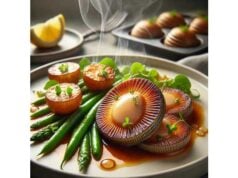
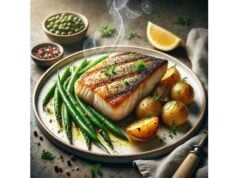
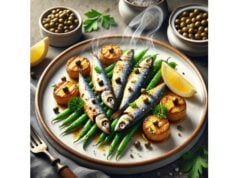
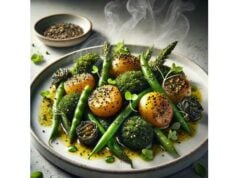
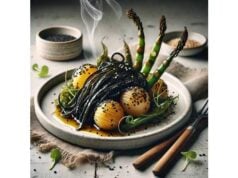
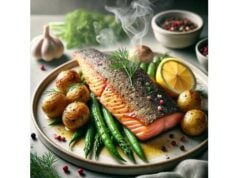
Barracuda is a lean, firm-fleshed fish with a clean, mildly sweet taste that takes well to grilling, searing, and smoking. In coastal cuisines from the Caribbean to Southeast Asia, small, young barracuda show up in spicy stews, escabeche, and simple salt-and-pepper grills. Nutritionally, cooked barracuda offers ample complete protein and B vitamins, plus notable selenium and vitamin D. Yet it also carries unique safety considerations: as a tropical, higher‐trophic predator, larger barracuda can accumulate ciguatoxins and methylmercury. The result is a food with real culinary appeal but one that demands careful sourcing and sensible portions. This guide cuts through confusion with clear, evidence-informed advice: how to choose low-risk fish, what nutrients you actually get per 100 grams, and the best preparation methods to keep flavor high and safety front of mind. If you love bold, meaty fish but want a smarter way to enjoy it, read on.
Fast Facts
- Cooked barracuda provides about 25 g complete protein per 100 g, with meaningful vitamin B12 and selenium.
- Ciguatera risk rises with fish size and tropical reef origin; cooking and freezing do not destroy the toxin.
- Practical serving: 100–120 g cooked once in a while; favor small, locally advised low-risk fish.
- Avoid or limit if you are pregnant, nursing, or serving young children; choose lower-risk species instead.
Table of Contents
- Barracuda Basics and Uses
- Barracuda Nutrition Profile
- Evidence-Based Health Benefits
- Risks, Allergies and Interactions
- Selecting, Quality, Sustainability and Storage
- Preparation, Cooking and Nutrient Retention
- Portions, Comparisons and FAQs
Barracuda Basics and Uses
Barracuda (genus Sphyraena) are sleek, fast predators found across tropical and subtropical seas. In food markets, you will most often see “great barracuda,” “Pacific barracuda,” or regional species labeled simply as “barracuda.” The flavor profile is firm and meaty—think swordfish or wahoo, but a little sweeter when very fresh and properly handled. Small fish (often under 1–2 kg) are preferred for the table because the flesh is tender and the food-safety risk is lower. Larger reef-dwelling fish tend to accumulate more natural marine toxins, so many coastal communities avoid them altogether.
Culinary uses are wide-ranging. In Southeast Asia, thin steaks are marinated with turmeric, garlic, and lime, then pan-seared and finished with coconut milk or tamarind. Around the Caribbean and parts of West Africa, cooks rub fillets with pepper and citrus, grill over hot coals, and serve with pickled onions or pepper sauces. Mediterranean cooks sometimes treat barracuda like mackerel: in escabeche, baked with tomatoes and olives, or quickly grilled and drizzled with herb oil. The fish’s firm texture holds up to skewers, tacos, sandwiches, and hearty stews.
Because barracuda is lean, it benefits from quick, high-heat techniques that seal in moisture—grilling, broiling, pan-searing—and from sauces or olive oil to prevent drying. Smoking and confit can be excellent for small fillets, yielding a silky texture that takes on aromatics beautifully. For crudos or ceviche, use only fish that has been frozen at appropriate temperatures for parasite control and, critically, comes from low-risk regions for ciguatera (see the Risk section).
From a nutrition standpoint, cooked barracuda is a protein-dense choice rich in vitamin B12 and selenium. Depending on species and diet, it can also provide vitamin D and variable amounts of marine omega-3 fatty acids. However, unlike cold-water fatty fish (salmon, sardine), barracuda is generally lean; pair it with olive oil, nuts, and vegetables to round out the meal.
Finally, sourcing matters more than with many other fish. Favor small, local fish from areas with low ciguatera incidence and heed regional advisories. If your retailer cannot provide capture location and approximate size, consider a safer alternative for frequent consumption (see Portions and Comparisons).
Barracuda Nutrition Profile
Reference form: Cooked, steamed/poached barracuda, per 100 g edible portion. Values vary by species, size, and cooking method. Percent Daily Values (%DV) use U.S. FDA DVs for adults.
Macros and Electrolytes (per 100 g)
| Nutrient | Amount | %DV |
|---|---|---|
| Energy | 199 kcal | — |
| Water | 61.6 g | — |
| Protein | 25.2 g | 50% |
| Total fat | 9.9 g | 13% |
| Carbohydrate | 0.0 g | 0% |
| Sodium | 420 mg | 18% |
| Potassium | 434 mg | 9% |
Fats and Fatty Acids (per 100 g)
(Fatty acid distribution varies by species and season.)
| Nutrient | Amount | %DV |
|---|---|---|
| Saturated fat | 2.83 g | 14% |
| Monounsaturated fat | 3.31 g | — |
| Polyunsaturated fat | 2.44 g | — |
Vitamins (per 100 g)
| Vitamin | Amount | %DV |
|---|---|---|
| Vitamin D | 11.4 µg | 57% |
| Vitamin B12 (cobalamin) | 4.69 µg | 195% |
| Niacin (vitamin B3) | 8.85 mg | 55% |
| Vitamin B6 (pyridoxine) | 0.34 mg | 20% |
| Riboflavin (vitamin B2) | 0.48 mg | 37% |
| Thiamin (vitamin B1) | 0.12 mg | 10% |
| Vitamin E (alpha-tocopherol) | 1.24 mg | 8% |
| Choline | 84 mg | 15% |
Minerals (per 100 g)
| Mineral | Amount | %DV |
|---|---|---|
| Selenium | 45.9 µg | 84% |
| Phosphorus | 141 mg | 11% |
| Magnesium | 32 mg | 8% |
| Zinc | 0.84 mg | 8% |
| Copper | 0.12 mg | 13% |
Notes to interpret the profile
- Values reflect a cooked, steamed/poached preparation; raw fish will show lower energy and fat per 100 g due to higher water content.
- Micronutrients, especially vitamin D and selenium, vary with habitat, diet, and species.
- Sodium partly reflects natural content and, in some retail products, brining; choose unbrined fish if limiting sodium.
- There is no established U.S. %DV for EPA and DHA; barracuda’s long-chain omega-3s are variable and generally lower than cold-water fatty fish.
Allergens and intolerance markers (qualitative)
Barracuda is a finfish allergen; individuals with fish allergy should avoid it. Histamine (scombroid) reactions are uncommon in barracuda compared with high-histidine species, but improper handling of any fish can lead to elevated histamine; buy from cold-chain-reliable sources.
Fortification and additives
Plain, fresh fillets are unfortified. Some smoked or processed products may include salt, sugar, or preservatives—check labels if you are monitoring sodium or additives.
Evidence-Based Health Benefits
High-quality protein for muscle and recovery. A standard 100 g cooked portion supplies about 25 g complete protein with all essential amino acids. For adults targeting 1.2–1.6 g protein per kg during active training or weight loss, one portion can cover roughly one-quarter to one-third of a meal’s protein target, supporting muscle maintenance and satiety.
Vitamin B12 and neurological function. Barracuda delivers almost twice the daily value for vitamin B12 in a 100 g serving. Adequate B12 status supports red blood cell formation and normal neurological function, especially important for older adults and people with limited intake of animal products. Including a modest portion of fish once in a while can help sustain B12 stores.
Selenium for antioxidant defense. Selenium concentrations in cooked barracuda are typically high relative to many land proteins. Selenium serves as a cofactor for glutathione peroxidases and thioredoxin reductases—enzyme systems that help protect cell membranes from oxidative damage. Dietary selenium is also relevant to thyroid hormone metabolism through iodothyronine deiodinases.
Potential vitamin D contribution. Depending on species and diet, cooked barracuda can provide around half the daily value of vitamin D per 100 g. For individuals with limited sun exposure, modest portions of vitamin-D-containing fish can complement diet or supplementation plans advised by a clinician.
Support for cardiometabolic eating patterns. Swapping processed red meats for lean fish like small barracuda can reduce saturated fat intake at a meal level and introduce marine nutrients (B vitamins, selenium, taurine) often associated with cardioprotective dietary patterns. When paired with olive oil, legumes, and vegetables, a barracuda dish fits neatly into Mediterranean-style menus that emphasize whole foods and healthy fats.
Culinary versatility that nudges vegetable intake. Firm texture and clean flavor make barracuda a natural partner for vegetable-forward, high-fiber plates—grilled fillets over charred greens, citrus-herb salads, or tomato-olive braises. This practical “plate effect” matters: people eat more vegetables when their protein centerpiece pairs well with them.
A note on omega-3s. Barracuda is not among the richest EPA/DHA sources, and values vary widely by species. If your goal is 250–500 mg/day of long-chain omega-3s from food, rotate in fatty fish (e.g., sardines, salmon, mackerel) most weeks and treat barracuda as an occasional lean option chosen for taste, B12, and selenium rather than for omega-3 density.
Risks, Allergies and Interactions
Ciguatera fish poisoning (CFP). The most important safety issue with barracuda is ciguatera, a toxin syndrome caused by heat-stable ciguatoxins produced by reef microalgae and biomagnified in top predators. Key points:
- Size and region drive risk. Large tropical reef barracuda (often >3–5 kg or >70–90 cm) carry higher risk.
- Cooking does not help. Ciguatoxins are not destroyed by cooking, freezing, smoking, or marinating.
- Symptoms and timing. Onset is typically within hours and can include gastrointestinal upset (nausea, vomiting, diarrhea), neurological symptoms (tingling, temperature reversal, limb pain), and cardiovascular effects (bradycardia, hypotension).
- Re-exposure sensitivity. Some people experience prolonged or recurrent symptoms after repeat exposures; avoidance of high-risk fish is critical once affected.
- Practical sourcing rule. Favor small, non-reef fish from low-incidence areas; skip large barracuda from ciguatera-endemic reefs even if sold locally.
Methylmercury. As a higher-trophic predator, barracuda can accumulate methylmercury. While levels vary by species, size, and location, conservative guidance is to limit intake and prioritize lower-mercury alternatives for frequent consumption. Sensitive groups—pregnant or nursing people and young children—should avoid barracuda in favor of fish explicitly recommended as “best choices” by national advisories.
Allergy. Barracuda is a finfish allergen. Individuals with known fish allergy should avoid it altogether. If you suspect an allergy (hives, wheeze, throat swelling), seek medical attention and discuss testing with an allergist.
Histamine (scombroid) illness. Rarely, mishandled fish of many species can accumulate histamine, causing flushing, headache, and palpitations soon after eating. Prevention depends on cold-chain integrity: buy from reputable suppliers, keep fish cold (<4°C), and avoid fish that smells or tastes unusually peppery or “bubbly.”
Medication and condition considerations.
- Neurologic conditions: Because ciguatera symptoms are neurological, anyone with underlying neuropathies should be particularly cautious about exposure.
- Sodium restriction: Some processed or smoked products can be high in sodium; choose fresh fillets when monitoring sodium.
- Foodborne infection: As with all seafood, raw or undercooked preparations carry microbial risks; use frozen-for-sushi fish from reliable sources if preparing ceviche or crudo.
Bottom line: If you choose barracuda, make it small, occasional, and traceable. When in doubt, choose safer alternatives (see Portions and Comparisons).
Selecting, Quality, Sustainability and Storage
How to choose lower-risk fish
- Size matters: Prefer small barracuda—typically under 1–2 kg (about 40–60 cm). Larger reef fish are more likely to carry ciguatoxins.
- Ask origin: Choose fish from areas with low ciguatera incidence; avoid tropical reef hotspots unless there is a clear, science-based local advisory allowing consumption of small fish.
- Trust the cold chain: Fillets should be firm, moist, and translucent; whole fish should have bright eyes, metallic skin, and clean sea smell. Reject fish with soft flesh, dull eyes, or ammonia odors.
- Label clarity: For packaged product, look for species name, harvest area, and processing method. If staff cannot provide details, consider a safer alternative.
Sustainability snapshot
Barracuda are not among the most heavily targeted commercial species globally. In many regions they are caught incidentally or for local markets. Status and management vary by species and location; in some locales, bag limits or advisories effectively limit harvest because of ciguatera concerns as much as stock conservation. When sustainability is a priority, consider regional guidance and favor traceable, small fish from well-managed fisheries. If high confidence in sourcing is not possible, choose abundant, well-rated alternatives (e.g., U.S. hook-and-line mahi-mahi, Pacific sardine, farmed mussels).
Storage and handling
- Refrigerate promptly: Keep fish at ≤4°C and cook within 24 hours for best quality.
- Freezing: For longer storage, freeze at −18°C or colder. For raw dishes, follow parasite-control freezing guidance (e.g., −20°C for ≥7 days for home freezers; commercial processes may differ). Freezing does not reduce ciguatoxin risk.
- Smell and surface check: Before cooking, the fillet should smell clean and feel slightly springy; discard if slimy, sticky, or sour.
- Cross-contamination: Use separate boards/knives; wash utensils and hands thoroughly.
Ethical and practical sourcing tips
- Build relationships with fishmongers who can speak to capture area and fish size.
- When traveling in regions where ciguatera occurs, ask local health departments, dive shops, or physicians about current advisories.
- If reliable information is scarce, opt for low-risk species that meet your nutrition goals.
Preparation, Cooking and Nutrient Retention
Best techniques for flavor and texture
- High-heat, quick cook: Grill, broil, or pan-sear 2–3 cm-thick steaks over high heat to develop a crust while keeping the center moist. Aim for 52–55°C internal for medium; carryover heat will finish the cook.
- Moist-heat options: Steam or poach gently with aromatics (ginger, scallion, bay, peppercorns). This preserves moisture and most water-soluble B vitamins compared with hard boiling.
- Confit or olive-oil bake: For very lean fillets, a low-temperature olive-oil bath (90–110°C) keeps flesh succulent and pairs well with herbaceous sauces.
- Smoking: Hot-smoking small fillets yields a rich, silky texture; brine lightly if sodium intake is not a concern.
Seasoning and pairing
Barracuda plays well with bright acids (citrus, tamarind), aromatics (garlic, ginger), and bitter greens. For a complete plate: serve with charred broccoli or peppers, whole grains (bulgur, farro), and an olive-oil–herb dressing. This lifts palatability while adding fiber, polyphenols, and heart-healthy fats.
Nutrient retention tips
- Keep it quick: Overcooking drives moisture loss and can reduce heat-sensitive vitamins.
- Use gentle heat for B vitamins: Steaming/poaching tends to preserve water-soluble B-vitamins better than aggressive boiling.
- Mind the sodium: Prefer unsalted seasonings and finish with lemon, herbs, and extra-virgin olive oil.
- Raw preparations require extra diligence: Only use properly frozen fish from trustworthy sources, and avoid raw barracuda entirely in regions with ciguatera risk.
Food safety checklist
- Buy small, traceable fish from low-risk areas.
- Keep cold from market to home; refrigerate at once.
- Cook to doneness without drying out (opaque flakes, 52–55°C center for medium).
- Refrigerate leftovers within 2 hours; eat within 1–2 days or freeze.
- Remember: cooking, freezing, marinating, and smoking do not neutralize ciguatoxin.
Portions, Comparisons and FAQs
A realistic serving
For most adults, 100–120 g cooked barracuda (roughly a deck-of-cards–sized fillet) makes a satisfying portion alongside vegetables and whole grains. Given ciguatera and mercury considerations, treat barracuda as an occasional choice rather than a weekly staple—especially if capture location and size are uncertain.
Who should limit or avoid?
- Pregnant or nursing people and young children: Choose low-mercury, low-risk fish recommended by national advisories; skip barracuda.
- Travelers in tropical regions: Unless a knowledgeable clinician or local advisory suggests specific, small fish are safe, avoid barracuda altogether.
- People with fish allergy: Avoid barracuda and all finfish unless cleared by an allergist.
Smart substitutions with similar culinary roles
- Safer, meaty alternatives: U.S. Pacific mahi-mahi (line-caught), wahoo, or responsibly sourced black cod (sablefish) for a rich, grill-friendly texture.
- Higher omega-3 options: Sardines, salmon, or Atlantic mackerel if your priority is EPA/DHA intake.
- Lean white fish for frequent meals: Cod, haddock, pollock, or farmed barramundi (from reputable producers) provide protein with lower toxin risk.
Frequently asked questions
Is small barracuda always safe?
No. Smaller size reduces risk but does not eliminate it. Risk also depends on reef location and local toxin dynamics.
Does soaking in milk or vinegar remove toxins?
No. These methods cannot neutralize ciguatoxin or methylmercury.
Is smoked barracuda safer?
Smoking changes flavor and texture but not ciguatoxin risk. It may raise sodium, so check labels and balance your diet accordingly.
Can I rely on taste or smell to detect risk?
No. Ciguatoxin has no taste, color, or smell, and contaminated fish may appear normal.
What about histamine reactions?
Any fish mishandled at warm temperatures can develop histamine. Buying from cold-chain-reliable vendors and keeping fish chilled is the best prevention.
How often can I eat it if I still want to?
If you choose barracuda, select small, traceable fish from low-risk areas and make it an occasional treat. Many people do well rotating in safer species for regular weekly fish intake.
References
- Food Poisoning from Marine Toxins | Yellow Book | CDC 2025 (Guideline)
- Advice about Eating Fish | FDA 2024 (Guideline)
- Factsheet for health professionals on ciguatera fish poisoning 2024 (Factsheet)
- Seafood Safety – Aquatic Toxins 2025 (Guideline)
- Nutrition Facts for Barracuda Steamed Or Poached 2025 (Data)
Disclaimer
This article is for general information and education. It does not replace personalized medical advice, diagnosis, or treatment. If you are pregnant, nursing, have a medical condition, take medications, or plan to eat fish from local waters, speak with a qualified health professional and consult regional advisories before consuming barracuda or any wild-caught fish.
If you found this helpful, consider sharing it with friends on Facebook, X (formerly Twitter), or your favorite platform. Your support helps us keep creating clear, evidence-based guides like this one.