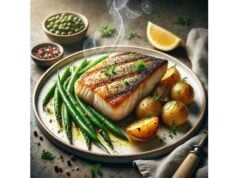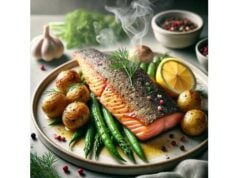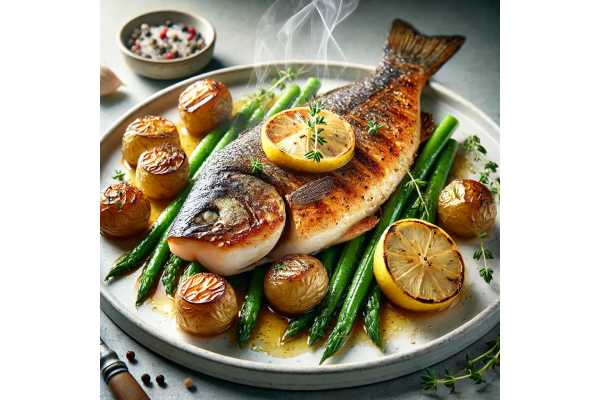
Bass is a lean, mild-tasting fish that delivers substantial protein, valuable omega-3s, and key micronutrients with relatively little saturated fat. Whether you prefer wild black sea bass, ocean-caught striped bass, farmed hybrid striped bass, or the misnamed “Chilean sea bass” (Patagonian toothfish), bass offers a versatile canvas for weeknight dinners and special occasions alike. Its firm, white flesh holds up to many cooking methods—baking, grilling, steaming, and pan-searing—while its neutral flavor pairs well with citrus, herbs, and spice. A typical serving supplies meaningful selenium and B-vitamins and can contribute hundreds of milligrams of EPA and DHA omega-3s. As with all seafood, smart choices matter: pick species and sources that balance nutrition, mercury exposure, and sustainability. With the right selection, storage, and preparation, bass can be a dependable, delicious part of a heart-smart, family-friendly eating pattern.
At a Glance
- Lean, high-quality protein (~24 g per 100 g cooked) with ~0.9 g EPA+DHA omega-3s per 100 g.
- Mercury varies by species: black sea bass is generally lower; ocean striped bass and Chilean sea bass are moderate—rotate species.
- Typical serving: 85–115 g cooked, 2 servings weekly for most adults; those who are pregnant should choose lower-mercury options and follow official guidance.
- Safety caveat: fish allergy is common; raw or undercooked fish raises foodborne illness risk; handle and cook properly.
- Who should limit or avoid: people with fish allergy; those who are pregnant or feeding young children should avoid high-mercury species and heed local advisories for freshwater bass.
Table of Contents
- What Makes Bass Nutritious
- Bass Nutrition Profile (Per 100 g)
- Research-Backed Benefits of Bass
- Mercury, Allergies and Interactions
- Buying, Sustainability and Storage Tips
- Cooking Methods and Nutrient Retention
- Portions, Comparisons and FAQs
What Makes Bass Nutritious
Bass earns its place on healthy menus because it delivers a rare combination of lean protein, cardio-friendly fats, and helpful micronutrients without excessive calories or carbohydrate. Per 100 grams cooked (about 3½ ounces), mixed-species sea bass typically provides ~124 kcal, ~24 g protein, and only ~2–3 g total fat—yet it still contributes roughly 0.9 g of the long-chain omega-3s EPA and DHA. Those particular omega-3s support heart, brain, eye, and immune function and are far more potent physiologically than plant omega-3s (ALA).
Nutrient density extends beyond fats and protein. Bass tends to be rich in selenium (an antioxidant cofactor that supports thyroid enzymes and immune defenses), plus phosphorus and magnesium for bone and energy metabolism. B-vitamins—especially vitamin B6, riboflavin, niacin, and a modest dose of vitamin B12—help convert food to energy and maintain a healthy nervous system. With essentially zero carbohydrate and negligible natural sugars, bass is suitable for low-carb and diabetes-friendly meal plans, and its high protein supports satiety and muscle maintenance.
Not all “bass” are the same nutritionally. Black sea bass and ocean-caught striped bass are both lean and moderate in omega-3s. Farmed hybrid striped bass shows similar macronutrients with small variations depending on feed. “Chilean sea bass” (Patagonian toothfish) is fattier and can deliver higher omega-3s per bite but also tends to carry more mercury than smaller coastal bass species. Freshwater largemouth or smallmouth bass offer comparable protein and minerals, though micronutrient and contaminant profiles can vary with local waters, season, and diet.
From a culinary perspective, bass is forgiving. Firm flakes stand up to roasting, steaming, and searing without falling apart. Its mild flavor welcomes lemon-garlic butter, chimichurri, miso glaze, or spicy rubs. Because it’s lean, techniques that add moisture—quick pan sauces, gentle poaching, or a protective crust of herbs and olive oil—keep fillets juicy. For the best texture, cook just to the point where the flesh turns opaque and separates easily with a fork.
The bottom line: if you want a versatile, protein-rich fish that’s easy to love and fits into a heart-smart pattern, bass is a strong choice. Rotate species across the week to diversify nutrients, minimize exposure to any single contaminant, and keep meals interesting.
Bass Nutrition Profile (Per 100 g)
Basis: Cooked sea bass (mixed species), dry heat. Actual values vary by species (black sea bass, striped bass, hybrid striped bass, Patagonian toothfish), wild vs farmed, and preparation. %DV uses U.S. adult Daily Values (where applicable).
Macros & Electrolytes
| Nutrient (per 100 g) | Amount | %DV |
|---|---|---|
| Energy | 124 kcal | — |
| Water | 72.9 g | — |
| Protein | 23.9 g | 48% |
| Total Fat | 2.6 g | 3% |
| Saturated Fat | 0.66 g | 3% |
| Carbohydrate | 0.0 g | 0% |
| Dietary Fiber | 0.0 g | 0% |
| Total Sugars | 0.0 g | — |
| Sodium | 88 mg | 4% |
| Potassium | 331 mg | 7% |
| Cholesterol | 54 mg | — |
Fats & Fatty Acids
| Fatty Acid Category | Amount (g) | Notes |
|---|---|---|
| Monounsaturated (MUFA) | 0.55 | Predominantly oleic acid |
| Polyunsaturated (PUFA) | 0.96 | See omega-3/omega-6 detail |
| Omega-3 (EPA+DHA total) | ~0.87 | Approximate total long-chain n-3 |
| • EPA (20:5 n-3) | ~0.21 | Varies by species/diet |
| • DHA (22:6 n-3) | ~0.56 | Varies by species/diet |
| Omega-6 (LA+ARA) | ~0.08 | Typically low in bass |
| Trans Fat | 0.0 | Naturally negligible |
Protein & Amino Acids
| Metric | Value |
|---|---|
| Total Protein | 23.9 g |
| Protein Quality | High; complete essential amino acids |
Vitamins
| Vitamin | Amount | %DV |
|---|---|---|
| Vitamin B6 (Pyridoxine) | 0.46 mg | 27% |
| Vitamin B12 (Cobalamin) | 0.3 µg | 13% |
| Niacin (B3) | 1.9 mg | 12% |
| Riboflavin (B2) | 0.15 mg | 12% |
| Thiamin (B1) | 0.13 mg | 11% |
| Folate (DFE) | 6 µg | 2% |
| Vitamin D | — | — |
Minerals
| Mineral | Amount | %DV |
|---|---|---|
| Selenium | 47.3 µg | 86% |
| Phosphorus | 251 mg | 20% |
| Magnesium | 53 mg | 13% |
| Potassium | 331 mg | 7% |
| Zinc | 0.53 mg | 5% |
| Iron | 0.37 mg | 2% |
| Calcium | 13 mg | 1% |
| Iodine | — | — |
Contaminants/Residues Snapshot (species-typical)
| Item | General Tendency | Practical Takeaway |
|---|---|---|
| Methylmercury | Lower in black sea bass; moderate in ocean striped bass and Chilean sea bass | Favor smaller/younger fish and rotate species; follow official fish-advice charts. |
| PCBs/PFAS (freshwater) | Variable, location-specific | Check local advisories before eating self-caught bass from lakes/rivers. |
Glycemic & Acid–Base Metrics
| Metric | Value |
|---|---|
| Net Carbohydrate | 0 g (no direct glycemic impact) |
| GI/GL | Not applicable (no carbohydrate) |
Footnote: Nutrients reflect cooked, dry-heat preparation. Frying in high-omega-6 oils can alter the fatty acid profile; steaming or baking better preserves EPA/DHA.
Research-Backed Benefits of Bass
1) Heart-smart fats and lipid effects
Bass contributes long-chain omega-3s (EPA and DHA) that support cardiovascular health. These fatty acids help maintain flexible cell membranes, moderate inflammatory signaling, and can lower triglycerides when consumed regularly as part of a seafood-inclusive pattern. While fatty fish like salmon pack more omega-3 per bite, a 100-gram portion of sea bass still provides roughly 800–900 mg of EPA+DHA—enough to make a meaningful contribution toward common intake targets used in clinical and public health guidance. Replacing higher saturated-fat proteins (processed meats, marbled red meats) with seafood several times weekly supports a more favorable lipid profile.
2) Lean protein that satisfies without excess calories
At about 124 kcal and ~24 g protein per 100 g cooked, bass provides a strong protein-to-calorie ratio. High-quality protein improves satiety, supports muscle protein synthesis, and helps preserve lean mass during weight management. Because bass is naturally low in carbohydrate and saturated fat, it fits well in Mediterranean-style, DASH-style, and lower-carb patterns.
3) Micronutrients that protect cells and metabolism
Selenium (often 80–90% DV per 100 g) serves as a cofactor in glutathione peroxidases that limit oxidative stress and support thyroid hormone activation. Phosphorus and magnesium contribute to energy metabolism and bone health. B-vitamins (B6, niacin, riboflavin) act across dozens of enzymatic pathways, aiding red blood cell formation and neurotransmitter synthesis. In pregnancy and early life, seafood intake from lower-mercury species supports neurodevelopment in part via DHA, iodine, and choline; bass can contribute when chosen from appropriate categories.
4) Blood sugar friendly
With zero carbohydrate and a low energy density, bass has no direct glycemic impact. High protein paired with non-starchy vegetables and intact whole grains yields balanced, sustained energy without glucose spikes.
5) Practical benefit: versatility fosters adherence
Evidence consistently shows that the “best” diet is one you can sustain. Bass’s mild flavor, quick cooking time, and compatibility with many cuisines make it easier to meet weekly seafood recommendations. Compared with very oily fish, some people find bass more approachable, which can improve long-term adherence to heart-healthy eating.
Tips to realize these benefits
- Aim for two seafood servings weekly; include bass alongside other species to diversify omega-3s and micronutrients.
- Pair bass with fiber-rich sides (beans, farro, leafy greens) and unsaturated fats (olive oil, nuts) to reinforce cardiometabolic gains.
- Favor gentle cooking (bake, steam, poach) when you want to maximize omega-3 retention; use high-heat searing briefly and finish in the oven to avoid overdrying a lean fillet.
Key context: The strongest effects on triglycerides are seen with higher omega-3 intakes; routine fish intake supports overall dietary quality, while very high dose effects (e.g., pharmaceutical omega-3s) are not the goal of everyday cooking.
Mercury, Allergies and Interactions
Mercury: choose wisely and rotate species
Mercury accumulates up the food chain. Among bass options, black sea bass is generally categorized as lower in mercury; ocean-caught striped bass and Chilean sea bass (Patagonian toothfish) tend to be moderate. For people who are pregnant or may become pregnant and for young children, select lower-mercury fish and follow official weekly serving guidance. If you or family catch freshwater bass, always consult local fish advisories; some waters have elevated mercury or PCBs. When no advisory is available for self-caught fish, a conservative approach is to limit to one weekly serving and avoid additional fish that week.
Allergy: bass is a major allergen
Fish is one of the major food allergens, and reactions can be severe. The principal fish allergen is a small calcium-binding muscle protein (parvalbumin) that is heat-stable, so cooking does not eliminate risk. Cross-reactivity among bony fish species is common, but not universal; some individuals tolerate certain species while reacting to others. If you have any history of fish allergy, avoid bass until evaluated by an allergy specialist, and carry prescribed emergency medication as directed.
Foodborne illness: raw risks and safe handling
Raw or undercooked fish can harbor pathogens or parasites. Freezing suitable fish intended for raw dishes reduces parasite risk but does not eliminate all bacterial hazards. The safest option is cooking fish to an internal temperature of 145°F (63°C) until the flesh is opaque and flakes easily. Keep raw fish refrigerated at or below 40°F (4°C), separate from ready-to-eat foods, and observe strict cleanliness for boards, knives, and hands.
Medication and supplement interactions
Ordinary food portions of bass are not known to interact with medicines. However, high-dose omega-3 supplements (far above what you’d obtain from meals) can modestly affect bleeding time in some contexts and may be monitored in people on anticoagulant therapy. This caution does not apply to typical dietary fish intake.
Environmental contaminants beyond mercury
In some regions, freshwater bass can contain polychlorinated biphenyls (PCBs) or PFAS. These vary locally; adherence to posted advisories is the best safeguard. Rotating seafood choices and trimming fatty skin from larger predatory fish can further limit exposure.
Practical safeguards
- For those who are pregnant or feeding young children: choose lower-mercury species, keep portions to 4-ounce servings, and use official fish-advice charts to plan the week.
- Allergy history: verify with an allergist before reintroducing fish; avoid cross-contact in shared kitchens.
- Handling: refrigerate or ice immediately, cook thoroughly unless using properly frozen fish for raw applications, and discard seafood with off odors.
Buying, Sustainability and Storage Tips
How to select quality bass
- Smell and appearance: Fresh fish should smell clean and mild—never sour, ammonia-like, or strongly “fishy.” Whole fish should have clear, shiny eyes; firm flesh; and bright red gills without off-odors. Fillets should look moist and spring back when pressed, with no browning at the edges.
- Temperature control: Buy fish displayed on abundant ice or from a covered, chilled case. Avoid packages with frost or ice crystals (signs of thaw/refreeze).
- Labels and naming: “Chilean sea bass” is the market name for Patagonian toothfish, a different species than black sea bass. Farmed “hybrid striped bass” (Morone chrysops × M. saxatilis) is common and offers consistent quality. Ask your fishmonger which species you’re getting and whether it was previously frozen.
- Frozen options: Individually quick frozen (IQF) fillets can be excellent. Choose intact, well-sealed packages without freezer burn or broken glaze.
Sustainability considerations
- U.S.-managed bass species: Black sea bass and Atlantic striped bass are managed under federal and interstate plans with harvest controls and monitoring. Choosing U.S.-landed fish generally supports responsible practices.
- Chilean sea bass: Today many fisheries operate under stricter oversight than in decades past; however, it remains a slow-growing species. If you buy it, look for credible certifications and enjoy it occasionally rather than weekly.
- Diversify choices: Rotating a variety of seafood—bass, salmon, sardines, trout, mussels—spreads demand across stocks and increases nutrient diversity.
Storage and food safety
- Refrigeration: Store bass at ≤40°F (4°C). Plan to cook within 1–2 days of purchase. Keep it on ice in the coldest part of the refrigerator.
- Freezing: For best quality, freeze well-wrapped fillets promptly if you won’t cook them within two days. Lean white fish maintain quality for ~2–3 months in a 0°F (−18°C) freezer.
- Thawing: Thaw overnight in the refrigerator. For a quicker method, submerge a sealed bag in cold water, changing water every 30 minutes. Cook immediately after rapid thawing.
- Transport: Bring an insulated bag or cooler with ice packs if shopping far from home.
Buying tips by scenario
- Weeknight dinners: Choose IQF black sea bass or hybrid striped bass fillets; they thaw quickly and cook evenly.
- Grilling: Opt for skin-on ocean striped bass or thicker fillets/steaks; brush with oil to prevent sticking.
- Raw preparations at home: Use only fish intended for raw consumption and properly frozen for parasite control; when in doubt, cook.
Cooking Methods and Nutrient Retention
Goal: keep it juicy and preserve omega-3s
Bass is lean; overcooking drives off moisture and can waste delicate fats. Gentle, moist-preserving methods—baking, steaming, and poaching—excel at keeping fillets tender while retaining more EPA and DHA than deep-frying. Grilling and pan-searing add delicious browning; the key is control: use high heat briefly for color, then finish at moderate heat or in the oven until the center just turns opaque.
Core techniques
- High-heat sear, oven finish (restaurant-style): Pat fillets dry, season, and sear skin-side down in a hot pan with a thin film of oil for 2–3 minutes. Transfer to a 375°F (190°C) oven for 4–7 minutes, depending on thickness. Rest 1–2 minutes. Result: crisp skin, moist interior.
- Gentle bake: Place fillets on parchment, top with lemon slices, herbs, and a drizzle of olive oil. Bake at 300–325°F (150–165°C) until just opaque. Lower heat reduces moisture loss and preserves omega-3s.
- Steam or en papillote: Steam over simmering water or seal in paper with aromatics. Both methods deliver tender fish with excellent nutrient retention.
- Poach in olive oil or court-bouillon: Maintain 140–160°F (60–71°C) liquid; cook to barely opaque. Low temperature protects texture and fats.
What to limit
- Deep-frying and pan-frying in high-omega-6 oils: These methods can reduce EPA/DHA proportions and replace them with absorbed frying oil, shifting the n-6:n-3 balance. If frying, use fresh, stable oils, keep temperatures moderate, and drain well.
- Charring: Excessive blackening introduces undesirable compounds and dries lean flesh. Aim for a bronze sear, not a burnt crust.
Flavor, acidity, and marinades
- Acid aids: Lemon, lime, or vinegar brightens bass and can slightly firm delicate flesh.
- Herbs and aromatics: Dill, parsley, basil, cilantro, and fennel pair naturally; garlic and shallot add depth without overpowering.
- Smart fats: A tablespoon of extra-virgin olive oil or a knob of herb butter adds satiety and helps carry fat-soluble flavors while keeping overall saturated fat modest.
Done temperature and doneness cues
- Internal temperature: 145°F (63°C) at the thickest part is the standard safety endpoint.
- Visual cue: Flesh turns opaque and flakes with gentle pressure; juices run clear. A minute or two less or more can make a big difference with lean fish—err on the side of slightly under and rest briefly.
Retaining nutrients in the rest of the plate
- Serve bass over or alongside high-potassium, high-fiber sides (wilted greens, roasted vegetables, farro, beans).
- Add vitamin C-rich elements (citrus, peppers) to support non-heme iron absorption when pairing with plant foods.
Example quick pairings
- Mediterranean: Pan-seared bass with cherry tomatoes, olives, capers, and a splash of white wine.
- East Asian: Steamed bass with ginger-scallion oil and soy-rice vinegar drizzle.
- Latin: Grilled bass tacos with cabbage slaw, avocado, and lime.
Portions, Comparisons and FAQs
How much bass counts as a serving? How often should I eat it?
A standard cooked portion is 85–115 g (3–4 ounces), about the size and thickness of your palm. Most adults benefit from two seafood servings per week. People who are pregnant or breastfeeding are advised to eat 2–3 weekly servings of lower-mercury fish, using species lists to plan choices. Children’s portions scale by age (roughly 28–113 g cooked).
How does bass compare with other fish?
- Versus salmon: Salmon is fattier, with more omega-3 per bite (often 1.5–2.0 g EPA+DHA per 100 g) but also more calories. Bass is leaner and milder.
- Versus cod or tilapia: Bass is similar in calories and protein but typically provides more omega-3s and selenium.
- Versus sardines or trout: Those pack higher omega-3s; alternating them with bass helps meet weekly goals.
Is “Chilean sea bass” the same as sea bass?
No. “Chilean sea bass” is the marketing name for Patagonian toothfish, a deep-water species with a richer fat content and moderate mercury levels. It’s delicious and luxurious but better treated as an occasional choice. If sustainability matters to you, look for credible certifications and diversify your selections.
What about freshwater bass (largemouth, smallmouth)?
Nutritionally, they’re comparable lean white fish. However, contaminants in lakes and rivers vary widely. Always consult local advisories for self-caught fish and follow recommended limits for frequency and serving size.
Do I need supplements if I eat bass regularly?
Not usually. Regular seafood intake across the week can meet typical omega-3 needs for many adults, especially when combined with higher-EPA/DHA species like salmon or sardines. Supplements may be considered for specific clinical needs in consultation with a healthcare professional.
Can children eat bass?
Yes—children can enjoy properly cooked, lower-mercury fish in age-appropriate portions. Flake the fish well to remove bones and avoid raw preparations. Introduce new fish slowly to watch for potential allergic reactions.
Meal planning examples
- Two-serving week: One night black sea bass with lemon-herb couscous; another night trout with roasted vegetables.
- High-omega-3 week: Ocean striped bass on Monday, salmon on Friday, and a small sardine snack midweek.
Budget and availability tips
- Buy frozen bass fillets when fresh options are pricey; thaw gently for near-fresh results.
- Choose in-season, locally landed fish where possible, and ask your fishmonger about under-utilized species for value.
Quick troubleshooting
- Dry, chalky texture: Reduce cook time and temperature; add a moist sauce.
- Fishy smell: The fish is likely past prime—buy from a high-turnover source and cook within two days.
- Falling apart on grill: Use skin-on fillets, oil the grates, and avoid flipping more than once.
References
- Omega-3 Fatty Acids – Health Professional Fact Sheet (2024)
- Advice about Eating Fish | FDA (2024)
- Selecting and Serving Fresh and Frozen Seafood Safely | FDA (2024)
- Effects of culinary treatments on the lipid nutritional quality of fish and shellfish (2023)
- Food Allergies | FDA (2025)
Disclaimer
The information in this article is for general education and is not a substitute for personalized medical advice, diagnosis, or treatment. Nutrient needs and safety considerations vary by age, health status, medications, pregnancy, and local advisories. Always consult a qualified healthcare professional or registered dietitian for guidance tailored to you.
If you found this helpful, please consider sharing it with friends or on Facebook or X to support our work in creating clear, practical nutrition resources. Thank you!