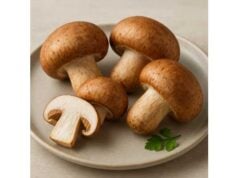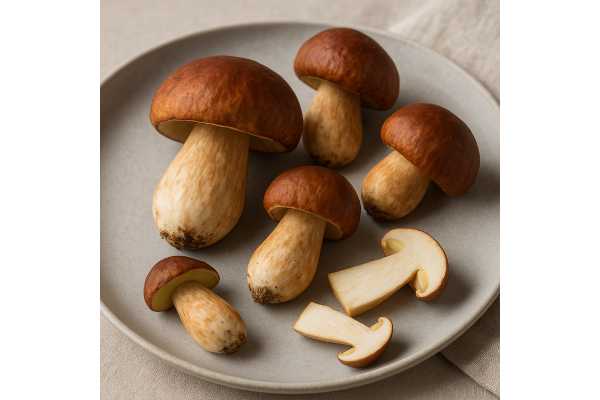
The bay bolete (Imleria badia, formerly Boletus badius) is a mild, nutty wild mushroom loved across Central and Northern Europe. With sponge-like pores instead of gills and a chestnut-brown cap, it sautés to a buttery softness and dries into a savory, porcini-like pantry staple. Like most mushrooms, bay boletes are low in calories, provide B-vitamins and minerals, and contribute fiber, beta-glucans, and unique antioxidants such as ergothioneine. When exposed to sunlight or UV light, mushrooms can also deliver meaningful vitamin D₂.
This guide covers everything a careful cook wants to know: what sets bay boletes apart, detailed nutrition per 100 g, realistic health benefits, and the risks to manage—from look-alikes to environmental contaminants—plus how to shop, store, cook, and portion them. Whether you buy from a trusted vendor or forage with an expert, you’ll find practical, evidence-aware advice to enjoy bay boletes safely and deliciously.
At a Glance
- Low-calorie source of B-vitamins, copper, selenium, fiber, and ergothioneine; vitamin D₂ increases if UV-exposed.
- Cook well to improve digestibility; avoid raw or undercooked servings that may cause stomach upset.
- Typical portion: 75–100 g cooked (about 1 cup), 1–3 times per week as part of a varied diet.
- Limit or avoid if you cannot verify species, live in highly polluted areas, are sensitive to sugar alcohols (mannitol), or must restrict dietary purines.
Table of Contents
- Bay bolete essentials
- Bay bolete nutrition profile
- Bay bolete benefits
- Risks, allergies and interactions
- Choosing quality, sustainability, storage
- Cooking and nutrient retention
- Portions, comparisons and FAQs
Bay bolete essentials
Bay bolete is a widely eaten wild bolete with a chestnut-brown cap, slender stem, and yellow pores that darken with age. The cap often looks velvety when young, then smoothens; the pore surface can show a faint blue tint when bruised or cut. Its flesh stays pale and firm in the pan, taking on butter, garlic, and herbs beautifully. Dried bay boletes are prized for stock and risotto because their aroma concentrates without turning bitter.
Key culinary traits:
- Flavor and texture: Mild, nutty, slightly sweet; meaty but tender when sautéed.
- Best uses: Sautéing in butter or olive oil, roasting, drying for soups and sauces, blending with grains or beans for depth.
- Pairings: Parsley, thyme, rosemary, garlic, shallots, white wine, sherry, miso, barley, farro, polenta, eggs, and poultry or venison.
How it compares within the bolete family:
- Versus porcini (Boletus edulis): Bay bolete is gentler in flavor and typically slimmer; well-handled specimens cook up nearly as savory as porcini for a lower price.
- Versus red-pored or blue-black staining boletes: Some of those are inedible or toxic; bay bolete’s pores start yellow to olive and the cap is brown—not bright red or orange.
Responsible sourcing matters. Choose reputable markets, growers, or certified foragers. Avoid mushrooms from roadsides, industrial sites, or unknown lots, where heavy metals and radionuclides can be higher. When in doubt, do not eat a foraged mushroom.
Who enjoys bay boletes?
- Cooks who want a versatile, European-style wild mushroom for pastas, eggs, and pan sauces.
- Health-minded eaters looking for low-calorie, fiber-containing, micronutrient-rich foods.
- Meal planners who batch-cook: sautéed bay boletes keep well, and dried caps store for months.
Expect a short season and variable availability. Dry when plentiful; rehydrate year-round.
Bay bolete nutrition profile
Below are representative values for raw bay bolete or closely related boletes per 100 g. Natural variation is large in wild foods; moisture, age, habitat, and handling all shift numbers. Percent Daily Value (%DV) uses current U.S. DVs for adults.
Macros & Electrolytes (per 100 g, raw)
| Nutrient | Amount | %DV |
|---|---|---|
| Energy | 22–30 kcal | — |
| Protein | 3.0 g | 6% |
| Total carbohydrate | 3.5 g | 1% |
| Dietary fiber | 1.5–2.5 g | 5–9% |
| Total sugars | ~1.5–2.0 g | — |
| Total fat | 0.3 g | 0% |
| Sodium | 5–10 mg | 0% |
| Potassium | 300–360 mg | 6–8% |
| Phosphorus | 80–100 mg | 6–8% |
| Magnesium | 8–15 mg | 2–4% |
Vitamins (per 100 g, raw)
| Vitamin | Amount | %DV |
|---|---|---|
| Riboflavin (B2) | ~0.30–0.45 mg | 23–35% |
| Niacin (B3) | ~3.0–6.0 mg | 19–38% |
| Pantothenic acid (B5) | ~1.0–1.6 mg | 20–32% |
| Vitamin B6 | ~0.05–0.11 mg | 3–6% |
| Folate (B9) | ~15–50 µg | 4–13% |
| Vitamin D₂ (baseline) | ~0.1–0.3 µg | 1% |
| Vitamin D₂ (UV-exposed)** | 5–20 µg | 25–100% |
**UV-exposed mushrooms are intentionally treated with ultraviolet light post-harvest to raise vitamin D₂; wild sun-exposed caps can also be higher, though levels vary with sunlight and handling.
Minerals (per 100 g, raw)
| Mineral | Amount | %DV |
|---|---|---|
| Copper | 0.2–0.3 mg | 22–33% |
| Selenium | 7–12 µg | 13–22% |
| Zinc | 0.5–0.8 mg | 5–7% |
| Iron | 0.3–1.1 mg | 2–6% |
| Manganese | 0.05–0.10 mg | 2–4% |
| Calcium | 3–10 mg | 0–1% |
Bioactives / Phytonutrients (typical ranges)
| Compound | Notes (per 100 g raw unless stated) |
|---|---|
| Beta-glucans | ~0.2–0.8 g; soluble fibers linked to cholesterol and immune modulation. |
| Ergothioneine | Commonly 2–10 mg; a sulfur antioxidant concentrated in mushrooms. |
| Polyols (mannitol, trehalose) | Natural sugar alcohols; helpful for low calories but may cause GI discomfort in sensitive individuals. |
Carbohydrates & Glycemic Metrics
| Metric | Value |
|---|---|
| Net carbs (approx.) | 1–2 g per 100 g |
| Glycemic Index | Very low (estimated <20) |
| Glycemic Load | ~1 per 100 g |
Allergens & Intolerance Markers
- No major IgE allergens identified for boletes.
- FODMAPs/polyols: Mannitol can trigger bloating in IBS.
- Purines: Moderate in dried mushrooms; consider if advised to limit purines.
Contaminants / Residues (context)
- Wild boletes, including bay bolete, can accumulate cadmium, lead, and mercury depending on soil and fallout.
- Radiocesium (¹³⁷Cs) can remain detectable in some regions decades after nuclear accidents.
- Trim soil-contaminated stem bases, avoid polluted sites, and moderate frequency.
Notes: Values are representative of wild or closely related boletes; cultivated mushrooms show different profiles. Vitamin D applies to UV-exposed or sun-exposed mushrooms; untreated indoor-grown mushrooms are low in vitamin D₂.
Bay bolete benefits
1) Nutrient density with minimal calories
A 100-gram raw serving supplies meaningful riboflavin, niacin, pantothenic acid, copper, selenium, potassium, and fiber for roughly 25 calories. That nutrient-to-calorie ratio makes bay boletes an easy add-in for balanced plates, especially in weight-conscious or cardiometabolic eating patterns.
2) Beta-glucans and fiber for metabolic health
Mushroom beta-glucans contribute soluble fiber that supports satiety, slows gastric emptying, and can assist with modest cholesterol and blood sugar improvements. While most research uses cultivated species, boletes contain similar structural polysaccharides. Pairing bay boletes with legumes or whole grains amplifies the effect by adding viscous fibers and resistant starch.
3) Ergothioneine: a distinctive antioxidant
Ergothioneine, abundant in many mushrooms but rare in other foods, concentrates in body tissues prone to oxidative stress. Habitual mushroom intake has been associated in population research with favorable health patterns. While association does not prove causation, ergothioneine intake is a plausible contributor and bay boletes help diversify sources beyond buttons and oysters.
4) Vitamin D₂ when UV-exposed
Mushrooms make vitamin D₂ from ergosterol under UV light. UV-treated mushrooms can deliver a large share of daily vitamin D in a typical portion and remain reasonably stable through cooking. Sun-exposed wild caps may also contain more vitamin D than indoor-grown mushrooms, though levels vary.
5) Mineral support
Copper, selenium, and potassium in bay boletes support antioxidant enzymes, thyroid function, and blood pressure control. Because sodium is naturally very low, bay boletes fit well in DASH-style or Mediterranean-style patterns.
6) Flavor leverage for “plant-forward” cooking
Umami compounds in bay boletes deepen savory dishes. Swapping part of ground meat for finely chopped sautéed mushrooms (“blend and extend”) reduces saturated fat and calories while keeping texture and satisfaction.
How strong is the evidence?
- Best supported: Nutrient contributions (B-vitamins, copper, selenium), low energy density, vitamin D₂ from UV-exposed mushrooms, and culinary substitution benefits.
- Promising but not definitive: Observational links between higher total mushroom intake and lower risk of some cancers and chronic diseases. These are associations and may reflect healthier overall diets and lifestyles.
- Emerging: Specific effects of wild boletes (as opposed to cultivated species) need more clinical trials.
Practical take: Use bay boletes regularly as part of a varied diet—especially when UV-exposed or combined with potassium-rich vegetables and whole grains—to support nutrient intake and culinary satisfaction.
Risks, allergies and interactions
1) Misidentification risk
“Bolete” covers many species. Some with red pores or vivid staining can cause poisoning. Bay boletes have brown caps and yellow to olive pores; even so, beginners should not rely on photos. If you are not trained, buy from reputable sellers or forage only with an expert. When uncertain, do not consume.
2) Raw or undercooked mushrooms
Mushrooms are harder to digest raw because of chitinous cell walls and can contain heat-labile compounds that cause gastrointestinal upset. Proper cooking—thorough sautéing or roasting—improves digestibility and flavor.
3) Heavy metals and mercury
Wild mushrooms can accumulate cadmium, lead, or mercury from soil and atmospheric deposition. Levels vary by site and species; boletes are moderate accumulators compared with some other fungi, but local hotspots can occur. To reduce exposure:
- Source from clean environments and trusted suppliers.
- Trim 0.5–1 cm from soil-contacted stem bases.
- Rinse briefly and brush away grit rather than soaking.
- Favor variety in your mushroom choices across the season.
- Keep frequency moderate (for example, 1–3 servings per week), especially for children and during pregnancy.
4) Radiocesium (¹³⁷Cs) in some regions
Decades after nuclear accidents, trace radiocesium can persist in forest foods (mushrooms, wild boar). Most samples in many countries fall below marketing limits, but localized elevations exist. Practical steps mirror those for heavy metals: know your area’s guidance, avoid known hotspots, and enjoy wild mushrooms in moderation.
5) Gastrointestinal intolerance
Bay boletes, like many mushrooms, contain polyols (e.g., mannitol) that may trigger bloating or loose stools in people with IBS or polyol sensitivity. Introduce modest amounts and evaluate tolerance. Drying concentrates polyols; rehydration and thorough cooking can help.
6) Purines and kidney concerns
Dried mushrooms are relatively higher in nucleic acids (purines). Those advised to limit purines (e.g., gout, some kidney conditions) should moderate portion sizes and frequency or choose lower-purine alternatives.
7) Medication interactions
No well-documented drug-mushroom interactions are specific to bay boletes. If you take medications with narrow therapeutic windows or are advised to follow a very consistent diet, mention wild mushrooms to your clinician—especially if you plan frequent intake.
Red flags and when to seek care
- Immediate or delayed vomiting, diarrhea, abdominal cramps, sweating, or confusion after eating wild mushrooms warrants medical evaluation.
- Bring leftover mushrooms or photos for identification if poisoning is suspected.
Choosing quality, sustainability, storage
Selecting high-quality bay boletes
- Cap and pores: Firm, matte chestnut cap; pores yellow to olive rather than bright red or orange. Avoid very dark, water-logged, or mushy pores.
- Texture: Choose firm, not spongy. The stipe should be solid (not hollow), with minimal insect tunneling.
- Aroma: Clean, earthy, slightly nutty; reject sour, fishy, or ammoniac notes.
- Size: Small to medium young caps are best for sautéing; larger caps suit drying or dice-and-blend applications.
Sourcing and sustainability
- Know your seller: Favor experienced foragers, licensed markets, or growers who respect local regulations. Ask about harvest location, handling, and cleaning.
- Harvest etiquette (for foragers): Take only what you’ll use, cut cleanly at the base, and avoid trampling mycelial mats. Leave older, heavily insect-ridden mushrooms to propagate.
- Broader footprint: Dried mushrooms are light to ship and store, lowering waste. Reuse rehydration liquid in stocks to capture flavor and nutrients.
Storage
- Fresh: Refrigerate unwashed in a breathable paper bag or perforated container; avoid sealed plastic that traps moisture. Best within 2–4 days.
- Prepped: Brush or wipe with a damp towel just before cooking. Quick rinse is fine—drain well and cook promptly.
- Cooked: Refrigerate airtight up to 3–4 days; freeze sautéed slices in thin layers up to 2–3 months.
- Dried: Store in an airtight jar in a cool, dark place up to 9–12 months. If they become slightly soft from humidity, re-dry briefly at low oven heat (≤65 °C / 150 °F).
Food safety tips
- Keep wild mushrooms separate from raw meats to avoid cross-contamination.
- Reheat cooked mushrooms to steaming hot.
- When canning mixed mushrooms at home, use pressure canning and validated instructions; pickling is safer for beginners.
Budget and value
- Fresh bay boletes are seasonal and often cheaper than porcini; drying stretches value across the year. A small jar of dried caps can flavor dozens of servings.
Cooking and nutrient retention
Goals in the pan: Drive off excess moisture, promote browning, and soften cell walls while preserving heat-sensitive B-vitamins and minerals.
Techniques that work
- Dry-sauté then fat: Start slices in a wide pan over medium heat with a pinch of salt to release water. Once moisture evaporates, add butter or olive oil for browning.
- High-heat roast: Toss thick slices with oil and salt; roast at 220 °C / 425 °F for 12–18 minutes, flipping once. This concentrates flavor and keeps texture.
- Sear and steam for tender caps: Sear in oil 2–3 minutes, then add a splash of stock or white wine and cover to finish—useful for older, drier caps.
- Stir-fry: Quick, hot cooking retains many B-vitamins and minerals; avoid long stewing that encourages leaching.
- Grill: Skewer chunked caps brushed with oil; finish with lemon and herbs.
Retention insights
- Most minerals and many B-vitamins are well retained with short, high-heat methods such as stir-frying and microwaving.
- Losses can occur for sodium (via leaching), folate, and vitamin B6 with long cooking or boiling. Keep liquids for soups to reclaim nutrients.
- Vitamin D₂ in UV-exposed mushrooms generally remains robust through common cooking times.
Cleaning and prep
- Wipe or brush; brief rinse is acceptable. Prolonged soaking can dilute flavor and leach soluble nutrients.
- Trim the stem base. Check pores for debris or larvae; for very mature caps with dark, soft pores, scrape the pore layer before cooking to improve texture.
Drying and rehydrating
- Slice 5–8 mm thick; dry at 45–50 °C (113–122 °F) until brittle.
- Rehydrate in warm water (15–30 minutes). Do not discard the soaking liquid—strain through a coffee filter and add to risotto, soups, or pan sauces.
- Dried mushrooms intensify umami; small amounts can replace bouillon cubes for lower sodium cooking.
Pairings that boost nutrition
- Combine with legumes or whole grains for complementary amino acids and added fiber.
- Add leafy greens (vitamin K, folate) and nuts (healthy fats) for balance.
- If your mushrooms are UV-exposed, treat them like a dietary vitamin D booster for egg scrambles, pastas, or grain bowls.
Foodservice tips
- Pre-sear large batches and chill quickly for service.
- If keeping in hot-hold, use shallow pans to avoid steaming; refresh with a quick sauté to restore browning.
Portions, comparisons and FAQs
Recommended portions and frequency
- Typical cooked serving: 75–100 g (about 1 heaping cup sautéed).
- Dried equivalent: 7–10 g dried yields ~75–100 g cooked.
- How often? 1–3 times per week fits well in varied diets. If pregnant or cooking for young children, consider the lower end of frequency and rely on trusted sources.
Who should limit or avoid?
- People unable to verify species confidently.
- Those with IBS or polyol sensitivity—start small and assess tolerance.
- Individuals advised to restrict purines or with advanced kidney issues—moderate dried forms.
- Populations in regions with documented contamination (industrial sites, fallout hotspots)—favor mushrooms from clean zones or cultivated options.
Comparisons
- Bay bolete vs porcini: Both are meaty boletes; porcini is stronger and usually pricier. Nutritionally similar per 100 g, with small differences driven by moisture, age, and site.
- Bay bolete vs button mushroom: Buttons are widely available and very low in calories with strong riboflavin/niacin; bay boletes add deeper flavor and a slightly higher fiber range, especially when dried and rehydrated.
- Fresh vs dried: Dried mushrooms concentrate flavor and certain nutrients per gram (including polyols and purines). Per portion reconstituted to the same cooked weight, differences narrow; soaking liquid adds minerals and glutamates to dishes.
Frequently asked questions
Can I eat bay boletes raw?
It’s not recommended. Cook well to improve digestibility and reduce the chance of stomach upset.
Do bay boletes turn blue—are they still edible?
A faint blue tint on cut pores can occur from oxidation and does not automatically signal danger. However, strong or dramatic color changes, especially with red-pored species, are a cue to re-check identification. When uncertain, discard.
What about vitamin D—do wild boletes have it?
Sun-exposed wild mushrooms can contain more vitamin D₂ than indoor-grown types. Levels vary widely; UV-treated retail mushrooms state vitamin D on the label and are a reliable source.
Is peeling or removing pores necessary?
Not for young, firm caps. For older caps with very soft, dark pores, scraping that layer improves texture and concentrates flavor.
How can I minimize contaminants?
Source from clean areas, trim stem bases, rinse briefly, vary species, and keep servings moderate through the season. Drying does not remove metals; it concentrates everything by weight, so portion accordingly.
Any smart ways to stretch a small amount?
Yes—mince sautéed bay boletes and blend with ground meat or plant mince at a 1:1 to 1:2 ratio. The mixture browns beautifully and boosts flavor across tacos, burgers, and pasta sauces.
References
- Higher Mushroom Consumption Is Associated with Lower Risk of Cancer: A Systematic Review and Meta-Analysis of Observational Studies 2021 (Systematic Review)
- Mushrooms: a food-based solution to vitamin D deficiency to include in dietary guidelines 2024 (Review)
- Nutrient content and nutrient retention of selected mushrooms 2006 (USDA Data/Methods)
- Cadmium and Lead Content in Selected Fungi from Poland and Their Edible Safety Assessment 2021 (Research Article)
- Radioactive contamination of mushrooms and wild game 2021–2023 (Government Guidance)
Disclaimer
This article is informational and is not a substitute for personalized medical advice, diagnosis, or treatment. Wild mushrooms can be hazardous if misidentified or sourced from contaminated areas. If you are pregnant, immunocompromised, or managing a medical condition such as kidney disease or gout, consult your healthcare professional before making significant dietary changes. In any suspected mushroom poisoning, seek urgent medical care.
If you found this guide useful, please consider sharing it on Facebook, X (formerly Twitter), or your preferred platform to support our work in creating balanced, evidence-aware food resources.