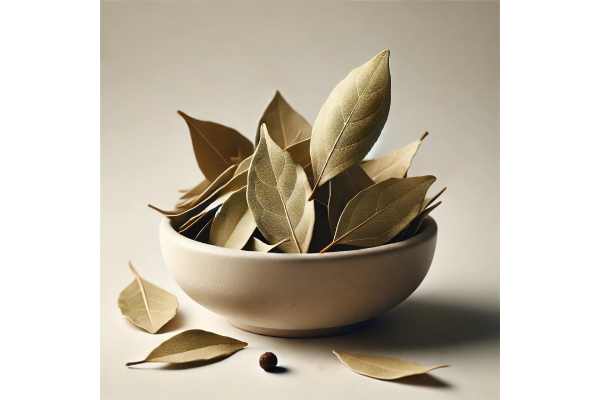
Bay leaf is one of those quiet kitchen staples that seems to “just go in the pot” without much thought. Yet behind each leathery, olive-green leaf sits a surprisingly complex plant with aromatic oils, polyphenols, and a long history in both cooking and traditional medicine. Most culinary bay leaves come from Laurus nobilis, or bay laurel, an evergreen tree native to the Mediterranean but now grown worldwide.
In the kitchen, bay leaves lend depth to soups, stews, beans, sauces, and marinades. You usually add them whole, simmer them gently, then take them out before serving. Beyond flavor, laboratory and early human research suggest bay leaf may modestly support blood sugar control, cholesterol, and inflammation when used appropriately. At the same time, concentrated teas, extracts, or supplements are not risk-free and can interact with medications or existing health conditions.
This guide walks you through what bay leaf actually contains, what the science really shows, where the risks lie, and how to use it safely and effectively at home.
Bay Leaf Fast Facts
- Dried bay leaves add aroma and small amounts of antioxidants and micronutrients while contributing very few calories, sugar, or sodium.
- Small human studies suggest 1–3 g per day of ground bay leaf or mild decoctions may modestly improve blood sugar and cholesterol when used with standard care.
- Whole bay leaves are not meant to be eaten; always remove them before serving to reduce choking or digestive injury risk.
- A typical culinary use is 1–2 dried leaves (about 0.4–0.8 g) for a family-sized pot of soup or stew, several times per week.
- People with liver disease, pregnancy, upcoming surgery, or those taking diabetes or blood-thinning medications should avoid self-prescribing bay leaf teas or supplements without medical advice.
Table of Contents
- Bay leaf fundamentals and background
- Bay leaf nutrition and active compounds
- Science based health benefits of bay leaf
- Bay leaf risks, allergies and interactions
- Choosing bay leaves, quality and storage
- Cooking bay leaves and nutrient retention
- Bay leaf portions, comparisons and FAQs
Bay leaf fundamentals and background
When people say “bay leaf” in a recipe, they usually mean the dried leaf of Laurus nobilis, often called bay laurel, sweet bay, or true bay. It is a small evergreen tree with glossy, lance-shaped leaves that stay green year-round. In ancient Greece and Rome, bay wreaths symbolized victory and status; today, the same plant is far more likely to be simmering quietly in a pot of soup.
Bay leaves have a subtle but unmistakable aroma: herbal, slightly floral, with hints of eucalyptus, clove, and pine. That complexity comes from volatile oils that dissolve gradually into hot liquid or fat. Because the leaves are tough and fibrous, they are typically added whole and removed before eating rather than chewed like softer herbs such as basil or parsley.
Several different plants are sold as “bay leaf,” and it helps to know which one you are using:
- True bay / Mediterranean bay: Laurus nobilis (focus of this article).
- California bay: Umbellularia californica; stronger, more camphor-like flavor.
- Indian bay / tejpat: Cinnamomum tamala; related to cinnamon, with a warmer, sweeter profile.
- Indonesian bay: Syzygium polyanthum; used widely in Southeast Asian cooking and some newer health studies.
Traditional uses of bay leaf have included easing digestion, supporting respiratory health, soothing aches, flavoring preserved foods, and even repelling insects. Modern industry uses bay leaf essential oil in cosmetics, soaps, and personal care products.
However, it is important to distinguish culinary use—one or two leaves simmered in food—from medicinal use, such as strong teas, concentrated extracts, and supplements. Culinary amounts are generally considered safe for most healthy adults. In contrast, medicinal doses can have stronger physiological effects, more meaningful benefits, and a higher risk of side effects or interactions.
Understanding which plant your “bay leaf” comes from, how much you use, and in what form is key to interpreting the nutrition information and health research that follow.
Bay leaf nutrition and active compounds
Dried bay leaf is used in small amounts, so its direct nutritional contribution per serving is modest. Still, it provides several micronutrients and a dense mixture of bioactive plant chemicals.
A crumbled tablespoon of dried Laurus nobilis (roughly 1.5–2 g) provides approximately:
- Around 5–6 kcal
- Roughly 1–1.5 g carbohydrate
- About 0.5 g fiber
- Trace protein and fat
- Small amounts of vitamins A, C, and folate
- Trace minerals including iron, calcium, and manganese
In a typical dish where one or two leaves season an entire pot, these nutrients are diluted across all portions and will not dramatically change your vitamin or mineral intake. From a macronutrient perspective, bay leaf is very low in calories, sugar, and sodium.
What makes bay leaf interesting is not the macronutrients, but the phytochemicals—plant-derived compounds that may influence inflammation, oxidative stress, blood sugar, and microbial growth. These include:
- Volatile oils (essential oils) such as 1,8-cineole (eucalyptol), eugenol, linalool, and various terpenes. They contribute to aroma and may have antimicrobial, anti-inflammatory, and mild analgesic actions.
- Flavonoids like quercetin, kaempferol, luteolin, and their glycosides, which act as antioxidants and may modulate signaling pathways related to inflammation and metabolism.
- Phenolic acids (for example, caffeic and ferulic acid derivatives) with additional antioxidant activity.
- Tannins and other polyphenols, which can bind proteins and influence digestive processes and microbial growth.
- Fatty acids in small amounts, particularly in the fixed oil and fruits of the plant.
Drying bay leaves concentrates some components while reducing others. Essential oils may partially evaporate during drying and long storage, but well-preserved dried leaves still contain meaningful amounts of aroma compounds. Fresh leaves tend to be more floral and bright; dried leaves are more resinous and deep.
Bay leaf teas and decoctions pull water-soluble polyphenols and some volatile oil into the liquid. The exact composition depends on factors like leaf species, quality, particle size (whole vs crushed), water temperature, steeping time, and whether the pot is covered.
In short, from a nutrient perspective bay leaf is a very low-calorie flavoring agent. From a phytochemical perspective, it is a concentrated source of volatile oils and polyphenols that may help explain some of its traditional and researched health effects—if used in doses large enough to matter physiologically.
Science based health benefits of bay leaf
Bay leaf has a long folk reputation for helping digestion, respiratory discomfort, and general wellness. Modern research—though still limited—has started to evaluate these claims in animals, cell models, and human participants.
1. Blood sugar control and metabolic health
Several human trials have explored whether bay leaf can support people with type 2 diabetes or metabolic risk factors:
- In one controlled study of adults with type 2 diabetes, capsules containing 1–3 g per day of ground bay leaf for 30 days were associated with meaningful reductions in fasting blood glucose, total cholesterol, LDL cholesterol, and triglycerides, along with an increase in HDL cholesterol.
- More recent clinical work, including decoction (boiled bay leaf water) and lifestyle interventions, has reported improvements in blood sugar and, in some studies, blood lipids or blood pressure. These trials often use higher doses, such as several grams of leaves per day, over weeks to months.
Animal experiments and cell studies generally support these findings, suggesting bay leaf extracts may:
- Enhance insulin sensitivity
- Slow carbohydrate breakdown and glucose absorption
- Improve lipid handling in the liver
- Protect pancreatic beta cells from some types of damage
However, these studies are small, often short-term, and use standardized preparations or carefully measured decoctions. They do not show that simply adding extra bay leaves to food will treat diabetes. At best, bay leaf may serve as a complementary approach alongside evidence-based diet, exercise, and medications—never a replacement for them.
2. Cardiovascular markers and oxidative stress
The same compounds that influence glucose and lipids also interact with oxidative stress and inflammation, both important in cardiovascular disease. Experimental models show that bay leaf extracts can reduce markers of oxidative damage and improve certain liver and vascular parameters. Some human trials report improved cholesterol fractions and triglycerides in people consuming bay leaf preparations, though again sample sizes are small and protocols vary.
Culinary amounts are unlikely to produce large cardiovascular changes on their own, but using bay leaf as part of a pattern of cooking that emphasizes legumes, vegetables, and minimally processed foods can support overall heart health.
3. Digestive comfort and gut effects
Traditional medicine has long used bay leaf for bloating, gas, and digestive discomfort. Laboratory data suggest that bay leaf extracts can:
- Relax certain smooth muscles in the digestive tract
- Stimulate digestive secretions to aid in fat digestion
- Exhibit antimicrobial activity against some foodborne pathogens
In practice, many people find that dishes cooked with bay leaves feel easier to digest and less heavy, especially bean or lentil dishes. This may be partly due to the herb itself and partly due to the overall cooking method (slow simmering, long soaking, adequate hydration).
4. Antimicrobial and food preservation properties
Bay leaf essential oil shows antimicrobial activity against bacteria and fungi in laboratory settings. Applied to foods, bay leaf extracts and essential oil can slow the growth of some spoilage and pathogenic microbes and may modestly extend shelf life of certain products. This is one reason bay leaf appears in marinades, brines, pickles, and cured meats.
These effects are encouraging for food technology but cannot be directly translated into home remedies for infections. Applying or drinking concentrated essential oils can be irritating or toxic and should not be attempted without professional guidance.
5. Other emerging areas
Early data point to possible neuroprotective, anti-inflammatory, analgesic, and anti-ulcer activities of bay leaf extracts in animal models. Some research also examines potential effects on body weight, anxiety, and pain. At this stage, these findings are hypothesis-generating rather than definitive.
Overall, the evidence suggests that bay leaf has real biological activity, particularly in metabolic and oxidative pathways. But most robust data come from controlled preparations and higher doses than typical culinary use, and human trials are still limited. For everyday life, bay leaf is best viewed as a flavorful, potentially supportive herb within a healthy pattern—rather than a stand-alone treatment.
Bay leaf risks, allergies and interactions
Bay leaf “feels” gentle because it is a familiar kitchen herb, but that does not mean it is risk-free—especially when taken as strong teas, extracts, or supplements. Understanding the main safety issues helps you use it wisely.
1. Mechanical hazards: why you should not eat whole leaves
Dried bay leaves are tough, with sharp edges and a stiff midrib. If swallowed whole or in large pieces, they can:
- Scratch or irritate the mouth, throat, or esophagus
- Pose a choking risk, particularly for children, older adults, or people with swallowing difficulties
- Rarely, cause digestive tract injury or obstruction
For that reason, whole bay leaves should always be removed before serving. Avoid blending them into pureed soups or sauces, and consider using a tea ball or spice bag to make retrieval easier.
2. Liver safety and high-dose use
A published case report described a previously healthy woman who developed severe liver failure and died after consuming strong bay leaf tea daily for about a month. While no single case can prove cause and effect, it raises concern that very high, chronic intake of bay leaf preparations may contribute to herb-induced liver injury in susceptible individuals.
By contrast, controlled safety studies on standardized laurel leaf extracts at defined doses have not shown significant liver toxicity in animals and limited human testing. Together, these data suggest:
- Culinary use (one or two leaves in food) appears safe for most people without liver disease.
- Strong daily teas, homemade extracts, or large-dose supplements taken for weeks or months are a different situation and should only be used under medical supervision.
- People with known liver disease, heavy alcohol use, or other medication-related liver issues should be especially cautious.
3. Allergies and sensitivities
Bay leaf and its essential oil contain eugenol and other compounds that can cause:
- Skin reactions (redness, itching) when applied topically or in cosmetics
- Contact dermatitis in sensitive individuals
- Rarely, more systemic allergic responses such as hives or breathing difficulty
Anyone who has reacted to clove, cinnamon leaf oil, or other eugenol-rich products should approach bay leaf oil or concentrated preparations carefully. Discontinue use and seek prompt medical care if you develop swelling of the lips or tongue, trouble breathing, or widespread rash.
4. Medication interactions and surgical considerations
Because bay leaf preparations can influence blood sugar, blood pressure, and possibly platelet function, they may interact with:
- Diabetes medications (insulin, metformin, sulfonylureas, GLP-1 agonists): combined effects may increase the risk of low blood sugar, especially with high-dose teas or supplements.
- Antihypertensives: decoctions that modestly lower blood pressure could add to medication effects.
- Anticoagulants and antiplatelet agents: eugenol and some other plant constituents may affect platelet function or clotting pathways, although human data are limited.
As a practical rule, if you take prescription medication for blood sugar, blood pressure, clotting, or heart rhythm, you should not start regular therapeutic-dose bay leaf teas or supplements without discussing it with your clinician.
Because of potential effects on bleeding and metabolism, many clinicians recommend stopping concentrated herbal products, including bay leaf extracts, at least 1–2 weeks before planned surgery unless your surgical team advises otherwise.
5. Pregnancy, breastfeeding, children, and pets
- Pregnancy and breastfeeding: while small culinary amounts of bay leaf in food are generally considered acceptable, animal data raise questions about high-dose use in pregnancy. Strong teas, extracts, or supplements should be avoided unless your obstetric provider explicitly approves them.
- Children: culinary use in family meals is typically fine, but whole leaves pose a choking risk and must be removed carefully. Do not give bay leaf tea or other medicinal doses to children without pediatric guidance.
- Pets: bay leaves and their essential oils can cause digestive upset and other symptoms in dogs and cats, and the leaves themselves can cause obstruction or injury. Keep dried herbs and bay-laurel plants out of pets’ reach and do not share seasoned leftovers containing whole leaves.
Used in sensible culinary amounts, bay leaf has a strong safety record. Problems arise when people assume that if a little is good, a lot is better—and start drinking highly concentrated teas, using undiluted essential oil, or combining multiple herbal products without oversight.
Choosing bay leaves, quality and storage
Good bay leaf starts with the right plant, harvested at the right time, and stored well. Making a few informed choices can improve both flavor and safety.
1. Identifying true bay
For most home cooks, it is simplest to seek products clearly labeled as bay laurel or Laurus nobilis. This helps avoid confusion with:
- Ornamental shrubs like cherry laurel and mountain laurel, which are toxic if eaten
- Other culinary “bay” species with much stronger or different flavors
On commercial packaging, look for:
- Botanical name (ideally Laurus nobilis)
- Country or region of origin (Mediterranean and parts of the Middle East are common)
- Whole, intact leaves rather than shattered fragments and dust
2. Fresh vs dried
- Dried bay leaves: more stable, widely available, and consistent. Flavor is deeper and more resinous. Ideal for long-simmered dishes.
- Fresh bay leaves: brighter, more floral, sometimes slightly milder. If you have a bay laurel plant, you can harvest leaves, rinse, and use them fresh or hang them to dry in small bundles.
Because fresh leaves contain more moisture and volatile compounds, you may need fewer of them than dried. Many cooks treat one fresh leaf as roughly equivalent to one dried leaf in a typical pot of soup or stew, then adjust based on taste.
3. Signs of quality
When you open a jar or bag of bay leaves, check:
- Color: good-quality dried leaves are green to olive-green, not dull brown or gray.
- Aroma: crush a leaf gently. You should notice a clear, pleasant, herbal smell with hints of pine and spice. If you smell nothing, the leaves are probably too old.
- Appearance: leaves should be mostly whole, with minimal dust and no evidence of mold or insect damage.
If the bay leaf smells faint or musty rather than aromatic, it is time to replace it.
4. Storage for flavor and safety
To keep bay leaves potent and safe:
- Store them in an airtight container (glass jar or well-sealed bag).
- Keep the container in a cool, dry, dark place—away from direct sunlight and away from the stove or oven.
- Avoid humidity; do not store jars right above a steamy kettle or dishwasher vent.
Dried bay leaves are often usable for up to 1–3 years, but flavor declines over time. Ground bay leaf has a much shorter shelf life, often 6–12 months, because more surface area is exposed to oxygen and light.
Freezing bay leaves in an airtight container can extend their aromatic life even further. They can be used directly from frozen, with no need to thaw.
5. Sustainability and home growing
If you live in a suitable climate or have indoor space with good light, you can grow a small bay laurel tree in a pot. Benefits include:
- Fresh leaves on demand
- Control over pesticide use
- Reduced packaging and transport footprint
Whether you buy or grow your bay, using it thoughtfully—only as much as you need, and storing it well—reduces waste and ensures better flavor in every dish.
Cooking bay leaves and nutrient retention
Bay leaf shines in slow, moist cooking, where its aromatic oils can gently infuse food. With a few simple techniques, you can maximize flavor while respecting safety and nutrient considerations.
1. When and how to add bay leaves
Bay leaf’s flavor compounds extract slowly, so it is usually added early in cooking. Practical guidelines:
- For soups, stews, braises, and stocks: add 1–2 dried leaves at the beginning and simmer for at least 20–30 minutes.
- For beans and lentils: add bay leaf to the cooking water after the initial boil; it can help round out flavor and may make legumes feel less heavy.
- For rice, grains, and sauces: add a leaf during simmering and remove before serving.
To make removal easier while still boosting extraction:
- Slightly tear or lightly crush the leaf to expose more surface area, but keep pieces large enough to find.
- Use a spice bag, tea infuser, or reusable muslin pouch for complex mixtures like bouquet garni.
Always count how many leaves you add so you can confirm you have removed the same number at the end.
2. Using ground bay leaf
Ground bay leaf delivers concentrated flavor and eliminates the hazard of whole leaves, but it is potent and requires care:
- Start with 1/8–1/4 teaspoon ground bay for a dish serving 4–6 people.
- Add it early in cooking to allow flavors to mellow.
- Avoid inhaling the powder and keep it away from children and pets.
Because ground bay is harder to identify visually, it is important to store it out of reach and clearly labeled, especially if you have other similar-looking powders.
3. Bay leaf teas and infusions
Bay leaf tea is prepared by steeping or gently simmering leaves in water. A cautious, food-like approach for healthy adults might look like:
- Use 1 medium dried leaf (or the equivalent of true bay) in about 250 mL of freshly boiled water.
- Cover and steep for 5–10 minutes, then remove the leaf.
- Limit yourself to about one cup per day unless a qualified health professional recommends a different protocol.
Stronger decoctions—multiple leaves boiled for longer periods, taken several times daily or for extended periods—should not be self-prescribed. These are the kinds of preparations used in some clinical or traditional settings and may carry greater risks, particularly for the liver and for people on medications.
4. Nutrient and compound retention
Many of bay leaf’s micronutrients exist in small amounts and are not the main reason to use the herb. More relevant are its volatile oils and polyphenols:
- Volatile oils are sensitive to high temperatures and prolonged open boiling; covering the pot helps retain them.
- Polyphenols are relatively stable and will dissolve into cooking liquid and teas, contributing to antioxidant capacity.
In practical terms, cooking bay leaf in a covered pot, avoiding excessive heat, and using the cooking liquid (as in soups or stews) helps you capture more of these compounds.
5. What not to do
To stay on the safe side:
- Do not leave whole bay leaves in dishes that will later be blended; always remove them first.
- Do not swallow bay leaves intentionally, even if they have simmered for a long time; they remain tough and potentially sharp.
- Do not use undiluted bay leaf essential oil internally or on the skin without guidance; it can be irritating or toxic at concentrated doses.
Used with these practices in mind, bay leaf can deepen flavor, support digestion, and modestly increase the antioxidant value of your meals, all with minimal calories.
Bay leaf portions, comparisons and FAQs
How much bay leaf is appropriate? How does it compare to other herbs? And what about all those claims you see online? This section pulls together practical rules of thumb and answers common questions.
Typical culinary portions and frequency
For most healthy adults:
- In food: 1–2 dried bay leaves (about 0.4–0.8 g total) for a dish serving 4–6 people is a common range. You can safely include bay leaf in meals several times per week as part of a varied diet.
- In tea: 1 dried leaf per 250 mL cup of water, steeped for 5–10 minutes and taken once daily, is a cautious upper bound for self-care in otherwise healthy adults.
Therapeutic studies on blood sugar and lipids often use higher doses, such as:
- 1–3 g per day of ground bay leaf powder in capsules, or
- Decoctions prepared with several grams of leaves per day, sometimes combined with other interventions.
Those protocols are closer to herbal medicine than to seasoning and should be supervised by a health professional familiar with your medications and medical history.
Who should limit or avoid medicinal-dose bay leaf?
Culinary use is generally acceptable for most people. However, high-dose teas, extracts, or supplements are best avoided—or used only under professional supervision—if you:
- Have known liver disease or abnormal liver tests
- Are pregnant, planning pregnancy, or breastfeeding
- Take medications for diabetes, high blood pressure, or blood clotting
- Are scheduled for surgery in the near future
- Have a history of significant reactions to aromatic herbs or essential oils
How bay leaf compares to other herbs
Bay leaf belongs to the same broad family of culinary aromatics as rosemary, thyme, oregano, and sage, but it behaves differently:
- Flavor is more subtle; it forms a background note rather than a dominant taste.
- Many of its health-related effects overlap with other herbs—antioxidant, antimicrobial, mild anti-inflammatory actions—but specific compound profiles differ.
- No single herb is “best.” A varied rotation of herbs and spices likely offers the broadest spectrum of beneficial plant compounds.
Common questions
Q: Can you eat bay leaves?
Technically, yes—bay leaves are not inherently poisonous in small amounts—but they are not meant to be eaten. Their stiff texture and sharp edges make them uncomfortable and potentially hazardous to chew and swallow. Always remove whole leaves from dishes before serving.
Q: Is bay leaf tea good for weight loss?
There is no strong human evidence that bay leaf alone produces meaningful weight loss. Some research suggests metabolic and blood sugar benefits, but those effects are modest and occur alongside broader lifestyle changes. Bay leaf tea can be part of a healthy routine if tolerated, but it is not a stand-alone weight-loss strategy.
Q: Is fresh or dried bay leaf healthier?
Both are used in tiny amounts, so nutrient differences are nutritionally minor. Fresh leaves may have more volatile compounds; dried leaves are more convenient and stable. Choose whichever best fits your cooking style and taste preference, and focus more on your overall dietary pattern than on this single herb.
Q: Are bay leaves safe for people with diabetes?
Culinary use is generally safe and may support overall dietary quality. Some studies suggest that standardized bay leaf preparations can modestly improve blood sugar and cholesterol markers. However, they can also amplify the effects of diabetes medications. Anyone with diabetes who wants to use bay leaf in medicinal doses should do so only with the guidance of a healthcare professional, with careful monitoring for hypoglycemia and other issues.
Q: Are bay leaves gluten free and suitable for low-FODMAP diets?
Bay leaf itself is naturally gluten free and very low in fermentable carbohydrates. It is usually compatible with low-FODMAP plans, but the dishes it flavors (like bean soups or onion-heavy stews) may not be. People with celiac disease or irritable bowel syndrome should assess the entire recipe, not just the herb.
Q: Is bay leaf safe for people prone to kidney stones?
Standard culinary use is unlikely to have a major impact on kidney stone risk. However, because concentrated herbal products can change urinary chemistry in complex ways, people with recurrent stones should be cautious about high-dose teas or supplements and review any planned herbal regimen with their nephrologist or urologist.
Bringing it all together: bay leaf is a low-calorie, aromatic herb that can gently support metabolic and digestive health as part of a balanced diet. The main priorities are using modest amounts, removing whole leaves before serving, and avoiding unsupervised high-dose medicinal use—especially if you have underlying medical conditions or take daily medications.
References
- Bay Leaves Improve Glucose and Lipid Profile of People with Type 2 Diabetes 2009 (RCT)
- Bay Leaf: Potential Health Benefits 2021 (Review)
- Laurus nobilis Leaves and Fruits: A Review of Metabolite Composition and Interest in Human Health 2023 (Review)
- Biomedical effects of Laurus nobilis L. leaf extract on vital organs in streptozotocin-induced diabetic rats: Experimental research 2020 (Experimental Research)
- Hepatotoxicity caused by bay leaf (Laurus nobilis): A case report 2021 (Case Report)
Disclaimer
The information in this article is for general educational purposes only and is not intended to provide medical advice, diagnose health problems, or recommend specific treatments. Bay leaf preparations can interact with medications and underlying health conditions, and responses vary from person to person. Always consult a qualified healthcare professional before making significant changes to your diet, using herbal products in medicinal doses, or altering any prescribed treatment regimen. Never delay seeking or disregard professional medical advice because of information you have read online.
If you found this guide helpful, you are warmly invited to share it with friends, family members, or colleagues on Facebook, X (formerly Twitter), or any platform you prefer. Thoughtful sharing helps others access reliable information and supports the continued creation of clear, carefully researched health content.