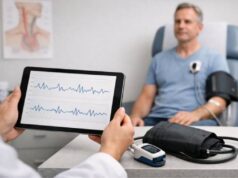
Bayés syndrome describes a specific electrical problem in the atria (the heart’s upper chambers) that signals higher risk for atrial fibrillation and stroke. It is built around a recognizable pattern on a standard electrocardiogram (ECG): advanced interatrial block, where the electrical impulse struggles to travel from the right atrium to the left atrium. When that delay is paired with atrial arrhythmias—most often atrial fibrillation—the combination is called Bayés syndrome. Many people feel nothing at first, which is why it can be missed unless an ECG is reviewed carefully. Yet the implications can be serious: atrial dysfunction can promote blood stasis, inflammation, and structural remodeling that make rhythm problems and clot-related events more likely. This article explains what Bayés syndrome is, how it develops, how to recognize risk, how clinicians diagnose it, and what a sensible prevention and management plan looks like.
Table of Contents
- What Bayés syndrome is and what it means for the heart
- Why it happens: causes and risk factors
- Symptoms and complications to watch for
- How it is diagnosed: ECG criteria and testing
- Treatment options: from risk reduction to rhythm care
- Long-term management, prevention, and when to seek care
What Bayés syndrome is and what it means for the heart
Bayés syndrome is a clinical concept that links a specific ECG pattern—advanced interatrial block—with atrial arrhythmias, especially atrial fibrillation (AF). To understand it, it helps to picture how atrial activation normally works. The sinus node in the right atrium starts each heartbeat. The signal then spreads to the left atrium through preferred conduction pathways, especially Bachmann’s bundle. When conduction through this pathway is delayed or blocked, the atria do not contract in a coordinated way. The left atrium may activate late and sometimes in a backward (retrograde) direction.
Advanced interatrial block is usually defined by two ECG findings:
- A prolonged P wave duration (commonly ≥120 milliseconds)
- A characteristic biphasic P wave in the inferior leads (II, III, and aVF), reflecting delayed and altered left atrial activation
Bayés syndrome is diagnosed when that advanced block is present and the person has atrial arrhythmias (documented AF, atrial flutter, or other supraventricular atrial tachyarrhythmias). The reason this matters is that advanced interatrial block is not merely an “electrical curiosity.” It is a marker of atrial disease—often atrial fibrosis and remodeling—which can behave like a substrate for arrhythmias.
Clinically, Bayés syndrome is important because it aligns with questions people actually have:
- “Why did I develop atrial fibrillation?”
- “Am I at higher stroke risk even if I am in normal rhythm today?”
- “Should I be screened more aggressively for silent AF?”
The syndrome points to a broader idea: atrial cardiomyopathy (structural and functional atrial disease) can increase thromboembolic risk even before AF is captured on a monitor. That does not automatically mean everyone with advanced interatrial block needs anticoagulation, but it does justify careful risk assessment, thoughtful rhythm monitoring, and aggressive management of cardiovascular risk factors.
Why it happens: causes and risk factors
Bayés syndrome develops when the atria become electrically and structurally vulnerable. In most people, the conduction delay is not caused by a single event. It builds over time as atrial tissue undergoes fibrosis (scar-like changes), stretching, inflammation, or ischemic injury. The result is slower conduction through Bachmann’s bundle and neighboring pathways, which shows up as prolonged P-wave duration and the advanced interatrial block morphology.
Common underlying drivers include:
- Aging and atrial fibrosis: With age, the atrial myocardium is more prone to fibrotic change, which slows conduction and promotes re-entry circuits that trigger AF.
- High blood pressure: Chronic hypertension increases left ventricular stiffness and left atrial pressure. Over time, this stretches the left atrium and accelerates remodeling.
- Heart failure and diastolic dysfunction: When filling pressures are high, the left atrium becomes a pressure “buffer” and often enlarges and stiffens.
- Valvular disease: Mitral valve disease (regurgitation or stenosis) is especially linked to left atrial enlargement and atrial arrhythmias.
- Coronary and vascular disease: Ischemia and systemic inflammation can contribute to atrial remodeling and conduction abnormalities.
- Obesity and sleep apnea: These are strongly linked to atrial enlargement, intermittent hypoxia, sympathetic surges, and AF risk.
- Diabetes and chronic kidney disease: Both increase inflammation and microvascular injury and are tied to higher arrhythmia risk.
- Heavy alcohol intake and stimulants: Alcohol can act as an atrial irritant and worsen sleep and blood pressure; stimulants can provoke arrhythmias in susceptible atria.
There are also “mechanical” contributors that can tip a vulnerable atrium into clinically significant rhythm problems:
- Rapid volume shifts (dehydration followed by aggressive rehydration)
- Uncontrolled thyroid disease
- Acute infections with fever and inflammation
- Major surgery, especially cardiothoracic surgery
Risk in Bayés syndrome is not purely binary. A person with advanced interatrial block and significant left atrial enlargement, uncontrolled blood pressure, and untreated sleep apnea carries a different risk profile than someone with isolated ECG findings and otherwise healthy cardiac structure. That is why clinicians often treat the ECG pattern as a signal to look deeper: measure left atrial size and function, evaluate for triggers, and decide how intensively to screen for silent AF.
Symptoms and complications to watch for
Many people with advanced interatrial block—and even those who meet criteria for Bayés syndrome—do not have clear daily symptoms. That is one reason it is often discovered incidentally on an ECG performed for a routine exam, hypertension follow-up, or preoperative evaluation. Still, symptoms can occur, especially when atrial arrhythmias begin or when the atrium is failing mechanically.
Possible symptoms include:
- Palpitations: A fluttering, pounding, or irregular heartbeat, which may come in bursts and then disappear.
- Shortness of breath with exertion: This may reflect AF episodes, reduced atrial contribution to filling, or underlying diastolic dysfunction.
- Exercise intolerance and unusual fatigue: People often describe “running out of energy” earlier than expected.
- Lightheadedness: Especially during rapid AF, dehydration, or medication changes.
- Chest discomfort: Sometimes due to fast heart rates, anxiety, or coexisting coronary disease.
Because Bayés syndrome is tied to AF and atrial dysfunction, the most important complications relate to clots and brain health:
- Ischemic stroke and transient ischemic attack: AF increases clot risk, but atrial dysfunction and remodeling may contribute even when AF is not documented. Clinically, this often shows up as a person who has a stroke labeled “cryptogenic” and later is found to have atrial abnormalities.
- Cognitive decline and silent infarcts: Small, unrecognized embolic events and chronic low-grade hypoperfusion can affect cognition over time in susceptible individuals.
- Heart failure worsening: Loss of coordinated atrial contraction can raise filling pressures, worsen congestion, and reduce exercise capacity, especially in older adults with stiff ventricles.
- Recurrent arrhythmias: Once atrial remodeling is established, AF and atrial flutter can recur even after cardioversion or ablation.
Red flags that should prompt urgent evaluation include:
- New neurologic symptoms such as facial droop, arm weakness, speech difficulty, sudden vision loss, severe imbalance, or confusion
- A resting heart rate persistently above 120 beats per minute with symptoms
- Fainting, chest pain, or severe shortness of breath
- Palpitations with marked dizziness or low blood pressure readings
A practical takeaway is that Bayés syndrome is often more dangerous for what it predicts than for what it feels like. A quiet symptom profile does not imply low risk, which is why structured monitoring and risk-factor control matter.
How it is diagnosed: ECG criteria and testing
Diagnosis starts with a careful ECG reading. Bayés syndrome is not diagnosed from symptoms alone. It requires evidence of advanced interatrial block and documentation of atrial arrhythmias. Clinicians often separate three related findings:
- Prolonged P-wave duration (a marker of slowed atrial conduction)
- Partial interatrial block (prolonged P wave without the classic biphasic inferior-lead pattern)
- Advanced interatrial block (prolonged P wave plus a biphasic P wave in II, III, and aVF)
The ECG details matter because they change what clinicians do next. Advanced interatrial block suggests a higher likelihood of atrial remodeling and arrhythmia susceptibility, which often leads to more active rhythm surveillance.
Common diagnostic steps include:
- Confirm ECG features
- Measure P-wave duration carefully (digital calipers help)
- Review inferior leads for the biphasic morphology
- Look for supporting markers of atrial disease (left atrial enlargement patterns, frequent atrial premature beats)
- Document atrial arrhythmias
- In-office ECG can capture persistent AF or flutter
- Ambulatory monitoring is often needed for intermittent episodes
Options range from 24–48 hour Holter monitors to 7–14 day patches, event monitors, and, in selected high-risk patients, implantable loop recorders
- Evaluate atrial structure and function
- Transthoracic echocardiography is standard
Clinicians assess left atrial size (often reported as left atrial volume index), ventricular function, valve disease, and filling pressures - More specialized testing may include atrial strain imaging, transesophageal echocardiography in selected settings, or cardiac MRI when detailed tissue characterization is needed
- Identify reversible triggers and comorbid risks
- Blood pressure review and home readings
- Thyroid testing if clinically indicated
- Sleep apnea screening (questionnaires and sleep studies when appropriate)
- Review alcohol use, stimulant exposures, and medication interactions
A common real-world scenario is a person with a normal rhythm ECG that shows advanced interatrial block but no AF captured yet. In that case, the diagnosis is advanced interatrial block, not Bayés syndrome—until atrial arrhythmia is documented. However, clinicians may still treat it as a risk marker that justifies intensified monitoring, especially after a stroke, unexplained transient neurologic events, or recurrent palpitations.
Treatment options: from risk reduction to rhythm care
There is no single medication that “treats” Bayés syndrome the way antibiotics treat an infection. Management is a strategy: reduce atrial stress, detect arrhythmias early, and prevent stroke when the risk is high enough to justify it.
Treatment usually includes several layers.
Risk-factor treatment that changes the atrial environment:
- Blood pressure control: Consistent control reduces atrial stretch and slows remodeling.
- Weight reduction when overweight: Even modest sustained weight loss can reduce AF burden in many patients.
- Sleep apnea treatment: Continuous positive airway pressure, when indicated, can reduce nighttime surges that destabilize atrial rhythm.
- Diabetes and lipid management: Lower inflammation and vascular risk support long-term outcomes.
- Alcohol moderation: Reducing heavy or frequent intake can meaningfully lower AF recurrence in susceptible people.
- Fitness with guardrails: Regular moderate aerobic activity improves cardiometabolic health; extreme exertion in endurance athletes may require individualized counseling.
Arrhythmia-focused care:
- Rate control for AF episodes: Medications may be used to prevent excessively fast heart rates that cause symptoms or heart failure worsening.
- Rhythm control when appropriate: Cardioversion, antiarrhythmic drugs, or catheter ablation may be considered, especially when AF causes symptoms, reduces quality of life, or worsens heart failure.
- Monitoring plans: People with advanced interatrial block and intermittent symptoms often benefit from longer monitoring than a standard 24-hour Holter. Wearables can help detect irregular rhythms, but they do not replace medical-grade confirmation.
Stroke prevention decisions:
- If AF or atrial flutter is documented, clinicians often use established stroke-risk tools and guidelines to decide on anticoagulation.
- If AF is not documented, anticoagulation is not automatically recommended solely for advanced interatrial block. However, clinicians may consider the broader picture—prior stroke, left atrial size and function, frequent atrial ectopy, and other markers of atrial cardiomyopathy—when deciding how aggressively to monitor and how to individualize prevention.
A practical approach many clinicians use is “monitor first, then match therapy.” That means committing to a monitoring plan capable of detecting silent AF (if present), while simultaneously addressing modifiable risk factors that make AF and thromboembolism more likely. For patients with previous cryptogenic stroke, the threshold for prolonged monitoring is often lower because finding even brief AF can change the prevention strategy.
Long-term management, prevention, and when to seek care
Long-term management of Bayés syndrome is about building a plan that is specific, measurable, and easy to follow. The ECG pattern can be stable for years, but the risk it signals may grow if blood pressure, weight, sleep quality, and cardiac structure worsen. A good plan therefore combines medical follow-up with habits that reduce atrial strain.
A practical long-term checklist often includes:
- Follow-up rhythm surveillance
- If you have confirmed AF: track symptoms, review rate and rhythm strategy, and reassess stroke prevention periodically
- If you have advanced interatrial block without AF: agree on a monitoring schedule that matches your risk profile (for example, repeat monitoring if symptoms change, after neurologic events, or at defined intervals in high-risk patients)
- Home signals worth tracking
- Blood pressure at home, using a validated cuff
- Resting heart rate trends
- Episodes of irregular pulse, especially when accompanied by fatigue, dizziness, or shortness of breath
- Sleep quality and snoring cues that suggest untreated sleep apnea
- Lifestyle targets that are realistic
- Regular aerobic activity most days of the week, adjusted for balance, joints, and baseline fitness
- A nutrition pattern that supports blood pressure and metabolic health (low in ultra-processed foods and excess sodium)
- Alcohol limits that you can maintain consistently
- Smoking cessation and avoidance of nicotine relapse
- Medication safety habits
- Keep a current medication list and doses
- Know which over-the-counter cold and stimulant products can provoke palpitations
- If anticoagulated, understand bleeding warning signs and what to do if you miss a dose
When to seek urgent care:
- Any stroke-like symptoms (face droop, arm weakness, speech difficulty, sudden vision change, severe imbalance, confusion), even if they last only minutes
- Fainting, chest pain, severe shortness of breath, or a rapid heartbeat with significant dizziness
- Signs of serious bleeding if you are on anticoagulation (vomiting blood, black stools, coughing blood, sudden severe headache, or collapse)
When to seek timely (non-emergency) evaluation:
- New palpitations or increasing frequency of episodes
- New exercise intolerance or swelling in the legs
- Blood pressure readings that remain high despite medication adherence
- Snoring with daytime sleepiness, morning headaches, or witnessed apneas
Bayés syndrome is best managed as a partnership: clear goals, planned monitoring, and steady risk-factor control. Small improvements sustained over time—especially in blood pressure, sleep, and weight—often matter more than dramatic short-lived changes.
References
- Interatrial Block, Bayés Syndrome, Left Atrial Enlargement, and Atrial Failure 2023 (Review)
- Cardiovascular Complications of Interatrial Conduction Block: JACC State-of-the-Art Review 2022 (Review)
- P-wave duration and interatrial block as predictors of new-onset atrial fibrillation: A systematic review and meta-analysis 2023 (Systematic Review and Meta-Analysis)
- Advanced interatrial block and P-wave duration are associated with atrial fibrillation and stroke in older adults with heart disease: the BAYES registry 2020 (Observational Registry)
- Advanced Interatrial Block Predicts Recurrence of Atrial Fibrillation and Ischemic Stroke in Elderly Patients With Hypertension 2022 (Observational Study)
Disclaimer
This article is for educational purposes only and does not replace medical advice, diagnosis, or treatment. Bayés syndrome is associated with atrial arrhythmias and stroke risk, and care decisions depend on your ECG findings, heart structure, medical history, and bleeding risk. If you think you may be having a stroke or a dangerous heart rhythm problem, seek emergency care immediately.
If you found this article useful, please share it on Facebook, X (formerly Twitter), or any platform you prefer, and follow us on social media. Your support through sharing helps our team continue producing high-quality, evidence-informed health content.