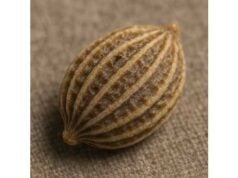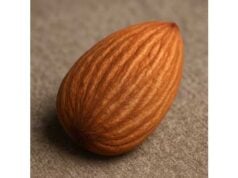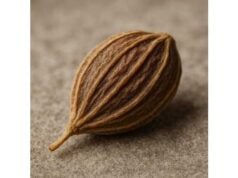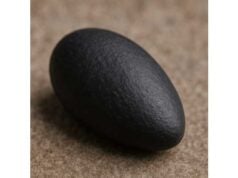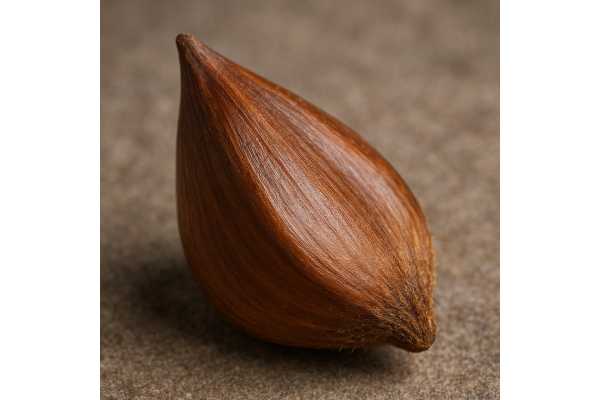
Small, triangular, and tucked in spiky husks, beechnuts are the lipid-rich seeds of beech trees (Fagus spp.). In good mast years they carpet forest floors, feeding wildlife and, historically, people. Once peeled and roasted, beechnuts taste mildly sweet and nutty—somewhere between sunflower and hazelnut—making them a fitting addition to trail mixes, granolas, and rustic spreads. Their dense kernels deliver mostly unsaturated fat, a modest amount of protein, and useful minerals, with a fatty-acid profile led by linoleic and oleic acids. Yet beechnuts aren’t casual snacks: raw kernels contain bitter tannins and small amounts of naturally occurring compounds in the skins that can upset the stomach if you eat them in quantity. The good news is that simple heat steps—light roasting or parching—reduce those compounds and bring out a pleasant flavor. In this guide, you’ll learn how to identify quality beechnuts, handle them safely, understand realistic nutrition (per 100 g and per serving), and prepare them in ways that respect both tradition and modern nutrition science.
At a Glance
- Typical serving: 20–30 g roasted kernels (about a small handful), up to several times per week within a varied diet.
- Potential benefits: mostly unsaturated fats (linoleic and oleic acids) plus vitamin E compounds support heart-smart patterns; energy-dense for outdoor activity.
- Safety note: avoid large amounts of raw kernels; roast or scald and discard skins to reduce bitter and potentially irritating components.
- Limit or avoid: individuals with tree-nut allergies or those advised to restrict high-oxalate foods; young children should not eat unpeeled or raw kernels.
Table of Contents
- Beechnuts: detailed overview
- Beechnuts nutrition profile
- Evidence-based health benefits
- Risks, allergies and interactions
- Selecting quality, sustainability and storage
- Preparation, cooking and nutrient retention
- Portions, comparisons and FAQs
Beechnuts: detailed overview
Beechnuts are the edible seeds of beech trees, most commonly European beech (Fagus sylvatica) and American beech (Fagus grandifolia). Each brown, three-sided kernel sits inside a prickly husk (“mast”) that splits open in autumn. In traditional foodways, beechnuts were roasted, pressed for a fragrant table oil, or ground into meal for breads and porridges. While they never became a commercial staple like almonds or walnuts—largely because the seeds are small and labor-intensive to peel—they remain a seasonal, high-energy forest food.
What sets beechnuts apart is their oil. When pressed, beech seed oil shows a profile dominated by linoleic acid (omega-6) and oleic acid (omega-9), with smaller amounts of long-chain monounsaturates (like gondoic acid) and a naturally high vitamin-E fraction led by γ-tocopherol. As with most nuts, the calorie density is high, so small portions go a long way in snacks and baking.
Culinary personality: lightly roasted kernels have a gentle sweetness and a soft, buttery bite. They pair well with cocoa, coffee, maple, rosemary, thyme, wild mushrooms, and stone fruits. Because the skins can taste astringent, most recipes toast the kernels and rub off as much skin as practical before using. Classic home uses include pan-roasted beechnuts with salt, beechnut-cocoa spreads, beechnut brittle, and “forest granola” with oats and dried fruit.
Regional context matters. In heavy mast years, wildlife relies on beech trees; harvest modestly and leave ample nuts for birds and mammals. If you forage, gather only from clean areas, confirm your tree ID, and dry the husks thoroughly before cracking to reduce mold risk.
Beechnuts nutrition profile
Important notes for interpretation: Values below refer to raw beechnuts per 100 g of kernels for comparability across foods. Actual servings are much smaller (20–30 g). Composition varies by species, region, and season; ranges are shown where appropriate. % Daily Value (%DV) uses adult reference DVs (2,000 kcal).
Macros and electrolytes (per 100 g kernels)
| Nutrient | Amount | % Daily Value |
|---|---|---|
| Energy | ~570–590 kcal | — |
| Protein | ~6.0–6.5 g | 12% |
| Total fat | ~48–50 g | 62–64% |
| Saturated fat | ~5–6 g | 25–30% |
| Carbohydrate | ~33–35 g | 12% |
| Dietary fiber | ~3–4 g | 11–14% |
| Total sugars | ~2–4 g | — |
| Sodium | ~3–40 mg | 0–2% |
| Potassium | ~700–1,000 mg | 15–21% |
| Water | ~6–7 g | — |
Fats and fatty acids (typical pattern in beech seed oil)
| Component | Amount (per 100 g kernels, estimated from oil composition) | Comment |
|---|---|---|
| Monounsaturated fat (MUFA) | ~17–19 g | Predominantly oleic acid (18:1 n-9) |
| Polyunsaturated fat (PUFA) | ~18–20 g | Predominantly linoleic acid (18:2 n-6) |
| Notable minor MUFA | — | Gondoic acid (20:1 n-9) present in small amounts |
| Vitamin E (tocopherols, in oil) | varies; γ-tocopherol prominent | Antioxidant fraction of the oil |
Carbohydrates
| Component | Amount | Note |
|---|---|---|
| Starch | majority of carbohydrate | Supports crispness after roasting |
| Sugars | ~2–4 g | Low natural sugars |
| Fiber | ~3–4 g | Mostly insoluble; some astringency from skins |
Protein and amino acids
| Item | Amount | Note |
|---|---|---|
| Protein | ~6 g | Complements grains; not a major lysine source |
Vitamins (kernels are modest sources)
| Vitamin | Amount (per 100 g) | %DV |
|---|---|---|
| Vitamin E (as mixed tocopherols in oil) | variable | contributes to antioxidant intake |
| Vitamin C | trace to ~16 mg (species dependent) | 0–18% |
Minerals
| Mineral | Amount (per 100 g) | %DV |
|---|---|---|
| Potassium | ~700–1,000 mg | 15–21% |
| Iron | ~2–7 mg | 11–39% |
| Zinc | ~2–10 mg | 18–91% |
| Copper | up to ~3 mg (varies) | 333% (if present at upper end) |
Bioactives and phytonutrients
| Compound/class | Source | Functional note |
|---|---|---|
| Tocopherols (vitamin E forms) | kernel oil | γ-tocopherol typically dominant in beech oil |
| Phenolic compounds | skins, testa | Provide astringency; contribute antioxidant capacity |
| Phytosterols (β-sitosterol) | kernel oil | Minor contribution to cholesterol-lowering patterns |
Allergens and intolerance markers
| Item | Note |
|---|---|
| Tree-nut proteins | Cross-reactivity is possible in people with tree-nut allergy; avoid unless cleared by an allergist. |
Anti-nutrients and residues
| Item | Note |
|---|---|
| Tannins and saponin-like compounds in skins | Cause bitterness and potential GI upset when raw; reduced by roasting or leaching. |
| Oxalates (variable) | Consider moderation if you follow a low-oxalate diet. |
| Molds/insect frass in poor storage | Discard nuts with musty odors, visible mold, or pinholes. |
Label caution: Packaged “beech-nut oil” is rare; quality and fatty-acid profile can vary with processing. If you press or buy small-batch oils, store cold and use within a few months for best flavor.
Evidence-based health benefits
Heart-smart fats in context
Beechnuts supply mostly unsaturated fats—chiefly linoleic (omega-6) and oleic (omega-9) acids—with a modest saturated fraction. In dietary patterns that emphasize nuts, seeds, whole grains, legumes, fruits, and vegetables, replacing part of the saturated fat with these unsaturated fats is associated with healthier lipid profiles. While beechnuts are not as widely studied as almonds or walnuts, their oil’s composition aligns with this broader evidence base.
Vitamin-E–rich oil fraction
Beech seed oil contains a robust tocopherol profile dominated by γ-tocopherol. Vitamin E compounds act as fat-soluble antioxidants in foods and contribute to overall antioxidant intake in the diet. In practical terms, freshly roasted beechnuts or a drizzle of fresh-pressed oil can provide flavor, texture, and a modest antioxidant boost to salads, porridges, and roasted vegetables.
Energy-dense fuel for active days
At roughly 570–590 kcal per 100 g, beechnuts are highly energy-dense. Small amounts (20–30 g) pack portable calories for hikers and outdoor workers. Combine roasted kernels with dried fruit and dark chocolate for a compact, satisfying trail mix. The fat content also promotes satiety, helping a handful feel more satisfying than the calories alone might suggest.
Niche culinary roles that can improve dietary quality
Because the kernels roast quickly and grind into a flavorful paste, beechnuts can replace part of the saturated fat in spreads or cookies when used with oats or whole-grain flours. Homemade “beechnut-cocoa” spread (roasted kernels, cocoa, a little honey, and pinch of salt) can stand in for ultra-processed sweet spreads, cutting additives while staying indulgent.
Balanced perspective
There are no magic-food claims here. Evidence specific to beechnuts in long-term human trials is limited, and serving sizes are small by necessity. Treat beechnuts as one of many nuts and seeds rotated across the week to diversify fats and flavors, not as a supplement or cure-all.
Risks, allergies and interactions
Raw kernels can upset the stomach
Skins and raw kernels contain tannins and other naturally occurring compounds that can be irritating in quantity. Traditional practice—roasting, parching, or scalding and discarding the water, then removing as much skin as practical—reduces bitterness and potential GI discomfort. Use heat-treated kernels in recipes, and avoid eating large amounts of raw beechnuts.
Tree-nut allergy considerations
Although beechnuts are not among the most common commercial nuts, they are still “tree nuts.” If you have a diagnosed tree-nut allergy or oral-allergy syndrome to related species, do not eat beechnuts unless your allergist has specifically cleared them after appropriate testing.
Medication timing and sensitive conditions
There are no widely reported drug–beechnut interactions. However, because roasted kernels are rich and high in fat, large portions may aggravate reflux in sensitive individuals. People advised to follow low-oxalate or fat-restricted diets should consult their clinician before adding beechnuts.
Foraging and food safety
- Correct identification matters: harvest from known beech trees; if unsure, skip.
- Avoid contamination: never forage near busy roadsides or treated lawns.
- Inspect and sort: discard musty, moldy, or insect-damaged nuts.
- Dry and store properly (details below) to minimize rancidity and mold growth.
Children and choking risk
Whole nuts pose a choking hazard for young children. Offer beechnuts only to older children who can safely chew hard foods, and always use roasted, peeled kernels in small amounts.
Selecting quality, sustainability and storage
How to select and assess beechnuts
- Husks: choose fully browned, open husks from the ground late in the season; avoid green or damp husks.
- Kernels: look for plump, well-filled triangles; reject shriveled or cracked kernels.
- “Blanks” are common: many husks contain empty shells; sort before investing time in peeling.
- Smell test: fresh kernels smell faintly sweet and nutty; any paint-like or rancid odor means the fat has oxidized—discard.
Sustainable harvest guidelines
Beech mast is vital for wildlife. Harvest lightly (e.g., a small bowl) and spread your gathering over a wide area to leave ample food for birds and mammals. Be mindful of masting cycles—heavy years alternate with light ones—and consider skipping harvest in poor years altogether.
Storage for peak quality
- Drying: spread clean husks in a single layer in a dry, ventilated spot for several days so shells open and moisture drops.
- Shelling: crack and peel when fully dry; removing the thin brown skin improves flavor.
- Short-term: store roasted, peeled kernels in an airtight jar in the fridge for up to 2–3 weeks.
- Long-term: freeze roasted kernels or kernel meal in sealed containers for up to 6 months to slow rancidity.
- Oil care: if you press or purchase beech seed oil, keep it refrigerated in a dark bottle and use within 2–3 months of opening.
Buying tips
Commercial beechnuts are uncommon. When available at specialty markets or from small producers, ask about species and harvest year. For pressed oil, look for cold-pressed, unrefined products with a harvest date, and buy in small bottles you can finish quickly.
Preparation, cooking and nutrient retention
Essential: apply heat and remove skins
A short roast or scalding step mellows astringency and helps loosen the thin brown skins. Removing most of the skin improves flavor and digestibility.
Basic roast for snacking
- Preheat oven to 160–170°C (320–340°F).
- Spread shelled kernels in a single layer; bake 10–15 minutes, shaking once.
- While warm, wrap in a clean towel and rub to shed skins.
- Sprinkle with a pinch of salt; cool completely before storing.
Scald-and-peel (for spreads or baking)
- Boil water; remove from heat.
- Add shelled kernels and steep 2–3 minutes.
- Drain and rub off skins; pat dry.
- Toast lightly in a dry pan until fragrant; cool before grinding.
Quick uses that work
- Trail mix: roasted beechnuts + dried cherries + dark chocolate shards.
- Forest granola: oats, pumpkin seeds, beechnuts, maple, and rosemary.
- Beechnut-cocoa spread: blend warm roasted kernels with cocoa, a touch of honey, pinch of salt, and enough hot water to reach a spreadable paste.
- Brown-butter noodles: toss hot whole-grain noodles with browned butter, chopped parsley, lemon zest, and crushed beechnuts.
- Autumn salad topper: roast kernels with smoked paprika; scatter over roasted squash and bitter greens.
Baking and binding
Ground roasted beechnuts behave like other nut meals. Replace 10–20% of flour in quick breads or cookies for richness and tender crumb. Pair with oats or whole-wheat flour to keep structure. Because the fat content is high, reduce added oil or butter slightly.
Retention and flavor tips
- Roast gently; high heat scorches the delicate fats and dulls flavor.
- Add acid (lemon, vinegar) and herbs to brighten the nut’s soft sweetness.
- For spreads, blend while warm to help the natural oils emulsify smoothly.
- Store roasted kernels cool and airtight to protect the vitamin-E fraction and delay rancidity.
Portions, comparisons and FAQs
Realistic portions
- Everyday: 20–30 g roasted, peeled kernels (about a small handful), providing ~115–175 kcal and ~10–15 g fat.
- Frequency: several times per week is reasonable within an overall pattern that rotates different nuts and seeds.
- Hydration & satiety: pair with fruit or yogurt; the fat content increases fullness in snacks and light meals.
Beechnuts vs other nuts
- Almonds: higher protein and more widely studied; beechnuts offer similar energy but a different flavor and a γ-tocopherol-rich oil.
- Hazelnuts: similar culinary uses; hazelnuts skew more toward oleic acid, while beechnuts show more linoleic acid.
- Walnuts: provide plant omega-3 (ALA); beechnuts do not, but contribute vitamin-E forms and distinct aromas.
- Sunflower seeds: comparable linoleic content; beechnuts are less common and often used in smaller amounts.
Who should limit or avoid
- Anyone with tree-nut allergy or strong cross-reactivity to related nuts.
- People following low-oxalate or fat-restricted diets unless cleared by a clinician.
- Young children (choking risk) and anyone who cannot safely chew whole nuts.
FAQs
Are beechnuts safe to eat?
Yes—after heat treatment. Roast, parch, or briefly scald and then remove as much skin as practical. Avoid large amounts of raw kernels.
Can I use beechnuts to make nut butter?
Yes. Roast, skin, and blend while warm with a neutral oil if needed for flow. Store the spread in the fridge and aim to finish within 2–3 weeks.
Do beechnuts go rancid quickly?
Like all high-fat nuts, they can. Keep roasted kernels cold and airtight; freeze for longer storage.
Is beech seed oil good for cooking?
Use it like a finishing oil—on salads or warm grains. Its delicate flavor and vitamin-E content are best preserved away from high-heat frying.
What do “mast years” mean for harvest?
Beech trees produce heavy crops in some years and light crops in others. Harvest modestly, especially in light years, to leave food for wildlife.
References
- Chemical Profile of Cold-Pressed Beech Nut (Fagus sylvatica L.) Oil 2024 (Chemical characterization)
- Characterization of Some Fagaceae Kernels Nutritional Composition for Potential Use as Novel Food Ingredients 2023 (Nutritional composition)
- UHPLC-HRMS Analysis of Fagus sylvatica (Fagaceae) Leaves 2021 (Context on beech and uses of beechnuts for oil)
- Edible Nuts 1995 (FAO overview of traditional uses and processing)
- Free and Esterified Tocopherols, Tocotrienols and Other Minor Lipophilic Antioxidants in Plant Oils: Biomarkers of Authenticity 2022 (Vitamin E context for seed oils)
Medical Disclaimer
This guide provides general information about beechnuts for culinary use. It is not a substitute for professional medical advice, diagnosis, or treatment. If you have food allergies, kidney stone risk, gastrointestinal disease, or dietary restrictions, consult a qualified healthcare professional before adding beechnuts to your diet. In case of suspected allergic reaction or foodborne illness, seek medical attention promptly.
If you found this article helpful, we’d be grateful if you shared it on Facebook, X (formerly Twitter), or wherever you connect with others. Your support helps us continue creating careful, evidence-guided nutrition resources.