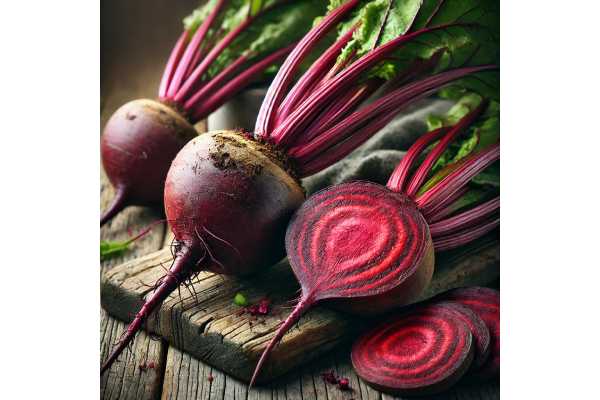
Beets (often called beetroot) are one of the few vegetables that look as bold as they behave in the body. Their deep red or golden flesh comes from pigments called betalains, which act as antioxidants and give dishes an unmistakable color. Beyond appearance, beets provide a mix of carbohydrates, fiber, folate, potassium, and unique bioactive compounds such as dietary nitrate and betaine that link them to heart, blood pressure, and exercise-related benefits.
You can eat beets roasted, boiled, steamed, pickled, juiced, or raw in salads and slaws. Both the root and the leafy greens are edible, which makes this plant surprisingly versatile. At the same time, beets have some particular traits: they can turn urine or stool pink, they are relatively high in natural sugars and oxalates, and they interact with conditions like kidney stones and low blood pressure. This article walks through beet nutrition, evidence-based benefits, risks, and practical tips for buying, cooking, and enjoying beets safely.
Top Highlights
- Beets provide about 43 kcal, 9.6 g carbohydrates, 2.8 g fiber, and 1.6 g protein per 100 g, plus notable folate and potassium.
- Dietary nitrate, betalains, and betaine from beets may support blood pressure control, vascular function, and antioxidant defenses when consumed regularly.
- A practical serving is ½–1 cup cooked beet (about 80–150 g) or up to 250 mL beetroot juice, a few times per week, within a balanced diet.
- People with a history of kidney stones, very low blood pressure, or significant kidney disease should moderate high-oxalate beet products and beet juice and seek medical advice.
Table of Contents
- Beet roots in context
- Beet nutrition numbers in depth
- Evidence based beet health effects
- Risks, sensitivities and interactions
- Choosing quality beets and storage
- Cooking beets to preserve nutrition
- Beet portions, comparisons and FAQs
Beet roots in context
Beet (Beta vulgaris) is a remarkably flexible species. From the same botanical family come table beets (the familiar red or golden root), sugar beet (used industrially for sugar), and chard (grown for its leaves). When people say “beetroot,” they usually mean the swollen root of the table beet, though the greens attached to the bulb are also nutritious and edible.
There are several culinary types. Red beets, rich in the pigment betanin, are the most common and give soups like borscht and beet salads their intense color. Golden beets have a milder, slightly sweeter taste and do not bleed color into dishes as strongly. Chioggia or striped beets show concentric rings of red and white when sliced. Each variety has a similar basic nutrient profile but slightly different mixes of pigments and phenolic compounds.
Traditionally, beets have been eaten roasted, boiled, pickled, or fermented, and used as both food and natural coloring. Cultures in Eastern Europe, the Mediterranean, the Middle East, and parts of Asia developed distinct beet-based dishes, from hearty soups to salads with herbs, nuts, and dairy. More recently, beetroot juice and concentrated powders have become popular as “functional” products marketed for blood pressure, sports performance, and liver support.
Scientifically, beets are interesting because they combine common nutrients with several less common ones. Their dietary nitrate content supports nitric oxide production, which affects blood vessel tone and exercise physiology. Betalains act as pigments and antioxidants, while betaine participates in methylation reactions that influence homocysteine metabolism and liver function. Reviews of beetroot and its bioactive compounds point to potential roles in cardiovascular health, oxidative balance, and metabolic regulation, although the strength of evidence varies by outcome and dose.
At the same time, beets are relatively high in oxalates compared with many other vegetables, and beet-based juices can be particularly concentrated sources. For most people this is not a problem, but it becomes important for individuals with specific kidney or stone-forming conditions.
Beet nutrition numbers in depth
Unless otherwise noted, the following values refer to raw red beetroot per 100 g.
Macros and electrolytes (per 100 g raw beet)
| Nutrient | Amount per 100 g | Unit | Approx. %DV* |
|---|---|---|---|
| Energy | 43 | kcal | 2% |
| Water | 87.6 | g | — |
| Protein | 1.6 | g | 3–4% |
| Total fat | 0.2 | g | 0% |
| Carbohydrates (total) | 9.6 | g | 3% |
| Dietary fiber | 2.8 | g | 10% |
| Total sugars | 6.8 | g | — |
| Net carbohydrates (approx.) | 6.8 | g | — |
| Sodium | ~78 | mg | 3% |
| Potassium | 325 | mg | 9–10% |
*%DV based on a 2,000 kcal reference diet.
This pattern explains why beets are often described as a “higher natural sugar” vegetable: compared with leafy greens, they contain more carbohydrates and sugars, but they remain far below truly starchy vegetables in carbohydrate density. The fiber content is respectable for the calorie level, helping slow glucose absorption and support digestive health.
Vitamins (per 100 g raw beet)
| Vitamin | Amount per 100 g | Unit | Approx. %DV |
|---|---|---|---|
| Folate (vitamin B9, total) | 109 | µg | 27% |
| Vitamin C (ascorbic acid) | 4.9 | mg | 5% |
| Vitamin B1 (thiamine) | 0.03 | mg | 3% |
| Vitamin B2 (riboflavin) | 0.04 | mg | 3% |
| Vitamin B3 (niacin) | 0.33 | mg | 2% |
| Vitamin B5 (pantothenic acid) | 0.16 | mg | 3% |
| Vitamin B6 (pyridoxine) | 0.07 | mg | 5% |
| Vitamin A (as retinol activity) | 2 | µg | <1% |
| Vitamin K | 0.2 | µg | <1% |
Folate is the standout vitamin, with a single 100 g serving providing over a quarter of the Daily Value. For people planning pregnancy or looking to support homocysteine metabolism, this is one meaningful plant source among many. Vitamin C and several B vitamins are present in modest but useful amounts.
Minerals and trace elements (per 100 g raw beet)
| Mineral | Amount per 100 g | Unit | Approx. %DV |
|---|---|---|---|
| Calcium | 16 | mg | 2% |
| Iron | 0.8 | mg | 10% |
| Magnesium | 23 | mg | 6% |
| Phosphorus | 40 | mg | 6% |
| Potassium | 325 | mg | 9–10% |
| Zinc | 0.35 | mg | 3% |
| Copper | 0.08 | mg | 8% |
| Manganese | 0.33 | mg | 14% |
| Selenium | 0.7 | µg | 1% |
The mineral pattern shows why beets are often highlighted for potassium and manganese in particular, along with small but helpful amounts of iron, magnesium, and copper.
Bioactives, glycemic metrics, and anti-nutrients
Key non-vitamin, non-mineral components include:
- Dietary nitrate, which can be converted to nitric oxide and influence blood vessel function.
- Betalains, pigments such as betanin and vulgaxanthin that provide color and antioxidant activity and may have anti-inflammatory and potential anticancer effects in experimental models.
- Betaine (trimethylglycine), which is involved in methylation reactions and supports homocysteine metabolism and liver function.
From a glycemic perspective, raw beetroot has a glycemic index in the moderate range but a low glycemic load for typical portions, because a serving usually contains far less than 50 g of available carbohydrate.
On the anti-nutrient side, both beets and beetroot juices can be relatively high in oxalates, which are relevant for people prone to calcium oxalate kidney stones. Boiling and discarding the cooking water can reduce oxalate content substantially, although this can also leach some water-soluble nutrients.
Evidence based beet health effects
Beets and beetroot juice have been studied intensively over the last decade, especially for cardiovascular and exercise-related outcomes. Most benefits arise when beets replace less nutritious foods and are eaten regularly as part of an overall plant-rich pattern.
Blood pressure and vascular function
Dietary nitrate from beets is converted to nitric oxide through the nitrate–nitrite–NO pathway. Nitric oxide helps relax blood vessels, support endothelial function, and improve blood flow. Reviews that pool the results of many trials generally find modest reductions in systolic blood pressure, particularly in individuals with hypertension, though findings for diastolic pressure and long-term outcomes are more mixed.
These effects are strongest when:
- The dose of nitrate is sufficient (often equivalent to 250–500 mL beetroot juice).
- Intake is consistent over days to weeks.
- Saliva flow and oral bacteria are not suppressed by strong antiseptic mouthwashes, which can disrupt nitrate reduction.
For many people, smaller food-based portions of beets can still contribute to a heart-friendly pattern when combined with other nitrate-rich vegetables like leafy greens.
Exercise performance and physical function
Beetroot juice has been tested in athletes and in people with cardiovascular or respiratory conditions for its potential to improve exercise tolerance. Results vary:
- In some studies, beetroot juice improves time to exhaustion, reduces oxygen cost of submaximal exercise, or lowers perceived exertion.
- Other trials, especially in clinical populations, show limited or no performance benefit, although some still report better perceived effort or quality of life.
In practical terms, beets and beetroot juice may offer a small edge for some individuals, but they are not a substitute for training, medication, or individualized rehabilitation programs.
Cardiometabolic health
Several components of beets interact with metabolic processes:
- Blood lipids may improve when beet products are included regularly, with some trials showing reductions in total and LDL cholesterol and triglycerides.
- Glucose metabolism can benefit from the combination of fiber and phytochemicals; when eaten as part of mixed meals, beets can fit into blood sugar–conscious patterns. Some research suggests modest effects of beetroot juice or extracts on insulin sensitivity or post-meal glucose, but evidence is less consistent than for blood pressure.
- Homocysteine and liver health may be influenced by betaine and folate, which support methylation pathways and liver fat metabolism. Beet-derived betaine has been studied in the context of non-alcoholic fatty liver disease and homocysteine reduction, with promising but not definitive results.
Antioxidant and anti-inflammatory effects
Betalains and other phenolic compounds from beets show strong antioxidant and anti-inflammatory activity in laboratory models. They can neutralize reactive oxygen species, modulate signaling pathways involved in inflammation and cell survival, and may influence processes related to cancer development, neurodegeneration, and vascular injury.
Human studies are still emerging, but several small trials have reported improvements in markers of oxidative stress and inflammation after beetroot interventions. Overall, the safest conclusion is that beets contribute meaningfully to the antioxidant and anti-inflammatory capacity of a plant-rich diet.
Overall, beets are best viewed as a nutrient-dense vegetable that supports cardiovascular and metabolic health when eaten regularly in place of more refined, energy-dense options. Concentrated juices and supplements may provide additional nitrate or betalains but should be considered add-ons, not replacements for whole-food patterns.
Risks, sensitivities and interactions
Beets are safe for most people, but their unique chemistry creates some predictable side effects and important exceptions.
Beeturia and stool discoloration
A striking but harmless effect of beet consumption is beeturia: red or pink urine, and sometimes reddish stool. This happens when betalain pigments pass through digestion and are excreted unchanged. The phenomenon is more common in individuals with low stomach acidity or certain iron metabolism differences. It can be startling but is not dangerous and resolves when you stop eating beets.
Oxalates and kidney stones
Beets and especially beetroot juices are relatively high in oxalates. High oxalate intake can increase urinary oxalate levels and contribute to calcium oxalate kidney stone formation in susceptible individuals.
Practical strategies include:
- Preferring boiled or steamed beets and discarding the cooking water to reduce oxalate content.
- Limiting very large or frequent servings of beetroot juice, particularly in people with a history of stones.
- Pairing beets with calcium-containing foods (such as yogurt or cheese) during meals to help bind oxalate in the gut.
Individuals with a history of calcium oxalate stones or chronic kidney disease should discuss beet intake with their nephrologist or dietitian.
Blood pressure and medications
Because dietary nitrate from beets can lower blood pressure in some people, large amounts of beetroot juice or concentrates may add to the effects of antihypertensive drugs. Those with already low blood pressure or those prone to dizziness should be cautious about high doses of beetroot juice, particularly in concentrated supplement form.
People taking nitrate medications for chest pain or phosphodiesterase-5 inhibitors for erectile dysfunction should talk with their prescribing clinician before using high-nitrate beet products, as combined vasodilatory effects could cause excessive drops in blood pressure in rare cases.
Digestive symptoms and FODMAP sensitivity
Beets contain fermentable carbohydrates that can cause gas, bloating, or discomfort in individuals with irritable bowel syndrome (IBS) or similar sensitivities.
Those on a low-FODMAP diet may:
- Start with smaller portions (for example, a few slices) and monitor symptoms.
- Prefer pickled or cooked beets in modest amounts, as these can sometimes be better tolerated than large servings of raw beet or concentrated juice.
Other considerations
- Gout and uric acid: beets are not especially high in purines, but very large amounts of beetroot juice or powder could contribute slightly to uric acid load. People with gout should consider beets in the context of their broader diet and medical advice.
- Heavy metal accumulation: like many root vegetables, beets can accumulate metals such as lead and cadmium if grown in contaminated soil. Washing, peeling, and purchasing from trustworthy sources reduce this risk.
- Allergy: true beet allergy is rare but possible. Symptoms such as hives, itching, swelling of the mouth or throat, wheezing, or dizziness after eating beets warrant immediate medical attention.
Choosing quality beets and storage
Good beets start with smart selection and continue with appropriate storage. Both influence flavor, texture, and in a smaller way, nutrient retention.
Selecting fresh beets
When you buy whole beets:
- Look for firm, heavy roots with smooth, unwrinkled skin.
- Avoid beets with large, soft spots, deep cuts, or extensive mold.
- Smaller to medium beets (about golf ball to tennis ball size) tend to be sweeter and more tender than very large ones, which can become woody.
- If the greens are still attached, they should look fresh and vibrant rather than limp or yellowing.
Color is not a direct marker of quality, but deep, even coloration usually signals good varietal selection and handling. Golden and striped beets should have vivid, distinct hues.
If you mainly want roots, you can remove and use the greens separately; they cook similarly to chard or spinach and are rich in vitamins A and K, folate, and minerals.
Packaged, canned, and prepared beets
Where fresh beets are scarce or time is limited, you may find:
- Vacuum-packed cooked beets, often simply steamed and peeled, ready to slice or dice.
- Canned or jarred beets, sometimes plain and sometimes pickled. Check labels for added sugars and sodium.
- Pickled beets, which offer convenience and a long shelf life but can be high in sugar or salt depending on the recipe.
These products retain many of the root’s minerals and some betalains, although vitamin C and folate often decline with processing and storage.
Storage and minimizing waste
For fresh beets:
- Cut off the greens a few centimeters above the root to prevent moisture loss, leaving the root skin intact.
- Store roots in a breathable bag or container in the vegetable drawer of the refrigerator; they often keep for several weeks if conditions are cool and humid.
- Store the greens separately, wrapped in a slightly damp cloth or paper towel in a bag, and use them within a few days like other leafy greens.
Cooked beets can be refrigerated in an airtight container for several days or frozen in slices or cubes for longer storage. Freezing can soften texture slightly but preserves nutrients reasonably well.
From a sustainability standpoint, beets are relatively efficient: they grow in temperate climates, store well without requiring energy-intensive processing, and allow nose-to-tail use of both roots and greens. Choosing locally grown beets in season and using both parts minimizes waste and transport footprint.
Cooking beets to preserve nutrition
Beets can be cooked in many ways, and each method has trade-offs for taste, convenience, and nutrient retention.
Preparation basics
Before cooking:
- Rinse the beets to remove soil.
- Trim greens a few centimeters above the root and set them aside for separate cooking.
- For boiling or roasting whole, leave most of the skin and “tail” intact to reduce pigment and nutrient loss.
- For quicker cooking, peel and cut into wedges, slices, or cubes, but expect more color to leach into cooking water.
Cooking methods
- Boiling: submerge whole or cut beets in water and simmer until tender when pierced with a knife. Boiling is convenient but can leach water-soluble nutrients (vitamin C, some folate, certain betalains) into the cooking water, which is usually discarded. On the positive side, boiling appears to lower oxalate content significantly, which can be important for people prone to kidney stones.
- Steaming: cooks beets with less direct contact with water and often preserves more water-soluble nutrients than boiling. It requires a bit more time than boiling but keeps flavors concentrated.
- Roasting: toss whole or cut beets with a small amount of oil, wrap whole beets in foil, or cover in a covered dish, then roast until tender. Roasting deepens sweetness through caramelization and generally preserves minerals and many phytochemicals, although some heat-sensitive vitamins decline.
- Microwaving and pressure cooking: these methods reduce cooking time and often preserve nutrients by limiting exposure to high temperatures and long cooking durations.
- Pickling and fermenting: acidic pickling solutions can help stabilize pigments and extend shelf life. Traditional fermented beet drinks add probiotic bacteria but may be salty; they should be considered within overall sodium intake.
Beet greens can be sautéed, steamed, or added to soups and stews, cooked similarly to spinach or chard. They cook quickly and should be added near the end of cooking.
Practical serving ideas
- Roast beet wedges with olive oil and herbs, then serve with a yogurt or tahini sauce.
- Toss steamed or roasted beets with citrus segments, nuts, and soft cheese for a balanced salad.
- Blend cooked beets into hummus or other dips for color and sweetness.
- Use small amounts of beetroot juice blended with other vegetables and fruits if you enjoy juicing, keeping volume moderate to control sugar and oxalate load.
The most useful rule is to choose cooking methods you genuinely enjoy. The best nutrient profile is the one you will actually eat consistently, not an idealized method that rarely appears on your plate.
Beet portions, comparisons and FAQs
Knowing how much beet counts as a portion and how it compares with other vegetables makes it easier to fit into your routine.
Practical portion guidance
Typical serving examples:
- About ½ cup cooked sliced beets (roughly 80–90 g).
- One small to medium whole beet (around 70–100 g raw).
- Up to one glass (about 250 mL) of beetroot juice, ideally not every day for people with stone risk or very low blood pressure.
For many adults without special medical conditions, eating ½–1 cup cooked beets two to four times per week fits well within vegetable intake recommendations and allows you to benefit from their nutrients while keeping sugar and oxalate exposure moderate.
How beets compare with other vegetables
- Versus leafy greens: leafy greens like spinach and kale usually provide more vitamin A, vitamin K, and sometimes more magnesium per gram but less carbohydrate. Beets contribute more carbohydrate and folate, along with unique betalain pigments and significant nitrate.
- Versus starchy vegetables: compared with potatoes or yams, beets have fewer total carbohydrates per serving and more fiber relative to calories but still more carbs than non-starchy vegetables like broccoli. For strict ketogenic diets, beets may need to be limited, though small portions often fit in moderately low-carb patterns.
- Versus other roots (carrots, parsnips): beets are similar in calories to carrots but generally higher in folate and certain minerals. Parsnips are more energy-dense and higher in carbohydrate.
Frequently asked questions
Do beets raise blood sugar too much for people with diabetes?
Beets contain natural sugars and have a moderate glycemic index, but typical portions have a modest glycemic load. In mixed meals with protein, fat, and other vegetables, they can often be included in diabetes-friendly patterns. Individual responses vary, so monitoring blood glucose after meals that include beets is wise.
Are beets safe in pregnancy?
Yes, in normal food amounts. Their folate and nitrate content may be beneficial, and they can support overall vegetable intake. However, large amounts of beetroot juice or supplements are not routinely recommended in pregnancy without medical input.
Is beetroot juice better than whole beets?
Juice delivers nitrate and betalains in a concentrated form but removes most fiber and can concentrate oxalates and sugars. Whole or minimally processed beets provide a gentler, more balanced option for regular use, while juice may be reserved for specific purposes, such as athletic events or short-term blood pressure support, if appropriate.
What if my urine turns red after eating beets—should I worry?
Beeturia is usually harmless. If you see red urine without having eaten beets or if discoloration is accompanied by pain, burning, or other urinary symptoms, you should contact a healthcare professional.
Can children eat beets and beetroot juice?
Yes, children can enjoy cooked beets as part of meals. For beetroot juice, smaller diluted portions are more appropriate because of its sugar, nitrate, and oxalate concentration. Very young children and those with kidney or cardiovascular conditions should follow pediatric guidance.
References
- Beetroot as a functional food with huge health benefits 2021 (Review)
- Nitrate derived from beetroot juice lowers blood pressure in patients with arterial hypertension: A systematic review and meta-analysis 2022 (Systematic Review)
- Betalains: A narrative review on pharmacological activities and health benefits 2024 (Narrative Review)
- Red beetroot and its by-products: A comprehensive review on composition and health effects 2025 (Comprehensive Review)
- Beetroot nutrition: calories, carbs, GI, protein, fiber, fats 2025 (Food Composition Database)
Disclaimer
This article is for general educational purposes and does not replace personalized medical advice, diagnosis, or treatment. Beets and beetroot-based products can interact with health conditions such as kidney stones, chronic kidney disease, low blood pressure, and certain metabolic or cardiovascular disorders. If you have an existing medical condition, take prescription medications, are pregnant or breastfeeding, or plan to use beetroot juice or supplements regularly, consult a qualified healthcare professional or registered dietitian to determine what is suitable for your situation.
If you found this article useful, you are warmly encouraged to share it on Facebook, X (formerly Twitter), or any platform you prefer. Thoughtful sharing helps others access balanced nutrition information and supports the continued creation of high-quality, evidence-informed content.