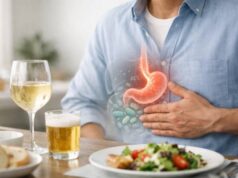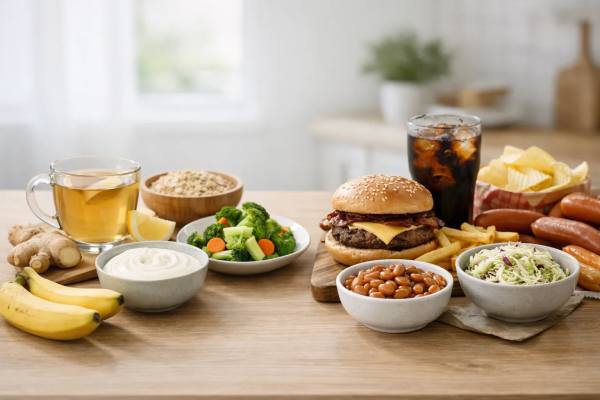
Bloating is one of the most common digestive complaints, and also one of the most frustrating—because it can come from more than one cause. For some people it is gas from fermentation, for others it is constipation and slow transit, and for many it is a mix of pressure, sensitivity, and meal timing. The good news is that food choices can make bloating quieter within days, and often much better over a few weeks, without turning eating into a strict set of rules. The goal is to lower the “bloat load” in your gut: reduce foods that ferment fast, support smoother motility, and choose meals that create less stomach and intestinal pressure. This guide walks you through foods that tend to help, foods that commonly make symptoms worse, and a practical way to test triggers so you can keep your diet broad and enjoyable.
Key Insights
- A lower-fermentation food pattern often reduces bloating and visible distension within 7–14 days.
- Building meals around soluble fiber and gentle carbs can support smoother transit and less trapped gas.
- Overly restrictive diets can backfire, so short trials and careful reintroduction are safer than long-term avoidance.
- Use a 14-day baseline and reintroduce one suspected trigger every 3 days to identify your personal high-impact foods.
Table of Contents
- Why bloating happens after meals
- Foods that calm bloating
- Foods that worsen bloating
- Fiber and FODMAP choices
- Habits that prevent gas buildup
- A two-week plan and warning signs
Why bloating happens after meals
Bloating usually means one of two things: your gut contains more volume than usual, or your gut feels fuller than it should for the amount of volume present. Those can overlap, but they lead to different food strategies.
The three main drivers of bloating
Most everyday bloating comes from a “triangle” of factors:
- Fermentation: Certain carbohydrates are not fully absorbed in the small intestine. They reach the colon, where bacteria ferment them and create gas. Gas is normal, but fast fermentation can create pressure faster than your gut can move it along.
- Motility: If stool and gas move slowly, they linger. Constipation-related bloating often gets worse as the day goes on and improves after a good bowel movement.
- Sensitivity and posture: Some people have a more sensitive gut–brain connection. They feel distension strongly, or their abdominal wall reflexes push the belly outward (visible distension) even when gas volume is not dramatic.
A helpful self-check is to ask: Do I feel better after passing stool or gas? If yes, your plan should focus on fermentation and motility. If not, sensitivity, meal timing, and trigger intensity may be bigger levers.
Why “healthy foods” can bloat you
Many foods linked with health are also high in fermentable fibers. Raw cruciferous vegetables, legumes, onions, garlic, and certain fruits can all be excellent for nutrition but challenging for a sensitive gut. The issue is usually dose and speed. A large salad, a lentil bowl, and a protein bar with added fibers can stack into a single high-fermentation day.
Swallowed air is an underrated cause
Bloating is not always a food chemistry problem. Eating quickly, chewing gum, sipping through a straw, carbonated drinks, and talking a lot while eating can increase swallowed air. That air travels through the gut and can create pressure even if your food choices are perfect.
The most useful approach is to stop treating bloating like a mystery and start treating it like an experiment: lower the drivers for two weeks, then reintroduce likely triggers with structure. That is how you identify what is truly causing your symptoms rather than guessing.
Foods that calm bloating
Foods that help bloating usually do three things: they ferment slowly, they support smoother bowel movements, and they reduce gut irritation and pressure. You do not need to eat bland food; you need a pattern your gut can handle consistently.
Gentle carbohydrates that create less gas
These tend to be steady, filling, and easier to digest for many people:
- White or brown rice, quinoa, and oats
- Potatoes and sweet potatoes (baked, boiled, or roasted rather than fried)
- Sourdough spelt bread in modest portions (often easier than standard wheat bread for some)
- Rice cakes, corn tortillas, and plain crackers when you need low-fiber simplicity
If your bloating is paired with diarrhea, lower-grease, lower-spice meals often feel better right away. If your bloating is paired with constipation, the same foods can help, but you may need additional soluble fiber and fluids.
Low-bloat fruits and vegetables to start with
Many people tolerate these well, especially when vegetables are cooked:
- Bananas, oranges in small portions, kiwi, strawberries, blueberries, grapes
- Zucchini, cucumbers, carrots, spinach, lettuce, bell peppers, tomatoes in modest portions
- Eggplant, green beans, and peeled potatoes
Cooking matters. Roasting, steaming, and sautéing soften fibers and can reduce the “balloon” feeling that raw vegetables trigger for some people.
Proteins that keep meals satisfying without heaviness
Protein can reduce snacking and help regulate meal size, which indirectly lowers bloating:
- Eggs, fish, chicken, turkey, and tofu
- Lactose-free yogurt or kefir if dairy is tolerated
- Firm cheeses in small amounts for those sensitive to lactose (tolerance varies)
Higher-fat proteins and heavy sauces can slow stomach emptying and increase pressure. If you notice bloating after richer meals, experiment with leaner proteins for 10–14 days.
Flavor that is bloat-aware
You can keep meals enjoyable without relying on common high-bloat ingredients:
- Use ginger, cumin, coriander, basil, chives, scallion greens, and infused oils
- If garlic and onion trigger you, try garlic-infused oil and the green tops of scallions for flavor
- Choose simple dressings and sauces with measured oil rather than creamy or fried coatings
A practical meal template is: gentle carb + lean protein + cooked vegetable + modest fat. It is boring in theory, but it gives you a stable baseline that makes trigger testing accurate.
Foods that worsen bloating
Foods that cause bloating usually increase fermentation, slow transit, or add gas and air. The key is that triggers are often dose-dependent. You may tolerate a food in a small portion and feel miserable in a large one, especially when several triggers stack in the same day.
High-fermentation carbohydrates
A common reason “healthy” eating increases bloating is a sudden jump in fermentable fibers and sugars. Frequently problematic foods include:
- Onions and garlic (including powders in seasoning blends)
- Beans, lentils, chickpeas, and large servings of hummus
- Wheat-heavy meals (pasta, pastries, large sandwiches), especially when paired with high fat
- Certain fruits such as apples, pears, mango, watermelon, and dried fruit
- Cruciferous vegetables in large servings, especially raw (broccoli, cauliflower, cabbage, Brussels sprouts)
Preparation can lower impact. For example, canned beans that are rinsed thoroughly are often easier than home-cooked beans, and smaller portions are a better first step than complete avoidance.
Sugar alcohols and “gut-friendly” additives
Some of the worst bloating comes from ingredients people do not realize they are eating:
- Sugar alcohols like sorbitol, mannitol, xylitol, and maltitol (common in sugar-free gum, mints, and protein products)
- Added fibers such as inulin, chicory root, and certain “prebiotic” blends
These ingredients can be valuable for some people, but for a bloating-prone gut they often act like gasoline on a fermentation fire. If you bloat after “healthy” snack bars, check the ingredient list before blaming the protein.
Carbonation and swallowed air
Carbonated drinks can worsen bloating even when they are calorie-free because they increase belching and pressure. Gum, hard candies, straws, and fast eating add swallowed air, which becomes discomfort as it moves through the digestive tract.
High-fat meals and very large portions
Fat is not “bad,” but very high-fat meals can slow stomach emptying and make you feel distended and heavy. This is especially true when fat is combined with high-fermentation carbs, such as pizza, creamy pasta, or fried foods with breading.
Instead of banning foods forever, focus on identifying your top two or three high-impact triggers. Most people improve dramatically when they reduce the biggest drivers—often onion and garlic load, sugar alcohols, carbonated drinks, and oversized meals—while keeping the rest of their diet broad.
Fiber and FODMAP choices
Fiber is essential for gut health, but it is also one of the easiest ways to accidentally increase bloating. The goal is not “more fiber at all costs.” The goal is the right type of fiber, introduced at the right speed, with enough fluid and movement to keep it from backing up.
Soluble versus insoluble fiber in real life
- Soluble fiber forms a gel and can support stool consistency and smoother transit. Many people with bloating do better starting here. Food sources include oats, chia, ground flax, kiwi, citrus in modest amounts, carrots, and potatoes.
- Insoluble fiber adds bulk and can be helpful, but for some it increases gas and discomfort when introduced quickly. Common sources include wheat bran, some raw vegetables, and certain whole grains.
If constipation is part of your bloating, soluble fiber is often the most comfortable first step. A simple approach is to add one soluble-fiber food daily and hold steady for a week before adding more.
What FODMAP means and why it matters
FODMAPs are a group of fermentable carbohydrates that can create gas and draw water into the gut. A low-FODMAP approach can reduce bloating in many people, but it works best when used correctly:
- It is a short-term trial, not a permanent diet.
- It should be followed by structured reintroduction to identify specific triggers.
- The goal is a personalized diet with as much variety as your gut allows.
A common misconception is that a low-FODMAP plan is the same as gluten-free. Some people feel better avoiding wheat not because of gluten itself, but because wheat contains fermentable fructans. That distinction matters because it prevents unnecessary long-term restriction.
How to make fiber and FODMAP changes safer
Use these practical guardrails:
- Increase fiber gradually, roughly one new high-fiber food every 3–4 days.
- Pair fiber with fluids, adding an extra glass of water when you add a new fiber source.
- Choose cooked vegetables more often than raw during a bloating flare.
- Avoid stacking multiple high-fermentation foods in the same meal until symptoms are controlled.
If you have a history of disordered eating, significant anxiety around food, or unintended weight loss, restrictive dietary trials should be approached carefully and ideally with professional support. The best bloating diet is one you can sustain without fear.
Habits that prevent gas buildup
Bloating improves faster when you combine food changes with habits that reduce pressure and help gas move. These strategies are often overlooked because they are not “diet,” but they can be as powerful as changing a food list.
Eat to reduce swallowed air
If you often feel bloated within minutes of a meal, swallowed air may be a major contributor. Try:
- Slowing down and chewing thoroughly
- Avoiding gum and hard candies for 2 weeks as a test
- Skipping straws and sipping more slowly
- Taking smaller bites and minimizing talking while chewing
These changes can feel minor, but they reduce air load and can lower that tight, stretched feeling.
Use gentle movement as a gas-mover
A short walk after meals helps many people. Ten to fifteen minutes is often enough to:
- Support motility
- Reduce gas trapping
- Improve the “heavy belly” sensation
If walking is not possible, simply staying upright after eating and avoiding tight waistbands can help.
Build meals that are satisfying but not enormous
Portion size is one of the most reliable bloating triggers. Two tactics that work well:
- Make lunch your larger meal and keep dinner lighter
- Start with a moderate portion and wait 10 minutes before deciding on seconds
Bloating often comes from pressure and load, not from a single ingredient. Even “safe” foods can create symptoms if the volume is too large.
Hydration and salt balance
Dehydration can worsen constipation-related bloating. At the same time, very salty meals can increase water retention and make you feel puffy and uncomfortable. A simple approach is:
- Aim for steady fluid intake across the day
- Balance salty meals with potassium-rich foods you tolerate, such as bananas, potatoes, and spinach
Consider the gut–brain connection
Stress does not cause all bloating, but it can amplify it by increasing sensitivity and altering motility. A practical tool is diaphragmatic breathing for 2–3 minutes before meals. It can reduce rushed eating and may help the abdominal wall stay more relaxed, which matters for visible distension in some people.
When you combine low-fermentation foods with low-pressure eating habits, many people see meaningful improvement without extreme restriction.
A two-week plan and warning signs
A good bloating plan is structured, time-limited, and designed to teach you something. The goal is not to avoid foods forever. The goal is to identify what your gut handles well and what reliably makes symptoms worse.
The 14-day baseline
For two weeks, prioritize:
- Gentle carbs (rice, oats, potatoes), lean proteins, and cooked vegetables
- One to two fruits per day from your “usually safe” list
- Simple seasonings without heavy onion and garlic load
- No sugar-free gum, no carbonated drinks, and minimal ultra-processed snack bars
Keep portions moderate and keep dinner lighter than lunch if your bloating worsens later in the day. If constipation is part of your symptoms, add one soluble-fiber food daily and keep fluids steady.
Reintroduce triggers one at a time
After 14 days, test one suspect food every 3 days:
- Choose one food (for example, wheat pasta, apples, beans, or a carbonated drink).
- Keep the portion consistent and test it at the same time of day.
- Track symptoms for the next 48–72 hours.
If symptoms spike, you have found a high-impact trigger. If symptoms do not change, that food may be safe in that portion under normal conditions.
What to do if you improve, then relapse
Relapses often come from trigger stacking. Common stacks include:
- A large meal plus carbonation
- A high-fiber day plus a high-fat dinner
- A stressful day plus fast eating plus sugar alcohols
When symptoms return, look for the stack rather than blaming a single ingredient.
Warning signs that need medical evaluation
Bloating is usually benign, but it should be checked promptly if you notice:
- Unexplained weight loss, persistent loss of appetite, or early satiety that is new for you
- Blood in stool, black stools, or anemia
- Persistent vomiting, fever, or severe abdominal pain
- New, progressive bloating that does not fluctuate and lasts for weeks
- Symptoms that wake you from sleep regularly or are worsening quickly
If you have frequent bloating plus ongoing diarrhea, constipation, or pain, it can help to discuss conditions such as IBS, food intolerances, celiac disease, and motility issues with a clinician. The best diet plan is the one that fits your diagnosis and protects your nutrition long-term.
References
- ACG Clinical Guideline: Management of Irritable Bowel Syndrome – PubMed 2021 (Guideline)
- AGA Clinical Practice Update on the Role of Diet in Irritable Bowel Syndrome: Expert Review – PubMed 2022 (Expert Review)
- Functional Abdominal Bloating and Gut Microbiota: An Update – PMC 2024 (Review)
- European Consensus on Functional Bloating and Abdominal Distension—An ESNM/UEG Recommendations for Clinical Management – PMC 2025 (Consensus Recommendations)
- An umbrella review of meta-analyses on the low-FODMAP diet in IBS – PMC 2026 (Umbrella Review)
Disclaimer
This article is for educational purposes only and does not provide medical advice, diagnosis, or treatment. Bloating can have multiple causes, and the safest dietary approach depends on your symptoms, medical history, and nutritional needs. Seek prompt medical evaluation if you have severe or persistent abdominal pain, vomiting, fever, blood in stool, black stools, unexplained weight loss, anemia, or new and progressive bloating that does not improve. If you are pregnant, have chronic medical conditions, or take prescription medications, consult a qualified healthcare professional before making major dietary changes or starting restrictive elimination diets.
If you found this article helpful, please consider sharing it on Facebook, X (formerly Twitter), or any platform you prefer.