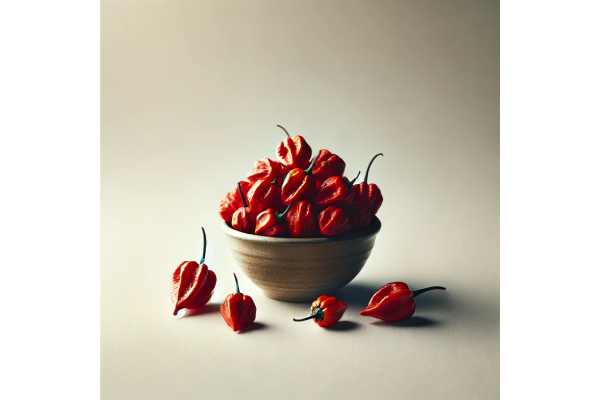
Bhut Jolokia, better known as ghost pepper, is one of the most intensely hot chilies ever cultivated. Native to India’s northeastern states, it gained global fame when recordings on the Scoville scale showed its heat exceeding one million units, far beyond common jalapeños or even many habaneros. Behind that searing burn is a complex fruit rich in capsaicinoids, carotenoids, and other bioactive compounds that have attracted serious scientific interest.
Used respectfully, ghost pepper can add deep, smoky heat and vibrant color to chutneys, pickles, curries, hot sauces, and fermented condiments. At the same time, its extreme pungency means it must be handled with care: excess intake can cause significant discomfort and, in some cases, medical emergencies. This guide walks you through what Bhut Jolokia is, what it contains, where it might genuinely support health, and where the risks clearly outweigh any benefit—so you can enjoy its flavor without gambling with your safety.
Ghost Pepper Essential Insights
- Ghost pepper is extremely rich in capsaicin and related compounds that may support metabolism, vascular health, and anti-inflammatory activity when used in small amounts.
- Excessive capsaicin intake from super hot peppers or extracts can damage the digestive mucosa and trigger severe pain, vomiting, and circulatory symptoms.
- A cautious culinary serving is roughly 0.25–0.5 g fresh ghost pepper (about 1/8–1/4 pod or a small pinch of flakes) in a dish serving several people, used at most a few times per week.
- People with gastrointestinal disease, heart or blood pressure problems, neuropathic pain, or those on multiple medications should avoid high-dose ghost pepper products or capsaicin supplements without medical supervision.
Table of Contents
- Bhut Jolokia origin and traits
- Ghost pepper nutrition and phytochemicals
- Evidence based benefits of ghost pepper
- Safety concerns, allergies and interactions
- Selecting ghost peppers and storage
- Preparing ghost peppers and cooking tips
- Portions, comparisons and common questions
Bhut Jolokia origin and traits
Bhut Jolokia is a cultivar of Capsicum chinense, a species known for producing some of the hottest peppers on earth. Genetic and agronomic research indicates it is a natural hybrid between Capsicum chinense and Capsicum frutescens, which helps explain its unique combination of intense heat and distinctive aroma. It is traditionally grown in Assam, Nagaland, Manipur, and neighboring regions, where it goes by names such as Bhut joloia, Naga Jolokia, and king chili.
On the Scoville scale, which estimates pungency based on capsaicinoid content, Bhut Jolokia typically measures around 800,000 to over 1,000,000 Scoville heat units (SHU). Studies that quantify capsaicin and dihydrocapsaicin show that Bhut Jolokia can contain more than five percent capsaicinoids by fresh weight, several hundred times higher than many everyday peppers. This places ghost pepper in the “super hot” category, though it has been overtaken at the very top end by cultivars such as Carolina Reaper and Pepper X.
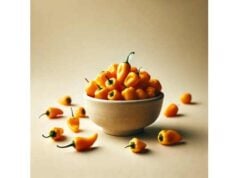
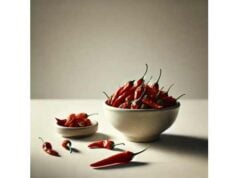
The pods themselves are relatively thin-walled, with a wrinkled, often pointed shape. Ripe fruits range from bright red to deep orange, and newer varieties also appear in chocolate and yellow tones. The placenta (the pale inner tissue that holds the seeds) is particularly rich in capsaicinoids, so even a tiny sliver of this region can deliver powerful heat.
Culinarily, Bhut Jolokia has more to offer than brute force. When carefully dosed, many cooks describe a smoky, slightly fruity, and earthy character sitting behind the initial burn. In its home region, it is used in meat and fish curries, pickles, smoked preparations, and fresh chutneys. Outside India, it appears in artisan hot sauces, spicy snacks, and novelty products, including some extreme “chili challenge” items that are not intended for routine consumption.
Beyond food, ghost pepper has been explored for non-culinary uses. Traditional practices include topical applications in diluted forms for pain and respiratory complaints. Modern experiments have investigated its potential in pest deterrents and even in non-lethal crowd control devices. These uses underline how potent the plant is; the same characteristics that make it useful in specialized settings also demand respect in the kitchen.
Understanding Bhut Jolokia as a botanical and cultural product—not just a “stunt pepper”—helps frame the rest of this article: modest, informed use versus risky excess.
Ghost pepper nutrition and phytochemicals
From a standard nutrition label perspective, ghost pepper looks similar to other chilies: mostly water, a little carbohydrate, small amounts of protein and fat, and modest quantities of vitamins and minerals. The difference lies in the extraordinary concentration of capsaicinoids and other phytochemicals, which become relevant even at tiny serving sizes.
Approximate values for fresh super hot chilies like Bhut Jolokia, per 100 g, include:
- Around 30–40 kcal
- Roughly 7–9 g carbohydrate, with 1–2 g fiber
- About 1–2 g protein and less than 1 g fat
- Substantial vitamin C (often exceeding 100 mg), along with vitamin A precursors (carotenoids), vitamin B6, and folate
- Minerals such as potassium, magnesium, and small amounts of iron
In real life, however, almost nobody eats anywhere near 100 g of ghost pepper in one sitting. A practical culinary use might involve 0.25–0.5 g of fresh chili or a pinch of dried flakes in a family-sized dish. At that level, the contribution to vitamin and mineral intake is small. The nutritional story is therefore dominated by bioactive compounds rather than macronutrients.
Key phytochemicals in Bhut Jolokia include:
- Capsaicinoids: Primarily capsaicin and dihydrocapsaicin, which together can exceed 5,000 mg per 100 g fresh fruit. These compounds bind to TRPV1 receptors, producing the sensation of heat and activating neural and vascular responses.
- Carotenoids: Pigments such as beta-carotene and capsanthin, which contribute to color and antioxidant capacity.
- Phenolic compounds and flavonoids: Including quercetin, luteolin, and other polyphenols that help scavenge reactive oxygen species and modulate inflammatory signaling.
- Vitamin C and other antioxidants: Ghost pepper, like many chilies, is rich in ascorbic acid and related compounds.
Drying dramatically increases capsaicinoid concentration per gram because water is removed. Analyses of dried chilies show capsaicin content several times higher on a weight basis than in fresh peppers. That means dried ghost pepper powders and flakes pack more heat and, potentially, greater bioactive exposure per unit weight.
Within each pod, capsaicinoids are heavily concentrated in the placenta and inner walls, with seeds acting mainly as carriers. Removing these inner tissues can lower heat but also reduce the capsaicin-driven health effects. Conversely, finely grinding the placenta into powders or extracts can create very potent products that easily exceed safe exposure levels when used casually.
In short, ghost pepper in culinary quantities adds negligible calories but delivers an unusually dense package of capsaicinoids, carotenoids, and antioxidants. Whether that is beneficial or hazardous depends almost entirely on the dose, the form, and the person consuming it.
Evidence based benefits of ghost pepper
Most clinical research focuses on capsaicin or chili consumption in general rather than Bhut Jolokia specifically. However, because ghost pepper is exceptionally rich in capsaicinoids, much of the broader capsaicin evidence is relevant when you think in terms of capsaicin dose rather than the exact cultivar.
1. Antioxidant and anti-inflammatory potential
Chemical and cell-based studies show that extracts from Bhut Jolokia can neutralize free radicals and inhibit enzymes involved in inflammatory pathways. Isolated capsaicin and dihydrocapsaicin from ghost pepper have been shown to reduce lipid peroxidation and inhibit cyclooxygenase enzymes in vitro, mechanisms that could theoretically support vascular and tissue health at appropriate doses.
Animal experiments and broader chili research suggest capsicum-derived compounds may dampen certain inflammatory processes, reduce oxidative stress, and modulate immune responses. That said, most of this work uses controlled extracts, not everyday cooking quantities, and the step from bench to bedside is significant.
2. Metabolic and cardiovascular markers
Randomized trials and meta-analyses examining capsaicin supplementation in people with metabolic syndrome report modest reductions in total and LDL cholesterol and, in some subgroups, triglycerides. Other trials show small increases in energy expenditure and fat oxidation when moderate doses of capsaicin or related compounds are consumed regularly.
These effects are generally described as modest and supportive rather than transformative. They may be most meaningful when capsaicin is part of a broader lifestyle program that includes a balanced diet and physical activity, not as a stand-alone intervention. Ghost pepper, by virtue of its potency, can easily deliver these capsaicin levels, but the challenge is staying within a safe and tolerable range.
3. Appetite, satiety, and weight control
Experimental work in humans indicates that capsaicin can influence satiety hormones and reduce subsequent energy intake in some individuals. Participants who consume spicy foods or capsaicin-containing capsules often report feeling fuller and may eat slightly less in subsequent meals.
Again, these are subtle shifts, not drastic weight loss effects. The evidence supports the idea that moderate capsaicin consumption might be one small tool in long-term weight management, particularly for people who enjoy spicy food anyway. Using tiny amounts of ghost pepper in soups, stews, and sauces could contribute to this effect without adding calories, as long as you tolerate the heat.
4. Pain modulation and neurological effects
Capsaicin is well known as a topical treatment for neuropathic pain in carefully formulated patches and creams. At the cellular level, capsaicin first activates and then desensitizes TRPV1-expressing pain fibers, which can reduce pain signaling over time. Some experimental work has explored extracts from Bhut Jolokia for topical analgesic formulations and found promising results in animal models and early acceptability studies in humans.
However, these uses rely on controlled pharmaceutical preparations, not home-made ghost pepper pastes. Applying raw ghost pepper directly to the skin or mucosa can cause intense burning, blistering, and potential injury, and should not be attempted.
5. Potential anticancer and microbiome-related effects
Ghost pepper extracts have been shown to trigger apoptosis (programmed cell death) and inhibit proliferation in certain cancer cell lines in laboratory studies. Capsaicin more broadly has been studied for potential anticancer mechanisms, including oxidative stress modulation and effects on cell signaling pathways.
In parallel, research on capsaicin and gut microbiota suggests that regular, moderate chili intake can alter microbial composition in ways that might influence metabolic and inflammatory status. These findings are intriguing but far from definitive and do not translate into advice to consume very hot peppers in large amounts as a cancer or microbiome treatment.
Overall, the scientific picture is nuanced: capsaicin-rich foods like ghost pepper may contribute to metabolic and vascular health, satiety, and certain protective mechanisms when used sparingly. At the same time, high-dose capsaicinoids can clearly cause harm. For everyday life, it is best to view Bhut Jolokia as a powerful culinary spice with potential supportive benefits at low doses, not as a self-prescribed therapeutic remedy at high doses.
Safety concerns, allergies and interactions
Because of its extreme heat, Bhut Jolokia deserves special attention on the safety side. Cases of severe discomfort and even emergency department visits have been reported after people consumed concentrated ghost pepper sauces, extracts, or whole pods in competitive eating challenges. A structured look at the risks helps clarify what is acceptable and what is not.
1. Acute gastrointestinal and systemic effects
A comprehensive assessment of high capsaicin intake concludes that even doses achievable with very spicy meals can damage the gastric mucosa in some individuals. Documented symptoms range from intense mouth and throat pain to heartburn, reflux, nausea, vomiting, abdominal pain, chest pain, dizziness, and circulatory changes such as altered blood pressure and cold sweats. Very high doses have been associated with more serious complications, including hospitalizations for severe pain and vomiting.
Because ghost pepper is so rich in capsaicinoids, a single pod or a large serving of ghost pepper chips, extracts, or sauces can easily reach those high intake levels, especially when consumed quickly and without protective foods. Eating whole Bhut Jolokia pods on a dare or participating in extreme chili contests can therefore carry real medical risk and should not be considered a harmless challenge.
2. Chronic intake and cancer risk
Population-level data on spicy food consumption suggest a complex picture. Habitual chili intake has been linked with some favorable metabolic and cardiovascular outcomes in certain cohorts, but high capsaicin intake has also been associated with increased risks of specific gastrointestinal cancers in some observational studies, particularly when combined with other risk factors such as heavy alcohol use and smoking.
These findings do not prove that ghost pepper causes cancer, but they do underline an important point: more is not better. Long-term, very high exposure to capsaicin may pose risks for parts of the digestive tract, especially when the mucosa is already stressed by other lifestyle factors.
3. Allergies, asthma, and contact irritation
Capsaicin and related compounds can trigger:
- Local irritation of skin, eyes, and airways when handling or cooking ghost pepper
- Coughing, wheezing, or shortness of breath in people with sensitive airways or asthma when capsaicin aerosols are released into the air
- Contact dermatitis or urticaria in individuals who are sensitized
Accidental eye exposure can be extremely painful and may require medical attention. Ghost pepper powders and fumes, in particular, can cause surprisingly strong reactions even with small amounts.
4. Medication interactions and underlying conditions
Because capsaicin can influence blood vessels, heart rate, pain perception, and digestion, excessive intake may interact with certain medical conditions or medications. Potential concerns include:
- Gastrointestinal disease: People with peptic ulcers, inflammatory bowel disease, or severe reflux often find that very spicy foods exacerbate symptoms. High-dose ghost pepper products are likely to be poorly tolerated and potentially harmful.
- Cardiovascular and blood pressure issues: While some data point to beneficial vascular effects at moderate doses, sudden large intakes of super hot peppers can provoke marked discomfort, transient blood pressure changes, and stress responses.
- Diabetes and neuropathic pain: Capsaicin is used in some medical products for neuropathic pain, but combining those with high dietary capsaicin might alter the overall pain response or tolerance in unpredictable ways.
- Anticoagulants and antiplatelet drugs: Data are limited, but very high capsaicin intake could, in theory, interact with platelet function and clotting pathways. Prudence is warranted for people on these medicines.
In all of these scenarios, modest culinary use may still be acceptable, but self-directed high-dose ghost pepper intake or capsaicin supplementation should be avoided unless a clinician familiar with your situation specifically agrees.
5. Vulnerable groups
Extra caution is needed for:
- Children: Their smaller body size and more sensitive mucosa make them especially vulnerable to severe pain and vomiting from tiny amounts of ghost pepper. Super hot products should be kept out of their reach.
- Pregnant and breastfeeding people: While modest chili use in food is generally considered compatible with healthy pregnancy for many people, there is no reliable safety data for very high capsaicin doses from ghost pepper. Concentrated products and extreme dishes are best avoided.
- Older adults and those with swallowing difficulties: The intense pain and coughing triggered by super hot peppers can increase the risk of aspiration and other complications.
Ghost pepper can be part of a safe diet, but the margin between a pleasantly intense burn and a medical problem is narrower than with milder chilies. Respecting that boundary is central to using it wisely.
Selecting ghost peppers and storage
Choosing high-quality Bhut Jolokia and storing it correctly not only improves flavor but also supports safety and consistency. Because this pepper is so potent, small differences in quality or handling can translate into large differences in perceived heat.
1. Identifying authentic Bhut Jolokia
For whole fresh or dried pods, look for labels that specify:
- The full name “Bhut Jolokia,” “Naga Jolokia,” or “ghost pepper”
- The botanical species Capsicum chinense, sometimes with hybrid notation
- Region of origin, ideally northeastern India or other regions known for authentic seed lines
Agricultural and trade reports indicate that over-fertilization, non-authentic seed stock, and cross-pollination with other peppers can reduce capsaicin content and alter flavor. For home cooks, this translates into variability: one batch may be milder than expected, while another from a different supplier could be searingly hot. Buying from reputable producers and reading labels carefully can reduce this uncertainty.
2. Fresh ghost pepper selection
When buying fresh pods:
- Choose firm fruits with glossy skin and vivid color (red, orange, chocolate, or yellow depending on the variety).
- Avoid pods with soft spots, mold, cracks, or signs of insect damage.
- Expect a noticeable aroma if you gently scratch the surface, though the strongest signals are released when the pod is cut.
Keep in mind that even handling intact pods can transfer enough capsaicin to your fingers to cause eye or skin irritation if you touch sensitive areas.
3. Dried peppers, flakes, and powders
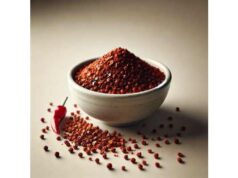
Dried ghost pepper is available as whole pods, crushed flakes, or finely ground powder. Quality indicators include:
- Uniform color without excessive darkening (some darkening is normal, but blackened or musty-smelling product may be degraded).
- Strong, clean aroma when the package is opened.
- Minimal stem and seed debris if you are buying for precise culinary use.
Powdered ghost pepper is convenient but particularly easy to overuse. A quarter teaspoon can already contain a large fraction of the capsaicin dose that causes significant discomfort for many people. Clear labeling and careful measuring are essential.
4. Storage for potency and safety
To maintain stability:
- Store dried pods, flakes, and powders in airtight containers, away from light, heat, and humidity. A sealed glass jar in a cool cupboard works well.
- Consider double-containment (for example, a sealed bag inside a jar) if you want to prevent capsaicin aromas and dust from spreading to other foods or the surrounding area.
- For fresh peppers, refrigerate in a breathable bag or container and use within one to two weeks. They can also be frozen whole or chopped; freezing somewhat softens texture but preserves heat.
Handling containers is also part of safety. Jars and bags of ghost pepper should be labelled clearly and kept out of reach of children. When you open them, avoid placing your face directly over the opening, as fine particles can irritate airways.
5. Sustainability and ethical considerations
Bhut Jolokia is closely tied to local livelihoods in its traditional growing regions. When possible, consider:
- Purchasing from suppliers that work directly with smallholder farmers and support fair pricing.
- Avoiding waste by buying quantities you can realistically use within a year or two, rather than large novelty packs that end up discarded.
- Supporting cultivars grown with reasonable fertilizer and pesticide practices, which helps maintain soil quality and long-term crop health.
Thoughtful selection and storage do not just preserve flavor; they help ensure that each time you reach for ghost pepper, you know roughly how spicy it will be and can dose it safely.
Preparing ghost peppers and cooking tips
Cooking with Bhut Jolokia is as much about risk management as it is about flavor. A few deliberate steps can turn a potentially overwhelming ingredient into a controlled, enjoyable accent.
1. Safe handling basics
Before anything else, prioritize protection:
- Put on disposable gloves before touching ghost pepper pods, seeds, or powders. If gloves are not available, coat your hands lightly with oil and wash thoroughly with soap afterward, but gloves are strongly preferred.
- Work in a well-ventilated area, and avoid leaning directly over cutting boards or pans where fumes concentrate.
- Use dedicated cutting boards and knives if you cook for people with different spice tolerances to avoid cross-contamination.
- Never touch your eyes, nose, mouth, or contact lenses while handling ghost pepper.
If accidental exposure occurs, flushing with plenty of cool water and gentle soap is usually more effective than oil alone. For eye exposure or severe symptoms, medical assessment is important.
2. Controlling heat in recipes
Because ghost pepper is so strong, control comes from both the quantity and the part of the pepper you use:
- Removing the inner placenta and seeds before chopping can significantly reduce heat, though even the outer flesh is still extremely hot.
- Start with very small amounts: a sliver the size of a lentil or a tiny pinch of flakes for a dish serving four to six people is often enough. You can always add more next time; you cannot easily fix a dish that has become inedible.
- Distribute the pepper evenly by finely mincing or dissolving it in oil before adding to the pot, rather than dropping in large chunks.
Fat and protein help moderate perceived heat. Dishes that include yogurt, coconut milk, cream, cheese, or fatty cuts of meat will often carry ghost pepper more gently than very lean or watery dishes.
3. Ideal culinary uses
Practical ways to use ghost pepper include:
- Infused oils: A single dried pod or a small piece can be gently warmed in neutral oil and then removed, leaving behind a controlled level of heat that you can drizzle in drops.
- Chutneys and relishes: Combining tiny amounts of minced ghost pepper with fruit, tomato, onion, herbs, and vinegar creates complex condiments that are used sparingly at the table.
- Curries and stews: Adding a small piece early in cooking allows capsaicin and aroma compounds to diffuse into the dish. Always taste with caution and keep track of how much you have added.
- Fermented hot sauces: Fermenting ghost pepper with milder chilies, garlic, and salt can round out flavor and make dosing easier, since you add by teaspoons rather than by whole pods.
In all cases, it is wise to inform guests that the dish contains ghost pepper, particularly if they are not used to super hot chilies.
4. Nutrient and capsaicin stability
Capsaicin is relatively heat stable, which means cooking does not dramatically degrade its activity. Much of the capsaicin will end up dissolved in cooking fats and the water phase of your dish. Vitamin C is more sensitive and will decline with prolonged high heat, but given the tiny culinary quantities of ghost pepper, this does not usually drive your overall vitamin C intake.
Roasting, smoking, and drying can alter aroma and flavor but tend to preserve or even concentrate capsaicinoids on a per-gram basis. This is one reason smoked and dried ghost pepper products often taste hotter than you might expect from their size.
5. What not to do
To minimize risk:
- Avoid eating whole Bhut Jolokia pods or large dollops of ghost pepper puree in one go, even if you are used to spicy food.
- Do not encourage or participate in chili-eating challenges that involve ghost pepper or similar super hots. The chance of severe pain and medical complications is real.
- Do not apply ghost pepper directly to skin or mucous membranes as a “home remedy” for pain; pharmaceutical capsaicin products are designed to deliver controlled doses, whereas raw ghost pepper is unpredictable.
Respectful, measured use of ghost pepper in cooking can be memorable and enjoyable. The key is to think in terms of milligrams of capsaicin, not grams of chili.
Portions, comparisons and common questions
Because there is no official recommended intake for Bhut Jolokia, portion advice relies on combining clinical capsaicin data with practical culinary experience. The goal is to stay far below doses that repeatedly produce adverse effects in studies, yet high enough for people who like spicy food to experience meaningful flavor.
1. Practical portion guidelines
For healthy adults without significant gastrointestinal or cardiovascular disease, a cautious starting point might be:
- Fresh ghost pepper in shared dishes: About 0.25–0.5 g fresh pepper (roughly 1/8–1/4 of a small pod) incorporated into a dish serving four to six people.
- Dried flakes or powder: Around 1/16–1/8 teaspoon in a family-sized dish, adjusting down if using very finely ground powder or up only slowly over time.
Even at these levels, some people will find the heat intense. If you are new to super hot chilies, begin below these amounts and increase only after you understand your tolerance.
Strong ghost pepper products such as concentrated sauces, purees, or chips coated with pepper extract can deliver much higher capsaicin doses per bite. These are best approached with extreme care or avoided entirely if you have any underlying health issues.
2. Who should be especially cautious or avoid ghost pepper?
The following groups should avoid ghost pepper in anything beyond trace amounts, and should generally stay away from very hot processed products:
- People with a history of peptic ulcers, severe reflux, inflammatory bowel disease, or chronic abdominal pain.
- Individuals with unstable heart disease, serious arrhythmias, or previous episodes of chest pain triggered by stress or strong stimuli.
- Those taking multiple medications that affect blood pressure, heart rhythm, or clotting.
- Children, especially younger ones, and adults who have difficulty communicating or managing severe pain.
- Pregnant or breastfeeding people, unless cleared by their healthcare team and using only mild, culinary quantities.
Even for otherwise healthy adults, daily high intake of ghost pepper or repeated participation in extreme spicy challenges is not advisable.
3. How ghost pepper compares with other chilies
Approximate Scoville ranges help put Bhut Jolokia in context:
- Bell pepper: 0 SHU
- Jalapeño: about 3,000–8,000 SHU
- Cayenne: around 30,000–50,000 SHU
- Habanero and Scotch bonnet: roughly 100,000–350,000 SHU
- Bhut Jolokia (ghost pepper): often 800,000–1,000,000+ SHU
- Carolina Reaper and similar super hots: can exceed 1.5–2 million SHU
This means ghost pepper can be more than a hundred times hotter than a typical jalapeño. A “small amount” of ghost pepper can therefore match the effect of a very large quantity of milder chilies.
4. Common questions
Q: Can ghost pepper cause permanent damage?
A: Most people recover fully from acute ghost pepper exposure, but severe cases have included emergency visits for intense pain, vomiting, and rare complications. High-dose capsaicin can damage gastric mucosa and trigger distressing cardiovascular symptoms. Permanent injury is uncommon but cannot be ruled out in extreme scenarios.
Q: Does ghost pepper help you live longer or prevent disease?
A: Some large studies associate regular spicy food consumption with lower mortality and better metabolic markers, while others highlight increased risks of certain digestive cancers at higher capsaicin intakes. Because these findings are not specific to ghost pepper and are influenced by many lifestyle factors, they should not be interpreted as a reason to consume large amounts of Bhut Jolokia. Moderate spice within an overall healthy diet is a more balanced takeaway.
Q: What is the best way to stop the burn if I eat too much?
A: Capsaicin is fat soluble, so sipping milk, yogurt drinks, or other dairy products often helps more than water. Oil-rich foods, nut butters, or coconut milk can also provide some relief. Alcohol and carbonated drinks tend to spread the burn rather than calm it. If severe pain, vomiting, breathing difficulty, or chest pain occurs, seek medical care rather than trying to manage it at home.
Q: Is ghost pepper safe in hot sauce?
A: Many commercial hot sauces use ghost pepper in carefully controlled quantities, diluted with vinegar, salt, and other ingredients. If you tolerate spicy foods and use such sauces sparingly (drops or small drizzles), they can fit into a normal diet. Home-made sauces, especially those using very high pepper-to-liquid ratios, are easier to misjudge and should be approached with caution.
Used thoughtfully, Bhut Jolokia can be a fascinating ingredient that adds complexity rather than simply a dare. The key is to keep portions very small, respect individual differences in tolerance, and prioritize long-term health over short-term thrills.
References
- Capsaicinoids in the hottest pepper Bhut Jolokia and its antioxidant and antiinflammatory activities 2010 (Experimental Study)
- A review on phytochemical and pharmacological potential of Bhut Jolokia (a cultivar of Capsicum chinense Jacq.) 2024 (Systematic Review)
- Spicy Food and Chili Peppers and Multiple Health Outcomes: Umbrella Review 2022 (Umbrella Review)
- High capsaicin levels can harbour health risks 2024 (Risk Assessment Opinion)
- Lipid-Lowering Efficacy of the Capsaicin in Patients With Metabolic Syndrome: A Systematic Review and Meta-Analysis of Randomized Controlled Trials 2022 (Systematic Review and Meta-Analysis)
Disclaimer
The information provided in this article is intended for general educational purposes only and does not constitute medical advice, diagnosis, or treatment. Bhut Jolokia and other capsaicin-rich foods can cause significant discomfort and may aggravate existing health conditions or interact with medications. Always consult a qualified healthcare professional before making substantial changes to your diet, using chili-based products in medicinal doses, or attempting to manage symptoms or diseases with ghost pepper or capsaicin supplements. In case of severe reactions after consuming very spicy foods, such as persistent chest pain, difficulty breathing, intense abdominal pain, or repeated vomiting, seek urgent medical attention.
If you found this article useful, you are kindly invited to share it on Facebook, X (formerly Twitter), or any platform you prefer. Thoughtful sharing helps others access balanced, evidence-informed information and supports the ongoing work of producing clear, reliable content on nutrition and health.