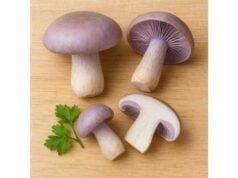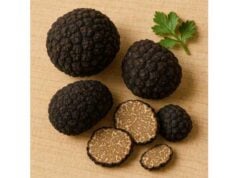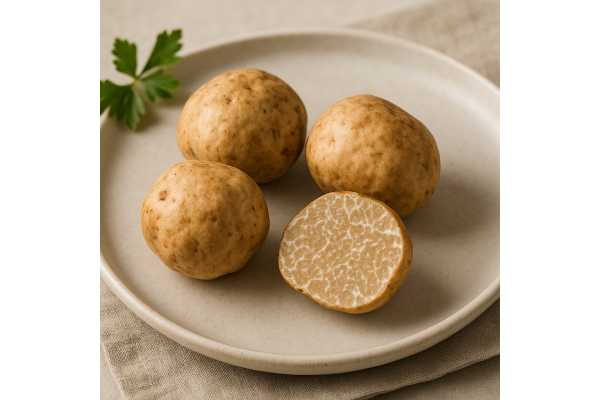
Bianchetto truffle (Tuber borchii) is the quietly charismatic cousin of the famous white truffle. In season from late winter to early spring, it delivers a garlicky, peppery perfume that lifts simple foods—eggs, risotto, pasta, buttered toast—into rare experiences. Though shaved in slivers, it brings concentrated flavor with very few calories, modest protein, and a suite of fungal bioactives such as ergosterol and polysaccharides. Compared to black or Alba white truffles, bianchetto is more approachable in price and more forgiving in the kitchen; brief warmth coaxes its aroma without erasing it. Its symbiotic life with trees also gives it an environmental angle: when responsibly cultivated, truffles can support biodiverse, low-input orchards. This guide distills what matters most about bianchetto truffle—from nutrition and potential health benefits to smart buying, sustainability, storage, and cooking—so you can get the most from every gram while staying safe.
Fast Facts
- Typical serving is 5–10 g shaved per person, enjoyed 1–2 times weekly in season.
- Low calorie food; provides small amounts of protein and bioactives with intense flavor.
- Those with mold or mushroom allergies should avoid or seek specialist advice before trying.
- Choose firm, fragrant truffles with marbled flesh; store cold and dry, use within 3–5 days.
- Wash lightly, avoid long high heat; gentle warmth unlocks aroma while limiting losses.
Table of Contents
- Bianchetto truffle overview
- Bianchetto nutrition profile
- Evidence-based health benefits
- Risks, allergies and interactions
- Quality, sustainability and storage
- Preparation and nutrient retention
- Portions, comparisons and FAQs
Bianchetto truffle overview
Bianchetto truffle (Tuber borchii Vittad.) is a spring white truffle native to Europe, especially Italy’s central and northern regions, with cultivation expanding in suitably alkaline, well-drained soils. It forms ectomycorrhizal partnerships with trees such as pine, oak, hazel, and poplar: the fungus trades mineral nutrients and water for carbohydrates from the host tree’s roots. This alliance underpins both flavor and sustainability—healthy truffle orchards (tartufaie) often require fewer inputs than annual crops and can foster useful understory diversity.
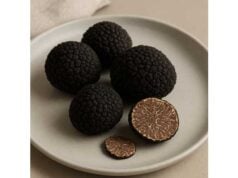
Culinarily, bianchetto sits between the ethereal Alba white truffle (T. magnatum) and the robust Périgord black (T. melanosporum). Its scent is distinct: garlicky and savory with pepper notes, becoming more assertive as the season peaks (late winter into early spring). The interior (gleba) is pale with fine marbling, and the outer skin (peridium) can range from smooth to slightly warty. Unlike delicate Alba white, bianchetto tolerates gentle heat—briefly warming slices on buttered pasta or eggs often amplifies aroma.
Nutritionally, fresh truffles are mostly water with modest protein, minimal fat, and trace carbohydrates per serving. Beyond macros, their interest lies in fungal sterols (notably ergosterol, a vitamin D₂ precursor), fibers including β-glucans, and phenolic compounds that contribute antioxidant activity in experimental models. These constituents vary by species, maturity, soil, and post-harvest handling, which is why flavor—and bioactive profiles—differ from one truffle to the next.
Market forms include fresh (whole or trimmed), preserved in brine or their own juice, frozen slices, compounded butters, and flavored oils. Genuine truffle products list species and percentage; flavored oils may rely on lab-made aroma compounds and deliver scent without the full compositional complexity of real truffles. For pure bianchetto character, fresh shavings or real-truffle butter atop warm dishes remains the gold standard.
Finally, a note on price and practicality: because typical portions are small (often 5–10 g per person), a single fresh truffle can stretch across several dishes. That’s good news for flavor-per-euro and for limiting waste—the enemy of any seasonal luxury.
Bianchetto nutrition profile
Below are typical values for ready-to-eat truffle products and fresh use. Actual composition varies with species, soil, maturity, and preservation. When you see sodium present, it reflects preserved products (brine). Fresh bianchetto shaved at the table contributes negligible sodium.
Macros & Electrolytes (per 100 g)
Representative values for whole truffle in brine; fresh shaved portions are much smaller (see “Portions”).
| Nutrient | Amount per 100 g | % Daily Value |
|---|---|---|
| Energy | 59 kcal | — |
| Protein | 5.5 g | 11% |
| Total Fat | 0.9 g | 1% |
| Saturated Fat | 0.2 g | 1% |
| Carbohydrate | 0.0–1.0 g | 0% |
| Total Sugars | 0.2 g | — |
| Dietary Fiber | 0.5–1.5 g (est.) | 2–5% |
| Sodium | 900 mg (brined) | 39% |
| Potassium | not specified | — |
| Water | ~90–93 g | — |
Fats & Fatty Acids (per 100 g of edible portion, typical ranges in truffle flesh)
| Component | Typical Range | Notes |
|---|---|---|
| Total Fat | 0.5–3.0 g | Very low overall fat. |
| Monounsaturated Fat (oleic acid) | 0.1–0.4 g | Often a major fraction of truffle lipids. |
| Polyunsaturated Fat (linoleic acid) | 0.1–0.5 g | Contributes to key aroma precursors. |
| Saturated Fat | 0.1–0.3 g | Minor proportion. |
Protein & Amino Acids
| Item | Typical Content | Comment |
|---|---|---|
| Protein | 5–10 g/100 g | Modest; sulfur-containing amino acids contribute to aroma. |
| Notable amino acids | present | Cysteine, methionine often detected; profiles vary by species and terroir. |
Bioactives / Phytonutrients
| Compound/Class | Presence in Truffles | Dietary Interest |
|---|---|---|
| Ergosterol (vitamin D₂ precursor) | Present | Fungal sterol with antioxidant potential; can convert to vitamin D₂ with UV exposure in some fungi. |
| Phenolics & Flavonoids | Present (species-dependent) | Contribute to antioxidant capacity in vitro. |
| Polysaccharides (including β-glucans) | Present | Structural fibers with emerging immunomodulatory interest. |
| Volatile sulfur compounds | Abundant | Drive the signature aroma; not a nutrient but central to culinary use. |
Allergens & Intolerance Markers
| Item | Note |
|---|---|
| Fungal proteins | May cross-react in people sensitized to molds or certain mushrooms; see Safety section. |
Additives & Fortification
- Fresh truffles: none.
- Preserved truffles: brine (water, salt) and truffle juice; sodium rises accordingly. No common fortification.
Contaminants/Residues
- Like other wild or semi-wild fungi, truffles can reflect local soils. Responsible sourcing mitigates risks related to heavy metals or environmental contaminants (more under Safety and Sustainability).
Label notes: %DV uses adult reference values (Fat 78 g, Saturated Fat 20 g, Carbohydrate 275 g, Fiber 28 g, Protein 50 g, Sodium 2300 mg). Values for fresh shaved bianchetto are a fraction of the per-100 g figures; a 10 g serving contributes ~6 kcal, ~0.6 g protein, and—if fresh—not meaningful sodium.
Evidence-based health benefits
Aromatic pleasure with minimal calories. The strongest “benefit” of bianchetto truffle is culinary: a few grams transform a dish without adding significant energy, fat, or sugar. For people managing weight or cardiometabolic risk, truffles deliver satisfaction per calorie that few ingredients can match.
Fungal bioactives worth knowing. Truffles contain bioactive constituents common to edible fungi and some that are more characteristic of truffles:
- Phenolics and flavonoids: These plant-like antioxidants appear in truffle extracts and have demonstrated free-radical scavenging and anti-inflammatory effects in cell and animal models. Potency varies by species and ecology.
- Polysaccharides (including β-glucans): Structural fungal fibers that, in other mushrooms, are associated with immune modulation. In truffles, water-soluble polysaccharides have shown antioxidant potential in vitro; ongoing work is clarifying their structure–function relationships.
- Ergosterol and sterol esters: Ergosterol is the main fungal sterol and a precursor to vitamin D₂. It also exhibits antioxidant and lipid-modulating effects in experimental systems.
- Unsaturated fatty acids: Though total fat is low, truffle lipids skew toward oleic and linoleic acids—the same monounsaturated and polyunsaturated fats associated with heart-healthy patterns when they replace saturated fat across the diet.
Flavor helps with “healthy defaults.” Because bianchetto truffle elevates simple, nutrient-dense bases—eggs, beans, whole-grain pasta, potatoes, leafy vegetables—you can build satisfying meals around whole foods with modest added fat and salt. A truffled soft-scramble or mashed white beans with warm truffle butter can be more alluring than heavier, calorie-dense alternatives.
Gut-friendly fibers—at truffle scale. Edible fungi contain chitin and β-glucans. Bianchetto’s portion sizes are tiny, so absolute fiber intake is small; still, every bit contributes to the day’s total and may add subtle benefits, especially in meals otherwise light on plants.
Context, not cure. Laboratory findings around truffle extracts (antioxidant, anti-inflammatory, antiproliferative) point to promising molecules, not clinical outcomes from shaving truffles over dinner. Enjoy truffles as part of a diverse, plant-forward pattern; do not treat them as supplements or therapies.
Who benefits most?
- Flavor-focused eaters seeking high satisfaction with minimal calories.
- People limiting sodium (when using fresh truffles rather than preserved).
- Vegetarians leveraging eggs, grains, and legumes: bianchetto adds depth and makes simple preparations feel special.
Risks, allergies and interactions
Allergy and cross-reactivity. Truffles are fungi, and fungal proteins can cross-react with sensitization to molds or specific mushrooms. Reported reactions range from oral itching to anaphylaxis in susceptible individuals. If you have a known mold or mushroom allergy—or a history of pollen-food allergy syndrome—consult an allergist before trying truffles. Heat can denature some labile allergens; however, that’s not universal. If advised to try, begin with a tiny, well-cooked amount under guidance.
Microbial safety. Fresh truffles grow underground and can carry soil microbes. Reputable foragers and merchants brush and inspect them, but home handling matters: light washing (or careful brushing), prompt drying, and storage in breathable paper at refrigerator temperatures are standard. Shave just before serving; avoid leaving slices at room temperature for long.
Environmental contaminants. Fungi can accumulate heavy metals relative to local soils. Responsible sourcing (known origin, clean environments, reputable merchants) helps minimize risk. Occasional, small portions further limit exposure. If you’re pregnant or preparing food for young children, be extra cautious: choose trusted suppliers, favor fresh over preserved if sodium is a concern, and avoid any truffle that seems off-odor or slimy.
Sodium caveat with preserved truffles. Canned or jarred truffles in brine are convenient but often high in sodium. If you’re on a sodium-restricted plan, opt for fresh truffles, truffle juice with no added salt, or use very small amounts of preserved truffle and balance the rest of the dish accordingly.
Medication interactions. No specific drug–truffle interactions are documented for typical culinary use. If you’re on strict low-tyramine diets (e.g., with certain MAO inhibitors), discuss with your clinician; while truffles are not known tyramine bombs, fermentation or aging of some mushroom products can elevate biogenic amines. When in doubt, prioritize fresh, promptly used truffles.
When to avoid or limit
- Known mushroom/mold allergy or past severe reactions to fungal foods.
- Sodium restriction when relying on preserved truffles; choose fresh instead.
- Immunosuppressed individuals: follow strict food safety; ensure truffles are fresh and handled with care.
Quality, sustainability and storage
Season and origin. Bianchetto’s main European season runs roughly January–April. Peak aroma tends to occur mid-season; early and late specimens can be milder or more pungent depending on weather and soils. Italy is the traditional heartland, but plantings in other suitable regions exist; verify species labeling (“Tuber borchii”) and harvest dates where possible.
What great bianchetto looks and smells like.
- Aroma: pleasant garlicky, savory, faintly peppery; not ammoniacal or sour.
- Firmness: yields slightly but not spongy; avoid soft spots or weeping moisture.
- Flesh: when cut, pale to tan with fine marbling; insects or large voids signal poor quality or age.
- Size: small to medium (often golf-ball size); flavor does not scale linearly with size—choose by aroma and texture.
Sustainability signals. Well-managed truffle orchards can be biodiversity-positive and low input. Look for:
- Traceable origin and harvest date.
- Certified or reputable foragers/growers who protect host trees and soils.
- Minimal packaging and cold-chain integrity.
- No raking or habitat damage (a concern with irresponsible hunting).
Storage that preserves aroma.
- Brush first, then quickly rinse only if soiled; dry thoroughly.
- Wrap loosely in absorbent paper; place in an unsealed container in the coldest part of the refrigerator.
- Change paper daily to limit moisture buildup.
- Use within 3–5 days for peak aroma.
- Infuse gently: store with eggs or butter 24–48 hours to share aroma; eggshells are semi-permeable and pick up scent.
- Freeze? You can freeze thin slices between parchment and use directly from frozen in cooked dishes; expect aroma loss relative to fresh.
- Avoid rice storage: it draws moisture too aggressively and can desiccate truffles.
Red flags
- Strong ammonia or sour notes, sliminess, deep cracks with mold growth, or collapse in structure.
- Poorly sealed preserved jars, sediment of unknown origin, or misleading labels (“aroma” without species or percentage).
Preparation and nutrient retention
The golden rule: gentle heat, short time. Bianchetto’s volatiles are delicate; high heat drives them off. Aim to warm the truffle rather than cook it hard.
Best techniques
- Shave and finish: Shave 5–10 g over hot buttered pasta, risotto, polenta, or scrambled eggs off the heat. The residual warmth releases aroma.
- Infused fats: Melt unsalted butter and briefly swirl shaved bianchetto (30–60 seconds) on low heat, then remove from heat. Spoon over steak, mushrooms, or potatoes.
- Truffle eggs (two ways):
- Store fresh truffle with eggs for 24–48 hours; scramble eggs gently with a final shave on top.
- Make a soft omelet; fill with chive crème fraîche and truffle slices, fold, rest 30 seconds.
- Truffled potato purée: Fold in truffle butter at plating; keep mixture under a simmer.
- Broths and consommés: Add a few slices just before serving; cover for one minute to bloom aroma.
What to avoid
- Prolonged sautéing or frying of truffle itself—this flattens aroma.
- Boiling slices in stock or cream—add at the end instead.
- Over-salting when using preserved truffles—taste first and salt the base lightly.
Retention tips
- Slice last minute to reduce volatilization.
- Use closed-lid rests (30–60 seconds) to trap aroma before the dish hits the table.
- Partner with fat (butter, olive oil, yolk) to carry aroma; fat binds volatiles and extends perception.
- Serve on warm plates so shaved truffle meets gentle heat without scorching.
Pairings that let bianchetto lead
- Neutral, creamy canvases: eggs, potatoes, cauliflower purée, risotto, fresh pasta, ricotta gnudi.
- Savory bass notes: lightly sautéed mushrooms, roasted chicken, poached white fish, seared scallops.
- Complementary aromatics: chive, leek, garlic butter, Parmigiano Reggiano (sparingly).
- Wines: unoaked Chardonnay, Champagne/Franciacorta, or a delicate Nebbiolo—keep oak and tannin moderate.
Portions, comparisons and FAQs
Portions and frequency
- Serving size (fresh shaved): 5–10 g per person, depending on dish intensity and budget.
- How often: 1–2 times weekly in season is common among enthusiasts.
- For preserved products: a tablespoon of truffle butter or a few slices from a jar can mimic fresh character; mind sodium if brined.
How bianchetto compares
| Feature | Bianchetto (T. borchii) | Alba white (T. magnatum) | Périgord black (T. melanosporum) |
|---|---|---|---|
| Season | Late winter–spring | Autumn–early winter | Winter |
| Aroma | Garlicky, peppery, savory | Ethereal, honey-garlic | Deep, cocoa, forest |
| Heat tolerance | Moderate (brief warming ok) | Low (best raw on hot dishes) | High (works in gentle cooking) |
| Typical price | Lower than Alba, variable by quality | Highest | High |
| Best uses | Eggs, pasta, risotto, butter sauces | Shaved over warm dishes | Sauces, poultry, foie gras, risotti |
FAQs
Is bianchetto truffle nutritious despite tiny portions?
Yes—per gram, it brings modest protein and bioactives with almost no calories. The absolute nutrient load is small because servings are small, but its ability to elevate whole foods helps you enjoy lighter dishes.
Can I eat it raw?
It’s commonly shaved raw onto hot foods. For risk-averse diners, a brief warm-through on the dish or in butter balances aroma with safety.
Are oils with “truffle flavor” the same?
No. Many use synthesized aroma compounds that smell truffle-like but lack the complexity of real truffles and contribute no fungal fibers or sterols. They can be useful, but label transparency matters.
How long does a fresh truffle last?
Plan to use within 3–5 days at peak. Aroma fades with each day; proper storage slows the slide.
Any special cookware or tools?
A truffle slicer (adjustable blade) yields even petals. A sharp mandoline or vegetable peeler can work in a pinch—mind your fingers.
References
- Potentials of truffles in nutritional and medicinal applications: a review (2020).
- Nutritional value, chemical composition and antioxidant activity of the traditional edible truffles Tuber latisporum, T. subglobosum and T. pseudohimalayense, from China (2017).
- Transcriptome Metabolic Characterization of Tuber borchii SP1-A New Spanish Strain for In Vitro Studies of the Bianchetto Truffle (2023).
- Recent Advances in the Allergic Cross-Reactivity between Fungi and Foods (2022).
- Analysis of heavy metal characteristics and health risks of edible mushrooms in the mid-western region of China (2024).
Disclaimer
This article is for general information and education. It is not a substitute for personalized medical advice, diagnosis, or treatment. If you have food allergies, are pregnant, immunocompromised, or have specific dietary needs or medical conditions, consult a qualified health professional before consuming truffles or related products.
If you found this guide useful, please consider sharing it with friends and colleagues on Facebook, X (formerly Twitter), or your favorite platform. Your support helps us keep creating careful, high-quality food and health content.