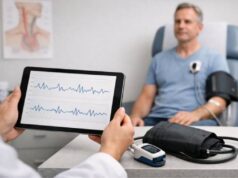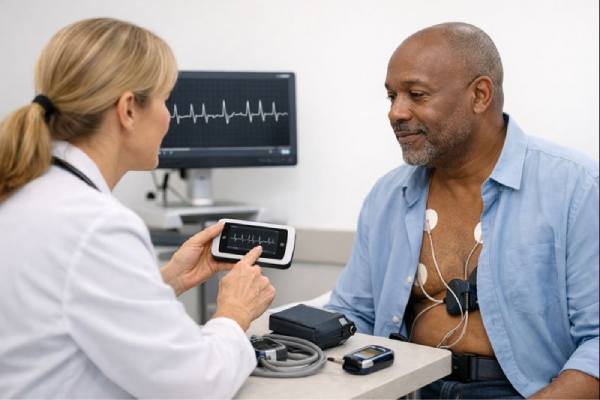
Bigeminy describes a repeating heartbeat pattern where a normal beat is followed by an extra beat, over and over—like pairs marching in step. People often notice it as “skipped beats,” fluttering, or a sudden thump in the chest, and it can be unsettling even when it is not dangerous. On an electrocardiogram (ECG), bigeminy is not a single disease; it is a rhythm pattern that can come from the atria (upper chambers) or the ventricles (lower chambers). The meaning depends on where the extra beats start and what the rest of the heart looks like.
This guide explains what bigeminy is, why it happens, who is more likely to develop it, and which symptoms deserve urgent attention. You will also learn how clinicians confirm the cause and how treatment choices—from reassurance to medication or ablation—are tailored to risk and comfort.
Table of Contents
- What bigeminy is and why it happens
- Common causes and risk factors
- Symptoms, warning signs, and complications
- How bigeminy is diagnosed
- Treatment options and what to expect
- Management, prevention, and when to seek care
What bigeminy is and why it happens
Bigeminy is a rhythm pattern, not a diagnosis by itself. The word comes from “bi-” (two) and describes heartbeats occurring in repeating pairs: one “expected” beat followed by one “extra” beat. That extra beat is called an ectopic beat, meaning it starts from a spot in the heart other than the normal pacemaker. When the pattern repeats regularly—normal, extra, normal, extra—it is bigeminy.
There are two common forms:
- Atrial bigeminy: the extra beat starts in the atria. Many people feel this as a brief flutter or a momentary pause.
- Ventricular bigeminy: the extra beat starts in the ventricles. This pattern more often produces a strong “thump” because the extra beat can be less effective, and the next normal beat may land after a slightly longer filling time, making it feel forceful.
Why does bigeminy feel so dramatic? Extra beats often arrive early, before the heart has fully refilled. That early beat may pump less blood, so you might not feel it at all. The pause afterward (a “compensatory pause” in many ventricular patterns) allows more filling, so the next beat can feel unusually strong. Many people interpret that strong beat as the problem, when it is actually the heart’s recovery beat.
Bigeminy can appear briefly—during stress, after caffeine, or while recovering from illness—or it can persist for hours to days. Clinicians pay attention to context:
- A structurally normal heart with occasional bigeminy is often a nuisance rather than a threat.
- Bigeminy with chest pain, fainting, heart failure symptoms, or known heart disease requires a more careful evaluation because the pattern may reflect irritation of the heart muscle, reduced blood supply, or an electrical focus that is firing frequently.
A useful mental model is this: bigeminy is the heart’s “extra beat habit.” The key questions are what is triggering it, how often it is happening, and whether it is affecting pump function or safety.
Common causes and risk factors
Bigeminy usually develops when the heart becomes more “excitable” or when a specific area starts firing early beats repeatedly. Triggers can be temporary and reversible, or they can reflect underlying heart disease.
Common triggers in otherwise healthy people
Many people experience bigeminy during periods of heightened adrenaline or physiologic strain. Common contributors include:
- Stimulants: caffeine, nicotine, energy drinks, and some workout supplements
- Alcohol, especially binge patterns or poor sleep after drinking
- Stress, anxiety, and panic episodes (often through adrenaline surges)
- Dehydration, fever, or acute viral illness
- Overtraining and recovery after intense exercise
- Poor sleep and untreated sleep apnea (nighttime oxygen dips can raise ectopy)
Medical and heart-related causes
Bigeminy becomes more clinically important when it is linked to structural or metabolic problems, such as:
- Coronary artery disease or reduced blood flow to heart muscle
- Cardiomyopathies (dilated, hypertrophic, or inflammatory causes)
- Prior heart attack or scar tissue
- Valve disease and enlarged chambers
- Myocarditis or systemic inflammatory conditions
- Thyroid disease (especially hyperthyroidism)
Electrolytes, medications, and substances
Electrolytes help stabilize the heart’s electrical activity. Low or high potassium and low magnesium can increase extra beats. Certain medications can also contribute, either by raising sympathetic tone or affecting electrical conduction. Examples include some decongestants, stimulant medications, and drugs that prolong repolarization in susceptible people. Recreational substances (including cocaine and amphetamines) can be especially risky triggers.
Risk factors that raise concern
Bigeminy is more worrisome when it occurs with features that increase the chance of dangerous rhythms or heart weakness:
- Known heart disease, reduced ejection fraction, or heart failure
- Syncope (fainting) or near-syncope
- Chest pain, new shortness of breath, or exercise intolerance
- Frequent ectopy over long periods (a high daily burden on monitoring)
- Family history of sudden unexplained death or inherited rhythm conditions
In practice, “risk” is not just about the pattern on an ECG. It is about whether bigeminy is a harmless response to triggers or a marker of a heart that needs deeper evaluation.
Symptoms, warning signs, and complications
Some people never feel bigeminy, even when it is obvious on an ECG. Others feel every extra beat and describe it vividly: a flip-flop, a pause, a hard thud, or a brief breath-catching sensation. Symptoms depend on the timing of the extra beats, the heart rate, and how sensitive a person is to changes in pulse pressure.
Common symptoms
Typical experiences include:
- Palpitations (fluttering, thumping, or “skipped beats”)
- Awareness of an irregular pulse
- Brief lightheadedness, especially when standing quickly
- Short bursts of chest discomfort that feel sharp or “electric” (often non-cardiac, but still worth evaluating)
- Fatigue or reduced exercise tolerance when the pattern is frequent
It can help to notice what improves symptoms. Palpitations that lessen with hydration, sleep, and reduced stimulant intake often point toward benign triggers. Palpitations that worsen with exertion, occur with chest pressure, or come with fainting deserve more urgent assessment.
When bigeminy is usually benign
Bigeminy is often low-risk when all of the following are true:
- No fainting, severe dizziness, or chest pressure
- No known structural heart disease
- Normal heart function on imaging when checked
- The extra beats are infrequent overall (even if they appear in short runs of bigeminy)
In these cases, the main problem is quality of life—symptoms, worry, and sleep disruption.
Potential complications
Complications depend strongly on the type and frequency of the extra beats.
- Frequent ventricular ectopy over months to years can, in some people, weaken the heart muscle and lead to a reversible form of cardiomyopathy. This risk is higher when extra beats make up a substantial portion of total beats on a 24-hour or longer monitor, or when the extra beats have certain electrical features.
- Underlying heart disease plus frequent ectopy can signal higher overall arrhythmia risk, mainly because the substrate (scar, dilation, inflammation) matters.
- Blocked atrial patterns can sometimes create a slow pulse if every other atrial beat fails to conduct, which may mimic bradycardia and cause fatigue or dizziness.
Red flags that should not be ignored
Seek urgent evaluation if bigeminy occurs with:
- Fainting, near-fainting, or sudden falls
- Chest pressure, severe shortness of breath, or symptoms at rest
- New weakness, confusion, or signs of poor circulation
- A rapid racing rhythm that does not settle within minutes, especially with dizziness
The goal is not to panic at every extra beat. It is to recognize when bigeminy is a symptom pattern versus a safety signal.
How bigeminy is diagnosed
Diagnosis begins with confirming that what you feel matches what the heart is doing. Because bigeminy can come and go, the “right” test is often the one that catches it during symptoms.
History and physical exam
Clinicians usually start by clarifying:
- What the sensation feels like (thump, flutter, pause)
- When it happens (rest, exercise, after meals, at night)
- Triggers (caffeine, alcohol, stress, dehydration, illness)
- Associated symptoms (dizziness, chest pressure, shortness of breath, fainting)
- Past cardiac history and family history
A pulse check can sometimes reveal the paired rhythm. However, the definitive classification requires an ECG.
Electrocardiogram
A 12-lead ECG identifies bigeminy and helps determine its origin. Key features include:
- Whether the extra beat has a narrow or wide QRS complex
- Whether there is a consistent pattern (every other beat) and whether it is uniform
- Whether the rhythm returns to normal between ectopic beats
- Whether there are signs of previous heart injury or other conduction abnormalities
This differentiation matters because atrial and ventricular ectopy can carry different implications and treatment strategies.
Ambulatory rhythm monitoring
If bigeminy is intermittent, ambulatory monitoring is often the most informative step. Depending on symptom frequency, clinicians may choose:
- A 24 to 48-hour monitor if symptoms occur daily
- A patch monitor for 1 to 2 weeks for less frequent episodes
- An implantable loop recorder when symptoms are rare but high-risk (especially unexplained fainting)
Monitoring quantifies the ectopic burden (how many extra beats occur) and identifies patterns such as runs of rapid rhythm, pauses, or symptom-rhythm correlations.
Blood tests and imaging
Testing is targeted to likely contributors:
- Electrolytes (potassium and magnesium) when triggers or illness are present
- Thyroid testing if weight loss, tremor, heat intolerance, or persistent tachycardia is present
- Cardiac imaging (often echocardiography) when symptoms are significant, ectopy is frequent, or there is any concern for structural disease
Sometimes additional imaging is used when initial testing suggests scarring, inflammation, or cardiomyopathy.
Stress testing and specialized evaluation
If symptoms appear with exertion, stress testing can be helpful to evaluate for ischemia and to see how ectopy behaves at higher heart rates. In selected cases, an electrophysiology consultation is considered—especially when symptoms are severe, the ectopy is very frequent, or ablation is being discussed.
A clear diagnosis does two things: it protects people at higher risk, and it reassures people whose bigeminy is more annoying than dangerous.
Treatment options and what to expect
Treatment for bigeminy is individualized. The right approach depends on symptoms, ectopic burden, underlying heart structure, and whether the pattern is atrial or ventricular. In many cases, the best treatment is not an aggressive procedure—it is a calm, structured plan.
Reassurance and trigger reduction
If evaluation suggests low risk, treatment often starts with practical changes that reduce heart irritability:
- Reduce caffeine gradually, especially high-dose coffee, energy drinks, and stimulant supplements
- Limit alcohol and avoid binge patterns
- Improve sleep consistency and screen for sleep apnea when snoring or daytime sleepiness is present
- Hydrate regularly, especially during illness or heat
- Address stress with structured tools (breathing training, cognitive strategies, and exercise that feels safe)
These steps are not “soft” medicine. They directly reduce sympathetic activation and improve electrical stability in many patients.
Correct reversible medical drivers
When bigeminy is linked to reversible contributors, correcting the root problem can significantly reduce extra beats:
- Restore potassium and magnesium to healthy ranges when low
- Treat hyperthyroidism or other metabolic drivers
- Address ischemia or inflammation when suspected
- Review medications and substances that may increase ectopy
Medications for symptom control
When symptoms persist, clinicians often consider medication—especially when the goal is comfort and the risk profile is low.
- Beta blockers are commonly used to reduce sympathetic tone and improve palpitations in many patients.
- Non-dihydropyridine calcium channel blockers may be used in some atrial-triggered patterns, depending on blood pressure, heart function, and other factors.
- Additional rhythm medications may be considered by specialists when symptoms are severe or ectopy is very frequent, but these drugs require careful selection and monitoring because they can have side effects and are not appropriate for everyone.
The goal is not always to eliminate every extra beat. Often, the goal is to reduce the intensity and frequency enough that the person can sleep, exercise, and stop scanning their pulse all day.
Catheter ablation
Ablation is considered when ectopy is frequent, symptomatic despite medication, or suspected to be contributing to reduced heart function. In this procedure, an electrophysiologist maps the origin of the extra beats and delivers energy to disrupt the trigger focus. For selected patients, ablation can dramatically reduce ectopy and, when cardiomyopathy is present, improve heart function over time.
What to expect over time
Many people improve with lifestyle and time alone, especially when bigeminy is tied to short-term triggers. For persistent cases, a stepwise plan—monitoring, risk assessment, and escalation only when needed—usually provides the best balance of safety and peace of mind.
Management, prevention, and when to seek care
Long-term management of bigeminy focuses on two priorities: keeping you safe and helping you feel normal again. A good plan is specific enough to guide decisions, but simple enough to follow without constant worry.
Building a practical self-management plan
Consider a short, repeatable routine:
- Track patterns, not just episodes. Note time of day, posture, meals, caffeine, alcohol, sleep, and stress level. A brief log for 1 to 2 weeks often reveals triggers.
- Measure pulse with context. If you check your pulse or a wearable shows irregularity, record how you feel and what you were doing. Numbers alone can mislead.
- Create a trigger strategy. Many people do best with “rules of thumb,” such as limiting caffeine to a modest daily amount, hydrating before workouts, and avoiding late-night alcohol.
- Treat the baseline health factors. Blood pressure control, diabetes management, weight, and sleep apnea care can reduce ectopy burden and improve overall cardiac resilience.
Prevention that actually works
Not all prevention advice is equal. The most consistently helpful steps are the ones that reduce physiologic stress on the heart:
- Regular, moderate exercise that you can sustain (build gradually rather than in bursts)
- Sleep regularity and evaluation for sleep apnea if risk factors are present
- Avoiding dehydration and correcting iron deficiency or other contributors to fatigue when relevant
- Avoiding stimulant stacking (coffee plus energy drinks plus decongestants, for example)
Follow-up and monitoring
Follow-up frequency depends on risk. People with a normal heart evaluation and mild symptoms may only need periodic check-ins. Those with frequent ectopy, worsening symptoms, or reduced heart function typically need structured reassessment—often including repeat monitoring to quantify burden and track response to treatment.
A key management concept is “burden plus impact.” Two people can have the same number of extra beats, but one feels fine and the other feels miserable. Treatment should respect both safety and lived experience.
When to seek urgent care
Get urgent evaluation if you develop:
- Fainting or near-fainting, especially sudden episodes without warning
- Chest pressure, severe shortness of breath, or symptoms at rest
- A sustained fast rhythm (racing heartbeat that does not settle) with dizziness or weakness
- New swelling, rapid weight gain, or worsening breathlessness that could suggest heart failure
If you are pregnant, have known heart disease, or recently had a cardiac procedure, a lower threshold for evaluation is appropriate because the same rhythm pattern can have different significance.
Bigeminy can be frightening, but it is often manageable. With the right testing and a clear stepwise plan, most people either improve with simple changes or have effective options that restore confidence and comfort.
References
- 2022 ESC Guidelines for the management of patients with ventricular arrhythmias and the prevention of sudden cardiac death 2022 (Guideline)
- Evaluation and Management of Premature Ventricular Complexes 2020 (Review)
- Risk factors for the development of premature ventricular complex-induced cardiomyopathy: a systematic review and meta-analysis 2022 (Systematic Review)
- Premature atrial contractions: A predictor of atrial fibrillation and a relevant marker of atrial cardiomyopathy 2022 (Review)
Disclaimer
This article is for educational purposes only and does not provide medical advice, diagnosis, or treatment. Bigeminy can be a benign rhythm pattern or a sign of an underlying condition that needs evaluation. If you have fainting, chest pressure, shortness of breath at rest, new weakness, or a sustained racing heartbeat—especially if you have known heart disease—seek urgent medical care. Always discuss symptoms, test results, medication choices, and procedural options with a qualified clinician who can assess your individual risks and needs.
If you found this article useful, please share it on Facebook, X (formerly Twitter), or any platform you prefer, and follow us on social media. Your support by sharing helps our team continue producing clear, reliable health content.