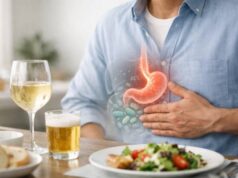
If you have persistent upper-abdominal burning, nausea, or a bitter taste that does not improve with standard acid-reflux care, bile reflux may be part of the picture. Bile is a digestive fluid made by the liver and stored in the gallbladder. It normally travels downward into the small intestine to help digest fats. In bile reflux, bile moves the wrong way—back into the stomach and sometimes up into the esophagus—where it can irritate the lining. This problem is less common than acid reflux, but it can be stubborn, especially after certain stomach or gallbladder surgeries or when stomach emptying is slowed. The challenge is that symptoms overlap with gastroesophageal reflux disease (GERD), so a “reflux” label alone does not explain what is actually coming up. Understanding the differences helps you choose more targeted testing and safer, more effective treatment steps.
Essential Insights
- Bile reflux can cause burning, nausea, and bitter regurgitation, and it may not respond well to acid-only treatments.
- Symptoms often overlap with GERD, but bile-heavy reflux is more likely after stomach surgery or significant motility problems.
- Ongoing vomiting, black stools, trouble swallowing, or unintentional weight loss should prompt urgent medical evaluation.
- A structured two-week trial of smaller, lower-fat meals earlier in the day, paired with a symptom diary, can clarify patterns before testing.
Table of Contents
- What bile reflux actually is
- Symptoms that suggest bile reflux
- Bile reflux and acid reflux compared
- Triggers and risk factors to know
- How bile reflux is diagnosed
- Treatment options and medication timing
What bile reflux actually is
Bile reflux is the backward flow of duodenal contents—bile plus pancreatic and intestinal secretions—into the stomach, and sometimes further into the esophagus. You may also see it called duodenogastric reflux (into the stomach) or duodenogastroesophageal reflux (reaching the esophagus). Unlike stomach acid, bile is not strongly acidic. It is closer to neutral or alkaline, but it can still be highly irritating because bile acids act like detergents: they can weaken protective mucus, disrupt cell membranes, and amplify inflammation—especially when mixed with acid and pepsin.
A key player is the pylorus, the muscular “gate” between the stomach and the duodenum. When pyloric function is impaired (by surgery, scarring, or disordered motility), duodenal fluid can wash back into the stomach more easily. Another contributor is gastric emptying. If the stomach empties slowly, pressure can build and increase the likelihood of reflux events in general—acidic and non-acidic alike.
It helps to separate two broad scenarios:
- Primary bile reflux: reflux occurs without major stomach surgery. Motility problems, hormonal signaling changes, and altered pyloric relaxation can contribute.
- Secondary bile reflux: reflux occurs after surgery that changes anatomy or normal flow patterns. Operations involving the stomach or pylorus are the classic triggers, but bile reflux can also appear after procedures that alter pressures and emptying.
Bile reflux is often discussed alongside “chemical gastritis” or “bile reflux gastritis,” where bile exposure is linked to inflammation in the stomach lining. In some people, the esophagus is also exposed, which may worsen esophagitis and contribute to complications when exposure is frequent and prolonged.
The practical takeaway: bile reflux is not simply “too much stomach acid.” It is a flow and barrier problem—what is moving upward, when it moves, and how well your stomach and pylorus coordinate to keep contents headed in the right direction.
Symptoms that suggest bile reflux
Bile reflux can feel similar to typical reflux, but there are patterns that raise suspicion. The most common symptoms include upper-abdominal burning or pain, nausea, and a persistent bitter taste. Some people describe regurgitation that is more bitter than sour, and occasionally yellow-green fluid may be visible with vomiting. That said, not everyone sees obvious bile—many episodes happen without dramatic regurgitation.
Common symptom clusters include:
- Burning or gnawing discomfort in the upper abdomen (epigastric region), sometimes spreading upward behind the breastbone.
- Nausea, especially after meals, that can feel “chemical” rather than queasy in a viral way.
- Bitter regurgitation, throat irritation, hoarseness, or chronic cough—particularly if reflux reaches the upper esophagus.
- Early fullness and bloating, which may reflect slower emptying or sensitivity of the stomach lining.
- Vomiting, sometimes intermittent, sometimes more frequent after large or high-fat meals.
Symptoms can be misleading because bile reflux often coexists with acid reflux. A person may have both—especially after stomach surgery or with a weakened anti-reflux barrier—so improvement with a proton pump inhibitor (PPI) does not rule bile reflux in or out. It may simply mean the acid part is quieter while the bile component continues.
When symptoms are a red flag
Seek prompt medical evaluation (and urgent care when severe) if you have:
- Vomiting that is persistent, forceful, or includes blood
- Black, tarry stools or unexplained anemia
- Trouble swallowing, food sticking, or painful swallowing
- Unintentional weight loss, loss of appetite, or dehydration
- Severe, worsening upper-abdominal pain, fever, or faintness
These signs do not automatically mean bile reflux, but they can signal complications or other conditions that need immediate attention.
A practical “pattern check”
Bile reflux symptoms often worsen after meals—especially fatty or large meals—and may be more noticeable when lying down soon after eating. If your symptoms peak within 30–90 minutes after eating and you also feel heavy fullness or nausea, it can hint that motility and duodenal backflow are involved. Tracking timing, meal size, fat content, and body position can make later testing and treatment decisions more precise.
Bile reflux and acid reflux compared
Acid reflux (GERD) is primarily the backward movement of acidic stomach contents into the esophagus, usually because the lower esophageal sphincter relaxes at the wrong times or pressure gradients favor upward flow. Bile reflux involves duodenal contents that move backward into the stomach and potentially the esophagus. These processes overlap, but they are not identical—and the differences matter for treatment.
How they feel can overlap
Both conditions can cause heartburn, chest discomfort, regurgitation, cough, throat symptoms, and sleep disruption. That is why people often self-treat bile reflux as if it were standard GERD for months.
Still, these clues may lean one way:
- Taste and sensation: bile regurgitation is often described as bitter, harsh, or “soapy,” while acid reflux is more sour.
- Nausea: nausea and upper-abdominal burning after meals can be more prominent with bile exposure, especially when there is gastric irritation.
- Surgical history: reflux starting after gastrectomy, pyloric surgery, or certain bariatric procedures raises suspicion for bile involvement.
Why PPIs can help but also mislead
PPIs reduce acid production, which often improves burning and protects the esophagus in classic GERD. But PPIs do not stop reflux events—they change the chemistry of what refluxes. If bile (or other non-acid contents) is the main irritant, symptoms may persist despite good acid suppression. In some people, symptoms improve partially (acid component controlled) while bitter regurgitation and nausea remain.
It is also possible to have reflux symptoms without high acid exposure, such as reflux hypersensitivity or functional heartburn. That is why persistent symptoms on PPIs should not automatically trigger stronger acid suppression. Instead, it should prompt a clearer question: Is reflux present, and if so, what kind?
Damage patterns can differ
Acid is strongly erosive, but bile acids can also contribute to inflammation and may amplify injury when combined with acid. In the stomach, bile exposure is associated with chemical gastropathy and sometimes visible bile pooling. In the esophagus, mixed refluxate (acid plus bile) is often considered more damaging than acid alone, particularly over long periods—though the exact risk varies and depends on exposure time and individual susceptibility.
In practice, distinguishing bile-predominant reflux from acid-predominant reflux usually requires a combination of history, endoscopy findings, and specialized testing when symptoms persist or complications are suspected.
Triggers and risk factors to know
Bile reflux is rarely caused by one single food. It is more often driven by anatomy, motility, and timing—then amplified by certain eating patterns and lifestyle factors.
High-impact risk factors
These are the factors most likely to shift bile flow in a lasting way:
- Upper gastrointestinal surgery: procedures that alter the pylorus or reroute the stomach and small intestine can increase duodenal backflow. Examples include partial gastrectomy with reconstructions, pyloroplasty, and some bariatric operations.
- Motility problems: delayed gastric emptying (gastroparesis), impaired antral contractions, or dyscoordination between stomach and duodenum can raise the chance of duodenal contents washing backward.
- Structural issues: hiatal hernia, weakened anti-reflux barrier, or post-surgical anatomy that changes pressure gradients.
Gallbladder removal is sometimes mentioned in discussions of bile-related stomach irritation. While many people do well after cholecystectomy, changes in bile delivery and intestinal motility may contribute to symptoms in a subset—especially if other risk factors are present.
Common day-to-day triggers
Even with an underlying driver, symptoms often flare in predictable situations:
- Large meals that stretch the stomach and increase pressure
- High-fat meals that slow gastric emptying and stimulate bile release
- Late-night eating, especially within 2–3 hours of lying down
- Alcohol and smoking, which can impair motility and barrier function
- Tight waistbands or positions that increase abdominal pressure
Some classic GERD triggers (peppermint, chocolate, very spicy foods) may worsen symptoms for certain people, but they are not reliable markers of bile reflux specifically. Focus first on meal size, fat load, and timing—those factors more directly affect bile delivery and gastric emptying.
Medications that can contribute
Several medication classes can worsen reflux physiology by relaxing sphincters or slowing motility in susceptible individuals. Examples include certain anticholinergics, opioids, and some calcium channel blockers. Nonsteroidal anti-inflammatory drugs (NSAIDs) can also irritate the stomach lining and make any refluxed contents feel worse. Do not stop prescribed medications abruptly, but it is reasonable to review them with a clinician if symptoms began after a change.
A useful mindset is “load and flow”: anything that increases stomach load (large meals), slows flow (delayed emptying), or weakens gates (pyloric or lower esophageal barrier) can intensify symptoms—even when the underlying cause is anatomical.
How bile reflux is diagnosed
Diagnosing bile reflux is challenging because there is no single, perfect test that is widely available. Clinicians usually combine your history with targeted testing to answer three questions: (1) Is reflux occurring? (2) Is there visible injury or inflammation? (3) Is bile likely a meaningful part of what is refluxing?
Upper endoscopy and biopsy
An upper endoscopy (EGD) can look for:
- Bile pooling in the stomach or near surgical connections
- Chemical gastropathy patterns (inflammation that fits bile exposure)
- Esophagitis or complications such as strictures or Barrett changes
- Other causes of similar symptoms (ulcers, infection, inflammation)
Endoscopy can be very helpful, but it is not definitive. Bile seen during endoscopy is a snapshot—it does not measure how often reflux happens or how far it travels. Biopsies can support the diagnosis by showing inflammation patterns consistent with chemical injury, but findings can overlap with other irritants.
Reflux monitoring and bile-specific tools
Standard reflux monitoring (pH or impedance-pH) can document reflux episodes and whether they are acidic or non-acidic. However, non-acidic does not automatically mean bile; it can also be food, saliva, or other duodenal contents. For more bile-specific detection, some centers use:
- Bilirubin monitoring (Bilitec): estimates bile exposure by detecting bilirubin as a marker. It has practical limitations and is not widely available.
- Hepatobiliary scintigraphy (HIDA-based assessment): can visualize reflux of bile into the stomach in certain protocols and is noninvasive.
Because availability varies, your testing path may depend on local expertise and your clinical story (for example, post-surgical anatomy versus no surgery).
Ruling out look-alikes
Several conditions can mimic bile reflux or intensify symptoms:
- Functional dyspepsia (upper abdominal discomfort without clear structural disease)
- Gastroparesis or rapid gastric emptying (both can disrupt normal coordination)
- Medication-related gastritis
- Gallstone or bile-duct problems (pain patterns differ, but overlap can occur)
- Persistent GERD with hypersensitivity
If you have persistent symptoms despite a reasonable initial approach, objective testing can prevent years of guesswork. The goal is not to “collect tests,” but to make sure treatment is aimed at the real mechanism—acid, non-acid reflux, bile exposure, motility, or a combination.
Treatment options and medication timing
Bile reflux treatment is usually stepwise: reduce the conditions that promote backflow, protect irritated tissue, and address underlying anatomy or motility when needed. Because symptoms often overlap with GERD, many people do best with a combined plan rather than a single “magic” medication.
Foundational strategies that often help
These steps target pressure, emptying, and timing:
- Smaller meals, lower fat load: aim for modest portions and avoid very high-fat meals for a structured trial (often 2–4 weeks).
- Earlier eating window: finish your last meal 2–3 hours before lying down.
- Left-side sleeping and gentle bed elevation: can reduce nighttime reflux exposure for some people.
- Limit alcohol and stop smoking: both can worsen reflux physiology and mucosal irritation.
- Symptom diary: record meal timing, fat content, posture, and symptom intensity. This is especially useful if testing is planned.
Medication approaches and practical timing
Medication choices depend on whether bile reflux is suspected alone or alongside acid reflux.
- Acid suppression (PPIs or H2 blockers): most useful when acid reflux is also present or when esophageal injury needs protection. Take PPIs 30–60 minutes before the first meal of the day (and before dinner if prescribed twice daily). Acid suppression may not fully resolve bile-driven nausea or bitter regurgitation, but it can reduce mixed-injury risk.
- Mucosal protectants (such as sucralfate): often used to coat and protect irritated lining. Common timing is before meals and at bedtime, separated from other medications as directed, since it can interfere with absorption.
- Bile-focused options (selected cases): some clinicians consider ursodeoxycholic acid to shift bile composition, particularly after gastric surgery, and sometimes bile acid binders in specific scenarios. These approaches are not one-size-fits-all and can cause side effects (constipation, bloating, nausea) or interact with other medications, so dosing and timing should be individualized.
- Motility support (prokinetics): may be considered when delayed emptying is a clear contributor. These require careful risk–benefit discussion due to potential side effects.
A key timing principle: if you use any binding or coating agent, separate it from other medications and supplements to avoid reduced absorption. This single step prevents a surprising number of “treatment failures.”
When surgery is considered
If severe bile reflux is tied to altered anatomy (for example, after certain stomach operations) and symptoms or injury persist despite medical therapy, surgical revision or diversion procedures may be discussed. Options vary by anatomy but can include rerouting bile flow (such as Roux-en-Y–type diversions) or procedures aimed at improving barrier function. Surgery is typically reserved for clearly documented bile reflux with meaningful symptoms or tissue damage.
The goal is durable control with the least invasive effective approach—especially because long-term, escalating medication without a clear mechanism can create side effects without solving the problem.
References
- Bile Reflux Gastritis: Insights into Pathogenesis, Relevant Factors, Carcinomatous Risk, Diagnosis, and Management – PMC 2022 (Review)
- Systematic review: duodenogastroesophageal (biliary) reflux prevalence, symptoms, oesophageal lesions and treatment – PubMed 2021 (Systematic Review)
- ACG Clinical Guideline: Guidelines for the Diagnosis and Management of Gastroesophageal Reflux Disease – PMC 2022 (Guideline)
- Bile reflux after bariatric surgery – PubMed 2023 (Review)
- Efficacy of ursodeoxycholic acid for bile reflux after distal gastrectomy in patients with gastric cancer: a secondary analysis of the PEGASUS-D randomized clinical trial – PMC 2024 (RCT)
Disclaimer
This article is for educational purposes only and does not provide medical advice, diagnosis, or treatment. Reflux symptoms can have multiple causes, and bile reflux can overlap with acid reflux, medication effects, infections, ulcers, motility disorders, and other conditions. If you have persistent symptoms, a history of gastrointestinal surgery, or any alarm signs such as vomiting blood, black stools, trouble swallowing, chest pain, dehydration, or unexplained weight loss, seek prompt medical care. Do not start, stop, or change prescription medications or supplements without guidance from a qualified clinician who can consider your full medical history and current treatments.
If you found this article helpful, consider sharing it on Facebook, X (formerly Twitter), or any platform you prefer.